

Ayurvedic Supplements and Botanicals From India: The Formula Decides Before the Factory Does
- Updated
Your route: ayurvedic supplements and botanicals from India
Made in
Several centres
Leaves India from
Port not researched yet
IndicativeUseful directional information where precise verification is unavailable.UnknownInsufficient evidence, or not yet researched.
At sea
No schedule yet
Needs a researched port first
Made in
Several centres
Leaves India from
Port not researched yet
IndicativeUseful directional information where precise verification is unavailable.UnknownInsufficient evidence, or not yet researched.
At sea
No schedule yet
Needs a researched port first
Made in
Several centres
Leaves India from
Port not researched yet
IndicativeUseful directional information where precise verification is unavailable.UnknownInsufficient evidence, or not yet researched.
At sea
No schedule yet
Needs a researched port first
Made in
Several centres
Leaves India from
Port not researched yet
IndicativeUseful directional information where precise verification is unavailable.UnknownInsufficient evidence, or not yet researched.
At sea
No schedule yet
Needs a researched port first
Made in
Several centres
Leaves India from
Port not researched yet
IndicativeUseful directional information where precise verification is unavailable.UnknownInsufficient evidence, or not yet researched.
At sea
No schedule yet
Needs a researched port first
Made in
Several centres
Leaves India from
Port not researched yet
IndicativeUseful directional information where precise verification is unavailable.UnknownInsufficient evidence, or not yet researched.
At sea
No schedule yet
Needs a researched port first
Carrier schedules read 23 Sept 2026. Days are port to port; inland haul and customs time come on top.
Add up the landed costFind the HS codeGet help shipping it (opens sourcingsync.com in a new tab)
On 20 May 2021, Finnish border officials stopped a consignment of Shanshamani (Sanshamani) vati, an Ayurvedic tablet sold as a food supplement, and sent a notice round the EU. The lab found lead at 95 mg/kg against a limit of 3.0, and mercury over its limit too (RASFF 2021.2550, our read of the RASFF record). Two years later German officials found far worse in Ayurvedic supplements already on sale, with one lead result of 18,735 mg/kg, mercury above 22,000 mg/kg in another sample, and arsenic at 13,194 mg/kg (RASFF 2023.6249).
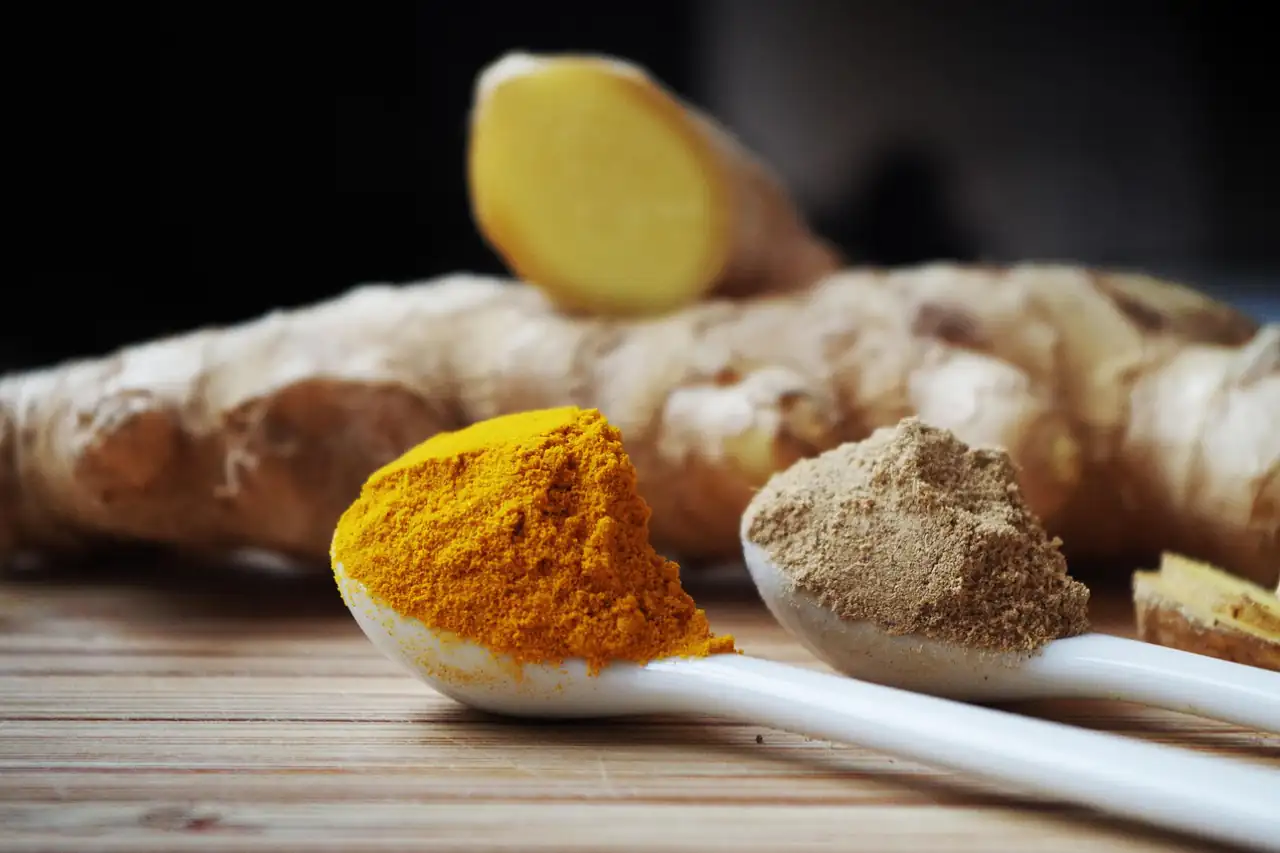
The two cases are different problems. Sanshamani vati is usually sold as a herbal tablet built on guduchi (giloy), so 95 mg/kg points at contamination in the herb or the process, a problem testing can catch. The German results aren't contamination numbers. Nothing gets to 1.8% lead by accident. They are the signature of rasa shastra, the branch of Ayurveda that uses processed metals and minerals, called bhasmas, as deliberate ingredients. That is the thread through this page. With Indian supplements, the first decision isn't which factory. It's which formula, because some formulas can't pass a Western border however well they're made. We'll show what each border refuses Indian supplements for, from our own count of the records, and how to choose formulas, claims and makers that clear. The caveat first: the border records show what was caught, not what passed, and we publish no prices.
Wall One: The Formula
Ayurvedic products fall into two families for a buyer's purposes. Herbal formulas use plant parts and extracts, like ashwagandha, triphala, brahmi or boswellia. Herbo-mineral formulas, the rasa shastra family, add bhasmas of metals such as mercury, lead, gold or iron by design. The German record above is what happens when the second family meets a food-supplement limit.
So the first filter is simple. Ask the maker for the full ingredient list, in Sanskrit and botanical names, and drop any formula with a bhasma, rasa or sindura component for any market that treats it as a food supplement. No test or factory audit fixes an ingredient that is the metal. For plain herbal formulas, heavy metals still turn up from soil and processing (lead was the hazard in 11 EU supplement notifications, mercury in 11, with median results 2.8 and 3.1 times the limit, in our count), so test every lot, but the risk is a contamination risk you can manage.
The second filter is the herb itself. Ashwagandha is the clearest case. Denmark banned it in food supplements in 2023, the Netherlands advised against it in 2024, and the UK's Food Standards Agency opened a call for evidence, as a trade-press timeline sets out (NutraIngredients, Jul 2026 (opens in a new tab)). The same timeline reports that India's Ministry of Ayush banned ashwagandha leaf in April 2026, with interim stays from two High Courts. Root extract is what most export products use, so write "root only" into the spec and ask for the extraction solvent. Then check the current position in each EU country you'll sell in with your regulatory adviser, because it's moving.
Wall Two: The Words
The US number in our intelligence block is the one that surprises people. 945 of 1,277 refused lines failed on the label, not the lab. Anything that says a product treats, cures or prevents a disease makes it an unapproved drug in US law, and an Indian label written for the home market often does exactly that. The same product with a structure-or-function claim and the right supplement facts panel is a different legal object. Nutrition labelling (142 lines), missing English (26) and missing ingredient lists (49) are the next tier of refusals, all fixable on artwork.
Do the label in your market, by your regulatory person, and send it to the maker as finished artwork. Don't let an Indian factory adapt its domestic label. Our herbal cosmetics page shows the same claim problem for skincare, and the cosmetics industry page explains why Ayurvedic is a claim question, not a herb question.
Wall Three: The Paper
In the EU, the failure is often the document, not the product. 100 of 254 notifications had no hazard at all. They were certificates missing, improper, or carrying a batch number different from the pack. A Polish official twice rejected ashwagandha extract from India for an improper certificate, in 2023 and again in 2025 (our read of the RASFF records). This isn't a quality failure. It's a matching failure, and it's preventable at the packing table.
Before any EU shipment, line up the pack, the official certificate, the lab report and the invoice and check that one batch code runs across all four. Then confirm with your broker whether your product is on the EU's list of foods from India under increased checks, because that changes which certificates you need. Our food import testing guide covers the sampling side, and the EU trade page has the wider rules.
Choosing The Maker
Once the formula, claims and paper are right, the maker matters. US buyers have long discounted Indian heavy-metal certificates and retested them, one writing in 2020 that with any Indian or Chinese certificate "it's probably wise to move the decimal point one place to the right", while another pointed out that GMP certification covers the process, not each batch (r/Nootropics, 2020 (opens in a new tab), r/Ayurveda, 2017 (opens in a new tab)). A fairer reading is that a certificate is only as good as the sample behind it. A careful maker with a good lab is common in India, and the fix is the same either way: you choose the lab and an independent person draws the sample.
Ask a prospective maker five things. Which of your products are herbal and which herbo-mineral? Which pharmacopoeia monograph do you test finished batches to? Is your facility registered with the FDA, and are you on Import Alert 99-42, 66-41 or 54-14? How do you sterilise powders (ethylene oxide was the EU's biggest hazard)? And can our inspector draw samples from sealed finished goods? Check the alert lists yourself before you sign. Then test the first three lots in a lab accredited for the exact analytes, and keep a sealed counter-sample. The verify suppliers section explains the registration checks.
For Australia, a product making therapeutic claims is a medicine, not a food, and a food-form product must use permitted vitamins and minerals only. Ask your regulatory adviser which side of that line your product sits before you design it.
Ready to act
Need hands-on help?
Checking a maker against FDA import alerts, drawing sealed samples from finished goods and sending them to an accredited lab are execution. SourcingSync does it for foreign buyers.
Back To The Finnish Border
The tablet Finland stopped in 2021 was a herbal formula that a lot test would have caught. The supplements Germany found in 2023 were formulas built on a tradition that uses metals as medicine, sent to a market whose rules treat them as food, and no test could have saved them. Know which of the two problems you're buying. Choose a formula that can pass, test the herbal lots, word it as your market allows and match the paper, and India's botanical makers are some of the most capable suppliers you'll find. More product pages are on India product guides.