Skip to content

What to Source From India: Product Families and Where They're Made

Updated

In June 2026 a UK sewist asked a forum a small question with a big lesson in it. She had bought Indian block-print cotton, and it was "sheer and needs lining" (r/sewing, 2026 (opens in a new tab)). A Jaipur local explained why elsewhere - the printers use a light cloth because "block printing is easier on that cloth. Colours are absorbed easily" (r/jaipur, 2023 (opens in a new tab)). The maker did nothing wrong. The buyer just never said what weight she wanted.

This page is that answer, family by family. For each product family you get the towns that make it, who usually sells it, what you can customise, and the one or two things buyers keep getting wrong, with what to do instead. We lean on the government's own export-town list, on import data from your side of the border, and on what foreign buyers and Indian makers say on forums. One caveat up front - forum accounts are one person's experience, so we mark them Reported and link them, and nothing on this page is ranked.

The decision in brief is in the playbook: What you can source.

Last researched 28 September 2026 · Next review 24 December 2026 · Written by SourcingFrom

How To Read This Page

The government's export-town list, dated 6 April 2023, is the backbone. It pairs knitted apparel with Tiruppur, home textiles and handloom with Panipat and Karur, hand-knotted carpets with Bhadohi and Mirzapur, leather goods with Kanpur, Agra and Ambur, handicrafts with Moradabad and Jodhpur, glass with Firozabad, and gems with Surat (DGFT, Foreign Trade Policy Appendix 1B, 6 Apr 2023 (opens in a new tab)). Spices, ayurveda and engineering hardware come from districts the list doesn't name.

Every family gets its HS chapter, so you can check the numbers yourself. When we say "buyers report", we mean foreign buyers or Indian makers on forums, with the thread linked. Test plans live in quality control, duty rules on the trade pages, and the full town table in locations. We point to them rather than repeat them.

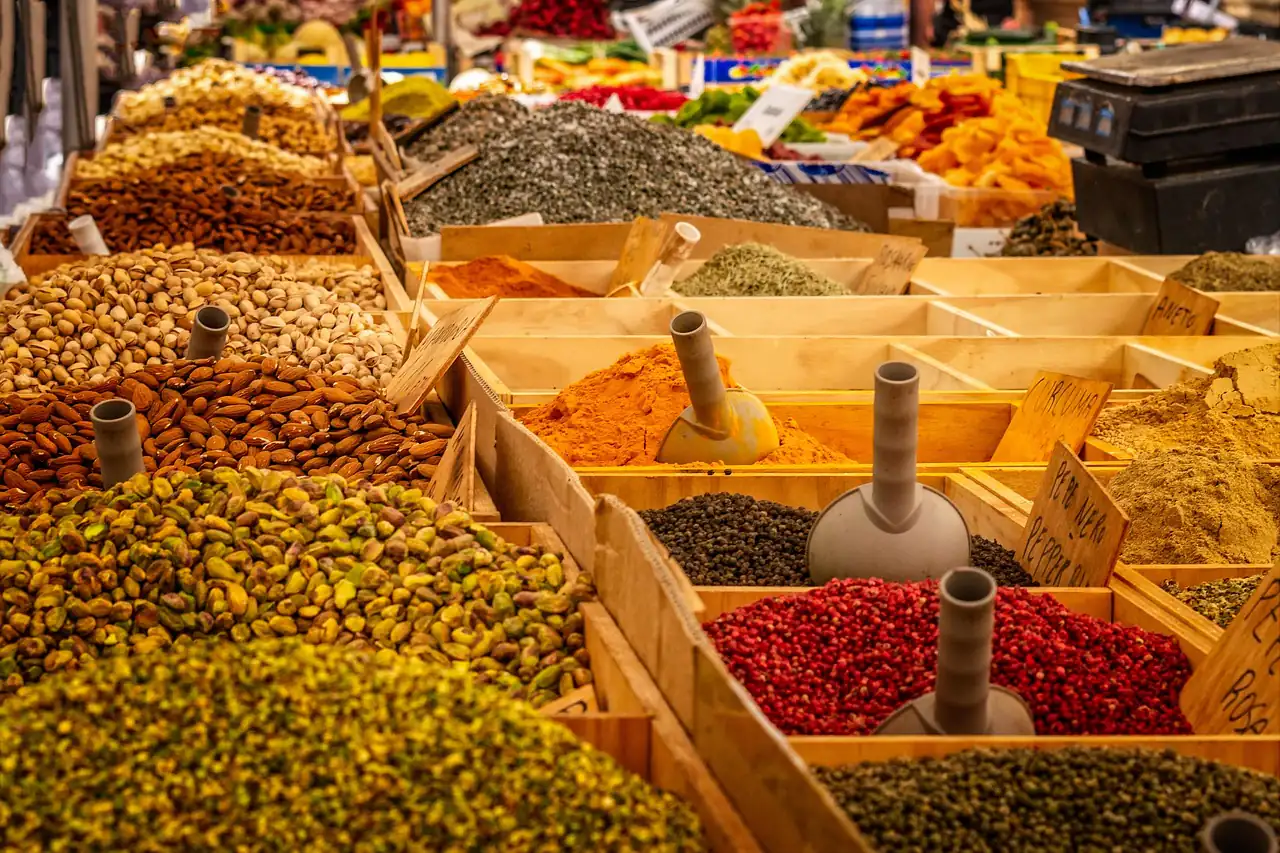
Grains and spices displayed in trays at a market stall

Top Exports vs What Buyers Buy

Engineering goods and petroleum lead India's exports by value, and neither is what most importers come for. Smartphones were India's largest single export item in 2025, at US$30.13 bn (PIB, MeitY release, 11 Mar 2026 (opens in a new tab)), and they're assembled by a handful of large firms for their own clients. Nobody on an open marketplace is going to sell you a container of them.

The families below are the ones where a foreign buyer with a market can place a first order and get a reply. How each industry is organised, and which way it moved last year, is on the industries page.

1. Apparel: Knits, Wovens, Babywear and Nightwear

Knitted Apparel

Knits are HS 61, and they're Tiruppur's whole life. Tiruppur, in Tamil Nadu, makes cotton knits (T-shirts, polos, hoodies, babywear), and Ludhiana, in Punjab, makes woollen knitwear. You'll deal with manufacturer exporters, many with their own knitting and dyeing, and with merchant exporters who pool smaller makers. Customisation is normal, from fabric weight and wash to print and label.

What goes wrong first is the belief that the town name is a quality grade. A Tiruppur exporter put it plainly in 2024 - "There is no standard as Tiruppur quality." (r/indianstartups, 2024 (opens in a new tab)). The same town makes brand-grade tees and very cheap ones, and a streetwear brand that visited almost 20 Tiruppur makers in 2026 still wasn't happy with what it found (r/streetwearstartup, 2026 (opens in a new tab)). So write the spec - yarn count, combed or carded, GSM, bio-wash, pre-shrink and maximum shrinkage - and judge the maker against it, not against the town.

The second thing to know is how Tiruppur is built. It runs as a network of separate knitting, dyeing and printing units doing job work for each other (LinkedIn, Tiruppur industry voice, 2026 (opens in a new tab)). That's a normal and efficient setup. It also means your dye lot may be done across town, and colour and finish can drift between runs, so ask which unit dyes your fabric and put a shade tolerance in the order.

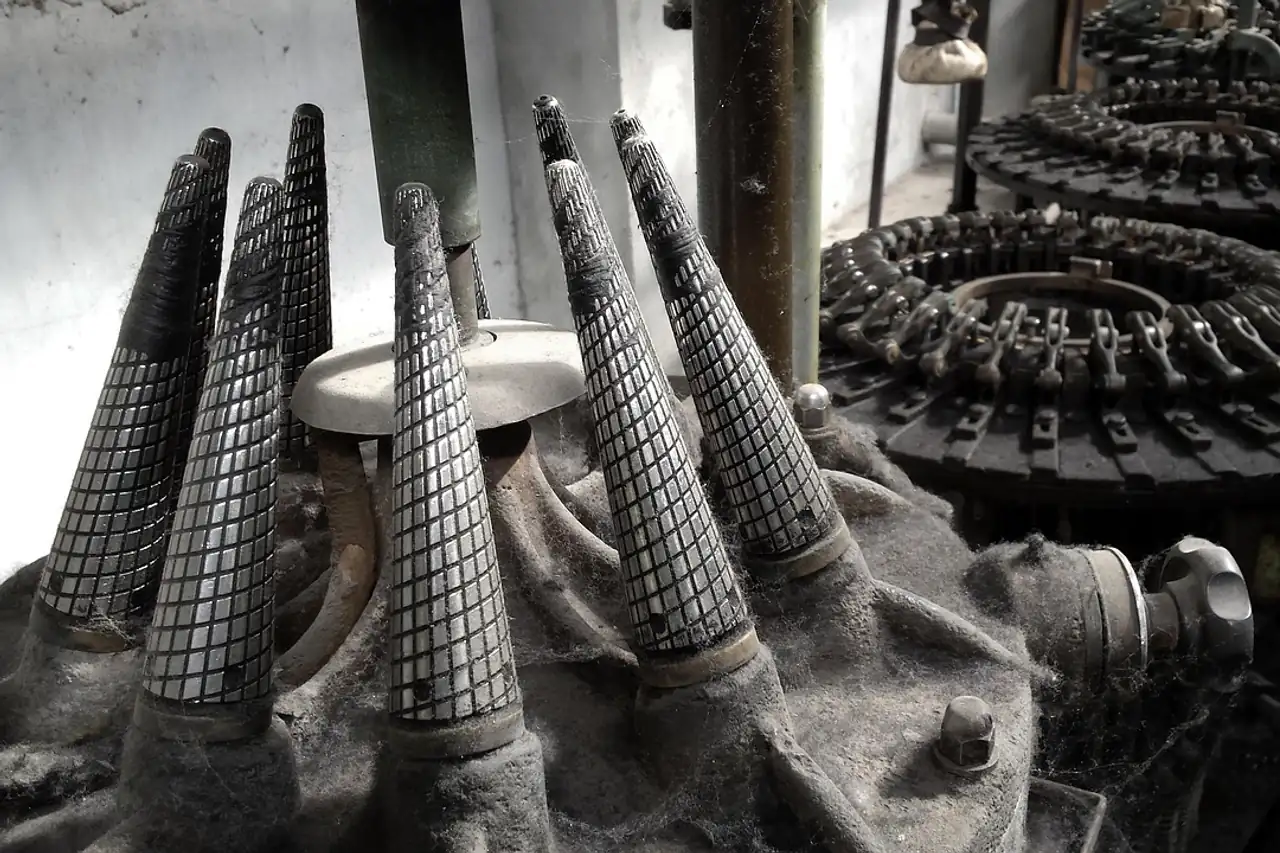
Needles and yarn on a knitting machine

On price position, customs statistics tell a clear story. In the EU in 2025 the average customs unit value of an Indian cotton T-shirt was €2.22 a piece, against €1.83 from Bangladesh and €4.41 from Viet Nam, and the UK figures follow the same order (Eurostat Comext (opens in a new tab), HMRC uktradeinfo (opens in a new tab)). India sits between the two, dearer than Bangladesh and cheaper than Viet Nam. In Australia the order flips and India is below Bangladesh. These are import statistics averaged across every tee under one customs code, not quotes. Tiruppur wins on fibre and certification, not on the cheapest piece.

One thing we'd never touch - export surplus and rejects are sold through brokers around Tiruppur's Khaderpet market, and some of it still carries brand logos (r/bangalore, 2021 (opens in a new tab)). Your border can seize that as counterfeit.

Ludhiana is a different animal. Its hosiery units describe themselves as winter-only, making sweatshirts, cardigans and kids' woollens (r/ludhiana, 2026 (opens in a new tab)). If you sell into an Australian or New Zealand winter, that seasonality might even work in your favour, though nobody has tested it yet.

Woven Apparel

Wovens are HS 62, and they're made in the belt around Delhi (Noida, Faridabad and Gurugram) and in Bhilwara, Bhiwandi, Ahmedabad and Kolhapur. You'll deal with export houses, merchant exporters and buying houses that run sampling and follow-up for a fee. Customisation runs from your tech pack to full private label.

India's woven share is rising, in the UK from 5.6% to 7.3% and in the US from 5.7% to 7.7% between 2019 and 2025 (UN Comtrade (opens in a new tab)). The common mistake is sending a woven enquiry to a knit town, because Tiruppur makes knits and little else. Match the garment to the belt before you write a single email.

Babywear and Nightwear

This is where India's apparel record is strongest. Knitted babywear (HS 6111) comes from the Tiruppur side, woven nightwear (HS 6208) from the woven belts, and India supplies about a quarter of the babies' garments bought by the UK, the US and Australia, plus 27.6% of the UK's women's woven nightwear (UN Comtrade (opens in a new tab)). If you're planning a range, lead with these.

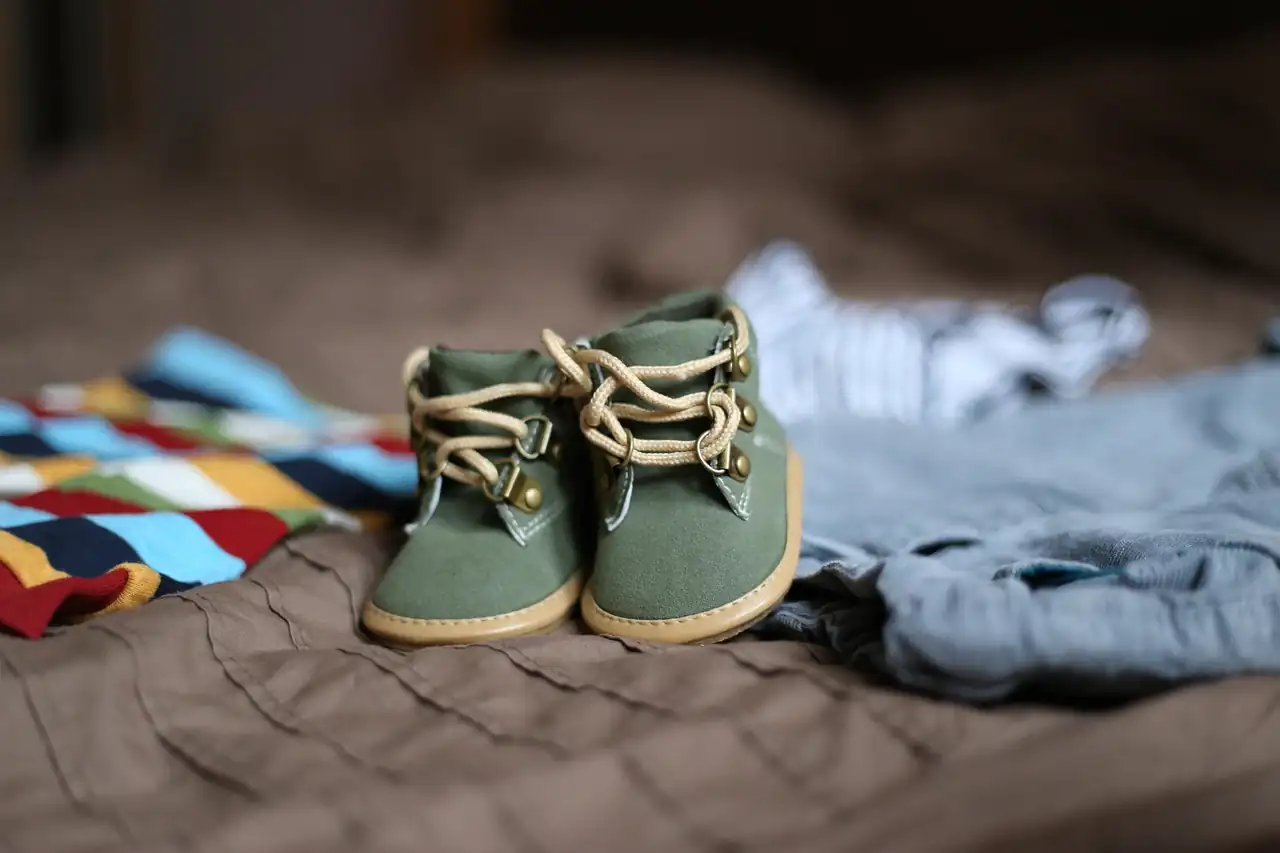
Small baby shoes beside folded baby clothes

What buyers get wrong is treating babywear as a small T-shirt. It carries its own rules in every market, from cords and drawstrings to nickel in snaps, and a design fault here is a recall, not a return. The test plan is on quality control. We have no foreign-buyer accounts about nightwear yet, so that line rests on trade data alone.

India's wider apparel edge is value-added work. An India-based buying agent said so back in 2013, pointing to "competence and creativity in heavy embroideries and beadwork" (r/IAmA, 2013 (opens in a new tab)), and a consultant touring Indian knit units in 2024 singled one out for "some of the best garment Dyeing" his team had seen (r/streetwearstartup, 2024 (opens in a new tab)). Plain basics are a price fight with China. Embroidery, washes and garment dye are where India earns its place.

2. Home Textiles, Rugs and Hand Textiles

Home Textiles and Made-Ups

Made-ups are HS 63. Panipat, in Haryana, makes bed linen, blankets and machine-made rugs, and Karur in Tamil Nadu and Kannur in Kerala make handloom table and kitchen textiles. Sellers range from large integrated mills to small handloom exporters, and you can customise weave, weight, colour, size and packaging.

Here's what surprises people. The US bed-and-bath trade runs mainly through large integrated mills, not through the classic clusters, and Karur makers don't show up among named US shippers at all (US import bill-of-lading records, Jan 2015 to Sep 2026, US sea imports only). That doesn't mean Karur doesn't export. It may ship to other markets, or sit among the shipments with no shipper named.

Karur also has habits. A visiting buyer in January 2026 emailed many makers and heard back from only a few, and the locals' advice was to tell owners in advance and walk in (r/Karur, 2026 (opens in a new tab)). A former Karur merchandiser in the same thread warned that some makers win the quote by cutting quality later (r/Karur, 2026 (opens in a new tab)). So the lowest quote is a question, not a win. How to visit a cluster like this is on the locations page.

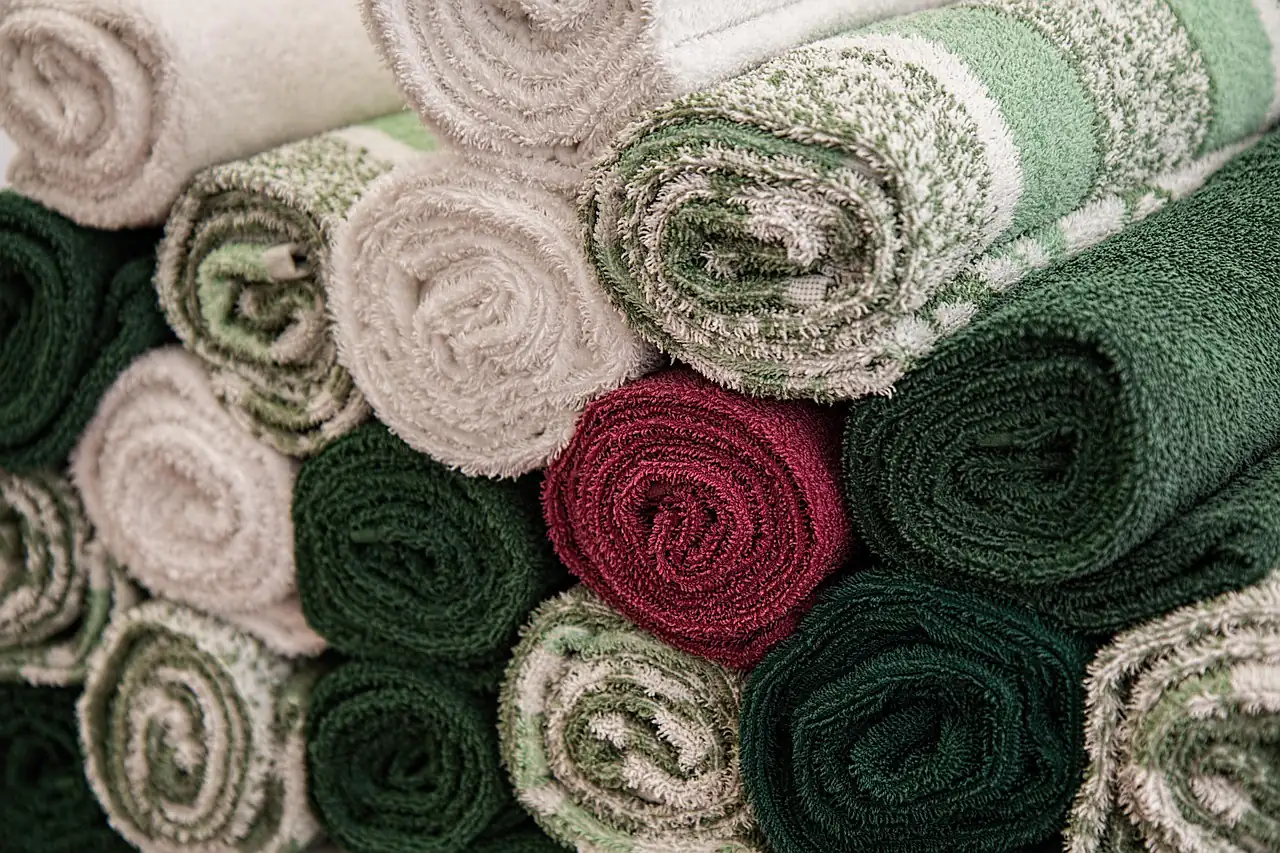
Rolled terry towels stacked in a pile

The gap is Panipat. It's the heart of a category where India is the number two supplier to three of our markets, and we have found no foreign buyer's account of it at all.

Carpets and Rugs

Carpets are HS 57, and the belt is Bhadohi, Mirzapur and Varanasi in eastern Uttar Pradesh, then Panipat, Srinagar, Jaipur and Agra. Hand-knotted stays in the eastern belt, machine-made and tufted work has moved to Panipat, and Alappuzha's coir makes Kerala a big name in "other carpets". Exporters run networks of weavers, and the same makers supply many brands. That's normal private-label practice. Customisation is the whole trade.

Now the costly part. Etsy buyers keep reporting made-to-order rugs from Indian sellers, Bhadohi named, arriving in a different colour from the listing - one US buyer ordered pink and received grey (r/Etsy, 2026 (opens in a new tab)). Listings often use renders, and the seller blames the lighting. And because sending a 50 lb rug back to India costs so much, sellers offer a replacement instead of a paid return. Those are consumers, but the lesson is yours. Approve a physical strike-off or a yarn pom before weaving starts, never a picture.

Hand-tufted rugs are the second trap. Indian makers openly sell them as the cheaper, less durable line (r/Rugs, Indian maker, 2024 (opens in a new tab)), and they're built on a canvas backing held with latex glue. Expect shedding and an odour on unboxing, and don't sell them as heirlooms.

Two more, briefly. New flatweaves are sometimes washed and faded on purpose to look old (r/Rugs, 2024 (opens in a new tab)), so sell new as new. And the label on a rug is not its origin. A Srinagar maker says many Kashmiri showrooms sell rugs woven in Jaipur or Bhadohi (r/Rugs, 2025 (opens in a new tab)). Buy from the maker, and put the weaving town in the contract.

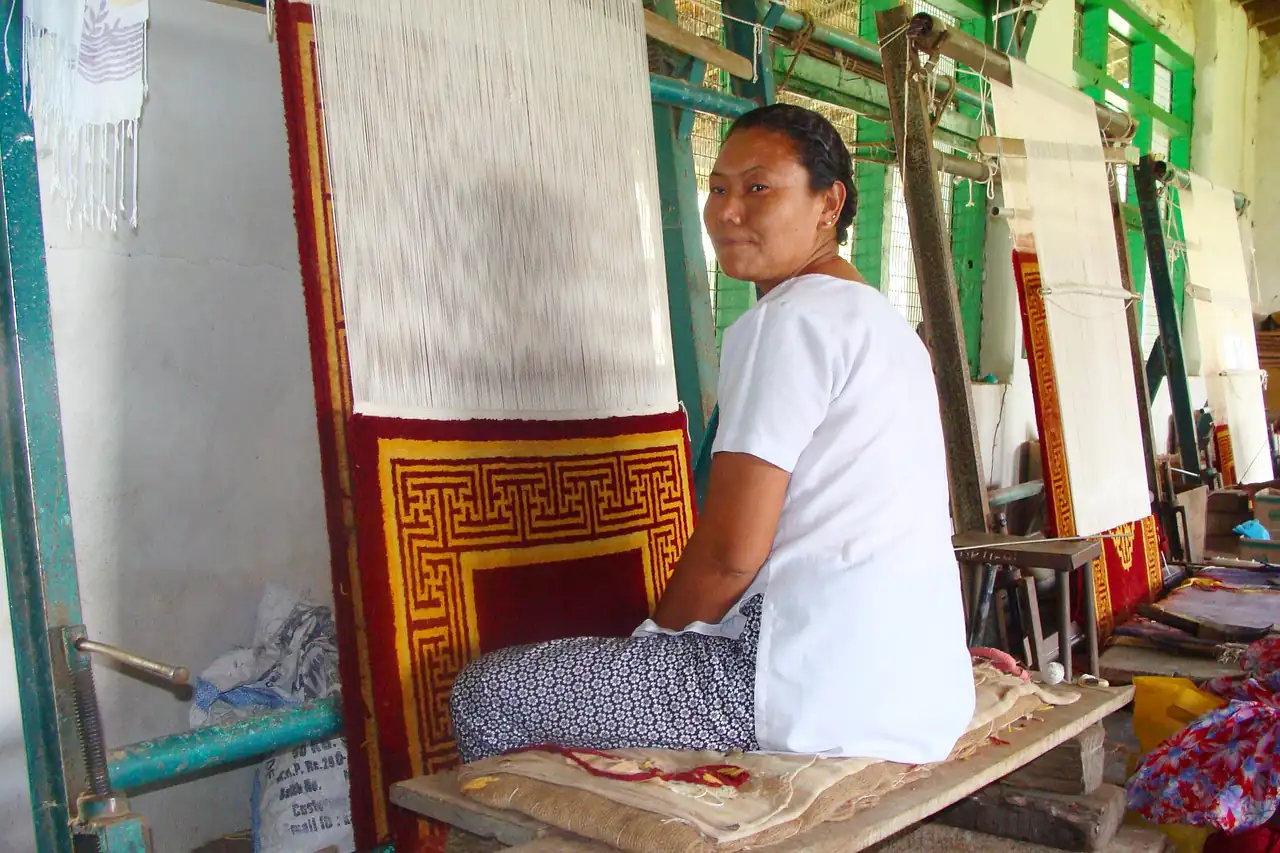
A weaver seated at an upright carpet loom

Where do Indian rugs sit in the market? US trade voices rank them below Persian and Turkish on collectability, and level with or above Chinese (r/Rugs, 2025 (opens in a new tab)). So Indian rugs sell on design, custom sizes and value, not investment. That's a fine place to be, as long as your marketing says so.

Block Print and Hand Textiles

Block print sits across HS 52, 58 and 63, and the towns are Jaipur, Sanganer and Bagru in Rajasthan. You'll deal with printing workshops and the exporters who front them, and customisation is the point - your block, your palette, your base cloth.

The first surprise is the cloth. Jaipur block print is usually printed on a light, voile-weight base, sheer enough that UK sewists line it (r/sewing, 2026 (opens in a new tab)), and a local explains why - the dye takes easily on thin cloth (r/jaipur, 2023 (opens in a new tab)). If you sell cushions or quilts, name a heavier base in the spec. A Greek buyer adds that the ground is often unbleached, so "white" arrives off-white (r/sewing, 2025 (opens in a new tab)).

The second is authenticity. Much of the "block print" in Jaipur's city shops is screen-printed, and locals send serious buyers out to Sanganer (r/jaipur, 2023 (opens in a new tab)). Bagru is known for natural indigo and dabu mud-resist, and Sanganer for synthetic dyes (r/jaipur, 2024 (opens in a new tab)). Sellers market Bagru work as "azo free", and nobody we've read has tested it, so if you sell in the EU or UK, test it yourself.

Studios advertise very small minimums, one of them as low as 20 pieces, which suits a small label (one supplier's figure, r/IndiaBusiness, 2026 (opens in a new tab)). The real limit is hands and weather. Block print dries in the sun, so the monsoon, roughly July to September, slows everything down. Plan around it.

Vintage and Circular Textiles

This one runs both ways. Most "vintage" saris sold abroad are new pieces made to look old, and India also runs a circular trade in the other direction, with sorters buying European used-clothing bales and selling curated vintage back to UK retailers. If you want genuinely old cloth, buy from a dealer who shows you the bale, not a listing. We have no figure for the size of this trade and no town for it.

Ready to act

Need hands-on help?

Want strike-offs, base-cloth samples or rug poms collected from vetted makers before you commit? SourcingSync can arrange them.

Talk to SourcingSync (opens sourcingsync.com in a new tab)

3. Leather, Bags and Footwear

Leather Goods and Bags

Leather goods are HS 42. The towns are Kanpur and Agra in Uttar Pradesh, Ambur in Tamil Nadu, and the Chennai to Vellore belt. The state lists Kanpur's district products as leather footwear, saddlery and bags (UP ODOP, Kanpur Nagar (opens in a new tab)). You'll deal with tanneries that finish their own leather, bag makers who buy hide, and merchant exporters.

What goes wrong is buying words. "Grade A", "full grain" and "genuine leather" have no shared meaning from one seller to the next. One leather worker put it best - "Full grain leather can mean the cheapest, ugliest and least robust leather like belly." (r/Leathercraft, 2025 (opens in a new tab)). So put the tannery, the species, the thickness, the tannage and a defect allowance in the purchase order.

Species matters more than people expect. Foreign buyers at Indian hide markets mostly find goat, sheep and buffalo rather than cowhide (r/Leathercraft, 2024 (opens in a new tab)), and buffalo varies far more in thickness and stretch, with edges that burnish poorly (r/Leathercraft, 2026 (opens in a new tab)). The EU's deforestation rule covers cattle leather from 30 December 2026, so the species has to be right on paper as well as in the hand.

And then there's grade. Small buyers often get what's left, because the best hides go to bulk export (r/Leathercraft, 2025 (opens in a new tab)). The cheap end of the online market shows where that leads - US buyers describe "full grain" bags made of a thin layer over canvas, with pot-metal hardware that gave out in months (r/Leathercraft, 2025 (opens in a new tab)). Specify the hardware alloy yourself and check the zip ends, where the veneer shows first.

About the smell - the old line that Indian leather smells because of how it's tanned is a myth, practitioners say. The smell is real on some pieces, but it comes from poor finishing, not from India (r/Leathercraft, 2020 (opens in a new tab)). Air a sample for a few days and see.

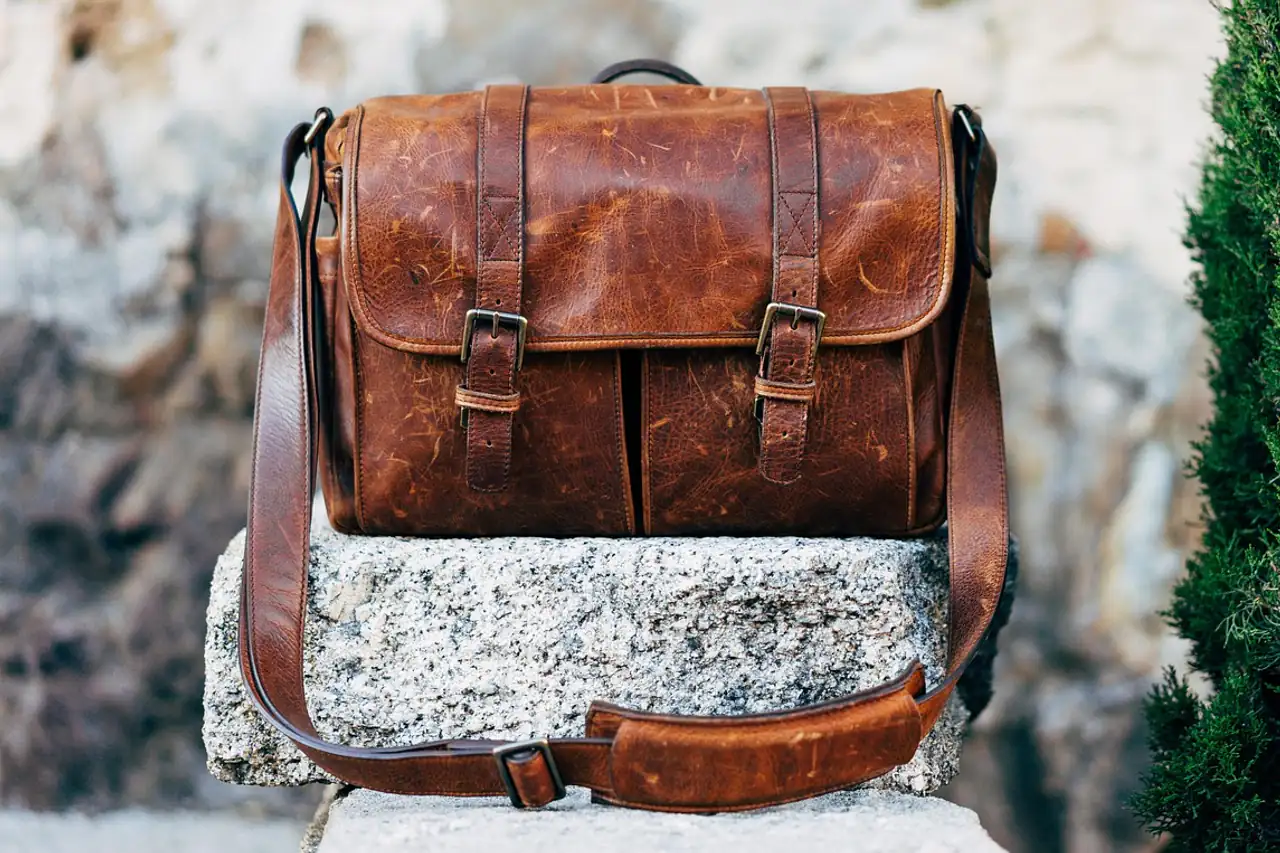
A brown leather messenger bag

Many leather "manufacturers" you'll meet online are merchant exporters, and when you ask, the factory is in Kolkata or somewhere else (r/IndiaBusiness, Indian exporter, 2025 (opens in a new tab)). That's fine. Just know who makes it and who answers for quality. The tests for chromium VI and azo dyes are in quality control.

Footwear

Footwear is HS 64, and it's the same belt as leather goods - Agra, Kanpur and Ambur. Sellers range from large audited factories to small made-to-order workshops, and you can customise the last, upper, sole and construction.

India's footwear share is falling in the EU, New Zealand and Australia, which means makers have room in their order books. No source we've read explains why.

The mistake is assuming construction equals quality. Entry-price Goodyear-welted boots made in India for UK brands are genuinely welted, but UK buyers found stiff corrected-grain uppers and rough inside finishing, not worth a resole (r/goodyearwelt, 2024 (opens in a new tab)). The spec decides the leather, not the welt. US buyers of India-made boots have complained about colour differences between the two shoes of a pair (r/goodyearwelt, 2021 (opens in a new tab)), so make "pairs match" an inspection point.

Small made-to-order makers are a different story. Buyers praise the leather and the value and complain about missed timelines and sizing, with one US buyer finding a size 9 both shorter and narrower than expected (r/goodyearwelt, 2024 (opens in a new tab)). Agree the size system in writing (UK, US or Indian) and send a reference shoe.

4. Home and Décor: Metal, Wood, Glass and Ceramics

Metal Craft and Brassware

Metal craft sits across HS 73, 74, 76 and 83, in Moradabad and Aligarh in Uttar Pradesh. Workshops make to order for export houses and rarely sell direct, so your contract will usually be with an exporter. That's a normal way to run a craft cluster.

The surprise is the metal. People go to Moradabad for brass, but "Brass City" is a heritage name. Among Moradabad's twenty largest US shippers, iron and steel articles lead in nine, furniture in six and glass in five, and brass leads in none (US import bill-of-lading records, archived June 2025, our analysis). Expect mixed-metal houses working iron, steel, aluminium, glass and wood, with brass as one line among many. How much of Moradabad's output is still brass, nobody publishes.

One duty point for US buyers - the metal in a product can change its duty even when you think of it as décor or furniture. Section 232 rates apply to steel, aluminium and copper articles by tariff line, so classify before you quote. The current rules are on the US page.

Wood, Cane, Bamboo and Furniture

Wood and furniture are HS 44 and 94. Jodhpur in Rajasthan and Saharanpur in Uttar Pradesh are the wood towns, with Agartala for bamboo and cane, and Jodhpur is the largest furniture-maker city in US import records. As in Moradabad, workshops make for export houses. Customisation covers timber, dimensions, joinery, finish and hardware.

US shoppers already know the good side. Indian acacia, mango and sheesham give mid-market US retailers solid hardwood at a fair price, and one owner said their sheesham bedroom set "has held up incredibly well" (r/woodworking, 2023 (opens in a new tab)).

The bad side is timing. Mango wood tops crack and shrink after delivery, especially in heated homes, and practitioners blame wood finished before it was dry (r/woodworking, 2024 (opens in a new tab)). Mango also varies from tree to tree and suits frames and legs better than wide panels (r/woodworking, 2022 (opens in a new tab)). Ask for the moisture content at finishing, and have someone check it with a meter before shipment.

Finish and names are the other two. Factory finishes arrive either soft enough to scratch "if you even look at it wrong" or far too glossy (r/woodworking, 2025 (opens in a new tab)), so specify the finish system and sheen, not just "matt". And species names get used loosely - "sheesham", "acacia" and mango are sold as catch-alls in the US (r/woodworking, 2023 (opens in a new tab)), and an Indian supplier admits much "teak" is mixed wood (r/IndiaBusiness, 2026 (opens in a new tab)). That matters for legality paperwork. Australia's illegal-logging rules and the EU's deforestation rule both need the true species, and the Australia page has the detail.

Glass and Ceramics

Glass and ceramics are HS 70 and 69. Firozabad, in Uttar Pradesh, makes glass artware and bangles, with "more than 400 glass work units" per the state (UP ODOP, Firozabad (opens in a new tab)). Morbi, in Gujarat, makes tiles and sanitaryware, the rising line in the UK and EU. Firozabad sells through export houses, and Morbi through manufacturers with their own kilns.

US installers put India-made porcelain tile in the big-box tier below Spain and Italy, and one says he charges more to lay cheap tile because of bowing, sizing and mixed batches (r/Tile, 2024 (opens in a new tab)). Those are testable defects. Specify flatness, calibration and one production batch per order, and test every lot. An Indian exporter's habit of laying tiles with no joints also clashed with US installation norms (r/Tile, 2021 (opens in a new tab)), so give your installers your own market's guidance.

Firozabad has no foreign-buyer evidence on file at all. We looked.

5. Jewellery and Gems

Silver and Fashion Jewellery

Jewellery is HS 71. Jaipur, in Rajasthan, handles coloured stones, silver and fashion jewellery, and Surat, in Gujarat, handles diamonds and lab-grown stones. Private label is routine.

The stamp is where buyers get caught. Jaipur locals have long told foreign visitors not to trust a "925" mark alone (TripAdvisor Jaipur forum, 2011, archived (opens in a new tab)). Silver is traded by weight, so ask for the weight of each piece, and test purity on your first lot. The accounts are old, but the logic hasn't changed.

Stones falling out of settings is a repeated complaint about Jaipur gem-set pieces (r/jaipur, 2025 (opens in a new tab)), and returning jewellery to India is slow and uncertain. So check the claws and settings before shipment, not after. For fashion jewellery sold in the US or EU, diaspora buyers already worry about lead in the base metal (r/ABCDesis, 2021 (opens in a new tab)), and your market's limits for lead, cadmium and nickel apply. The plan is in quality control.


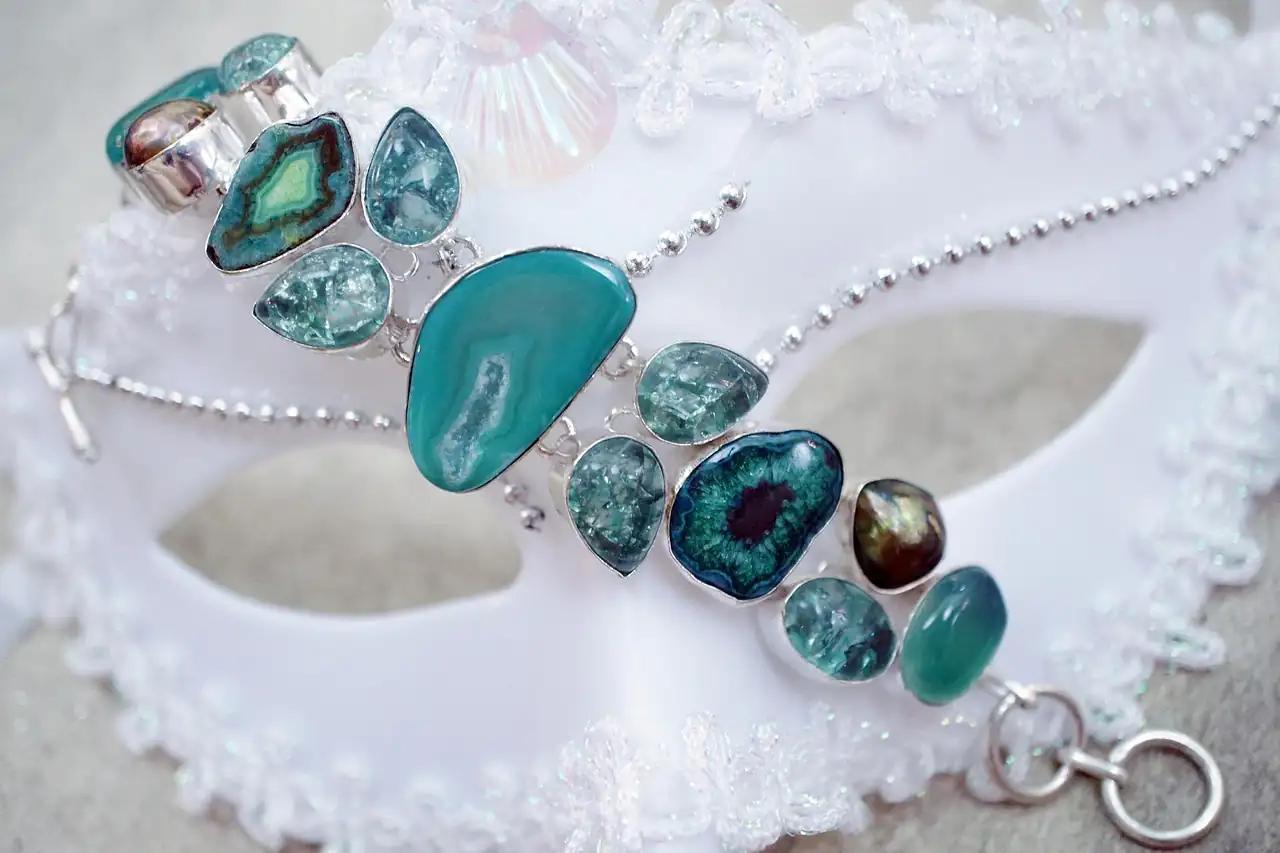
A silver bracelet set with turquoise stones

Gems and Lab-Grown Diamonds

For coloured stones, the certificate is the risk. Foreign buyers on a gem forum treat reports from small, unfamiliar Jaipur labs as worthless, and some stones sold with them later tested as glass (International Gem Society forum, 2019 (opens in a new tab)). Low-priced "Indian rubies" are commonly heated, dyed or filled with lead glass (IGS forum, 2022 (opens in a new tab)), and glass-filled ruby is worth close to nothing. Use a recognised lab on any stone that matters, and get the treatment written on the invoice.

Lab-grown is Surat's growth story. Indian lab-grown diamonds usually ship with IGI reports, which buyers value because they state whether a stone was grown by CVD or HPHT (r/LabDiamonds, 2024 (opens in a new tab)). Ask for the growth method and any post-growth treatment on every report. And expect a wall at first - a US buyer with a registered company still couldn't get wholesale terms from Surat without scale or trade standing (r/labdiamond, 2024 (opens in a new tab)).

6. Spices, Ayurveda, Oils and Incense

Spices

Spices are HS 09, with oleoresins in HS 33. No spice town sits on the export-town list, because the trade is organised by exporter rather than by cluster. Chilli was India's largest spice export at US$1,342.52 m in FY2024-25, then cumin and then spice oils and oleoresins (IBEF (opens in a new tab), Reported). You'll deal with exporters and processors, many registered with the Spices Board.

The risk has moved, and most buyers haven't noticed. In 2024 the headlines were about ethylene oxide. But EU alerts for ethylene oxide in Indian spices fell from 20 to 22 a year in 2021 to 2023 to 4 in 2025 and 2 in 2026, while pesticide residues now lead, headed by chlorpyrifos at 15 alerts in 2026 (RASFF, our count to September 2026). Test for pesticides first. The full picture by border is on quality control.

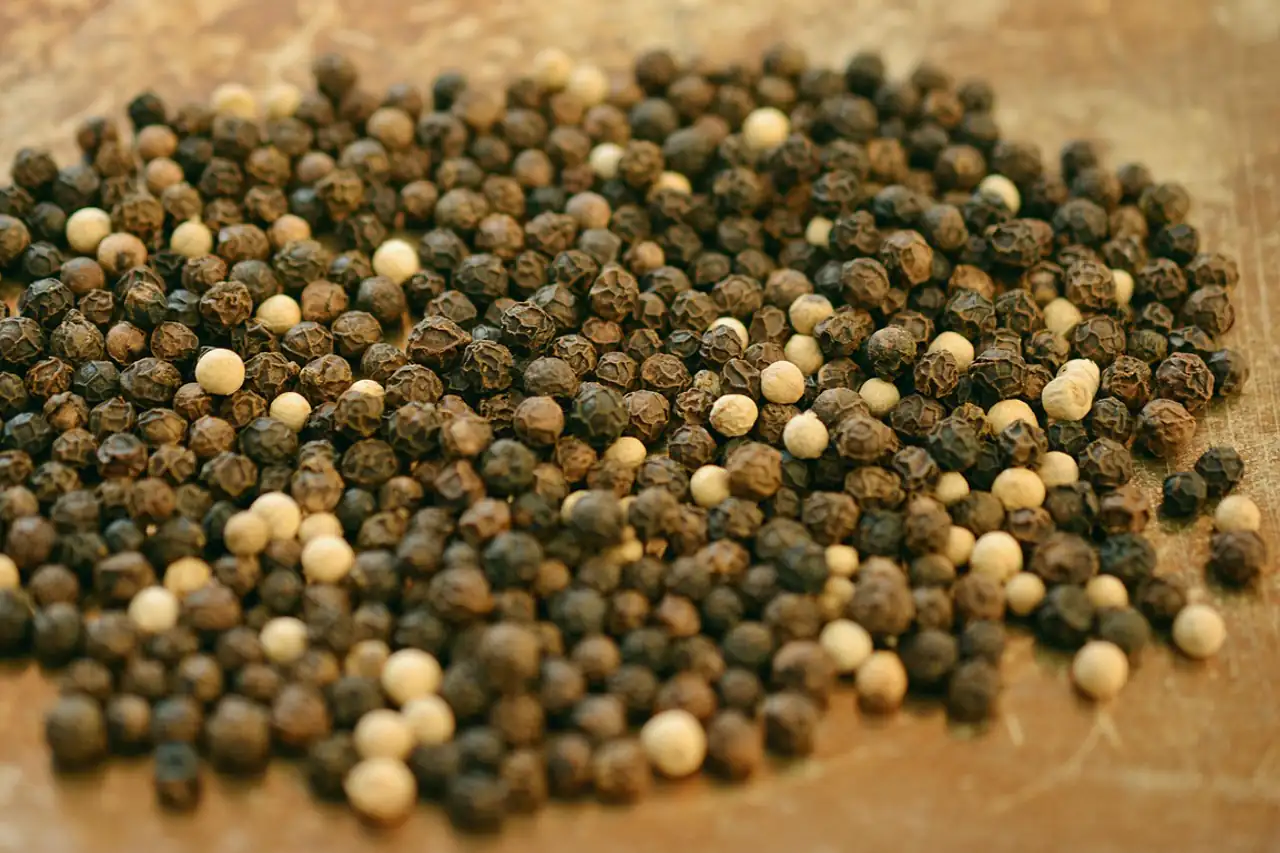
Whole black peppercorns

Buy a grade, not a name. "Tellicherry" is a size grade of Malabar black pepper, and an EU trader says jar packers buy it because "it looks good in a glass" (r/spices, 2022 (opens in a new tab)). Name the grade and the treatment method (steam or otherwise) in the contract, by destination. And don't judge an export lot by a domestic sample, because the denser pepper goes to export (r/Kerala, export insider, 2022 (opens in a new tab)).

Serious US spice buyers test every lot, pathogens included, and set their own heavy-metal limit because the FDA sets none for spices (r/Cooking, US food-safety manager, 2024 (opens in a new tab)). An organic certificate is paperwork, not a heavy-metal test. Australian buyers have a separate problem: cumin, coriander, fennel and chilli come under biosecurity conditions, so check BICON for the commercial rule before you order.

Ready to act

Need hands-on help?

Need a spice lot sampled, sealed and sent to a lab before it ships? SourcingSync can organise it.

Talk to SourcingSync (opens sourcingsync.com in a new tab)

Ayurveda, Essential Oils and Attar

Ayurvedic products, oils and attars are HS 33. Kannauj, in Uttar Pradesh, is the attar town. Sellers are distillers, blenders and brands, and in beauty, much of India's own brand boom is made by a few contract manufacturers, each with sister companies so they can serve competing brands (r/indianstartups, 2025 (opens in a new tab)). Private label is easy to find, and MOQ is the gate.

Trust the batch, not the brand. Most Indian essential-oil brands relabel oil bought from wholesalers, and lavandin gets sold as lavender (r/IndianSkincareAddicts, 2023 (opens in a new tab)). Kannauj's market is flooded with synthetic "attars" sold to outsiders as natural, a resident says (r/DesiFragranceAddicts, 2025 (opens in a new tab)). So for any oil or attar, ask for the distillery, the base oil and a GC/MS test on your batch.

For botanicals like ashwagandha, US buyers have long discounted Indian heavy-metal certificates and retested (r/Nootropics, 2020 (opens in a new tab)). Those voices are a few years old, but the answer hasn't changed - test in a lab you chose. And "Mysore sandalwood" has largely left the trade. Legal Indian sandalwood still exists from other regions (r/essentialoils, 2020 (opens in a new tab)), so buy on legality papers, not the name.

A small bottle of oil among fresh herbs

Incense

Incense has no town on the official list. It comes in two grades - hand-rolled masala and dipped sticks, where a blank is dipped in perfume oil and solvent. Enthusiasts rate dipped as the low tier, and they say "masala" and "hand-rolled" on the pack are unreliable (r/Incense, 2026 (opens in a new tab)). Break a stick and burn it before you order.

Nearly all commercial Indian incense uses some synthetic aroma chemicals (r/Incense, 2026 (opens in a new tab)), which becomes a fragrance-allergen labelling question in the EU and UK. Dipped stock also loses scent fastest in hot storage, so keep a retained sample of every batch and watch your warehouse. Even a famous brand name can cover two separate companies in two cities (r/Incense, 2026 (opens in a new tab)), so name the factory in any white-label deal. The opening is real - European brands already sell Indian-made incense under their own names, and buyers in Vienna and the US say good Indian incense is hard to find (r/Incense, 2026 (opens in a new tab)).

7. Engineering Hardware, Toys and Sports Goods

Engineering Hardware

Engineering hardware runs across HS 72 to 73, 84 and 87 - castings, forgings, fasteners and machined parts. Aligarh's district products include locks, metal craft and industrial fasteners (UP ODOP, Aligarh (opens in a new tab)), and Rajkot is often named as an engineering town, though we haven't verified that from an official source. Everything is made to drawing, so customisation is the order itself.

The one thing to know is that results follow the supplier's tier. Audited OEM suppliers and small job shops sit in the same towns, making the same parts. Decide which tier you need before you send a drawing. India's rank in each market, and how the industry is built, is on the industries page.

Toys and Sports Goods

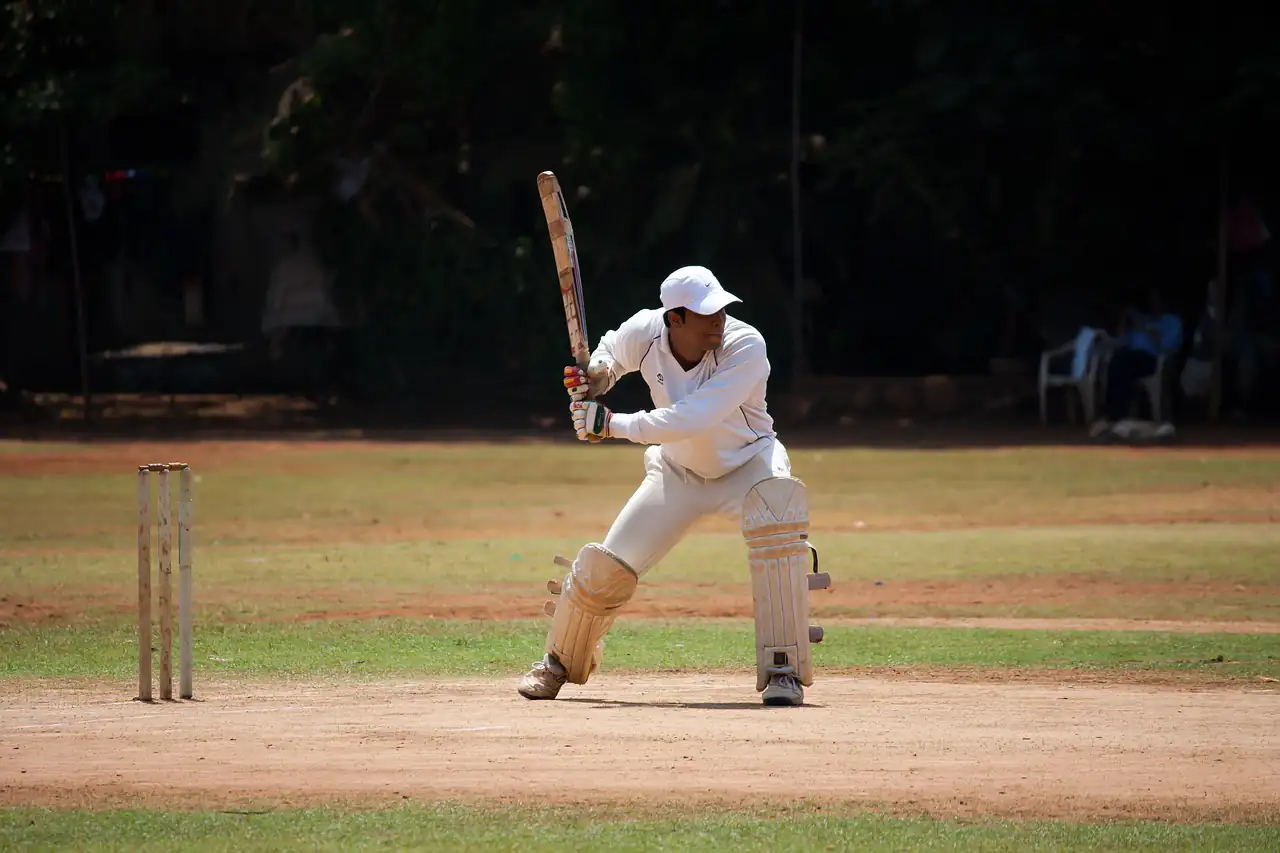
Toys and sports goods are HS 95. Meerut, in Uttar Pradesh, makes sports goods, from cricket bats and balls to protective gear (UP ODOP, Meerut (opens in a new tab)). Toys have no town on the official list, and no separate official export line.

A batsman playing a shot on a cricket pitch

Cricket bats show the pattern best. UK players say Indian sellers overstate willow grades and pass Kashmir willow off as English (r/Cricket, 2025 (opens in a new tab)). Kashmir willow is a genuine, cheaper product that suits juniors and casual players, and it is heavier with less "ping" (r/Cricket, UK player, 2026 (opens in a new tab)). So sell it as what it is. An Australian buyer ordering direct from Meerut was quoted 1,127 g and received 1,232 g (r/Cricket, 2025 (opens in a new tab)), so put the weight tolerance in the order.

Combat-sports gear is the category where India barely shows up. Buyers place boxing gloves and BJJ gis in Sialkot, Pakistan (r/MuayThai, 2024 (opens in a new tab)). For toys, quote any export figure with its scope, because three published figures cover three different baskets, and India's toy quality rules did not significantly raise exports on one study's reading (IIFT Working Paper 92 (opens in a new tab), Reported).

What We Don't Know Yet

What we know, and what we don’t

What we know: where each family is made, India's share of your market's imports, and the mistakes foreign buyers and Indian makers describe first-hand, each linked above.

What we don't:

  • Which families foreign buyers succeed in most. No source measures it.
  • Families with no foreign-buyer evidence at all: Panipat home textiles, Firozabad glass, nightwear.
  • How often a fibre or material claim is wrong. Our planned sample buys and lab tests in five families will start to answer this.
  • Order sizes at which each family's makers will take a foreign buyer. Every figure we have is one supplier's.

Questions Buyers Ask

Can I buy small quantities of Indian leather?

Yes, through merchant exporters and small bag makers. Expect lower grades unless you specify the leather in the order, because bulk buyers take the best hides.

Is Indian mango wood good for furniture?

For frames and legs, yes, if it was dried before finishing. For wide panels it moves. Ask for the moisture content at finishing and test it before shipment.

What does "Tellicherry" pepper mean?

A size grade of black pepper, not a promise of quality. Name the grade and the cleaning standard in your contract.

Is Moradabad still a brass town?

By name, yes. By what leaves for the US today, it's an iron, steel, aluminium, glass and wood décor town with a brass line.

Can one Indian supplier make my whole range?

Rarely well. Knits, wovens, leather and décor come from different towns, and a supplier who says yes to everything is usually a trader placing work across several of them. That's allowed, but ask who makes each line.

That last question is the one our UK sewist never got to ask. Her cloth came from a town that does one thing well, on a base it chooses for its own reasons, and nobody wrote down the weight. That's the whole method of this page. Find out what each town is actually for, and put the thing you care about in the spec.

Next step: see how each industry is organised on the industries page, or find your family's towns and ports on the locations page.

Pages we hold for India

Back to this section in the India playbook

Type a word you met on the page, a product or a place.