

Wooden Furniture From India: Four Furniture Towns, a Border That Barely Charges Duty and the Checks That Replace It
- Updated
Your route: wooden furniture from India
Made in
Leaves India from
Mundra
IndicativeUseful directional information where precise verification is unavailable.UnknownInsufficient evidence, or not yet researched.
Also Pipavav, Nhava Sheva (JNPA)
At sea
35 to 46 days
11 scheduled sailings, port to port
Every port and sailing to United Kingdom
- Mundra to London Gateway: 35 to 46 days, 11 sailings
- Pipavav to London Gateway: 39 to 61 days, 8 sailings
- Pipavav to Felixstowe: 77 to 102 days, 3 sailings
- Nhava Sheva (JNPA) to London Gateway: 34 to 41 days, 8 sailings
Made in
Leaves India from
Mundra
IndicativeUseful directional information where precise verification is unavailable.UnknownInsufficient evidence, or not yet researched.
Also Pipavav, Nhava Sheva (JNPA)
At sea
38 to 38 days
6 scheduled sailings, port to port
Every port and sailing to European Union
- Mundra to Rotterdam: 38 to 38 days, 6 sailings
- Pipavav to Rotterdam: 38 to 64 days, 5 sailings
- Nhava Sheva (JNPA) to Rotterdam: 33 to 33 days, 6 sailings
Made in
Leaves India from
Mundra
IndicativeUseful directional information where precise verification is unavailable.UnknownInsufficient evidence, or not yet researched.
Also Pipavav, Nhava Sheva (JNPA)
At sea
30 to 32 days
7 scheduled sailings, port to port
Every port and sailing to United States
- Mundra to New York/New Jersey: 30 to 32 days, 7 sailings
- Mundra to Savannah: 36 to 36 days, 7 sailings
- Mundra to Los Angeles/Long Beach: 45 to 62 days, 10 sailings
- Nhava Sheva (JNPA) to New York/New Jersey: 33 to 35 days, 8 sailings
- Nhava Sheva (JNPA) to Savannah: 38 to 40 days, 6 sailings
- Nhava Sheva (JNPA) to Los Angeles/Long Beach: 35 to 57 days, 12 sailings
Made in
Leaves India from
Mundra
IndicativeUseful directional information where precise verification is unavailable.UnknownInsufficient evidence, or not yet researched.
Also Pipavav, Nhava Sheva (JNPA)
At sea
26 to 26 days
2 scheduled sailings, port to port
Every port and sailing to United Arab Emirates
- Mundra to Jebel Ali: 26 to 26 days, 2 sailings
- Mundra to Fujairah: 25 to 25 days, 6 sailings
- Pipavav to Jebel Ali: 12 to 12 days, 6 sailings
- Pipavav to Khor Fakkan: 27 to 36 days, 3 sailings
- Pipavav to Fujairah: 40 to 46 days, 2 sailings
- Nhava Sheva (JNPA) to Jebel Ali: 7 to 14 days, 9 sailings
- Nhava Sheva (JNPA) to Khor Fakkan: 2 to 6 days, 6 sailings
- Nhava Sheva (JNPA) to Fujairah: 2 to 7 days, 3 sailings
Made in
Leaves India from
Mundra
IndicativeUseful directional information where precise verification is unavailable.UnknownInsufficient evidence, or not yet researched.
Also Pipavav, Nhava Sheva (JNPA)
At sea
29 to 42 days
21 scheduled sailings, port to port
Every port and sailing to Australia
- Mundra to Sydney: 29 to 42 days, 21 sailings
- Mundra to Melbourne: 26 to 36 days, 18 sailings
- Mundra to Brisbane: 26 to 39 days, 12 sailings
- Mundra to Fremantle: 21 to 49 days, 18 sailings
- Pipavav to Sydney: 35 to 61 days, 9 sailings
- Pipavav to Melbourne: 35 to 55 days, 8 sailings
- Pipavav to Brisbane: 32 to 58 days, 8 sailings
- Pipavav to Fremantle: 30 to 50 days, 8 sailings
- Nhava Sheva (JNPA) to Sydney: 25 to 39 days, 9 sailings
- Nhava Sheva (JNPA) to Melbourne: 20 to 40 days, 8 sailings
- Nhava Sheva (JNPA) to Brisbane: 22 to 36 days, 6 sailings
- Nhava Sheva (JNPA) to Fremantle: 15 to 52 days, 12 sailings
Made in
Leaves India from
Mundra
IndicativeUseful directional information where precise verification is unavailable.UnknownInsufficient evidence, or not yet researched.
Also Pipavav, Nhava Sheva (JNPA)
At sea
55 to 89 days
9 scheduled sailings, port to port
Every port and sailing to New Zealand
- Mundra to Auckland: 55 to 89 days, 9 sailings
- Pipavav to Auckland: 82 to 97 days, 5 sailings
- Nhava Sheva (JNPA) to Auckland: 30 to 80 days, 22 sailings
- Nhava Sheva (JNPA) to Tauranga: 37 to 39 days, 16 sailings
Carrier schedules read 23 Sept 2026. Days are port to port; inland haul and customs time come on top.
Add up the landed costFind the HS codeGet help shipping it (opens sourcingsync.com in a new tab)
In August 2023 The Tribune visited Roopan Matharoo in Hoshiarpur, in Punjab. He is a National Award-winning master of the town's wood inlay, the craft of setting patterns into sheesham, and his son Kamaljit works beside him. The paper described how the trade around them runs. Dealers supply the craftsmen with raw material and handle the selling, the pieces reach international markets, and in the paper's words "the profits are pocketed by the middlemen and art dealers". A large piece of inlaid furniture, it said, "could take a year or more to complete". The inlay itself has changed too. It used to be ivory and camel bone, and since India banned the ivory trade it has been acrylic, plastic and bronze (The Tribune, 20 August 2023 (opens in a new tab)).
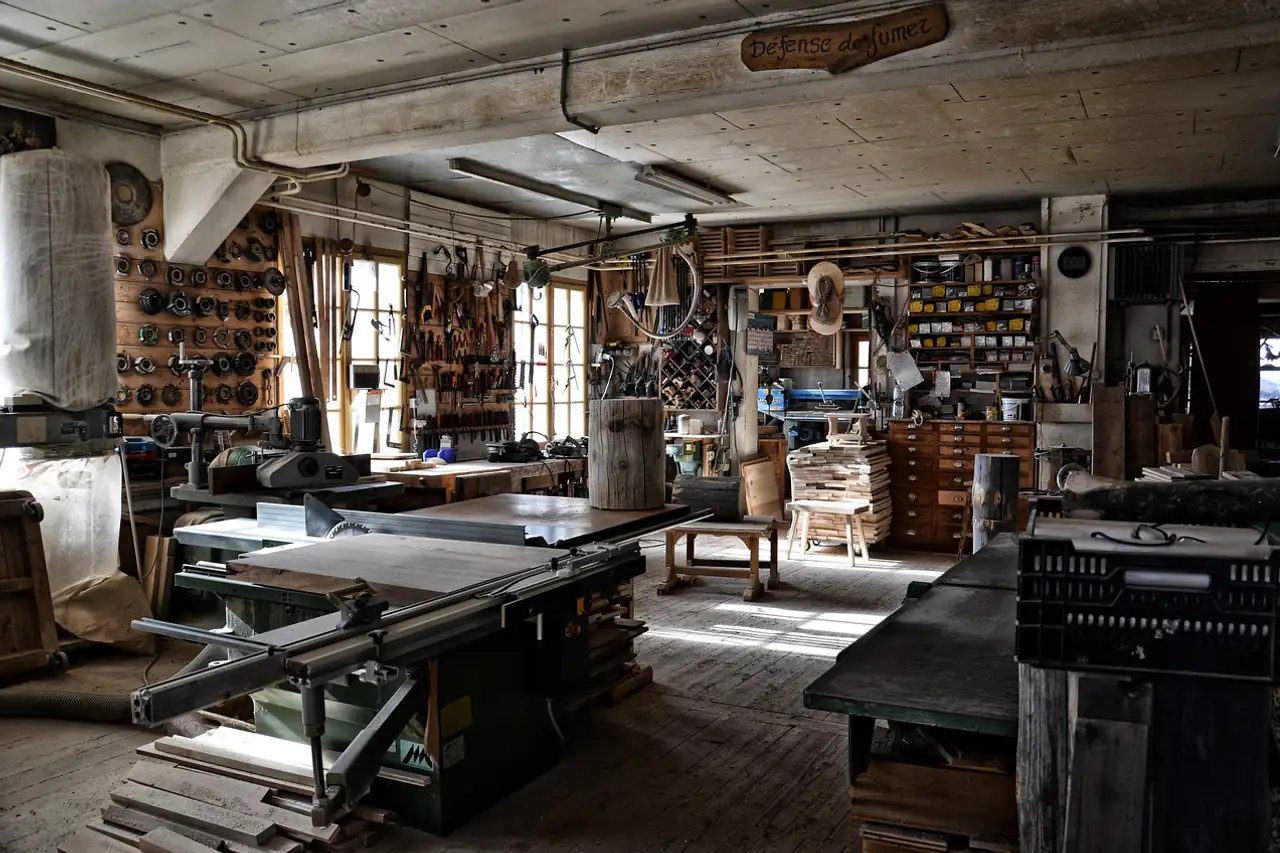
Hold onto that picture, because every Indian furniture order works a bit like it. The piece you buy has a wood, an inlay or a fitting, a finish, a workshop and a dealer or exporter, and each of those is a separate question. The border rarely asks about duty, which is near zero almost everywhere. It asks what the piece is made of and where that came from. This page goes through the towns, then the borders, then the piece part by part. The rules every furniture buyer shares are on furniture, the wood laws on importing wood products, and the product spec on the global wooden furniture page. Our shipment records are US records, and we publish no prices.
Four Towns, By Style
Furniture isn't one industry in India, so the first decision is a style. The towns differ on the same few points, which is why a table works here.
| Jodhpur | Saharanpur | Hoshiarpur | Kartarpur | |
|---|---|---|---|---|
| What it makes | Solid wood case goods and tables, rustic, painted, reclaimed and industrial looks | Hand-carved furniture and decor | Wood inlay on furniture, boxes and small pieces | A furniture-making town near Jalandhar |
| Usual woods | Mango, acacia, sheesham | Sheesham first, also teak, walnut and mango | Sheesham | Not confirmed by us |
| Our evidence | Strong, named in US shipment records | Weak, absent from named US furniture shippers | Press only | Thin |
Jodhpur and Saharanpur are both on the government's Towns of Export Excellence list for handicrafts (DGFT, Appendix 1B (opens in a new tab)), and each has its own page: Jodhpur and Saharanpur.
Jodhpur is the volume answer. Mango and acacia dining sets, sideboards and bookcases are built there in quantity, along with the reclaimed look made from old doors and beams. Reclaimed wood carries a catch in a regulated market. An old beam from a demolished building has no forest of origin on paper, so have the timber conversation for it before the order, not after.
Saharanpur is the carving answer, mostly made to order. A Jodhpur exporter told an Indian forum in June 2026 that the way for a maker to grow is to "supply locally to Saharanpur, Moradabad and Jodhpur exporters in volume" (r/IndiaBusiness, June 2026 (opens in a new tab)). So the exporter on your invoice often isn't the carver. That's normal. Ask which workshop made your piece, using manufacturer or trading company.
Hoshiarpur and Kartarpur are the specialist picks. The Matharoos' story tells you how to buy there. A distinctive small order is welcome, and the maker may be one family with no export paperwork, so who acts as exporter of record matters more here than anywhere.
What The Border Charges
The short version is "very little". We read every figure on 5 October 2026.
| Destination | Wooden furniture lines we read | What you still have to do |
|---|---|---|
| Australia | 5% general, 0% under ECTA. Wooden-frame seats 0% general | Get the certificate for the 5% lines |
| New Zealand | 5% until 19 Oct 2026, then 0% under the FTA | Check your arrival date against 20 October |
| United Kingdom | 0% already, so the deal saves nothing | The tariff flags CITES controls on these lines, so ask which woods are listed |
| United States | Free, plus 10% Section 301. Upholstered wooden furniture pays Section 232 instead | Run your own line. Steel inside a "wooden" piece changes the answer |
| EU and UAE | Not read | TARIC for the EU, your broker for the UAE |
One detail is worth noticing. The US tariff already splits some wooden furniture lines into species suffixes, padauk, rosewood, teak and wenge. Customs there is asking what the wood is before any timber law does. Origin proofs and the rest are on the pages for Australia, New Zealand, the UK, the US, the EU and the UAE. Confirm your code first with HS codes.
The Piece, Part By Part
If duty is low, what stops a container or splits a table? Go through the piece the way a border officer and a customer will.
The wood. Write the Latin name of every wood part into the quote, plywood backs and drawer bottoms included. The EU deforestation regulation applies to large and medium operators from 30 December 2026 and to micro and small ones from 30 June 2027 (DG ENV (opens in a new tab)). Jodhpur's exporters said in August 2025 that geo-tagging wood is almost impossible when small farmers supply most of it (ETV Bharat, August 2025 (opens in a new tab)), so start that conversation in your first request for quote. One press report quoted exporters saying sheesham fell from about half of handicraft work to about 2% after the 2017 restrictions. It's a single article, but it explains why mango and acacia now fill Jodhpur's lines. The rules for each market are in the timber guide.
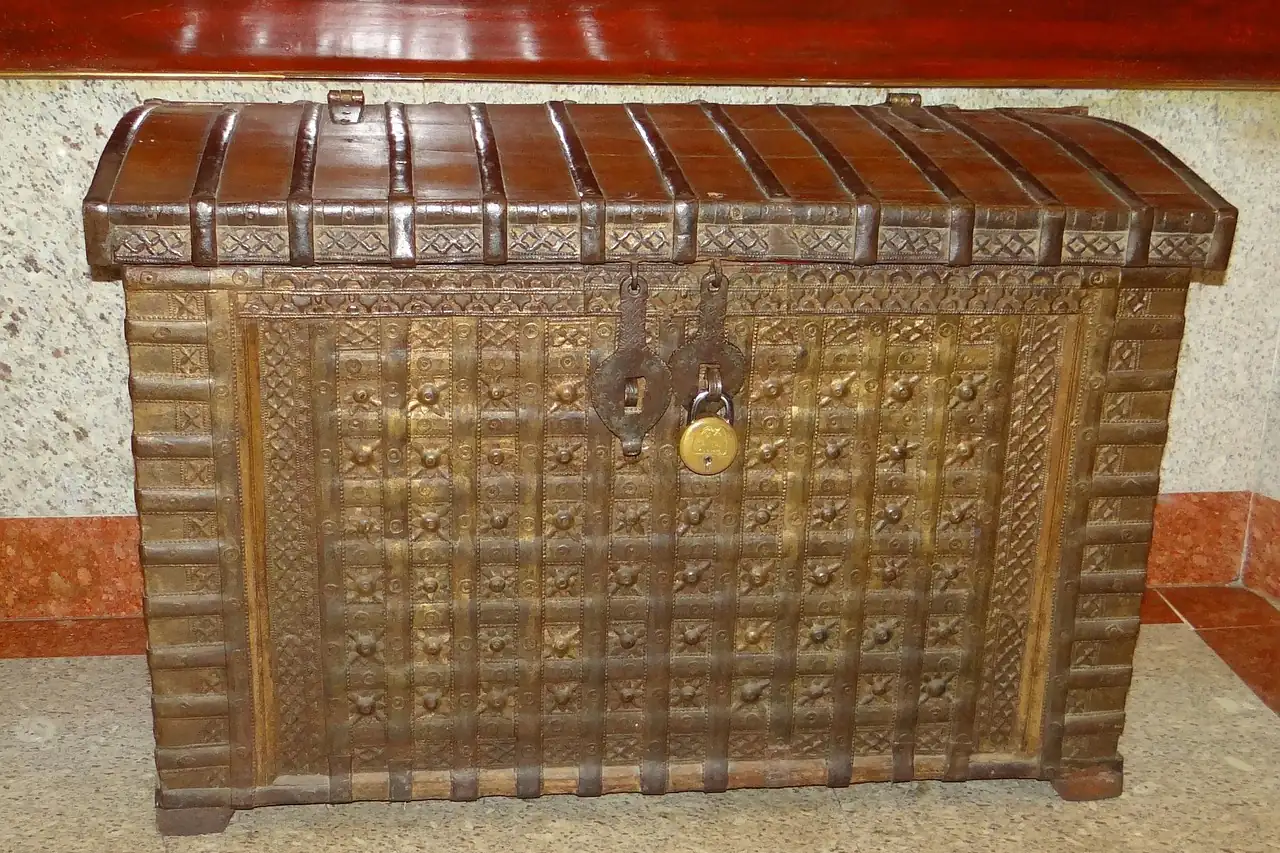
The inlay, carving and fittings. Ask what the inlay is made of, as the Hoshiarpur story shows it can be wood, bone, metal or plastic. Bone and shell bring their own import questions, and metal hardware or a steel frame can change the US duty line. Check this with your customs broker for anything that isn't plain wood.
The treatment and packing. In Australia solid timber furniture is the highest-risk material in the import conditions database. DAFF's published conditions, which we could only read as search extracts, cover treatment evidence for solid timber, a size limit beyond which normal fumigation can't reach (timber over 200 mm in every direction), and a lighter declaration for plywood articles. Ask the supplier to name the treatment and the provider in writing, and check this with your customs broker before you book. Pallets and crates stop more containers than furniture does, which the wood packaging guide covers.
The shape, for case goods. In the US, free-standing clothing storage units with drawers or doors that are at least 27 inches tall, weigh at least 30 pounds and hold at least 3.2 cubic feet must pass the ASTM F2057-23 stability tests, ship with an anti-tip device, carry a warning label and be certified by the importer under 16 CFR part 1261 (CPSC (opens in a new tab)). A solid-wood chest of drawers will usually be in scope. Australia's mandatory information standard for toppling furniture has applied since 4 May 2025, and a testing-body summary says it covers chests, wardrobes, bookcases and sideboards 686 mm or taller and entertainment units of any height, with a permanent warning label and anchoring advice (ACCC (opens in a new tab)). We haven't read an equivalent for the UK, EU, New Zealand or UAE, so ask your test lab.
The moisture. This is the failure no regulator tests and every customer notices. Furniture wood for North American homes is kiln dried to 6 to 8%. In a winter house heated to 70°F with humidity at 20%, wood heads to about 4.5%, and "after a winter of heating, cracks can develop in wood floors, and furniture joints can open" (Purdue Extension). A German buyer posted hairline cracks in a new mango tabletop "right from the start", and the replies blamed a slab finished before it was dry (r/woodworking, October 2024 (opens in a new tab)). So put a moisture target for your market into the order, and read it with a meter at inspection across the batch, not from one certificate. Wide mango panels move the most. Method is on quality control in India and AQL sampling.
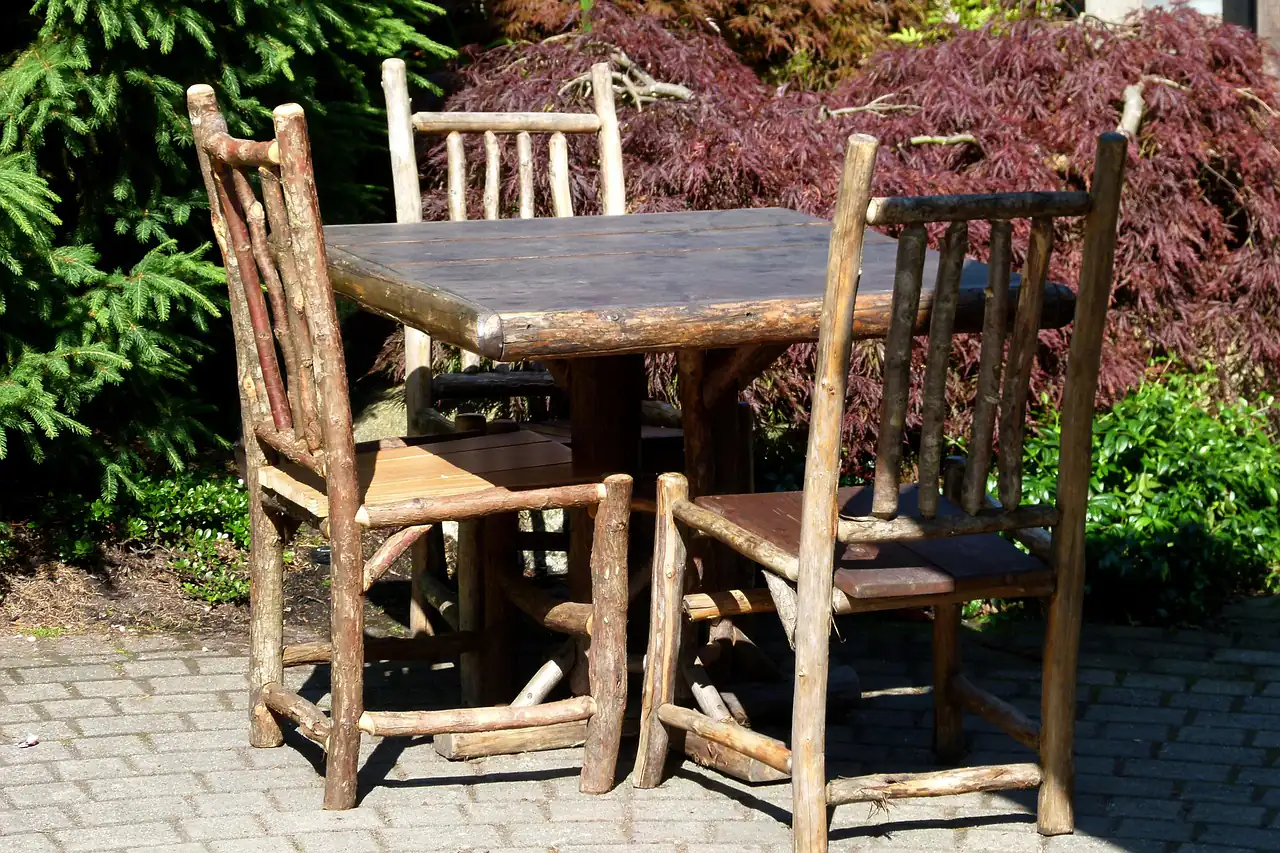
The finish. Name the finish system and the sheen, and approve a finished sample. Buyers complain about both soft finishes and over-glossy ones, and both start with an order that never said which.
The workshop and the minimum. Ask which workshop makes each piece and whether any part is subcontracted. Ask about minimums too. A US buyer of carved mango furniture said "there was a minimum amount that we had to purchase. We sold the extra stuff" (r/furniture, 2021 (opens in a new tab)). In a thin year a maker may bend, so ask before assuming.
Meeting Makers
The IHGF Delhi Fair runs 13 to 17 October 2026 at Greater Noida, and the spring edition 15 to 19 March 2027. Take your list of woods and your moisture target, and ask each stand for both in writing. IMM India ran in Delhi in September 2026 with 102 exhibitors (Republic World, September 2026 (opens in a new tab)), and the next dates aren't out. If you can only make one trip, make it to a town. A fair shows you exporters. A day in Jodhpur or Saharanpur shows you the drying yard.
Ready to act
Need hands-on help?
Checking species and timber invoices at the workshop, taking moisture readings across a batch, witnessing treatment and inspecting tip-over fittings are execution, not knowledge. SourcingSync does it.
Questions Buyers Ask
Does the India-UK deal make wooden furniture cheaper?
Not on the lines we read. They were already 0%.
Why does a table crack after it arrives?
Usually moisture. A heated winter home is far drier than a port or a workshop. Set a moisture target for your market and check it at inspection.
Is Saharanpur or Jodhpur better for a small first order?
Jodhpur has more makers used to export volumes. Saharanpur suits a distinctive carved piece, through an exporter, once you know which workshop carves it.
Back To The Inlay Workshop
The Matharoos' table goes to a dealer, then an exporter, then a ship, and by the time it reaches a showroom nobody on the label has met them. That's how a lot of Indian furniture travels, and it isn't a reason to avoid it. It's a reason to ask, part by part, what the piece is made of and who made it. Get those answers in writing and the border, which barely charges duty, has very little left to ask. Other products are in the India product guides.