
Skip to content

Articles

Latest articles from the editorial team.

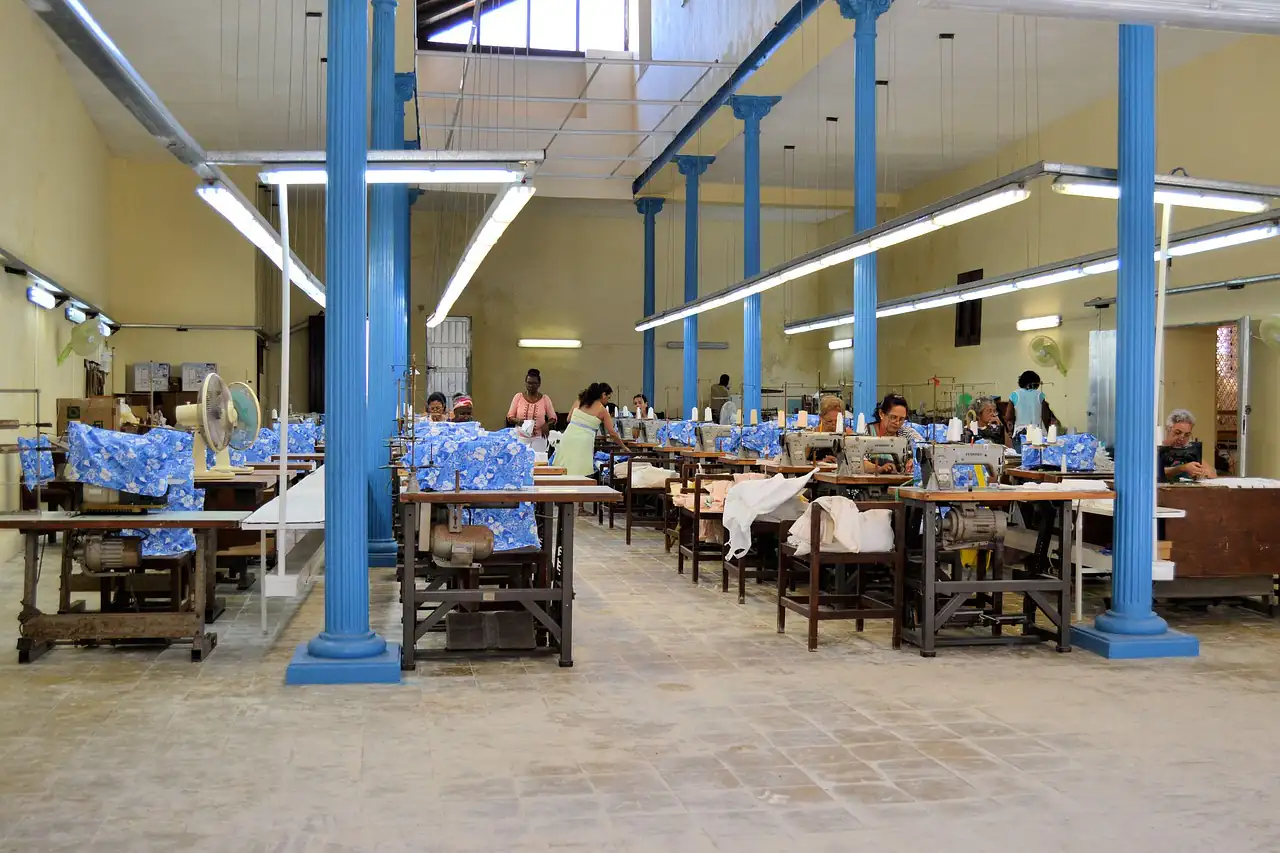
Does Visiting the Factory in India Fix Quality Problems?

A visit to an Indian supplier helps, but one trip didn't fix sampling for buyers who made it. When a visit is worth the flight, what to request, which units to see, what to look at and ask, how to spot a showcase unit fairly, and what to put in writing after.

Where Do You Buy Garment Surplus in India?

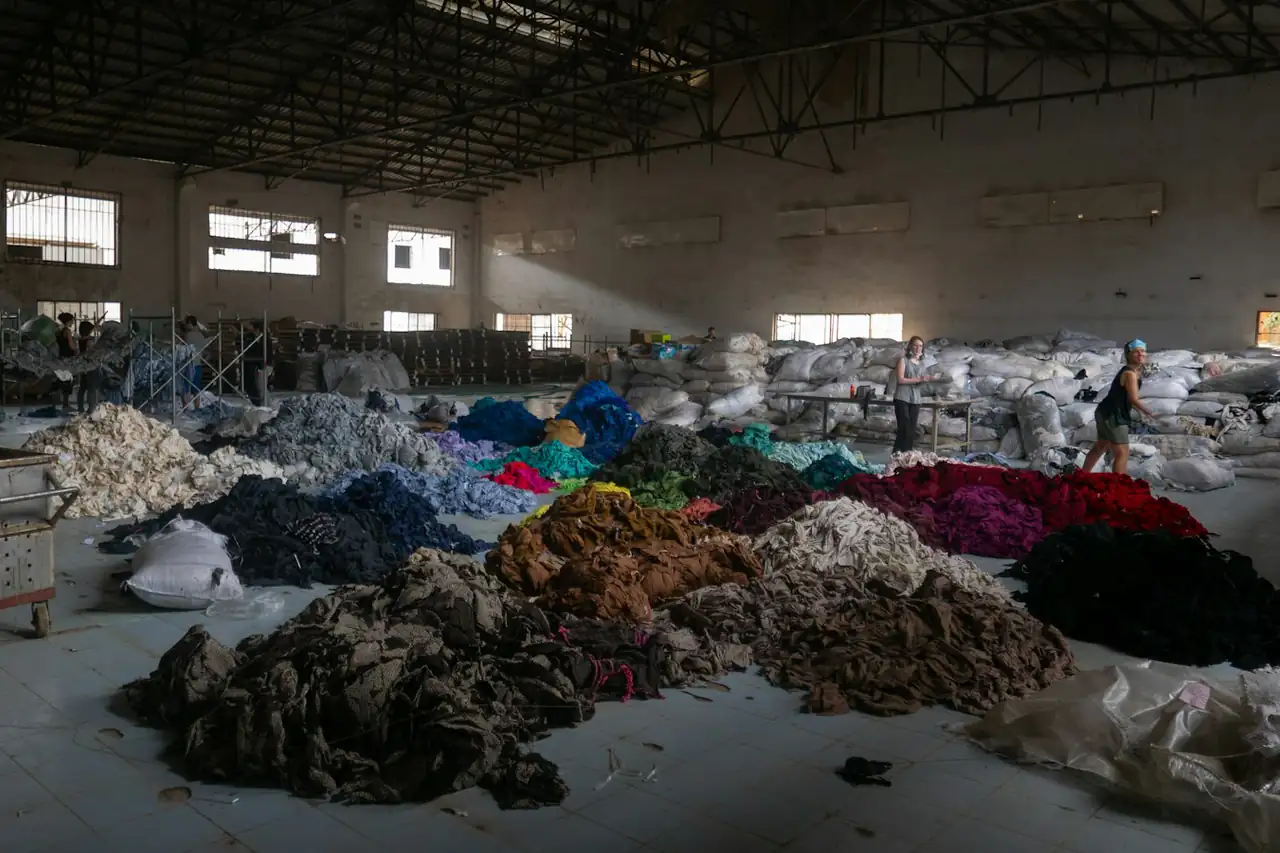
India's garment surplus trade centres on Delhi-NCR stock-lot firms and Tiruppur's Khaderpet market. How lots are sized and checked, why most of it is sold within India, and what a foreign buyer checks before paying. Dated October 2026.

Can You Split an India Order to Stay Under the Duty-Free Limit?

Splitting one order into several parcels to stay under A$1,000, NZ$1,000, £135 or a US entry line doesn't work the way buyers hope. Customs counts the order, not the box. What Australia, the UK, New Zealand and the US say, and the legal ways to cut the cost.

Is That 925 Silver, Natural Gemstone or Real Silk?

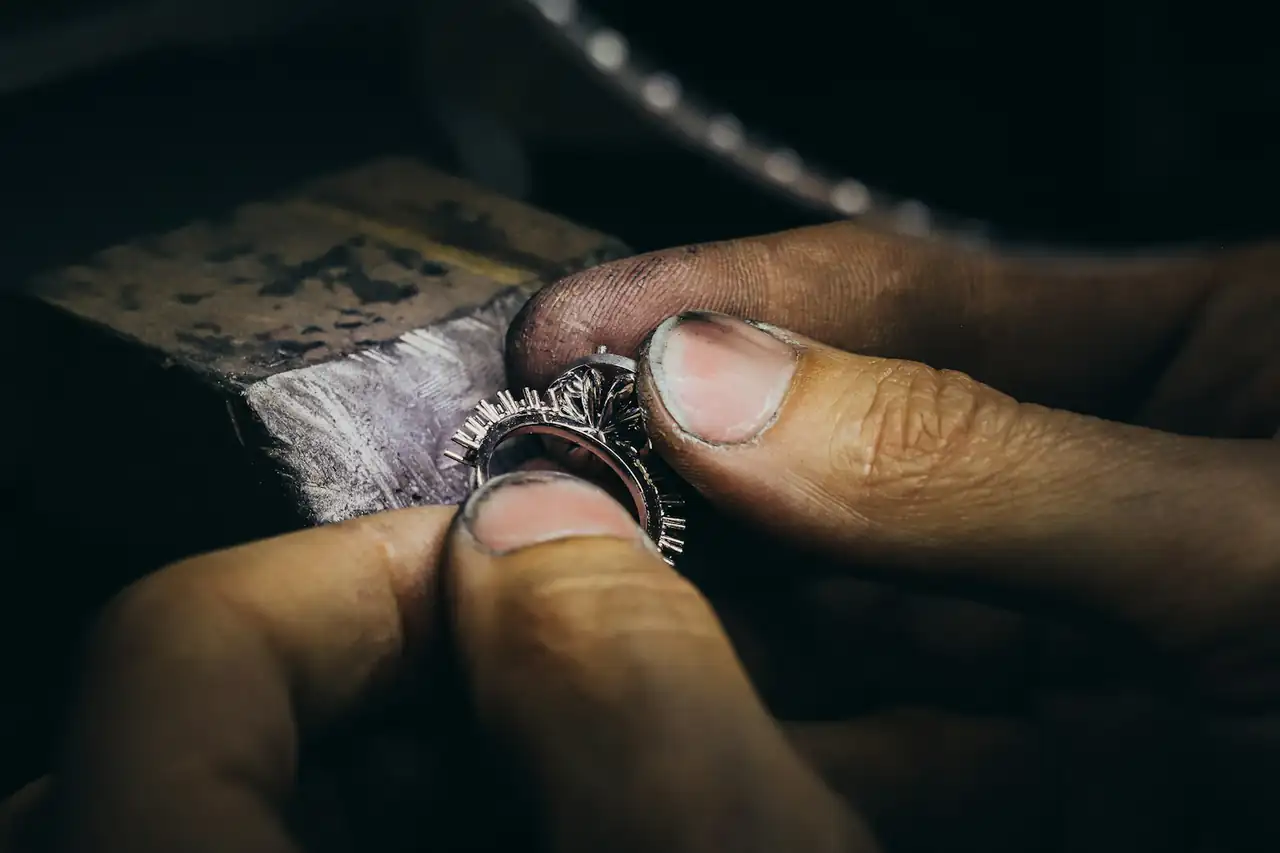
A 925 stamp, a gem certificate or the word silk on an Indian listing is a claim, not proof. What an Indian hallmark and HUID show, why export pieces may not carry one, how to judge a gem lab, and which claims are worth testing.

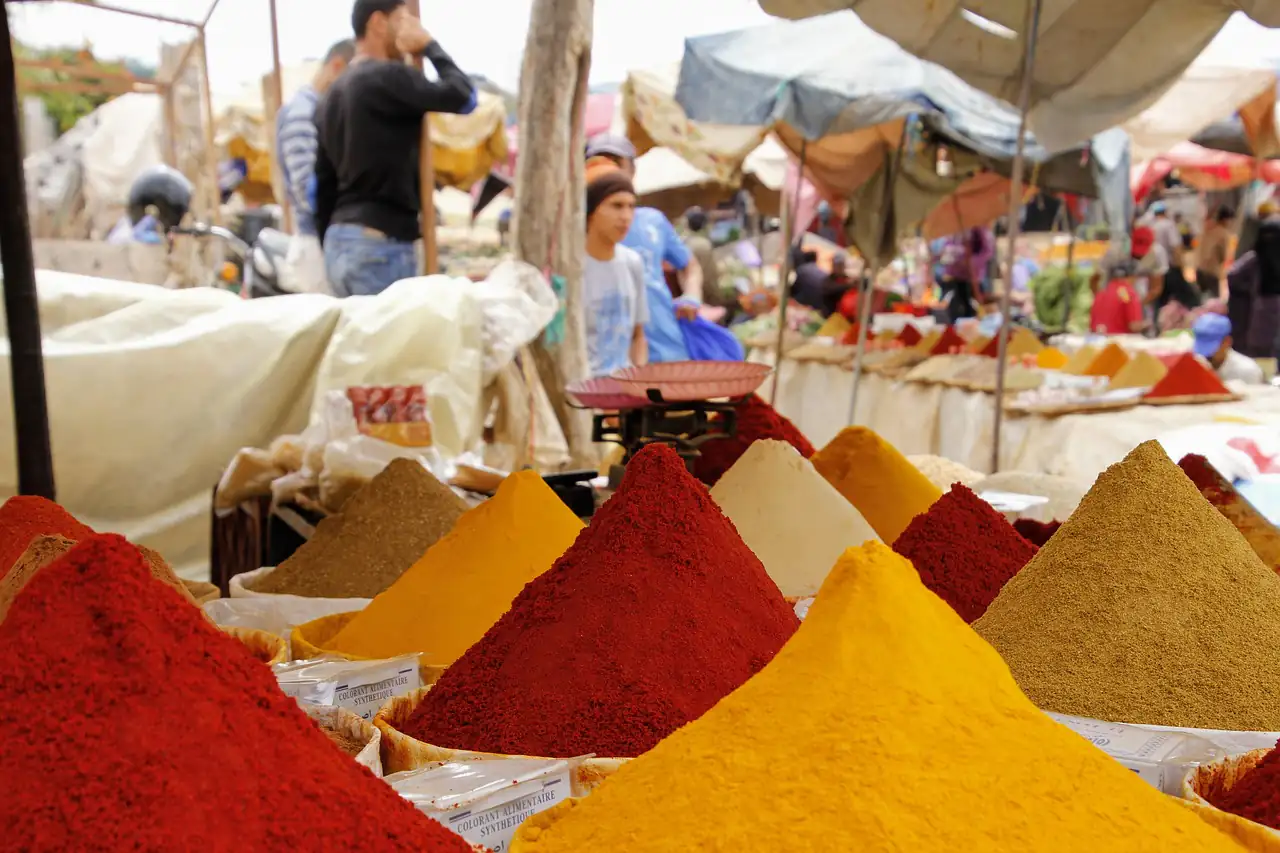
Does Buying Whole Spices Avoid Contamination?

Whole spices avoid filler in powder, but not Salmonella, pesticides, lead or even added colour. Our split of US and EU border records on Indian spices by form, and the test panel that follows.

Does PayPal Protect You When Buying From India?

PayPal Goods and Services is the usual first-order payment with Indian suppliers, but its US terms exclude items bought for resale and custom-made goods in quality claims, and you may have to ship goods back to India at your cost.

Who Is the EU Responsible Person for Goods Made in India?

Under the EU's GPSR, a consumer product made in India needs an EU-established economic operator. If you import it, that's you. If nobody in the EU imports it, the choices are an authorised representative or, by default, the fulfilment provider. Read at source.

Can You Legally Export Surplus Stock From India? How It Works

Surplus and stock-lot goods can leave India legally, but only with an exporter of record, a tax invoice chain, a brand release where marks are involved and a clear design release on cancelled orders. Why mixed lots rarely get a preferential certificate of origin.

IGI or GIA for Lab-Grown Diamonds From Surat?

An IGI report is the norm on Surat lab-grown stones and is usually enough, if it states the growth method and treatment. Why GIA's 2025 change to Premium and Standard makes the old grade comparison obsolete, and what to put in the order.

India or Sialkot for Boxing Gloves and Combat Gear?

For a boxing, MMA or BJJ range, Sialkot is the default and India is rarely named. Where India still makes sense, what customs data says about sports gloves in Australia and New Zealand, and how to test both countries fairly.
Your Indian Supplier Changed Bank Details. What Now?
An email with new bank details before the balance payment needs checking before any money moves. Confirm by phone on a number you already had, match the account name to the GST record, and ask for the bank's own letter.

Why Did My Indian Supplier Raise the Price After I Paid?

A price rise after your deposit is one of three things: a genuine cost letter, a supplier re-pricing once it holds your money, or the fee-escalation scam. How to tell them apart, when to stop paying, and how to lock the price next time.

Is India Actually Cheaper at Small Volumes?

At a few hundred units India is often not cheaper than buying at home, because samples, freight minimums, entry charges and per-parcel levies are fixed costs that a small order can't spread. How to find the order size where India starts to win.

Is Your Indian Essential Oil What the Label Says?

Many Indian essential oil brands relabel wholesaler oil, and India imports more of its 'other' essential oils than it exports. Why trust belongs to the batch, which swaps to test for, and what a batch file should hold.

Is Kannauj Attar Really Natural?

Kannauj makes real distilled attar, and its market also sells synthetic blends to outsiders as natural. What 'natural' means on an attar, the questions that separate a distiller from a shop, and what a GC-MS report can show.

How Do You Ship From Several Indian Suppliers in One Load?

You can combine orders from several Indian suppliers into one container, but each supplier usually stays the exporter with its own shipping bill and charges. The three ways to consolidate, where geography decides it, and when it actually saves money.

Steam-Treated or EtO? What to Ask About Indian Spices

The pack won't tell you whether a spice was sterilised with steam or ethylene oxide. Why US and EU lots differ, the questions to put in writing, the test that settles it, and what Tellicherry on a pepper label really means.

Why Doesn't Your Supplier's HS Code Match Your Tariff Code?

An Indian invoice carries India's 8-digit ITC(HS) code, or sometimes only a 4- or 6-digit GST code. Your country uses its own 8- or 10-digit line. Only the first six digits are shared, and the code that counts at your border is the one you declare. What to do when they don't match.

My Supplier Offered to Under-Declare the Invoice. Should I?

No. A lower invoice 'for customs', or a split between cash and invoice, is a false customs value, and the importer on the entry carries the liability, not the supplier. What the law in the US, UK, Australia and New Zealand says, and what to say back.

Why Did UAE Customs Take Back Your CEPA Duty Saving?

The India-UAE CEPA lets UAE customs verify an Indian certificate of origin after your goods clear, and deny the preference if origin can't be proved. The six grounds in the agreement, the deadlines, and what to get from your Indian exporter before shipping.

The US-Side Costs First-Time India Importers Miss

Besides duty, a US importer of Indian goods pays federal user fees, brokerage that is often billed per line, a bond, ISF filing, port charges, trucking that can exceed the ocean leg, and exam costs if CBP picks the box.

What Should an Indian Proforma Invoice Show?

Before you pay a deposit to an Indian supplier, the proforma invoice should carry its GST legal name and GSTIN, an export code that matches, your spec, an Incoterm with a named place, payment terms tied to events, and a bank account in the same legal name. An annotated example.

What Is an Indian Shipping Bill and Why Ask for a Copy?

A shipping bill is India's export declaration, filed by the exporter on the customs system before goods leave by sea or air. A copy shows who exported your goods, under which code and invoice number, and it must match your certificate of origin. What to check on it.

What Is "Dia" Sizing on Tiruppur T-Shirts?

Your Tiruppur supplier asked for T-shirt sizes in "dia". It means the chest width of the knitted body in inches, plus a length. What it is, how to convert an S-M-L grade chart, and what to confirm before sampling.

What Does Udyam (MSME) Registration Tell You About a Supplier?

An Udyam certificate shows an Indian business has self-declared as a micro, small or medium enterprise, with its size class worked out from tax-linked machinery and domestic turnover. What Micro, Small and Medium mean, why exports don't count, and what the certificate can't prove.

Tiruppur Makes Knits. Where Do You Go for Wovens?

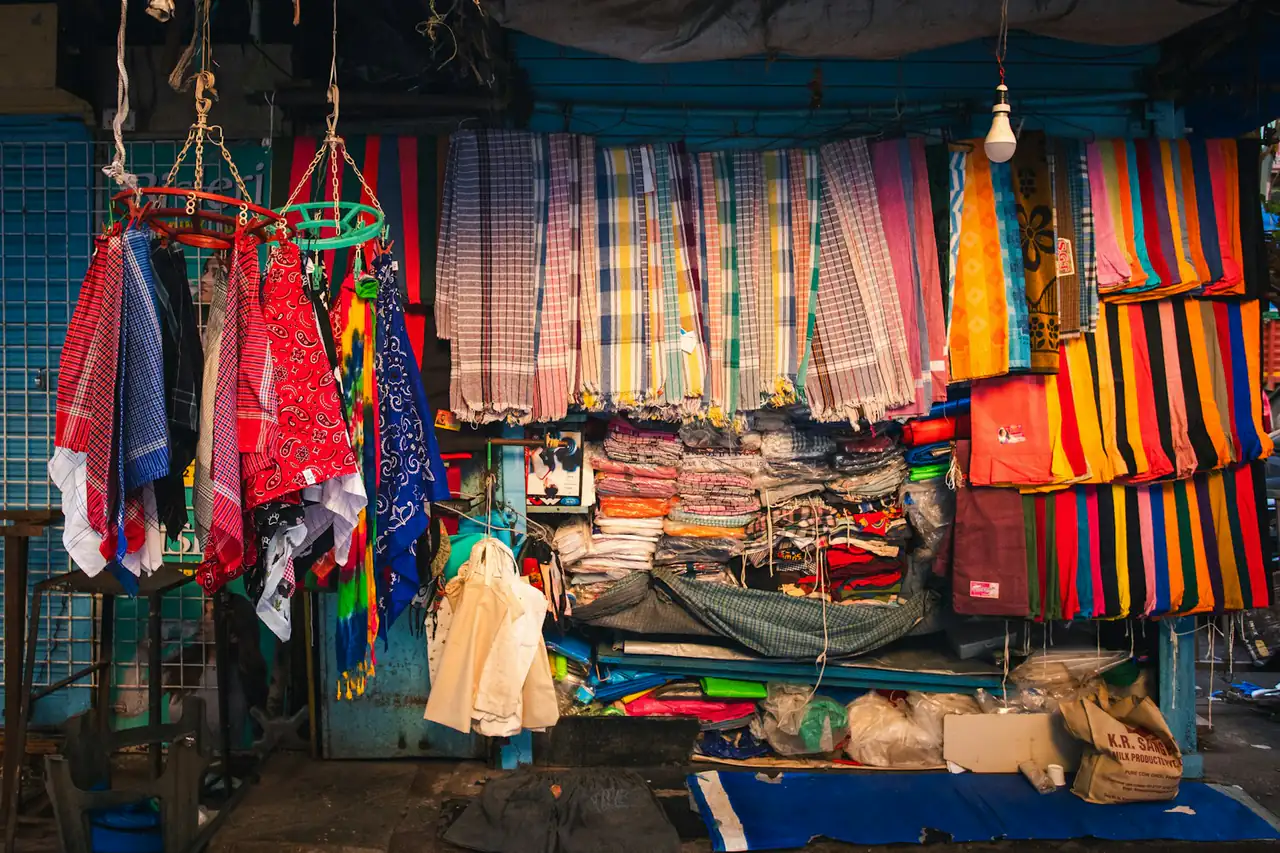
Tiruppur is a knit town. For woven tops, shirts and dresses, Indian makers send buyers to the Delhi region, Bengaluru and Jaipur. Which city for which woven, what Mumbai addresses mean, and why Ludhiana isn't the answer.

Why Do Hand-Tufted Rugs Shed and Smell?

Hand-tufted rugs are held together by a latex coat, so they shed loose fibre and can smell when unrolled. What causes each, which faults are not normal, and what to put in the order with an Indian maker.

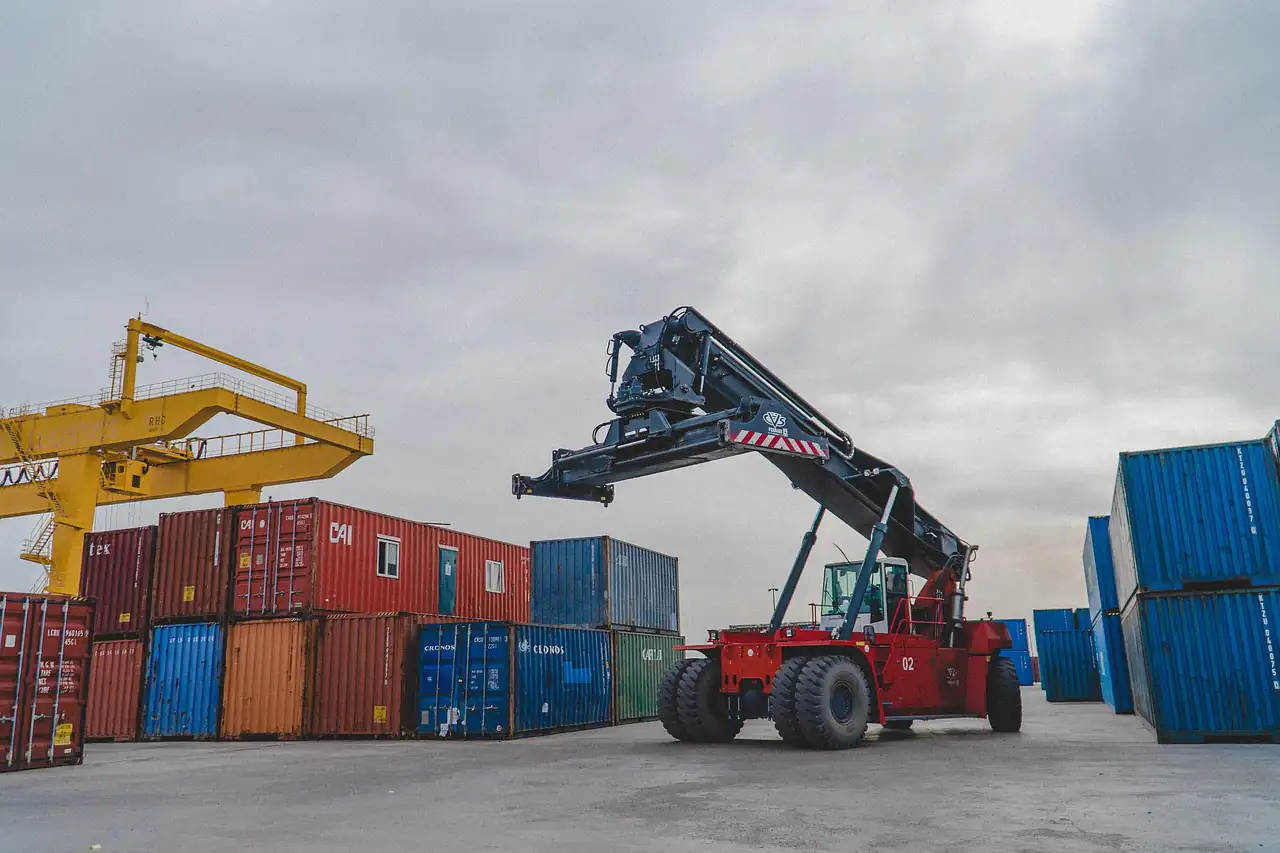
Why Do Indian Containers Arrive Floor-Loaded?

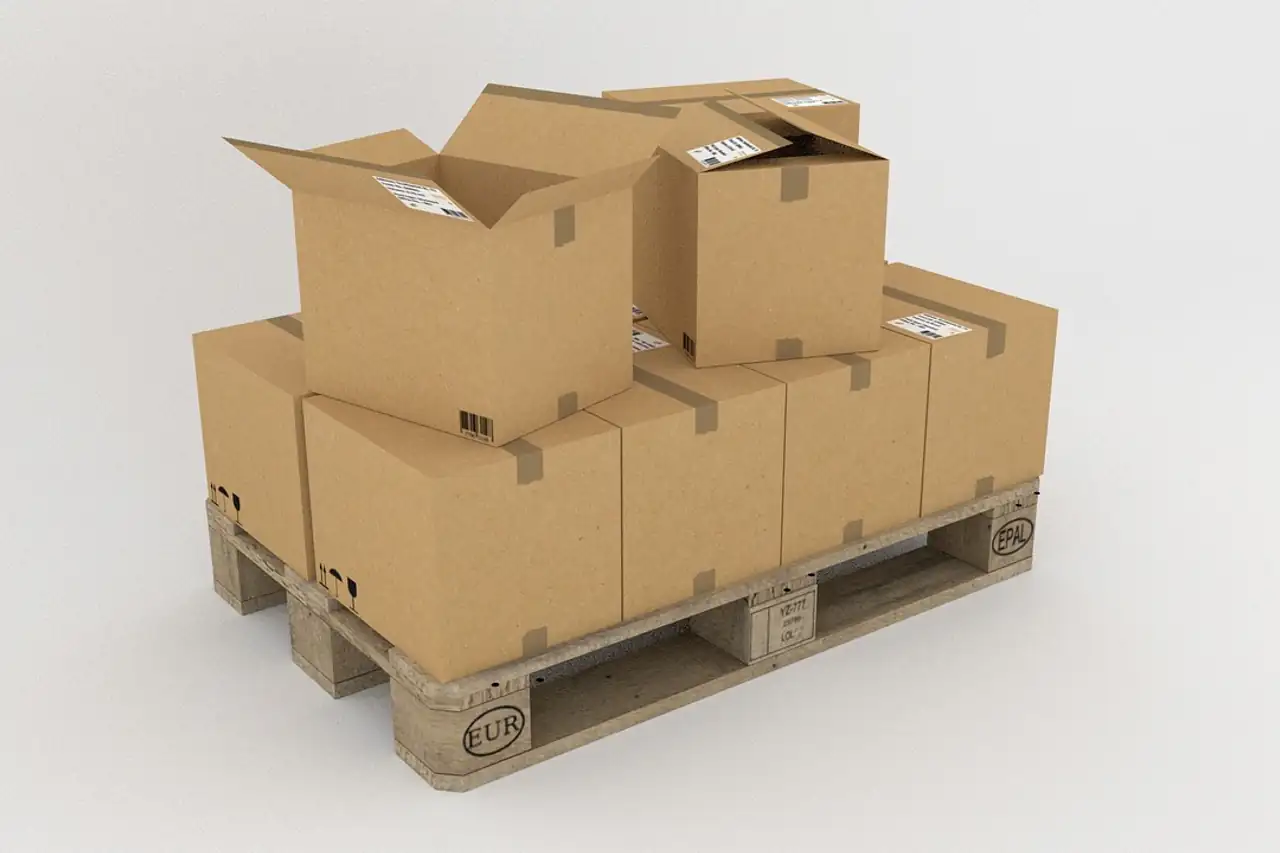
Floor-loading is normal in India because pallets cost the shipper money and space, and certified ISPM 15 pallets are not standard. What it costs you at unloading, when it makes sense, and the loading clause to put in your purchase order.

Why Does an Indian Trader Want a Non-Circumvention Agreement?

A non-circumvention agreement from an Indian supplier usually means you're dealing with a trader protecting its margin, not a scam. What it tells you, what blurred certificates mean, how India's Contract Act treats these clauses, and what to ask for instead of the factory's name.

Why Indian Mango-Wood Furniture Cracks After Delivery

Mango-wood tables usually crack because the wood was finished wetter than the home it ends up in. What a kiln-dried claim really means, how to read a moisture meter at inspection, and what to write in the next order.

Can You Open a Buying Office in India?

A foreign importer can open a liaison office in India, but it can't earn income or act as your buying agent. The RBI tests, what the office may do, and the lighter options.

Will India Pay for Your Trip to a Trade Fair?

Sometimes, and partly. India's old MAI scheme has ended, and Market Access Support now funds part of foreign buyers' airfare and hotel at some fairs and buyer-seller meets. Who qualifies, the catches, and what to ask.

Is an EOU or SEZ Supplier Always a Manufacturer?

A 100% Export Oriented Unit can't be a trading unit and must earn net foreign exchange, so it's one of the few Indian 'we make it' signals. What EOU and SEZ status prove, what they don't, and how to confirm it.

Is a 'Kashmir' Rug Made in Kashmir?

Many rugs sold as Kashmiri are woven in Jaipur, Bhadohi or not in India at all. What the Kashmir GI label proves, where India's hand-knotted rugs really come from, and what to ask a supplier.

Is India Becoming a Real Electronics Supplier?

Electronics is now the largest thing the US buys from India, mostly phones made for big brands. What import data says a smaller importer can actually source from India, and what it can't yet.

Is There an Alibaba Trade Assurance for India?

Alibaba.com has offered Trade Assurance to Indian suppliers who opt in since June 2025. IndiaMART offers foreign buyers nothing. What each covers, where the protection ends, and what protects you instead.

The Sample Was Perfect. Why Wasn't the Bulk?

Starch that fakes fabric weight, shrinkage from rushed cutting, a different team on the bulk. The named ways bulk drifts from an approved sample, and the test that catches each one before you pay the balance.

What Is India Actually Good at Making?

Not 'textiles, spices and handicrafts'. Import records from the US, Australia, the UK and New Zealand show where India really leads: linen, knotted rugs, babywear, lab-grown stones, jute bags, saddlery. And where buyers struggle.

Why Are Indian Lead Times Longer Than China's?

Most of the extra weeks on an Indian order sit outside the sewing floor: booking, hub relays and paperwork rollovers. Here's the timeline split into the parts you control and the parts you don't.

Why Does My Indian Supplier Want 100% Advance?

A full advance from India usually reflects the supplier's working capital, not a scam. Why makers ask for it, how a letter of credit changes their financing, and what a first-time buyer can realistically offer.

Why Your Tiruppur Shipment Says Colombo

A third or more of South India's US-bound knitwear shows Colombo as the port of loading, and Chennai barely appears. What that means for your documents, your Incoterm and your transit time.

China vs India Factory Cities, Hub by Hub

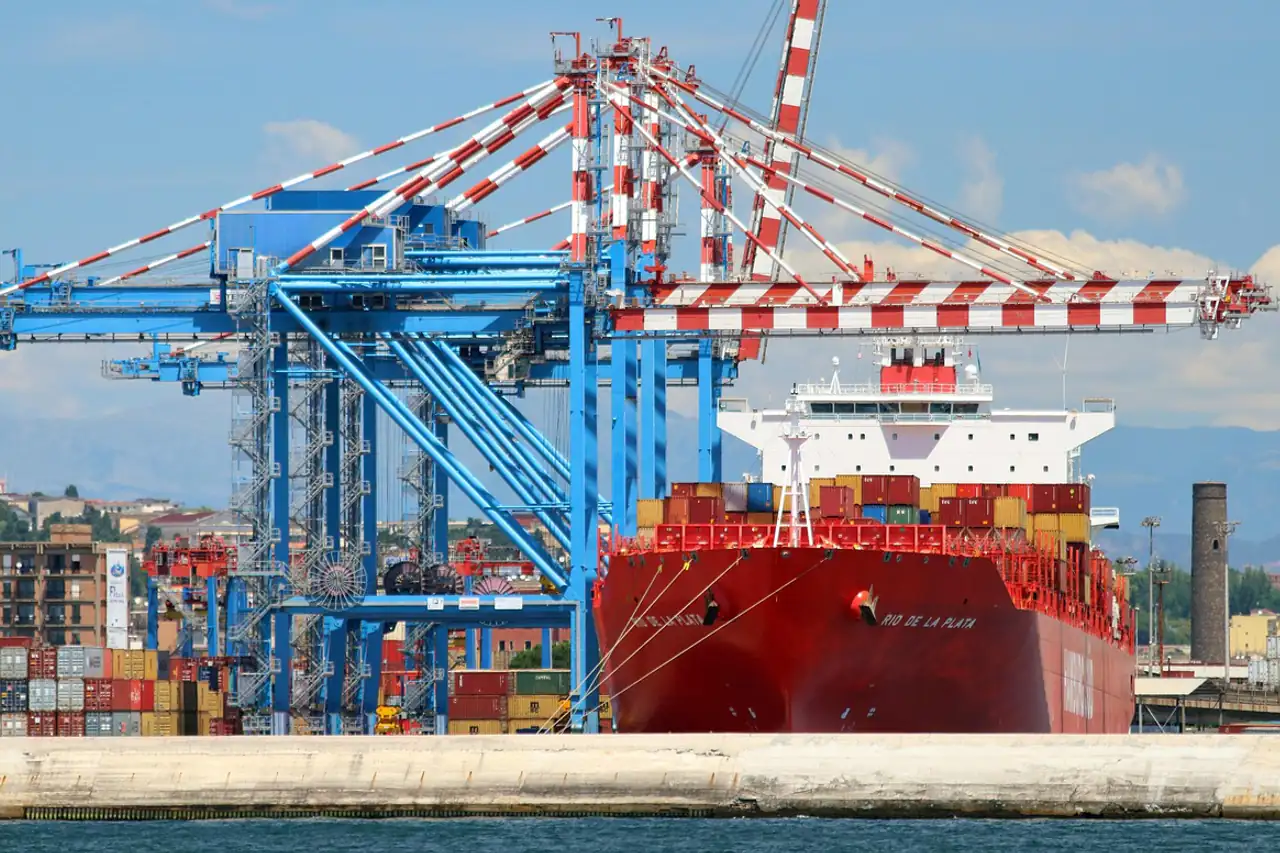
Shenzhen vs Chennai, Dongguan vs Tiruppur, Yiwu vs Moradabad, Foshan vs Morbi: each Chinese factory hub set against its Indian equivalent, with the port each one ships from.

How to Communicate With Indian Factories

Why your emails to Indian makers go unanswered, which hours overlap with India from Australia, NZ, the UK, the US and the UAE, how to use WhatsApp, and how to plan around festivals.

India's Factory Cities, State by State

Where India's factories really are: the states, metros and one-product towns behind Indian exports, from the government's own factory survey, read for a foreign buyer.

Type a word you met on the page, a product or a place.