


Textiles
Textile sourcing by product family: apparel, knitwear, home textiles, handloom and jute. Where each is made, what importers buy from India, and the border rules that change your cost.
4 min read
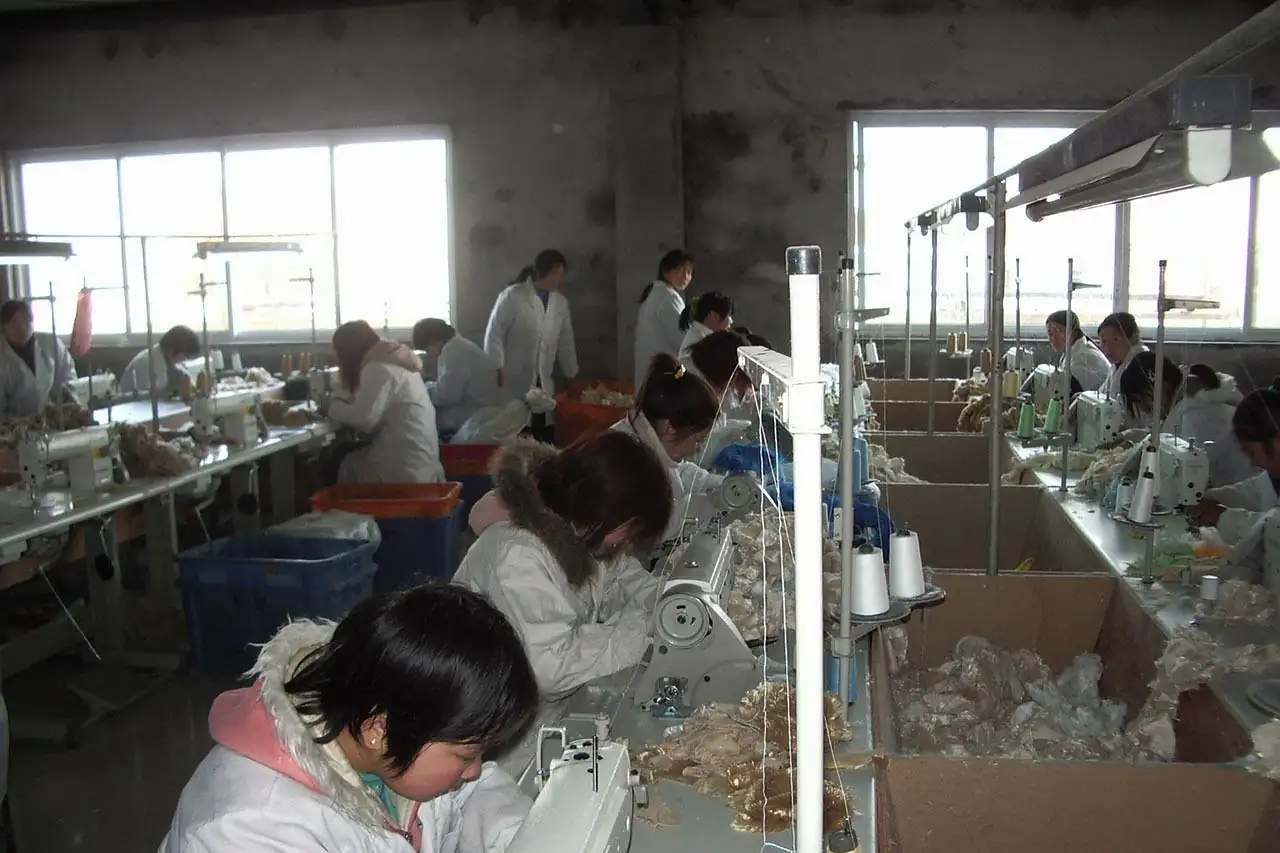
It is normal for an Indian supplier to send part or all of an order to other workshops. Job work is a recognised, legal model and is how Indian clusters work. What matters is that you know which units make your order and who answers for quality.
Yes, it's normal for an Indian supplier to send part or all of your order to another workshop. Indian clusters are built that way, with one unit dyeing, another printing and another stitching, and "job work" is a recognised, legal model. What you should mind is not that it happens, but whether you know about it and who answers for quality when it does.

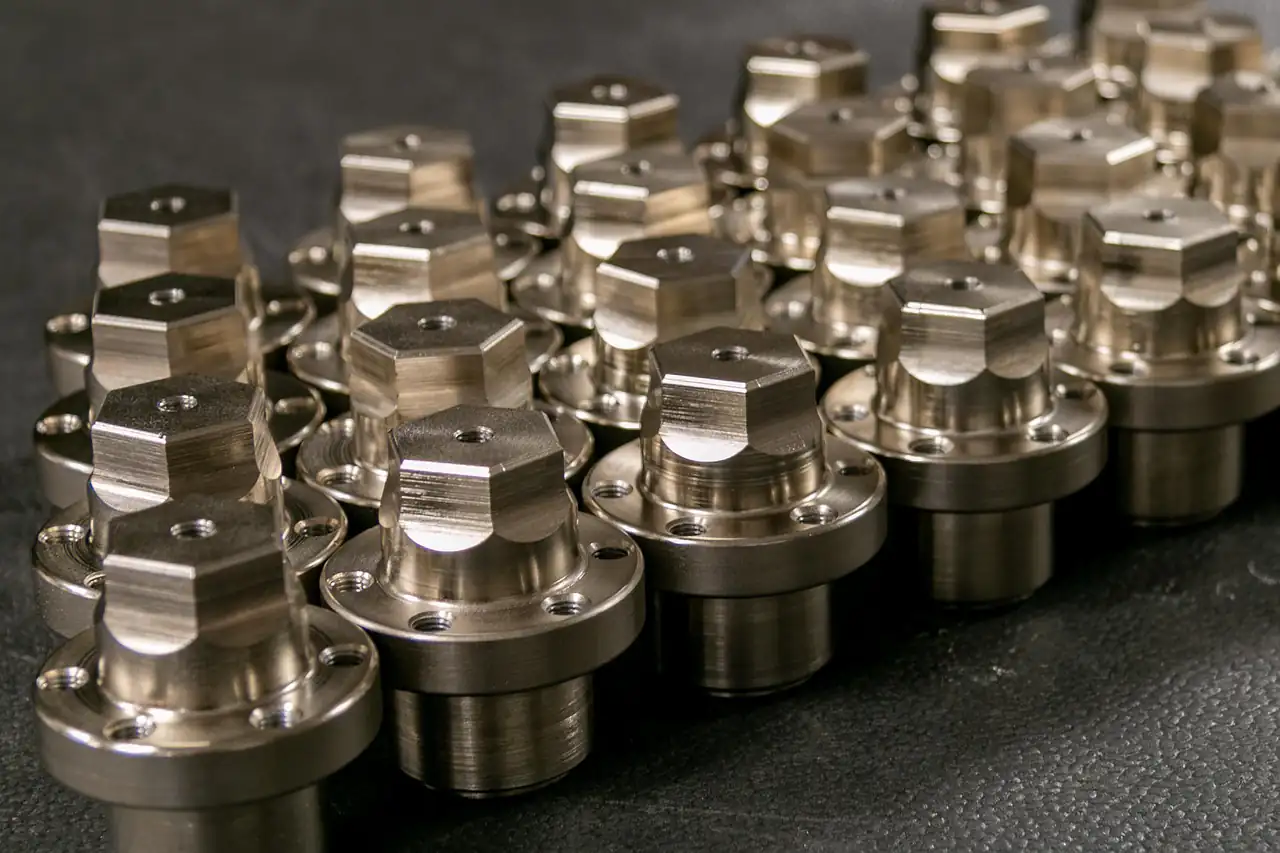
In late 2025 a buyer of machined parts described what went wrong for him: "the person that took the contract just pieces out the work to 10 different smaller operations" (r/manufacturing, 2025 (opens in a new tab)). The parts didn't match each other. An Indian brass-parts supplier replied with the other side of the picture: "Tens of thousands of small workshops versus a smaller pool of audited OEM-grade exporters" (same thread (opens in a new tab)). Both are right. This post explains why the work moves, where it bites, and how to keep it honest without treating your supplier as a suspect. The caveat - both are single voices from one thread.
Because specialisation is cheaper and better. In a textile cluster the dyeing house has the effluent plant, the printer has the tables and the screens, the embroidery unit has the machines. A garment maker who tried to own every step would be slower and dearer. The same happens in metalwork, where a contract is split between turning, plating and finishing shops.
There's a second, less comfortable reason. A small order is the one most likely to be sent out, because it doesn't justify the main line. That's a pressure every busy factory in every country feels. It's also why the risk sits with small buyers.
Usually not. It's often just how the supplier always works, and it didn't occur to them that you'd care. Treating it as fraud tends to end a relationship that was mostly fine. But not telling you does matter in three places, and they're worth a direct question.
Quality. Your sample was made by one team. Ten workshops won't match each other unless someone checks between them, which is exactly what the machining buyer found.
Certificates. A certificate covers the entity named on it. If your goods carry a claim like organic or a safety standard, the unit doing the relevant step has to be covered. An Indian supplier's own certificate doesn't stretch to a workshop it didn't name. The textile rules are in textile certifications.
Origin. If you claim a lower duty rate under a trade agreement, the evidence about where materials came from sits with whoever processed them. An unnamed unit makes that evidence harder to get. See rules of origin.
Those are the same checks you'd run on any supplier, set out on how to verify Indian suppliers. What an Indian GST number tells you covers step 5.

No, and this is the bit buyers find surprising. Factories job-work out too, which is why the label on the business card tells you less than the three facts about your order: who makes it, whose paperwork covers it, and who answers if it's wrong. The comparison of the two routes is on manufacturer vs trading company. Neither route is second best.
Why bulk can drift from a sample made by one team is on the sample was perfect, why wasn't the bulk?.
If you'd like someone to map which units touch your order and check each one, SourcingSync (opens in a new tab) does that in India.
You can ask for named units only and require your consent for changes. Banning it outright may simply make the order impossible for a cluster maker.
Only the site audited. Ask which other units are involved, and whether they're in scope.
The exporter of record is whoever files the shipping bill. The job worker usually just does a step and sends the goods back.
The machining buyer's problem wasn't that ten workshops were involved. It was that nobody named them and nobody checked between them. Ask who makes what, write it down, and inspect where the work happens, and job work becomes what it is in most Indian clusters - just how things get made.
Ready to act
Want the goods checked before they ship?
SourcingSync can arrange inspection in India and tell you what the bulk really looks like before you pay the balance.
Textile sourcing by product family: apparel, knitwear, home textiles, handloom and jute. Where each is made, what importers buy from India, and the border rules that change your cost.
India is the top supplier of iron and steel castings to the US. Which foundry towns make what, how to take a drawing to first article, who owns the pattern, and what CBAM and Section 232 add.
Yash Khatri founded SourcingFrom to give buyers outside India the full picture of sourcing from India: what the country makes well, where it is made, who makes it and how it ships.
Leave your email and the PDF downloads straight away. We don't email it to you.

When an Indian supplier keeps saying your goods are nearly ready, the order is usually waiting on something unstated: material, a bigger order on the same line, or work at another workshop. Ask for dated proof of where the order physically is, not for another date.
A good made in India from Chinese inputs counts as Indian for a free trade agreement only if it meets the origin rule written for that product. The same shirt can pass in one market and fail in another, so the annex for your HS code decides, not the factory.

Which tools help a foreign buyer source from India and which ones work against you. It covers B2B directories, WhatsApp and video calls, free government registries, remote quality control, digital certificates of origin and payments, and where a partner on the ground still fits.

Sea freight from India to Sydney, Melbourne, Brisbane or Fremantle takes about 25 to 36 days port to port, and about five weeks door to door. No carrier we read sails direct, every box changes ship at a hub such as Singapore, Port Klang, Colombo or Tanjung Pelepas, and a missed connection can push a shipment past 50 days.

Sea freight from India to Auckland takes about 29 to 32 days port to port on a Port Klang relay, and 36 to 39 days to Tauranga. Other routings we read took 51 to 97 days because they relayed through North Asia or Oakland, so the relay your forwarder books decides your transit.

Mundra is the closer port for every north Indian cluster we mapped, but closer is not always faster. In the schedules we read, Mundra was quicker to the US East Coast, Nhava Sheva was quicker to the UAE, New Zealand and slightly quicker to Europe, and for Australia the two are close.