

India's Export Industries: Profiles for Buyers
- Updated
The advice came from the other side of the table. In June 2026, when a maker asked an Indian business forum how to reach foreign buyers, an exporter in Jodhpur told them to "Go to expos, or supply locally to Saharanpur, Moradabad and Jodhpur exporters in volume" (r/IndiaBusiness, 2026 (opens in a new tab), flagged for a spot-check). No talk of selling direct. In craft towns the maker's route to you runs through an export house, and the people inside the trade take that as given.
We keep coming back to that reply because it shows you how an Indian industry actually works, from the bottom up. This page profiles each of India's main export industries for a foreign buyer - how it's organised, who represents it, where it's made, what certificates your buyers will ask for, and what we still don't know. The honest caveat is that official statistics count customs chapters, not firms, so on structure we also lean on what makers and buyers say, and we label it.
The decision in brief is in the playbook: India's export industries.
Last researched 28 September 2026 · Next review 24 December 2026 · Written by SourcingFrom
How Indian Industries Are Built
Most of India's consumer industries have the same shape. At the top sit export houses and a few large integrated manufacturers. They hold the export code, the showroom, the certificates and the buyer relationship. Below them sit thousands of small units - knitting, dyeing, casting, carving, polishing - that take work from the exporters and rarely sell abroad themselves. A Jodhpur exporter told a new maker exactly that in 2026 - "Go to expos, or supply locally to Saharanpur, Moradabad and Jodhpur exporters in volume." (r/IndiaBusiness, 2026 (opens in a new tab)).
That's a normal structure, and it's how most Western retailers already buy. Traders, merchant exporters and job work are business models, not warning signs. What it does mean is that the firm you pay may not be the firm that makes your goods, so ask who makes it and who answers for quality. An India-based buying agent put the risk plainly back in 2013 - larger suppliers may keep "1 big shiny beautiful factory for the audits and inspections" (r/IAmA, 2013 (opens in a new tab)). It's an old account, so test it, not assume it. How to check is on verify suppliers.
One more thing before the profiles. Official figures and export-council figures measure different product baskets. Leather is US$4.37 bn in FY2024-25 on the official count (Department of Commerce annexure (opens in a new tab)) and US$5.7 bn on the council's (IBEF citing the Council for Leather Exports (opens in a new tab), Reported). Handicrafts are US$1.77 bn officially and about US$3.9 bn on a trade body's count (IBEF (opens in a new tab), Reported). Neither is wrong. When a supplier quotes you "the industry's" size, ask which basket.
1. Textiles and Apparel
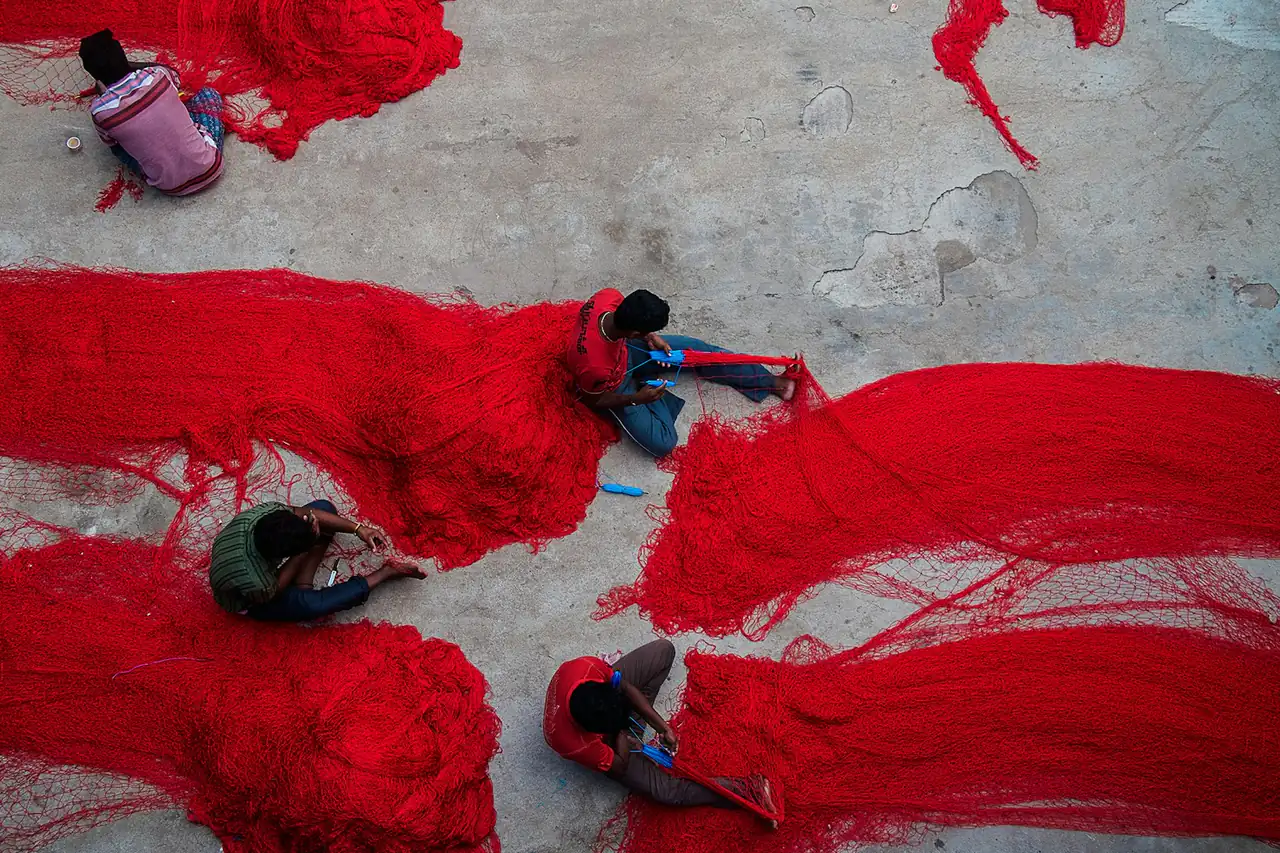
Textiles and apparel, handicrafts included, exported US$37,755 m in FY2024-25, 4.1% of world trade, with the US and EU taking about 49% (PIB, Ministry of Textiles, Dec 2025 (opens in a new tab), Supported). The chain runs from spinning mills through small knitting and weaving units to export houses. The average apparel factory employs 131 workers, while export units run 600 to 800 (The Tribune (opens in a new tab), Reported).
Here's the uncomfortable fact. India's share of world apparel exports is 3.0% in 2025, down from 3.2% in 2010, while Bangladesh and Viet Nam together rose from about 7% to over 13% (same source). ICRIER's reading of why comes down to things India lacked - back-to-back letters of credit, bonded warehouses, investment parks and trade agreements (ICRIER (opens in a new tab), Reported). Some of that is now changing, with seven PM MITRA textile parks funded to FY2027-28 (PIB, Dec 2025 (opens in a new tab), Supported) and the UK, Australia and New Zealand deals in force or close.
What does that mean for you? India isn't the place for the cheapest plain basic. Foreign founders making small streetwear runs default to Pakistan, China and Portugal, and an Indian insider agreed that few Indian makers chase high quality on small quantities (r/streetwearstartup, 2024 (opens in a new tab)). Where India wins is value-added work and certified fibre. India holds 27.8% of the world's GOTS-certified facilities (GOTS Annual Report 2025 (opens in a new tab)), which is a real advantage if your customers care about organic claims.
Who represents it? Ready-made garments sit with the Apparel Export Promotion Council (opens in a new tab), cotton textiles with TEXPROCIL and handlooms with HEPC. The joint fair is Bharat Tex, and HEPC runs its own handloom and home-textile fairs. Your buyers will ask for GOTS or OEKO-TEX on fibre and chemistry, and a social audit such as BSCI, Sedex or WRAP on the factory. India has no ILO Better Work programme, unlike Bangladesh and Viet Nam, so a compliance team that relies on those reports won't find them here.
Two points to watch. India's export duty-remission schemes can sit inside a garment quote, so ask your supplier whether the price assumes one. And there is no separate official export line for home textiles, even though they are India's strongest consumer category abroad.
2. Leather, Leather Products and Footwear
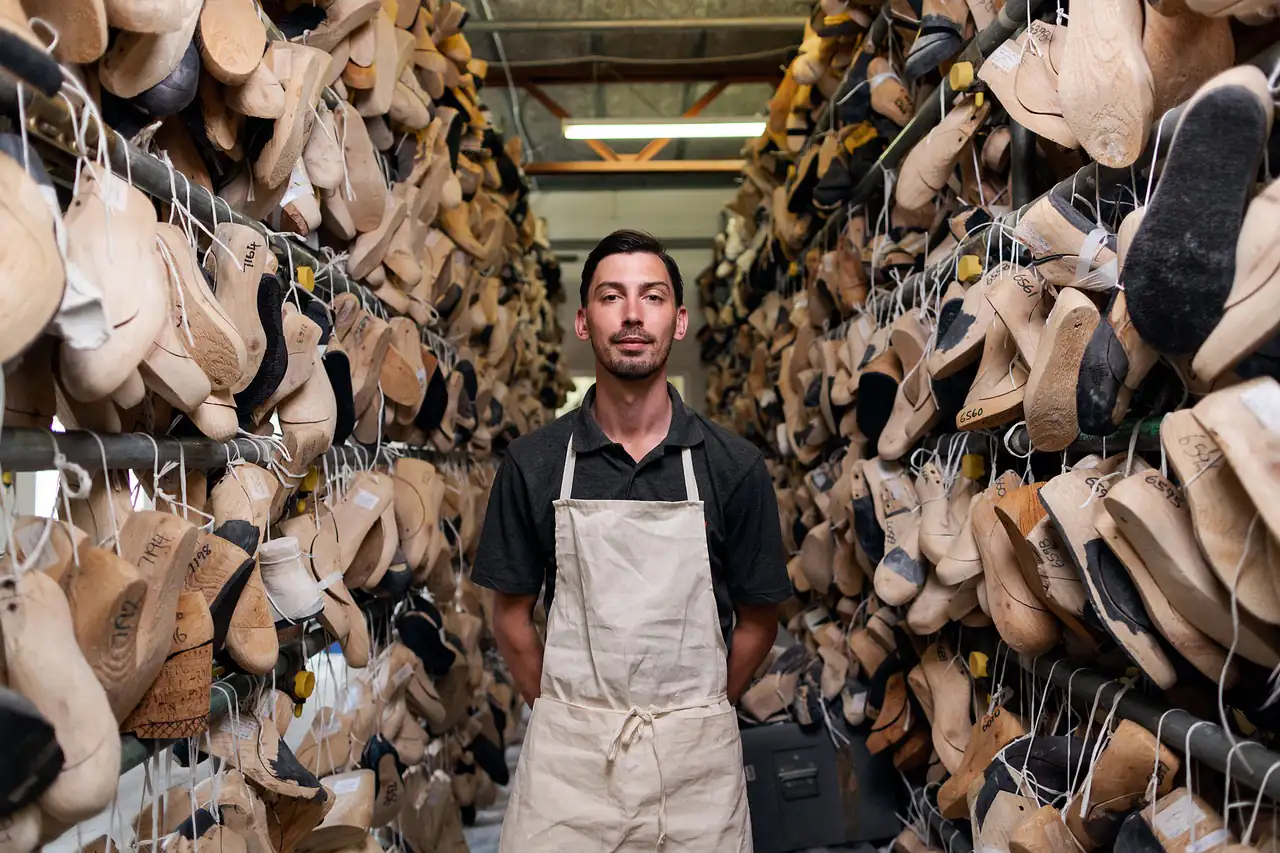
The council says India produces about 3 bn sq ft of leather a year (Council for Leather Exports (opens in a new tab), Supplier-stated). Tanneries, finishing units, footwear factories and bag makers sit in the same belts, so a shoe factory often buys its leather from a tannery a few kilometres away. The belts are Chennai to Ambur in Tamil Nadu, Kanpur and Agra in Uttar Pradesh, and Kolkata, though only Ambur, Kanpur and Agra hold the official export-town designation.
The industry's biggest issue for a Western buyer is reputation. Many craft buyers avoid Indian chrome-tanned leather on principle because of tannery pollution and worker safety, and some treat that as a quality signal (r/Leathercraft, 2024 (opens in a new tab)). Others push back and say the leather is good and the issue is working conditions. Either way, your customers will ask. So ask the tannery for its Leather Working Group rating and how it handles chrome, and put both in your file.
The fairs are the India International Leather Fair and the India International Footwear Fair, both run by ITPO. Your buyers will want chemical tests for chromium VI and azo dyes on finished goods, which quality control covers.
Footwear's share is falling in the EU, New Zealand and Australia, and we haven't found anyone who explains why. For you that means spare capacity in the belt.
3. Handicrafts and Carpets
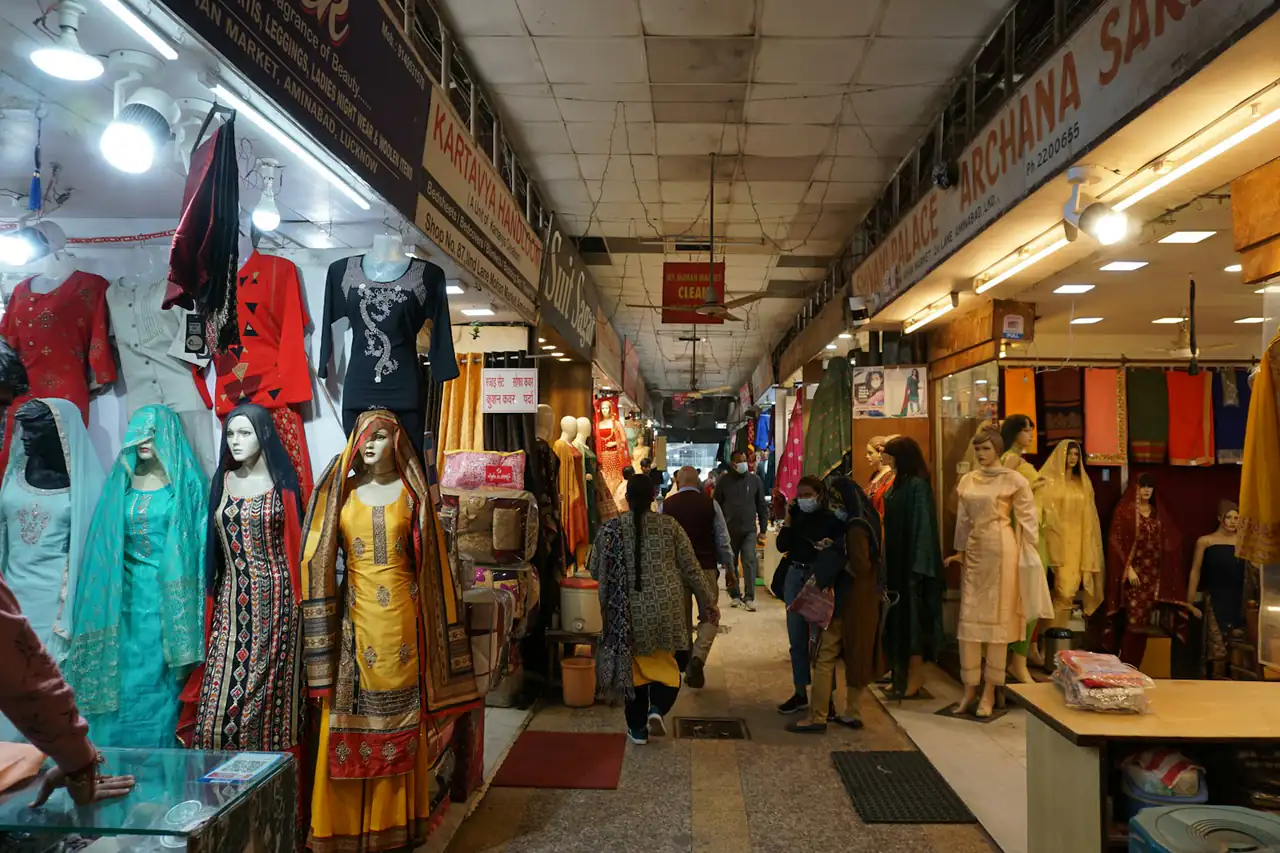
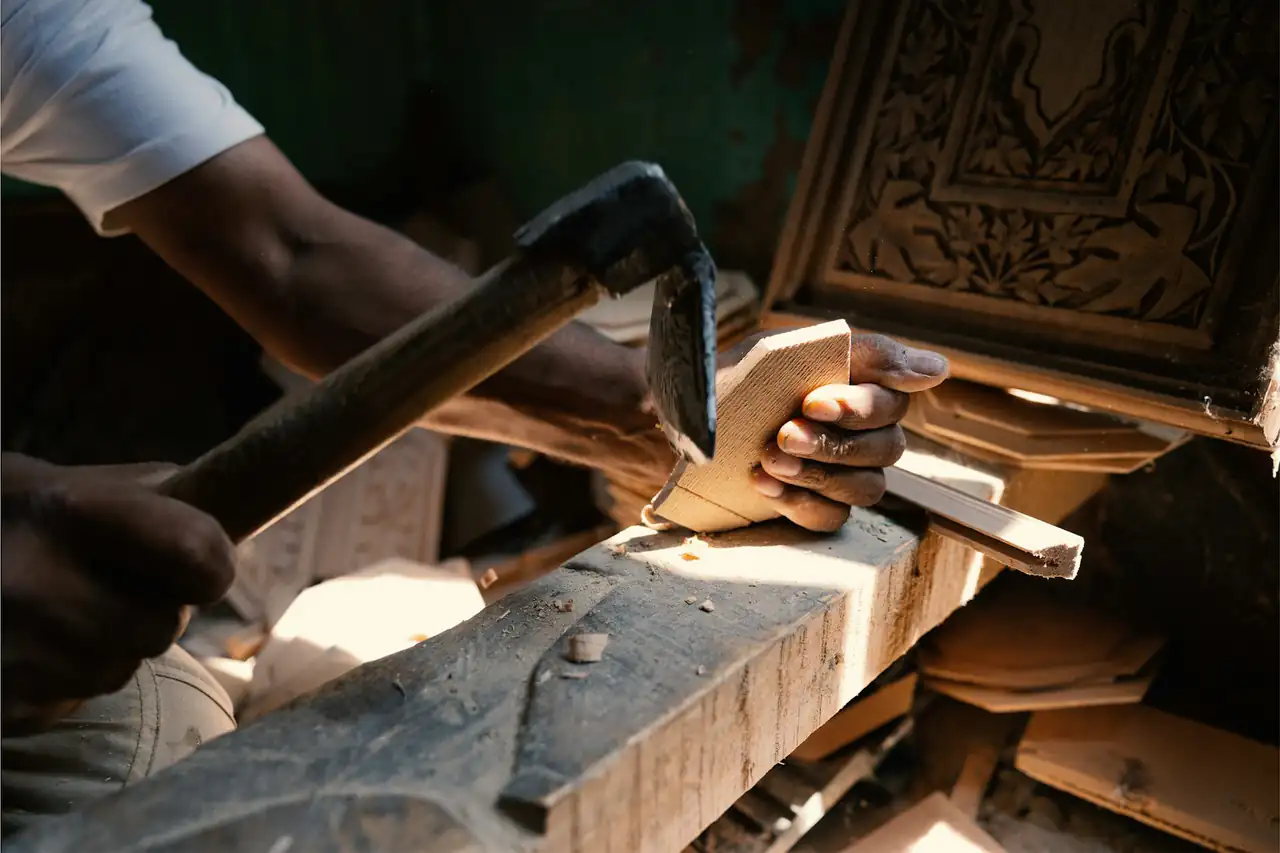
This is the world our Jodhpur exporter was describing. Craft workshops make to order for export houses in Moradabad, Jodhpur and Saharanpur, and weavers work through exporters in the carpet belt of Bhadohi, Mirzapur and Varanasi, with Panipat for machine-made rugs. The exporter you contract usually isn't the maker. That's the normal structure of a craft industry, and a fine one, as long as you know who answers for quality.
Handicrafts grew 1.45% in FY2025-26 while carpets fell 5.31%, and the US tariff trough hit decorative metal harder than anything else we measured. Workshops feel that first, because the export house can shift its orders and the workshop can't. A workshop in that position will often give a small, steady buyer its full attention, and it treats your designs as confidential because its living depends on exporters trusting it. If you can reach the maker through a good export house, that's a good place to be. It is also a reason to check that the exporter pays its workshops on time, because a squeezed workshop cuts corners.
The councils are EPCH for handicrafts, which runs the IHGF Delhi Fair twice a year, and CEPC for carpets, which runs the India Carpet Expo. The Ministry of Textiles has nine handicraft mega clusters (National Portal of India (opens in a new tab), Supported), and EPCH runs a wood testing lab and a Pashmina centre that can test a species or fibre claim inside India (EPCH (opens in a new tab)).
Your buyers will ask for different papers per material. Wood needs species and legality documents, such as those for Australia's illegal-logging law. Carpets need a child-labour-free label from a recognised scheme. Plated metal needs lead and cadmium tests. On the market's view, US rug buyers rank Indian rugs below Persian and Turkish on collectability (r/Rugs, 2025 (opens in a new tab)), while US shoppers credit Indian hardwood with giving mid-market retailers good solid furniture at a fair price (Hacker News, 2022 (opens in a new tab)). Sell on design and value, and you're on firm ground.
4. Gems and Jewellery
Gems and jewellery exported US$29.8 bn in FY2024-25 (Department of Commerce annexure (opens in a new tab)), and the US takes over 30% (The Tribune, Aug 2025 (opens in a new tab), Reported). Two industries share one heading. Diamond cutting and lab-grown stones in Surat run through large houses. Coloured stones, silver and fashion jewellery in Jaipur run through small workshops and dealers. Only Surat holds the official export-town designation for gems, and Jaipur's is for handicrafts.
The 2025 US tariff escalation split the two halves. India's share of US diamond imports held at about 46%, while its share of US jewellery imports (HS 7113) fell from 24.1% to 18.2% between 2022 and 2025 (UN Comtrade (opens in a new tab), our analysis). Finished jewellery took the hit, loose stones didn't.
GJEPC is the council, and it runs the IIJS shows. Your buyers will expect Kimberley Process paperwork behind any natural diamond, reports from a recognised lab on stones, and a full hallmark on silver. The small-lab problem in Jaipur and the lab-grown access barrier in Surat are covered on the products page.
5. Spices, Food and Marine Products
Spice exporters and processors buy from farm-gate traders, then grade, clean, treat and pack for export. The Spices Board registers exporters and runs the World Spice Congress. Spices fell 4.29% in FY2025-26. Marine products are a separate industry growing fast, up 13.86%, under MPEDA, with Seafood Expo Bharat as its fair. Processed food has no single council in our notes, and its fairs are Aahar, Indusfood and World Food India.
The official export-town list has no spice town. It has five marine towns and Kollam for cashew (DGFT Appendix 1B, 6 Apr 2023 (opens in a new tab)). That tells you the spice trade is organised by exporter, not by town, so you're choosing a firm and its lab, not a cluster.
For food, the policy that matters most is at your border. We counted about 22,000 official rejection records for Indian goods across the EU, US, Australia and UK, and for spices the reasons differ by border - pesticide residues lead in the EU, Salmonella in the US and Australia (RASFF, FDA and DAFF records, our counts). The test plan per family is on quality control. Your buyers will ask for Spices Board registration, an FSSAI licence and a lab certificate per lot. And in the US, first-time importers find the FDA steps harder than the product - one called registration "easier said than done" (r/CustomsBroker, 2024 (opens in a new tab)).
Ready to act
Need hands-on help?
Need a lot sampled and tested before it ships, or someone to line up the FDA steps with your exporter? SourcingSync handles that.
6. Drugs and Pharmaceuticals
Pharma exported US$30.5 bn in FY2024-25 (Department of Commerce annexure (opens in a new tab)), led by large generic makers with regulated-market approvals. Small buyers don't source finished medicines from India without a licence in their own country, so this profile is for distributors who already hold one.
Pharmexcil is the council, and its fair is iPHEX. Dewas holds the export-town designation for pharma, but the big plants sit in industrial belts. Your regulator, not duty, is the gate - WHO-GMP at minimum, plus an inspection history with your own regulator. In the US, generics are excluded from the Section 232 pharmaceutical duty "at this time", while patented products face 100% from 29 September 2026. The rule is on the US page.
Contract manufacturing for beauty and personal care is a different story, and much more open. An Indian industry insider says much of India's own beauty brand boom is made by a handful of contract manufacturers, each with sister companies so it can serve competing brands, and "if you can order their minimum order quantities in volume. those companies are happy to take your money" (r/indianstartups, 2025 (opens in a new tab)). That is private label with a clear gate, and your market's cosmetics rules decide the rest. We have no first-hand buyer accounts about pharma itself.
7. Engineering Goods
This is the deepest profile, because engineering is India's largest export group and the one foreign buyers most often underrate.
EEPC India's analysis of official data breaks FY2025-26 engineering exports into automobiles at US$26.83 bn (auto components US$8.56 bn within it), industrial machinery at US$22.13 bn, iron and steel products at US$20.68 bn and electrical machinery at US$15.36 bn (EEPC India, March 2026, Table 4 (opens in a new tab)). The US took US$19.60 bn, then the UAE, Germany (up 14.6%) and the UK (up 18.2%), and exports to Oceania rose 24.2% (Tables 2 and 3). India is the world's second-largest producer of castings, at 15.86 Mt in 2024-25 from about 5,000 units, 90% of them small firms (Institute of Indian Foundrymen, via The Machine Maker, 13 Feb 2026 (opens in a new tab), Reported). Airbus says it sources over US$1.6 bn a year from India (Airbus in India (opens in a new tab)).
Where does India rank in your market? This is the one table on the page, because it's worth comparing across markets. It shows India's rank among all supplier countries and its share of that market's imports in 2025, as recorded by the importing country (UN Comtrade (opens in a new tab), our analysis).
| Sector (HS) | USA | UK | Australia | EU-27 |
|---|---|---|---|---|
| Castings (7325) | #1, 42.8% | #3, 15.7% | #3, 11.3% | #2, 21.0% |
| Gears, transmission parts (8483) | #3, 11.5% | #8, 4.1% | #7, 2.0% | #4, 9.0% |
| Seamless steel tubes (7304) | #10, 4.5% | #17 | #2, 24.9% | #3, 16.2% |
| Bearings (8482) | #7, 5.7% | #7, 3.0% | #4, 8.4% | #4, 7.1% |
| Generating sets (8502) | #13 | #6 | #5, 4.5% | #4, 11.2% |
| Auto parts (8708) | #8, 2.3% | #16, 1.3% | #12 | #6, 4.8% |
| Valves and taps (8481) | #8, 4.2% | #7 | #7 | #5, 4.5% |
| Fasteners (7318) | #7, 4.6% | #7, 3.8% | #7 | #7, 4.8% |
| Pumps (8413) | #7, 3.7% | #13 | #8 | #7, 4.7% |
| Transformers, converters (8504) | #10, 3.6% | #6 | #6 | #8 |
| Insulated wire and cable (8544) | #8 | #8 | #3, 5.4% | #12 |
Read it by your market. The US buys castings, gears, valves and pumps. The EU buys castings, gears, tubes, bearings and generating sets, and Germany is its fastest-growing big buyer. Australia buys seamless tubes, bearings and cable, and it's where India ranks highest outside castings.
The catch is the supplier tier, and it's the same catch as in crafts. About 5,000 foundries, 90% of them small, means the drawing you send lands either with an audited OEM supplier or with a one-shed job shop, depending on who you picked. Buyer complaints about precision describe the tier, not the category. And the real gap sits upstream. About 59% of the machine tools India uses were imported in FY2024-25, on our arithmetic from IMTMA's figures (IPF Online, Sep 2025 (opens in a new tab), Reported), so precision depends on imported equipment that not every workshop owns. Nobody publishes which workshop owns what. That's a check someone has to make on the ground.
EEPC India is the council, and it runs the India Engineering Sourcing Show. Expect ISO 9001 as a floor, IATF 16949 for automotive, PED or ASME stamps for pressure parts, and material test certificates per heat. For US buyers, Section 232 duties on steel, aluminium and copper articles apply by tariff line on top of the usual rate, so classify before you quote (US page). No engineering town holds the official export designation, and Rajkot and Ludhiana appear in industry accounts only.
Ready to act
Need hands-on help?
Sourcing parts made to drawing? SourcingSync can find audited exporters and check which tier a supplier really is.
8. Electronics
Electronics is smartphone assembly by a few large contract manufacturers for global brands. Mobile phone exports rose from ₹1,500 crore in FY2014-15 to ₹2,00,000 crore in FY2024-25, and India overtook China as the top smartphone exporter to the US in the second quarter of 2025 (PIB explainer (opens in a new tab)). But components aren't there yet. India holds 0.3% or less of US, UK, Australian and EU imports of semiconductors and computers (UN Comtrade (opens in a new tab), 2025).
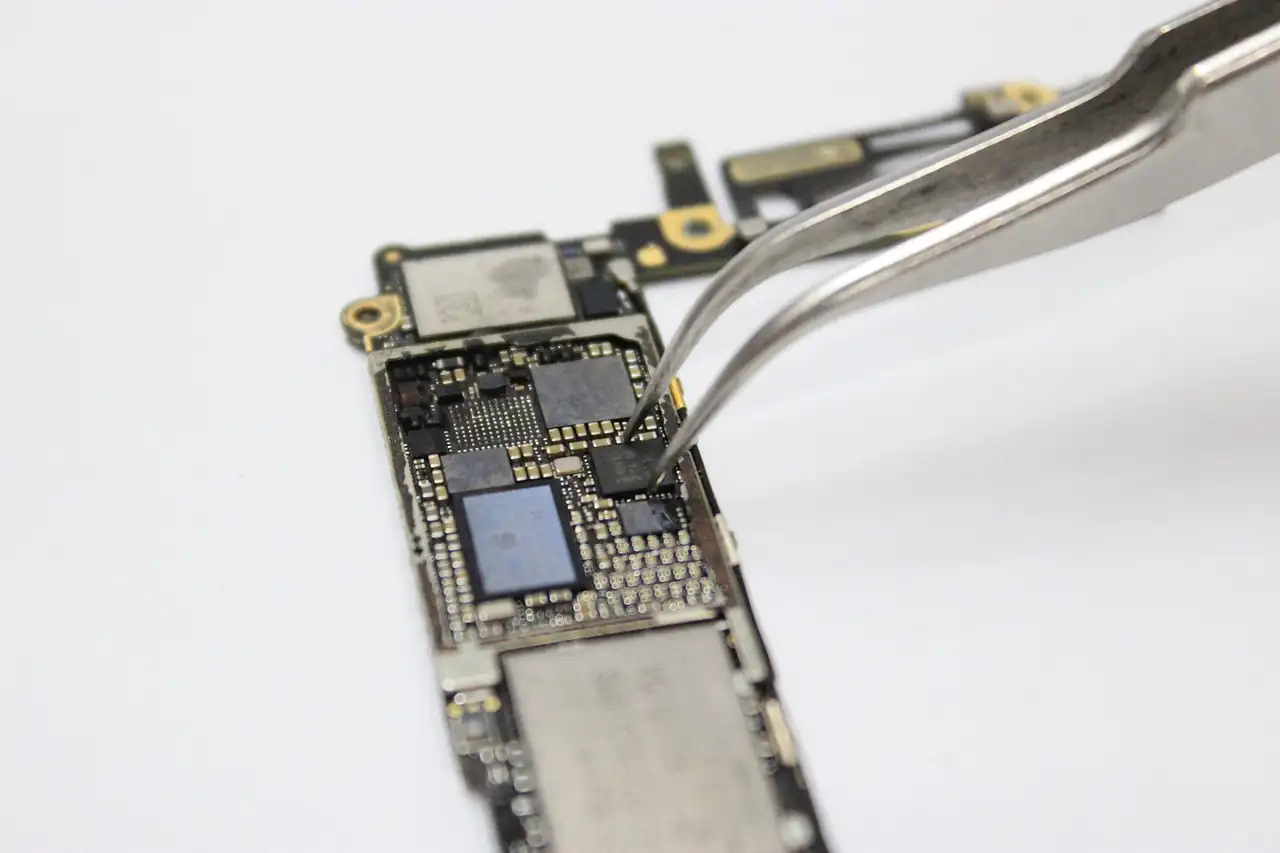
The council is ESC, the Electronics and Computer Software Export Promotion Council (opens in a new tab). Chennai-Sriperumbudur is the assembly belt we track. For a small buyer this is not an open-market category, and we haven't yet found which components, if any, a foreign buyer can source from India on open terms.
9. Toys and Sports Goods
Sports goods are a craft-industrial cluster in Meerut, with cricket bats graded by willow (UP ODOP, Meerut (opens in a new tab)). SGEPC is the council, with the India Sporting Goods Fair. Toys are scattered across small firms, and the Toy Association of India runs Toy Biz International.
India's toy policy protects the home market more than it builds exports. BIS IS 9873 has been mandatory for toys made or sold in India since 2023 (India Briefing (opens in a new tab), Reported), and the quality-control orders didn't significantly raise exports on IIFT's reading (IIFT Working Paper 92 (opens in a new tab), Reported). Your own market's toy safety standard is what governs your import. In combat sports, practitioners place most gloves and gis in Sialkot, Pakistan, and barely mention India (r/bjj, 2023 (opens in a new tab)). That's a gap, not a strength.
What We Don't Know Yet
What we know, and what we don’t
What we know: each industry's direction on official data, its council and fairs, and how it's built, from makers and buyers who work inside it.
What we don't:
- The size of any cluster beyond Tiruppur, Morbi and Firozabad. The official district-of-origin export data is paid, and we'll buy it for about 25 cluster districts once our DGCI&S account is registered.
- Export council figures for most industries, and whether they match the official basket.
- Separate official export lines for furniture, toys, sports goods, auto components, AYUSH and home textiles.
- A US Census run of the same ranks, to confirm the Comtrade figures.
We don't know whether the maker who asked took the Jodhpur exporter's advice. What we do know is that the advice holds for India's consumer industries as a whole - skilled, small workshops working behind exporters and short of steady orders. For a buyer who does the work of finding them and asks who makes the goods, that's not a weakness in the industry. It's the opening.
Industry entities with India context will be listed here as they are added.
Next step: find your industry's towns on the locations page, or go straight to checking suppliers if you already have a shortlist.
Pages we hold for India
Textiles
Apparel and textile manufacturing.