Skip to content

Yash Khatri

Founder, SourcingFrom

Yash Khatri founded SourcingFrom to give buyers outside India the full picture of sourcing from India: what the country makes well, where it is made, who makes it and how it ships.

Articles and guides

How Long Does Shipping From India to Australia Really Take?

Sea freight from India to Sydney, Melbourne, Brisbane or Fremantle takes about 25 to 36 days port to port, and about five weeks door to door. No carrier we read sails direct, every box changes ship at a hub such as Singapore, Port Klang, Colombo or Tanjung Pelepas, and a missed connection can push a shipment past 50 days.


Mundra or Nhava Sheva: Which Port Should Your Supplier Ship From?

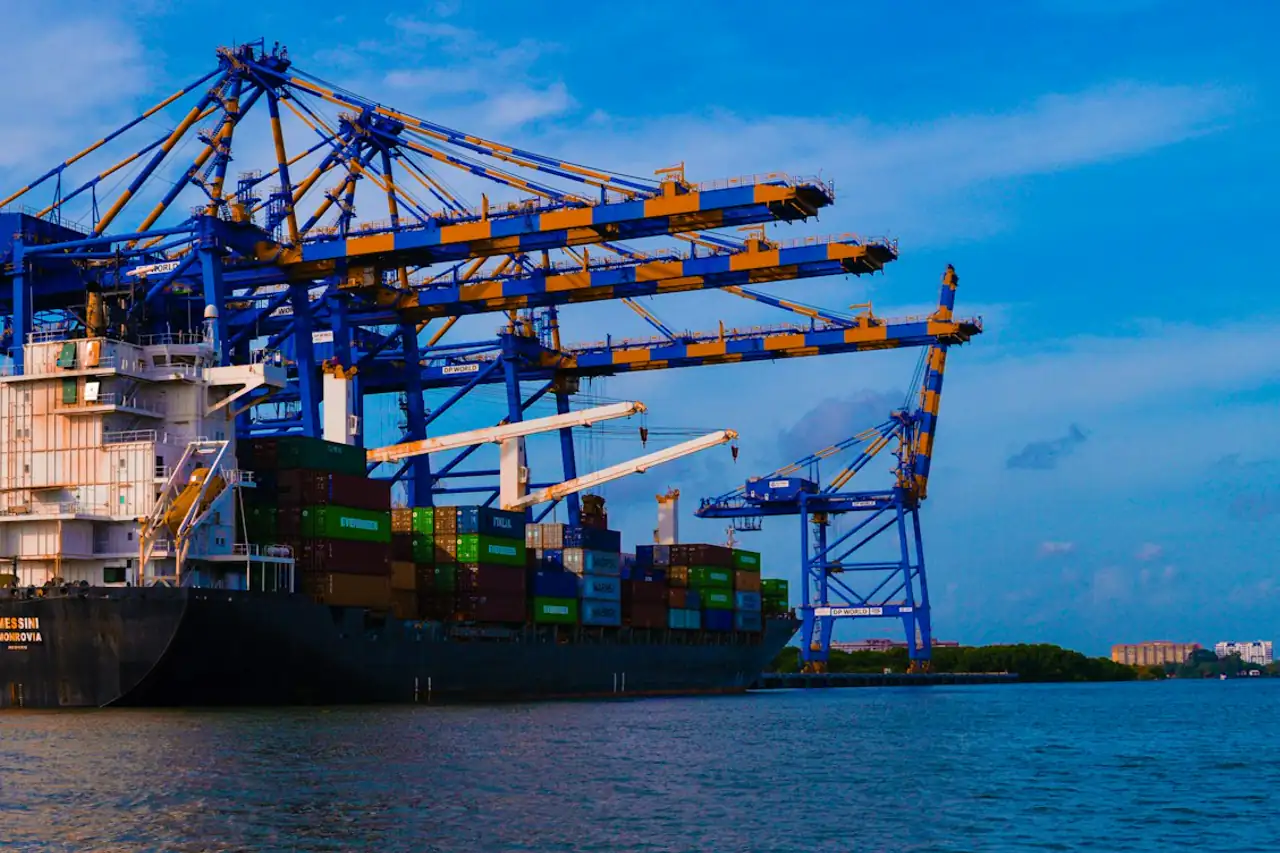
Mundra is the closer port for every north Indian cluster we mapped, but closer is not always faster. In the schedules we read, Mundra was quicker to the US East Coast, Nhava Sheva was quicker to the UAE, New Zealand and slightly quicker to Europe, and for Australia the two are close.

Can Your Supplier Air-Freight From Its Own Town?

Usually not. Most Indian export towns have no busy international cargo airport, so urgent goods and samples are trucked to a gateway, most often Delhi, Mumbai, Bengaluru or Chennai. Delhi and Mumbai carried 58.5% of India's international air freight in FY2025-26.

Does Everyone at an Indian Trade Fair Make What They Sell?

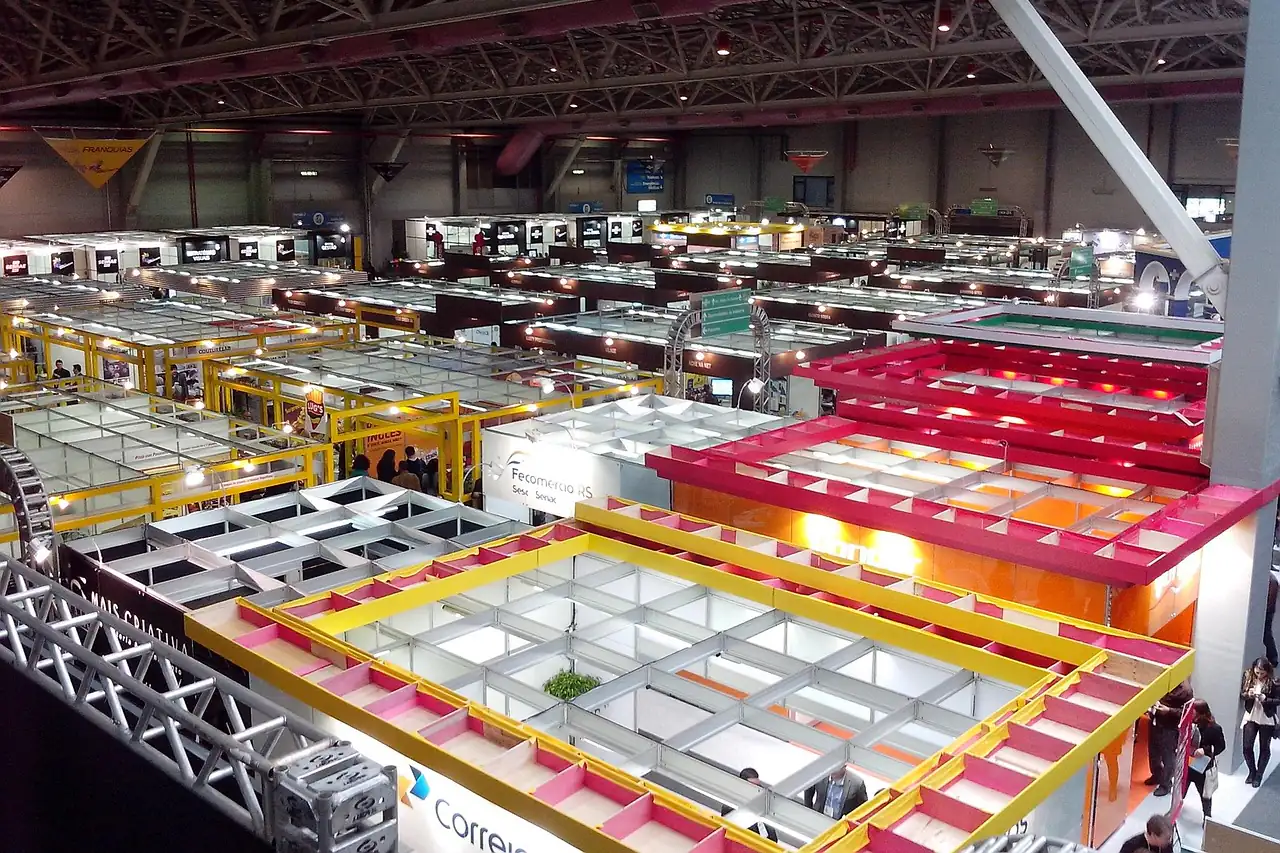
Not always. At export council fairs such as IHGF and IIJS every exhibitor must be a council member, which guarantees a registered exporter but not a factory, because merchant exporters can be members too. Some other big Indian fairs are mostly domestic or open to the public.
Are You Actually Getting Zero Duty on Indian Goods in Australia?

Not automatically. Since 1 January 2026 every tariff line from India can enter Australia at 0% under ECTA, but only with a certificate of origin from a designated Indian agency for that shipment. Without one, the Australian Border Force charges the general rate by default.

Can You Open a Buying Office in India?

A foreign importer can open a liaison office in India through an Indian bank if the parent has three profitable years and US$50,000 net worth. The office can promote trade and talk to suppliers, but it cannot earn income or act as your buying agent, which is a branch office activity with stricter tests.
Will India Pay for Your Trip to a Trade Fair?

Sometimes, and usually only in part. Indian export councils run hosted buyer programmes that cover hotel and part of the airfare, now funded through Market Access Support after the old MAI scheme ended on 31 March 2026. Each organiser sets its own package and conditions.
Is an EOU or SEZ Supplier Always a Manufacturer?

An Export Oriented Unit (EOU) is a manufacturer or service provider by definition, because India's trade policy says trading units are not covered. An SEZ unit can be a trading or warehousing unit, so SEZ status says less. Neither status proves quality or capacity.

Is a Delhi or Mumbai Address a Sign Your Supplier Is a Trader?

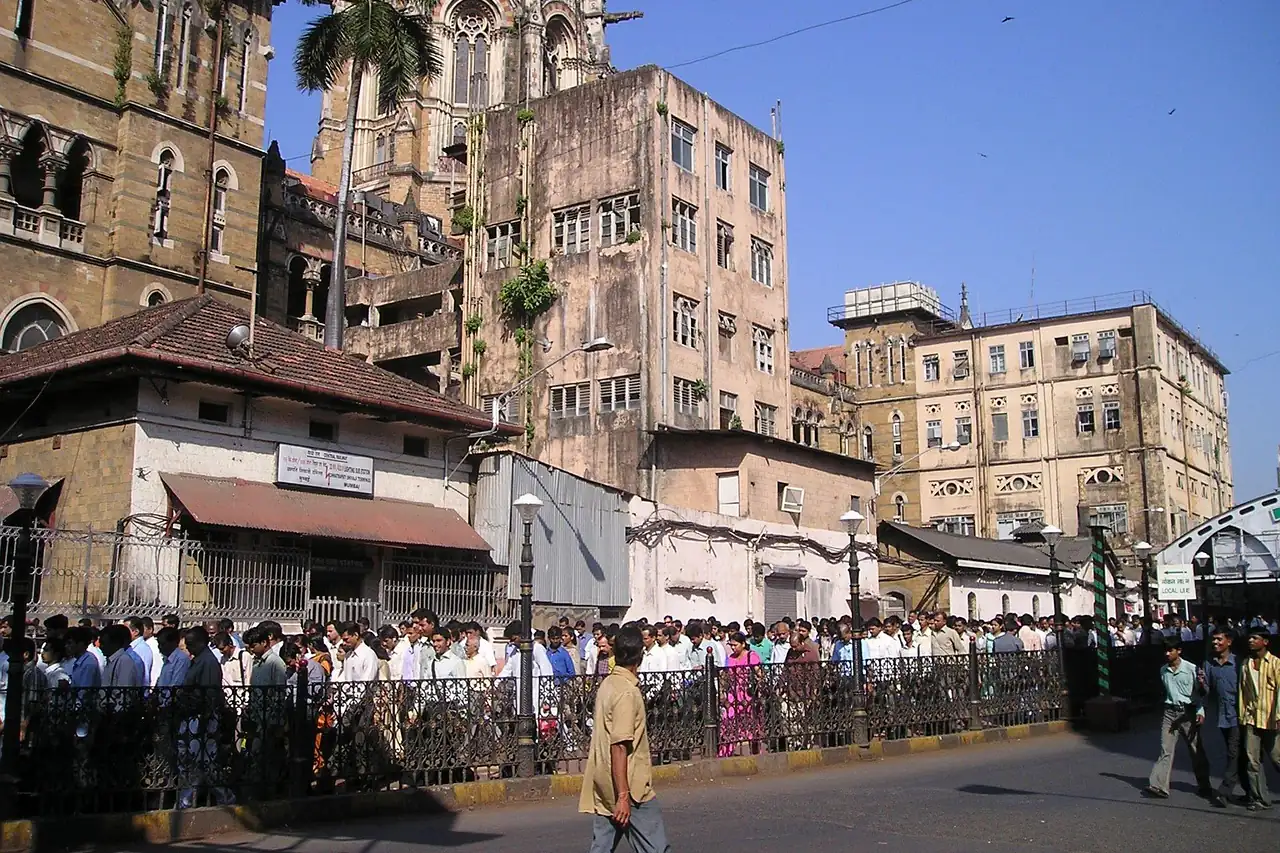
A Delhi or Mumbai address is a weak trader signal on its own, because many real Indian manufacturers keep their head office in a metro while the mill runs elsewhere. A product mix spread across unrelated categories is a far stronger sign, and the GST premises, the export council certificate and one direct question all do better than a postcode.

Is a 'Kashmir' Rug Made in Kashmir?

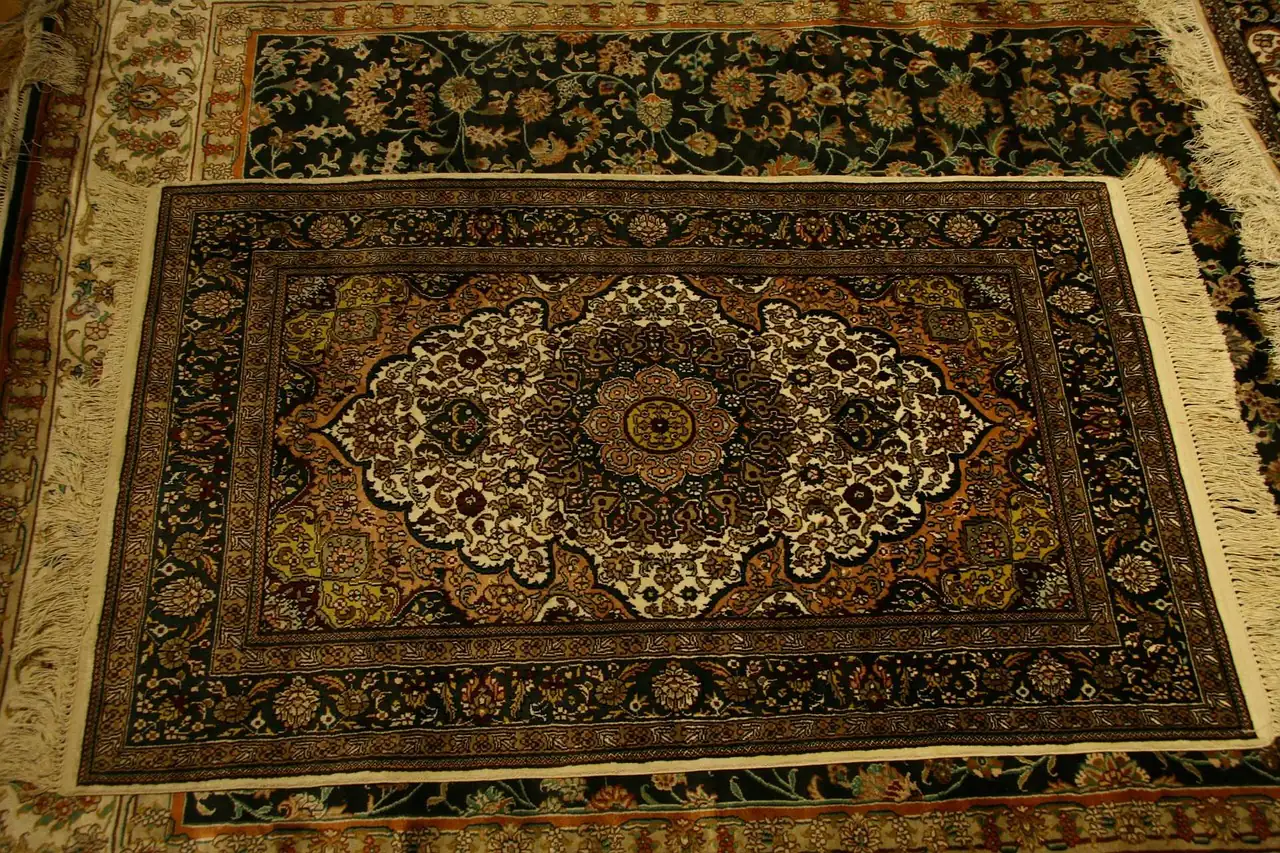
Often not. Many rugs sold as Kashmiri are woven in Jaipur or Bhadohi, and some are not hand-knotted or Indian at all. A genuine Kashmiri hand-knotted carpet can carry a GI label with a QR code issued after inspection by a government institute in Srinagar, and that label is the check worth asking for.

Is India Becoming a Real Electronics Supplier?

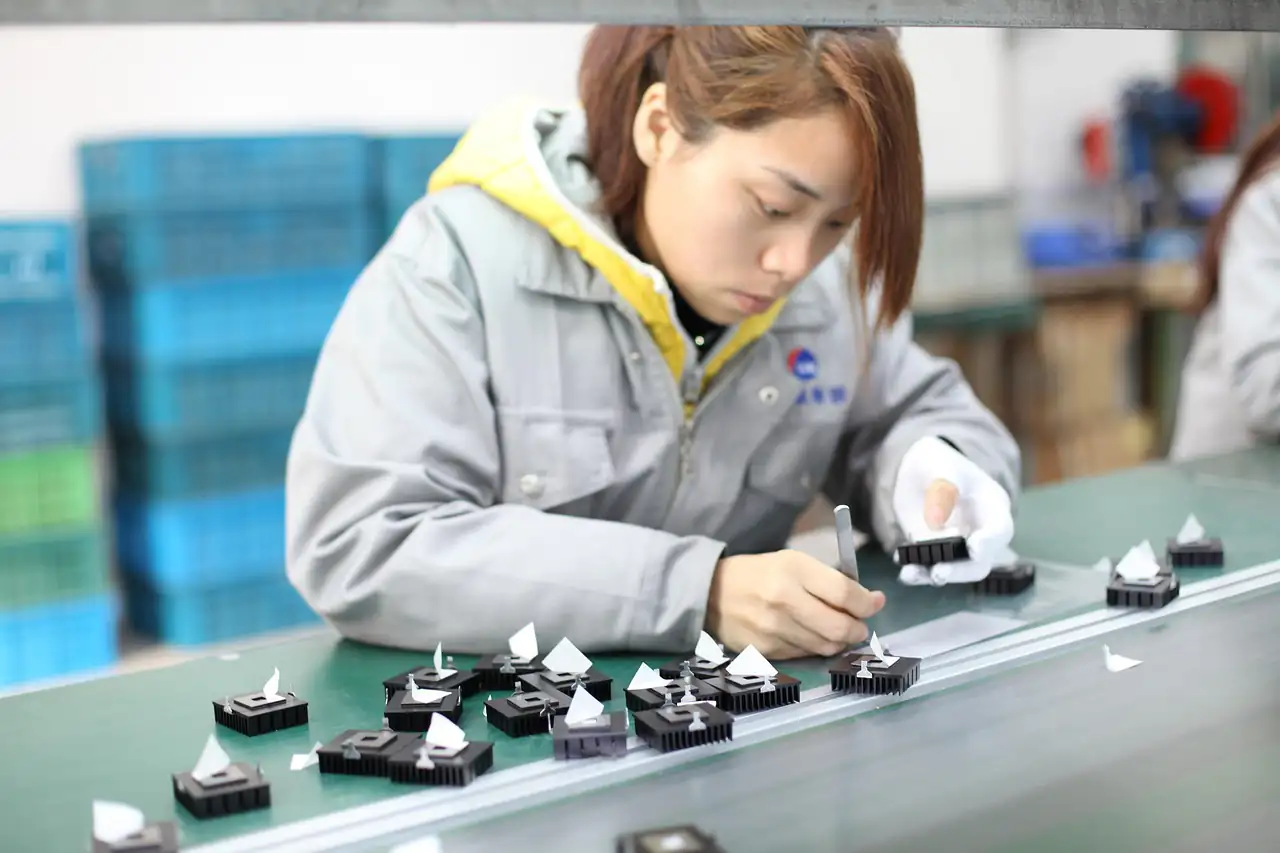
India is a real electronics supplier for big brands, mostly smartphones assembled for global names. For a smaller importer, the proven Indian lines are industrial electrical goods such as transformers, cable and switchgear, while consumer gadgets and components still come mainly from China.

Is There an Alibaba Trade Assurance for India?

Partly. Since June 2025 Alibaba.com offers Trade Assurance to Indian suppliers who opt in, but only for payments made on the platform. IndiaMART offers foreign buyers no payment protection, so for most Indian orders your protection comes from how you pay.

The Sample Was Perfect. Why Wasn't the Bulk?

Bulk from India drifts from an approved sample for a few repeatable reasons: different material, rushed fabric, or different hands on the bulk. These are consistency problems, not proof the maker lacks skill, and each has a test that catches it before you pay the balance.

Most 'Top Indian Supplier' Lists Are Really Freight Forwarders

Our read of US shipping records for 21 Indian product lines found that 19 of the 20 biggest "Indian suppliers" are freight forwarders or logistics firms, and that many bills carry no shipper name at all. The post explains why the lists come out this way and how to tell a maker from a mover.

What an Indian GST Number Tells You About a Supplier

An Indian GST number (GSTIN) shows the state a business is registered in, carries its PAN, which is also its export code, and once looked up shows whether it is active and able to export. It proves a registered business exists, not that it makes your product.

What Is India Actually Good at Making?

India is strongest in specific products, not broad categories. Import records from the US, Australia, the UK and New Zealand show it leading in household linen, knotted carpets, babywear, women's woven tops, lab-grown stones, jute bags and saddlery, and mid-table or weaker in basic apparel, precision work, furniture and footwear.

Why Your FOB India Quote and Your Final Freight Bill Don't Match

An FOB India quote fixes the supplier's price, not your freight bill. Indian port charges are billed on line tariffs to the booking party, LCL destination charges are often set after sailing, and consolidation, inland trucking and surcharges add more. The post lists each charge line, who bills it and what to put in writing before booking.

Why Are Indian Lead Times Longer Than China's?

Indian orders usually take longer than the same order from China because of what happens around the factory: getting a booking confirmed, relaying the box through a hub port and rollovers caused by late export paperwork. The post splits a lead time into three legs and shows which parts a buyer can shorten.

Why 'Indian Manufacturers' Email You After Your First Import

Most "Indian manufacturer" emails after a first import come from agents and traders who found your company in shipment data, not from factories. US sea manifests are public and importer lists take minutes to build. The post shows where the trail starts and how to tell a cold pitch from a real maker.

Why Online Reviews Make Indian Suppliers Look Worse Than They Are

IndiaMART is not mostly scams, but its online reputation is worse than the B2B reality. Our forum audit found much of the scam noise came from grey-market medicine buyers, self-promoting agents and cold pitches. The real B2B problems are traders posing as factories, poor fit and no platform standing behind the deal.

Why Does My Indian Supplier Want 100% Advance?

Indian suppliers often ask for 100% advance on a first order because small makers lack working capital and your money pays for the materials. It is not a red flag on its own, and it is negotiable. A letter of credit, documents against payment or a deposit tied to inspection can replace much of the advance.

Why Your Tiruppur Shipment Says Colombo

Much South Indian cargo shows Colombo as its port of loading because it travels on a feeder ship from Tuticorin, Cochin or Chennai and joins the ocean vessel in Sri Lanka. North and west Indian cargo mostly sails direct from Nhava Sheva or Mundra. The relay does not change origin, but it affects your Incoterm risk, your trade agreement paperwork and your transit time.

China's Factory Cities: What Each One Makes, Honestly

A city-by-city guide to what China's main factory cities make, from Shenzhen electronics to Yiwu's market and Foshan's tiles and furniture, using official Chinese and World Bank figures. It also explains why there is no single count of Chinese factories and how a buyer should choose a city.

China vs India Factory Cities: Each Chinese Hub and Its Indian Match

This page sets each big Chinese factory hub against the Indian place that makes the same thing, with the likely Indian port, and says where the match is real and where it is not. Morbi against Foshan for tiles and Tiruppur against Guangdong for knits are strong matches. India has no Yiwu.

India's Factory Cities: Where India Makes Things, State by State

Where India's registered factories are, state by state, from the government's Annual Survey of Industries, and what each state's towns make for a foreign buyer. Tamil Nadu has the most factories, Gujarat the most output and Maharashtra the most value added, while single-product towns hold much of what buyers abroad want.

The Technology That Actually Helps When You Source From India

Which tools help a foreign buyer source from India and which ones work against you. It covers B2B directories, WhatsApp and video calls, free government registries, remote quality control, digital certificates of origin and payments, and where a partner on the ground still fits.

Why Is Finding a Low MOQ Clothing Manufacturer So Hard

Clothing manufacturers set high minimum order quantities because dye lots, print set-ups, colour-by-size minimums and sampling all cost the same whether you order 50 pieces or 500. Low MOQ makers exist, but they charge more per piece. This post explains the causes and how to find a low MOQ maker through fairs, careful online search, visits or a sourcing partner.

Moving Manufacturing From China To India

There are two ways to move production from China to India: move your sourcing to Indian factories, or set up your own plant. Trade data shows India has export-grade makers for metal parts, electronics assembly, cotton textiles, leather and craft goods, but not yet for machine tools or chips.

10 Best Ways to Turn a Profit Sourcing Amazon Products From India

Ten practical ways for an Amazon seller to make sourcing from India profitable, from choosing a supplier in the right production hub to negotiating MOQs, putting quality before price, planning around real ports and transit times and staying with a good supplier. US-only points, such as East Coast routing and tariffs, are labelled.

Top-Selling Gaming Products To Source For Your Ecommerce Business

A starter list of gaming products to stock in an ecommerce store, from chairs and laptops to headsets, keyboards, mice and desks. It covers the features to look for in each and three habits to keep before you buy: compare suppliers, check authenticity and join gaming communities.

Everything You Need To Know About CIF, DDP and FOB: Which One Should You Choose?

FOB, CIF and DDP are three Incoterms 2020 rules that set who pays for each leg of the trip and where risk moves from seller to buyer. Under FOB and CIF risk passes to you on board at the origin port, and under DDP the seller carries it to your door and acts as importer of record. For an ecommerce importer buying from India, the author recommends FOB, or FCA for inland suppliers, with your own forwarder.

Type a word you met on the page, a product or a place.