Yash Khatri founded SourcingFrom to give buyers outside India the full picture of sourcing from India: what the country makes well, where it is made, who makes it and how it ships. He writes and edits every guide on the site, and holds each one to the same rule: say what we know, show how sure we are, and say plainly where the evidence runs out. He also runs SourcingSync, the hands-on service that does the sourcing work for buyers, and Kirnova, the data and intelligence company behind SourcingFrom Intelligence.
FCC, UL and ETL for Electrical Goods Shipped from India to the US
- Published
8 min read
The US splits electrical compliance in two. The FCC regulates radio interference by law, through a supplier declaration or a certification with an FCC ID. Safety listing by a lab such as UL, Intertek (ETL) or CSA is required by law only in workplaces, but retailers, insurers and electrical codes demand it almost everywhere. This guide covers both halves for importers and for Indian makers.
The Short Version
- Anything with Wi-Fi or Bluetooth needs FCC certification and an FCC ID, which you can look up.
- Most other digital devices can use a supplier's declaration, but the responsible party must be in the US, usually you.
- UL, ETL and CSA are all OSHA-recognised labs. A buyer should accept any of them, not just UL.
- Check a safety listing in the lab's own online directory, not on a PDF the supplier sends.
- Federal law rarely makes UL mandatory for consumer goods, but your retailer usually will.
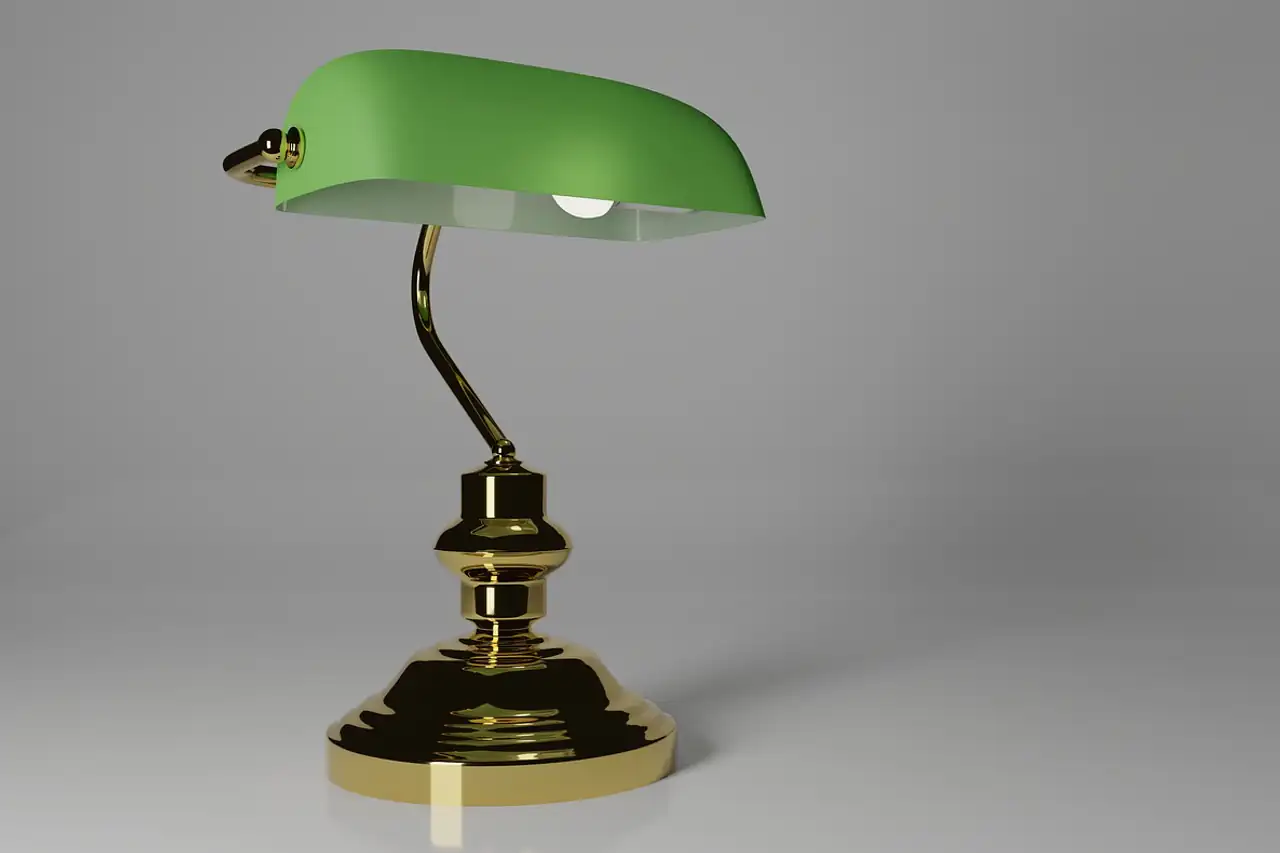
Does a brass table lamp need an FCC label? Usually not, unless it has a dimmer, a smart bulb, an LED driver or a USB port, and these days most of them have at least one. That's where buyers of Indian lighting and small appliances get caught out, because the FCC side and the safety side are two separate systems run by different people.
This guide covers both. It's part of our certifications hub, and it leans on our own pull of US recalls on India-made goods.
1. Two Systems, Two Questions
FCC asks "will this product interfere with radio signals?" It's federal law, under 47 CFR Part 15 for most consumer electronics, and it applies at the moment you import or market the product.
Safety listing asks "will this product shock or burn someone?" There's no single federal law for consumer goods. Instead, OSHA requires electrical equipment used in workplaces to be "approved", which in practice means listed by a Nationally Recognized Testing Laboratory (NRTL). Electrical codes, city inspectors, insurers and nearly every major retailer and marketplace then require the same listing for consumer goods too.
So the honest answer to "is UL required?" is "not always by law, but nearly always by the people you sell to".
2. How FCC Authorization Works
Part 15 sorts products into two types.
- Unintentional radiators are things that give off radio energy without meaning to - LED drivers, switching power supplies, digital controls, anything with a microprocessor. Under 47 CFR 15.101 nearly all of these can use a Supplier's Declaration of Conformity (SDoC) or certification. Scanning receivers, radar detectors and a couple of others need certification.
- Intentional radiators are things that transmit on purpose - Wi-Fi, Bluetooth, RF remotes. Under 15.201 they must be certified by a Telecommunication Certification Body (TCB) before they're marketed, and they get an FCC ID.

Simple products with no electronics at all, like a plain incandescent lamp with a switch, mostly fall outside the authorization rules. Check with your test lab, because one LED driver changes that.
The SDoC Rule That Lands on You
Under 47 CFR 2.1077, the responsible party for an SDoC "must be located within the United States". For imported goods that's the importer. A compliance information statement naming the product, the compliance statement and the US responsible party's contact details has to go with the product, in the manual or on a separate sheet, or electronically.
An Indian factory can't be your SDoC responsible party. You can be, or a US company can take that role for you.
The FCC ID
A certified product carries "FCC ID" followed by the identifier on a permanent label visible from outside, or on screen for some devices. The first part of the ID is the grantee code, which identifies who holds the grant. You can look up any FCC ID on the FCC's equipment authorization search and see the grant, test reports and photos.
Often the FCC ID on an Indian product belongs to the radio module maker, not the factory. That's normal if the module is certified as a modular transmitter and installed as its grant allows. Ask which it is.
The Bad Labs Rules
In 2025 the FCC adopted rules barring test labs, TCBs and accreditation bodies owned or controlled by entities on its Covered List or tied to foreign adversaries from the authorization process, for both certification and SDoC. Further restrictions were proposed. For an Indian product tested in India this is mostly good news, but if your supplier's reports came from a lab in China then check the lab is still recognised. We couldn't read the FCC's own pages for this (they blocked our fetch), so confirm the current position with your test lab.
3. What an NRTL Listing Means
OSHA lists 21 NRTLs as of 17 October 2026. The ones you'll see most on Indian goods are UL, Intertek (the ETL mark), CSA, TÜV SÜD America, TÜV Rheinland of North America, SGS North America and Bureau Veritas. Each has its own registered mark and its own scope of standards.
My view is flat - a buyer who insists on UL and rejects ETL or CSA is paying for a brand, not more safety. All three test to the same UL standards where that's in their scope. If your retailer names a specific mark then follow the retailer, otherwise accept any NRTL with the right scope.
"Listed" means the lab tested the product and keeps checking the factory. "Recognized component" (the backwards UR mark) means a part, such as a switch or cord set, was tested for use inside a listed product. A lamp built from recognised parts is not itself listed.
4. What an Importer Should Check
- At quotation - ask whether the product has radio or digital electronics, and whether it is or will be NRTL listed. Get the standard number (for lamps that's usually UL 153 or UL 1598).
- Before sample approval - for FCC, the FCC ID (look it up) or the SDoC test report naming your model. For safety, the listing file number and the lab.
- Look the listing up in the lab's own online directory (UL Product iQ, Intertek's directory, CSA's certified product listing). The factory name, address and model must match. If they don't then it's somebody else's listing.
- Before shipment - photos of the FCC label, the NRTL mark with the lab's name, the rating label and your SDoC statement.
Red Flags
- A "UL certificate" PDF with no listing you can find.
- A listing in a different factory's name. Ask if your supplier is an authorised manufacturing site under that file.
- An FCC ID that, on lookup, belongs to a different kind of product.
- An NRTL mark from a lab not on OSHA's current list.

5. Where Indian Goods Get Recalled
Our pull of US CPSC recalls from 2021 to 2026 found 45 recalls of products manufactured in India. Nine were fire, burn or electrical hazards in home goods. Some were simple, like Crate and Barrel's Avena mini table lamps in 2023, where a loose electrical cord connection posed a fire hazard. A 2025 recall covered a chandelier whose ceiling connector wasn't threaded properly. And in 2026 two recalls covered air conditioners and heat pumps.
None of these needed clever testing to catch. They needed someone to check the build against the listing on the production line, and that's the part a listing lab's factory inspection is for. If you'd rather not run those checks yourself, SourcingSync (opens in a new tab) can do pre-shipment checks against the listing.
6. How an Indian Exporter Gets FCC and NRTL Listing
This half is for the Indian manufacturer.
FCC
Step 1 - Classify the product. Unintentional radiator, intentional radiator or neither. The test lab will confirm. (A day.)
Step 2 - Use certified modules where you can. If you add Bluetooth or Wi-Fi then a pre-certified module saves you a full certification, provided you follow its grant conditions.
Step 3 - Test at a recognised lab. Use a lab the FCC recognises for the test you need. Check its status on the FCC's test firm list before you send samples. Emissions testing for a simple device often takes a week or two.
Step 4a - For SDoC. The lab issues the report. Your US buyer, as the responsible party, holds it and puts the compliance information statement with the product. You supply the report and the label artwork.
Step 4b - For certification. Register for an FCC Registration Number, get a grantee code, then a TCB reviews the reports and issues the grant. Count on several weeks end to end. Check the current fees with the FCC and your TCB.
Step 5 - Label. FCC ID on the permanent label for certified products, plus any compliance statement Part 15 requires.
NRTL Listing
Step 1 - Choose the NRTL and standard. Pick one on OSHA's current list whose scope covers your standard. If your buyer names one then use that.
Step 2 - Prepare the file. Drawings, bill of materials naming recognised components (cord sets, switches, holders) by their file numbers, ratings and user manual.
Step 3 - Submit samples for testing. The lab tests to the standard and tells you what fails. Common first-time failures on Indian lighting are strain relief on the cord, earthing of metal parts, wire routing over sharp edges and missing markings.
Step 4 - Initial factory inspection. The lab inspects your site before the listing is issued. Your production must match the file exactly.
Step 5 - Listing issued. Your product appears in the lab's online directory. You then buy or print the lab's marks under its rules. A listing for a simple lamp typically takes one to three months. Check the current fee with the lab.
Step 6 - Ongoing follow-up. The NRTL inspects your factory several times a year, without warning. Swap a component without telling them and you're out of compliance. This is the most common reason listings get suspended.
Step 7 - Send the buyer their pack. Listing file number, directory link, FCC ID or SDoC report, label photos and, for SDoC, the compliance statement text.
7. A Worked Example
This example is an illustration built from the rules above, not a real firm.
A US home decor brand buys 800 brass lamps with a USB charging port from a Moradabad workshop.
The USB port and its power supply make the lamp a digital device, so it needs FCC Part 15 compliance. It has no radio, so SDoC is allowed, with the brand as US responsible party. The workshop sends the lamp to a recognised lab, and the brand prints the compliance statement in the manual.


For safety, the brand's retailer wants an NRTL mark. The workshop uses a listed USB module and recognised cord set, sends samples to Intertek, passes after a strain-relief fix, gets its factory inspected and appears in the ETL directory. The brand checks the listing before paying the balance. Two systems, two checks, and both done before the goods leave India.
FAQ
Is UL certification required by US law?
For workplace electrical equipment, OSHA requires NRTL approval. For consumer goods there's usually no federal rule, but retailers, insurers and electrical codes demand it.
Is ETL as good as UL?
Both are OSHA-recognised NRTLs. If the scope covers your standard, the listing carries the same weight.
Can my Indian supplier be the FCC responsible party?
Not for SDoC. The responsible party must be in the US.
How do I check an FCC ID?
Search it on the FCC's equipment authorization search and compare the photos with your product.
Does a plain lamp with no electronics need FCC?
Usually not. Add an LED driver, dimmer or USB port and it probably does.
8. Next Steps
If you also sell into Europe or the UK, read the CE and UKCA guide. For lead and other substances in children's goods, see children's product safety. Our quality control page covers checking goods before they ship.
Two marks, two databases, and five minutes to look both up. Do it before you pay the balance.
Ready to act
Want the shipment, documents and consolidation handled?
SourcingSync can coordinate the shipping, the documents and the hand-off to your forwarder.
Want new guides when they go up? Get the newsletter
Download This Guide as a PDF
Leave your email and the PDF downloads straight away. We don't email it to you.
Related reading

The RCM Mark for Electrical Goods Imported into Australia and New Zealand
In Australia and New Zealand the RCM shows a product meets both electrical safety and radio interference rules, and only a registered local supplier can use it. An Indian factory cannot register. This guide shows the importer how to register, which level their product is and how to check a certificate, and gives an Indian maker the steps to get the test reports and certificate the importer needs.

REACH and Safety Data Sheets for Goods From India
REACH puts the legal duty on whoever places a substance or article on the EU or UK market, which for goods from India is usually you, the importer, unless your supplier appoints an only representative. This guide splits what a buyer has to check from what an Indian exporter has to produce: the Safety Data Sheet, the SVHC statement, and the registration question.

Food Safety Certifications for Buying and Exporting Food From India
BRCGS, IFS, FSSC 22000, ISO 22000 and HACCP are not five versions of the same thing. Only the first three are GFSI-recognised schemes that big retailers ask for, ISO 22000 on its own is a management system standard, and HACCP is a method every one of them is built on. This guide shows an importer what each proves and how to check it, and walks an Indian food exporter through getting certified.
Latest articles

Product Carbon Footprints and Carbon Credits for Buyers and Indian Exporters
A product carbon footprint is a calculation, not a pass mark, and it is only as good as its boundary, its data and who checked it. Carbon credits are a separate thing: a bought claim against emissions elsewhere, and since 27 September 2026 they can no longer back a "carbon neutral" product claim to EU consumers. India now runs its own credit market under BEE.

CE and UKCA Marking for Products Made in India
CE and UKCA are the maker's own declaration that a product meets EU or GB product law, backed by a technical file and sometimes a third-party body. This guide shows an importer what to ask for and how to check it, and walks an Indian manufacturer through the steps from finding the right directive to signing the declaration.

Certifications for Importing From India and Exporting From It
Every certificate answers one question for one market. This index lists the certification guides by group, says in a line what each one is and who needs it, and gives a table of which certificates a product family usually needs in each main market. Each guide has a half for importers and a half for Indian exporters.