Skip to content

REACH and Safety Data Sheets for Goods From India

Yash KhatriFounder, SourcingFrom
Published

9 min read

REACH puts the legal duty on whoever places a substance or article on the EU or UK market, which for goods from India is usually you, the importer, unless your supplier appoints an only representative. This guide splits what a buyer has to check from what an Indian exporter has to produce: the Safety Data Sheet, the SVHC statement, and the registration question.

The Short Version

  • An Indian company cannot register under EU REACH itself. Either the EU importer registers, or the Indian manufacturer appoints an only representative in the EU.
  • Registration bites at 1 tonne a year per substance, per legal entity. Most finished articles never need it, but chemicals, dyes, oils and resins often do.
  • For articles, the live duty is SVHC: above 0.1% by weight you must tell your customers, and notify the SCIP database in the EU.
  • A Safety Data Sheet is for hazardous substances and mixtures. An article like a shirt or a bag does not get one, and asking for one tells the supplier nothing useful.
  • UK REACH is separate. An EU registration does not cover Great Britain.

Twenty-eight. That's how many of the 130 EU Safety Gate alerts on India-origin products in our 2021 to 2026 pull cite REACH. Eleven are jewellery (cadmium and lead in earrings and necklaces), ten are clothing, footwear and leather goods (mostly chromium VI). None of them was a missing certificate. Every one was a restricted chemical inside a finished product that nobody had tested for.

A technician working in a chemical laboratory

That is the first thing to get straight about REACH. It isn't a certificate you order. It's a set of duties that sit on whoever puts a chemical, a mixture or an article on the market in the EU or Great Britain, and the paperwork (a Safety Data Sheet, an SVHC statement, a registration number) is just evidence that the duties were met. This guide is one of our certification guides. The restricted-substance limits themselves, with the test plans by material, are in restricted chemicals in imported goods. Here we cover who holds the duty, which documents prove what, and how an Indian exporter produces them.

1. What REACH Covers and Who Holds the Duty

REACH is the EU regulation on chemicals (Regulation (EC) No 1907/2006). Great Britain has kept its own copy, UK REACH, run by the HSE since 2021. Northern Ireland stays under EU REACH. Both work the same way at the level an importer needs.

The regulation sorts what you import into three kinds of thing, and the duty differs for each:

What you importExamples from IndiaMain duties
SubstanceDyes, pigments, guar gum, castor oil, essential oils, active ingredientsRegistration at 1 tonne a year or more, SDS if hazardous
MixtureInks, adhesives, cleaning products, coatings, fragrance blendsSDS if hazardous, registration of each substance in it
ArticleGarments, leather bags, jewellery, furniture, tools, toysRestrictions (Annex XVII), SVHC communication above 0.1%, rarely registration

The duty holder is the legal entity in the EU (or GB) that brings the goods in. A company in India has no standing under REACH. That gives an importer two options for any substance that needs registering. You register it yourself as importer, or the Indian manufacturer appoints an only representative, an EU-based legal person who registers on its behalf and takes over the importer's registration duties for every EU customer of that manufacturer. UK REACH has the same mechanism with a GB-based only representative.

2. What Each Document Actually Proves

Buyers ask Indian suppliers for "REACH certificates" all the time. There is no such thing. Here is what you can actually get, and what each one tells you.

A registration number (EU format 01-XXXXXXXXXX-XX-XXXX). It proves someone registered the substance with ECHA. It doesn't prove the registration covers your supply chain. Ask whose number it is. If it belongs to an only representative, ask for a letter from that representative confirming your company is covered as an importer under their registration, and for which tonnage band.

A Safety Data Sheet (SDS). A 16-section document for a hazardous substance or mixture, in the language of the country where it is sold, following REACH Annex II. It tells your warehouse and your customers how to handle, store and dispose of the product. It is not a test report and it is not a compliance statement. An SDS is required for substances and mixtures classed as hazardous (and some others on request). A shirt, a bag or a chair does not get one.

An SVHC declaration. A signed statement that an article does or does not contain any substance on the Candidate List above 0.1% weight by weight. The list had 253 entries after the update of 4 February 2026 (n-hexane and bisphenol AF added, per SGS). It grows about twice a year, so a declaration dated against an old list version is stale. Check the list version and date on the statement.

A test report. The only document that measures anything. A lab report on a named sample, for named substances, by a method on the lab's accreditation scope. For the restricted substances in Annex XVII (chromium VI in leather, cadmium and lead in jewellery, azo dyes, phthalates), this is what protects you. Our restricted substances guide has the panels.

What we know, and what we don’t

What we know. In the 28 REACH alerts in our Safety Gate pull, the notifying authority ordered the importer or distributor to withdraw or recall. The Indian maker was not the addressee. The duty and the cost landed in the EU. (EU Safety Gate, India-origin alerts 2021 to 2026, our count · Verified)

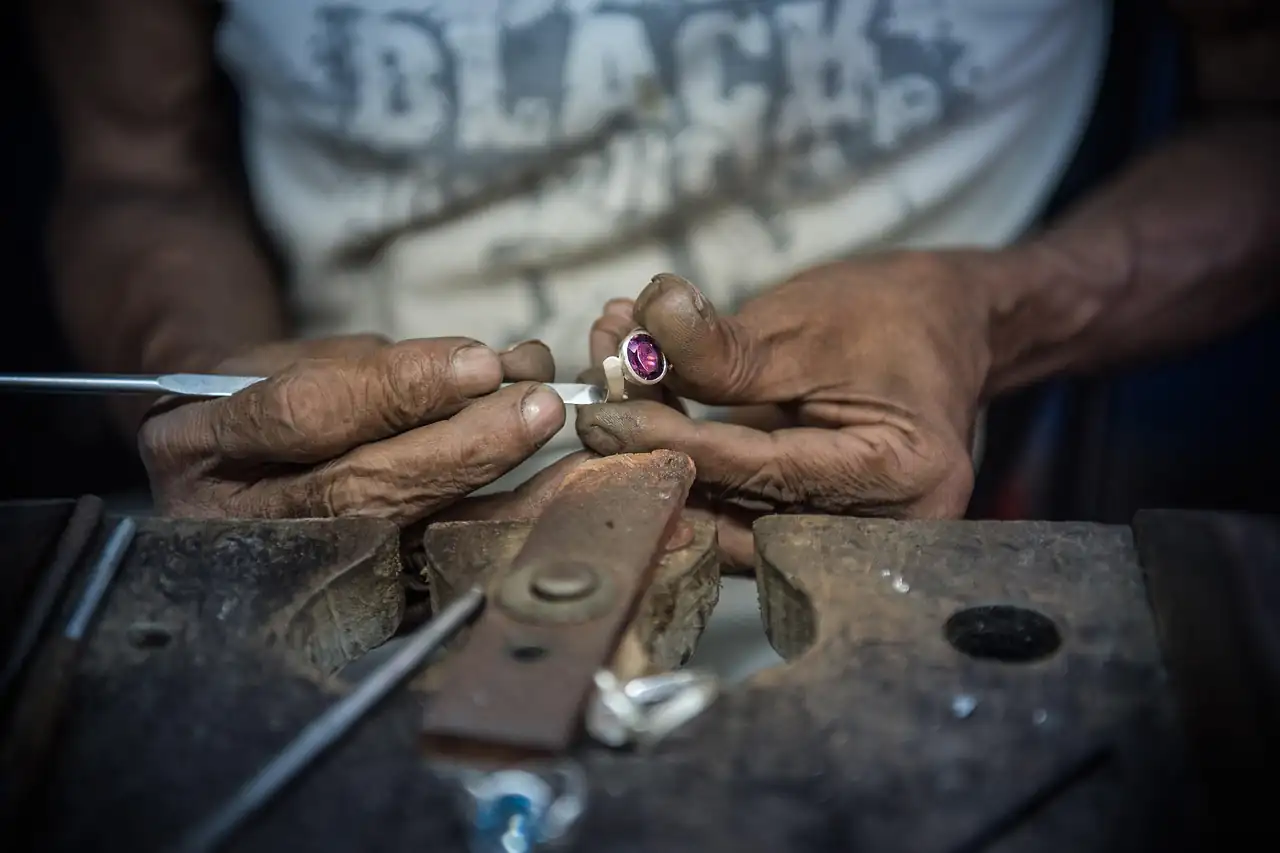
A jeweller's hands working a small piece at a bench

3. What an Importer Should Check

Work through these in order, before the purchase order.

  1. Classify each line. Substance, mixture or article. A candle is an article, the fragrance oil you buy to make candles is a mixture. The answer changes everything that follows.
  2. For substances and mixtures, add up tonnage. Per substance, per year, per legal entity, across every supplier. Two Indian suppliers each sending 700 kg of the same dye puts you over 1 tonne.
  3. Ask who registers. Your own registration, an only representative of the Indian manufacturer, or an exemption (some natural substances, if not chemically modified, sit in Annex V). Get it in writing. A trader can't appoint an only representative, only the manufacturer can, so if you buy through a merchant exporter, ask who the manufacturer is.
  4. Get the SDS in your language, before the first shipment. Check section 1 names an EU or GB supplier (that is you, or the only representative), section 2 matches the CLP labels, and section 15 lists any authorisation or restriction.
  5. For articles, get an SVHC statement and test the risky materials. Leather, metal jewellery, PVC, printed textiles, painted surfaces and rubber are where alerts come from. An SVHC declaration without a test on these is a promise, not evidence.
  6. SCIP. In the EU, if an article contains an SVHC above 0.1%, you must notify ECHA's SCIP database before placing it on the market, under the Waste Framework Directive. You also have to give your customers enough information to use it safely (REACH Article 33), and answer a consumer who asks within 45 days.

Red Flags

  • A "REACH certificate" on a test lab's letterhead, with no list of substances tested. It usually means a screening against part of the list, if anything.
  • An SDS with no EU or GB address in section 1, or written to an Indian or US format. It isn't a REACH SDS.
  • A registration number the supplier can't tie to a named only representative.
  • An SVHC declaration that predates the current Candidate List.

4. UK REACH Is a Separate System

An EU registration does not cover Great Britain. A GB importer of a substance at 1 tonne or more needs a UK REACH registration, or the Indian manufacturer needs a GB only representative. Transitional deadlines for substances already on the EU market before 2021 have been pushed back more than once. Defra's 2026 regulations move them to 27 October 2029, 2030 and 2031 by tonnage band (CTPA, from the draft laid in March 2026). Check the current dates on the HSE UK REACH pages (opens in a new tab) before you plan around them. Northern Ireland follows EU REACH.

Other markets aren't REACH but ask for similar paper. The US asks for an OSHA-format SDS (16 sections, GHS) for hazardous chemicals. Australia and New Zealand ask for a GHS SDS, and New Zealand's HSNO rules need an approval for hazardous substances. Turkey and Korea have their own "REACH". One SDS template rarely fits every market, which is why exporters who sell widely keep a version per destination.

5. How an Indian Exporter Gets REACH Right

This half is for the manufacturer or exporter in India. India has no REACH issuing body. There's no portal to apply to and no certificate to receive. What you do is produce the evidence your buyer needs and, for substances, decide who registers.

For Substances and Mixtures

Step 1 - List every substance and its tonnage per EU or GB customer. Use CAS and EC numbers. Mixtures need the full composition, including what your own suppliers put in. (A day or two if your formulations are documented, weeks if not.)

Step 2 - Decide on registration. If one or more customers will cross 1 tonne a year, you either let each importer register (they'll need your composition data, and they'll each pay) or appoint one only representative in the EU and, for Great Britain, one in the UK. The only representative is a contract with an EU or GB legal entity. Check the current fees with the representatives you approach, since we publish none. An only representative is worth it once you sell to several importers, because one registration then covers them all.

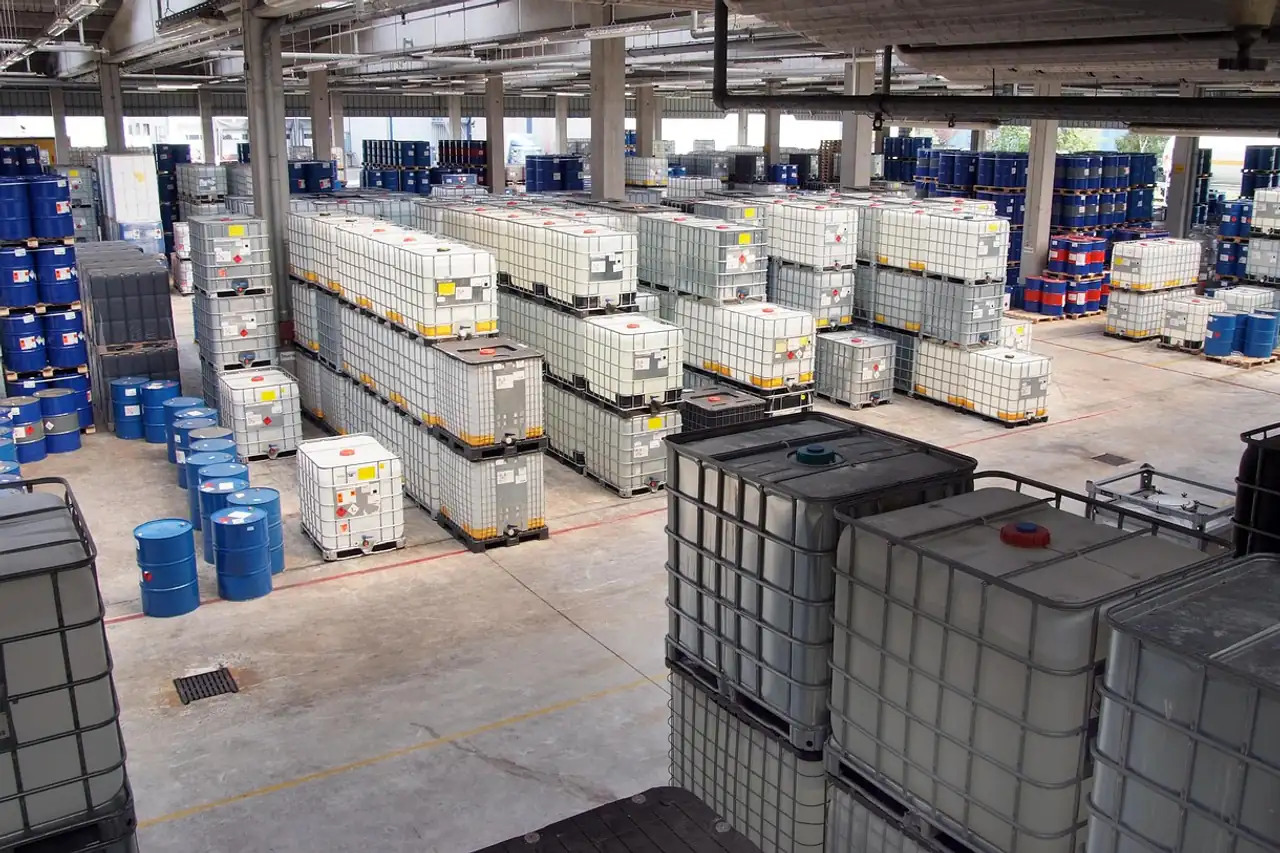
Chemical containers and drums stored in a warehouse

Step 3 - Join the joint submission. Registrations of the same substance are shared. The only representative contacts the lead registrant in ECHA's REACH-IT (or HSE's Comply with UK REACH service) and buys a letter of access to the existing data. Timelines depend on the lead registrant. Plan in months, not weeks.

Step 4 - Write the SDS per market. Sixteen sections, the CLP classification, the language of each destination country, and the EU or GB supplier's name in section 1. Many Indian exporters reuse a US-format SDS. EU buyers send these back.

Step 5 - Send the buyer the pack. Registration number with the only representative's coverage letter, the SDS, and the CLP label artwork.

For Articles

Step 1 - Map the materials. Leather, metals, plastics, coatings, dyes. Ask each material supplier for an SVHC statement against the current list.

Step 2 - Test the risky materials. Chromium VI in leather, cadmium, lead and nickel in metal, phthalates in PVC and prints, azo dyes in textiles. Use a lab with the method on its NABL scope. Five to ten working days is common for a standard panel.

Step 3 - Sign the SVHC declaration. Name the product, the list version and date, and state any SVHC above 0.1% by name and concentration. A clean "none above 0.1%" is fine if your testing backs it.

Step 4 - Repeat when the list changes. About twice a year. Buyers who audit will ask for the updated statement.

Common rejection reasons we see on buyer side: SDS in the wrong format or language, a test report on a different colourway from the one shipped, an SVHC statement against a list two versions old, and no answer to "who is your only representative".

If keeping SDS versions, test reports and declarations current across several buyers is more than your team can carry, SourcingSync (opens in a new tab) runs that document control for exporters and buyers.

6. A Worked Example With Fragrance Oil and Leather Bags

This example is an illustration built from the rules above, not a real firm.

A Dutch home-goods brand buys two things from India: 3 tonnes a year of a fragrance oil blend from a Kannauj attar house, and leather tote bags from a Kanpur tannery-cum-maker.

The fragrance oil is a mixture. Each substance in it at 1 tonne or more a year needs registering. The brand asks the Kannauj maker whether it has an only representative. It doesn't, so the brand's choices are to register as importer or to ask the maker to appoint one. Because the maker also sells to two German buyers, the only representative route covers all three. The brand also needs a Dutch-language SDS, and CLP labels on every drum, since several fragrance components are skin sensitisers.

The tote bag is an article. No registration, no SDS. The brand asks for an SVHC statement against the February 2026 list, and a chromium VI test on the finished leather (the REACH limit is 3 mg/kg for leather in skin contact). Chromium VI is the single most common chemical reason Indian leather goods are pulled in our Safety Gate data, so the test isn't optional in practice.

FAQ

Do I need a REACH certificate from my Indian supplier?

No such certificate exists. Ask for what proves the duty was met: a registration number with an only representative's coverage letter for substances, an SDS for hazardous substances and mixtures, an SVHC statement and test reports for articles.

Can an Indian company register under REACH?

Not directly. It has to appoint an only representative established in the EU, or one in Great Britain for UK REACH.

Does my product need an SDS?

Only if it's a hazardous substance or mixture (and in a few other cases on request). Articles such as clothing, bags, furniture and jewellery don't get one.

What's the difference between REACH and RoHS?

REACH covers chemicals in everything. RoHS restricts ten substances in electrical and electronic equipment. See RoHS and WEEE.

Does an EU registration cover the UK?

No. Great Britain needs its own UK REACH registration or a GB only representative.

7. Next Steps

Ready to act

Want this supplier checked before you commit?

SourcingSync can verify who makes it and who answers for quality, then manage the supplier for you.

Talk to SourcingSync (opens sourcingsync.com in a new tab)
Yash KhatriFounder, SourcingFrom

Yash Khatri founded SourcingFrom to give buyers outside India the full picture of sourcing from India: what the country makes well, where it is made, who makes it and how it ships. He writes and edits every guide on the site, and holds each one to the same rule: say what we know, show how sure we are, and say plainly where the evidence runs out. He also runs SourcingSync, the hands-on service that does the sourcing work for buyers, and Kirnova, the data and intelligence company behind SourcingFrom Intelligence.

View profile

Want new guides when they go up? Get the newsletter

Download This Guide as a PDF

Leave your email and the PDF downloads straight away. We don't email it to you.

FCC, UL and ETL for Electrical Goods Shipped from India to the US

The US splits electrical compliance in two. The FCC regulates radio interference by law, through a supplier declaration or a certification with an FCC ID. Safety listing by a lab such as UL, Intertek (ETL) or CSA is required by law only in workplaces, but retailers, insurers and electrical codes demand it almost everywhere. This guide covers both halves for importers and for Indian makers.

Packaging EPR for Imported Goods and How an Indian Exporter Registers Abroad

Packaging EPR makes whoever first puts packaging on a market pay for its end of life. When a buyer imports, the buyer usually carries it. When an Indian exporter sells straight to EU end users, the exporter does, and since 12 August 2026 it must name an authorised representative in each EU country it sells into.

MSC and ASC Certification for Seafood From India

MSC certifies wild fisheries and ASC certifies farms, and both labels only reach a pack if every company in between holds a chain of custody certificate. For Indian seafood that is the part buyers miss. This guide shows importers how to check all three links, and walks Indian farms, fisheries and processors through getting certified.

Latest articles

Product Carbon Footprints and Carbon Credits for Buyers and Indian Exporters

A product carbon footprint is a calculation, not a pass mark, and it is only as good as its boundary, its data and who checked it. Carbon credits are a separate thing: a bought claim against emissions elsewhere, and since 27 September 2026 they can no longer back a "carbon neutral" product claim to EU consumers. India now runs its own credit market under BEE.

CE and UKCA Marking for Products Made in India

CE and UKCA are the maker's own declaration that a product meets EU or GB product law, backed by a technical file and sometimes a third-party body. This guide shows an importer what to ask for and how to check it, and walks an Indian manufacturer through the steps from finding the right directive to signing the declaration.

Certifications for Importing From India and Exporting From It

Every certificate answers one question for one market. This index lists the certification guides by group, says in a line what each one is and who needs it, and gives a table of which certificates a product family usually needs in each main market. Each guide has a half for importers and a half for Indian exporters.

Type a word you met on the page, a product or a place.