

Agreements
Which Indian trade agreements are in force, concluded or in talks, their general origin rules, and who signs the proof of origin under each. Dated.
The decision in brief is in the playbook: Exporting from India and importing at home → /india/#trade
In July 2024 a US seller on Amazon posted a problem that no amount of product checking would have caught. Their goods had shipped from India and reached the US. But the Indian supplier had chosen the freight forwarder, and "the agent in India still has not paid the amount to the agents in the U.S. and the US agents are holding my shipment" (r/AmazonSeller, July 2024 (opens in a new tab)). Three months earlier a different US buyer described the same thing from the other end, an Indian shipping company "holding my container as hostage" (r/FreightBrokers, April 2024 (opens in a new tab)).
We open with it because it's the most expensive thing buyers get wrong about exporting from India, and it's not in any customs manual. This page walks the goods from the factory gate to your port: what gets filed and by whom, which Incoterm works, who should book the freight and what the routes look like in 2026. It stops at the Indian border and the sea. What happens at your own border is on your destination page. One caveat - routes and rates move weekly this year, so treat every transit figure here as dated, because it is.
You don't file anything in India, and legally you can't. The exporter or its customs broker files the shipping bill on ICEGATE (opens in a new tab), and customs answers with a Let Export Order, which is the export clearance. Ask for a copy of the LEO. It's the one piece of paper that proves your goods legally left.
What you do is name the documents. Here's the set, and the wording we'd put in the PO or the LC -
Why be this fussy? Because a document that isn't named in the order tends not to arrive, and the first time you find out is when your broker asks for it.
Preferential certificates are issued through India's trade platform by DGFT and its regional offices, and by a set of product bodies: the Export Inspection Council, APEDA for agricultural and processed foods, MPEDA for marine products, the Spices Board, the Textiles Committee, the Development Commissioner (Handicrafts), the Coir Board, the Central Silk Board, the Tobacco Board and the special economic zone offices (ABF ECTA guide, §8.3 (opens in a new tab), India-Mauritius CECPA, Annex 7 (opens in a new tab)). Which one your supplier uses depends on the product and where it's registered.
Volume isn't the problem. About 7,000 preferential certificates are issued a day, and since September 2026 exporters' software can request them through an Open API (IANS, 7 September 2026 (opens in a new tab)). Accuracy is. Since April 2026 the invoice number on the certificate must be identical to the one on the shipping bill (DGFT Notification No. 05/2026-27 (opens in a new tab), listing Verified, rule text Reported). A certificate raised on a proforma number, then shipped on a final invoice with a different number, is one your customs may reject after the goods have sailed. Ask the supplier to check the two against each other before the certificate issues.
The second trap is inputs. Indian garments can contain Chinese yarn or cotton, and that can fail the product-specific origin rule under your FTA and, for US-bound goods, raise a UFLPA question (a UK importer on a forum, 2026, and buyers 2023 to 2026). Ask where the yarn was spun and the fabric made, and write the answer into the spec. The three ways a border accepts proof of origin are in Proof of origin explained, and if you missed the preference on a shipment, Paid full duty by mistake? covers claiming it back.
Two packaging points catch more clean containers than any certificate.
Wood packaging must meet ISPM 15, which means pallets, crates and dunnage treated and stamped (IPPC (opens in a new tab)). Certified pallets aren't standard in India, and exporters see them as an extra cost, so many containers are floor-loaded (forwarders on forums, 2026). Floor-loaded boxes are slow and costly to unload at your end, and an unmarked pallet can hold the whole container at an Australian or NZ border even after customs has cleared it (Australian clearance agents, 2026). Write "ISPM 15 marked pallets or plastic pallets, maximum carton weight [x] kg" into the PO.
For food and plant products, the phytosanitary certificate comes from India's plant quarantine authority (opens in a new tab), EIC certification is mandatory for notified foods to specified markets, and APEDA registration covers exporters of scheduled agricultural products (APEDA (opens in a new tab)). Your border's import rules decide which you need, and Quality control in India covers the testing side.
Five registrations make an export happen. The IEC from DGFT is the licence to file a shipping bill, so no IEC means no export. The AD code registers the exporter's bank at the port so payment is tracked against shipments. The LUT lets the exporter ship without charging GST. The e-BRC records that your payment arrived and closes the export in the exporter's books. And the RCMC, from an export promotion council, is needed for scheme benefits, except that since 15 September 2026 a consignment of ₹3 lakh FOB or less doesn't need one (DGFT Notification 36/2026-27 (opens in a new tab), read 25 September 2026, Verified). The aim is small exports through post and courier.
How to check each of these against the public registers is on Checking suppliers. Here it's enough to know what they do, because every one of them depends on the exporter being the exporter, which brings us to Incoterms.
Under EXW you take the goods at the factory door and clear them for export yourself. In India only an IEC holder can file the shipping bill, so you'd have to appoint one anyway. Meanwhile the exporter has stepped out of a chain that still needs it, with no rebate claim, no LUT export to report and no e-BRC to close. Some suppliers agree to EXW and then file the export in their own name regardless, which leaves you with a term on paper that nobody is actually performing.
Many small suppliers can't handle export clearance themselves, and buyers on forums (2024 to 2025) describe inheriting it even when EXW was never agreed. That's the gap an Indian exporter of record fills, and it's work SourcingSync (opens in a new tab) does.
FOB puts the goods on board at a named port, which suits coastal clusters shipping through Nhava Sheva, Mundra, Chennai or Cochin. FCA delivers export-cleared goods to a carrier at a named place, which can be an inland container depot near Ludhiana, Jaipur, Moradabad or Panipat. For an inland cluster, FCA at the ICD puts the rail leg and port handling under one booking that you control. Either way the place is part of the term (ICC Incoterms 2020 (opens in a new tab)).
Inland distance matters more than people expect. One UK buyer found it was "the inland trucking in india that made it none viable" (r/smallbusinessuk, 2024). Supplier location is a landed-cost question, not only a map question.
A FOB price should include the exporter's origin costs, but Indian forwarders' invoices carry lines that sit in the gap. Terminal handling is the exporter's under FOB, yet the carrier often bills it to the booking party, which is you if your forwarder booked. Container freight station charges on LCL get passed on by the co-loader with a margin. Documentation and bill of lading fees nearly always land on you. Seal, VGM declaration and customs examination are the exporter's, and sometimes come back as "origin charges" (logistics practitioners, 2026). Ask your forwarder for the origin charge list per booking before you compare quotes, and compare totals, not freight lines.
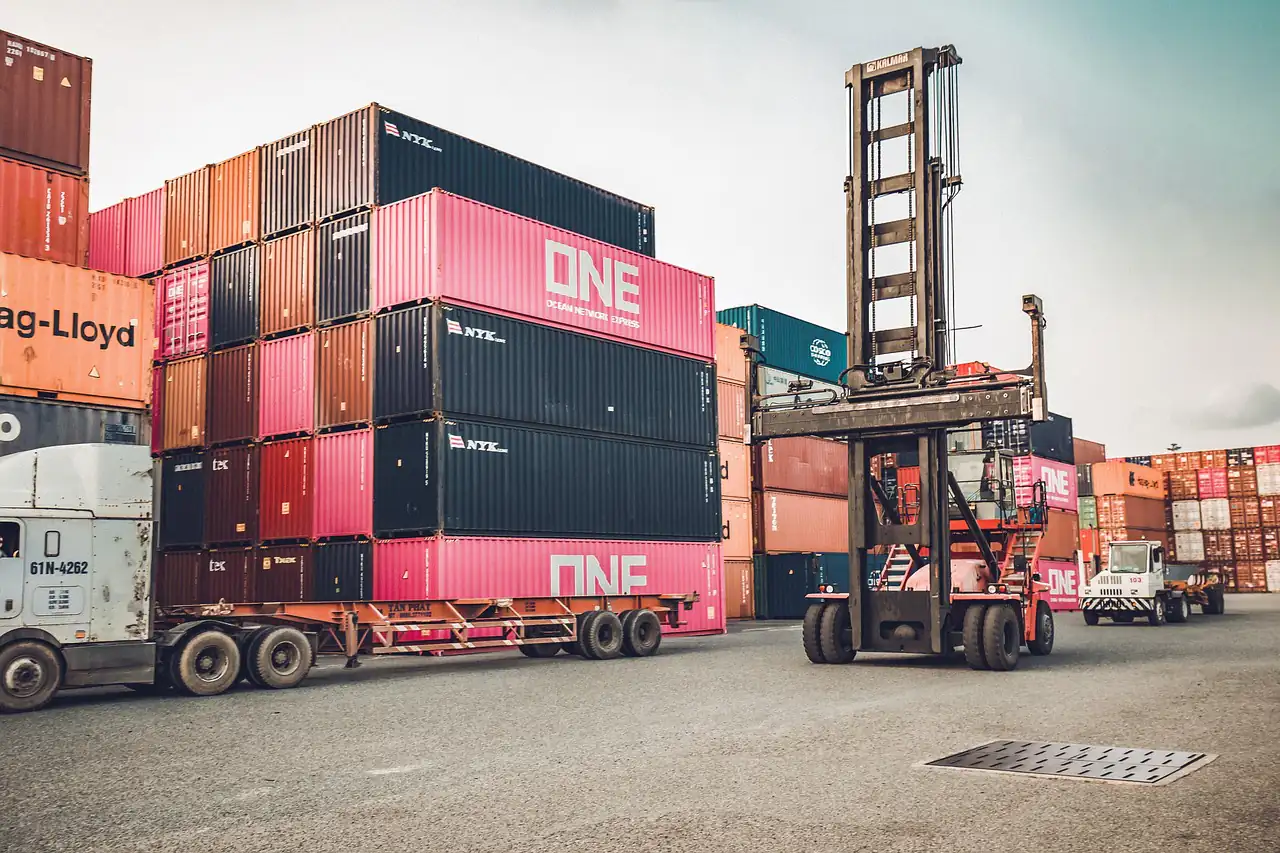
CIF requires only minimum cover, Institute Cargo Clauses C. CIP requires all-risks cover, Clauses A (ICC Incoterms 2020 (opens in a new tab)). For containerised goods CIP is what most buyers think they're getting under CIF. Or buy your own cover under FOB or FCA and know exactly what it says.
Back to our Amazon seller. There are four ways goods move from India, and each puts the risk in a different place.
The supplier's courier account. It's often two to three times cheaper than your own account, because of the supplier's volume (US and UK buyers on forums, 2024 to 2026). It's also how US buyers found the courier listed as importer of record on their own shipments, so when IEEPA duties were refunded in 2026 the refunds went to the courier and not to them (buyers on forums, 2026). Couriers also get Indian tariff lines wrong often enough that some importers moved away for that reason alone.
The supplier's forwarder. Convenient at origin. At destination you're a stranger to the agent holding your release, and an unpaid balance between the two agents holds your box. That's exactly what happened in both 2024 posts above, and a reply to one of them made the hard point - a claim against the supplier doesn't free the container.
Your own forwarder and your own broker. Freight in your name, documents checked before sailing and one party answerable to you at both ends. It costs more at small volumes, and it's where most importers end up.
Any "duty-saving" arrangement. Split invoices, part cash, or under-declared values. One US buyer's supplier suggested paying "40 % in cash and 60 % by invoice to lower tariff costs" (r/importexport, 2025), and the replies called it what it is, customs fraud on the importer's declaration. Decline in writing.
Ready to act
Need hands-on help?
Freight booked in your name, documents checked before sailing and the certificate of origin right first time. SourcingSync does this.
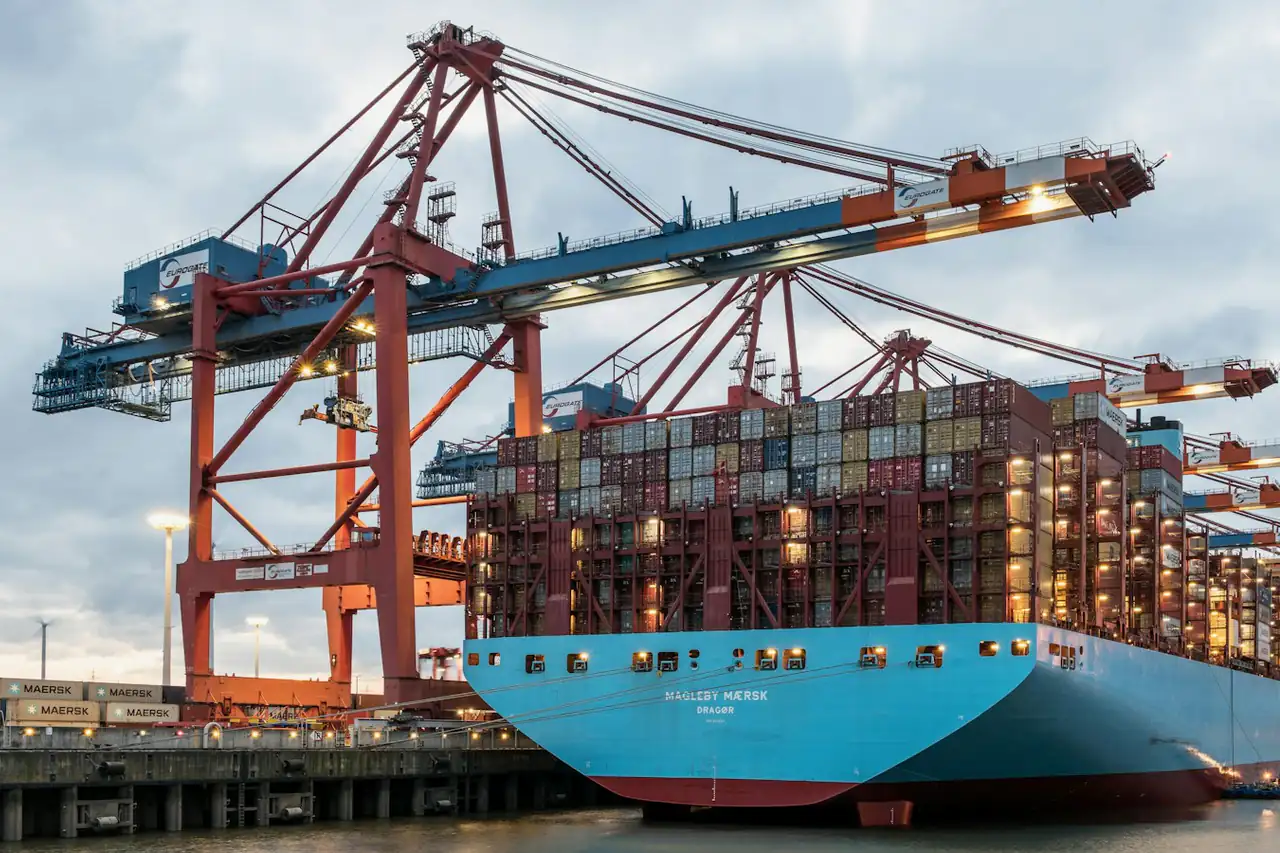
Through 2024 and 2025 most India-Europe and India-US East Coast services went round the Cape. In 2026 they've been returning through Suez service by service. A major carrier moved its India-US East Coast loop back to Suez from August 2026, cutting about 7 days westbound (carrier advisory, 9 July 2026 (opens in a new tab)), and Savannah reports Nhava Sheva transit down to 28 days (Georgia Ports Authority, 22 September 2026 (opens in a new tab)). The attacks haven't stopped, with 12 recorded since July (Lloyd's List Intelligence, 13 August 2026 (opens in a new tab)), so a service can go back round the Cape at a week's notice.
Routine traffic through the Strait of Hormuz has been near a stop since 28 February 2026, apart from a window in June. On 15 September the monitor we read counted 4 transits against a normal 85 a day (Straits monitor (opens in a new tab)). So a "Jebel Ali" booking ends at Khor Fakkan or Fujairah on the UAE's east coast, at Sohar in Oman or at Jeddah, and finishes on a truck (logistics voices and carrier schedules, March to September 2026). The trucking leg is either inside your transit quote or it isn't, so ask. A few direct sailings resumed in mid-September with a surcharge, and your forwarder will have the current figure.
This matters even if you buy from Australia. The Hormuz closure has pushed up surcharges on Oceania lanes although that cargo never goes near the strait (an Australian forwarder, May 2026).
No liner service calls India and Australia directly. Every box changes ship at a hub, and the hub decides the transit. On a Port Klang relay Auckland is about 30 days from India (published NZ service schedule, 23 September 2026 (opens in a new tab)), and on other relays the same lane shows 51 to 97 days. Door to door is longer than port to port too. One forwarder put Nhava Sheva to Melbourne at about 36 days normally and almost 55 after a reroute through extra hubs (LinkedIn, September 2026). When a forwarder quotes, ask which hub and which second ship. How relays work in general is in How sea freight gets from Asia to you.
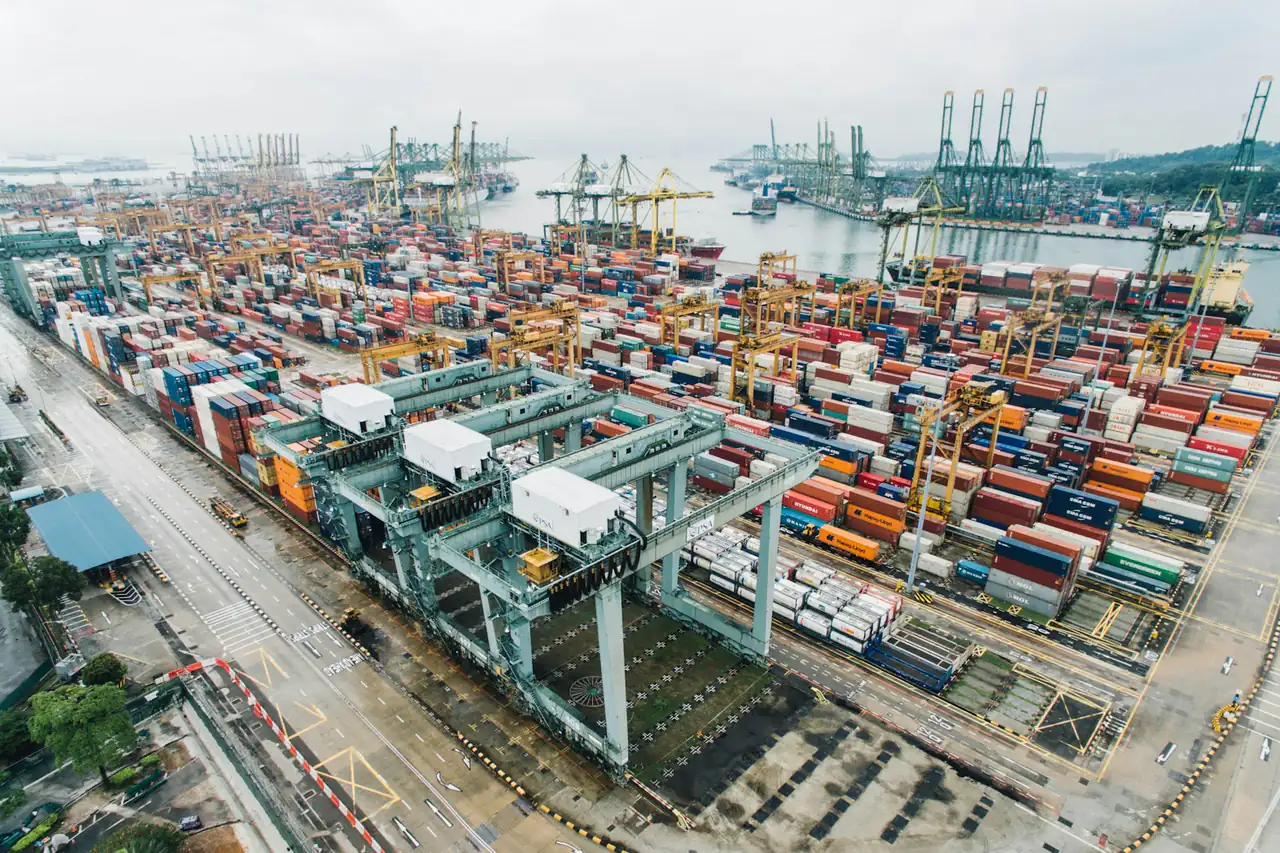
Median port-to-port days from public carrier schedules for departures over six weeks from 24 September 2026. T means the cargo transships, D means a single service. Indicative, read 23 September 2026.
| Destination | Nhava Sheva | Mundra | Chennai | Cochin |
|---|---|---|---|---|
| Sydney | 31 T | 35 T | 34 T | 36 T |
| Melbourne | 26 T | 32 T | 40.5 T | 35 T |
| Fremantle | 44 T | 31 T | 43 T | 30 T |
| Auckland | 66 T (30 on a Port Klang relay) | 79 T | 76 T (30 on a relay) | 82 T |
| London Gateway | 41 D/T | 46 D/T | 28 D/T | 34 T |
| Rotterdam | 33 D | 38 D | 25 D/T | 31 T |
| Khor Fakkan | 6 D | none listed | 35 T | 22.5 T |
| "Jebel Ali" (lands elsewhere) | 11 | 26 | 28 T | 29 T |
| New York/New Jersey | 33 D/T | 30 D | 33 T | 36 T |
| Savannah | 39 D | 36 D | 48 T | 46.5 T |
| Los Angeles/Long Beach | 45 T | 49 T | 50 T | 57.5 T |
Our read of public carrier schedules (interactive schedule (opens in a new tab), point-to-point schedule (opens in a new tab), Australia and NZ schedules (opens in a new tab)). Europe and US East Coast rows are via Suez on the dates read. Re-read weekly.
Two things stand out. Chennai beats Nhava Sheva to both Rotterdam and London Gateway by more than a week, which matters for Tiruppur and Karur goods that can go south as easily as north. And Auckland shows how much the relay matters: 30 days or 66 from the same port.
Where goods load isn't always where you'd guess, either. South Indian knitwear bound for the US often loads at Colombo, and hand-knotted carpets overwhelmingly at Nhava Sheva, 86% of shipments (US bill-of-lading records, 2015 to September 2026, our count, US sea imports only).
Forwarders in 2026 say most last-minute rollovers at Indian ports are paperwork, not space: a late verified gross mass declaration, or an export manifest error that leaves the box unable to load (forwarders on forums, 2026). Add mid-2026 congestion at Nhava Sheva of 3 to 9 days and a booking with no slack misses. Booking itself is slower than China-trained buyers expect. One forwarder said "I can get 10 containers on the water in China before India can even quote or book" (r/freightforwarding, July 2026). Ask your forwarder for the VGM and document cut-offs in writing, ask the supplier to deliver to the container freight station a day before them, and book earlier than you would from China.
Small consignments have their own channels. India Post runs 1,013 Dak Ghar Niryat Kendras, post-office export centres, and postal exports have carried export rebates since 15 January 2026 (PIB (opens in a new tab)). For samples and first orders to Australia and New Zealand that channel can be simpler than a courier account, and the export stays in the supplier's name. India Post stopped taking US parcels in August 2025, so it's no use for US buyers.
Air freight is concentrated. Delhi and Mumbai carried 58.5% of India's international air cargo in FY2025-26 (Airports Authority of India (opens in a new tab)), so goods from a southern cluster may truck north before they fly. For UK buyers, forwarders use about 200 kg as the rough point where air and sea cost the same (r/smallbusinessuk, 2024), though bulky goods break that rule. What your border charges on a small consignment is in Low-value import rules by country.
Less-than-container-load makes sense until the fixed charges outweigh the space you save. A small LCL shipment of about 150 kg or 1 to 3 cubic metres attracts around ten fixed charges across origin and destination, and the forwarder's rate carries its own margin over the co-loader's (exporters and forwarders on forums, 2025 to 2026). LCL destination charges are also the ones that rise after sailing, because the destination agent sets them and you meet them on release (forwarders, 2026). A full container has fewer parties and fewer surprises. Get both quoted with destination charges itemised, and compare the totals.
We publish no freight rates, because they change weekly and by forwarder. Watch what moves them instead: Red Sea routing, Hormuz surcharges and the trucking leg, hub congestion on the Oceania relays and Nhava Sheva's own congestion. The Drewry World Container Index, quoted everywhere as the benchmark, covers no India lane (Drewry (opens in a new tab)). It tells you the mood of the market, not your price.
India restricts some exports. Schedule 2 of the ITC(HS) classification lists goods that are prohibited, restricted or subject to conditions, and SCOMET covers dual-use items that need a licence. In August 2026 DGFT curbed exports of wheat, wheat flour and raw sugar (DGFT notifications (opens in a new tab)). Before you contract for an agricultural product, check the current notification list, because a curb can land between PO and shipment.
[Component: seven destination cards]
How any border works out the duty itself, from HS code to customs value, is in How to work out the real import duty. Which port serves which cluster is on Where production sits.
Neither of those 2024 posts says how the story ended. What they do show is that the container was never the problem - the chain of agents around it was. Name your documents, pick FOB or FCA, and put the freight in your own name as soon as your volumes allow, and you've closed the gap those two buyers fell into.
Next: Common risks of sourcing from India → · Landed-cost calculator →
Which Indian trade agreements are in force, concluded or in talks, their general origin rules, and who signs the proof of origin under each. Dated.
The Asia-Pacific Trade Agreement links India with Korea, China, Mongolia, Bangladesh, Laos and Sri Lanka. Its 55% origin rule, and when a bilateral deal wins.
The ASEAN-India Trade in Goods Agreement is in force and under review. What a buyer in an ASEAN member can claim on Indian goods today, and what is unverified.
The India-EFTA TEPA has been in force since 1 October 2025. What it covers, the self-declared certificate of origin, and pages for each of the four members.
The EU-India FTA is concluded but unsigned. What applies now: MFN or GSP (kept for apparel, lost for home textiles), plus GPSR, EUDR and CBAM.
India has a preferential trade agreement with MERCOSUR, operational since 1 June 2009, now with electronic certificates and expansion talks. The honest status for bloc buyers.
SAFTA covers India and seven neighbours. The origin rule, who issues the certificate of origin, and the honest status of each member, restricted trade included.
India and Afghanistan signed a preferential trade agreement in 2003, and both are SAFTA members. The land route through Pakistan is shut. What actually moves, and how.
Argentina cut its tariffs on clothing, fabric and yarn in 2025 and scrapped import pre-registration. What that means for Indian goods, and where the MERCOSUR PTA fits.
Indian goods enter Australia duty-free, but only with an ECTA certificate of origin. The origin rules, border charges and biosecurity rules that apply.
Austria applies EU duty on Indian goods until the EU-India FTA is in force. Austrian import VAT, the German-language label rule, and which port to use.
Bangladesh imports Indian goods under SAFTA and APTA. The land-port rules that decide your lead time, the LDC date that may move, and the proof of origin.
Belgium is an entry hub for Indian goods bound across Europe. Duty until the EU FTA is in force, Belgian import VAT, the language rule and Antwerp.
Bhutan and India trade freely under the 2016 Agreement on Trade, Commerce and Transit, in rupees at par with the ngultrum. What changed with Bhutan GST in 2026.
Brazil is one of India's biggest export markets, yet the MERCOSUR PTA covers few lines. What a Brazilian importer needs first: Radar, the tax stack and the certificate.
Brunei buys Indian goods under the ASEAN-India agreement. What is specific to Brunei: the halal approval for meat, the small market, and what we have not verified.
Bulgaria applies EU duty on Indian goods until the EU-India FTA is in force. Bulgarian import VAT, the Cyrillic label rule, and the Black Sea routes in.
Cambodia buys Indian goods under the ASEAN-India agreement. What is specific to Cambodia: its later tariff cuts, medicine registration, and where India fits.
Chile charges a flat 6% on most imports, so the India-Chile PTA saves at most six points. When it's worth claiming, the two-part proof of origin, and the CEPA talks.
India and China trade under APTA only. What that gives an importer in China, and the registration rule that stops Indian food at the Chinese border.
Croatia applies EU duty on Indian goods until the EU-India FTA is in force. Croatian import VAT, the Croatian-language label rule, and Rijeka as the port.
Cyprus applies EU duty on Indian goods until the EU-India FTA is in force. Cypriot import VAT, the Greek-language label rule, and Limassol after Suez.
Czechia applies EU duty on Indian goods until the EU-India FTA is in force. Czech import VAT, the Czech-language label rule, and the northern ports used.
Denmark applies EU duty on Indian goods until the EU-India FTA is in force. Danish import VAT, the Danish-language label rule, and the ports that serve it.
Estonia applies EU duty on Indian goods until the EU-India FTA is in force. Estonian import VAT, the Estonian-language label rule, and the Tallinn feeder.
Finland applies EU duty on Indian goods until the EU-India FTA is in force. Finnish import VAT, the two-language label rule, and the Baltic feeder route.
France imports about US$7 billion of Indian goods a year. Duty until the EU FTA is in force, French import VAT, the French-language label rule and ports.
Germany buys more Indian cotton T-shirts than any other EU state. Duty until the EU FTA starts, German import VAT, the label language and the entry ports.
Greece applies EU duty on Indian goods until the EU-India FTA is in force. Greek import VAT, the Greek-language label rule, and Piraeus as first EU port.
Hungary applies EU duty on Indian goods until the EU-India FTA is in force. Hungarian import VAT, the label rule, and the Adriatic and northern routes in.
Iceland's TEPA schedule cut duty on Indian processed food, chocolate, shrimp and squid, and fish feed. Icelandic import VAT and how Indian goods get there.
Indian goods enter Indonesia under the ASEAN-India agreement. What Indonesia actually buys from India, why some lines run through state importers, and what is unverified.
Ireland is an EU member with an English-language market next to the UK. Duty until the EU FTA is in force, Irish import VAT, labels and how goods arrive.
Italy takes US$7.8 billion of Indian goods a year. Italian import VAT, the leather-labelling decree, what Italian inspectors keep stopping, and the ports.
The India-Japan CEPA has been in force since August 2011. Its 35% rule, the certificate Japan Customs wants at declaration, the 200,000 yen exemption and what India sells.
Laos can import Indian goods under two agreements, AITIGA and APTA. How to choose, why the certificate must name one, and what landlocked transit changes.
Latvia stops Indian food supplements at its border more often than most EU states. Latvian import VAT, the translation rule for manuals, and the Riga route.
Liechtenstein is in a customs union with Switzerland, so Indian goods follow the Swiss schedule and Swiss customs. What that means, and what we could not confirm.
Lithuanian import VAT, the Lithuanian label, and the choice between feedering to Klaipėda or trucking from Poland. What is Lithuanian about buying from India.
Luxembourg has the EU's lowest standard VAT rate, three official languages and no sea port. What is specific to importing from India into Luxembourg.
Malaysia has a bilateral CECA with India plus the ASEAN agreement. Which one to claim, what the RM500 line means for small parcels, and why Port Klang matters.
The Maldives imports Indian goods under SAFTA, with a 170-line sensitive list, and staples under a separate yearly Indian quota. What each means for a buyer.
Maltese import VAT, whether an English-only label works, what Malta's controls stop on Indian goods, and why Marsaxlokk is a relay as much as a port.
The India-Mauritius CECPA has been in force since 1 April 2021. Its first-come quotas on spices, tea and furniture, the two proofs of origin, and India's falling share.
Mongolia joined APTA in 2021 with 366 lines at a 10-30% margin off a 5% duty. What that is worth on Indian goods, and why the transit matters more.
Myanmar is in the ASEAN-India agreement, but its land border posts with India are shut and import licences are rationed. A short, dated status page.
Nepal buys Indian goods under a bilateral trade treaty renewed to 2030. What the treaty waives, the 13% VAT, and the 2026 MRP-label rule that stopped the border.
Rotterdam is where much Indian cargo enters the EU and where most Indian food alerts are raised. Dutch import VAT, the Article 23 deferral, and the Dutch label.
The India-New Zealand FTA takes duty to zero from 20 October 2026. What applies before then, the origin proofs, GST and the goods levies on each shipment.
Norway's biggest import from India is animal feed, and TEPA cut the duty on it. What Norway's schedule gives, Norwegian import VAT, and what Norwegian controls stop.
The India-Oman CEPA has been in force since 1 June 2026, with all 945 textile and apparel lines at 0%. The origin rules, the one-year refund window and the Sohar lane.
Pakistan is a SAFTA member, but it suspended all trade with India in April 2025. The one exemption that still works, for medicines and their raw materials.
Paraguay is a landlocked MERCOSUR member, so Indian goods arrive through a neighbour's port. What that means for the PTA certificate, and what we know.
The Philippines imports Indian goods under the ASEAN-India agreement. The separate Indian schedule, the FDA licence food and drug importers need first, and the gaps.
Poland now buys more Indian cotton T-shirts than Spain or Italy. Polish import VAT and the Article 33a settlement, the Polish label, and Gdańsk versus a North Sea hub.
Portugal is both a buyer of Indian goods and India's rival for small apparel runs. Portuguese import VAT, island rates, the label, and Sines, Leixões and Lisbon.
Romania raised VAT to 21% in August 2025. Romanian import VAT, the label, what Romanian controls stop on Indian goods, and the long way round to Constanța.
Most Indian goods enter Singapore duty-free, so GST, the permit and food rules matter more than CECA. When the certificate helps, and how the hub hides trade.
Slovakia raised VAT to 23% in 2025 and has no sea port. Slovak import VAT, the Slovak label, what Slovak inspectors flagged, and Koper versus the North Sea.
Koper is the Adriatic gateway for half of central Europe. Slovene import VAT, the label, what Slovenian controls stop on Indian supplements, and clearing at Koper.
The India-Korea CEPA has been in force since 2010 and is being upgraded. Its 35% rule, the one-year window to claim after import, and what Korea buys from India.
India's exports to Spain rose 46% in FY2025-26. Spanish import VAT and how to defer it, the Castilian label rule, what Spanish controls stop, and the ports.
Sri Lanka imports Indian goods under the ISFTA, SAFTA and APTA. The 1,180-line negative list, the border levies a zero duty leaves in place, and the proof.
Sweden flags Indian cosmetics and jewellery more than most EU states. Swedish import VAT, the label, what Swedish inspectors catch, and Gothenburg or a North Sea hub.
Swiss industrial tariffs have been zero for every origin since 2024, so TEPA matters mainly for Indian food. Swiss import VAT, what Swiss controls stop, and customs.
Indian goods enter Thailand under the ASEAN-India agreement, with an old early-harvest list on the side. The 7% VAT, the gem trade and what is still unverified.
Importing Indian goods into the UAE under CEPA: what is verified (5% VAT, ECAS), what is only reported, and how the Hormuz closure changes routing.
Since 15 July 2026 the UK-India CETA gives 0% duty on Indian consumer goods. The three proofs of origin, the DCTS fallback, VAT and GB product rules.
Indian goods now pay MFN duty plus a 10% Section 301 tariff, or Section 232 rates on steel, some furniture and patented drugs. What changed and why.
Uruguay applies the India-MERCOSUR PTA to Indian goods on listed lines. What's specific to Uruguay, the certificate to ask for, and what we haven't verified.
Indian goods enter Viet Nam under the ASEAN-India agreement. Why Viet Nam, a rice exporter, buys Indian rice, what else it buys and what is still unverified.