

India's Wholesale Markets: What They Can and Can't Do for Importers
- Updated
A Canadian importer did everything right in May 2026. Looking for saree suppliers across Surat, Banaras and Kanchipuram, the post on an Indian business forum asked for "export-ready documentation (IEC/GST/invoices/shipping experience)" and "consistency between sample and bulk" (r/IndiaBusiness, 2026 (opens in a new tab)). A month later a reply offered help with "transport companies with/without bill, Hawala agents etc etc" (r/IndiaBusiness, 2026 (opens in a new tab)). Same thread, two very different worlds.
That's India's wholesale trade in a nutshell, and this page is about living in both worlds without getting burned. We'll go market by market as far as the evidence goes, then walk through how a foreign buyer actually buys in one and gets the goods exported legally. The caveat is a big one - no official body profiles these markets, so almost everything here comes from buyers and traders who use them, and we mark it that way.
The decision in brief is in the playbook: Wholesale markets.
Last researched 28 September 2026 · Next review 24 December 2026 · Written by SourcingFrom
1. Why Markets Don't Export
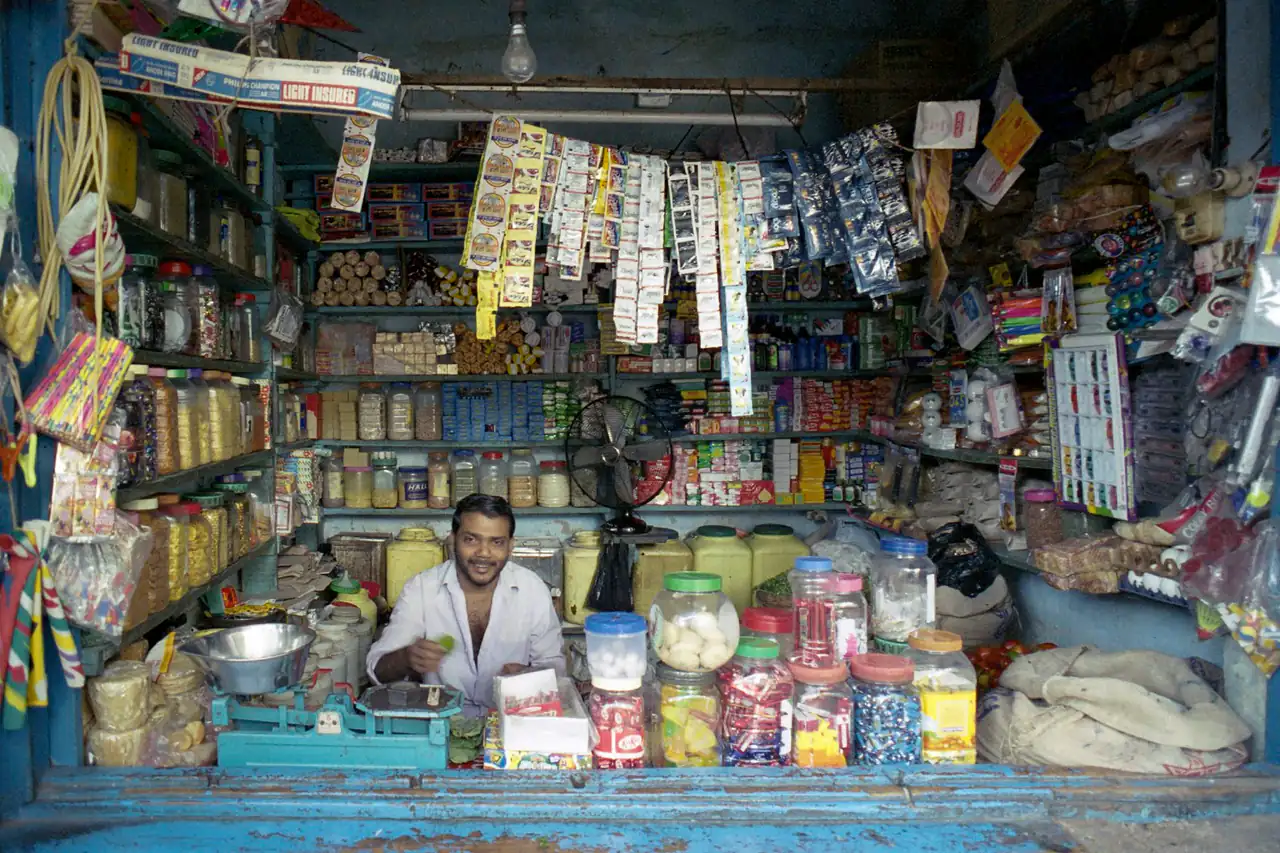
Indian wholesale markets were built for Indian retailers. They trade fast, mostly in cash, and often without a bill. "Sadar Bazar is mainly cash market without bills, and prices change daily," one trader explained in 2026 (r/IndiaBusiness, 2026 (opens in a new tab)), and the only consolidation service offered in that thread delivered within India. Nobody we read describes a market shop filing an export shipping bill.
Why does that matter so much? Because an export from India needs an Indian firm with an Importer-Exporter Code to file the shipping bill, receive your payment through a bank and account for it. A cash sale with no bill can't be matched to any of that. So the Canadian importer's list was exactly right. IEC, GST and invoices aren't paperwork for its own sake. They're the difference between goods that can leave India and goods that can't.
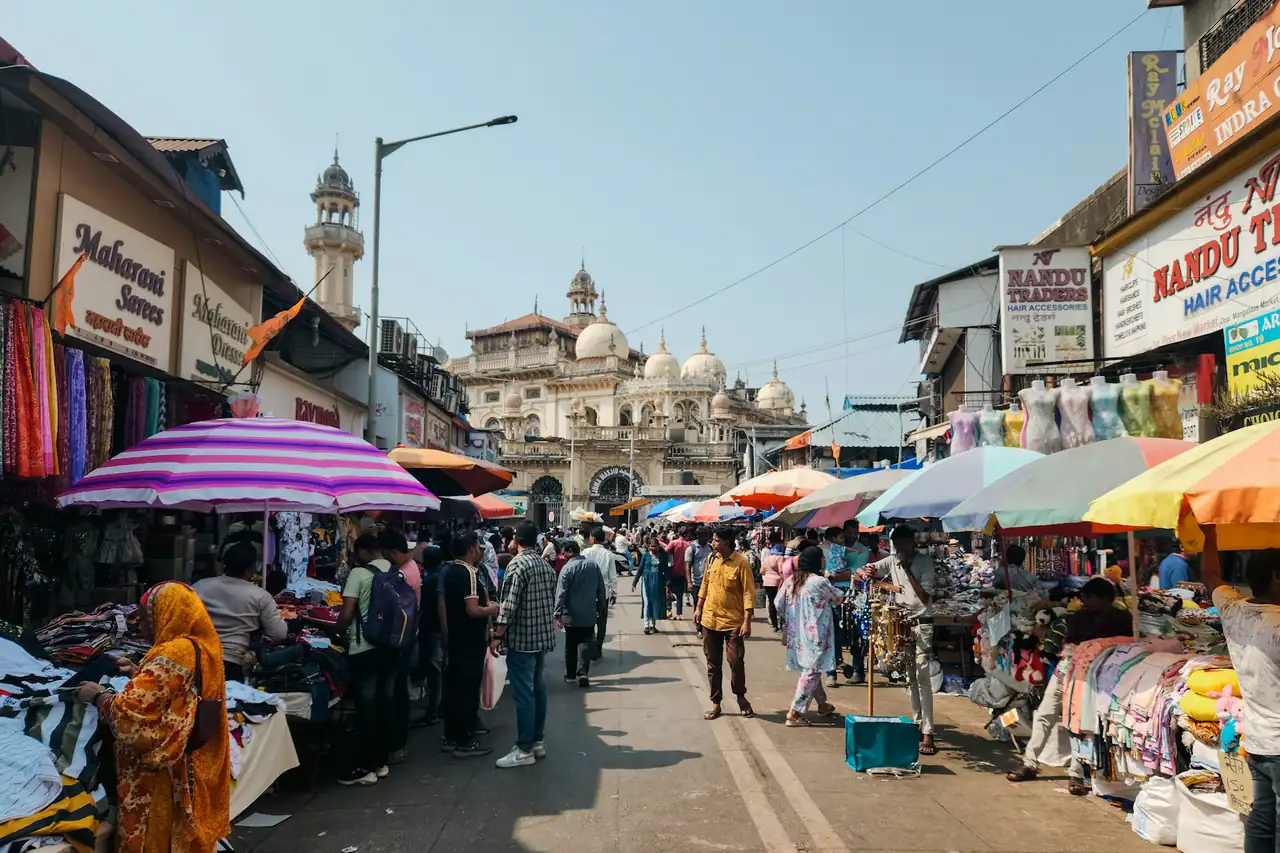
The shops themselves are traders, not makers, and that's fine. Each works through a few manufacturers on slim margins, about 10% on one trader's estimate (r/delhi, 2024 (opens in a new tab)), and reaching the factory directly usually takes an agent or an introduction (r/IndiaBusiness, 2025 (opens in a new tab)). For a buyer that makes a market a very good first door. It's just not the last one.
2. The Markets, One by One
Delhi: Sadar Bazaar, Chandni Chowk and Khari Baoli
Sadar Bazaar is Delhi's general-goods wholesale market, Chandni Chowk covers textiles, fashion and a great deal else, and Khari Baoli sells spices, dried fruit and nuts (Wikipedia: Sadar Bazaar (opens in a new tab), Chandni Chowk (opens in a new tab), Khari Baoli (opens in a new tab), Indicative). "Asia's largest" gets claimed for two of them, and we publish neither claim.
The thing to know is what's on the shelf. A Sadar trader said of consumables that most are "fake mostly even branded ones" (r/delhi, 2024 (opens in a new tab)), and another pointed buyers of Chinese electronics to Bhagirath Palace in Chandni Chowk (r/delhi, 2024 (opens in a new tab)). Some of what you'll see isn't Indian at all. And a sack of spice from a Khari Baoli stall is a domestic lot, which doesn't represent an export lot - export pepper, for one, is denser than what stays at home (r/Kerala, export insider, 2022 (opens in a new tab)).
Surat: the Ring Road Textile Markets
Surat's markets sell sarees, dress fabric and synthetic yardage by the piece or the bale. People who buy there call it "more of a fabric place" than a garment one (r/IndiaBusiness, 2025 (opens in a new tab)), and buying runs through commission agents who take you from shop to shop.
The advice from Surat buyers is to go in person and stay put. "Visit once or twice initially to build rapport. First shopping stay there when they pack stuff." (r/surat, 2025 (opens in a new tab)). Another buyer in the same thread had been cheated the month before and never got anything back. Packing is where substitution happens, so someone you trust needs to be there when it does. A count of "221 markets" circulates online. It's a listing site's number, so we don't use it.
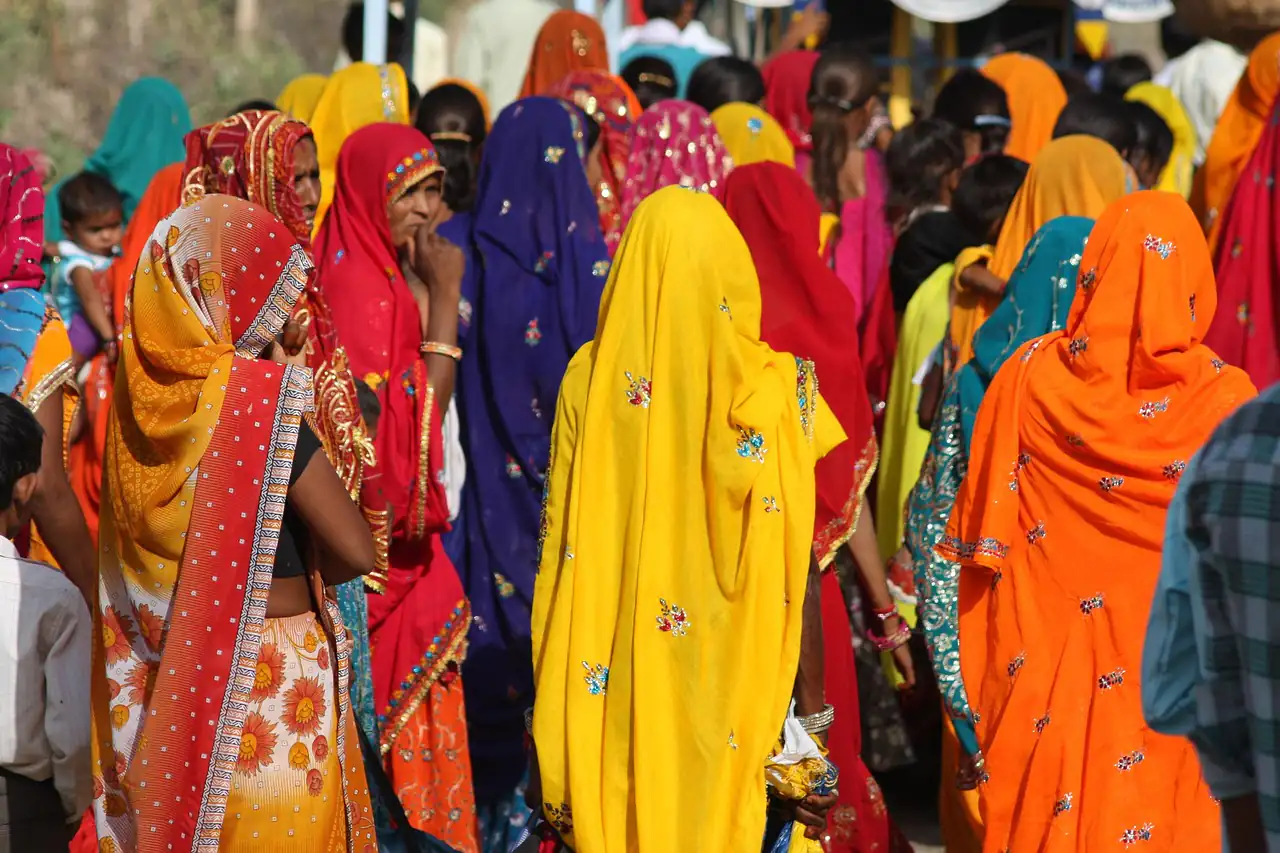
Our Canadian importer's thread also carried a fair counterpoint, from a 38-year-old saree business - "What's pure is called pure and what's a blend is always informed to our client" (r/IndiaBusiness, 2026 (opens in a new tab)). Honest sellers exist in every market. The checks are how you find them.
Jaipur: Johari Bazaar, Gopalji ka Rasta and Bapu Bazaar
Jaipur's wholesale stone trade happens in Johari Bazaar and its lanes, especially Gopalji ka Rasta, where brokers trade on the street. Fashion and oxidised jewellery at retail is in Bapu Bazaar, and the bulk trade sits in the Johari lanes (r/jaipur, 2024 (opens in a new tab)).
Two warnings, then a surprise. Coloured glass gets mixed into stone offers, as locals have said for years (TripAdvisor Jaipur forum, 2015, archived (opens in a new tab)). And the tourist funnel - a rickshaw driver's or guide's "friend", then a showroom, then a story about reselling at a profit back home - is the single most-reported way a foreign buyer overpays in India (TripAdvisor Jaipur forum, 2011, archived (opens in a new tab)). The surprise is that the market isn't always cheap even when it's honest. A wholesale emerald buyer who spent a week in Jaipur in May 2023 found prices "so high it defeats the point of coming here" (r/jaipur, 2023 (opens in a new tab)).
Experienced foreign stone buyers do well in Jaipur, but they describe it as "Not for novice gem buyers" and build long relationships with a few dealers (r/Gemstones, 2023 (opens in a new tab)). If you're new, use a recognised gem lab on any stone that matters, and don't rely on a certificate from a lab you've never heard of. Getting stones out of the country formally is its own job, which your exporter of record has to handle.
For fashion jewellery, diaspora buyers already worry about lead in the base metal (r/ABCDesis, 2021 (opens in a new tab)). If you sell to children or into the EU, test for lead, cadmium and nickel before you list anything. The plan is in quality control.
Kannauj: the Attar Market
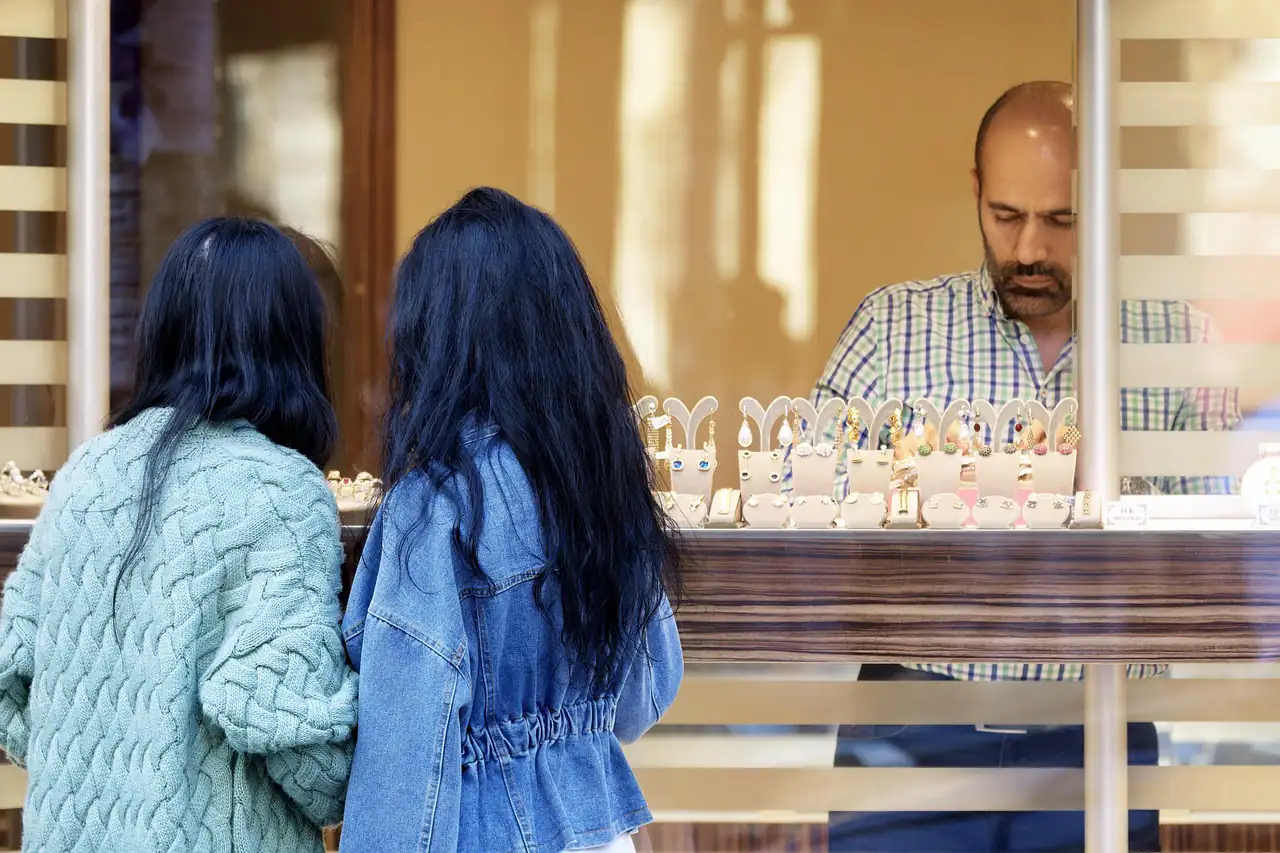
Kannauj sells attars, distilled floral oils and perfume bases. A Kannauj resident says the shops "usually scam outsider by saying it's a genuine product but it won't be" (r/DesiFragranceAddicts, 2025 (opens in a new tab)), and online sellers borrow the town's name without being in it. Genuine distillers exist, so the job is telling them apart. Ask which distillery, which base oil, and for a GC/MS test on your batch.
Mumbai: a Correction on Crawford Market
Guides still send buyers to Crawford Market for wholesale fruit. Its wholesale fruit trade moved to Navi Mumbai in March 1996 (Wikipedia: Crawford Market (opens in a new tab), Indicative). What's left is a mixed retail and wholesale market, where insiders say some stock is Chinese copies and some is expired goods with changed dates (r/mumbai, 2025 (opens in a new tab)). If a guide gets the fruit wrong, weigh the rest of it accordingly.
Markets We Couldn't Profile
Gandhi Nagar in Delhi (ready-made garments), Masjid Bunder and Mangaldas Market in Mumbai, and Ahmedabad's textile markets all come up in buyer conversations. We have too few accounts to describe them fairly, so they stay unknown until we walk them.
3. Buying in a Market as a Foreign Buyer
The method has four steps. Each is doable on its own. Together they're a lot of work for one order, and we'll say so at the end.
Step 1: Name Your Exporter of Record Before You Buy
A market shop won't file your shipping bill. A merchant exporter will, for a margin, and so will a sourcing agent who holds an IEC or works with a firm that does. Agree who it is, which documents they'll produce (commercial invoice, packing list, shipping bill, and origin paperwork only where it's honestly possible) and how you'll pay them, before you spend a rupee in the market. What a merchant exporter is and how to find one is in finding suppliers.
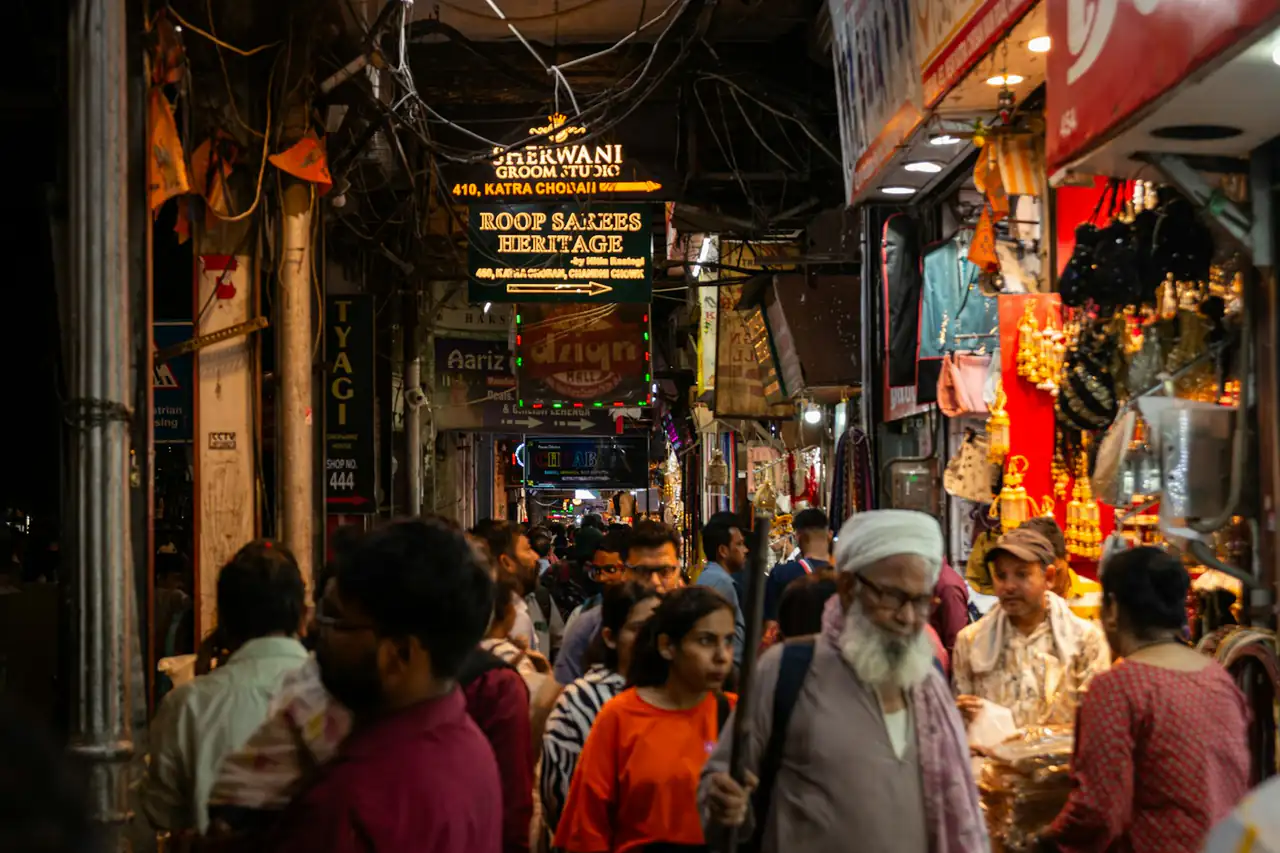
Pay through the bank, always. India's export regulations from the Reserve Bank take effect on 1 October 2026 (RBI (opens in a new tab)), and the bank trail is the point of them. A hawala transfer, which moves money outside the banking system, can't be matched to an export declaration. That's why the reply to our Canadian importer was a signal to leave, not a service to consider.
Step 2: Consolidate
Buy from six shops and you have six cash receipts and no export. Your exporter of record gathers the goods in one place, repacks them under one packing list and ships them as one consignment with one set of documents. That's the whole reason to appoint one first - the goods need somewhere to go.
Step 3: Label the Goods "Origin Not Verified"
The free-trade rate into Australia, New Zealand and the UK depends on a certificate or declaration of origin that a producer can back with records. A market shop can't say which workshop made a piece, a merchant exporter can't certify what it didn't make or can't trace, and some market goods aren't Indian at all. So price the shipment at the full duty rate, mark it "origin not verified" in your own records, and treat any FTA saving as a bonus you didn't plan on. The origin rules are on the agreements page and each trade page.
Step 4: Check Before Dispatch
Pooled stock varies. The ten pieces you handled in the shop aren't the fifty that turn up at the consolidator. Check the actual goods at the consolidation point against the samples you kept, before they're packed for export - the same lesson Surat buyers learned about packing. If you're not in India for that, someone has to be.
Ready to act
Need hands-on help?
This is a lot to run from abroad: an exporter of record, consolidation across shops, a check before packing and documents that match. SourcingSync buys in India's markets for foreign buyers, consolidates and exports properly.
4. Walk-Away Signals, Explained
The playbook lists the signals. Here's what each one means in practice, and what to do.
"With bill or without?" The seller is asking whether you want the sale recorded. Say "with", every time, because your exporter can't ship goods that were never invoiced. If the price only works without a bill, the price was never real.
Hawala. Money moved outside the banking system. It can't be tied to an export, so decline, however convenient it's made to sound.
Branded surplus. Genuine overruns exist, like the export surplus sold around Tiruppur's Khaderpet market, where some pieces still carry brand logos (r/bangalore, 2021 (opens in a new tab)). You can't prove which are genuine and your customs officer won't try. Buy unbranded.
The showroom your guide recommends. Guides and drivers earn commission on it, and a shop beside a staged block-printing demonstration can charge well above the market (r/jaipur, 2025 (opens in a new tab)). Thank the guide, and go back tomorrow on your own.
Screen print sold as block print. Ask to see the printing table and the blocks. If hand block matters to your customer, buy where the printers are, in Sanganer or Bagru.
5. City, Cluster, Market: Why We Keep Them Apart
Surat is a city. Its textile cluster is where the looms and processing houses are, and its Ring Road markets are where the finished sarees are traded. When a buyer says "I'm sourcing from Surat", they might mean any of the three, and the exporter question, the origin question and the price all change with the answer.
Cluster sourcing gives you a maker, a factory address and an origin trail. Market sourcing gives you speed and range, and none of those three. Both are legitimate. Just know which one you're doing. The clusters are on the locations page.
What We Don't Know Yet
What we know, and what we don’t
What we know: how the markets work for a foreign buyer, from the buyers and traders who use them, each account linked above.
What we don't:
- Scale, turnover or trader counts for any market. No official body measures them.
- What a merchant exporter or agent asks to act as exporter of record for a market buy, and how long consolidation takes. We plan to document how SourcingSync handles this, with permission, as first-hand evidence.
- Whether any market shop can produce origin evidence for Indian-made stock. We have no case where one did.
- The four markets we couldn't profile.
We don't know how the Canadian importer's search ended. We do know the list they started with - export documents, and samples that match bulk - is the right one for any market in India. Hold every seller to it, and the ones who can't meet it will usually tell you so themselves.
Market entities will be listed here as they are added.
Next step: if the market route fits your order, read about merchant exporters in finding suppliers. If it doesn't, go to the locations page and start from the makers.