

Sadar Bazaar, Delhi: What a Foreign Buyer Can and Can't Get There
- Updated
In February 2026 a trader in Sadar Bazaar posted on an Indian business forum offering to buy across the market for people who couldn't come in person. The pitch was sensible: pick the goods, check them, pack them, and handle "logistics coordination", from Delhi to the buyer's city (r/IndiaBusiness, 2026 (opens in a new tab), Supplier-stated). Your city, as long as it's in India.
That's Sadar Bazaar for a foreign buyer in one post. The service ends at the Indian border, because the market itself does. This is a short page, and it should be. We'll tell you what the market is, what it's honestly useful for and the three things it can't give you. The wider guide to buying in India's markets is Market or factory?, and we won't repeat it here.
What It Is
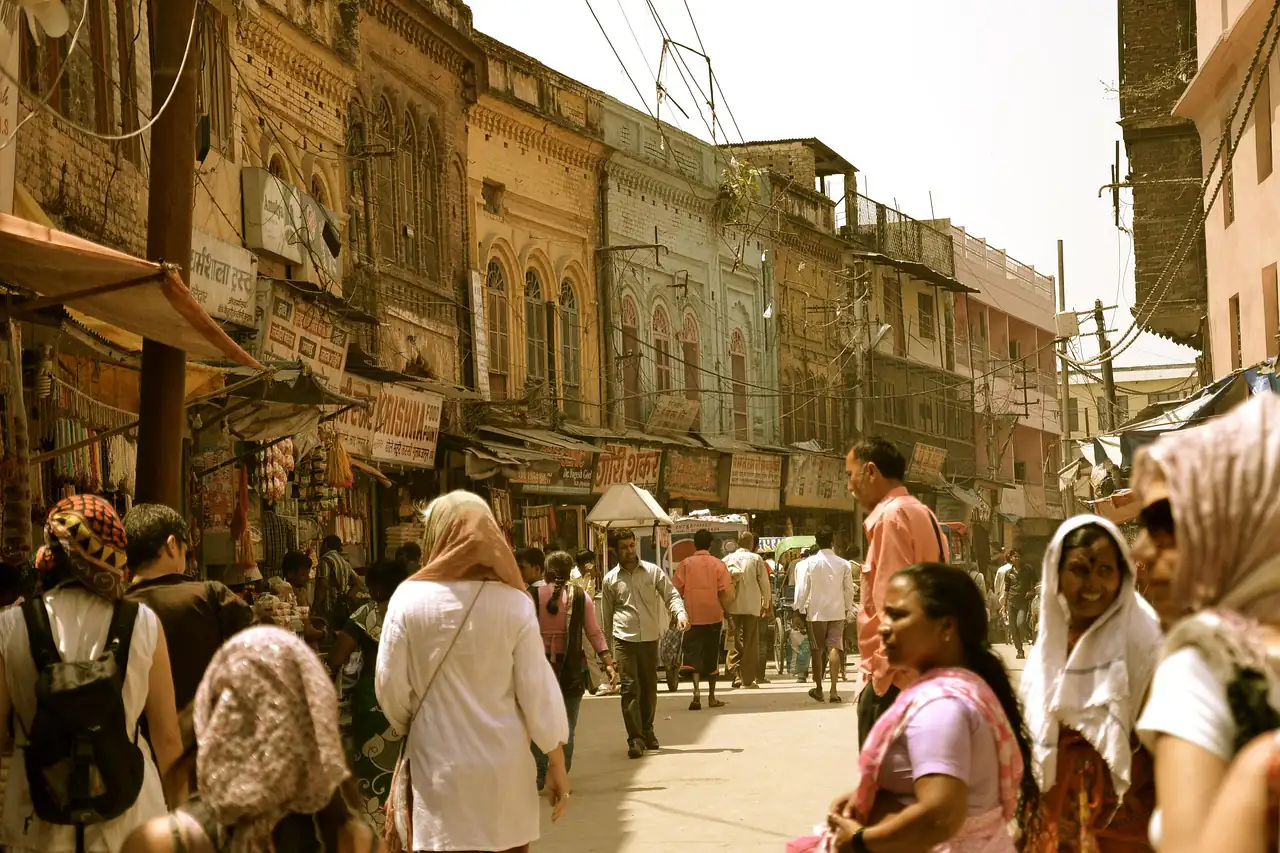
Sadar Bazaar is a wholesale market mostly in Central Delhi, just outside Old Delhi. It's best known for household goods, toys, imitation jewellery and stationery, and it's really a cluster of smaller markets, including Pratap Market, Swadeshi Market and the Teliwara and Timber Market lanes (Wikipedia (opens in a new tab), Indicative). You'll read that it's Asia's largest market of its kind. Nobody has measured that, and no official or trade body profiles the market's size, so we don't repeat the claim.
The people you'll deal with are traders. In a thread among Sadar traders in December 2024 one put their margins at "2% to 30% but yeah overall 10% maybe" (r/delhi, 2024 (opens in a new tab), Reported). That's a thin business working on speed and volume, and there's nothing wrong with it.
What It's Good For
Seeing the range. You can handle more Indian household goods and gift lines in a day here than in a month of email.
Finding the maker. Each shop buys from a small number of manufacturers. If a line works for you, the shop is your quickest route to the workshop behind it, though reaching that workshop usually takes an introduction.
Samples and a first small mixed lot. For a test order across many lines, the market can do what no single factory will. The wholesale sourcing model explains when that's the right way to start.
What It Can't Give You
An exporter. No Sadar shop we read about acts as exporter of record, and a cash sale without a bill can't be exported at all. Before you buy anything to ship, you need an Indian merchant exporter or agent who'll invoice you, consolidate the goods and file the export papers. What that kind of firm is, and how to judge one fairly, is on trading companies and merchant exporters.
Proof of origin. Traders in the same 2024 thread were frank that some stock, branded consumables in particular, is fake, and Chandni Chowk next door is where they send people for Chinese electronics (r/delhi, 2024 (opens in a new tab), Reported). Some of what's on the shelves isn't made in India. A free-trade rate needs a producer who can document origin, so plan market goods at full duty. Why is on certificate of origin.
A test history. This one matters most for Sadar's core lines. Toys and children's jewellery face safety and chemical rules in the EU, UK, US, Australia and New Zealand, and the test has to match the product you actually ship. A pooled market lot has no maker you can name on the report, and the repeat order may come from a different workshop. Our reading, which is Indicative, is that toys and jewellery for children are the worst things to buy here for export unless you test every lot yourself. The test plans are on quality control in India.
Ready to act
Need hands-on help?
Buying across Sadar shops, consolidating the goods and exporting them properly with a real exporter of record is exactly the job the trader in that post couldn't do. SourcingSync does it for foreign buyers.