

Khari Baoli, Delhi: Should You Buy Spices There for Export?
- Updated
We looked hard for a foreign spice buyer describing a purchase at Khari Baoli. Across the forums, trade threads and buyer accounts in our research we found none (our forum log, 2026). Tourists write about it, Delhi cooks write about it, and importers are silent. That silence is a finding of its own, and it fits everything else we know about how spices actually leave India.
So this page doesn't open with a buyer's story, because we don't have one, and we won't invent one. It answers the question a spice importer brings to it. Can I buy here for export? The short answer is that you can look, taste and learn here, and that the lot you ship should come from somewhere you can trace.
What It Is
Khari Baoli is a wholesale grocery and spice market at the western end of Chandni Chowk in Old Delhi, trading since the 17th century (Wikipedia (opens in a new tab), Indicative). It sells spices, herbs, dried fruit, nuts and staples in bulk to Indian retailers and caterers. It's often called Asia's largest spice market. No one has measured that, and no official body profiles the market, so we leave the claim out.
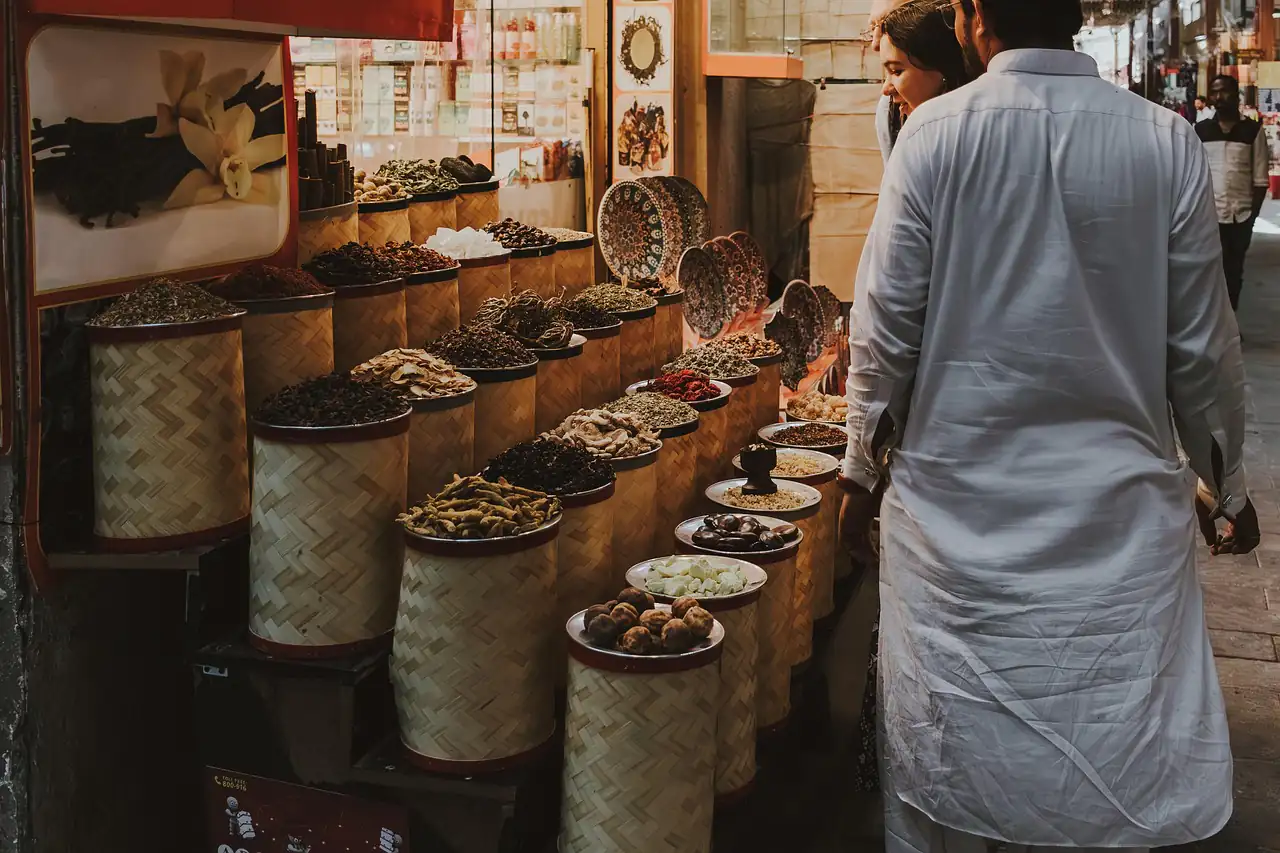
It's a trading market, not a growing or processing region. Pepper comes from places like Idukki in Kerala, cumin trades through Unjha in Gujarat and turmeric grows in about 20 states. Khari Baoli is where those flows meet and get sold on, which is exactly why it's useful to visit and awkward to export from.
Three Reasons a Market Lot Struggles Abroad
1. Your exporter needs a Spices Board registration, and a market stall doesn't have one. Exporting spices from India needs a Certificate of Registration as Exporter of Spices from the Spices Board, on top of the usual exporter code (Spices Board FAQ (opens in a new tab), Verified). Whoever ships your lot has to hold one. Ask for it, and check it.
2. Residue tests are lot tests. The EU, UK, US, Australia and New Zealand test Indian spices for pesticides, Salmonella and, for some spices, metals, and a pass applies to the lot that was sampled. A sack pooled from many farms and traders has no history you can test against twice. The Spices Board itself runs pre-shipment sampling for registered exporters, and puts some spices under mandatory export inspection when rejections or alerts pile up abroad (Spices Board FAQ (opens in a new tab), Verified). What each border actually catches is on turmeric from India and black pepper from India, and the test plan is on quality control in India.
3. Central markets are where some adulteration enters. This is the hard one, and we say it carefully, because most traders sell honest goods. For turmeric, a programme funded by the US spice trade says lead chromate "is introduced to turmeric roots by wholesale traders at central markets" (Pure Earth (opens in a new tab), Supported, Bihar markets, not Khari Baoli by name). A buyer at any big wholesale market can't see which lot passed through whose hands.
So What Is It Good For?
Learning the trade. Walk it with a spice person, and you'll see grades, colours, oil content and the range of what's sold in India, and you'll come away knowing what to ask a processor. Then buy your export lot from a processor or exporter who can name the source, show past lab results and let an independent person draw the sample. Market-quality spice can also differ from export grade, a point an industry insider makes about pepper on India's wholesale markets.
Ready to act
Need hands-on help?
Finding a registered spice exporter, drawing an independent sample and getting the lot tested before loading is hands-on work. SourcingSync does it for foreign buyers.
Related: Spices industry · India's wholesale markets · Sadar Bazaar