

Turmeric From India: Lead Chromate, Pesticides and What Each Border Checks
- Updated
Your route: turmeric from India
Made in
Several centres
Leaves India from
Port not researched yet
IndicativeUseful directional information where precise verification is unavailable.UnknownInsufficient evidence, or not yet researched.
At sea
No schedule yet
Needs a researched port first
Made in
Several centres
Leaves India from
Port not researched yet
IndicativeUseful directional information where precise verification is unavailable.UnknownInsufficient evidence, or not yet researched.
At sea
No schedule yet
Needs a researched port first
Made in
Several centres
Leaves India from
Port not researched yet
IndicativeUseful directional information where precise verification is unavailable.UnknownInsufficient evidence, or not yet researched.
At sea
No schedule yet
Needs a researched port first
Made in
Several centres
Leaves India from
Port not researched yet
IndicativeUseful directional information where precise verification is unavailable.UnknownInsufficient evidence, or not yet researched.
At sea
No schedule yet
Needs a researched port first
Made in
Several centres
Leaves India from
Port not researched yet
IndicativeUseful directional information where precise verification is unavailable.UnknownInsufficient evidence, or not yet researched.
At sea
No schedule yet
Needs a researched port first
Made in
Several centres
Leaves India from
Port not researched yet
IndicativeUseful directional information where precise verification is unavailable.UnknownInsufficient evidence, or not yet researched.
At sea
No schedule yet
Needs a researched port first
Carrier schedules read 23 Sept 2026. Days are port to port; inland haul and customs time come on top.
Add up the landed costFind the HS codeGet help shipping it (opens sourcingsync.com in a new tab)
On 30 July 2026 the Delhi research group Toxics Link published a small, careful test. It took 13 raw turmeric samples straight from farms in Maharashtra, Telangana, Tamil Nadu, Odisha, Karnataka and Madhya Pradesh, and had an accredited lab measure the lead. The results ran from below the detection limit to 1.87 mg/kg, well under India's 10 mg/kg limit for turmeric (Toxics Link, 30 July 2026 (opens in a new tab)). The group's reading was that the lead found in market turmeric isn't coming from the soil. It's getting in later.
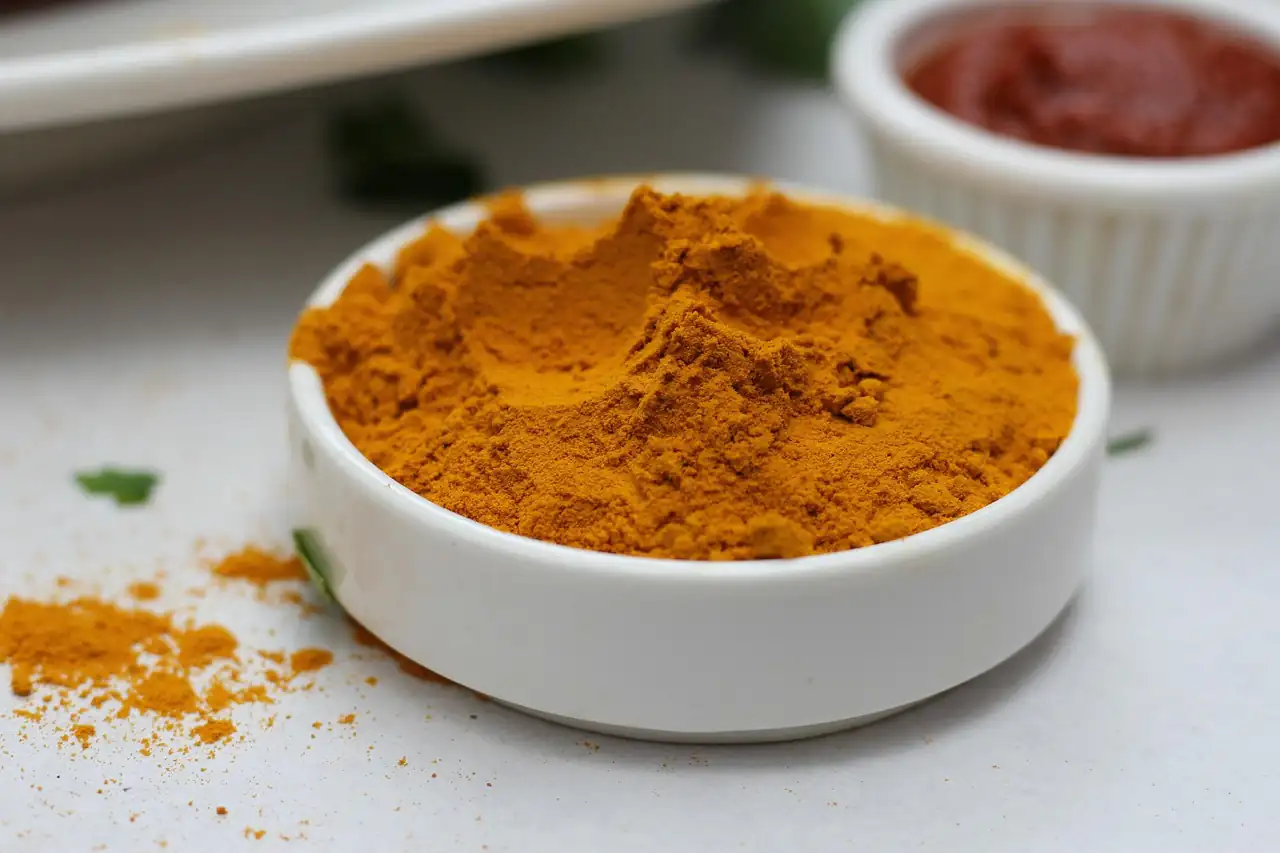
That is the thread through this page. If lead is added after harvest, then the place to catch it is not the farm and often not the border either. It's your own test of the lot you're about to buy. We'll show where the lead gets in, what UK, EU, US, New Zealand and Australian borders really catch, and a test plan that matches. For turmeric forms and grades, see the global product page. For spices in general, see food import testing. Our caveats come first. Nobody publishes lead results for export lots, so what we know about lead comes from market studies. And we publish no prices.
1. Where The Lead Gets In
Lead chromate is a yellow industrial pigment used in paints, plastics and ceramic glazes. It is not food, and the 2024 authors say it has been used in turmeric "to enhance appearances and to facilitate the sale of poor-quality roots" (Down To Earth (opens in a new tab)). A 2024 study tested 356 turmeric samples from 23 cities across India, Pakistan, Sri Lanka and Nepal between December 2020 and March 2021 and found 14% above 2 mg/kg of lead, with samples above 1,000 mg/kg in Patna, Karachi and Peshawar. The lead-to-chromium ratio in the worst samples sat near 1 to 1, which is the signature of lead chromate (Stanford Health Policy (opens in a new tab)). An Indian environment magazine, summarising the same work, lists the ranking by form - polished roots first, then loose powder, then packaged branded powder, with unpolished roots lowest (Down To Earth (opens in a new tab)). A preprint listed on SSRN reports a nationwide survey across 104 Indian cities with 7% of turmeric samples above India's limit, though we couldn't open the page and give the headline only.
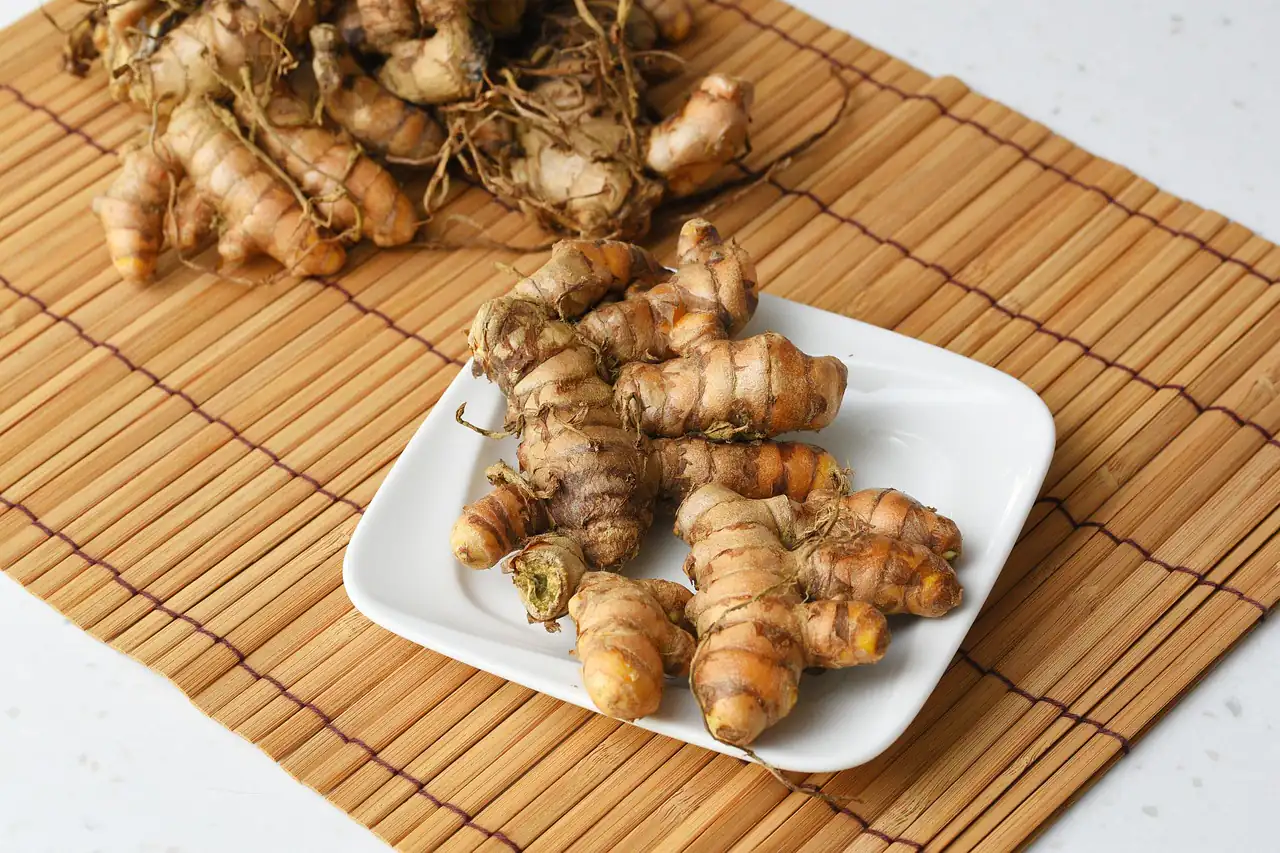
Where in the chain? Pure Earth, which runs a Bihar programme funded by the American Spice Trade Association, says "lead chromate is introduced to turmeric roots by wholesale traders at central markets" (Pure Earth (opens in a new tab)). Add the clean farm samples and the picture is a chain of events after harvest. The studies point at the polishing of the roots and the trading around it, not the field.
Two buyer lessons follow, and a fairness note. The first is that "buy whole" isn't a fix. Forum practitioners say whole spices avoid filler in ground forms but not metals (r/tea and r/IndianFood, 2023 and 2024 (opens in a new tab)), and the study ranking above puts polished whole roots at the top of the problem. The second is that "organic" isn't a lead test. The fairness note matters most. Plenty of Indian turmeric is clean. By the headline of the nationwide preprint, 93% of samples were under India's own limit. And a processor who buys polished roots at a wholesale market can't see inside them, so a good processor can be the victim of a trader upstream. So the real question isn't "is this supplier honest" but "who controls the chain, and who tested what". Our reading is Indicative, because the studies measured retail and wholesale markets, mostly in Bihar, and not export consignments.
2. What The Borders Actually Catch
If lead chromate were common in export lots, you'd expect the EU's alert system to carry it. Across 47 India-origin RASFF notifications that name turmeric or curcuma (some are blends, supplements or extracts), none names lead or chromium. What they name is shown in the intelligence block above, and the most recent run is a repeat of one substance. All three of the 2026 pesticide notices were chlorpyrifos (13 April, 5 June and 17 July), with results from 0.022 to 2.6 mg/kg across the 12 chlorpyrifos notifications, against a recorded limit of 0.01, a median of about seven times the limit.
There are two honest readings of that. Either export lots are cleaner than the market samples, which is plausible for exporters who buy straight from growers, or nobody at the border is looking for chromate. We can't tell which, so the safe move is to test for it yourself. The colour records are telling too. In 2025 the EU recorded two notifications of unauthorised dyes in Indian turmeric, methyl yellow in January and Rhodamine B in June. That's the same motive as lead chromate, a brighter colour, in a different chemical.
The US is a different story. The FDA refused 49 Indian turmeric lines in our count, 46 of them ground or cracked turmeric, with the most in 2025 (15 lines) and 2022 (11). Salmonella was charged on 27, three carried the "poisonous or deleterious substance" charge, and the record doesn't say which substance. The FDA took its own sample on 2 lines, so most refusals follow the firm and the importer's own lab file. Australia's record is quiet. None of the 411 Indian failing-food records in Australia's inspection data (January 2021 to July 2026) names turmeric, although Salmonella was the reason on 77 of 88 Indian spice records. That's an absence in one list, not clearance.
3. Border By Border
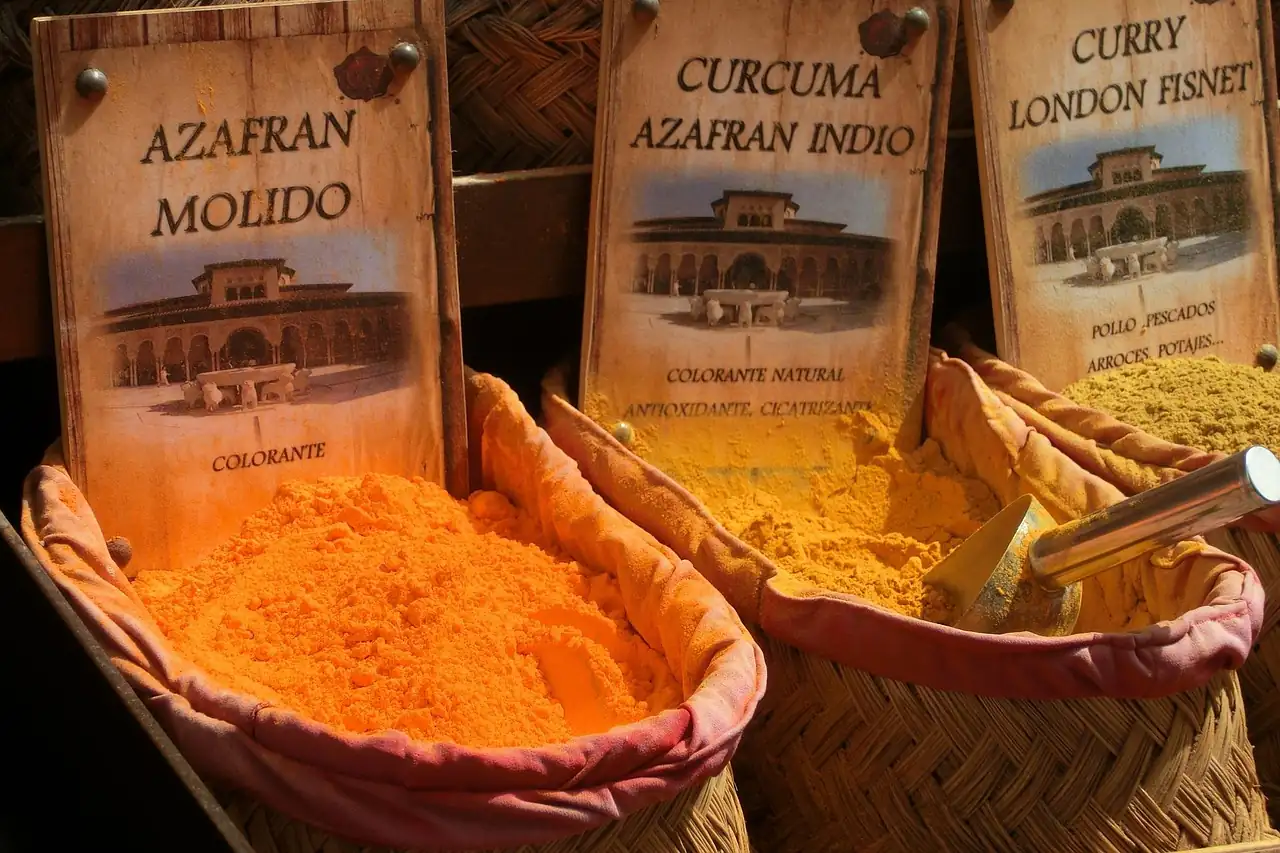
Duty is almost beside the point for turmeric, so the landed cost calculator will mostly show freight and border charges. The checks decide your timeline.
| Destination | Duty on turmeric | What stands between the sack and the shelf |
|---|---|---|
| UK | 0% third-country duty, and 0% India preference | A Common Health Entry Document for turmeric from India since 3 June 2026 |
| EU | Rate not read | RASFF alerts, and certificate rules under Regulation 2019/1793 that we haven't confirmed |
| United States | Free, plus 10% Section 301 unless an exemption applies | FDA prior notice, facility registration, a foreign supplier verification programme and import alerts |
| New Zealand | Whole free, ground 5%, 0% from 20 October 2026 | MPI's import standard for stored plant products, and a wholly obtained origin rule under the FTA |
| Australia | 0% base and 0% under ECTA | A BICON check for the commodity, the inspection scheme, and a wholly obtained origin rule |
| UAE | Not checked | Not checked |
We read the UK, Australian and US lines on 5 October 2026, and the New Zealand working tariff as at 1 July 2026.
United Kingdom. The tariff shows turmeric from India needs a CHED-D (document code C678) from 3 June 2026, and it doesn't say why (UK tariff, commodity 0910300000 (opens in a new tab)). The line also shows an alternative of a consignment of 30 kg or less, which you should confirm with your broker. Book the port health check into your lead time, and read the UK page for the rest.
European Union. We couldn't read the EU duty or whether turmeric is on the increased-checks list, because EUR-Lex blocks our reader. What we have is the RASFF record, and the reality that paperwork is a big part of it. Of the 11 border rejections on turmeric since mid-May 2023, 7 named missing health certificates, an improper analytical report, or a batch number on the pack that differed from the certificate. Check every document carries the same lot number before the sack leaves. The EU page has the wider picture.
United States. Base duty is free and Indian goods carry an extra 10% under Section 301 from 24 July 2026, though we can't say if turmeric is exempt because the annex is printed as images (India to the US). Then the FDA. The alert for heavy metals in food, 99-42, lists Indian firms with turmeric among their products, and the alert page says that from 23 October 2026 the tests used to get a detained food released for lead and other toxic elements must come from a lab accredited under FDA's LAAF programme (FDA 99-42 (opens in a new tab), A2LA summary of LAAF (opens in a new tab)). So an Indian lab report is your own quality check, and it isn't the test the FDA uses to let a held lot in. Look your supplier up on the alert before you order.
New Zealand, Australia and the UAE. New Zealand charges nothing on whole turmeric and 5% on ground until the FTA starts on 20 October 2026, and the FTA wants whole spices wholly obtained in India (India to New Zealand). Australia's ECTA rule is the same (India to Australia). The UAE is India's second-largest turmeric buyer and we haven't read its checks, so ask your broker.
4. Test Before You Ship
Match each test to the stage where the hazard gets in, and have the person who draws the sample be independent of the supplier. The sampling rules are in food import testing, and the wider plan is on quality control in India. For turmeric, the plan we'd write into the purchase order runs like this.
- Lead and chromium, on the roots, before milling. Ask for an ICP-MS result for each lot of roots, with chromium reported next to lead. A lead-to-chromium ratio near 1 to 1 is the lead chromate signature. Test the polished roots, not the finished powder, because powder from several lots can hide one bad lot. Set your own limit and write it in. India's 10 mg/kg is higher than the EU's number.
- Unauthorised dyes, on the powder. Ask for methyl yellow, metanil yellow and Rhodamine B screens. Each is a recorded colour fraud.
- Pesticides, on the roots. Ask for a multi-residue panel that names chlorpyrifos, against the limit recorded in EU notifications, 0.01 mg/kg for chlorpyrifos and 0.05 mg/kg for most neonicotinoids (RASFF records, our reading).
- Mould and aflatoxin, on the lot you ship. Four EU notifications named aflatoxin, and the three with figures read 9.2 to 15.5 µg/kg of aflatoxin B1 against a 5 µg/kg limit. Store and dry properly, and test the lot, not the harvest.
- Salmonella and filth, for the US, UK and Australia. Test the finished lot, absence in 25 g.
- Ethylene oxide, if the powder is sterilised that way. Ask the method. EtO and 2-chloroethanol appear in 13 EU notifications from 2021 to 2023 and none since, but the method is still a contract term.
- Documents. One lot number across the pack, the certificate, the lab report and the invoice.

Pick a lab accredited to ISO/IEC 17025 for these exact analytes, and keep a sealed counter-sample so a dispute can be retested. If you'd rather have a person at the processor's door who draws the sample, seals it and sends it to an accredited lab, SourcingSync (opens in a new tab) arranges that.
5. Buy From The Chain You Can See
The practical answer to lead is choosing who you buy from. India grew 10.74 lakh tonnes of turmeric on 3.05 lakh hectares in 2023-24, over 70% of the world's crop, in about 20 states, and the Maharashtra ports carried 45% of 2024-25 export value (PIB (opens in a new tab), Spices Board data, PIB (opens in a new tab), our share arithmetic). With that breadth, the useful distinction isn't a region. It's a supplier's relationship to the roots.
A wholesale trading market such as Khari Baoli pools lots from many farms and polishers, so origin and residue history are hard to trace there. A processor who buys roots straight from growers or farmer groups, polishes in-house or buys unpolished roots, and mills its own powder gives you a chain you can test and audit. Neither is bad, and a trading house can be an excellent partner if it'll show you its test records. Ask these four things in the first call. Where do the roots come from? Are they polished, by whom and with what? What did the last three lots test for lead and chromium? And can an independent person draw the sample?
The government gives you two supports. The Spices Board's SPICED scheme funds quality evaluation labs for export consignments, and the National Turmeric Board, based in Nizamabad, lists compliance with quality and safety standards among its aims (PIB, 2025). Use both as a starting point. Neither is a replacement for your own independent test. How to check an exporter's records is in verifying Indian suppliers.
For meeting suppliers, the Spices Board runs the World Spice Congress, and it hasn't announced the next one (World Spice Congress). IndusFood, a broader food fair, runs in Bengaluru on 25 to 27 November 2026 (IndusFood). For an organic lot, plan around BIOFACH India in September 2027 (BIOFACH India).
Ready to act
Need hands-on help?
Independent sampling at the processor, lab tests against your destination's limits, and a supplier check against the FDA alerts are execution, not knowledge. SourcingSync does it.
Questions Buyers Ask
Is Indian turmeric safe to import?
Many lots are, and the EU's records in our pull carry no lead notification on Indian turmeric. But lead chromate adulteration is documented in Indian markets, and nobody publishes export-lot results, so test every lot of roots for lead and chromium yourself.
Does buying whole roots avoid the lead problem?
No. Polished whole roots ranked the most contaminated form in the market study, and unpolished roots the least. Ask whether the roots were polished.
Does the UK charge duty on Indian turmeric?
No, the tariff shows 0% for third-country and for the India preference. What you need is a CHED-D from 3 June 2026, so build the port check into your timeline.
What does the FDA actually test?
Rarely anything. It sampled 2 of 49 refused Indian turmeric lines in our count and mostly acts on firms on import alerts, so check your supplier against alert 99-42 and the Salmonella alert before ordering.
Back To The Thirteen Farm Samples
The Toxics Link result is the reason to take heart, and the reason to be careful. Farm turmeric tested fine, at up to 1.87 mg/kg, so the lead isn't in India's soil. It arrives with the polish. A buyer who knows that tests the roots at the processor's door, writes a stricter limit than the local rule into the order, and buys from someone who can show where the roots came from has solved most of the problem before the sack moves. The rest is a pesticide panel, a Salmonella test and a lot number that matches on every page.
See India product guides for the next product, or black pepper from India for another spice.