Yash Khatri founded SourcingFrom to give buyers outside India the full picture of sourcing from India: what the country makes well, where it is made, who makes it and how it ships. He writes and edits every guide on the site, and holds each one to the same rule: say what we know, show how sure we are, and say plainly where the evidence runs out. He also runs SourcingSync, the hands-on service that does the sourcing work for buyers, and Kirnova, the data and intelligence company behind SourcingFrom Intelligence.
Certifications for Importing From India and Exporting From It
- Published
6 min read
Every certificate answers one question for one market. This index lists the certification guides by group, says in a line what each one is and who needs it, and gives a table of which certificates a product family usually needs in each main market. Each guide has a half for importers and a half for Indian exporters.
The Short Version
- Start with your product and your market, not the certificate. The table below gives the usual set.
- Some certificates are legal requirements at the border, others are what your customer demands. The guides say which is which.
- A certificate covers a named site, product, scope and date. Always check it in the issuer's public register.
- Every guide has an importer half and an Indian exporter half, with the steps to get it.
Buyers and Indian exporters ask the same question from opposite ends. The buyer asks "what should I demand from my supplier?" and the exporter asks "what do I need before this buyer will order?". The answer is the same list, read in different directions.

Each guide below covers one certificate or compliance mark. Each has two halves on the same page, one for the importer (what it proves, how to check it is real, red flags) and one for the exporter in India (who issues it, the steps, how long, renewal). Find your product family in the table in section 6, then open the guides it names.
1. Food and Agriculture
- Phytosanitary certificate. The plant health certificate for plants, seeds, grains, spices and plant products. Required at the border by most markets, issued in India by PPQS.
- Health and veterinary certificates. For meat, seafood, dairy, honey and other animal products. Issued in India by EIC or the competent authority, and the EU and others accept only listed establishments.
- Organic certification. NPOP in India, and the EU, US and other organic rules. Needed to sell anything labelled organic.
- Halal certification. For food, cosmetics and pharmaceuticals going to Gulf, Malaysian, Indonesian and Muslim-majority markets, and for many buyers elsewhere.
- Kosher certification. A customer requirement for many US and Israeli food buyers.
- Food safety certifications. BRCGS, FSSC 22000, IFS, SQF and HACCP. Required by most retailers and food brands, not by the border.
- FDA food facility registration. Every facility that makes, packs or holds food for the US must register with FDA, and name a US agent.
- MSC and ASC seafood. Sustainable fishing and farming labels, with chain-of-custody certificates. Retailer demand, mostly in the EU and UK.
- GMP certification. Good manufacturing practice for supplements, Ayurvedic products, cosmetics and pharmaceuticals.
- Related: food import testing, FDA import alerts, biosecurity for natural goods.
2. Products and Safety Marks
- CE and UKCA marking. The EU and GB conformity marks for electrical goods, machinery, toys, PPE and others. The maker or importer declares conformity, sometimes with a notified body.
- RoHS and WEEE. Restricted substances in electrical and electronic equipment, and take-back registration in the EU and UK.
- FCC and US electrical safety. Radio and electromagnetic rules in the US, and the NRTL safety listings retailers demand.
- RCM in Australia and New Zealand. The regulatory compliance mark for electrical and radio equipment, with a local responsible supplier.
- REACH and safety data sheets. EU and UK chemical rules, SVHC statements, SDS and only representatives. Applies to chemicals and to almost every article.
- Saudi SABER and SASO. Saudi Arabia's product registration platform and certificates of conformity, needed for most regulated goods.
- Digital product passport. The EU's coming product data requirement, starting with batteries and then textiles and others.
- Related: restricted chemicals, children's product safety.
3. Factory and Social
- Social audits. amfori BSCI, Sedex SMETA, SA8000 and WRAP. Customer requirements on labour and working conditions.
- ISO 9001 and management system certificates. Quality, environment, safety and energy systems. Shows a system exists, not that the product is good.
- Getting GOTS, OEKO-TEX and GRS certified. The steps for an Indian textile maker. What each one proves is in textile certifications.
- Leather Working Group. The environmental audit for tanneries, asked for by most global footwear and bag brands.
- Fairtrade and Rainforest Alliance. Farm and supply-chain schemes for tea, coffee, spices, cotton and others.
- Related: forced labour due diligence, cotton traceability.
4. Trade Documents
- Getting a certificate of origin in India. The steps on the DGFT platform, for preferential and non-preferential origin. What origin proves at your border is in certificate of origin and rules of origin.
- IEC, RCMC and export registrations. The registrations an Indian exporter needs before shipping, and what a buyer can check from them.
- Document legalisation and attestation. Apostille, chamber attestation and embassy legalisation for the UAE, Saudi Arabia and others.
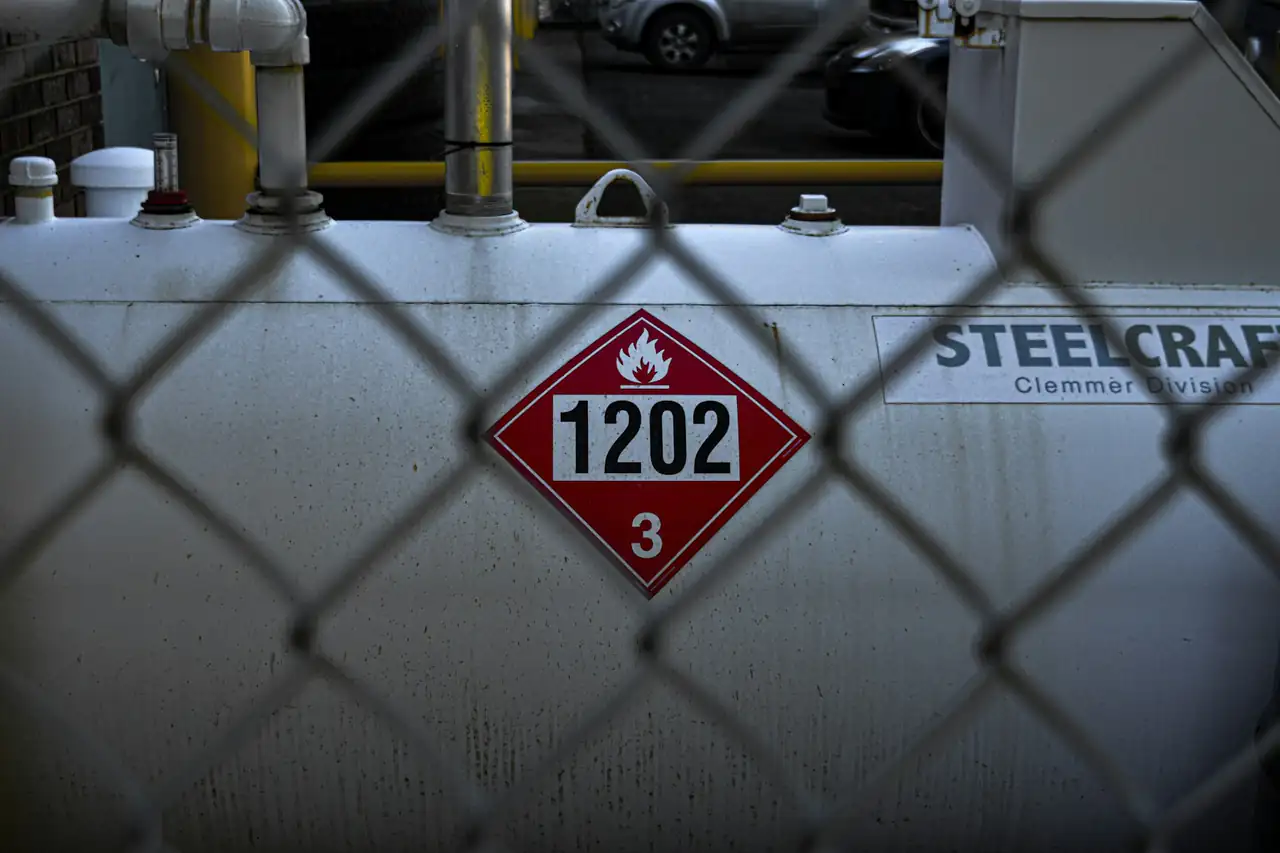
- Dangerous goods shipping documents. IMDG and IATA declarations, shipping SDS, non-DG letters and UN38.3 for batteries.
- Kimberley Process and diamond certificates. KP certificates for rough, warranties and grading reports for polished, disclosure for lab-grown.
- Related: ISPM 15 for wood packaging, HS codes, importer of record.
5. Environment and Carbon
- EPR for packaging and plastics. Producer registration and fees for packaging in the EU, UK and India, and who holds the duty.
- Carbon footprint and carbon credits. Product and company footprints, what buyers ask for, and what a credit does and doesn't prove.
- EUDR due diligence. The EU deforestation rule for coffee, cocoa, rubber, wood, soy, palm and cattle products, with geolocation.
- FSC and PEFC. Forest certification and chain of custody for wood, paper and furniture.
- Eco-labels and green claims. Which labels hold up under the EU and UK rules on environmental claims.
- Related: CBAM for steel, aluminium and other carbon-intensive goods, and timber legality.

6. Which Certificate Does My Product Need
The usual set by product family and market. Border means the law or customs requires it. Buyer means most retailers or brands ask for it. Read the guide before you rely on a cell, because rules depend on the exact product.
| Product family | EU and UK | US | Australia and NZ | UAE and Saudi Arabia |
|---|---|---|---|---|
| Spices, rice, tea, coffee, pulses | Border: phytosanitary for some lines, residue limits (testing). Buyer: BRCGS or FSSC, organic if labelled. EUDR for coffee | Border: FDA registration, prior notice. Buyer: food safety, kosher | Border: phytosanitary, biosecurity | Border: halal where required, legalised documents |
| Seafood, honey, dairy, meat | Border: health certificate from a listed plant. Buyer: MSC or ASC | Border: FDA registration, HACCP for seafood | Border: health certificate, import permit | Border: health certificate, halal |
| Supplements, Ayurvedic, cosmetics | Border: product safety rules, REACH for ingredients. Buyer: GMP | Border: FDA registration for supplements. Buyer: GMP | Border: TGA rules for therapeutic claims. Buyer: GMP | Border: halal for many, SABER |
| Garments, home textiles | Border: REACH restrictions. Buyer: GOTS, OEKO-TEX, GRS, social audit | Border: forced labour rules, CPSC for children's wear. Buyer: social audit | Buyer: GOTS, OEKO-TEX, social audit | Border: SABER for Saudi Arabia |
| Leather goods, footwear | Border: chromium VI limit under REACH. Buyer: LWG, social audit | Buyer: LWG, social audit | Buyer: LWG | Border: SABER |
| Electrical goods, batteries, lighting | Border: CE or UKCA, RoHS and WEEE. Transport: DG documents for batteries | Border: FCC. Buyer: NRTL listing | Border: RCM | Border: SABER, UAE conformity marks |
| Toys and children's products | Border: CE or UKCA, restricted substances | Border: children's product certificate | Border: mandatory safety standards (children's products) | Border: SABER |
| Furniture, wood, paper | Border: EUDR and timber legality, ISPM 15. Buyer: FSC or PEFC | Border: Lacey Act (timber legality). Buyer: FSC | Border: illegal logging rules, biosecurity | Border: ISPM 15 |
| Steel, aluminium, castings | Border: CBAM reporting, CE for construction products. Buyer: ISO 9001 | Buyer: ISO 9001, mill test certificates | Buyer: ISO 9001 | Border: SABER |
| Essential oils, chemicals, paints | Border: REACH and SDS. Transport: DG documents | Border: OSHA SDS, TSCA. Transport: DG documents | Border: GHS SDS, NZ HSNO approval. Transport: DG documents | Transport: DG documents |
| Diamonds and jewellery | Border: KP for rough, Russian-origin rules for polished, REACH for metals | Border: KP for rough. Selling: FTC lab-grown disclosure | Border: KP for rough | Border: KP for rough |

Two things apply to almost every row. A certificate of origin if you claim a lower duty under a trade agreement, and packaging EPR for whoever places the packaging on the market.
7. How to Check Any Certificate
Whatever the certificate, the same four checks catch most problems.
- Look it up in the issuer's public register. Most schemes have one: GOTS, OEKO-TEX, BRCGS, FSC, organic control bodies, DGFT for origin. If there's no register, ask the issuer by email.
- Match the name and address. The certificate covers the legal entity and the site on it. A trader's invoice under a maker's certificate is normal, but you need to know the maker is the site certified.
- Match the scope. Products, processes and standard version. A certificate for spinning doesn't cover dyeing.
- Match the date. Valid on the shipment date, not only on the order date.
If running these checks across many suppliers, or getting a supplier through a certification, is more than your team can carry, SourcingSync (opens in a new tab) does that work in India.
8. Next Steps
- Market rules for Indian goods: EU, UK, US, Australia, New Zealand, UAE.
- Checking the supplier behind the certificate: verifying Indian suppliers and quality control in India.
- Working out the duty: import duty and HS codes.
Ready to act
Want this supplier checked before you commit?
SourcingSync can verify who makes it and who answers for quality, then manage the supplier for you.
Want new guides when they go up? Get the newsletter
Download This Guide as a PDF
Leave your email and the PDF downloads straight away. We don't email it to you.
Related reading

Organic Certification for Food and Farm Goods From India
Organic from India runs on two systems. India's NPOP certifies farms and exporters and issues a TraceNet transaction certificate per shipment, and each buying market decides whether it accepts that. The EU accepts NPOP only for unprocessed plant products and only until its recognition runs out, and the US stopped accepting it in 2021. This guide shows importers what to check and walks an exporter through certification.

Halal Certification for Goods From India, for Buyers and Exporters
A halal certificate is a private or national body saying a product or a plant meets Islamic dietary rules under a named standard. For meat from India it is now also an export rule. This guide shows importers which issuers their market accepts and how to check one, and walks an Indian exporter through i-CAS Halal and the importing country's own system.

Health and Veterinary Certificates for Food From India
A health or veterinary certificate is the exporting government's signed statement that a consignment meets the importing country's rules. For many foods of animal origin and some plant foods, no certificate means no entry. This guide shows importers when their border asks for one and how to check it, and walks an Indian exporter through EIC's inspection, approval and certificate steps.
Latest articles

Product Carbon Footprints and Carbon Credits for Buyers and Indian Exporters
A product carbon footprint is a calculation, not a pass mark, and it is only as good as its boundary, its data and who checked it. Carbon credits are a separate thing: a bought claim against emissions elsewhere, and since 27 September 2026 they can no longer back a "carbon neutral" product claim to EU consumers. India now runs its own credit market under BEE.

CE and UKCA Marking for Products Made in India
CE and UKCA are the maker's own declaration that a product meets EU or GB product law, backed by a technical file and sometimes a third-party body. This guide shows an importer what to ask for and how to check it, and walks an Indian manufacturer through the steps from finding the right directive to signing the declaration.

Dangerous Goods Declarations, Shipping SDS and UN38.3 for Batteries
A surprising share of what buyers source from India ships as dangerous goods: essential oils, attars, perfumes, paints, adhesives, aerosols, some chemicals and anything with a lithium battery. Dangerous goods need a classification, a declaration signed by a trained shipper, compliant packing and labels, and for batteries a UN38.3 test summary. Get it wrong and the carrier refuses the cargo, or worse. This guide shows the buyer what to ask for and the Indian exporter how to prepare it.