


Textiles
Textile sourcing by product family: apparel, knitwear, home textiles, handloom and jute. Where each is made, what importers buy from India, and the border rules that change your cost.
8 min read
A product carbon footprint is a calculation, not a pass mark, and it is only as good as its boundary, its data and who checked it. Carbon credits are a separate thing: a bought claim against emissions elsewhere, and since 27 September 2026 they can no longer back a "carbon neutral" product claim to EU consumers. India now runs its own credit market under BEE.
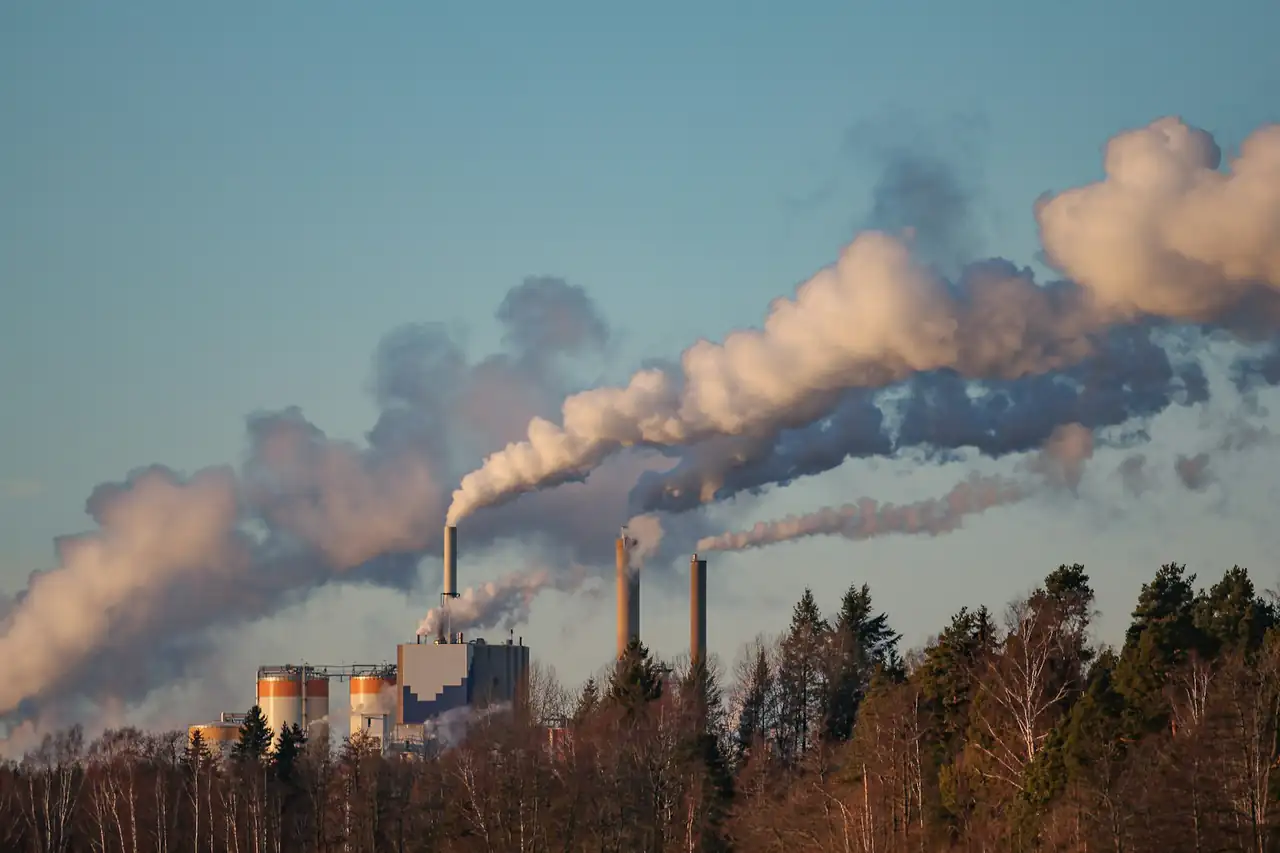
Two numbers get confused all the time in supplier emails. One is "our T-shirt is 4.2 kg CO2e" and the other is "our factory is carbon neutral". The first is a footprint, a measurement. The second is usually a footprint minus some credits someone bought, and in the EU that second sentence is now a legal risk on a consumer product.

This guide covers both, and where they meet. It sits in our certifications and compliance hub. If your question is the EU's border tax on carbon for steel, aluminium, cement and fertiliser, that's CBAM, and we don't repeat it here.
Every product carbon footprint (PCF) hides three choices, and they change the answer more than the factory does.
So the first question to any number is never "is it low?". It's "low compared to what boundary, on whose data, checked by whom?".
| Standard | What it covers | What it does not prove |
|---|---|---|
| GHG Protocol Corporate Standard | A company's Scope 1, 2 and 3 emissions | Anything about one product |
| GHG Protocol Product Standard | One product's life cycle | That the number was checked, unless verified |
| ISO 14064-1 | An organisation's greenhouse gas inventory | A product footprint |
| ISO 14064-2 | A project's reductions or removals | That the project is in a credit registry |
| ISO 14064-3 | How a third party verifies the above | Anything if the verifier isn't accredited |
| ISO 14067 | One product's carbon footprint | That the product is low carbon, only that it was counted properly |
The trap I see most often - a supplier sends an ISO 14064 verification statement for the whole company when you asked for a product number. It's a real document. It's just the wrong one.
A carbon credit is one tonne of CO2e reduced or removed by a project somewhere, issued by a programme and tracked by serial number. The best-known voluntary programmes are Verra (the Verified Carbon Standard) and Gold Standard, and both publish public registries where every credit's project, vintage and status sit in the open.
To check a credit claim -
A credit doesn't change the product's footprint by a gram. It's an offset claimed next to it.
The EU's Directive (EU) 2024/825, which amends consumer law, applies from 27 September 2026. Among other things, it bans claims that a product has a neutral, reduced or positive climate impact when the claim rests on offsetting. Generic words like "eco" or "green" also need recognised excellent performance behind them (read via Bird & Bird's summary (opens in a new tab), the Official Journal text was not read). The UK and Australia already police similar claims under general consumer law, which we cover in eco-labels and green claims.
That's a consumer-facing rule. Your corporate climate report can still mention credits, but the swing tag can't say "carbon neutral tee" on the strength of them.
If you buy from India and a customer, a retailer or your own Scope 3 reporting asks for supplier carbon data, this is what to do and when.
Red flags - a footprint with no boundary stated, a round number for every SKU, a "certificate" from a platform rather than a verifier, or credits with no serial numbers.
India notified the Carbon Credit Trading Scheme (CCTS) in 2023 (S.O. 2825(E)) and amended it to add an offset route (S.O. 5369(E)). The Bureau of Energy Efficiency (BEE) runs it, the Central Electricity Regulatory Commission regulates trading, and the Indian Carbon Market portal (opens in a new tab) handles registration (BEE (opens in a new tab), read 17 October 2026).
It has two parts -
On 17 October 2026 the portal showed 220 compliance registrations and 78 offset registrations, and CERC's 2026 regulations on buying and selling credits were listed as published. Press reports quoted BEE expecting certificates and trading from October 2026. We found no official notice confirming trading had started, so check the current status on the portal before you plan around it.
Why it matters to a foreign buyer - an Indian textile mill inside the scheme now has audited energy and emissions intensity data, because it has to. That data is the raw material for a credible footprint.
This is the route most export factories take when a buyer asks for product carbon data.
Step 1 - Pick the product and the method. Agree with the buyer which SKU, which method (ISO 14067 is the common ask) and which boundary. Half a day, and save the email.
Step 2 - Gather twelve months of activity data. Electricity bills, diesel and fuel purchases, boiler fuel, raw material quantities, yields, waste, and inbound transport. One to three weeks, and it's where most factories get stuck because nobody kept fuel logs by line.
Step 3 - Get upstream data where you can. Ask your yarn, fabric or steel supplier for their own figures. Where they can't give them, use a documented database value and say so.
Step 4 - Calculate. In house with a trained person, or with a consultant. A spreadsheet is fine for a first footprint if the method is followed. Two to four weeks.
Step 5 - Get it verified. Hire an accredited verifier for ISO 14067 or the GHG Protocol. It reviews the data, may visit, and issues a verification statement naming the product and the boundary. Allow four to eight weeks, and check the current fee with the verifier. Common findings - missing months of fuel data, electricity counted at the wrong grid factor, and allocation between products that can't be explained.
Step 6 - Send the buyer the right pack. The footprint report, the verification statement and a one-page summary with method, boundary, functional unit and data year. Don't send a "carbon neutral" badge.
Step 7 - Refresh yearly. Footprints go stale when power sources or yields change. A yearly update on the same method is what buyers expect.
Step 8 - If you want to earn credits. A renewable energy or efficiency project can go through CCTS offsets or a voluntary programme. Register on the Indian Carbon Market portal as a project developer, use an approved methodology, then get validation and verification from an accredited agency. That's a months-long project, not a quick win.
If you're a buyer with twenty suppliers and a reporting deadline, chasing activity data out of each factory is real work. SourcingSync (opens in a new tab) can run that collection for you.
This example is an illustration built from the rules above, not a real firm.
A UK fashion brand buys organic cotton tees from a Tiruppur knitter. Its retail customer asks for a product carbon footprint for one style.
The brand asks for ISO 14067, cradle to gate, "one tee, 180 gsm, size M". The knitter pulls twelve months of power bills (some from rooftop solar, with meter readings), boiler fuel and yarn quantities, and asks its spinning mill for the yarn's footprint. The mill, which sits in the textiles sector of India's scheme, already has audited energy data and supplies a figure. Database values fill the dyeing chemicals. An accredited verifier signs off after one finding on fuel allocation is fixed.
The brand gets a verified number per tee with its method and boundary, and it does not print "carbon neutral" on the tag. More on the product in our cotton T-shirts guide.
It's a standard for counting. A third party can verify a footprint against it, and that verification statement is what buyers want.
It can buy credits, but the product's footprint stays the same, and an offset-based neutral claim to EU consumers is banned from 27 September 2026.
Look up its serial number in the programme's public registry and check it's retired in the claimant's name.
The compliance part covers obligated industries set by government. Other firms can join through the offset route with an eligible project.
No. CBAM is an EU charge on embedded emissions in certain imports. See CBAM.
Ready to act
Want this supplier checked before you commit?
SourcingSync can verify who makes it and who answers for quality, then manage the supplier for you.
Textile sourcing by product family: apparel, knitwear, home textiles, handloom and jute. Where each is made, what importers buy from India, and the border rules that change your cost.
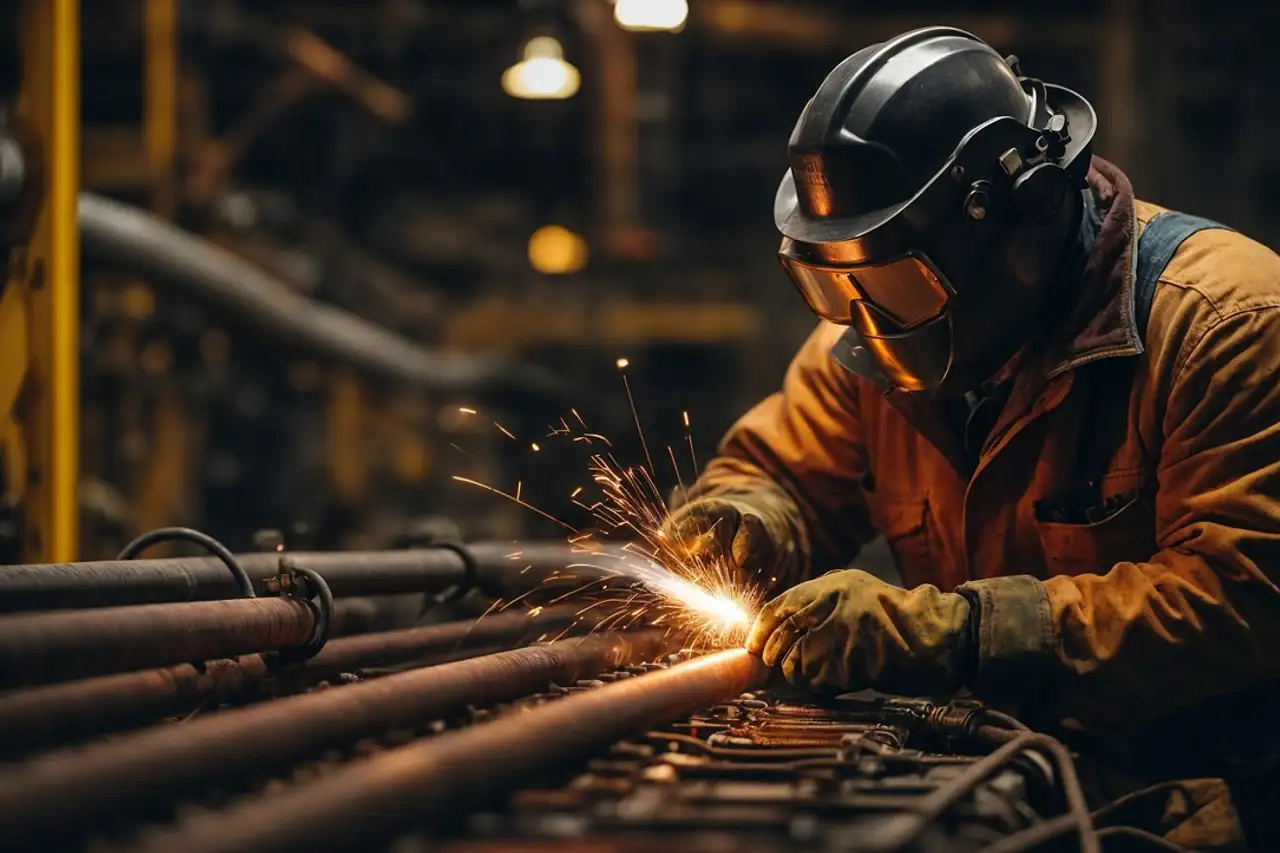
Engineering goods are India's largest export line. Which parts a wholesaler can buy, where they are made, and how US Section 232 and EU CBAM change metal prices.
Yash Khatri founded SourcingFrom to give buyers outside India the full picture of sourcing from India: what the country makes well, where it is made, who makes it and how it ships. He writes and edits every guide on the site, and holds each one to the same rule: say what we know, show how sure we are, and say plainly where the evidence runs out. He also runs SourcingSync, the hands-on service that does the sourcing work for buyers, and Kirnova, the data and intelligence company behind SourcingFrom Intelligence.
Want new guides when they go up? Get the newsletter
Leave your email and the PDF downloads straight away. We don't email it to you.
From 27 September 2026 EU consumer law bans vague green words without proof of excellent performance, labels that are not certified or set by public authorities, and offset-based neutral claims. The UK CMA can now fine directly, and Australia's courts have fined a household brand $8.25 million. Whoever sells to the consumer carries the claim, so importers need proof from their suppliers before anything is printed.
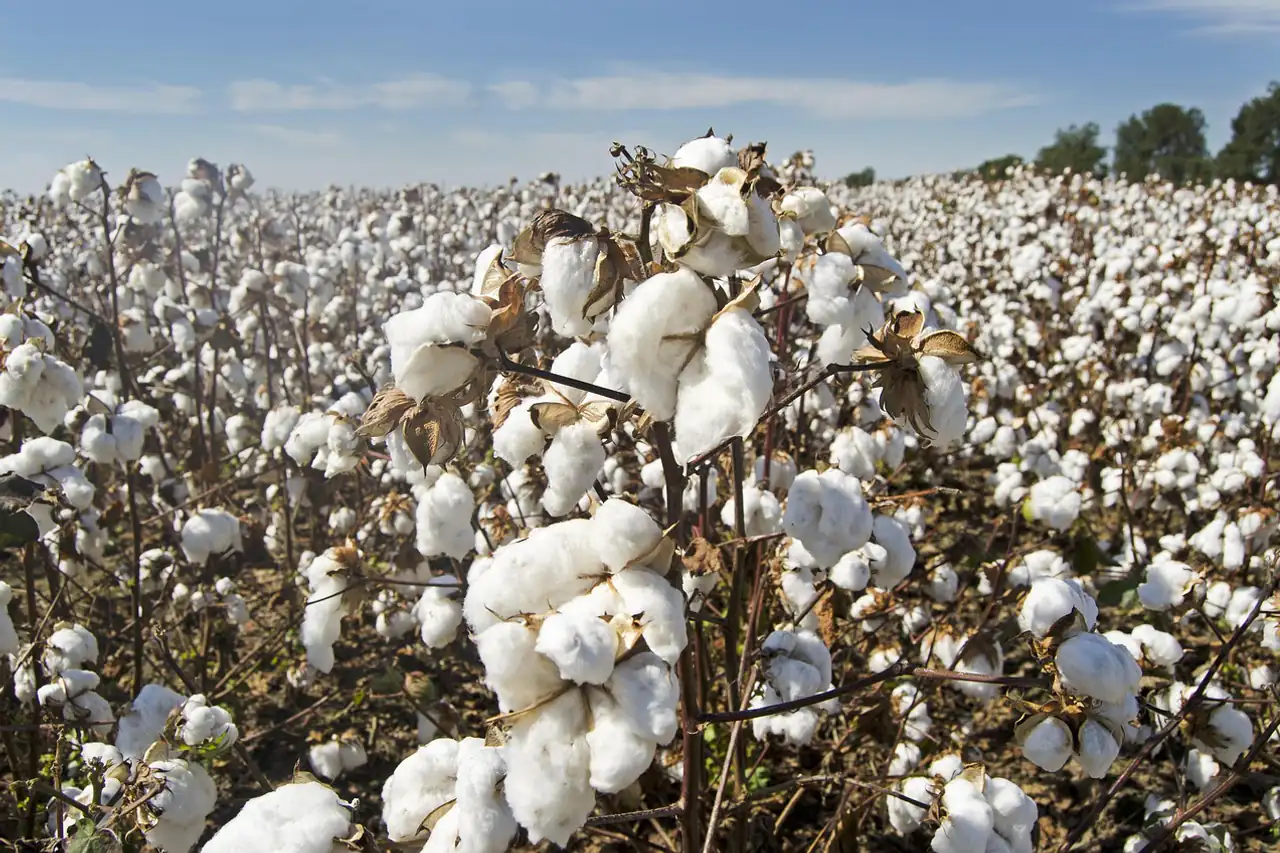
Fairtrade and Rainforest Alliance are both farm-level sustainability marks, but they work differently. Fairtrade sets a Minimum Price and pays a Premium to producer organisations, and FLOCERT certifies everyone in the chain who trades the goods. Rainforest Alliance certifies farms and supply chain actors against its 2020 standard through accredited certification bodies. This guide shows importers how to check both and gives Indian producers and exporters the steps to certify.

A halal certificate is a private or national body saying a product or a plant meets Islamic dietary rules under a named standard. For meat from India it is now also an export rule. This guide shows importers which issuers their market accepts and how to check one, and walks an Indian exporter through i-CAS Halal and the importing country's own system.

CE and UKCA are the maker's own declaration that a product meets EU or GB product law, backed by a technical file and sometimes a third-party body. This guide shows an importer what to ask for and how to check it, and walks an Indian manufacturer through the steps from finding the right directive to signing the declaration.

Every certificate answers one question for one market. This index lists the certification guides by group, says in a line what each one is and who needs it, and gives a table of which certificates a product family usually needs in each main market. Each guide has a half for importers and a half for Indian exporters.
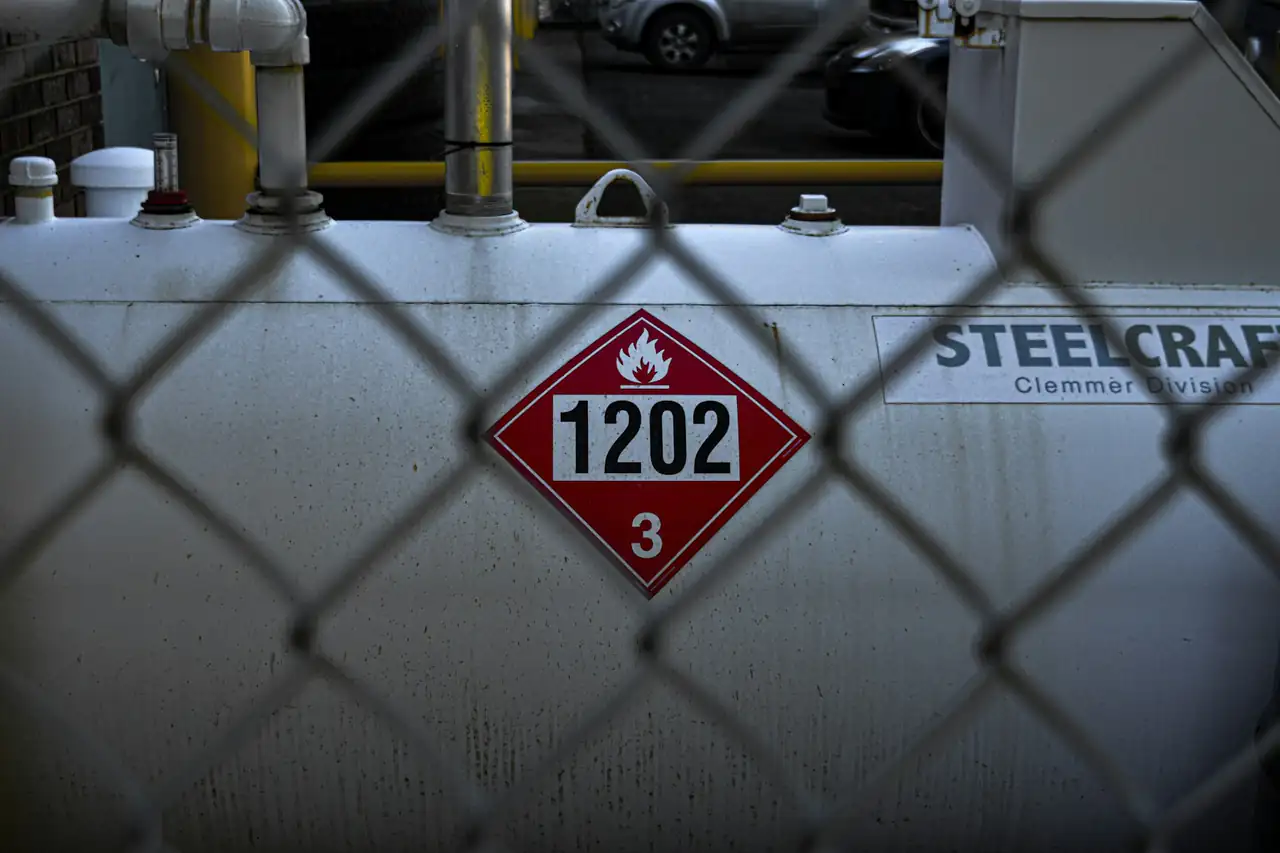
A surprising share of what buyers source from India ships as dangerous goods: essential oils, attars, perfumes, paints, adhesives, aerosols, some chemicals and anything with a lithium battery. Dangerous goods need a classification, a declaration signed by a trained shipper, compliant packing and labels, and for batteries a UN38.3 test summary. Get it wrong and the carrier refuses the cargo, or worse. This guide shows the buyer what to ask for and the Indian exporter how to prepare it.