Skip to content

EU CBAM for Importers: Steel, Aluminium and Fasteners

Updated

8 min read

How the EU Carbon Border Adjustment Mechanism, in its definitive phase since 1 January 2026, affects a buyer of Indian steel, aluminium and fasteners. It covers the three tests for whether you are in, the 2027 payment calendar, and the emissions data to ask your Indian supplier for.

Key takeaways

  • The tariff line decides scope: forged articles in 7326 and fasteners in 7318 are in, cast articles in 7325 and kitchenware in 7323 are out by our reading.
  • Importers of 50 tonnes or less a year of CBAM goods, from every origin together, are exempt.
  • Certificates for 2026 imports go on sale on 1 February 2027 and the first surrender is due by 30 September 2027.
  • Default emissions values carry mark-ups rising to up to 30% from 2028, so verified supplier data saves money.
  • The EU plans to extend CBAM to about 180 downstream steel and aluminium products from January 2028.

In 2025 EU customs recorded about 96,000 tonnes of Indian screws, bolts, nuts and washers coming in from India, worth US$354 million (UN Comtrade, HS 7318, our pull). That works out at an average of roughly US$3.70 a kilo. Hold that number, because it answers the first question every EU buyer of Indian metal goods should be asking this year. At that average, the 50 tonnes that bring you into the EU's carbon border regime is under US$190,000 of fasteners a year. Plenty of mid-sized distributors cross it without noticing.

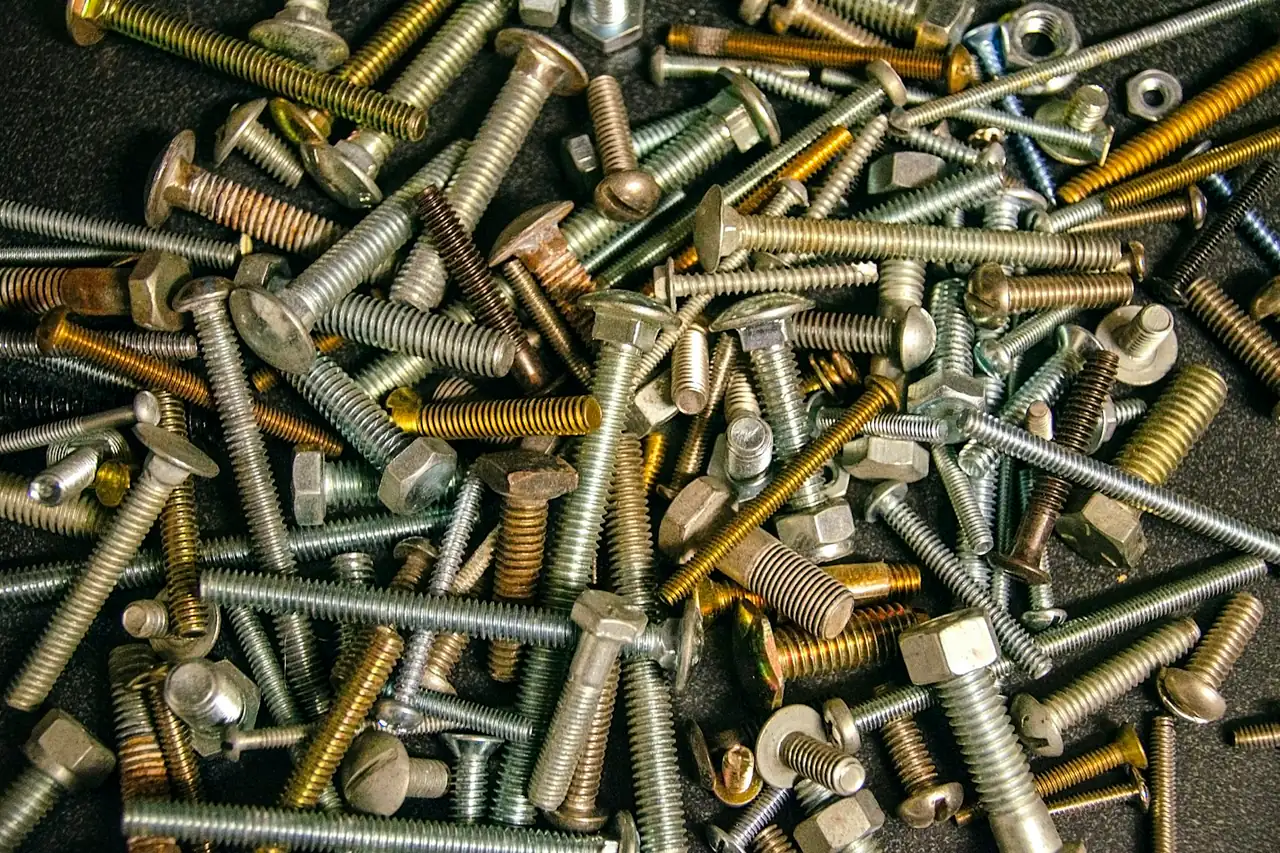
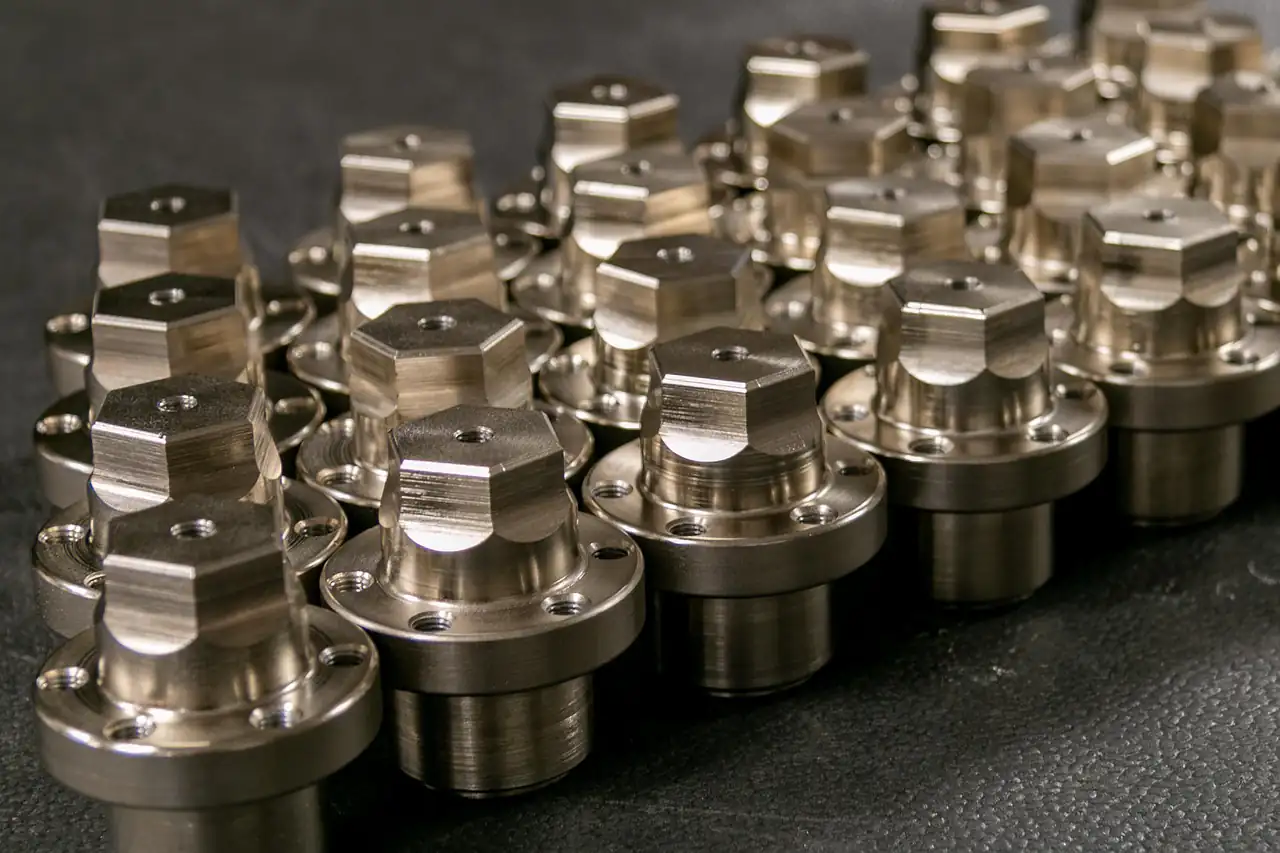
A heap of steel bolts, screws and nuts

The Carbon Border Adjustment Mechanism, CBAM, has been in its definitive phase since 1 January 2026 (DG TAXUD (opens in a new tab)). This page is for the importer, not the steel mill. It covers whether you're in, what you'll owe and when, and the exact data to ask your Indian supplier for, because that data is the difference between paying on real emissions and paying on punitive defaults. Our honest caveat - the EU is still finalising default values and the mark-ups on them, so we date everything and don't publish cost estimates.

Are You In? Three Tests

1. Is the product covered? CBAM covers iron and steel, aluminium, cement, fertilisers, electricity and hydrogen (DG TAXUD (opens in a new tab)). For a buyer of Indian goods that means mostly chapters 72, 73 and 76. Heading 7318, fasteners, is in (GOV.UK list (opens in a new tab)). So is 7326, other articles of iron or steel, which takes in many forged parts. By our reading of the annex through secondary sources, cast articles in 7325 and household articles in 7323, which includes stainless kitchenware, are not. A finished machine or vehicle part classed in chapter 84 or 87 is outside too.

So the tariff line decides it, and a single heading can flip your obligation. A forged steel bracket in 7326 is in. The same bracket cast and classed in 7325 isn't. Get the line confirmed by your customs broker before anything else. HS codes explains how lines get decided, and castings and forgings works the 7325 versus 7326 question for that product.

2. Do you cross 50 tonnes a year? Importers bringing in 50 tonnes or less a year of CBAM goods, by net mass, are exempt from the obligations (DG TAXUD (opens in a new tab)). Above it, you must hold authorised CBAM declarant status. The threshold counts all your CBAM goods together, from every origin, not just India.

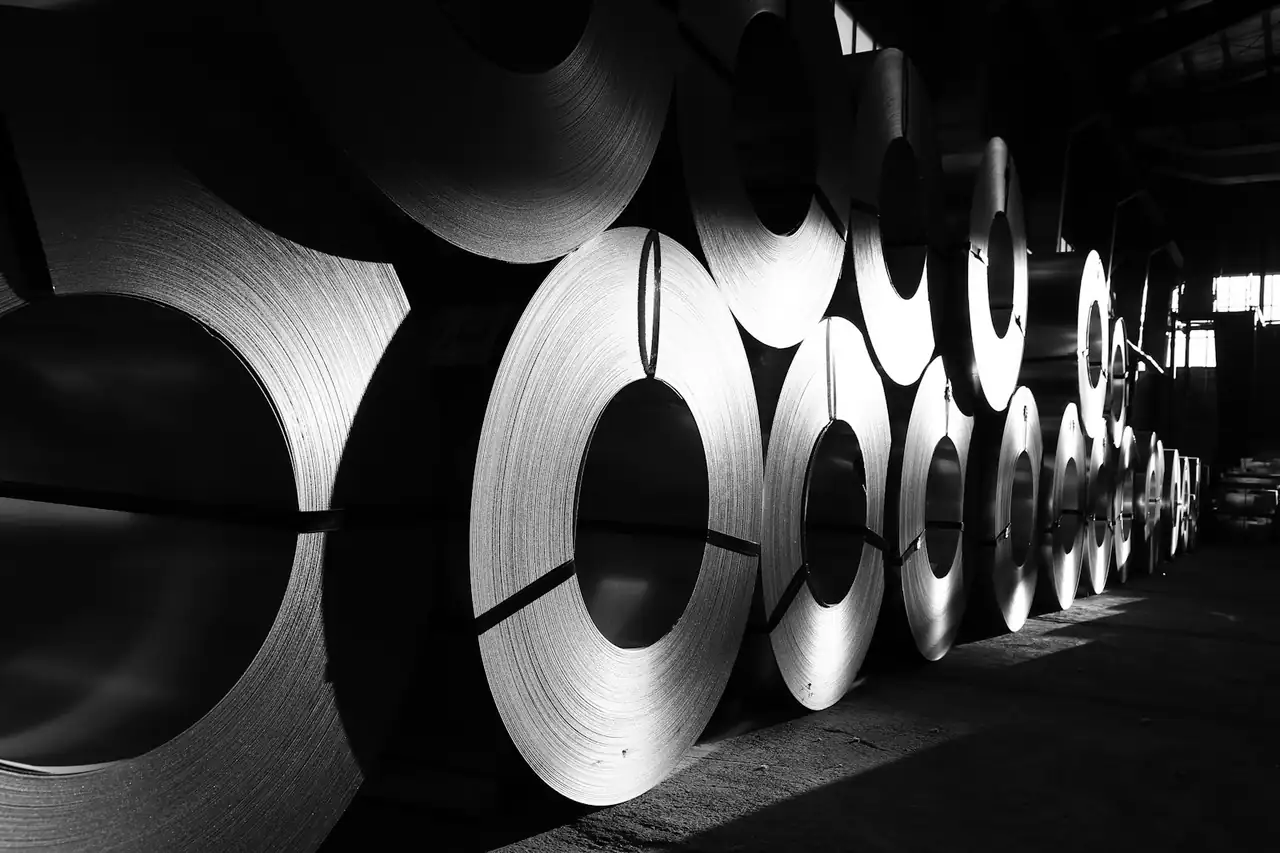
Rolled steel coils stacked in a store

Here's what 50 tonnes means in Indian trade at 2025 average values, our arithmetic on what EU customs recorded from India (UN Comtrade).

HeadingWhat it isEU imports from India, 2025Average value50 tonnes is roughly
7318Screws, bolts, nuts, washers96,470 t, US$354mUS$3.67/kgUS$184,000 a year
7326Other iron or steel articles70,798 t, US$318mUS$4.49/kgUS$225,000 a year
7304Seamless tubes and pipes33,314 t, US$221mUS$6.63/kgUS$332,000 a year

These are averages across everything in the heading, not prices, and your goods will differ. The point is scale. Heavy, cheap-per-kilo metal goods reach 50 tonnes fast. A buyer of decorative brassware or kitchenware can be nowhere near it, and a buyer of bolts can pass it in a quarter.

3. Who is the importer? The obligation sits with the importer, or the indirect customs representative acting for one. If your Indian supplier sells to you DDP, someone in the EU is importing for them and carries the CBAM duty, and they'll price it in. Ask who. Importer of record explains why that party matters.

What You Owe, and When

Authorised declarants buy CBAM certificates from their national authority. Certificate prices follow the EU emissions trading auction price, as a quarterly average in 2026 and a weekly average from 2027 (DG TAXUD (opens in a new tab)). Each year you declare the emissions embedded in what you imported and surrender certificates to match.

The calendar for 2026 imports, as reported by EU law firms and not yet a single official page we could read:

  • 31 March 2026. Importers who had applied for declarant status by then could keep importing while the application was processed (Bird & Bird (opens in a new tab)).
  • 1 February 2027. Certificate sales open for 2026 imports.
  • 30 September 2027. The first annual declaration and surrender, covering 2026.

So a buyer importing Indian fasteners today pays for this year's carbon in 2027. Many haven't put that in their landed cost yet. If you price annual contracts, it belongs in this year's calculation.

What if you get it wrong? Penalties for unsurrendered certificates are set in Article 16 of the regulation at €100 per tonne of CO2 equivalent, indexed (secondary summary (opens in a new tab), Reported). Check the current figure with your broker.

Why Supplier Data Is Worth Money

Every tonne you import carries emissions. You can declare them two ways.

  • Actual values, the real emissions of the installation that made your goods, verified by an accredited CBAM verifier. In 2026 verifiers must visit the site (secondary summary (opens in a new tab), Reported).
  • Default values, set by the EU per country and product. They come with mark-ups that step up, reaching up to 30% from 2028 for most products (same source, Reported).
Actual valuesDefault values
SourceThe installation that made your goodsSet by the EU per country and product
CheckVerified by an accredited CBAM verifier, with a site visit in 2026None needed
Cost over timeFollows real emissionsMark-ups step up, up to 30% from 2028 for most products

Defaults are built to be worse than a typical real figure, so a buyer who can't get supplier data pays more, and pays more each year. That's the commercial heart of CBAM for you. A supplier who can hand over verified emissions is worth more than one quoting slightly lower without them.

There's a practical twist. CBAM counts the emissions of the precursors, the steel or aluminium your supplier bought, so the maker of your bolts needs data from the mill that made its wire rod. A small unit that buys its steel through a trader may not have that data yet. That isn't a sign of a bad supplier. Most simply haven't been asked until now, which is why asking early matters.


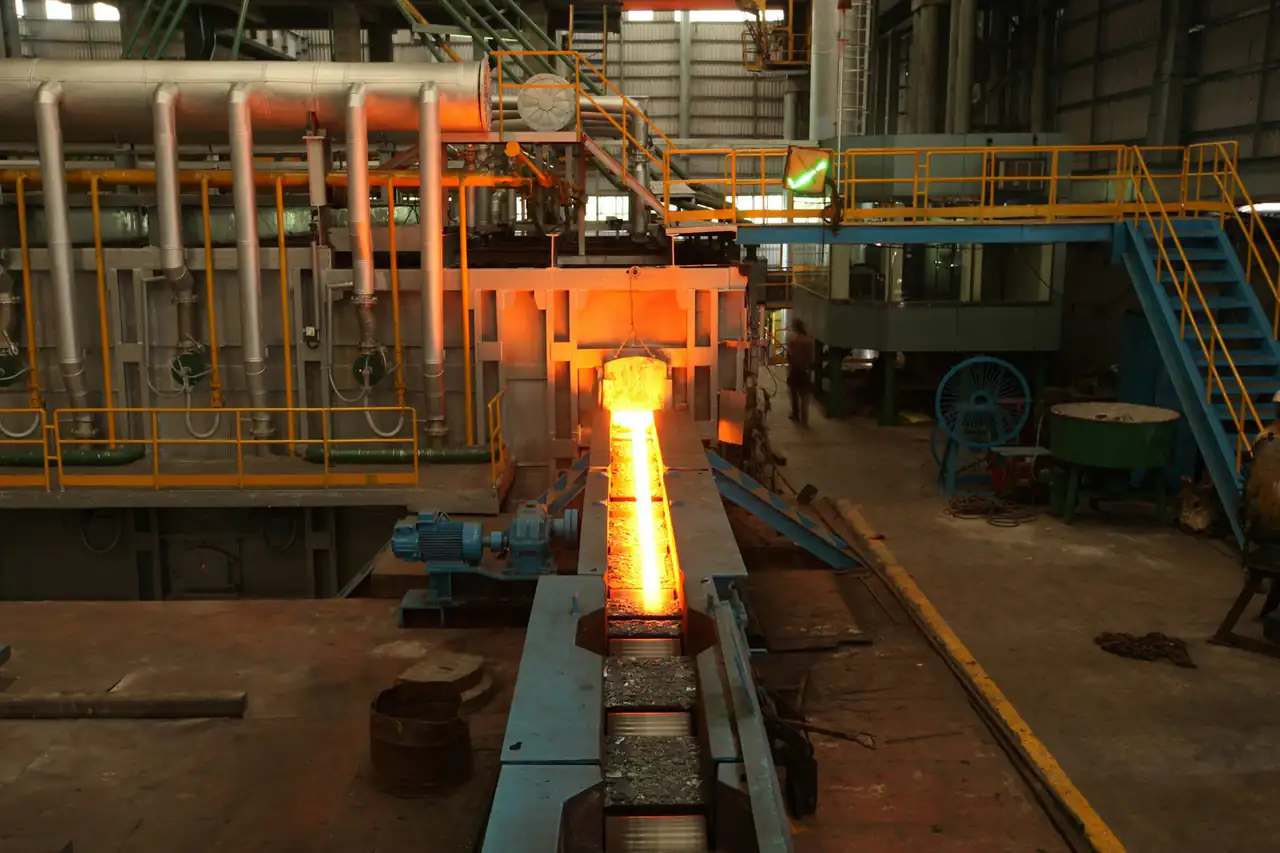
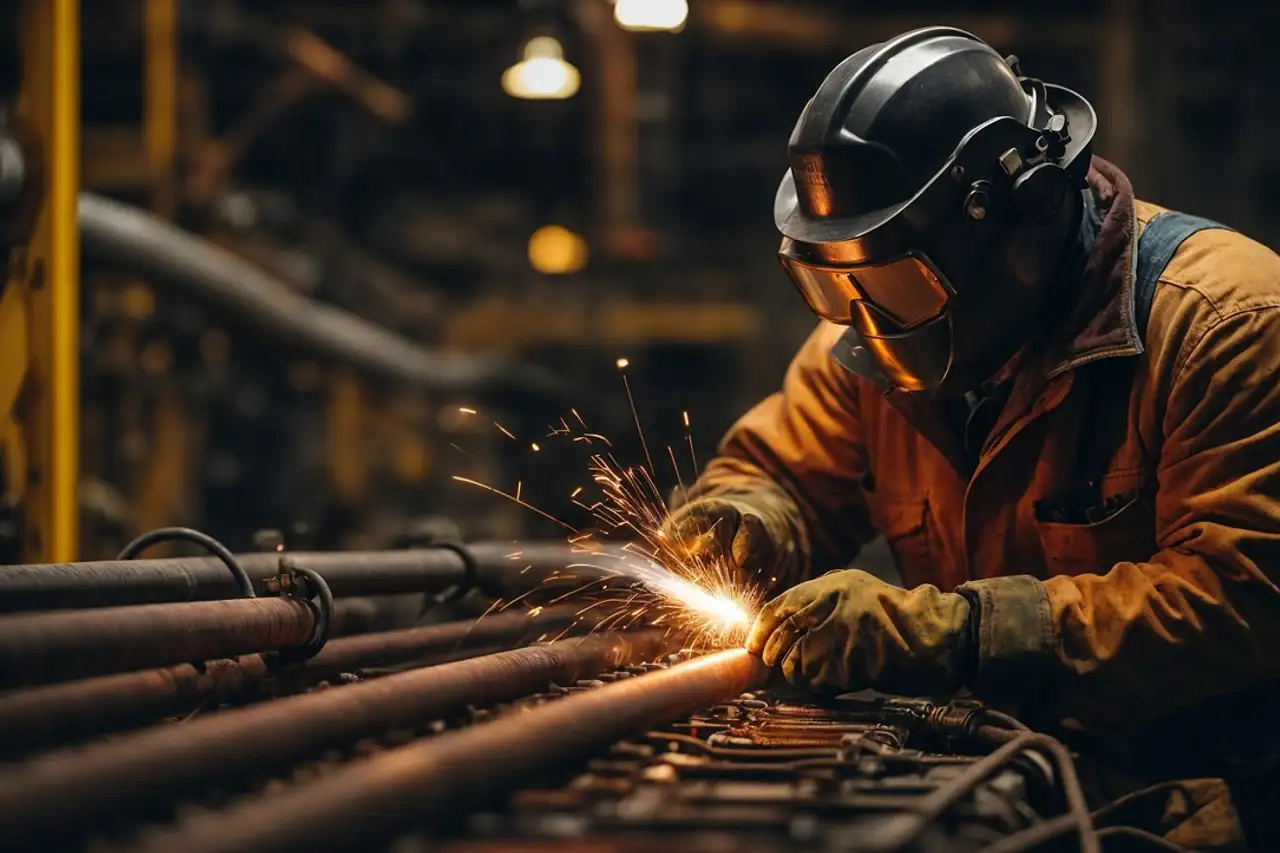
Hot steel moving through a rolling mill

The Data to Ask Your Indian Supplier For

Ask early, in the RFQ, and in this order. A supplier who can answer the first four is already ahead of most.

  1. The exact tariff line for each item, so you and your broker can confirm it's in scope.
  2. The net mass per item and per shipment, on the invoice.
  3. The installation that made the goods, with its name, address and whether it's the supplier's own plant. If the supplier is a trader, which factory. Trading is a normal model, so ask, don't assume.
  4. The steel or aluminium source. Which mill or supplier made the billet, wire rod, coil or ingot used, and by which route (blast furnace, electric arc, induction).
  5. Embedded emissions, direct and from precursors, per tonne of product, for the reporting period.
  6. Verification. Whether the installation's emissions have been verified by an accredited CBAM verifier, or when they will be.
  7. Any carbon price paid in India, which can be deducted if proven. Ask, and expect the answer to be none for now.

Put the duty to provide this data in your purchase terms. If a supplier can't give items 4 to 6 yet, agree a date. Larger Indian mills and fastener makers are already producing CBAM data for EU buyers, and the Indo-German Chamber publishes a CBAM brief (opens in a new tab) aimed at both European declarants and Indian manufacturers, which is a useful document to send a supplier who's new to it.

What's Coming

The EU plans to extend CBAM to about 180 further steel and aluminium based downstream products from January 2028 (GTRI (opens in a new tab), Reported). If you buy finished metal goods that sit outside scope today, kitchenware or castings for example, watch that list. Buyers who start collecting supplier data now won't be scrambling in 2028.

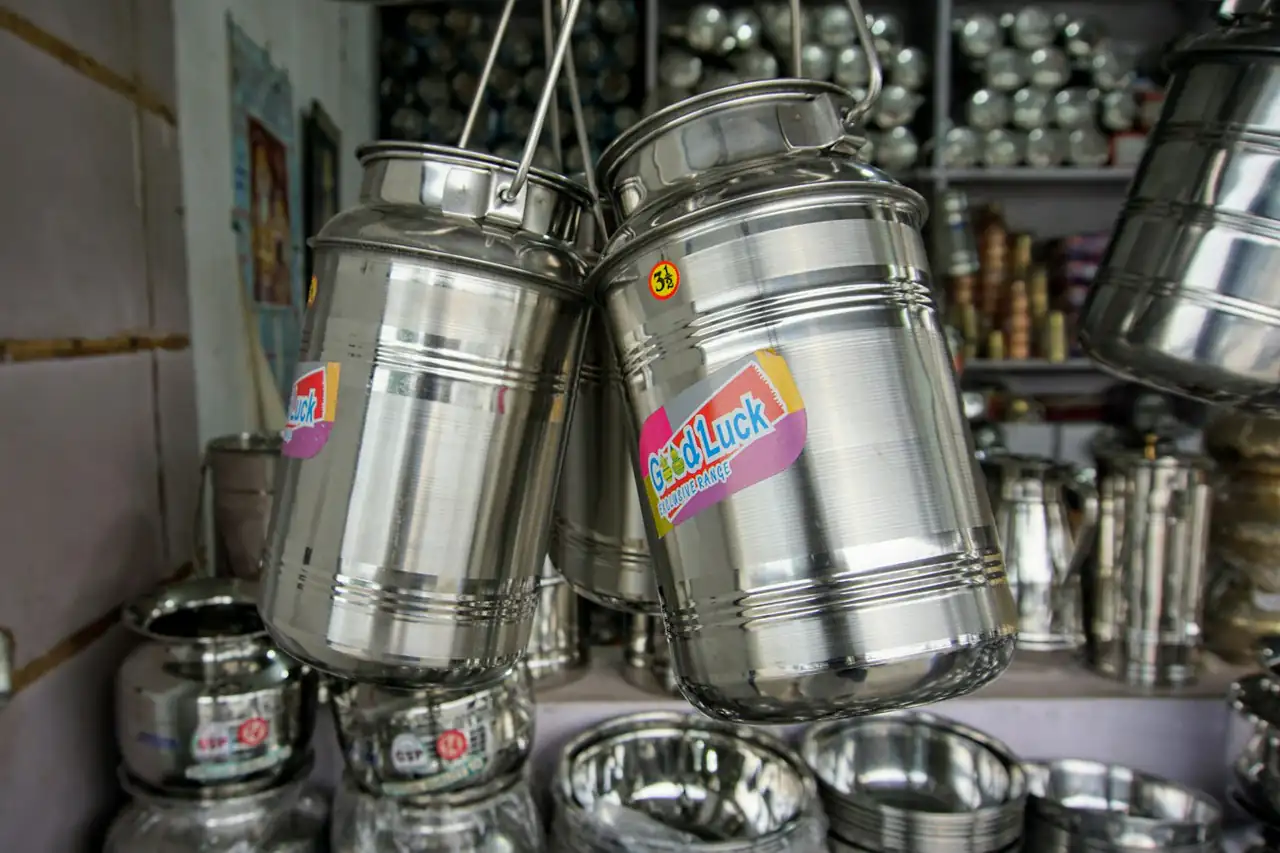
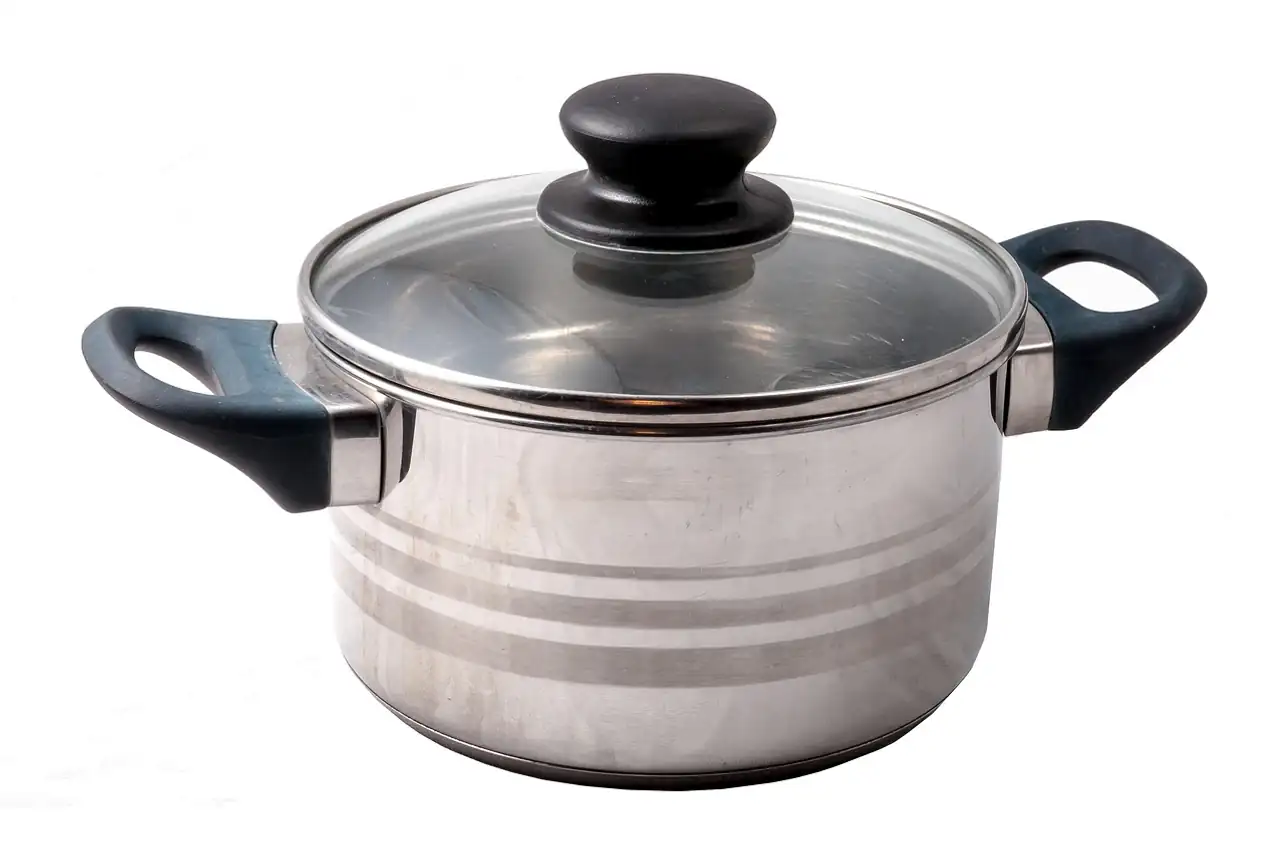
Steel kitchen pots and containers hanging in a shop

Meanwhile CBAM stacks on top of duty, not instead of it. India lost EU GSP on base metals for 2026 to 2028, so most of these lines pay the full EU rate as well, and there's no EU-India FTA in force. The duty side is on India to the EU and engineering goods.

Ready to act

Need hands-on help?

Collecting installation and emissions data from Indian suppliers, checking which units can supply verified figures, and shortlisting makers who can is execution. SourcingSync does it on the ground.

Talk to SourcingSync (opens sourcingsync.com in a new tab)

Questions Buyers Ask

I import less than 50 tonnes. Do I need to do anything?

Not under CBAM, but count carefully. The threshold covers all your CBAM goods from every country, by net mass, across the year. Keep the tonnage record in case you're asked.

Does CBAM apply to Indian stainless steel kitchenware?

By our reading, household articles in heading 7323 are outside the current scope. Check your exact line with your broker, and watch the 2028 extension.

My supplier says CBAM is the EU's problem, not theirs. Legally it's yours. Commercially it's theirs too, because without their data you pay defaults, and they'll lose EU buyers to suppliers who can provide it.

Can my supplier pay CBAM for me?

Only by selling to you DDP through an EU importer who is a declarant. That importer will price it in. Compare it with buying FCA or FOB and declaring yourself.

Back to the Bolts

Ninety-six thousand tonnes of Indian fasteners went into the EU last year, and every tonne bought above a buyer's 50-tonne line now carries a carbon bill payable in 2027. The buyers who come out well won't be the ones who found the cheapest bolt. They'll be the ones who knew their tariff lines, counted their tonnage and asked their supplier, early and politely, where the steel came from.

Related reading: import duty, rules of origin and made in India with Chinese inputs.

Download this guide as a PDF

Leave your email and the PDF downloads straight away. We don't email it to you.

Are You Actually Getting Zero Duty on Indian Goods in Australia?

Not automatically. Since 1 January 2026 every tariff line from India can enter Australia at 0% under ECTA, but only with a certificate of origin from a designated Indian agency for that shipment. Without one, the Australian Border Force charges the general rate by default.

Latest articles

How Long Does Shipping From India to Australia Really Take?

Sea freight from India to Sydney, Melbourne, Brisbane or Fremantle takes about 25 to 36 days port to port, and about five weeks door to door. No carrier we read sails direct, every box changes ship at a hub such as Singapore, Port Klang, Colombo or Tanjung Pelepas, and a missed connection can push a shipment past 50 days.

Mundra or Nhava Sheva: Which Port Should Your Supplier Ship From?

Mundra is the closer port for every north Indian cluster we mapped, but closer is not always faster. In the schedules we read, Mundra was quicker to the US East Coast, Nhava Sheva was quicker to the UAE, New Zealand and slightly quicker to Europe, and for Australia the two are close.

Type a word you met on the page, a product or a place.