

Cotton T-Shirts From India: Which Town, What Each Border Charges and What It Tests
Where Indian cotton T-shirts are made, what Australia, NZ, the UK, US, EU and UAE charge on them, which origin proof you need and what to test first.
6 min read
A good made in India from Chinese inputs counts as Indian for a free trade agreement only if it meets the origin rule written for that product. The same shirt can pass in one market and fail in another, so the annex for your HS code decides, not the factory.
Sometimes yes, sometimes no, and it depends on the product, not on the factory. For a free trade agreement, a good made in India from Chinese inputs counts as Indian only if those inputs were transformed enough to meet the rule written for that product. A shirt sewn from Chinese fabric can pass in one market and fail in another, and ground cumin from imported seed fails in Australia however it's processed.
This matters more every year, because China+1 buyers often move the factory and keep the supply chain. Plenty of excellent Indian makers buy fabric, yarn, components or seed from China for a finish, a price or a lead time, and that's normal business. It isn't a red flag. It just means the "Made in India" on the carton and the "Indian origin" on the certificate are two different claims, and only the second one gets you the duty rate.
The agreement's product rule, read for your HS code. Each of India's agreements with Australia, the UK and New Zealand has an annex with one rule per chapter, heading or subheading. Some rules ask every imported input to change tariff code. Some ask for a minimum share of local value. Some ask for both, and some say the good must be wholly obtained in India. Chinese inputs only matter if they make the good fail that rule.
I won't repeat the whole method here, because rules of origin explained walks through it with a worked T-shirt and a worked sideboard. What that guide doesn't do is give you the question to ask by product type, which is what most buyers actually need on a first call.
Garments and home textiles. Ask "where are the yarn and the fabric made?" Under a heading-change rule, imported knitted fabric becoming a T-shirt passes the shift, so the value test decides, and fabric is the biggest cost in a basic garment. The UK's older DCTS scheme is stricter still. It requires "knitting and making-up (including cutting)" in India for cut-and-sewn knitwear, so a tee from imported fabric fails it outright (UK tariff, DCTS rule for 6109 (opens in a new tab)). India grows its own cotton, so a Tiruppur shirt knitted from Indian yarn is Indian from fibre to hem. The risk sits with synthetics, special finishes and printed blanks.
Spices. Ask "where was the seed or the whole spice grown?" Under ECTA, pepper, chillies, cumin, coriander, ginger, turmeric and cardamom must be wholly obtained in India or Australia. Spice mixtures may have a value alternative, by our reading of the annex. So a blend with imported seed may qualify, but ground cumin from imported seed can't (India to Australia has the annex reference). Grinding is not transformation.
Furniture and home goods. Ask "are the parts made here, or bought in and assembled?" Simple assembly is on the list of work that never confers origin in the UK and New Zealand texts. Flat-pack parts bought in and bolted together in India fail. Solid wood worked by hand passes comfortably, because labour is most of the value.
Electronics and electrical goods. Ask "which components are imported, and what share of the ex-works price are they?" Assembly-heavy products are where value tests bite hardest, as the phone figures above show. Get the bill of materials before you price the order with a preference in it.
Leather, brass and other craft goods. Usually the easiest case. The materials and the work are local more often than not. Still ask about hardware, zips and linings, and expect a straight answer.
In short:
| Product type | The question to ask | Where it usually lands |
|---|---|---|
| Garments and home textiles | Where are the yarn and the fabric made? | Indian yarn passes. Imported fabric depends on the value test, and fails the UK DCTS knitwear rule |
| Spices | Where was the seed or whole spice grown? | Single spices must be wholly obtained under ECTA. Grinding is not transformation |
| Furniture and home goods | Are the parts made here, or bought in and assembled? | Simple assembly fails. Solid wood worked by hand passes |
| Electronics and electrical goods | Which components are imported, and what share of ex-works price? | Value tests bite hardest here |
| Leather, brass and craft goods | Where do the hardware, zips and linings come from? | Usually the easiest case |
Differently. The US has no trade agreement with India, so there's no preferential rule to meet. But the US still decides country of origin, for marking and for the duty rate it applies, and that turns on whether the inputs were substantially transformed in India. Since US duties on Chinese and Indian goods differ, a product that's really Chinese with an Indian label is a risk for the importer, not the supplier. There's a second US issue too. Cotton traced to Xinjiang falls under the forced labour import ban whatever country the garment was sewn in, which our guides on forced labour due diligence and cotton traceability cover. Check the origin call for your product with your customs broker before you book.
Three things, and none of them is an accusation.
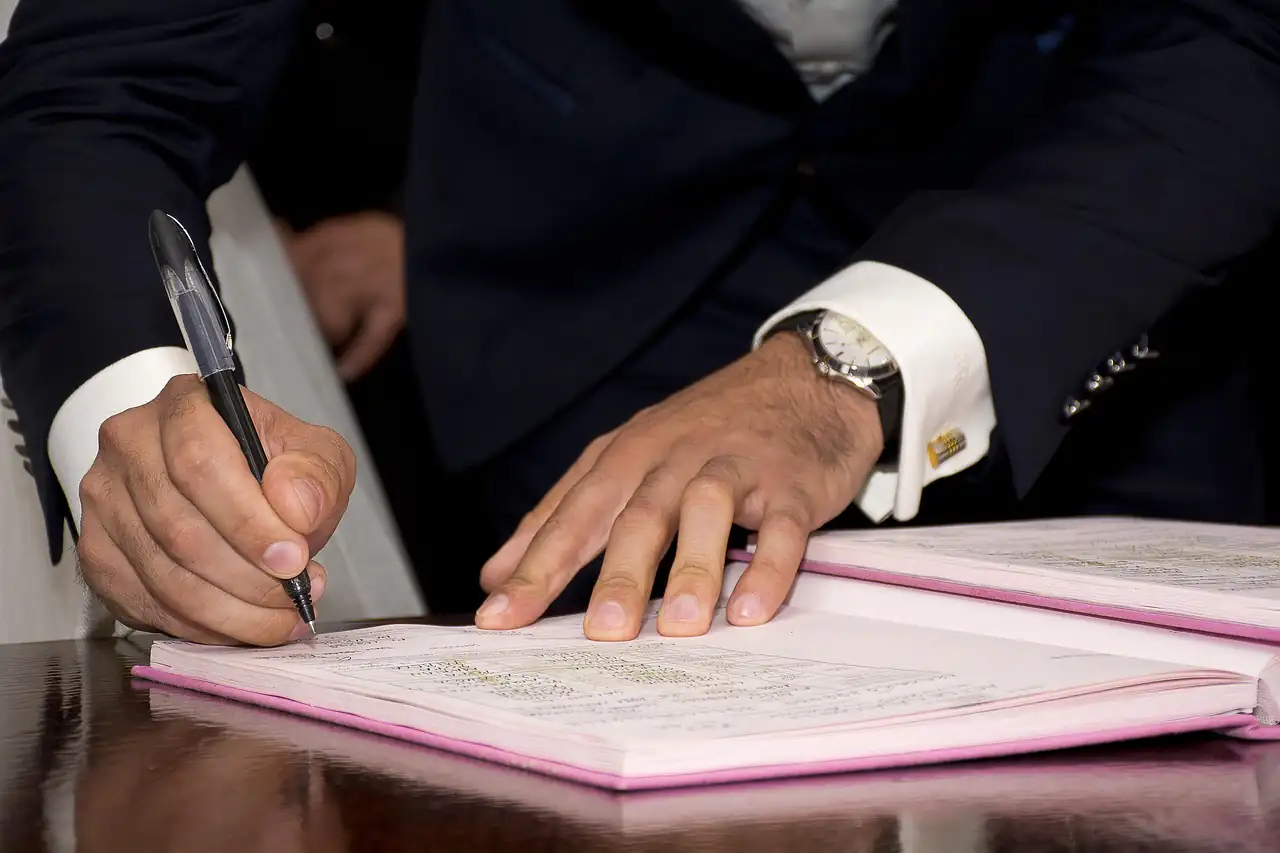
Put all three in the purchase order.
Then make sure the certificate is raised on the final commercial invoice. Since April 2026 India requires the certificate's invoice number to match the shipping bill, and a trade adviser summed up the effect of a mismatch as "the duty benefit is denied at destination" (LinkedIn, April 2026 (opens in a new tab)). The document side is covered in certificate of origin.
A supplier who won't share a bill of materials isn't necessarily hiding anything. Many small makers have never been asked for one. But until you have it, price the order at the full duty rate, not the preferential one.
Ready to act
Need hands-on help?
Collecting input-origin declarations from the maker for each order and checking them against the product rule before the goods sail is execution work. SourcingSync does it at the Indian end.
For the wider question of moving production, see moving manufacturing from China to India. For Australian buyers, are you getting ECTA zero duty? checks whether the preference is reaching you.
Chinese inputs don't make a product Chinese, and an Indian factory doesn't make a product Indian. The annex for your HS code decides. Ask the input question for your product type on the first call, get the bill of materials before you agree a price, and you'll know which rate you're really buying at.
Possibly in Australia or the UK under the agreements, if the shirt passes the value test. Not under the UK's DCTS scheme, which needs knitting in India. Get the cost sheet and check.
No. The heading doesn't change and printing is treated as minimal work.
They can, after clearance, and the duty comes back to you if the claim fails. That's why the records clause belongs in your PO.
No. It's a normal sourcing choice. It only matters for the duty rate, so you need to know about it before you price.
Where Indian cotton T-shirts are made, what Australia, NZ, the UK, US, EU and UAE charge on them, which origin proof you need and what to test first.
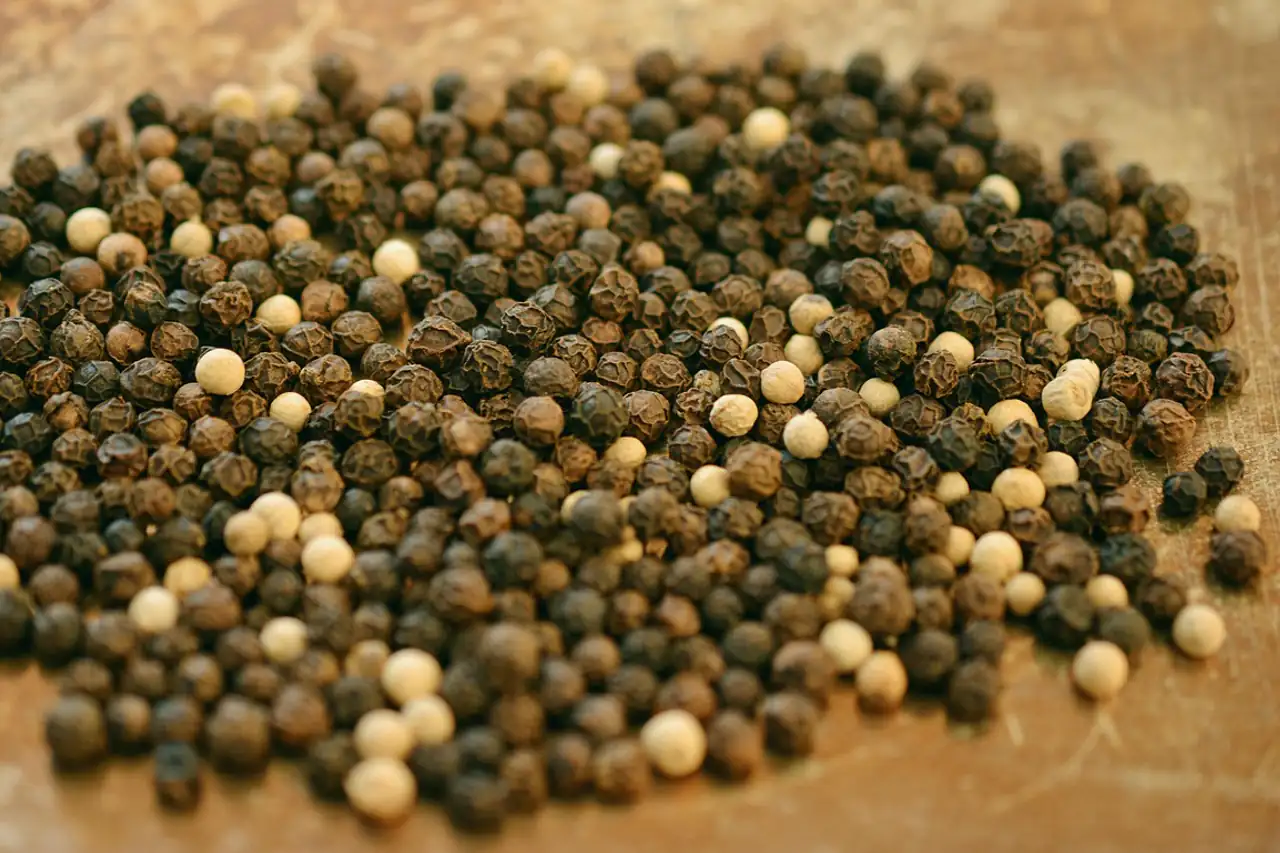
Cumin, chilli, pepper, turmeric and curry blends each fail borders for different reasons. What the EU, US and Australia catch, where spices are traded, and what to ask an exporter.
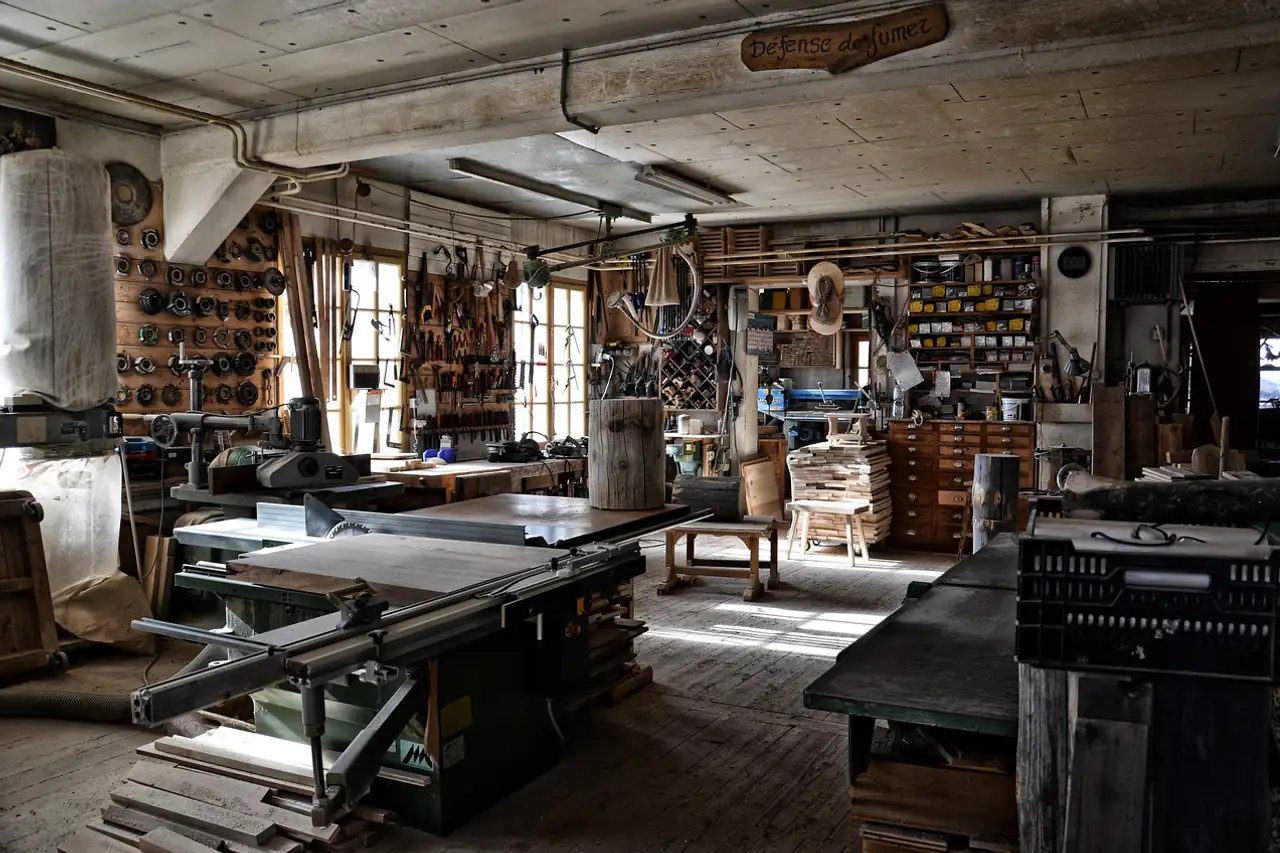
Which Indian town makes which wooden furniture, why duty is near zero at most borders, and the timber, biosecurity, tip-over and moisture checks that decide your order.
Yash Khatri founded SourcingFrom to give buyers outside India the full picture of sourcing from India: what the country makes well, where it is made, who makes it and how it ships.
Leave your email and the PDF downloads straight away. We don't email it to you.
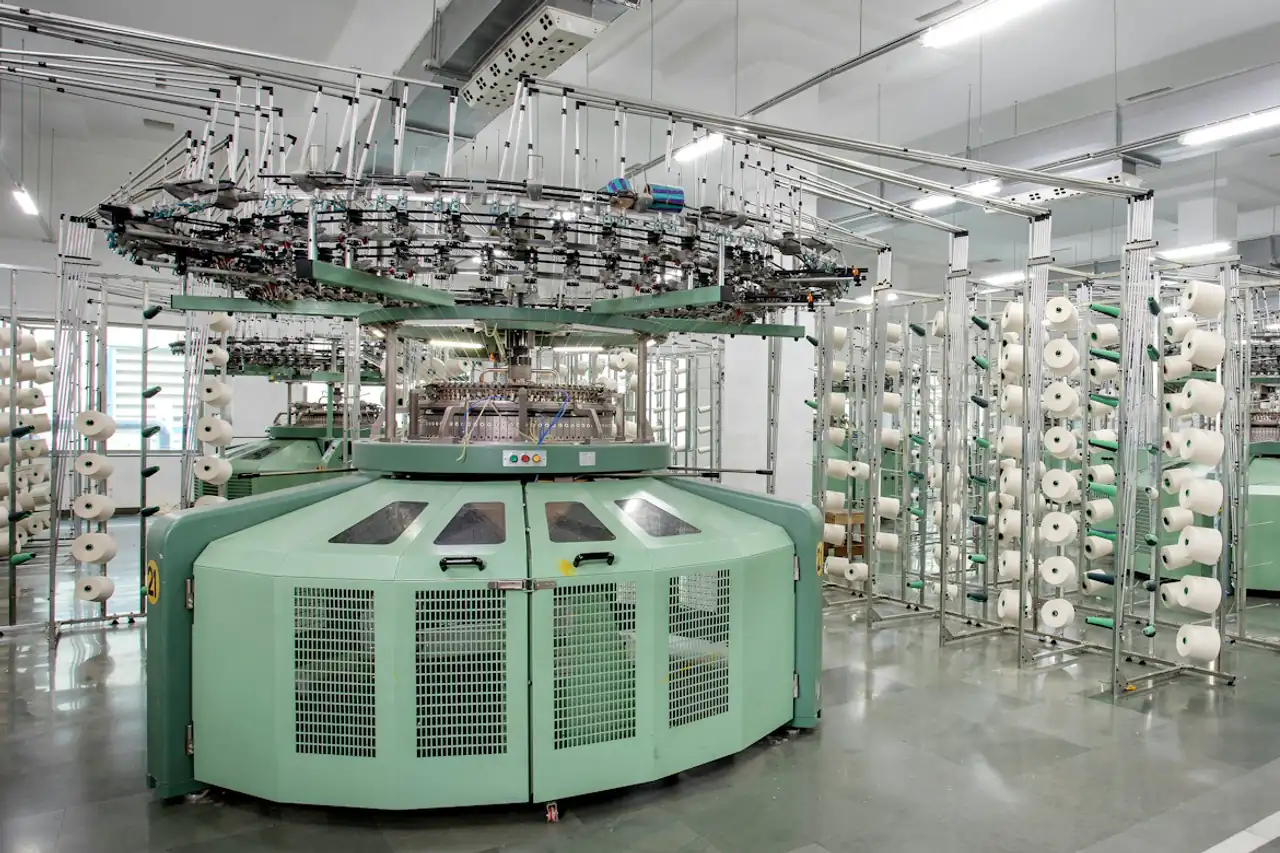
Rules of origin decide whether a product made in India actually qualifies for a trade agreement's lower duty, based on what happened inside the factory rather than where the container sailed from. This guide explains the four kinds of rule, how to read the annex for your line, tolerance and accumulation, and works through a cotton T-shirt and a wooden sideboard into the UK, Australia and New Zealand.

When an Indian supplier keeps saying your goods are nearly ready, the order is usually waiting on something unstated: material, a bigger order on the same line, or work at another workshop. Ask for dated proof of where the order physically is, not for another date.
A city-by-city guide to what China's main factory cities make, from Shenzhen electronics to Yiwu's market and Foshan's tiles and furniture, using official Chinese and World Bank figures. It also explains why there is no single count of Chinese factories and how a buyer should choose a city.

Sea freight from India to Sydney, Melbourne, Brisbane or Fremantle takes about 25 to 36 days port to port, and about five weeks door to door. No carrier we read sails direct, every box changes ship at a hub such as Singapore, Port Klang, Colombo or Tanjung Pelepas, and a missed connection can push a shipment past 50 days.

Sea freight from India to Auckland takes about 29 to 32 days port to port on a Port Klang relay, and 36 to 39 days to Tauranga. Other routings we read took 51 to 97 days because they relayed through North Asia or Oakland, so the relay your forwarder books decides your transit.

Mundra is the closer port for every north Indian cluster we mapped, but closer is not always faster. In the schedules we read, Mundra was quicker to the US East Coast, Nhava Sheva was quicker to the UAE, New Zealand and slightly quicker to Europe, and for Australia the two are close.