


Cotton T-Shirts From India: Which Town, What Each Border Charges and What It Tests
Where Indian cotton T-shirts are made, what Australia, NZ, the UK, US, EU and UAE charge on them, which origin proof you need and what to test first.
9 min read
What the US, EU, UK and Australian forced-labour and modern slavery rules ask of a small importer buying from India. It shows where the documented risks sit in Indian supply chains, what a SMETA audit does and does not prove, and a set of fair checks to run with suppliers.
On 29 July 2022 US Customs ordered every port to hold garments from Natchi Apparel, a factory in Dindigul, Tamil Nadu, on suspicion of forced labour. Five and a half weeks later it lifted the order and released the goods already detained. The company and its parent, Eastman Exports, had shown evidence that Natchi "had addressed all five" of the forced-labour indicators the order named (CBP, 7 September 2022 (opens in a new tab)). Part of that evidence was a binding agreement between the company, a brand customer, unions and workers' rights groups on harassment and violence, known since as the Dindigul Agreement (Business & Human Rights Resource Centre, 2022 (opens in a new tab)).
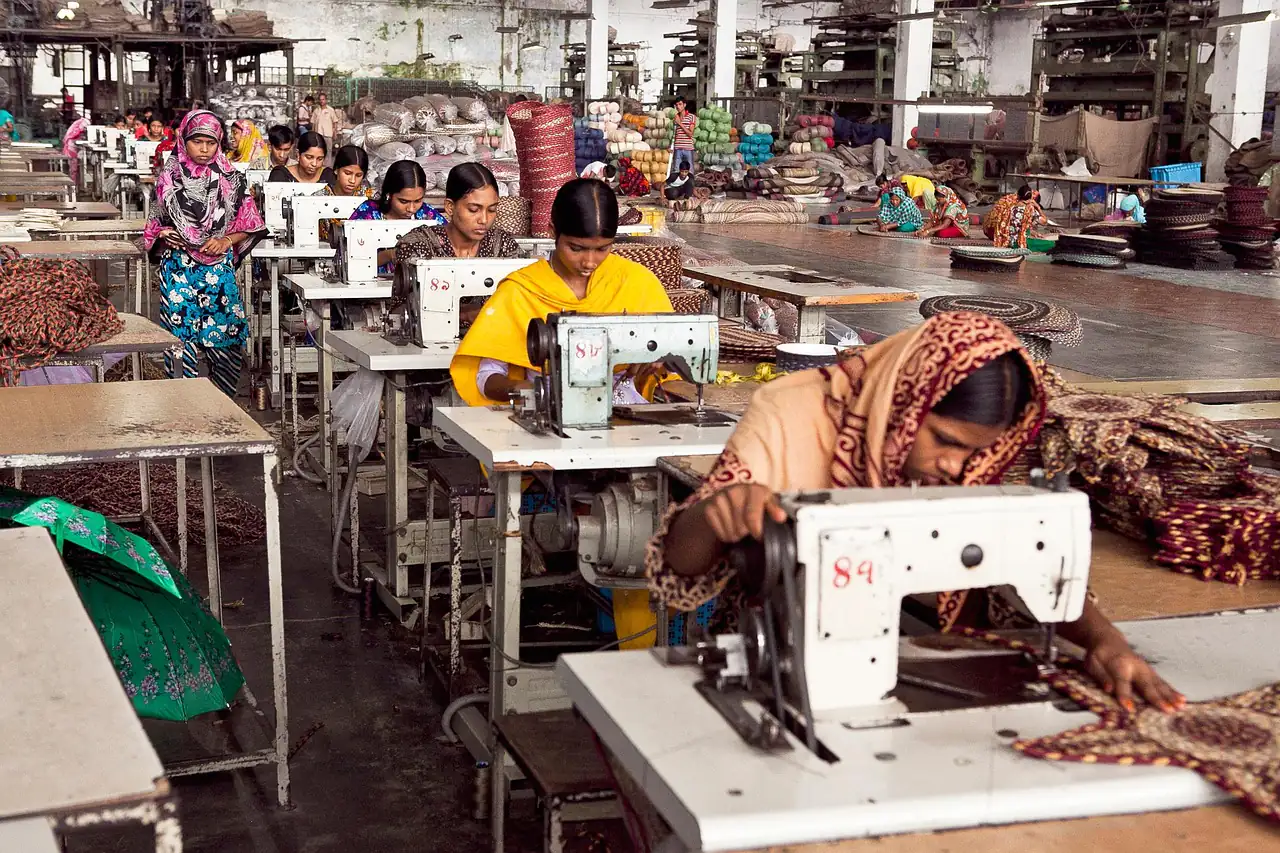
We'll keep coming back to Natchi, because it shows the two things this guide is about. Forced-labour rules can stop goods at a border with no warning to the importer. And the way out is evidence about real working conditions, not a certificate in a folder. This page sets out what each law asks of a small importer, where the known risks sit in Indian supply chains, and the checks we think are fair. One honest caveat - nothing on this page is legal advice, and if a buyer of yours or a regulator asks for a formal statement then a lawyer should read it before it goes out.
Last researched 12 October 2026 · Next review 12 January 2027 · Written by SourcingFrom
Most small importers either panic about these laws or ignore them. Neither is right, so here's the plain version by market.
United States. Two tools, both at the border. Under section 307 of the Tariff Act, CBP can issue a withhold release order against a producer and detain its goods at every port, which is what happened to Natchi (US Department of Labor (opens in a new tab)). Size doesn't matter. If your goods are caught, you either export them back or prove they weren't made with forced labour. The second tool, the Uyghur forced-labour law, presumes guilt for goods with Xinjiang inputs, and for Indian goods that risk lives in the cotton and yarn, which we cover on cotton traceability. There's also a trade angle. India adopted its own ban on forced-labour imports in 2026, which is why the US Section 301 forced-labour tariff sits lower for India than for some others (the rate is on India to the US).
European Union. From 14 December 2027 no product made with forced labour may be sold in, or exported from, the EU (European Commission (opens in a new tab)). It applies to every business, whatever its size. There's no reporting form to fill in. Instead national authorities investigate risks and can order products withdrawn. The Commission's guidelines were published in the Official Journal on 3 September 2026, a law firm reported in September that the promised risk database wasn't live yet, and only ten member states had named their authority by then (Osborne Clarke, September 2026 (opens in a new tab)). The machinery is still being built, but a range you order in late 2027 sells under it.
United Kingdom. No import ban. Businesses supplying goods or services in the UK with a turnover of £36 million or more publish a modern slavery statement every year (GOV.UK (opens in a new tab)).
Australia. Also a reporting law, at AUD 100 million consolidated revenue under the Modern Slavery Act 2018 (as law firms report it, because the government page (opens in a new tab) timed out on our read).
New Zealand and the UAE. We found no forced-labour import rule or reporting law in force in either.
| Market | Type of rule | Who it reaches |
|---|---|---|
| United States | Detention at the border (withhold release orders, Uyghur forced-labour law) | Any importer, whatever its size |
| European Union | Ban on products made with forced labour, from 14 Dec 2027 | Every business, whatever its size |
| United Kingdom | Annual modern slavery statement | Turnover of £36 million or more |
| Australia | Modern slavery reporting | AUD 100 million consolidated revenue |
| New Zealand, UAE | None found in force | - |
So if you turn over a few hundred thousand pounds, are you off the hook in the UK and Australia? Legally, yes. Commercially, no. The moment you sell to a retailer that reports, its questionnaire lands on your desk, and its statement is only as good as your answers. In practice the reporting laws reach small importers through their customers.
India's labour risks aren't spread evenly, and treating every Indian factory as suspect is both unfair and useless. The documented risks cluster in a few places, and most of them sit upstream of the factory you meet.
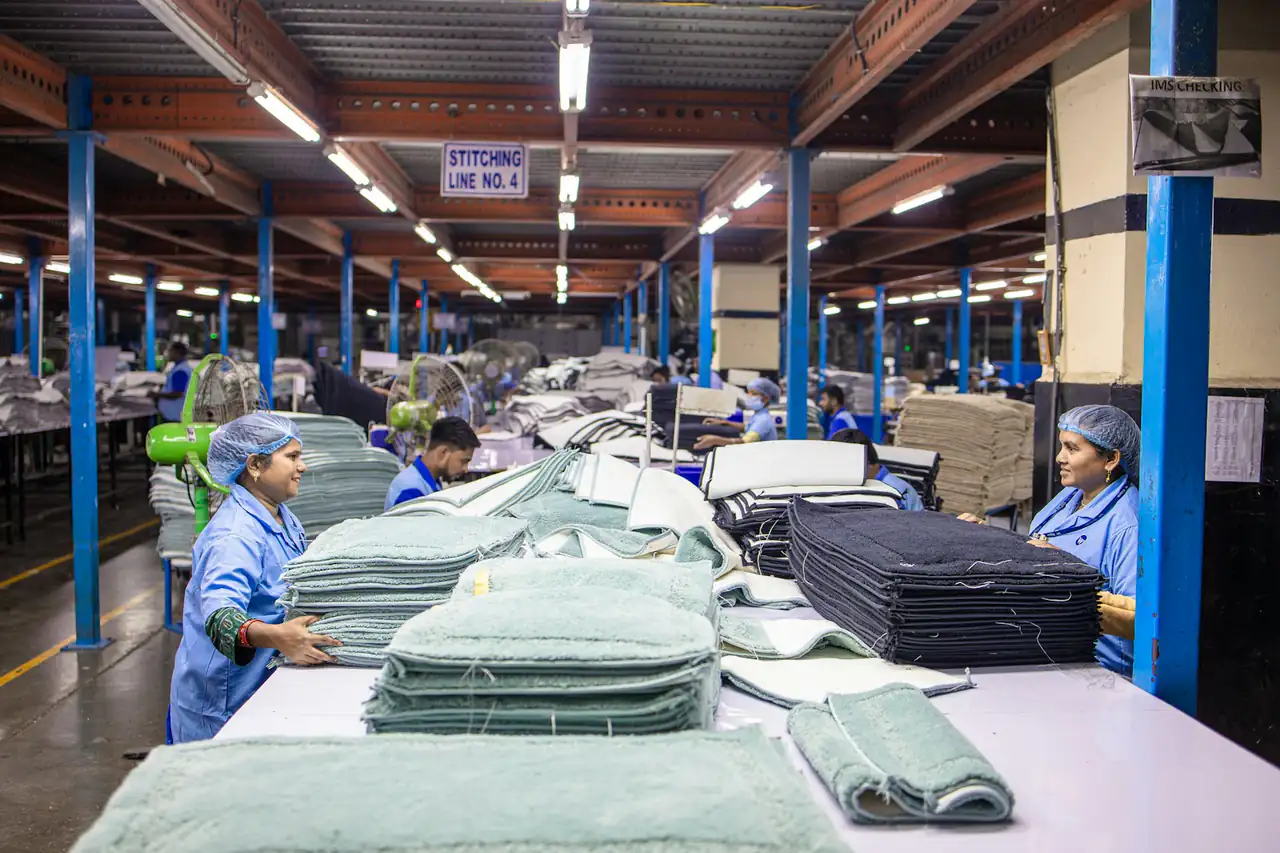
Spinning mills in Tamil Nadu. The best-documented case is the Sumangali scheme, where young women were recruited into spinning mills and hostels on the promise of a lump sum after three years, made up largely of withheld wages (SOMO and ICN, Captured by Cotton, 2011 (opens in a new tab)). That report is old, and the industry and brands have worked on it since. But the shape of the risk hasn't moved. It's at the mill, two steps behind the garment unit, and the garment unit's audit doesn't see it. Indian garment production also runs on job work, with orders split across workshops (FS-SUP-020, buyers on forums), which is normal business and means the factory that signs your PO may not be where your goods were stitched.
Sandstone and granite quarries in Rajasthan and the south. Child and bonded labour in Indian sandstone has been reported since at least 2009, and the American Bar Association's 2020 report traced it into the US supply chain. We cover that history, and how UK importers changed their buying, on natural stone from India.
Home-based and hand work. Embroidery, beading and some carpet work is done at home or in small units on piece rates. Home work isn't forced labour. Most of it is ordinary family income. But it's where child labour and debt to a middleman can hide, and it's invisible to a factory audit by design.
What do these have in common? None of them is the place a buyer usually visits. That's the real lesson from the data, and it's why a factory audit on its own answers a narrower question than people think.
SMETA is the audit you'll hear about most from Indian exporters, because UK and EU retailers ask for it. It's worth knowing exactly what you're getting.
It proves that an auditor visited one site on given days, followed a published method, and wrote down what it found, with a corrective action plan for the problems. That's genuinely useful. A recent report with a closed action plan tells you a factory takes this seriously enough to pay for scrutiny.
It doesn't certify anything. SMETA has no certificate and no product label (TÜV SÜD (opens in a new tab)). Sedex itself says it no longer accepts a SMETA report as a reliable picture of current conditions once it's 24 months old, and it's moving its platform's default from announced audits to semi-announced ones, with a reason required for choosing announced (Sedex (opens in a new tab)). An announced audit is a factory on its best day. And an audit covers the site on the report, not the mill, the dye house, the job worker or the home worker behind it.
Buyers on forums make the same point from another angle. Inspection integrity in India is a recurring worry, and some buyers rotate agencies or send unannounced visits for that reason (FS-SUP-060, buyers on forums). We'd say the same of social audits. Read the report, not the cover page, and check the date and the audit type before you accept it.
Here's the set we'd use with an Indian supplier, built around the ILO's eleven forced-labour indicators, which include withholding of wages, retention of identity documents, debt bondage, restriction of movement and excessive overtime (ILO (opens in a new tab)). None of these accuses anyone. They're the same questions a good exporter already asks of its own subcontractors.
Write the answers down and keep them with each order. Under the EU rules and in a US detention, the question will be what you knew and when, so the file matters as much as the visit.
Finding a problem isn't the end of a supplier relationship, and walking away on day one often leaves workers worse off. Natchi is the proof that remediation can be real and fast enough to matter. Work with the supplier on a plan, with dates, and check that it happened. Walk away when the supplier won't engage, hides units from you, or the problem is one that remediation can't fix, such as a quarry run on bonded labour.
What if the problem is two steps up the chain, at a mill your supplier buys from through a yarn dealer? Then you have the same choice as on cotton origin. Nominate the mill yourself and pay what that costs, or keep that product away from the markets where the risk is highest.
Not in the UK under £36 million turnover or in Australia under AUD 100 million revenue. Your bigger customers may still ask you for the information that goes into theirs.
Yes, from 14 December 2027. It applies to every business placing products on the EU market, whatever its size.
It's good evidence about one site on given days. It doesn't cover the mill, the quarry or home workers, and Sedex itself doesn't treat a report over 24 months old as current.
Some chains carry documented risks, mostly upstream. Most Indian factories you'll meet aren't in them. Map one step back and ask about pay, papers and recruitment.
You can export them back, or present evidence that they weren't made with forced labour. Start building the file before an order ships, not after.
Natchi's goods came back out of detention because somebody could show what had changed on the factory floor, in writing, quickly. That's the standard to build towards with your own suppliers. Not a certificate, not a promise in an email, but a short, dated file on who makes your goods, how they're paid and who checked. It's work, and it's fair work, and it's a lot less work than five weeks with your stock in a bonded warehouse. Hope this helps.
Related reading: job work and subcontracting in India, textile certifications and Indian suppliers on a denied or entity list.
Ready to act
Want this supplier checked before you commit?
SourcingSync can verify who makes it and who answers for quality, then manage the supplier for you.
Where Indian cotton T-shirts are made, what Australia, NZ, the UK, US, EU and UAE charge on them, which origin proof you need and what to test first.
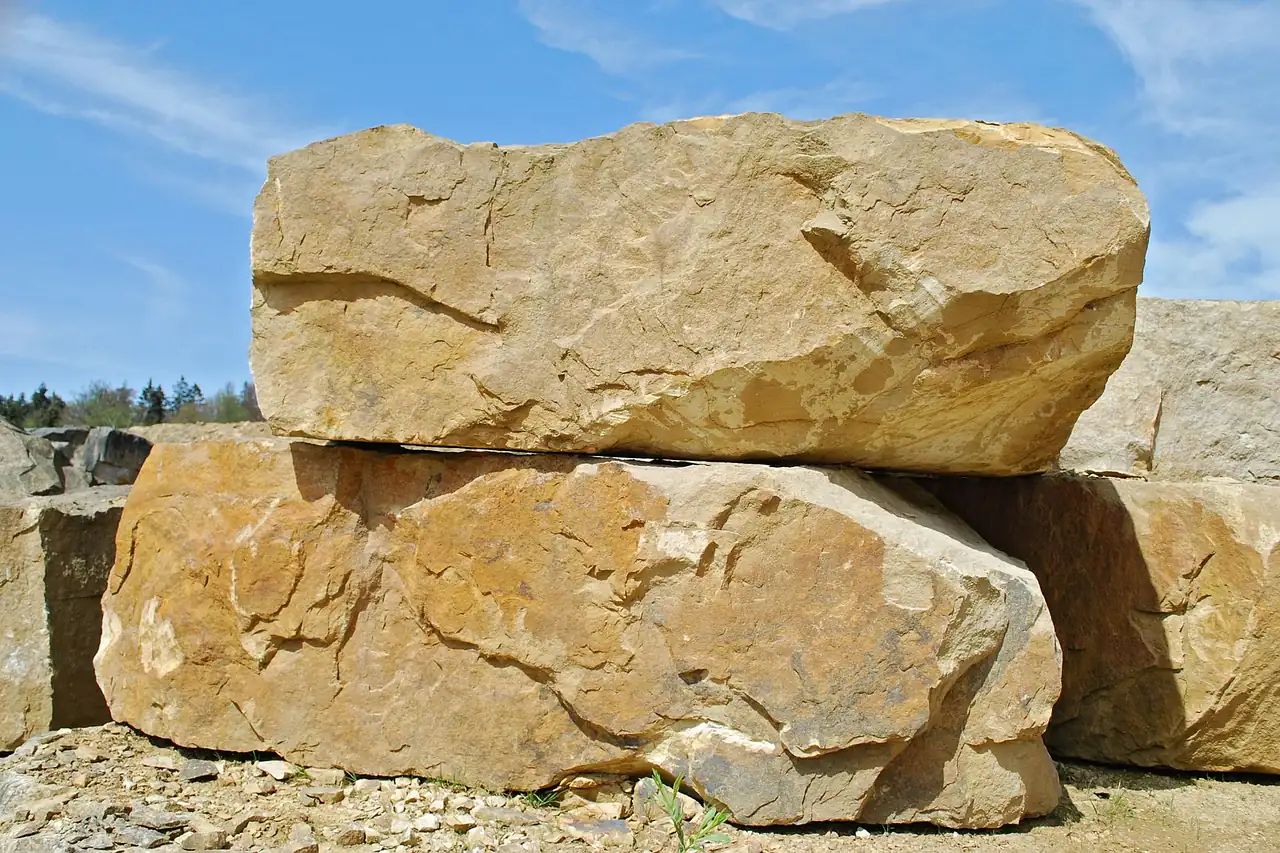
India supplies two-thirds of the UK's worked non-granite stone. How to specify calibrated or hand-cut sandstone and granite, what each border charges, and fair checks on quarry labour.

Textile sourcing by product family: apparel, knitwear, home textiles, handloom and jute. Where each is made, what importers buy from India, and the border rules that change your cost.
Leave your email and the PDF downloads straight away. We don't email it to you.
FOB, CIF and DDP are three Incoterms 2020 rules that set who pays for each leg of the trip and where risk moves from seller to buyer. Under FOB and CIF risk passes to you on board at the origin port, and under DDP the seller carries it to your door and acts as importer of record. For an ecommerce importer buying from India, the author recommends FOB, or FCA for inland suppliers, with your own forwarder.
An FDA import alert lets the FDA hold a firm's or product's shipments at the US border without examining them, so the importer must prove the problem does not apply. This guide explains red, green and country-wide lists, which alerts matter most for Indian goods, and a ten-minute routine to check a supplier before you ship.

What the EU deforestation regulation, the US Lacey Act, Australia's illegal logging law, the UK Timber Regulation and New Zealand's coming rules ask of an importer of wood products. It explains the four questions every timber law asks, why Indian trade names for species are loose, the sheesham permit route, and how a Jodhpur furniture order plays out in each market.

Sea freight from India to Sydney, Melbourne, Brisbane or Fremantle takes about 25 to 36 days port to port, and about five weeks door to door. No carrier we read sails direct, every box changes ship at a hub such as Singapore, Port Klang, Colombo or Tanjung Pelepas, and a missed connection can push a shipment past 50 days.

Sea freight from India to Auckland takes about 29 to 32 days port to port on a Port Klang relay, and 36 to 39 days to Tauranga. Other routings we read took 51 to 97 days because they relayed through North Asia or Oakland, so the relay your forwarder books decides your transit.

Mundra is the closer port for every north Indian cluster we mapped, but closer is not always faster. In the schedules we read, Mundra was quicker to the US East Coast, Nhava Sheva was quicker to the UAE, New Zealand and slightly quicker to Europe, and for Australia the two are close.