


Textiles
Textile sourcing by product family: apparel, knitwear, home textiles, handloom and jute. Where each is made, what importers buy from India, and the border rules that change your cost.
7 min read
A digital product passport is a data record linked to a product by a QR code or tag, required under EU law product group by product group. The battery passport comes first, from 18 February 2027. Iron and steel and then textiles are next on the Commission's indicative plan, but no product-specific rule was in force on 17 October 2026, so the data work starts before the law does.
Is the digital product passport a law yet? Partly. The framework is law, the first passport has a start date, and for most of what India sells to Europe the detailed rules are still being written. That's an awkward place for a buyer to plan from, but a useful one for a supplier, because the time to get your data straight is before somebody asks for it with a deadline attached.

This guide is part of our certifications and compliance hub. It covers what the passport is, the dated timeline we could confirm, what an EU importer should do now and how an Indian exporter gets ready.
A digital product passport (DPP) is a structured set of data about one product, held online and linked to the product by a data carrier, usually a QR code, sometimes an RFID tag. Customs, regulators, recyclers, repairers and consumers can read the parts meant for them.
It comes from two EU laws -
The passport doesn't certify anything on its own. It carries data that has to be true, and some of it (recycled content, substances, durability) will be checked the way any product claim is. Think of it as the product's paperwork going digital and travelling with the product.
| Date | What happens | Status |
|---|---|---|
| 18 Jul 2024 | ESPR in force | Law |
| 19 Jul 2026 | Legal deadline for the Commission's central DPP registry, and the ban on destroying unsold clothing and footwear starts for large companies | Law, registry launch not confirmed |
| 2026 (indicative) | Delegated act for iron and steel | Commission plan, not law |
| 18 Feb 2027 | Battery passport required for EV batteries, light means of transport batteries and industrial batteries above 2 kWh | Law |
| 2027 (indicative) | Delegated act for textiles, focus on apparel | Commission plan, not law |
| About 18 months after each act | Passport becomes mandatory for that group | Depends on each act |
The registry and destruction-ban dates and the indicative years come from the Commission's first working plan, COM(2025) 187, which we read through summaries (Renoon (opens in a new tab), Intertek (opens in a new tab)) because EUR-Lex and the Commission page blocked our reader. Summaries we read in October 2026 agreed that no product-specific ESPR delegated act had been adopted, so no product group outside batteries carries a binding passport duty yet. Check the current list with your customs broker or on the Commission's ESPR page.
Indicative years slip. I'd plan for textiles passports to bite around 2028 at the earliest, and I wouldn't bet a production schedule on any date that isn't in an adopted act.
Each delegated act sets its own list, so this is the pattern from the ESPR's framework and the battery rules, not a final list for any product -
Notice how much of that a good buyer already asks an Indian supplier for on paper today. The passport changes the format and the audit trail, not the questions.
The duty sits with the business that places the product on the EU market (the manufacturer, or the importer where the manufacturer isn't in the EU). Here's what to do now.

Red flags - a supplier or a vendor selling a "DPP certificate". There isn't such a thing. There's data, and there will be rules about how it's published.
Most Indian exporters won't publish the passport themselves, the EU importer will. Your job is to supply data the importer can stand behind. These steps take the textiles and engineering cases as the model.
Step 1 - Assign product and facility identifiers. Give every SKU a stable ID and record which unit made it. If you subcontract job work, record that unit too. One to two weeks to set up, then it's routine.
Step 2 - Build a bill of materials with origins. For a tee - fibre, yarn spinner, knitter, dyer, trims, packaging, with each one's location. For steel parts - grade, mill, heat number. Two to four weeks the first time.
Step 3 - Link certificates and tests to each SKU. Scope and transaction certificates for organic or recycled content, lab reports for restricted substances, mill test certificates for metals. Store them by SKU and lot, not in a general folder. Our textile certifications guide covers which documents prove what.
Step 4 - Measure what you'll be asked for. Recycled content share, product weight, and a carbon footprint if the act or buyer wants one. This is where factories without fuel and power logs struggle.
Step 5 - For batteries, work with your cell supplier now. Most Indian battery pack assemblers import cells. Your passport data depends on the cell maker's carbon footprint and raw material due diligence. Ask for it in writing, early.
Step 6 - Share it in a format the buyer can load. A spreadsheet per SKU with stable field names works today. When the EU technical standards are final, buyers will ask for a specific format, and clean data converts easily.
Step 7 - Keep it current. A change of yarn supplier or a new dye house changes the passport. Update on change, not once a year.
Setting this up across several suppliers and tiers is the kind of work that eats a buyer's quarter. SourcingSync (opens in a new tab) can collect and check supplier data for you.
This example is an illustration built from the rules above, not a real firm.
A Dutch retailer imports e-bike battery packs assembled in Pune with imported cells, and cotton tees from Tiruppur.
The battery packs are in scope from 18 February 2027. The retailer, as importer, needs a passport per battery. The Pune assembler asks its cell maker for chemistry, carbon footprint and raw material due diligence data, adds its own pack data and a unique ID per pack, and the retailer's chosen platform publishes it behind a QR code on the pack.
The tees aren't in scope yet. The retailer runs the section 3 list against one style and finds two gaps, no named dye house and no recycled content figure for the trims. The Tiruppur knitter fills both in a month. When the textiles act lands, the retailer is formatting, not chasing. More on the tees in our cotton T-shirts guide.
Only where a rule has been adopted for a product group. Batteries start on 18 February 2027. For textiles, steel and others, check whether the delegated act has been adopted.
The business placing the product on the EU market, so the importer when the manufacturer is outside the EU. The factory supplies the data.
No. It's a data record. Certificates may be linked inside it.
The ESPR is EU law. Northern Ireland's position under the Windsor Framework has been under UK scrutiny, so check with your adviser if you ship there.
Give every SKU an ID, record the making facility, and link certificates and test reports to each SKU.
Ready to act
Want this supplier checked before you commit?
SourcingSync can verify who makes it and who answers for quality, then manage the supplier for you.
Textile sourcing by product family: apparel, knitwear, home textiles, handloom and jute. Where each is made, what importers buy from India, and the border rules that change your cost.

Engineering goods are India's largest export line. Which parts a wholesaler can buy, where they are made, and how US Section 232 and EU CBAM change metal prices.
Yash Khatri founded SourcingFrom to give buyers outside India the full picture of sourcing from India: what the country makes well, where it is made, who makes it and how it ships. He writes and edits every guide on the site, and holds each one to the same rule: say what we know, show how sure we are, and say plainly where the evidence runs out. He also runs SourcingSync, the hands-on service that does the sourcing work for buyers, and Kirnova, the data and intelligence company behind SourcingFrom Intelligence.
Want new guides when they go up? Get the newsletter
Leave your email and the PDF downloads straight away. We don't email it to you.

SABER is the Saudi platform every consumer product needs before customs will clear it. The Saudi importer files, an approved body certifies regulated products, and the Indian exporter supplies the tests and the labels. This guide covers both sides, plus the 2026 SASO rules on charging ports and supplier names.

A product carbon footprint is a calculation, not a pass mark, and it is only as good as its boundary, its data and who checked it. Carbon credits are a separate thing: a bought claim against emissions elsewhere, and since 27 September 2026 they can no longer back a "carbon neutral" product claim to EU consumers. India now runs its own credit market under BEE.

Each border tests imported food for different things: the EU hunts pesticide residues, the US acts mostly on firms through import alerts, and Australia tests risk foods against its own Food Standards Code. This guide uses about 22,000 official records on Indian food to show how to build a test panel per destination and test before you ship.

CE and UKCA are the maker's own declaration that a product meets EU or GB product law, backed by a technical file and sometimes a third-party body. This guide shows an importer what to ask for and how to check it, and walks an Indian manufacturer through the steps from finding the right directive to signing the declaration.

Every certificate answers one question for one market. This index lists the certification guides by group, says in a line what each one is and who needs it, and gives a table of which certificates a product family usually needs in each main market. Each guide has a half for importers and a half for Indian exporters.
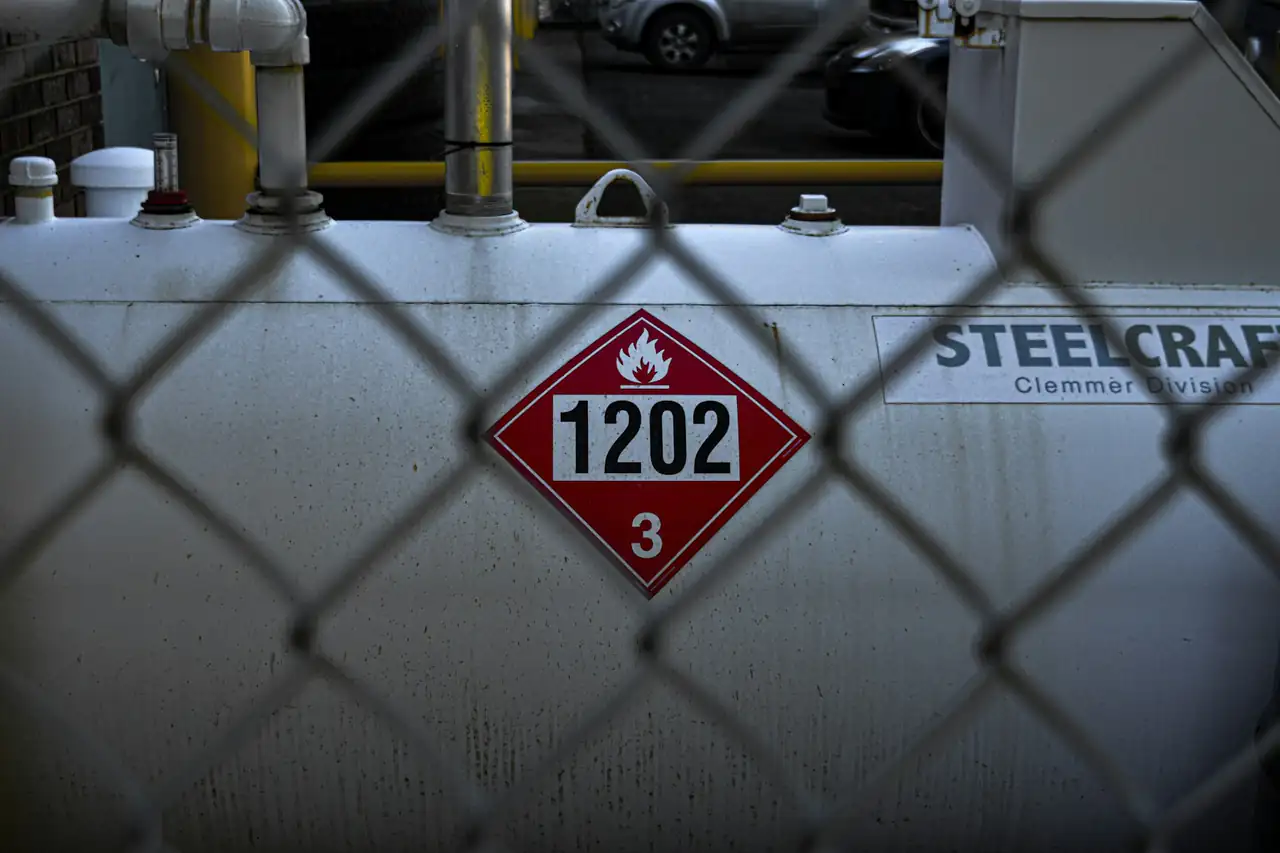
A surprising share of what buyers source from India ships as dangerous goods: essential oils, attars, perfumes, paints, adhesives, aerosols, some chemicals and anything with a lithium battery. Dangerous goods need a classification, a declaration signed by a trained shipper, compliant packing and labels, and for batteries a UN38.3 test summary. Get it wrong and the carrier refuses the cargo, or worse. This guide shows the buyer what to ask for and the Indian exporter how to prepare it.