

Castings and Forgings From India: From Your Drawing to a Repeatable Part
- Updated
Your route: castings and forgings from India
Made in
Leaves India from
Mundra
IndicativeUseful directional information where precise verification is unavailable.UnknownInsufficient evidence, or not yet researched.
Also Pipavav
At sea
35 to 46 days
11 scheduled sailings, port to port
Every port and sailing to United Kingdom
- Mundra to London Gateway: 35 to 46 days, 11 sailings
- Pipavav to London Gateway: 39 to 61 days, 8 sailings
- Pipavav to Felixstowe: 77 to 102 days, 3 sailings
Made in
Leaves India from
Mundra
IndicativeUseful directional information where precise verification is unavailable.UnknownInsufficient evidence, or not yet researched.
Also Pipavav
At sea
38 to 38 days
6 scheduled sailings, port to port
Every port and sailing to European Union
- Mundra to Rotterdam: 38 to 38 days, 6 sailings
- Pipavav to Rotterdam: 38 to 64 days, 5 sailings
Made in
Leaves India from
Mundra
IndicativeUseful directional information where precise verification is unavailable.UnknownInsufficient evidence, or not yet researched.
Also Pipavav
At sea
30 to 32 days
7 scheduled sailings, port to port
Every port and sailing to United States
- Mundra to New York/New Jersey: 30 to 32 days, 7 sailings
- Mundra to Savannah: 36 to 36 days, 7 sailings
- Mundra to Los Angeles/Long Beach: 45 to 62 days, 10 sailings
Made in
Leaves India from
Mundra
IndicativeUseful directional information where precise verification is unavailable.UnknownInsufficient evidence, or not yet researched.
Also Pipavav
At sea
26 to 26 days
2 scheduled sailings, port to port
Every port and sailing to United Arab Emirates
- Mundra to Jebel Ali: 26 to 26 days, 2 sailings
- Mundra to Fujairah: 25 to 25 days, 6 sailings
- Pipavav to Jebel Ali: 12 to 12 days, 6 sailings
- Pipavav to Khor Fakkan: 27 to 36 days, 3 sailings
- Pipavav to Fujairah: 40 to 46 days, 2 sailings
Made in
Leaves India from
Mundra
IndicativeUseful directional information where precise verification is unavailable.UnknownInsufficient evidence, or not yet researched.
Also Pipavav
At sea
29 to 42 days
21 scheduled sailings, port to port
Every port and sailing to Australia
- Mundra to Sydney: 29 to 42 days, 21 sailings
- Mundra to Melbourne: 26 to 36 days, 18 sailings
- Mundra to Brisbane: 26 to 39 days, 12 sailings
- Mundra to Fremantle: 21 to 49 days, 18 sailings
- Pipavav to Sydney: 35 to 61 days, 9 sailings
- Pipavav to Melbourne: 35 to 55 days, 8 sailings
- Pipavav to Brisbane: 32 to 58 days, 8 sailings
- Pipavav to Fremantle: 30 to 50 days, 8 sailings
Made in
Leaves India from
Mundra
IndicativeUseful directional information where precise verification is unavailable.UnknownInsufficient evidence, or not yet researched.
Also Pipavav
At sea
55 to 89 days
9 scheduled sailings, port to port
Every port and sailing to New Zealand
- Mundra to Auckland: 55 to 89 days, 9 sailings
- Pipavav to Auckland: 82 to 97 days, 5 sailings
Carrier schedules read 23 Sept 2026. Days are port to port; inland haul and customs time come on top.
Add up the landed costFind the HS codeGet help shipping it (opens sourcingsync.com in a new tab)
In January 2021 a US machine shop owner described a batch of parts from India on a machinists' forum: "super crooked drill holes, every single threaded threaded hole needs to be retapped by us" (r/Machinists, 2021 (opens in a new tab), Reported). Read that and you'd stay away. Then read the US government's own import record for 2025. India was the largest supplier of iron and steel castings to the United States, with 42.8% of the market, and the second largest to the EU (UN Comtrade, our analysis, Verified).
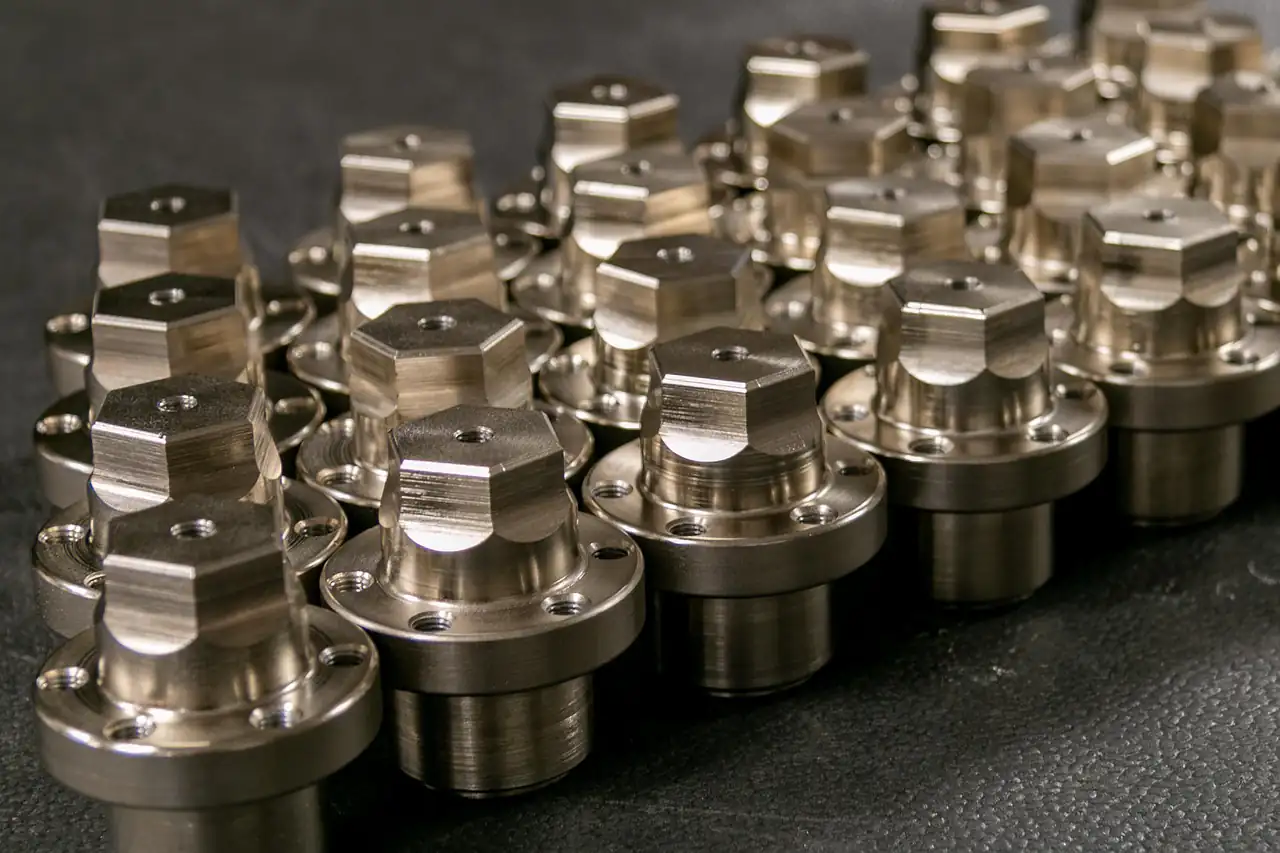
Both are true, and the gap between them is the most useful thing we can tell you about Indian metal parts. Category isn't the risk. Tier is. The parts that win those import shares come from audited export foundries and forges, and the retapped threads come from work that was passed down to someone smaller. This page shows where the foundries are, how a drawing becomes an approved part, who should own the pattern, and what the EU carbon levy and the US metal duty add. It's for buyers of made-to-drawing parts, not catalogue hardware.
Pick the Town by the End Use
The foundry institute's own map is the best starting point, and it's organised by what the castings go into (IIF, Nov 2025 (opens in a new tab)):
- Coimbatore for pump and valve castings. Its largest US shippers list pipe fittings (7307), valves (8481) and castings (7325) as their main lines (archived US shipping-record district page, Oct 2025, our count, Indicative).
- Kolhapur and Belagavi (Belgaum) for automotive castings, the grey and ductile iron that goes into engines and drivelines.
- Rajkot for diesel-engine castings, and today a broad mix of castings, motors, gears and fittings. See the Rajkot engineering cluster.
- Howrah and Kolkata for sanitary and municipal castings, the gratings, covers and pipe fittings. Howrah's top US shippers list 7325 more than any other heading, 10 of 20 (same data).
Forging is less tied to towns in the data we read. The forging industry body says India is the world's second-largest forging producer, with about 2.9 million tonnes a year on 4.8 million tonnes of capacity and roughly 30% exported (AIFI, Oct 2025, Reported). Our competitiveness study puts India fourth among suppliers of other iron and steel articles to the US, a heading that includes open-die forgings, and third in gears and transmission parts (Comtrade 2025, Verified). So for a forged shaft, flange or gear blank, look at the forge's customer list and process, not its postcode.
From Drawing to Approved Part, Step by Step
This is the sequence that separates the audited tier from the job-shop tier. The steps are standard. What matters in India is asking for the evidence at each one.
1. The RFQ. Send the drawing with the material grade to a named standard (an EN, ASTM or IS grade, not "cast iron"), the critical dimensions, machining scope, surface finish and annual volume. Ask the foundry to say in writing which steps happen in its own building and which go out: pattern-making, melting, heat treatment, machining, coating. Job work is normal in Indian engineering and isn't a red flag. You just need to know who does each step, because the inspection has to follow the part, as the forum buyer found out the hard way.
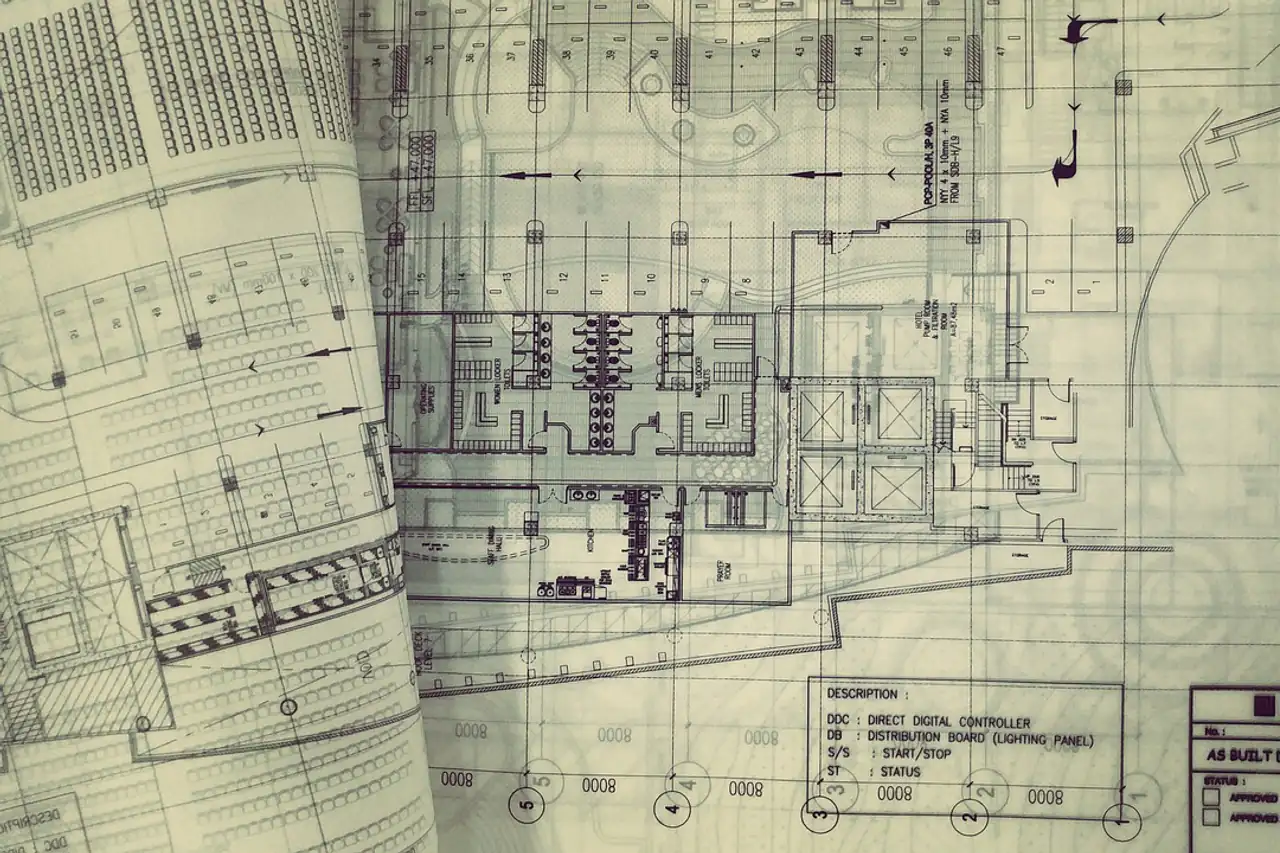
2. Pattern or die. A casting needs a pattern and core boxes, a forging needs dies. You'll usually pay for them, so agree in the contract who owns them, where they're stored, what happens when they wear out, and that the maker returns or destroys them if you leave. Without that clause, the tooling that makes your part sits in someone else's shed and moving suppliers means paying twice.
3. First article. Ask for a small first batch with a full dimensional report against every drawing dimension, the chemical analysis and mechanical test results for the melt, and the heat-treatment record. If you're an automotive buyer, ask for a production part approval package (PPAP) to the AIAG standard at the level you need. An export foundry used to OEM work will know what that is. A maker who doesn't know is telling you which tier it's in.
4. Material certificates. For forgings and for castings in specified steels, ask for an inspection certificate of type 3.1 under EN 10204 for each heat, tied to the parts by heat number. This is also the document your EU carbon reporting will lean on later.
5. Production and inspection. Agree a control plan before mass production. The forum complaint was holes and threads, which are machining faults, so inspect machined features on parts taken from packed cases, at the place the final machining happens. The quality control page sets out the inspection stages, and custom manufacturing covers the commercial side of building to your drawing.
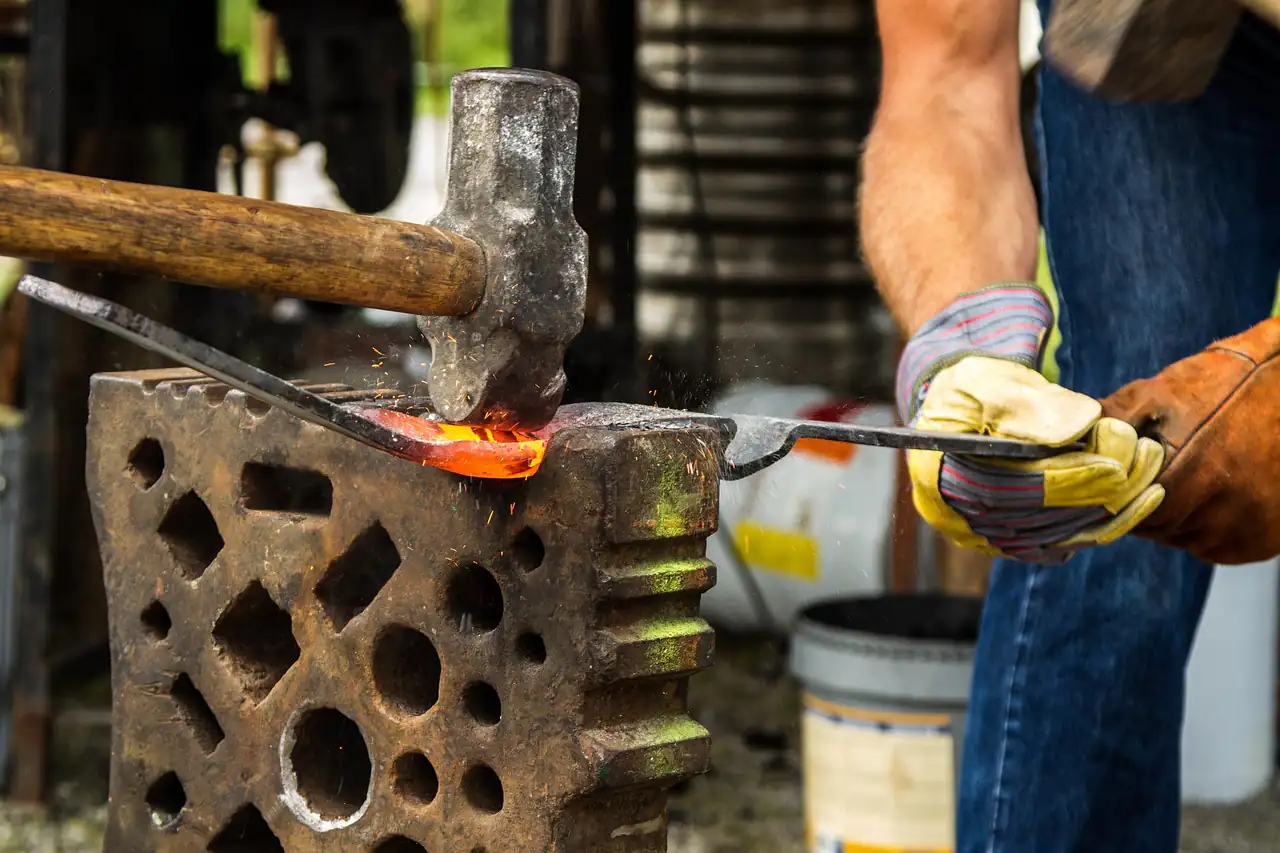
A reminder of what failure looks like at the end of the chain. In January 2026 Germany notified an EU recall of India-made motorcycles because the spring on a forged side stand could break under engine vibration, letting the stand swing down while riding (EU Safety Gate, SR/00165/26 (opens in a new tab), Verified). The forging wasn't the part that failed. The spring attached to it was. Specify and test the whole assembly you're buying, not just the metal you're paying most attention to.
What the Border Charges, and the Two Metal Rules
| Destination | Castings (7325) and forgings (7326) | The catch |
|---|---|---|
| Australia | 0% under ECTA (5% base) | Needs a certificate of origin |
| United Kingdom | 0% to 2% third-country, 0% under CETA | A finished machine part may sit in another chapter at another rate |
| United States | Free (cast iron, 7325.99.10) to 2.9%, plus 10% Section 301 | Many steel articles are Section 232 derivatives, which pay the 232 rate on the full value instead |
| EU | Full MFN rate, because India lost GSP on base metals and machinery for 2026 to 2028 | CBAM may apply to forged and other steel articles |
Sources: UK Trade Tariff (7325991090 and 7326191000), USITC (7325.99, 7326.19) and the DFAT FTA Portal, all read 7 October 2026, plus our US and EU pages.
US Section 232. Since 6 April 2026 the metals duty on covered derivative articles applies to the full customs value, regardless of metal content. A casting or forging on a derivative annex pays that rate instead of the 10% Section 301 duty. The annexes go line by line, so check this with your customs broker before you compare an Indian quote with anyone else's. The engineering goods page has the annex table.
EU CBAM. The definitive regime started on 1 January 2026, and importers above 50 tonnes a year of covered goods must become authorised declarants (DG TAXUD (opens in a new tab)). When the supplier can't give verified emissions data, default values are used in place of the real figures. Here's the practical point for this product. By our reading of the annex, a forged steel article classed in 7326 is in scope, a cast article in 7325 isn't, and a finished pump or vehicle part in chapter 84 or 87 isn't. So the classification of your part decides whether you need emissions data at all. Settle the CN code with your broker first, then, if it's in scope, ask the forge three questions early: who supplies the steel, can you report the embedded emissions per tonne, and will a verifier sign it.
What to Ask in the First Call
- Which steps happen in your building, and who does the rest?
- Who owns the pattern or die, and what happens to it if we part ways?
- Show me a first-article report and a material certificate from a current export customer, with their name removed.
- Which HS line do you export this part under, and why?
- For the EU: can you give us emissions data for the steel?
To check the company behind the answers, start with how to verify Indian suppliers. For meeting engineering exporters in one place, the export council's India Engineering Sourcing Show is the event, though its next date isn't announced.
Ready to act
Need hands-on help?
Auditing a foundry and its subcontractors, witnessing first-article measurement and collecting heat certificates and emissions data is execution, not knowledge. SourcingSync does it at origin.
Back to the Retapped Threads
The machine shop in 2021 got parts from India that had to be reworked, and the United States still bought more castings from India in 2025 than from anywhere else. The difference isn't luck. It's whether the buyer knew who poured the metal, who machined it and who checked it, and whether that was written down before the pattern was paid for. India's audited export foundries are among the best value in the world for metal made to drawing. Your job is to make sure your part is made by one of them, all the way through.
For the wider picture of India's metal and machinery exports, see engineering goods, and for India against its main rival, India vs China sourcing.