

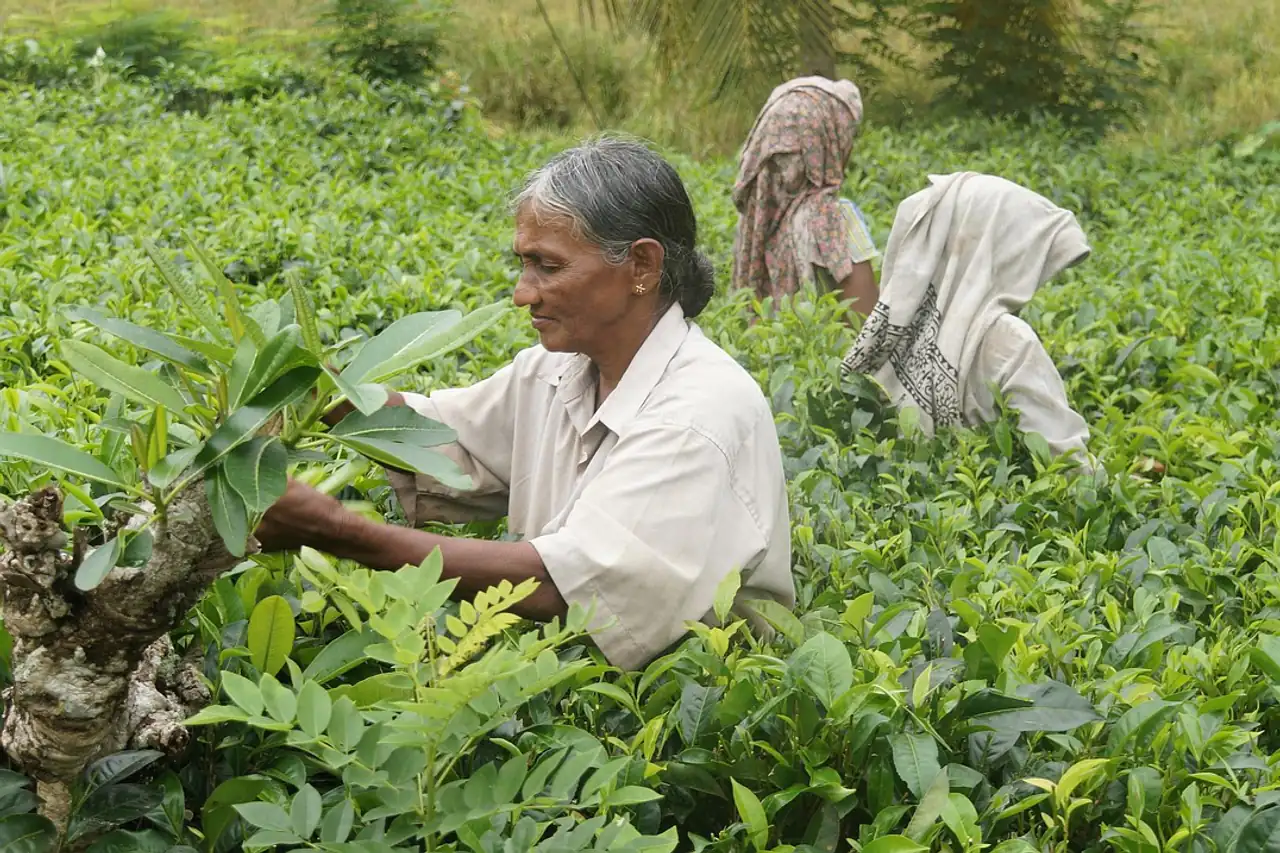
Tea From Assam, Darjeeling and the Nilgiris, Bought at Auction or Direct
How an importer buys Indian tea through the auctions or direct from estates, what Darjeeling protection means, and the residues EU and US borders actually find.
8 min read
Fairtrade and Rainforest Alliance are both farm-level sustainability marks, but they work differently. Fairtrade sets a Minimum Price and pays a Premium to producer organisations, and FLOCERT certifies everyone in the chain who trades the goods. Rainforest Alliance certifies farms and supply chain actors against its 2020 standard through accredited certification bodies. This guide shows importers how to check both and gives Indian producers and exporters the steps to certify.
India sold 71% of all the cotton sold on Fairtrade terms in 2022 (Fairtrade NAPP (opens in a new tab)). If you buy Fairtrade cotton anywhere, the odds are good it started on a small Indian farm.
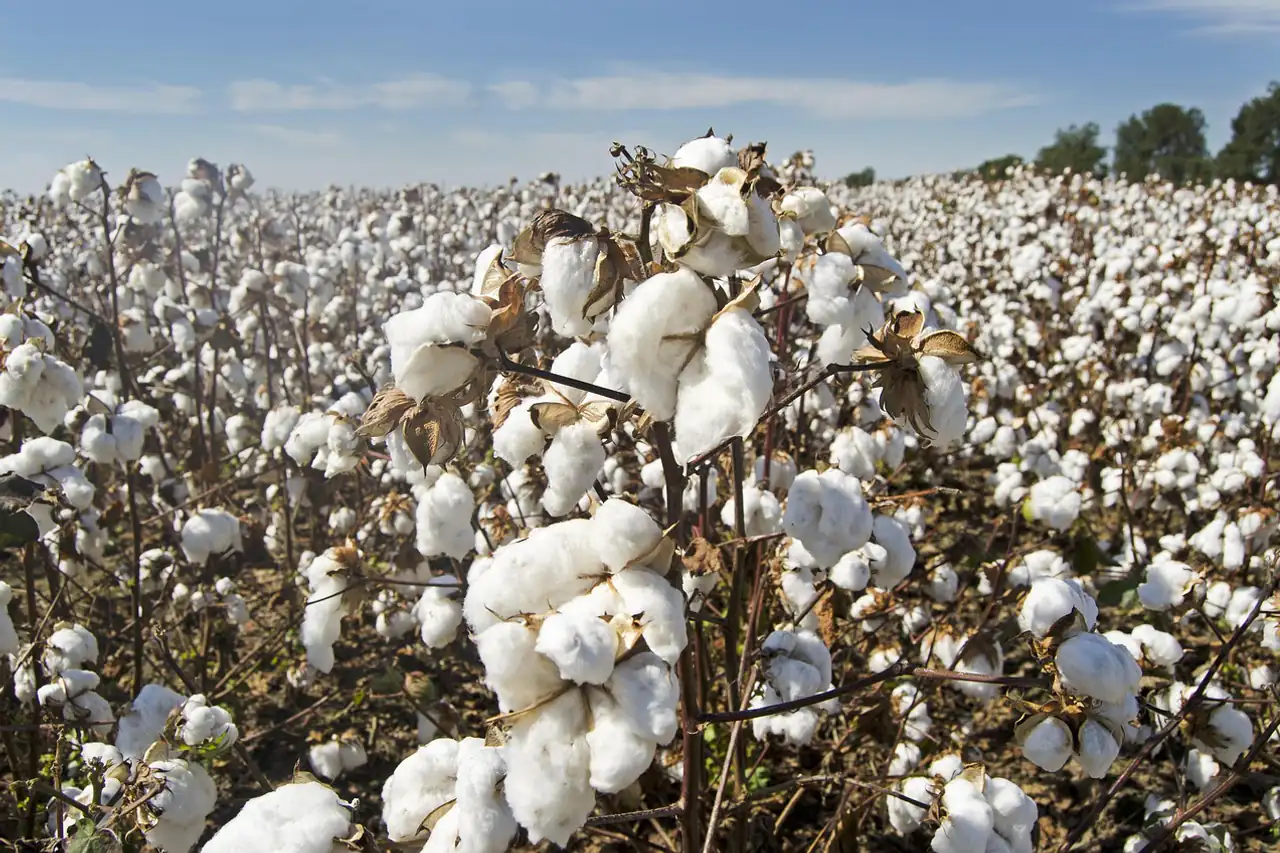
That makes India a big place for both marks covered here, Fairtrade on cotton and some tea, and Rainforest Alliance mostly on tea, coffee and spices. Below I explain what each mark proves, how an importer checks it, and the steps an Indian farmer group, estate or exporter takes to get certified. The page sits in our certifications hub next to organic certification, which buyers often ask for on the same goods.
Here's the plain difference -
| Fairtrade | Rainforest Alliance | |
|---|---|---|
| Who sets the standard | Fairtrade International | Rainforest Alliance |
| Who certifies | FLOCERT | Independent certification bodies with ISO 17065 accreditation |
| Core promise | A Minimum Price floor and a Fairtrade Premium for producers | Farms meeting social, economic and environmental requirements, with continuous improvement |
| Who in the chain is certified | Producers and every trader that buys and sells the goods | Farms and supply chain actors that handle certified goods |
| Cycle | Three years for producers, five years for traders | Three-year certificate with yearly audits |
Sources are in the sections below. In my opinion the price mechanism is the real difference. Fairtrade puts money on the table for the producer organisation, and Rainforest Alliance asks farms to improve against a standard.
Neither is a border rule in the UK, EU, US, Australia, New Zealand or the UAE. Your customer or your own label decides. Rainforest Alliance does say its certification helps companies meet EU and other due diligence rules at farm level, and it publishes a separate list of certificate holders aligned with the EU deforestation regulation for coffee and other covered crops. That helps, but a certificate isn't the due diligence statement itself.
We couldn't find a current official count of Indian certificate holders for either mark. Use the searches in section 3 with India as the country filter if you need one.
For Fairtrade -
For Rainforest Alliance -
Red flags are a "Fairtrade" or "Rainforest Alliance" logo on a sales sheet from a firm that isn't in either search, a certificate in a farmer group's name offered by a trader who can't show its own, and a quote for "certified" tea that's no different from conventional. None of these proves anything bad. Each is a question to ask.
Using the mark on your own pack is a separate step. Fairtrade licenses the mark to brand owners, and Rainforest Alliance approves seal use. Check the current label rules with each before you print.
At enquiry, ask for the FLO ID or certificate code. Check it the same day. At sampling, ask whether the sample lot is certified, since certified and conventional lots often sit in the same warehouse. At the purchase order, name the certification and say the goods must be sold as certified on the invoice. At shipment, the invoice and the platform record (Fairtrace for Fairtrade, the Rainforest Alliance platform for RA) should match quantities. If you'd like someone to chase that paper across a farmer group, a processor and an exporter, SourcingSync (opens in a new tab) can do that on the ground.
FLOCERT runs the certification. Its published path has three steps (FLOCERT (opens in a new tab)), which I've split a little further.
Step 1 - Check you're in scope. Fairtrade certifies small-scale producer organisations (farmer cooperatives and associations), hired labour set-ups (estates) for some products, and traders. A single small farmer can't certify alone. They join or form a producer organisation.
Step 2 - Apply to FLOCERT. If you're in scope, FLOCERT gives you an Application ID and an application package to fill in, sign and return. Check the current application and certification fees with FLOCERT. Exporters, importers and manufacturers get a temporary Permission to Trade after a successful application.
Step 3 - Appoint a Fairtrade Officer. FLOCERT asks each customer to name one as its key contact.
Step 4 - Initial audit. An auditor visits, reviews facilities and paperwork, and interviews people. Producers are assessed mainly on transparency, democratic decision-making, working and environmental conditions and traceability. Traders are assessed on contracts, payment terms, sourcing plans, prefinancing and the Minimum Price and Premium.
Step 5 - Fix non-conformities. Your FLOCERT analyst reviews the results. Producers without major non-conformities get a temporary Permission to Trade, and the certificate follows once all non-conformities are closed.
Step 6 - Live the cycle. Initial certification starts a three-year cycle for producers and five years for traders. FLOCERT audits periodically, may audit unannounced, and you pass a renewal audit at the end of the cycle.
What usually slows Indian producer organisations down is records. Premium spending has to be decided democratically and documented, and member lists, sales records and traceability from member to lot all have to hold up.
Rainforest Alliance certification is done by accredited certification bodies, not by the Rainforest Alliance itself.
Step 1 - Read the 2020 Sustainable Agriculture Standard on the Rainforest Alliance Knowledge Hub. Farms read the farm requirements. Exporters, processors and traders read the supply chain requirements.
Step 2 - Register on the Rainforest Alliance certification platform as a farm, farmer group or supply chain actor.
Step 3 - Choose a certification body approved for Rainforest Alliance in India. Check the current fee on its quote.
Step 4 - Self-assessment and preparation. Farms complete risk assessments and an improvement plan. Groups set up an internal management system with internal inspections of members.
Step 5 - Certification audit. A positive decision gives a certificate valid for three years (Rainforest Alliance (opens in a new tab)).
Step 6 - Yearly audits. You're audited every year against your improvement plan. Each certification body also runs surprise audits on 10% of its certificate holders.
Supply chain actors may not need a full audit every time. A certification body's copy of the current rules (v1.1, 2025) ties supply chain certificate validity to the verification level, two years at level C and three at level B (Control Union, secondary). Check your level with your certification body.
The downside is real. Suspension can last up to three months, during which you can't sell as certified, and a decertified holder has to wait at least six months before reapplying. Indian tea estates with workers' housing, pesticide handling and protective equipment to manage should treat the yearly audit as a fixed date in the calendar.
What to send the buyer for either mark - the certificate or FLO ID, the scope and products, the expiry date and a record of the certified sale.
This example is an illustration built from the rules above, not a real firm.
A UK tea brand wants Rainforest Alliance Assam CTC for a supermarket own label, and the supermarket wants the seal on pack.
The Kolkata exporter quotes from three estates. The buyer asks for each estate's certificate code and the exporter's own supply chain certificate, then checks all four in the Rainforest Alliance list. Two estates are current. The third shows a certificate that ended in the summer, and the exporter says the renewal audit is booked. The buyer takes the two current estates for the first order and writes the third in for later, subject to the renewed certificate.

The exporter records the sale on the platform, and the invoice says Rainforest Alliance Certified with matching quantities. The brand applies to the Rainforest Alliance to use the seal. Nothing here was hard. It just needed checking in the right order. Shipping and duty for the order are on our UK trade page.
They do different jobs. Fairtrade is about price and Premium for producers, Rainforest Alliance about farm practice. Pick the one your customer and your story need.
Yes, for textiles under Fairtrade's textile standard, and traders and manufacturers who handle Fairtrade goods need FLOCERT certification.
Fairtrade runs three-year cycles for producers and five for traders. Rainforest Alliance certificates last three years with yearly audits.
Not automatically. You need a licence or approval from the scheme owner to use the mark on your product.
It helps with farm-level evidence and publishes an EUDR-aligned list, but you still need your own due diligence statement.
All in, both marks are worth what the checking behind them is worth, and the checking takes minutes.
Ready to act
Want this supplier checked before you commit?
SourcingSync can verify who makes it and who answers for quality, then manage the supplier for you.
How an importer buys Indian tea through the auctions or direct from estates, what Darjeeling protection means, and the residues EU and US borders actually find.
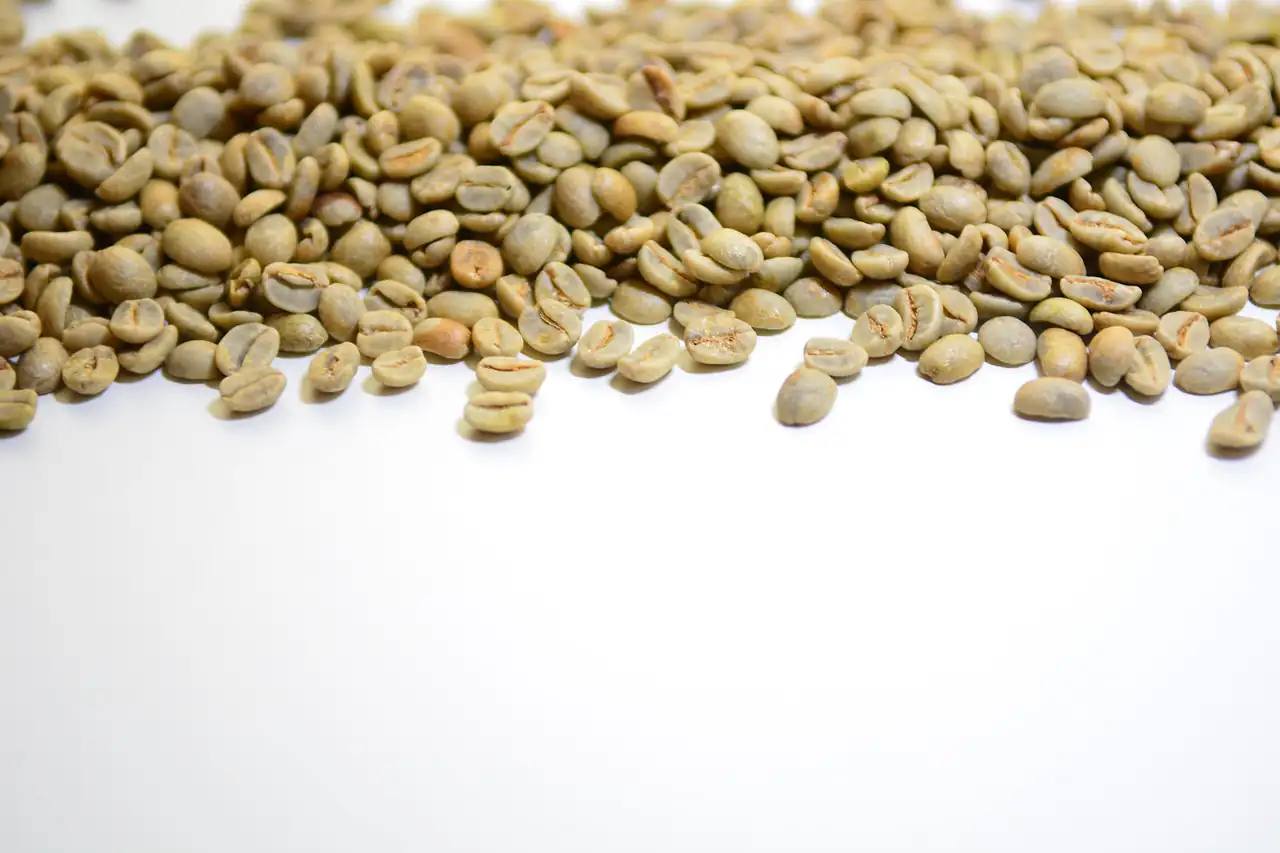
How a roaster buys Indian green coffee, what Monsooned Malabar and Indian robusta are, and how EU deforestation rules (EUDR) work for smallholder coffee.

Where Indian cotton T-shirts are made, what Australia, NZ, the UK, US, EU and UAE charge on them, which origin proof you need and what to test first.
Yash Khatri founded SourcingFrom to give buyers outside India the full picture of sourcing from India: what the country makes well, where it is made, who makes it and how it ships. He writes and edits every guide on the site, and holds each one to the same rule: say what we know, show how sure we are, and say plainly where the evidence runs out. He also runs SourcingSync, the hands-on service that does the sourcing work for buyers, and Kirnova, the data and intelligence company behind SourcingFrom Intelligence.
Want new guides when they go up? Get the newsletter
Leave your email and the PDF downloads straight away. We don't email it to you.
GOTS, OEKO-TEX STANDARD 100 and GRS are earned by the factory, not bought by the brand, and each works differently. GOTS and GRS certify a site and its chain of custody through an approved certification body, while OEKO-TEX tests a product sample and certifies the article for a year. This guide tells importers what to ask for at each stage of an order and gives Indian mills and garment units the steps, timings and common failure points.

MSC certifies wild fisheries and ASC certifies farms, and both labels only reach a pack if every company in between holds a chain of custody certificate. For Indian seafood that is the part buyers miss. This guide shows importers how to check all three links, and walks Indian farms, fisheries and processors through getting certified.

FSC and PEFC certify forests and the chain of companies that handle their wood. On Indian goods the certificate that matters is the maker's chain of custody, plus the claim printed on each invoice. This guide shows importers how to check both in a minute and walks an Indian exporter through getting chain-of-custody certified, including the Indian PEFC route for trees outside forests.

A product carbon footprint is a calculation, not a pass mark, and it is only as good as its boundary, its data and who checked it. Carbon credits are a separate thing: a bought claim against emissions elsewhere, and since 27 September 2026 they can no longer back a "carbon neutral" product claim to EU consumers. India now runs its own credit market under BEE.

CE and UKCA are the maker's own declaration that a product meets EU or GB product law, backed by a technical file and sometimes a third-party body. This guide shows an importer what to ask for and how to check it, and walks an Indian manufacturer through the steps from finding the right directive to signing the declaration.

Every certificate answers one question for one market. This index lists the certification guides by group, says in a line what each one is and who needs it, and gives a table of which certificates a product family usually needs in each main market. Each guide has a half for importers and a half for Indian exporters.