


Cotton T-Shirts From India by Town, Border Duty and Testing
Where Indian cotton T-shirts are made, what Australia, NZ, the UK, US, EU and UAE charge on them, which origin proof you need and what to test first.
10 min read
GOTS, OEKO-TEX STANDARD 100 and GRS are earned by the factory, not bought by the brand, and each works differently. GOTS and GRS certify a site and its chain of custody through an approved certification body, while OEKO-TEX tests a product sample and certifies the article for a year. This guide tells importers what to ask for at each stage of an order and gives Indian mills and garment units the steps, timings and common failure points.
A brand can't buy a GOTS certificate for its T-shirts. Every mill, dye house and stitching unit that touches the cloth has to earn its own, and that is where most organic programmes from India go wrong.
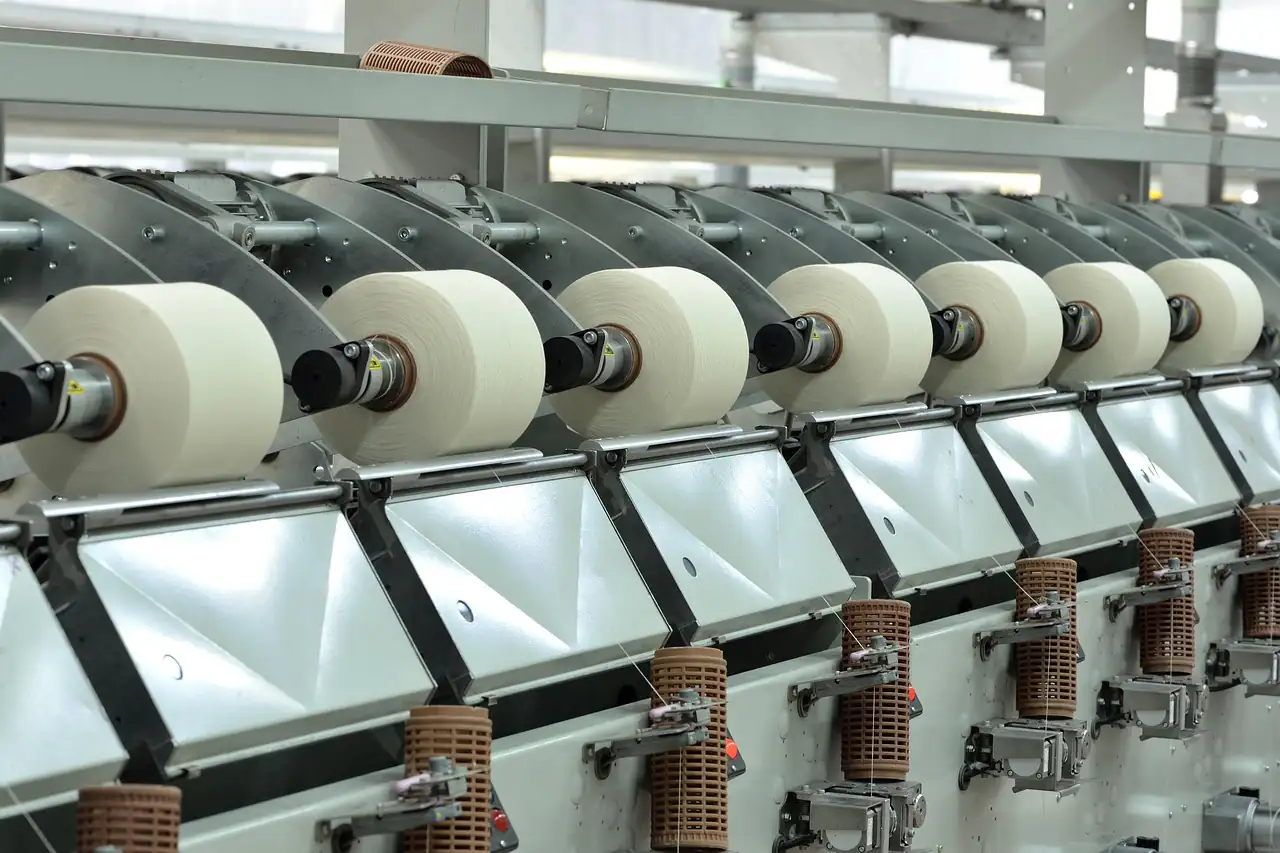
This guide is the practical side. Our textile certifications guide explains what each label proves and how to read a scope or transaction certificate, so I won't repeat that here. What you'll find below is how a factory in Tiruppur, Panipat or Surat actually gets certified, how long it takes, and what you as the buyer should ask for and when. It sits in our certifications hub alongside social audits, which most of the same buyers ask for next.
Here's the short version of how the three differ -
So a buyer who wants "organic and safe" is asking for two things. GOTS covers the fibre and the process, and OEKO-TEX covers residues in the finished article. Plenty of Indian mills hold both, and plenty hold one and show it as if it were the other.
The scale is worth knowing. Trade press reporting the Global Standard 2025 annual report puts GOTS-certified facilities at 17,800 worldwide, with India holding the largest share at 27.8% (Apparel Insider (opens in a new tab), not read at source). That's thousands of certified sites, which means a certified supplier is easy to find and the real question is whether the whole chain behind your order is covered.
GOTS says it plainly - "each company involved in the processing of the product must be certified" (Global Standards (opens in a new tab)). Traders who take legal ownership need it too.
In practice an Indian T-shirt order passes through a ginner, a spinner, a knitter, a dyer and processor, a printer perhaps and the garment unit. Indian knitwear runs on job work, which is a normal and efficient way to do business, and it means your garment maker may send fabric out to two or three other firms. Every one of those firms must be on a GOTS scope certificate, either its own or as a listed subcontractor on the main unit's certificate.
I'd ask about this before price. If the dye house a supplier uses isn't on anyone's certificate then the order can't carry GOTS, however good the garment unit's own paperwork looks.
The order of documents matters more than the documents. Here's the sequence I'd follow -
Red flags are mostly simple. A certificate in a parent group's name that doesn't list the site making your goods, an OEKO-TEX number that doesn't come up in Label Check, or a supplier who sends a PDF but can't name its certification body. None of them proves fraud on its own. All of them deserve a polite question.
Your market rarely makes these certificates law. They're customer requirements, set by retailers and by your own claims. The legal risk comes when you put "organic" on a label and can't back it, which in the EU and UK falls under green-claims and consumer law. Our eco-labels and green claims guide covers that side.
GOTS doesn't certify anyone itself. Approved certification bodies do. On 17 October 2026 the GOTS list filtered to India showed 14 bodies (Global Standards (opens in a new tab)) -
| Certification body | GOTS scopes approved |
|---|---|
| Bureau Veritas Consumer Products Services | 1, 2, 3, 4 |
| CCPB | 1, 2, 3, 4 |
| Clean Globe International | 1, 2, 3 |
| Control Union Certifications | 1, 2, 3 |
| CU Inspections and Certifications India | 1, 2, 3, 4 |
| Ecocert Greenlife | 1, 2, 3, 4 |
| Eurofins Assurance India | 1, 2, 3 |
| GCL International | 1, 2, 3, 4 |
| GSCS International | 1, 2, 3 |
| ICEA | 1, 2, 3, 4 |
| IDFL Laboratory and Institute | 1, 2, 3, 4 |
| Intertek Testing Services NA | 1, 2, 3 |
| NimkarTek Technical Services | 4 only |
| USB Certification | 1, 2, 3, 4 |
This is a list of facts, not a recommendation. GOTS itself warns that not every office has a local GOTS auditor, so ask each body whether it has one for your scope and region before you sign. The scope numbers refer to what the body is approved to certify (scope 4, for instance, covers chemical input approval), and the current definitions are on the GOTS site.
This half is for the mill, processor or garment unit. GOTS publishes six steps (Global Standards (opens in a new tab)), and here they are with what they mean on the ground.
Step 1 - Read the standard. Download the current GOTS standard and its implementation manual from the GOTS resources page. Version 8.1 has an implementation deadline of 1 March 2027, so read that version, not the one your consultant used in 2022. Allow a week or two to map each clause to your unit.
Step 2 - Talk to GOTS first if you're unsure. GOTS has a regional representative for South Asia and a list of approved consultants. A conversation costs you nothing but time and saves you from hiring help you don't need.
Step 3 - Choose a certification body. Pick one from the list in section 4 with an auditor who covers your region and process. Ask for its current fee on its quote, since GOTS doesn't set one.
Step 4 - Apply. The body asks for your location, scope of operations and the goods you make. Have ready your GST and IEC details, a site plan, a process flow chart, a list of every subcontractor you use for the products you want certified, and your chemical inventory.
Step 5 - Prepare for the on-site audit. The body schedules it and tells you which records to have. Expect them to look at purchase records for certified inputs, stock registers that show organic and conventional goods kept apart, chemical approvals, wastewater treatment records for any wet processing, and the social criteria (wages, hours, contracts). Non-conformities come with a deadline to fix.
Step 6 - Get the scope certificate. Once issued, your company appears in the Global Standards public database. From then on you need the annual on-site audit to keep it, and a transaction certificate for each certified shipment you sell.
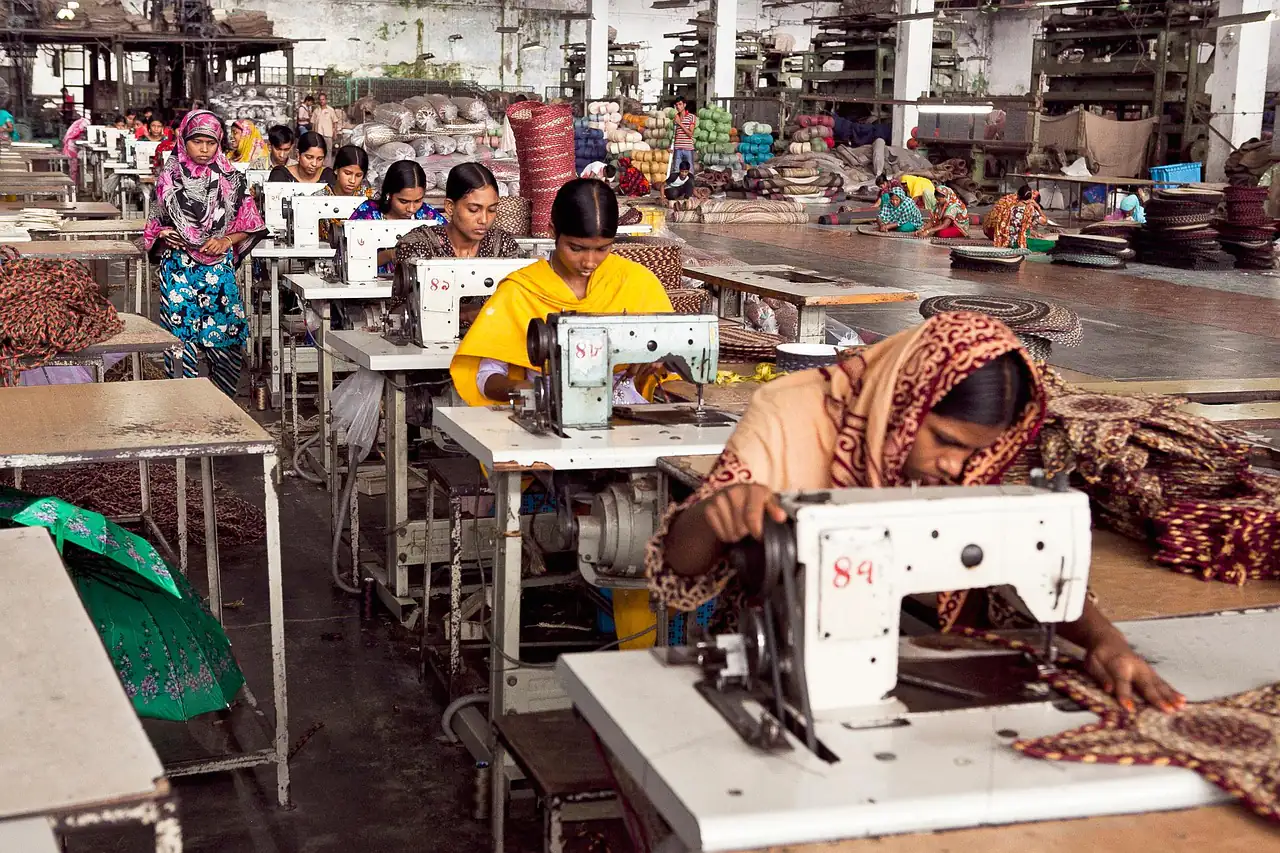
How long does it take? GOTS doesn't publish a timeline. A well-run garment unit with certified fabric suppliers can often move from application to certificate within a few months, while a dye house that has to fix effluent records or replace chemicals takes longer. Check the realistic date with your certification body before you promise a buyer a launch season.
If you'd rather not chase a dozen subcontractors through this yourself, SourcingSync (opens in a new tab) can manage the supplier side of a certified programme for a buyer.
OEKO-TEX works through its member institutes, and the application runs through the OEKO-TEX Connect portal. The published sequence is (OEKO-TEX (opens in a new tab)) -
Step 1 - Apply on OEKO-TEX Connect and send a material sample with the application.
Step 2 - Verification. The institute checks the application and the sample.
Step 3 - Test plan and testing. The institute sets the test criteria and an individual measurement plan, then tests.
Step 4 - On-site visit. The institute inspects and evaluates the company.
Step 5 - Test report. You get a detailed report.
Step 6 - Certificate. It's issued for one year, and you renew it to keep it.
The product class is the choice that matters most. Class 1 covers articles for babies and children up to 3, Class 2 direct skin contact (bed linen, for example), Class 3 no direct skin contact (jackets) and Class 4 home textiles and decoration. If you make babywear and adult tees then certify for Class 1 and both are covered by the stricter limits. Certifying only Class 2 and then shipping babywear is a mistake buyers spot.
What to send the buyer - the certificate number (they will check it on Label Check), the product class and the list of articles covered. Fees are set by the institute, so check the current fee with yours.
GRS follows the same shape as GOTS. You choose a certification body accredited for Textile Exchange standards, apply, pass a site audit covering recycled content claims, chain of custody, and the social, environmental and chemical rules, and then issue transaction certificates per shipment. Many of the bodies in section 4 also certify GRS. The recycled input must come with its own paperwork back to the recycler, and for post-consumer or pre-consumer waste that paperwork is where most Indian applications get questioned.
We couldn't read Textile Exchange's own pages at source. Check the current GRS version, the minimum recycled content and the claim rules on textileexchange.org before you apply.
This example is an illustration built from the rules above, not a real firm.
Say a UK brand wants organic cotton T-shirts for adults and kids, with a GOTS "organic" label and OEKO-TEX for the kids' line.
The garment unit in Tiruppur holds a GOTS scope certificate. It buys certified organic yarn from a spinner in Coimbatore, knits in-house, and sends fabric to a dye house in the same district under job work. The buyer's first email asks for all three companies' certificates, and the dye house turns out to be certified too, with the garment unit listing it. Good.
For OEKO-TEX the garment unit holds STANDARD 100 Class 1 for its knitted fabrics and finished garments, which covers kids and adults in one go. The buyer checks both numbers in the public databases, writes "GOTS, label grade organic, TC per shipment" into the PO, and gets the TC from the unit's certification body with the shipment. If the dye house had been uncertified, the fix would have been a certified dye house or a different product claim, and that's a conversation to have in week one, not at shipment.
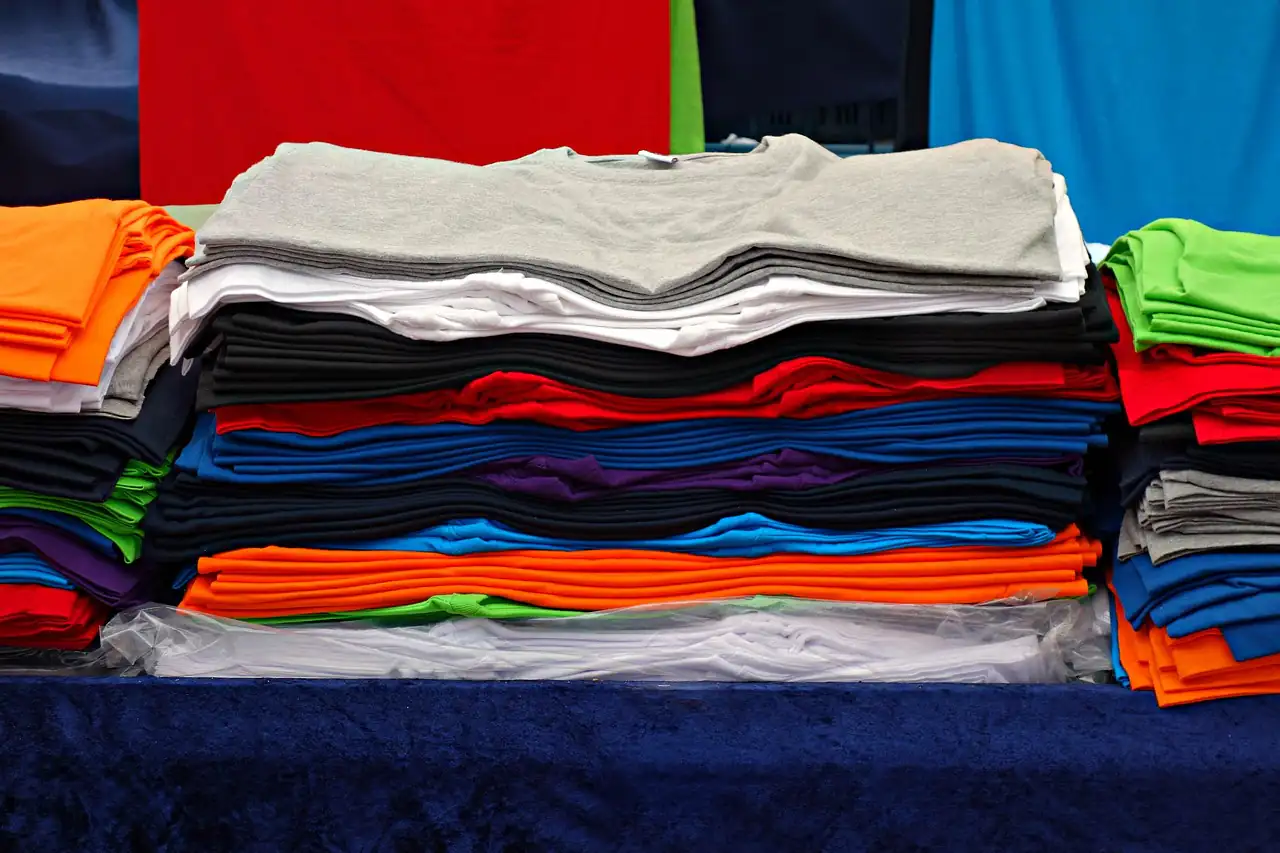
Traders who take ownership of the goods need their own certification. An agent who never owns the goods doesn't, but every factory behind the order still does.
No. OEKO-TEX STANDARD 100 tests for harmful substances. It says nothing about how the fibre was grown.
GOTS requires an on-site audit every year. Check the validity date printed on the scope certificate and in the public database.
Not always. GOTS publishes the steps and lists approved consultants, and many Indian units do it with their own compliance staff.
You can work on them together, and some bodies audit GOTS and GRS in one visit. OEKO-TEX goes through an OEKO-TEX institute separately.
A certificate is only as strong as the weakest unit in the chain, so start your checks there.
Ready to act
Want the goods checked before they ship?
SourcingSync can arrange inspection in India and tell you what the bulk really looks like before you pay the balance.
Where Indian cotton T-shirts are made, what Australia, NZ, the UK, US, EU and UAE charge on them, which origin proof you need and what to test first.

Where Indian bed linen is made (Panipat, Karur, Chennimalai, Solapur and mill belts), who ships it to the US, and what the UK, Australia, NZ, US and EU charge now.

India supplies over a third of US and NZ linen imports. Which towns make terry towels, how to write a spec that stops lint and light pile, and what each market charges.
Yash Khatri founded SourcingFrom to give buyers outside India the full picture of sourcing from India: what the country makes well, where it is made, who makes it and how it ships. He writes and edits every guide on the site, and holds each one to the same rule: say what we know, show how sure we are, and say plainly where the evidence runs out. He also runs SourcingSync, the hands-on service that does the sourcing work for buyers, and Kirnova, the data and intelligence company behind SourcingFrom Intelligence.
Want new guides when they go up? Get the newsletter
Leave your email and the PDF downloads straight away. We don't email it to you.
Fairtrade and Rainforest Alliance are both farm-level sustainability marks, but they work differently. Fairtrade sets a Minimum Price and pays a Premium to producer organisations, and FLOCERT certifies everyone in the chain who trades the goods. Rainforest Alliance certifies farms and supply chain actors against its 2020 standard through accredited certification bodies. This guide shows importers how to check both and gives Indian producers and exporters the steps to certify.
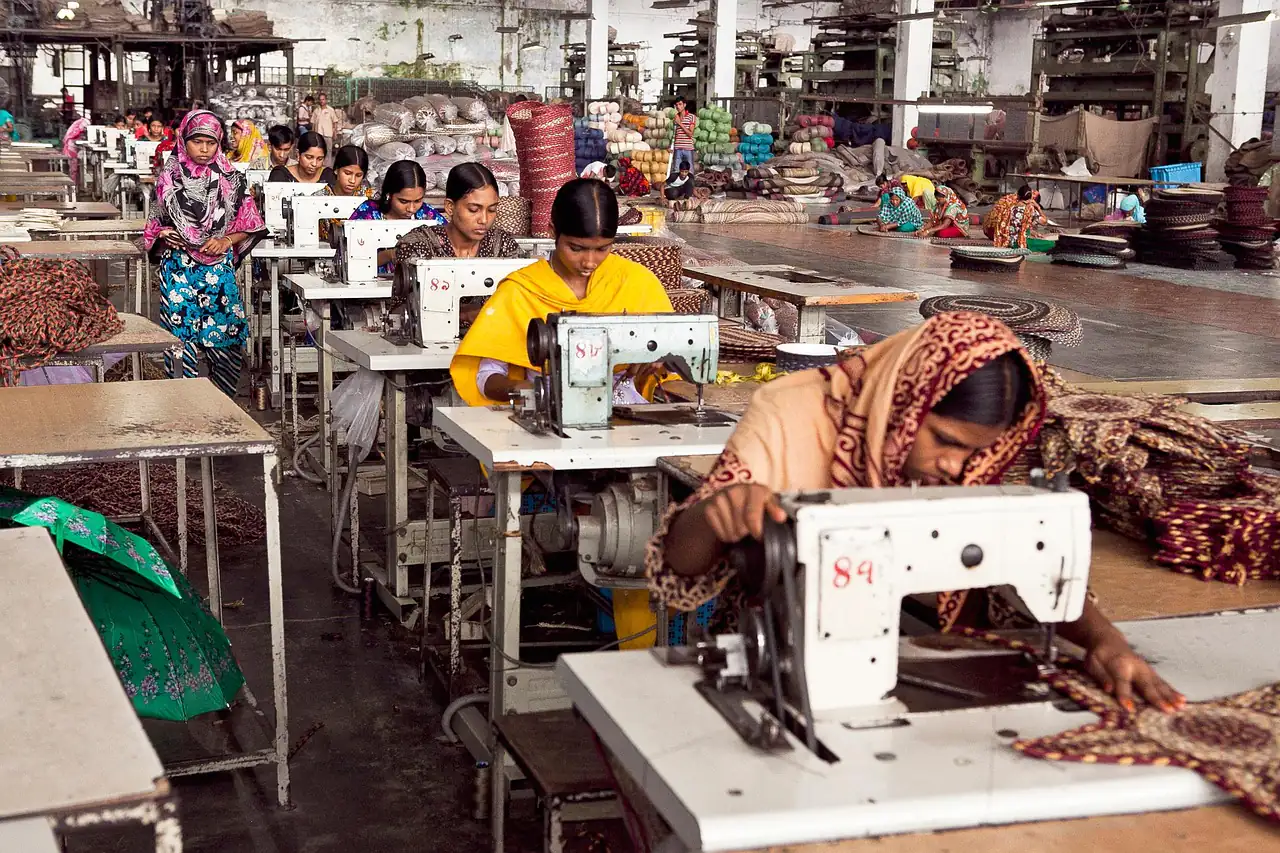
Most UK and EU buyers will ask an Indian factory for a social audit before a first order. amfori BSCI and SMETA are audits with reports, not certificates, while SA8000 and WRAP certify a site for a set period. This guide shows importers which one their customers mean and how to read the report, and gives Indian factories the steps, timings and common findings for each.
FSC and PEFC certify forests and the chain of companies that handle their wood. On Indian goods the certificate that matters is the maker's chain of custody, plus the claim printed on each invoice. This guide shows importers how to check both in a minute and walks an Indian exporter through getting chain-of-custody certified, including the Indian PEFC route for trees outside forests.

A product carbon footprint is a calculation, not a pass mark, and it is only as good as its boundary, its data and who checked it. Carbon credits are a separate thing: a bought claim against emissions elsewhere, and since 27 September 2026 they can no longer back a "carbon neutral" product claim to EU consumers. India now runs its own credit market under BEE.

CE and UKCA are the maker's own declaration that a product meets EU or GB product law, backed by a technical file and sometimes a third-party body. This guide shows an importer what to ask for and how to check it, and walks an Indian manufacturer through the steps from finding the right directive to signing the declaration.

Every certificate answers one question for one market. This index lists the certification guides by group, says in a line what each one is and who needs it, and gives a table of which certificates a product family usually needs in each main market. Each guide has a half for importers and a half for Indian exporters.