

Terry Towels From India: The Towns, the Lint Problem and What Each Border Charges
- Updated
Your route: terry towels from India
Leaves India from
Mundra
IndicativeUseful directional information where precise verification is unavailable.UnknownInsufficient evidence, or not yet researched.
Also Pipavav, Nhava Sheva (JNPA)
At sea
35 to 46 days
11 scheduled sailings, port to port
Every port and sailing to United Kingdom
- Mundra to London Gateway: 35 to 46 days, 11 sailings
- Pipavav to London Gateway: 39 to 61 days, 8 sailings
- Pipavav to Felixstowe: 77 to 102 days, 3 sailings
- Nhava Sheva (JNPA) to London Gateway: 34 to 41 days, 8 sailings
Leaves India from
Mundra
IndicativeUseful directional information where precise verification is unavailable.UnknownInsufficient evidence, or not yet researched.
Also Pipavav, Nhava Sheva (JNPA)
At sea
38 to 38 days
6 scheduled sailings, port to port
Every port and sailing to European Union
- Mundra to Rotterdam: 38 to 38 days, 6 sailings
- Pipavav to Rotterdam: 38 to 64 days, 5 sailings
- Nhava Sheva (JNPA) to Rotterdam: 33 to 33 days, 6 sailings
Leaves India from
Mundra
IndicativeUseful directional information where precise verification is unavailable.UnknownInsufficient evidence, or not yet researched.
Also Pipavav, Nhava Sheva (JNPA)
At sea
30 to 32 days
7 scheduled sailings, port to port
Every port and sailing to United States
- Mundra to New York/New Jersey: 30 to 32 days, 7 sailings
- Mundra to Savannah: 36 to 36 days, 7 sailings
- Mundra to Los Angeles/Long Beach: 45 to 62 days, 10 sailings
- Nhava Sheva (JNPA) to New York/New Jersey: 33 to 35 days, 8 sailings
- Nhava Sheva (JNPA) to Savannah: 38 to 40 days, 6 sailings
- Nhava Sheva (JNPA) to Los Angeles/Long Beach: 35 to 57 days, 12 sailings
Leaves India from
Mundra
IndicativeUseful directional information where precise verification is unavailable.UnknownInsufficient evidence, or not yet researched.
Also Pipavav, Nhava Sheva (JNPA)
At sea
26 to 26 days
2 scheduled sailings, port to port
Every port and sailing to United Arab Emirates
- Mundra to Jebel Ali: 26 to 26 days, 2 sailings
- Mundra to Fujairah: 25 to 25 days, 6 sailings
- Pipavav to Jebel Ali: 12 to 12 days, 6 sailings
- Pipavav to Khor Fakkan: 27 to 36 days, 3 sailings
- Pipavav to Fujairah: 40 to 46 days, 2 sailings
- Nhava Sheva (JNPA) to Jebel Ali: 7 to 14 days, 9 sailings
- Nhava Sheva (JNPA) to Khor Fakkan: 2 to 6 days, 6 sailings
- Nhava Sheva (JNPA) to Fujairah: 2 to 7 days, 3 sailings
Leaves India from
Mundra
IndicativeUseful directional information where precise verification is unavailable.UnknownInsufficient evidence, or not yet researched.
Also Pipavav, Nhava Sheva (JNPA)
At sea
29 to 42 days
21 scheduled sailings, port to port
Every port and sailing to Australia
- Mundra to Sydney: 29 to 42 days, 21 sailings
- Mundra to Melbourne: 26 to 36 days, 18 sailings
- Mundra to Brisbane: 26 to 39 days, 12 sailings
- Mundra to Fremantle: 21 to 49 days, 18 sailings
- Pipavav to Sydney: 35 to 61 days, 9 sailings
- Pipavav to Melbourne: 35 to 55 days, 8 sailings
- Pipavav to Brisbane: 32 to 58 days, 8 sailings
- Pipavav to Fremantle: 30 to 50 days, 8 sailings
- Nhava Sheva (JNPA) to Sydney: 25 to 39 days, 9 sailings
- Nhava Sheva (JNPA) to Melbourne: 20 to 40 days, 8 sailings
- Nhava Sheva (JNPA) to Brisbane: 22 to 36 days, 6 sailings
- Nhava Sheva (JNPA) to Fremantle: 15 to 52 days, 12 sailings
Leaves India from
Mundra
IndicativeUseful directional information where precise verification is unavailable.UnknownInsufficient evidence, or not yet researched.
Also Pipavav, Nhava Sheva (JNPA)
At sea
55 to 89 days
9 scheduled sailings, port to port
Every port and sailing to New Zealand
- Mundra to Auckland: 55 to 89 days, 9 sailings
- Pipavav to Auckland: 82 to 97 days, 5 sailings
- Nhava Sheva (JNPA) to Auckland: 30 to 80 days, 22 sailings
- Nhava Sheva (JNPA) to Tauranga: 37 to 39 days, 16 sailings
We have not yet researched which port Solapur ships through. Carrier schedules read 23 Sept 2026. Days are port to port; inland haul and customs time come on top.
Add up the landed costFind the HS codeGet help shipping it (opens sourcingsync.com in a new tab)
In July 2023 an American shopper posted a photo of her dryer filter to a cleaning forum. She'd bought a set of towels at HomeGoods, washed them three times, and they were still shedding lint like the first day. "Made in India," she wrote. "Didn't expect this" (r/CleaningTips, 2023 (opens in a new tab)). The first reply shrugged it off as normal for new towels. It isn't quite normal, and it isn't quite India's fault either. It's a spec that nobody wrote down.

That one post is the most useful thing a towel buyer can read before an Indian quote, because India is very good at towels. It is the largest supplier of household linen to the United States, and supplies over a third of what New Zealand buys. What goes wrong is rarely the weaving. It's the pile yarn, the finish and the weight that slip between the sample and the bulk. This page covers where Indian towels are made, how to write a spec that holds, and what six borders charge. One caveat first: our shipping records are US records, and we publish no prices. Check the current price with your maker.
Where Indian Towels Actually Come From
Ask a search engine and you'll get three towns: Solapur, Karur and Erode. All three are real towel towns. But the US shipping record says most export volume comes from somewhere else, and the gap is the first thing to understand.
India's towel trade has two layers. The top layer is a handful of large vertical mills that spin, weave, dye and finish under one roof, mostly in Gujarat, Punjab, Haryana and Madhya Pradesh, and they ship container after container to big-box retailers. A 2021 trade report put Welspun at 19% of the US towel market and named Trident among the world's five largest terry producers (Apparel Resources, Sep 2021 (opens in a new tab)). That's why the largest named shipper in our US data sits in the Vapi and Valsad belt, and why the towns everyone names hold under a tenth of named shipments.
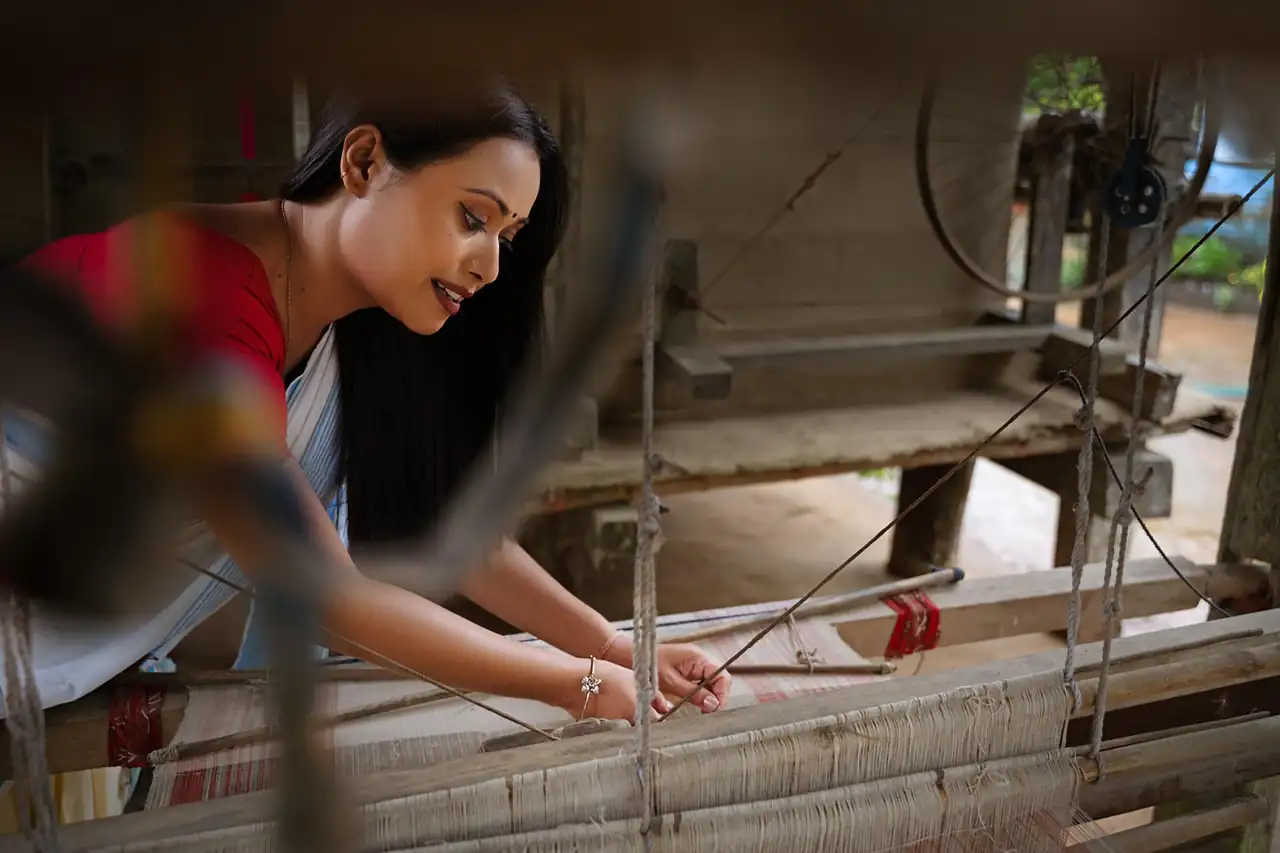
The second layer is the clusters, where most of the buyers reading this will actually land. Solapur in Maharashtra is the towel town by reputation and by law. It holds the GI, and its own industry body markets it for "small batch size with maximum varieties" (Textile Development Foundation, expo brochure, 2019). The full picture is on the Solapur terry towel cluster page. Karur and Erode in Tamil Nadu weave kitchen towels, bath towels and table linen, often through cooperatives that sell via an exporter (Erode district (opens in a new tab)), and the Karur handloom cluster page covers how to reach them. Panipat ships towels next to its bed linen and bath mats (Panipat textile cluster). The same 2021 report also listed a terry exporter in Mettupalayam near Coimbatore and one in Jaipur among the top five by value, a reminder that towel makers turn up outside the famous towns too.
Our reading for a buyer: a big-box programme in the hundreds of thousands goes to the mills. Hotel, spa, private-label and mid-size retail orders fit the clusters, which are built for variety. If you're adding towels to a sheet order, the bed linen from India page covers the sheet side, and many of the same makers do both.
The Lint Problem, And The Four Lines That Prevent It
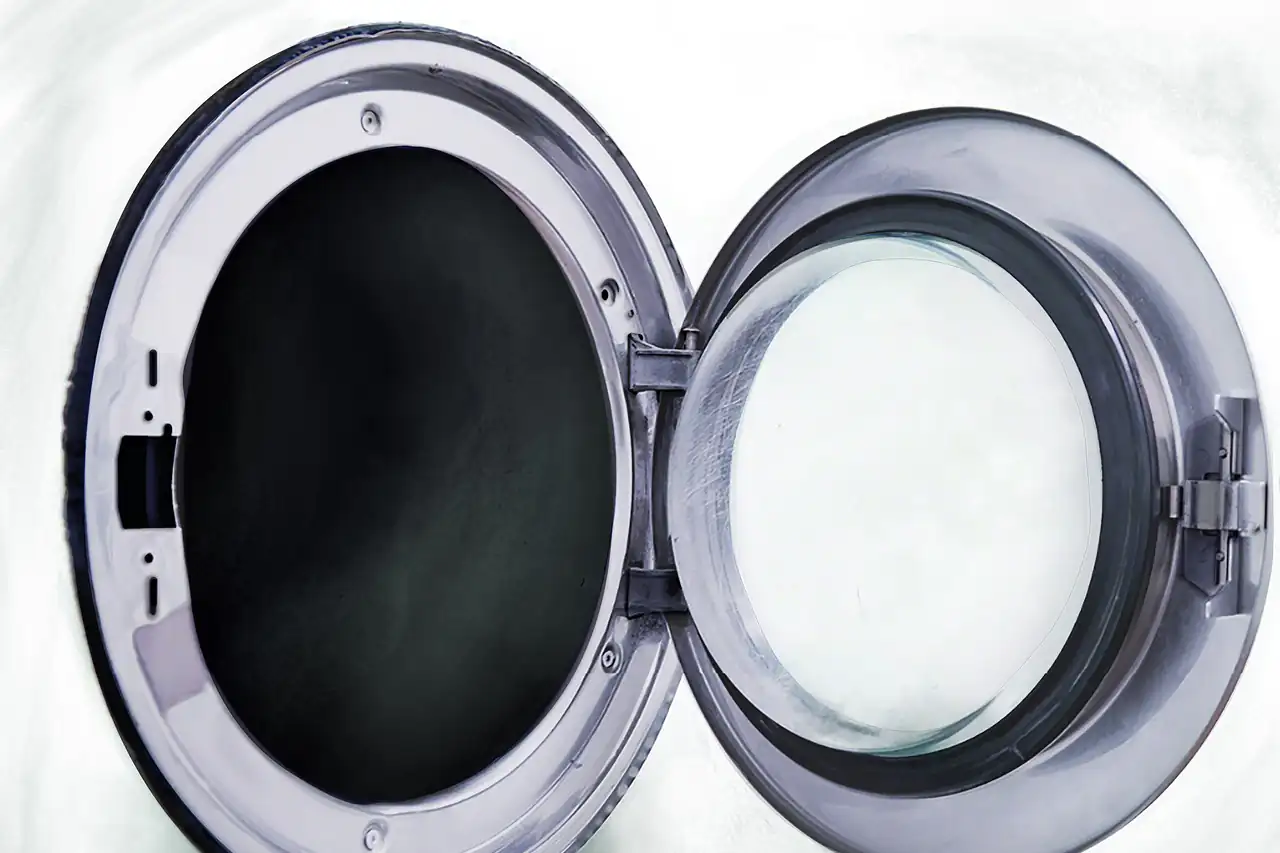
Back to the HomeGoods towels. Lint is loose fibre leaving the loops. Some of it is normal on a first wash. Heavy lint after three washes usually comes from short-staple or open-end pile yarn, too little twist, or a finish that hides the problem on a new towel. None of that shows in a photo, and a lot of it doesn't show on a hand-feel sample either. Our reading is that it's a spec gap more than a country problem. The single forum voice isn't proof of a pattern, so treat it as a reason to ask, not a verdict.
Four lines in the purchase order close most of the gap.
Weight, with a tolerance. GSM (grams per square metre) is how towels are sold, and it's the easiest number to drift. Write the GSM, a plus or minus tolerance, and say it's measured after the first wash, not on the loom-state or softened towel. A forum thread on heavyweight knit samples described makers reaching a quoted weight with a finish that washes out (forum signals, quality and samples log), and the same trick works on terry.
Pile yarn, by type. Name the yarn: ring-spun or open-end, combed or carded, single or two-ply, and whether it's zero-twist. A maker who answers this in one line knows their mill. One who changes the subject is quoting from a trader's stock.
Ground and pile ratio. A towel can hit its GSM with a heavy ground and thin pile, which feels fine dry and fails in use. Ask for the pile height and the pile-to-ground weight split on the approved sample, and keep a cut of it.
A wash test you can repeat. Agree a lint test before bulk: a set number of home washes at a set temperature, with the filter weighed. Then do it on a random pull from the bulk, not a towel the factory hands you. The method is in AQL sampling explained, along with what an inspection can and can't see.
If organic is on the label, the paper that matters is the transaction certificate for your shipment, not the factory's scope certificate. Textile certifications explained shows how to check it, and cotton traceability covers where the fibre came from.
What Each Border Charges
We re-read the UK, US and Australian tariff lines for cotton terry towels on 7 October 2026. The rest come from our destination pages.
Australia. 5% general, 0% under ECTA on every 6302 line we read (DFAT FTA Portal (opens in a new tab)). You need the certificate of origin, and the origin test is about where the value was added. See India to Australia.
New Zealand. Cotton terry towels already enter free, so the FTA changes little here (India to New Zealand). That may be part of why terry is India's biggest linen line into New Zealand.
United Kingdom. 12% third-country, 0% for India from 15 July 2026 on commodity 6302600090 (UK Trade Tariff (opens in a new tab)). Name the preference you're claiming and match the proof to the invoice. India to the UK has the routes.
United States. 9.1% general on 6302.60.00 (USITC (opens in a new tab)), plus the extra Section 301 duty on Indian goods covered on India to the US. There's no preference to claim.
European Union. Home textiles lost GSP for 2026 to 2028, so Indian towels pay the full EU rate. We haven't read the live TARIC line, so check your code before you price. See India to the EU.
UAE. The CEPA rate applies on a DGFT certificate. See India to the UAE.
The detail most buyers miss is the code itself. Terry towels sit at 6302.60 when they're cotton terry toilet or kitchen linen, but a printed kitchen towel in flat weave or a towel with a high polyester share can land elsewhere. Have your broker confirm the code from a physical sample before the first shipment. HS codes explains why.
Who Ships, And What That Means For You
You can't ask India's customs who exports towels, but the US publishes bills of lading, and they tell a story that carries to other markets.
The trade is concentrated at the top and anonymous below it. The ten largest named shippers hold 17.3% of all India-origin HS 6302 shipments to the US, far more than in T-shirts, where the top ten hold 6.5%. So towels are a mill business at the top. Underneath, half the record carries no name at all.
The cargo leaves from the west. Nhava Sheva (33.7%) and Mundra (30.0%) dominate the ports of loading, with Colombo at 11.7% for the southern makers (our count, US only). For a Solapur order Nhava Sheva is the natural gateway. For Karur and Erode, expect Tuticorin or Cochin with a feeder to Colombo. The sea freight routes guide covers transit, and LCL vs FCL helps if your first order won't fill a box.
And demand is soft. US shipments fell by a third in the six months after August 2025 and were still down 18% a year later (our count). Our reading is that cluster makers who lost US volume have spare looms, which gives an Australian, NZ, UK or Gulf buyer room to ask for a proper sample round. It isn't a discount promise.
To check a maker's registration, IEC and GST, start with how to verify Indian suppliers. If you want someone to stand on the loom floor, check the yarn and run the wash test on a bulk pull, SourcingSync (opens in a new tab) does that at origin.
Ready to act
Need hands-on help?
Shortlisting towel makers, checking yarn and weight at the loom, and running wash tests on bulk is execution, not knowledge. SourcingSync does it for foreign buyers.
Questions Buyers Ask
Is Solapur the best place for towels?
It's the best-known cluster and it's built for variety and smaller batches. Very large volume programmes usually go to the vertical mills in Gujarat and the north. Pick by your order, not the town's fame.
What GSM should I ask for?
That's your product decision. What matters is that the number is written with a tolerance and measured after a wash, because an unwashed or heavily softened towel can read heavier than it is.
Why do my samples feel better than the bulk?
Often a different yarn lot or finish. Keep a cut of the approved sample, name the pile yarn, and test a random bulk pull against it.
Do Indian towels qualify for the UK and Australian zero rates?
They can, if the origin rule is met and you hold the right proof. A towel woven in India from Indian cotton yarn usually passes. One made from imported yarn might not, so put the yarn's origin in the RFQ. Rules of origin explains the tests.
Back To The Dryer Filter
The shopper with the full lint filter didn't get a bad towel from a bad country. She got a towel that nobody had specified past its colour and size. India supplies over a third of the household linen the US and New Zealand import, and the makers in Solapur, Karur and the mill belts can hit a tight spec when it's written down. Weight after washing, pile yarn by name, a wash test on bulk. Ask for those three before the first quote and the filter stays clean.
For the next step, work out your landed cost with the India sourcing tools and keep India product guides open for the rest of your range.