
Solapur Terry Towel Cluster: The Towel Town, Its GI and How to Buy There
- Updated
In 2019 Solapur's towel makers did something we rarely see from an Indian cluster. They printed a brochure in English, posted on the website of India's consulate in Dubai, and invited importers from 24 countries to come and meet them in their own town. The organiser, the Textile Development Foundation, said the aim was "to reduce the gap between manufacturers and buyers/consumers by diminishing the role of middlemen" (Vibrant Terry Towel Global Expo and Summit 2019 (opens in a new tab)). It called Solapur "The Towel City of India".
That line about middlemen is the key to buying here. Solapur is a town of many small power-loom owners who have long sold through traders, and who would rather sell to you. This short page covers what the town makes, what its GI does and doesn't promise, how the trade is organised, how goods leave and what to check. The product side, specs and duty, is on terry towels from India. One caveat: Solapur has almost no official export statistics of its own, so most figures here are the town's own claims, and we label them.
1. What The Town Makes
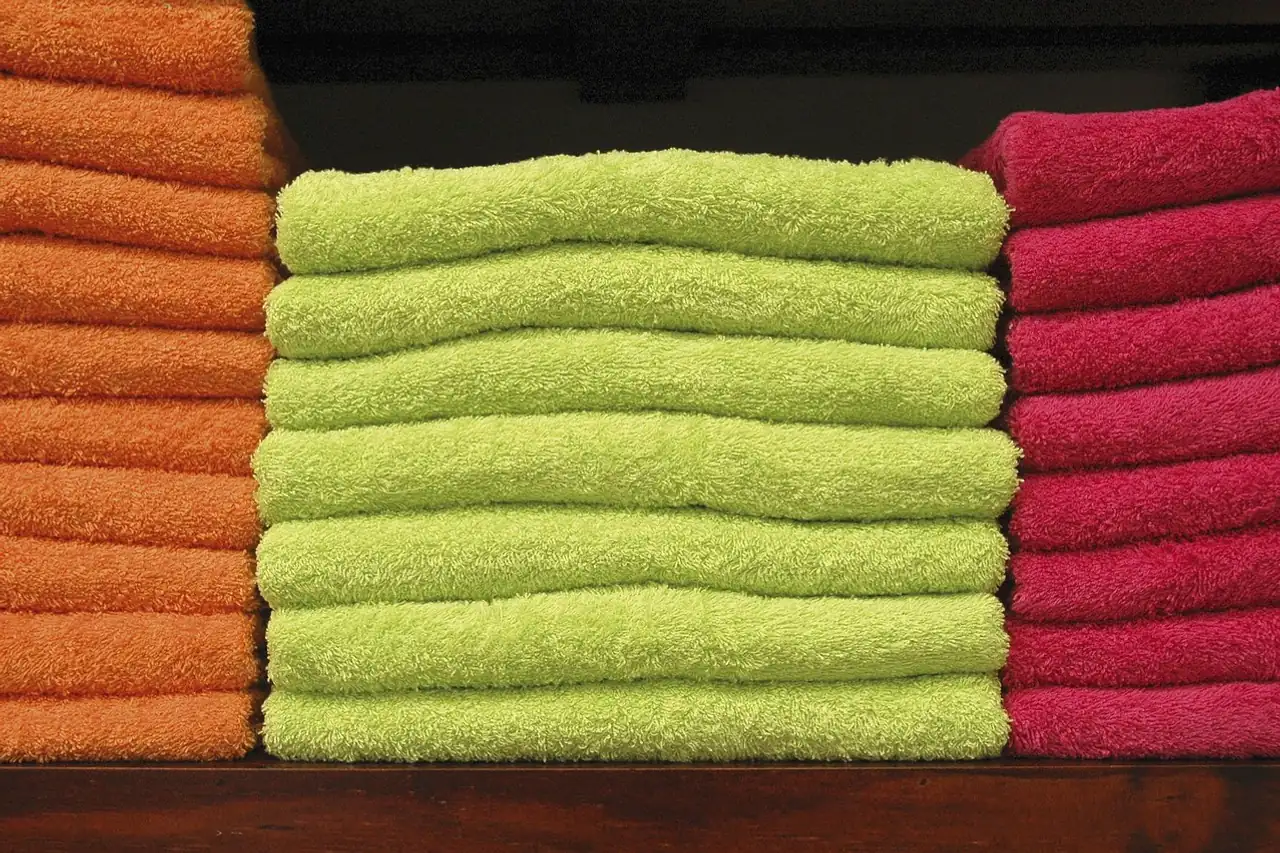
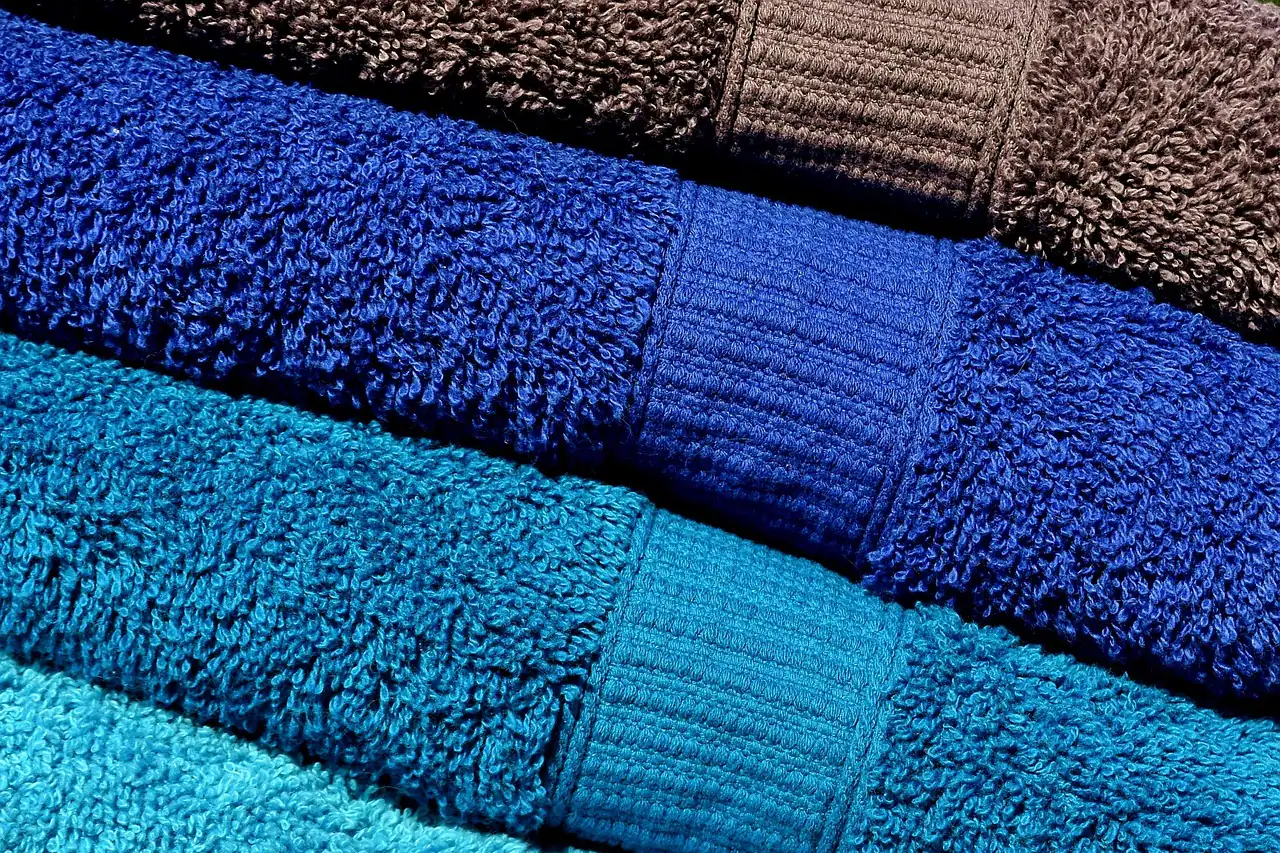
Terry towels, first. Hand, bath, face and beach towels, hotel and institutional towels, jacquard and logo-woven towels, kitchen terry, bath mats and bath robes all appear on the 2019 expo list, along with baby towels, bibs and prayer mats. The town's own phrase, "maximum varieties", fits that list. The other GI product is the Solapur chaddar, a cotton blanket made, by HEPC's account, by Padmashali weavers in Solapur and sold to the UAE, Kuwait, South Africa, the US, the UK and Canada (HEPC (opens in a new tab), Reported).
There's a third trade that buyers rarely hear about. In 2017 the state textile minister said Solapur had over 1,000 garment units making uniforms, with more than 60,000 workers, and planned a garment park on the site of a closed mill (Textile Excellence, Jan 2017 (opens in a new tab), Reported, and old). If you buy workwear or hospitality uniforms along with towels, it's worth asking about.
HEPC says the towel trade gives "livelihood assistance to nearly 200,000 people in Solapur district" (Reported). We can't verify that figure and it likely counts the whole chain. Read it as "a large town trade", not a headcount.
2. What The GI Means For You
A GI protects a name. "Solapur Terry Towel" on a label should mean a towel made in Solapur district by the methods registered with the GI. It isn't a quality grade, a certificate of any factory, or a test result. The registry lists the product as "terry towel weaving or knitting work" in cotton yarn (HEPC (opens in a new tab)), which is broad.
So use it the right way round. If you want to sell "Solapur" towels under that name, ask your supplier whether it's a registered authorised user of the GI and keep the evidence. If you only want good towels, the GI tells you where to look and nothing about which maker. The spec still decides the towel, and the four lines that matter, weight after washing, pile yarn, pile-to-ground ratio and a repeatable lint test, are on the terry towels page.
3. How Buying Works Here
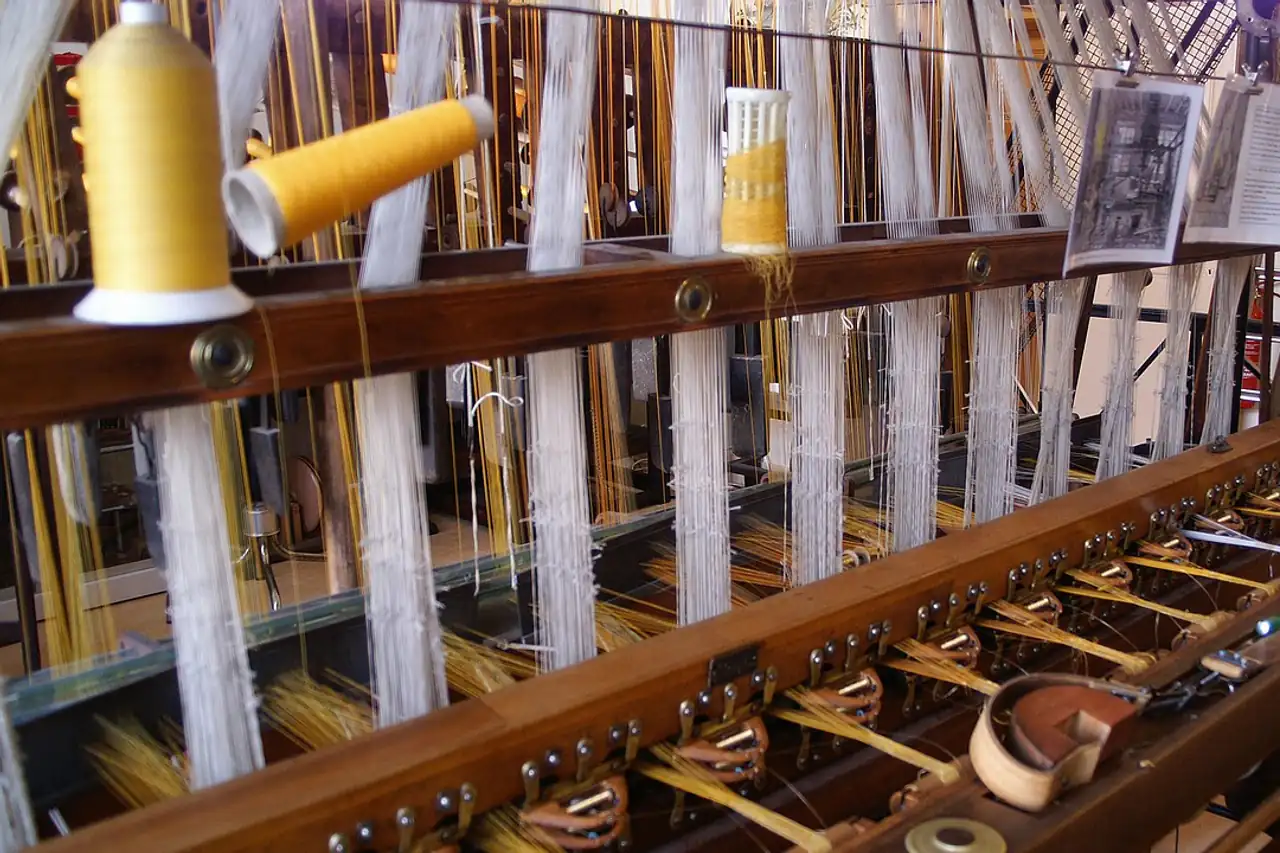
Solapur's trade is built on power-loom owners, many small, with weaving, dyeing, cutting and stitching often in different hands. The 2019 brochure is open about it, offering buyers the chance to deal with "power loom owners consortia" and promising "direct contact with actual manufacturers". Selling through traders is a normal way for a small-loom town to reach the world, and a trader can be a good partner. It does change three questions you should ask.
Who holds the order? If your contract is with an exporter who places weaving with several loom owners, ask which units weave, which dye and which stitch, in writing.
Is the yarn the same across looms? When an order is spread across owners, the pile yarn can come from different lots. Specify the yarn by type and ask how the exporter keeps it consistent. That's where lint and weight drift start.
Who does the export paperwork? A small loom owner may not hold an IEC or ship directly. That's fine, but your certificate of origin and invoice will come from whoever exports, so check that firm's registrations on how to verify Indian suppliers. If you'd rather someone else run the exporter of record and paperwork, SourcingSync (opens in a new tab) handles that.
We found no foreign buyer's first-hand account of Solapur on the forums we can read. A buyer visiting Karur, a southern towel and table-linen town, reported in 2026 that few factories answered online enquiries and that locals advised calling ahead and walking in (Karur handloom cluster). Our reading is that the same approach suits Solapur, but we haven't seen it confirmed (Indicative).
4. Getting Goods Out
Solapur is inland, in the south-east of Maharashtra on the road and rail line between Pune and Hyderabad. In a straight line it's about 344 km from Nhava Sheva, 336 km from Mormugao in Goa and 859 km from Mundra (our calculation, great-circle, so the road is longer). For most buyers, Nhava Sheva is the gateway, with the full port picture on the Nhava Sheva port page. The 2019 brochure gives Mumbai's airport and port as the town's links, and lists Pune airport, about 237 km away, for its Gulf connections.
Because the town is inland, the Incoterm matters. FCA at a named place, a depot or the port, is usually cleaner than FOB for an inland cluster, and FCA explains why. Ask your supplier to quote to a named place in writing and to say how the container gets there. A Solapur order that won't fill a container may move as LCL from Nhava Sheva, so see LCL vs FCL.
5. Fairs And Visits
The Textile Development Foundation organised the Vibrant Terry Towel Global Expo in Solapur for 2019. We couldn't confirm that it ran as planned or that a later edition followed, so check before you plan around it. The national fair for the textile chain is Bharat Tex, and the handloom export council's fairs are on HEPC handloom fairs. For a first order, a visit to the town itself, phoned ahead, is likely to teach you more than a stand. Plan around Diwali, when much of Indian industry slows, and see how to source from India for the calendar.
Ready to act
Need hands-on help?
Shortlisting Solapur makers, visiting the looms, checking yarn and weight, and handling the inland leg and export paperwork is execution, not knowledge. SourcingSync does it for foreign buyers.
6. Back To The Brochure
A town that prints its own invitation to the world and says it wants to cut out the middlemen is telling a buyer something. Solapur wants direct relationships, works in small batches and many varieties, and has a protected name to sell. What it doesn't have is easy visibility from abroad, a place on the export-town list or published statistics. A buyer who calls ahead, asks who weaves, and writes the towel spec down gets the best of what the brochure promised.