

Tea From India: Assam, Darjeeling and Nilgiri, Bought at Auction or Direct
- Updated
Your route: tea from India
Made in
Several centres
Leaves India from
Port not researched yet
IndicativeUseful directional information where precise verification is unavailable.UnknownInsufficient evidence, or not yet researched.
At sea
No schedule yet
Needs a researched port first
Made in
Several centres
Leaves India from
Port not researched yet
IndicativeUseful directional information where precise verification is unavailable.UnknownInsufficient evidence, or not yet researched.
At sea
No schedule yet
Needs a researched port first
Made in
Several centres
Leaves India from
Port not researched yet
IndicativeUseful directional information where precise verification is unavailable.UnknownInsufficient evidence, or not yet researched.
At sea
No schedule yet
Needs a researched port first
Made in
Several centres
Leaves India from
Port not researched yet
IndicativeUseful directional information where precise verification is unavailable.UnknownInsufficient evidence, or not yet researched.
At sea
No schedule yet
Needs a researched port first
Made in
Several centres
Leaves India from
Port not researched yet
IndicativeUseful directional information where precise verification is unavailable.UnknownInsufficient evidence, or not yet researched.
At sea
No schedule yet
Needs a researched port first
Made in
Several centres
Leaves India from
Port not researched yet
IndicativeUseful directional information where precise verification is unavailable.UnknownInsufficient evidence, or not yet researched.
At sea
No schedule yet
Needs a researched port first
Carrier schedules read 23 Sept 2026. Days are port to port; inland haul and customs time come on top.
Add up the landed costFind the HS codeGet help shipping it (opens sourcingsync.com in a new tab)
India's tea exports had their best year on record in 2025-26. The Tea Board's final figures put them at 271.93 million kg, up 5.45% on the year before, and the north, meaning Assam, Darjeeling and the Dooars, did all the growing: up 16% while the south fell 12%. Then the first four months of 2026 came in 18.9% lower than the same months of 2025 (Tea Board, 2026 (opens in a new tab)). A record year and a soft start the next. That's normal for tea, which moves with the weather in the gardens and the season's auctions, and it's the first thing a new buyer has to accept. You're buying a crop, not a product.
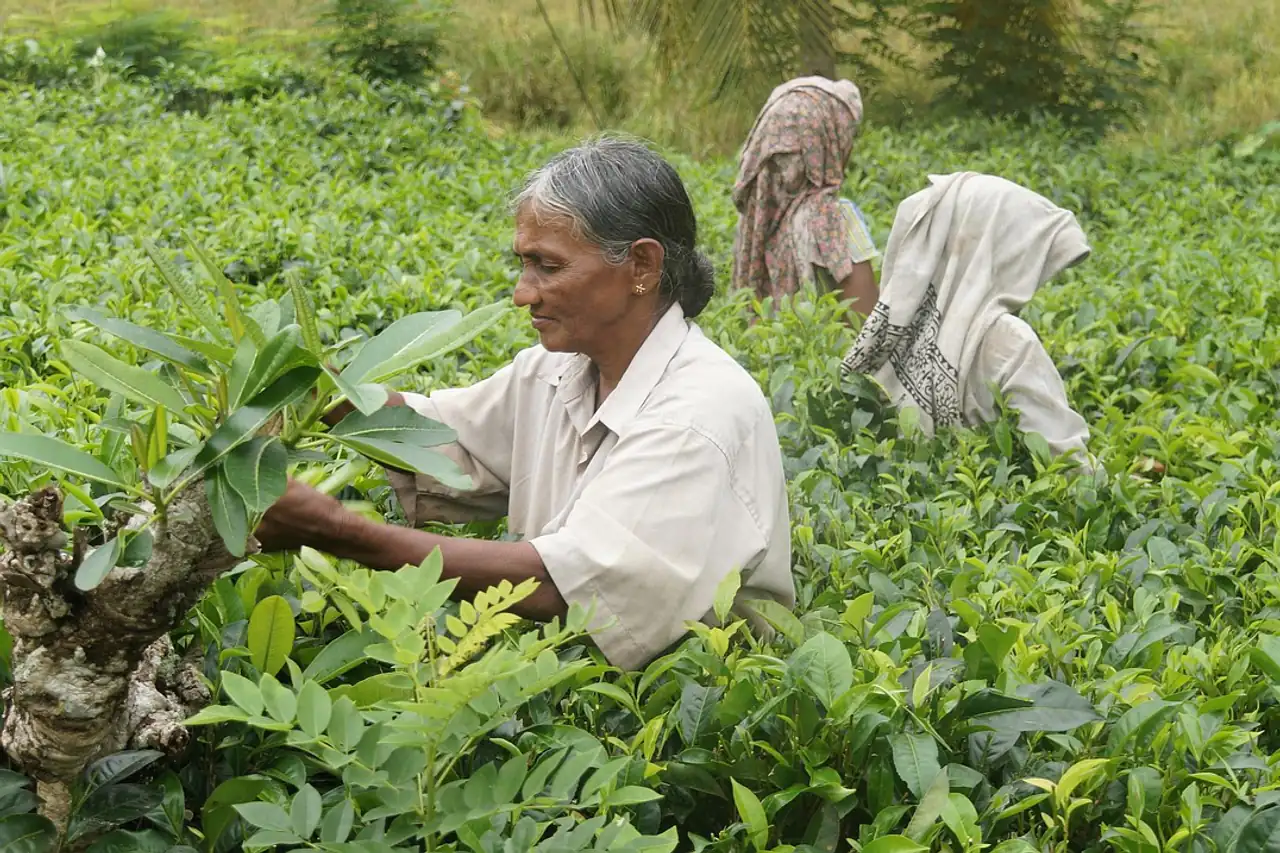
This page is built as the questions a buyer asks in roughly the order they ask them. How is Indian tea actually sold? Which region makes what? What does "Darjeeling" protect? And what fails at the border? On that last one our records are thin, because tea fails rarely. We say where the evidence is small. We publish no prices.
How Is Indian Tea Actually Sold?
Two ways, and the law tilts the field towards the first. Under the Tea (Marketing) Control Order, a registered tea manufacturer has to sell at least half of what it makes in a year through India's licensed public auctions, a rule in place since 2015 (The Sentinel (opens in a new tab), Tea Board TMCO (opens in a new tab)). The auctions sit in Kolkata, Guwahati and Siliguri for the north and Kochi, Coonoor and Coimbatore for the south, and they run online.
A foreign buyer doesn't bid at those auctions directly. You buy through a registered buyer, usually an Indian exporter or blender, who bids on your behalf against the catalogue and the samples the brokers send out before each sale. The advantage is choice and price discovery across hundreds of gardens every week. The cost is that you're buying lots, not a garden relationship, and consistency becomes your blender's job.
The other half can be sold privately, and that's where direct trade lives. A specialty buyer who wants one garden's second-flush Darjeeling or a named Assam estate's orthodox leaf usually buys this way, directly or through an exporter who represents the garden. Industry bodies have argued the auction share should go, so check the current rule with your exporter before you build a sourcing model on it.
Our view for a small importer is simple. For a consistent blend at volume, use an exporter who buys at auction and blends to a standard. For a single-estate story, buy private, visit if you can, and expect smaller lots that change year to year.
Which Region Makes What?
Assam. The bulk of India's tea, grown in the Brahmaputra valley. Strong, malty black tea, most of it CTC, the granular tea used in tea bags and in Indian chai, plus orthodox whole leaf. If you're blending a breakfast tea, you're probably buying Assam.
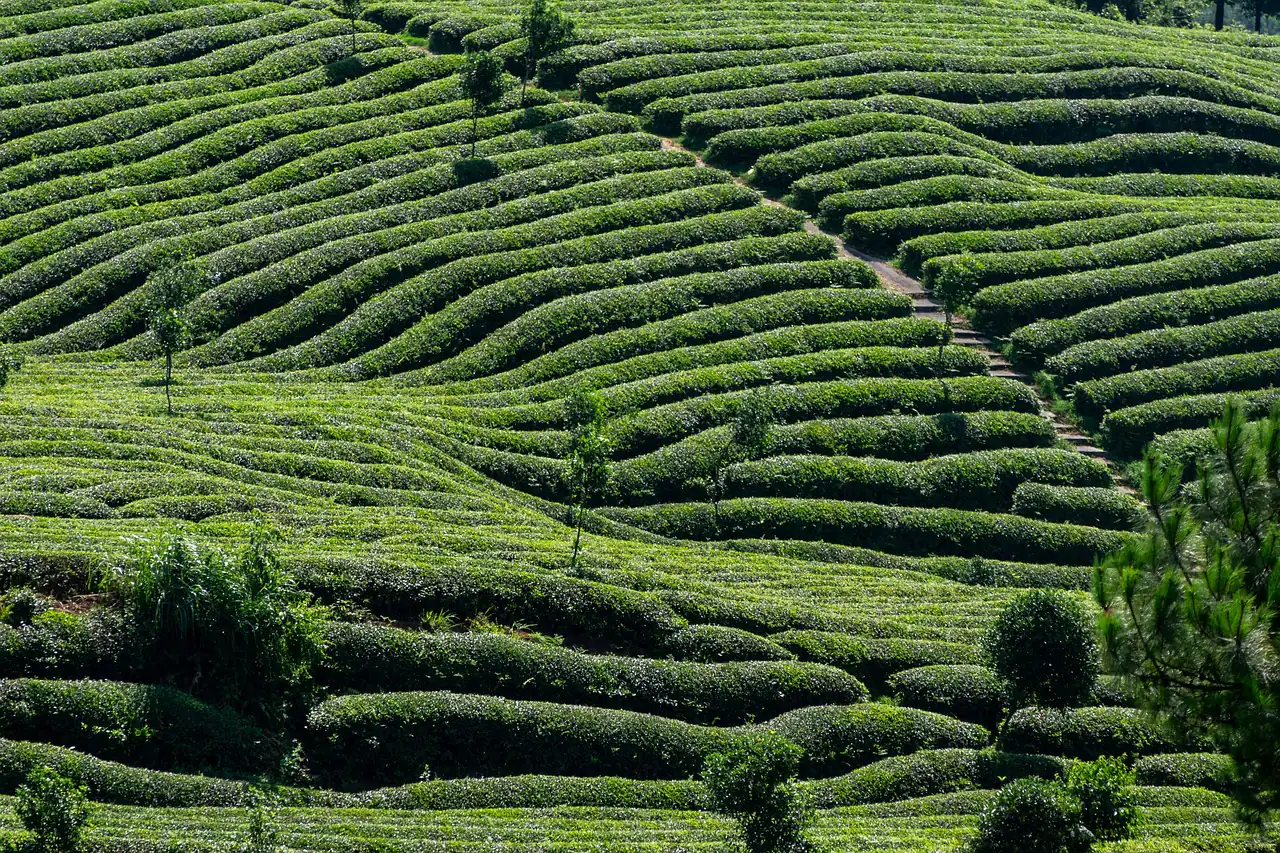
Darjeeling. Small hill gardens in West Bengal, sold mostly as orthodox leaf, in flushes: a light first flush in spring, the more muscatel second flush in early summer, and autumnal teas. Tiny volumes next to Assam, and the name is legally protected.
The Dooars and Terai. The plains below Darjeeling. Mainly CTC, and a big part of north India's export growth.
The Nilgiris and the south. Gardens in Tamil Nadu and Kerala make bright, brisk teas that blend well, plus some frost-season specialty teas. The south's exports fell in 2025-26 (Tea Board (opens in a new tab)).
What Does "Darjeeling" Protect?
Darjeeling tea is a registered geographical indication in India, the first one India registered, and it's protected in the EU as a geographical indication too. In practice that means a pack sold as Darjeeling in the EU has to contain tea grown and made in the defined Darjeeling area. Blends get complicated, because a blend sold under the Darjeeling name has to meet the rules for the protected name.
For a buyer the practical move is paperwork. Ask your exporter for the Tea Board's Darjeeling certification and the garden invoice for each lot, and keep them with the lot. If the price looks too good for the season, the tea probably isn't from the hills, and the name, not the taste, is what gets challenged.
What Fails At The Border?
Less than almost any other Indian food. But the failures that do happen tell you exactly what to test.
European Union and UK. Pesticides and natural toxins. The 17 RASFF notifications on Indian tea name chlorpyrifos (4, results from 0.027 to 0.062 mg/kg against 0.01), tolfenpyrad (2, in 2023 and 2026), dinotefuran (2), fenobucarb, dimethoate and the acetamiprid and monocrotophos pair in one 2022 record. One organic tea in 2022 carried 2-chloroethanol, the ethylene-oxide marker. Then pyrrolizidine alkaloids, which are toxins from weeds harvested with the leaf, not something anyone sprays: 4 notifications, the latest in December 2025 and February 2026, and one at 7,980 µg/kg against a 200 µg/kg limit. One July 2024 alert added atropine and scopolamine, another weed-seed signature, and mineral oil. Tea is plucked by hand on most gardens, so weeds in the leaf point to plucking practice and field hygiene.
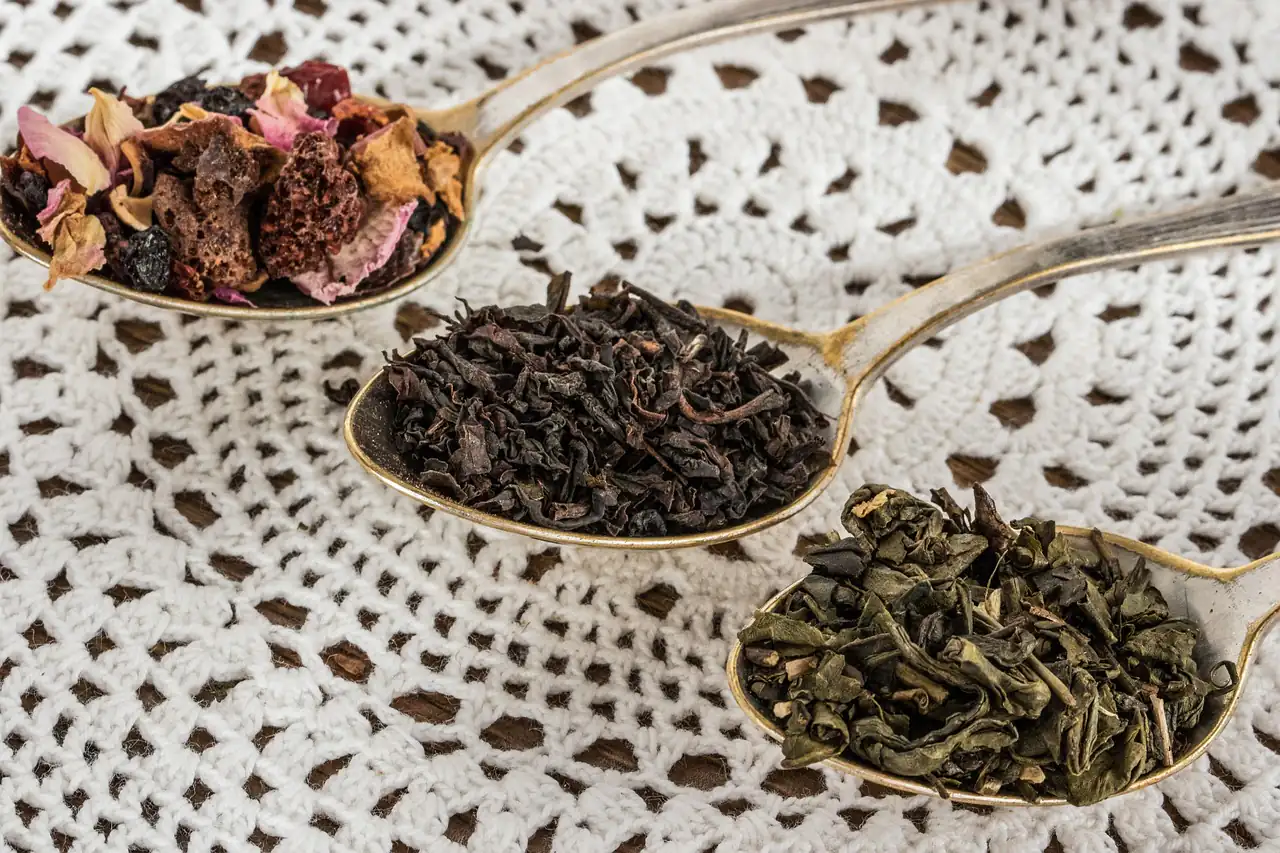
United States. Additives and labels. "Unsafe additive" sits on 22 of 38 refused lines, with nutrition-label, ingredient and drug-claim charges behind it. The pattern says that plain leaf from a garden clears and flavoured or "wellness" tea from a packer gets stopped. If your tea carries a flavour, a colour or a health claim, check each ingredient against US rules before you ship.
Australia. Nothing in our five and a half years of records. That's an absence in one list, not a guarantee.
For the duty and documents on each route, see India to the EU, India to the UK, India to the US, India to Australia and India to New Zealand. Ask your customs broker which tariff line your blend falls under, because flavoured and packed teas can sit apart from bulk leaf.
What Should I Test?
For a lot heading to the EU or UK, we'd write this into the purchase order. The sample is small, so read it as a guide built from 17 notifications, not a rule.
- A multi-residue pesticide panel that names chlorpyrifos, tolfenpyrad, dinotefuran, acetamiprid, fenobucarb and dimethoate, against the 0.01 mg/kg limit most of the records apply.
- Pyrrolizidine alkaloids, with atropine and scopolamine if the lot is from a garden you don't know. These are the results that ran far over the limit.
- Anthraquinone and mineral oil, which come from processing smoke and packaging.
- Ethylene oxide and 2-chloroethanol if the lot is organic and was fumigated anywhere along the way.
For the US, add an ingredient and additive review for any flavoured tea, and a label check. The sampling method is in food import testing and the wider plan is on quality control in India.
How Do I Find A Good Exporter?
Ask for the Tea Board registration, the gardens or auction lots behind your samples, and the residue results for the last few lots sold to your market. A good exporter will send auction samples or garden samples before every order and match the shipped lot to them. How to check the company itself is in verifying Indian suppliers.
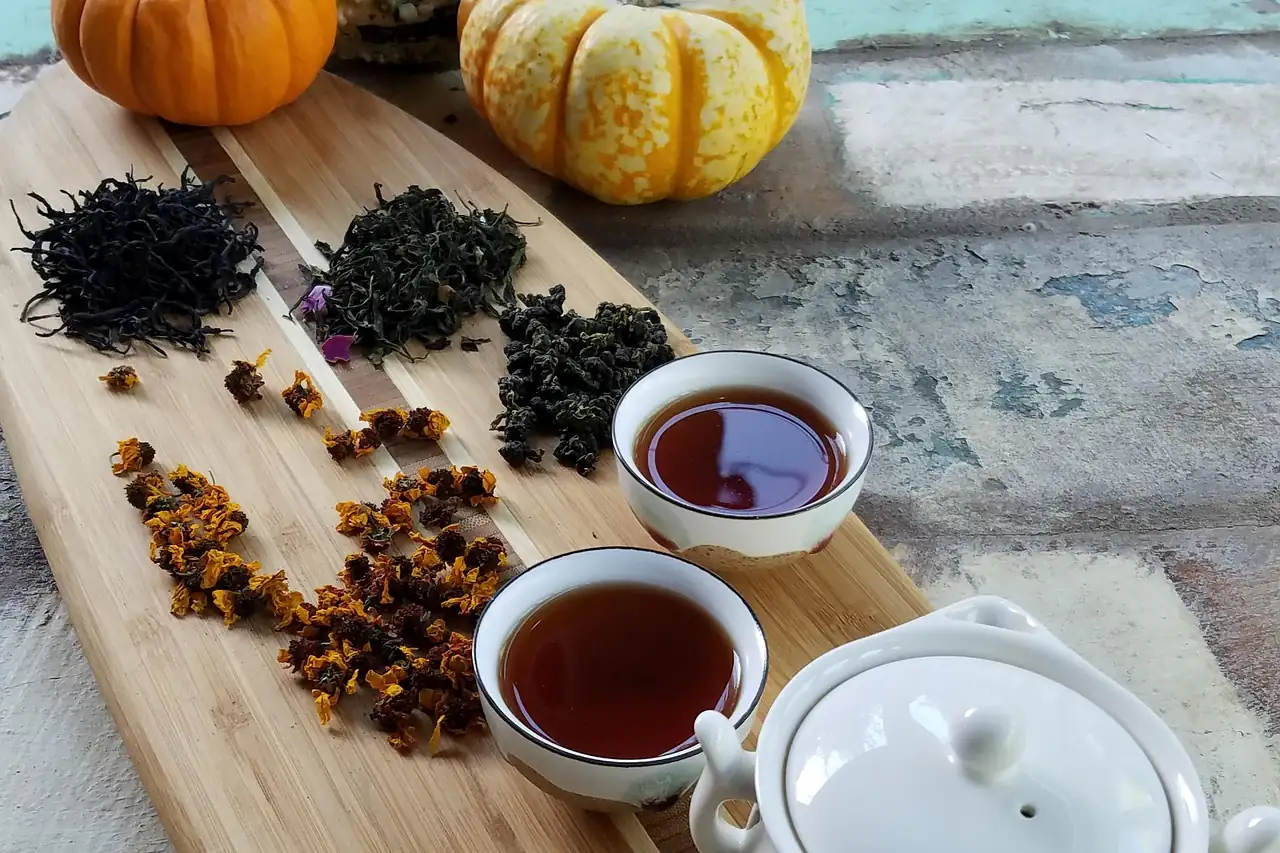
If you'd like someone in Kolkata or Coonoor to taste against your standard, check that the shipped lot matches the sample, and draw a sealed sample for the lab, SourcingSync (opens in a new tab) can do it.
The Record Year, Again
A record year followed by a slow four months is the honest picture of Indian tea, and it's why buyers who do well here plan around seasons and lots rather than a fixed product. The border record is kind to tea, and the few failures it shows are specific enough to test for. Pick your route to the leaf, keep the paperwork that proves where it grew, and test for what Europe has actually found. See India product guides for the next product.