

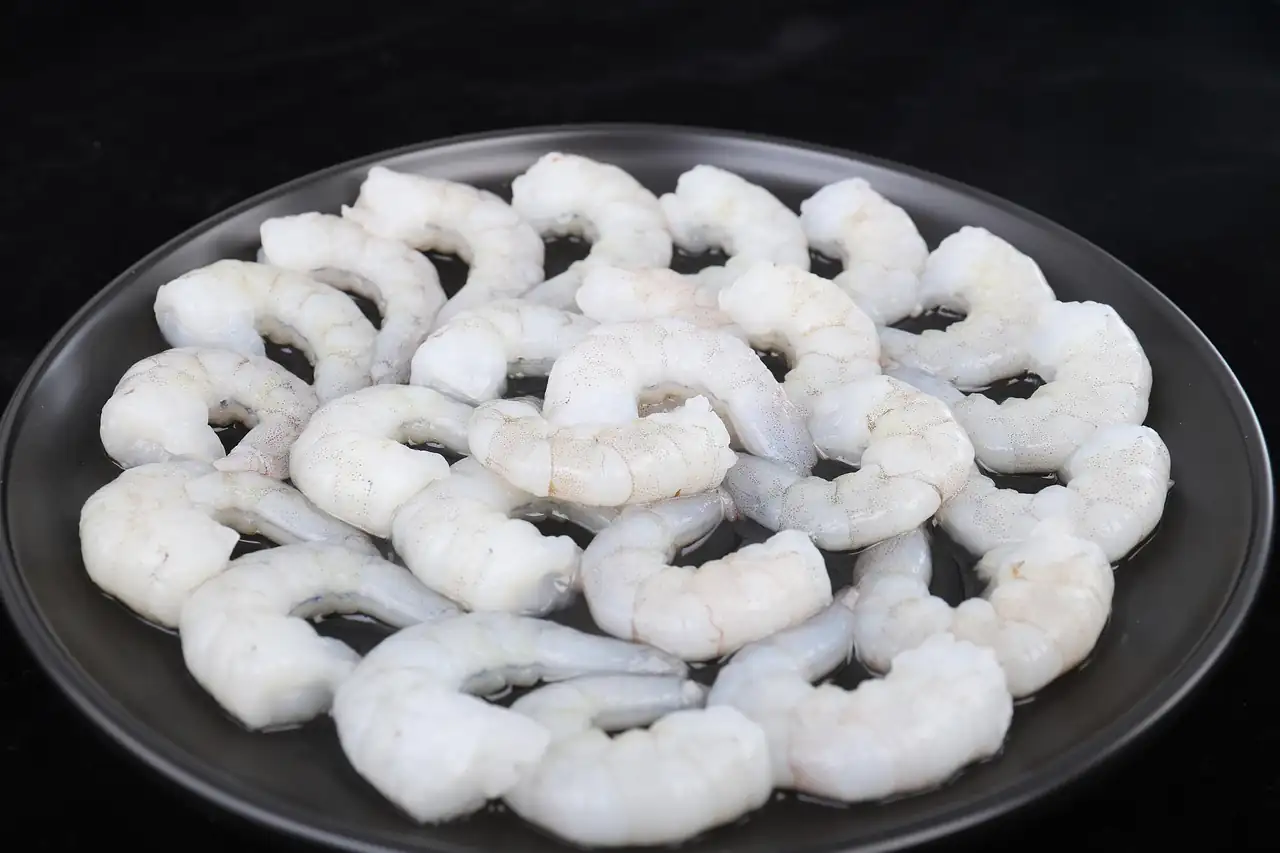
Frozen Shrimp From India to the US, EU and Australia
What decides whether Indian frozen shrimp clears in the US, EU and Australia: antibiotic residues, Salmonella, Vibrio, white spot testing and the FDA Green List.
8 min read
MSC certifies wild fisheries and ASC certifies farms, and both labels only reach a pack if every company in between holds a chain of custody certificate. For Indian seafood that is the part buyers miss. This guide shows importers how to check all three links, and walks Indian farms, fisheries and processors through getting certified.
In November 2014 a clam fishery in Ashtamudi Lake in Kerala became the first in India to earn the Marine Stewardship Council label (MSC (opens in a new tab), ICAR (opens in a new tab)). Local fishers had agreed on mesh sizes, closed seasons and a ban on mechanised clam fishing, and the clams went to Vietnam, Thailand and Malaysia. It's a good story, and it also shows how rare MSC is in India. Most Indian seafood exports are farmed shrimp, and farmed seafood is ASC's territory, not MSC's.

This guide is part of our certifications hub. The legal rules for shrimp at each border (residues, Green List, white spot) are on our frozen shrimp page, and I won't repeat them here.
People talk about "MSC certified shrimp" as if it were one certificate. It is three links, and each has its own certificate.
Break any link and the product can still be sold, but not as MSC or ASC.
They prove that an independent auditor assessed the fishery (stock health, ecosystem impact, management) or the farm (environment, water, feed, disease, social and labour conditions) against the standard, and that the supply chain kept certified product separate.
They don't prove the shrimp is free of antibiotic residues. They don't stand in for the legal approval to ship to the EU or the US. They don't tell you anything about the lot's Salmonella or sulphite status. In our count of FDA data, nitrofuran residues appeared on 105 refused Indian seafood lines and other veterinary-drug residues on 104 (finding F19, to Aug 2026). Some of those plants may well have held certificates. The label is about how the shrimp was farmed, and the lab is about what's in the box.
No border requires MSC or ASC. Customers do.
The legal floor sits underneath. For the EU the Indian processing plant must be on the EU list of approved establishments, which India's Export Inspection Council (EIC) supervises. The EU added 102 Indian fishery establishments in September 2025, mostly for aquaculture shrimp and cephalopods (press reports of the Commerce Ministry release). For the US, shrimp from India sits under the country-wide Import Alert 16-35, and 234 Indian firms were on its Green List on 23 September 2026.
Step 1 - Ask for the source certificate and the chain of custody code. You want the farm or fishery certificate and the processor's chain of custody code. MSC chain of custody codes start "MSC-C-".
Step 2 - Check the farm on ASC's Find a Farm, or the fishery on MSC's Track a Fishery. Look at the status (certified, suspended, withdrawn), the species and the expiry date.
Step 3 - Check the processor in MSC's Find a Supplier directory. Search the code. The scope should name the species and the activity (processing, packing). If the processor isn't listed then the label stops at the farm gate.
Step 4 - Match the volumes. A farm certified for a few hundred tonnes a year can't supply a processor shipping ten times that as ASC. If the numbers don't fit, ask.
Step 5 - Check the legal floor separately. The plant's EU approval number on the EU establishment list, and for the US the Green List under 16-35. Our frozen shrimp page has the full border checks.

Step 6 - Put it in the contract. Write "ASC certified, chain of custody code X, certified status at shipment" into the purchase order. Certificates can be suspended between order and loading.
This half is for Indian shrimp farms, fisheries and processors.
MSC and ASC are the scheme owners. Accredited conformity assessment bodies do the audits (both schemes use Assurance Services International to accredit them). In India the legal side is separate and comes first: MPEDA registration as an exporter, EIC approval of the processing plant, and for the EU the plant's listing. Check the current rules on the EIC and MPEDA sites.
Step 1 - Decide which standard you'll audit against. New farms should go straight to the ASC Farm Standard. Audits against the old shrimp species standard can only start up to 30 April 2028, and from 1 May 2028 every audit is against the Farm Standard (ASC (opens in a new tab), read 17 Oct 2026).
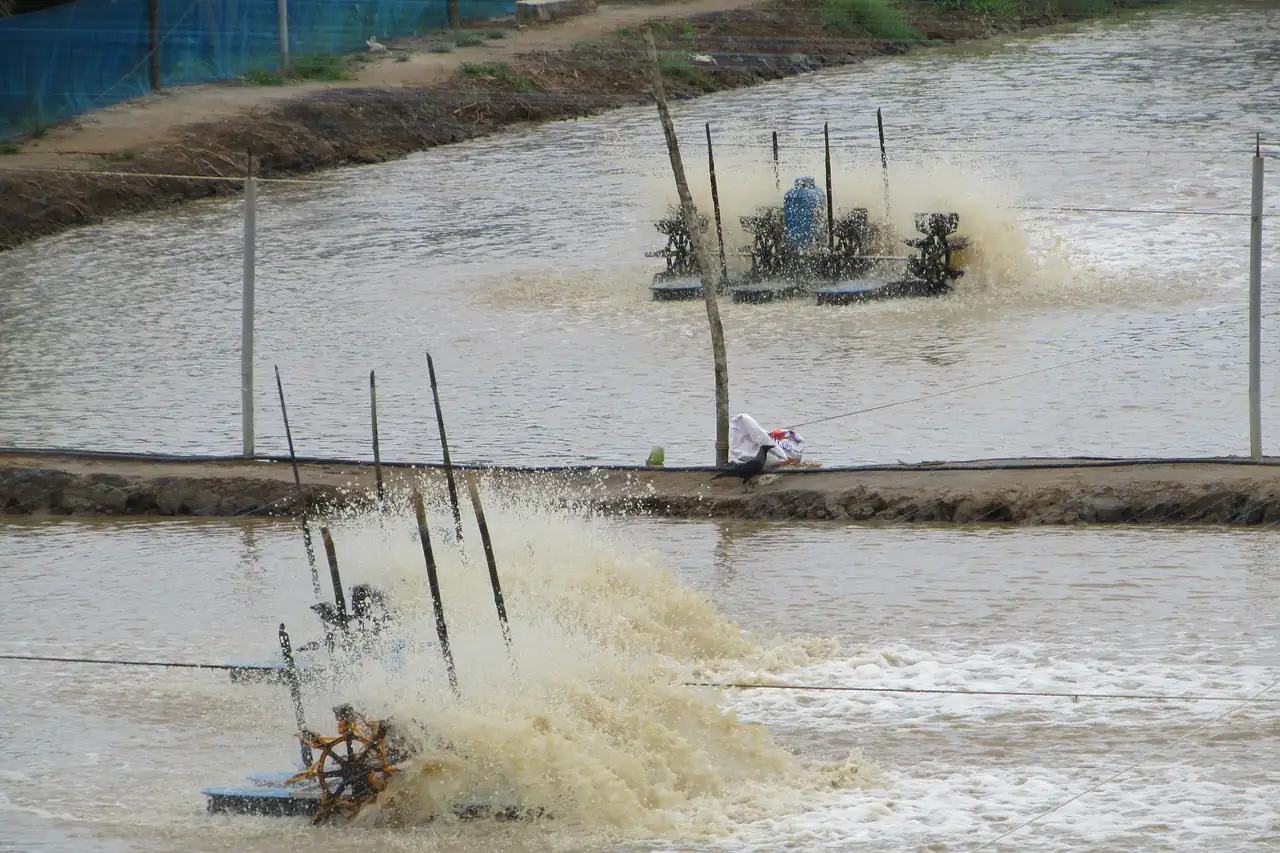
Step 2 - Gap check. Score the farm against every clause. That means land rights and permits, mangrove and habitat rules, water discharge testing, feed sourcing, antibiotic and chemical use records, disease management, workers' contracts, wages and hours, and community consultation. About one to two months.
Step 3 - Fix the gaps. The common long jobs are effluent treatment, written records of every chemical used, and proper employment records for pond workers. Small farms often group up and certify as a group, which shares the cost and the paperwork.
Step 4 - Choose an accredited certification body and register the audit. ASC publishes upcoming audits so stakeholders can comment. Check the current fee with the body.
Step 5 - The audit. On site, usually several days for a farm or group. The auditor raises non-conformities.
Step 6 - Close the non-conformities and get the decision. The report is published on the ASC site. Expect two to four months from audit to certificate.
Step 7 - Keep it. Annual surveillance audits, with recertification on the cycle the standard sets. Check the current certificate validity in the ASC certification rules.
The fishery, not one company, is the unit. A group (fishers' society, state fisheries department, exporters' association) is the client. It starts with a pre-assessment, then a full assessment against the MSC Fisheries Standard with public consultation and peer review, which usually takes over a year. Ashtamudi took that route with the Kerala government, CMFRI and WWF-India behind it. Check whether its certificate is still current in MSC's Track a Fishery. I could not confirm that.
Step 1 - Write the procedures. Receiving, identification, segregation of certified and non-certified product, traceability from farm lot to finished carton, and labelling.
Step 2 - Train the staff who receive, grade and pack.
Step 3 - Choose an accredited body and have the audit. Usually one day.
Step 4 - Get your code and check it shows in MSC's Find a Supplier.
Step 5 - Surveillance audits as the standard requires. Check the current interval in the chain of custody standard.
The farm or fishery certificate, the chain of custody certificate and code, the EU approval number, the FDA registration and Green List status if relevant, and residue test reports per lot.
Group certification for small farms takes coordination across dozens of ponds. If you'd like someone to run that, SourcingSync (opens in a new tab) can manage it.
This example is an illustration built from the rules above, not a real firm.
Say you import frozen vannamei shrimp from a packer in Andhra Pradesh for a Dutch retailer that requires ASC.
The packer sends an ASC farm certificate for a group of farms near Bhimavaram and its own chain of custody code. You find the farm group in ASC's Find a Farm, certified, with annual volume that covers your order. You find the packer's code in MSC's Find a Supplier with shrimp processing in scope. You then check the plant's EU approval number on the EU list. All three pass.
Then you still have every lot tested for nitrofurans, chloramphenicol and other residues before loading, because the EU border checks the shrimp, not the label.
Can farmed shrimp be MSC certified? No. MSC is for wild fisheries. Farmed seafood uses ASC.
Is BAP the same as ASC? No. BAP is run by the Global Seafood Alliance. Many US buyers accept either, and many Indian packers hold both. Ask your buyer which they accept.
Do I need chain of custody if I'm only the importer? If you take ownership and the product will be sold with the label, yes. Check the MSC rules for exemptions on sealed consumer packs.
Does ASC cover labour? Yes. Social and labour conditions on the farm are part of the standard. For deeper factory labour checks see social audits.
Ready to act
Want this supplier checked before you commit?
SourcingSync can verify who makes it and who answers for quality, then manage the supplier for you.
What decides whether Indian frozen shrimp clears in the US, EU and Australia: antibiotic residues, Salmonella, Vibrio, white spot testing and the FDA Green List.
Yash Khatri founded SourcingFrom to give buyers outside India the full picture of sourcing from India: what the country makes well, where it is made, who makes it and how it ships. He writes and edits every guide on the site, and holds each one to the same rule: say what we know, show how sure we are, and say plainly where the evidence runs out. He also runs SourcingSync, the hands-on service that does the sourcing work for buyers, and Kirnova, the data and intelligence company behind SourcingFrom Intelligence.
Want new guides when they go up? Get the newsletter
Leave your email and the PDF downloads straight away. We don't email it to you.
FSC and PEFC certify forests and the chain of companies that handle their wood. On Indian goods the certificate that matters is the maker's chain of custody, plus the claim printed on each invoice. This guide shows importers how to check both in a minute and walks an Indian exporter through getting chain-of-custody certified, including the Indian PEFC route for trees outside forests.
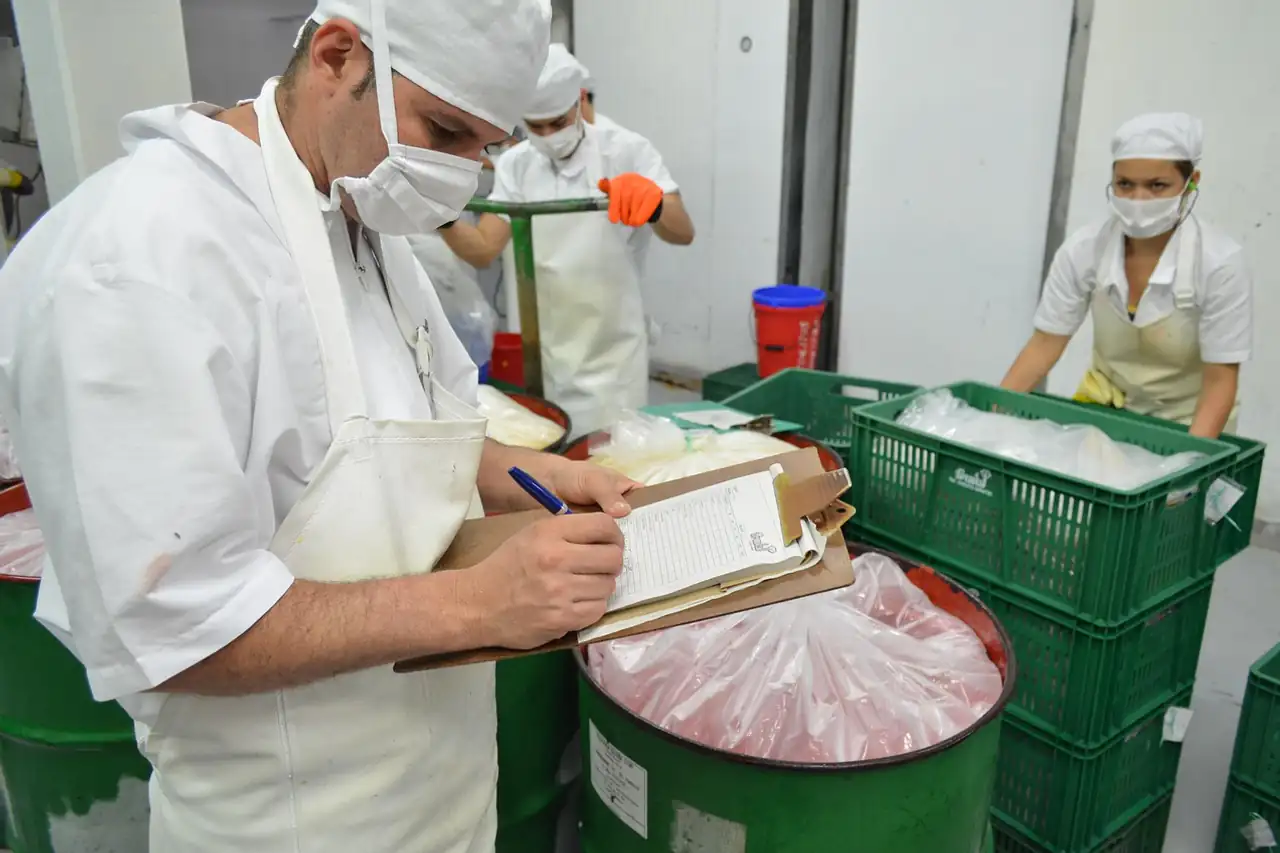
BRCGS, IFS, FSSC 22000, ISO 22000 and HACCP are not five versions of the same thing. Only the first three are GFSI-recognised schemes that big retailers ask for, ISO 22000 on its own is a management system standard, and HACCP is a method every one of them is built on. This guide shows an importer what each proves and how to check it, and walks an Indian food exporter through getting certified.
Fairtrade and Rainforest Alliance are both farm-level sustainability marks, but they work differently. Fairtrade sets a Minimum Price and pays a Premium to producer organisations, and FLOCERT certifies everyone in the chain who trades the goods. Rainforest Alliance certifies farms and supply chain actors against its 2020 standard through accredited certification bodies. This guide shows importers how to check both and gives Indian producers and exporters the steps to certify.

A product carbon footprint is a calculation, not a pass mark, and it is only as good as its boundary, its data and who checked it. Carbon credits are a separate thing: a bought claim against emissions elsewhere, and since 27 September 2026 they can no longer back a "carbon neutral" product claim to EU consumers. India now runs its own credit market under BEE.

CE and UKCA are the maker's own declaration that a product meets EU or GB product law, backed by a technical file and sometimes a third-party body. This guide shows an importer what to ask for and how to check it, and walks an Indian manufacturer through the steps from finding the right directive to signing the declaration.

Every certificate answers one question for one market. This index lists the certification guides by group, says in a line what each one is and who needs it, and gives a table of which certificates a product family usually needs in each main market. Each guide has a half for importers and a half for Indian exporters.