

Frozen Shrimp From India: Three Containers, Three Borders
- Updated
Your route: frozen shrimp from India
Made in
Several centres
Leaves India from
Port not researched yet
IndicativeUseful directional information where precise verification is unavailable.UnknownInsufficient evidence, or not yet researched.
At sea
No schedule yet
Needs a researched port first
Made in
Several centres
Leaves India from
Port not researched yet
IndicativeUseful directional information where precise verification is unavailable.UnknownInsufficient evidence, or not yet researched.
At sea
No schedule yet
Needs a researched port first
Made in
Several centres
Leaves India from
Port not researched yet
IndicativeUseful directional information where precise verification is unavailable.UnknownInsufficient evidence, or not yet researched.
At sea
No schedule yet
Needs a researched port first
Made in
Several centres
Leaves India from
Port not researched yet
IndicativeUseful directional information where precise verification is unavailable.UnknownInsufficient evidence, or not yet researched.
At sea
No schedule yet
Needs a researched port first
Made in
Several centres
Leaves India from
Port not researched yet
IndicativeUseful directional information where precise verification is unavailable.UnknownInsufficient evidence, or not yet researched.
At sea
No schedule yet
Needs a researched port first
Made in
Several centres
Leaves India from
Port not researched yet
IndicativeUseful directional information where precise verification is unavailable.UnknownInsufficient evidence, or not yet researched.
At sea
No schedule yet
Needs a researched port first
Carrier schedules read 23 Sept 2026. Days are port to port; inland haul and customs time come on top.
Add up the landed costFind the HS codeGet help shipping it (opens sourcingsync.com in a new tab)
Say a packer in Andhra Pradesh freezes three containers of farmed vannamei from the same week's harvest. One goes to a distributor in New Jersey, one to a wholesaler in Antwerp, one to an importer in Sydney. Same ponds, same plant, same week. Each container meets a different gate, and each gate looks for something different. The US border mostly looks at who packed it and whether it carries Salmonella or antibiotics. The EU looks hardest for antibiotic residues and for Vibrio. Australia doesn't let raw shrimp in at all unless the heads and shells are off and the meat has tested free of two viruses, twice.
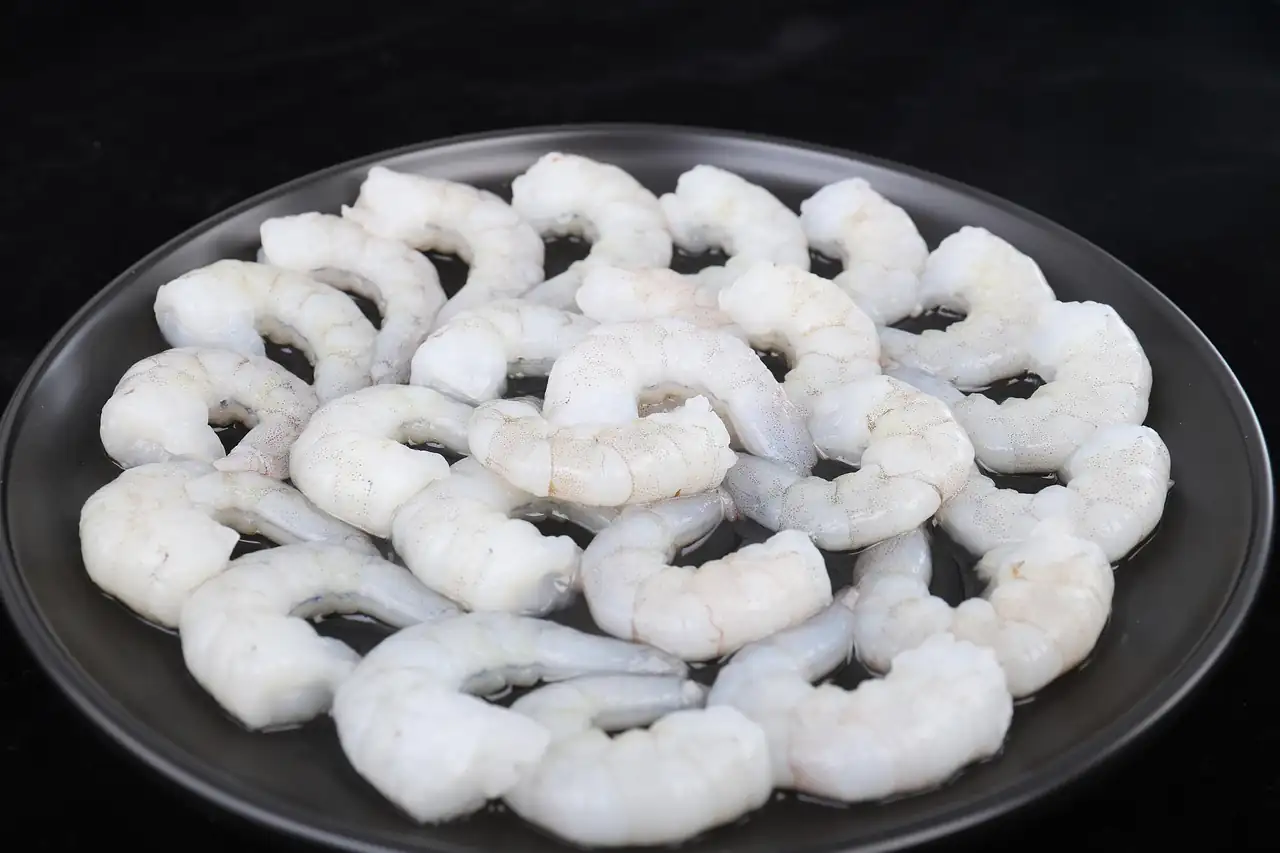
We built this page on that thought experiment because it's the clearest way to read our records. India is one of the world's largest shrimp exporters, and its big packers ship to all three markets every week. What follows is what each border has actually rejected, and the checks that would have kept each container moving. It's a sourcing page, not a legal opinion, and the caveat is the usual one: a rejection count measures checking, not the share that fails. We publish no prices.
Container One: New Jersey
The US gate opens with a list. FDA Import Alert 16-35 puts shrimp from India under detention without physical examination country-wide, which means a shipment is held at the port unless the packer is on the alert's Green List. In September 2026 that list had 234 Indian firms. So the first check on any US order takes two minutes: find the packer's name on the Green List, then make sure it's not on the red lists for nitrofurans (16-129), Salmonella in seafood (16-81) or other drug residues (FDA import alerts for India (opens in a new tab)).
After the list, the lab. The refused lines name four failures in roughly equal measure: Salmonella, filth (which in shrimp usually means decomposition or foreign matter), nitrofurans, and other veterinary drug residues. Nitrofurans are antibiotics banned in food animals because their residues are linked to cancer, and the FDA's alert says that to release a detained lot, the owner has to show evidence that it contains none, such as a private lab analysis of a representative sample (FDA Import Alert 16-129 (opens in a new tab)). The catch is in the numbers above. 134 refused lines already had a lab package. A test by a lab the packer chose, on a sample the packer drew, isn't what clears the lot. Yours is.
Then the duty. Frozen warmwater shrimp from India has been under a US anti-dumping order for many years, and each year's review covers hundreds of Indian exporters. The review started in March 2026 lists 393 companies (Federal Register, April 2026 (opens in a new tab)). Your packer's rate is specific to the packer, and it can change after each review, so ask your customs broker for the current anti-dumping rate and whether a countervailing duty applies before you price the order. Add the Section 301 position on Indian goods, covered on India to the US.
Container Two: Antwerp
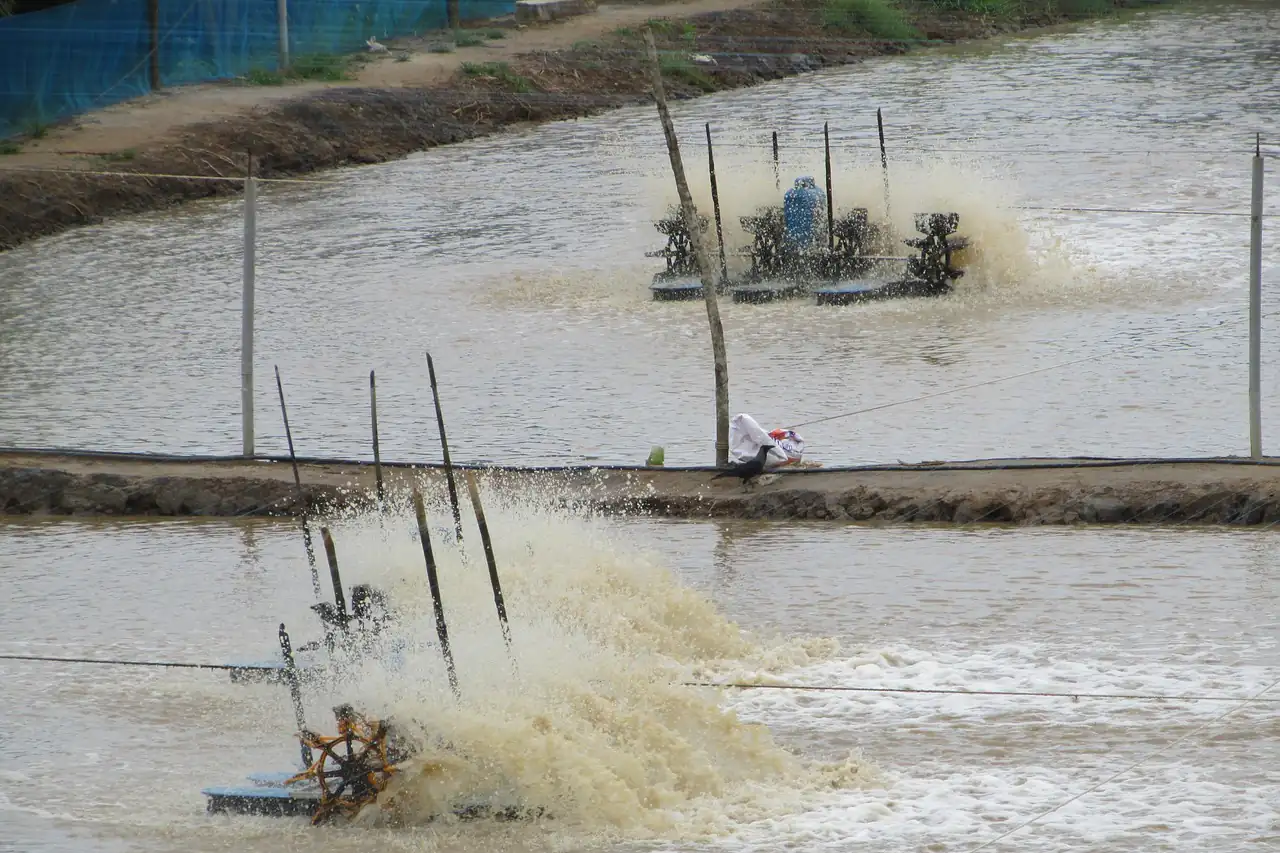
The EU doesn't hold Indian shrimp by default, but it tests, and the records read like a list of what goes wrong in a pond. Nitrofuran metabolites (AOZ mostly, then SEM and AMOZ) show up every year in our pull, from March 2021 to July 2026, often at small amounts over a 0.5 µg/kg reference point. Malachite green, a dye used against fungus in hatcheries, appears in black tiger prawns in 2024, 2025 and 2026. Chloramphenicol, another banned antibiotic, turned up in March 2026. These aren't processing faults. They come from the farm and the hatchery.
The second group is the plant and the cold chain. Vibrio species, mainly vulnificus and parahaemolyticus, appear in 12 notifications, mostly on raw frozen shrimp. Six notifications, mostly from Spain, report broken cold chains or an "intense foul smell", and two in 2026 report rotten odour at the border. The third group is the label. Shrimp are often dipped in sulphites to stop black spot, and the EU treats sulphite above 10 mg/kg as an allergen that must be declared. Six notifications are sulphite not declared, or over the permitted level.
So the plan for Antwerp has three parts. Ask the packer for its farm and hatchery records, including which ponds supplied your lot and their antibiotic testing. Test the finished lot for nitrofuran metabolites, chloramphenicol and malachite green, plus Vibrio and Salmonella. And check the sulphite figure against your label before printing it. The EU route in general is on India to the EU.
Container Three: Sydney
Australia is the strictest gate, and the reason is disease, not residue. White spot syndrome virus is present in India's farms, and Australia wants to keep it out of its own. Under the standard conditions, uncooked prawns must be frozen, have the head and shell removed and be deveined, and be tested free of white spot syndrome virus and yellow head virus genotype 1 both before export and on arrival. A positive result means the lot isn't released. The importer can ask for a confirmatory test, export it, cook it under biosecurity control or destroy it (DAFF, uncooked prawn consignments (opens in a new tab)).
That rules out shell-on raw shrimp from India altogether, and it means your spec for Sydney has to be peeled and deveined from the start. Australia has proposed recognising some exporting countries' own pre-export testing as equivalent, which would change the arrival testing. Check the current conditions in BICON and with your broker before every contract. Cooked shrimp and highly processed products follow different conditions, so if your product is cooked or marinated, confirm the pathway first.
Australia's failing-food records for India don't name shrimp at all from 2021 to July 2026. The 6 Indian marine failures there were histamine in fish. So the Sydney gate is mostly passed or failed on the virus test and the presentation, which is a matter of spec, not luck. The rest of the route is on India to Australia.
The Packer Check, For All Three
A good Indian packer for export will have an EU approval number, an FDA registration and Green List status, a HACCP plan, and farm sourcing it can name. Many also hold third-party aquaculture certifications. None of those proves your lot is clean, but a packer who lacks them can't ship to these markets at all.
The packers cluster on the east coast. Andhra Pradesh, where most of India's farmed vannamei grows, accounts for 189 of the refused shrimp-related lines in our US count, simply because most of the trade comes from there. West Bengal, Tamil Nadu, Odisha and Kerala follow. Visit the plant if you can, at the time of a production run, and ask to see the pond-to-plant records for a lot. The checks on the company itself are in verifying Indian suppliers, and the residue sampling method is in food import testing. The full test lists for marine products are on quality control in India.
Meet packers at Seafood Expo Bharat, which last ran in Chennai in July 2026. If you want someone at the plant during your run who checks the pond records, draws and seals the sample and sends it to an accredited lab, SourcingSync (opens in a new tab) can do that.
Questions Buyers Ask
Is all Indian shrimp detained in the US?
Shrimp from India is under a country-wide alert, but packers on the Green List are exempt from automatic detention. Buy from one of them.
Why do antibiotics keep turning up if they're banned?
Our records can't say who used them. They show nitrofuran and malachite green findings every year, which points at some farms and hatcheries rather than the plants. That's why pond records matter.
Can I ship shell-on raw shrimp to Australia?
Not from India under the standard conditions. Uncooked prawns must be head and shell off and deveined, and tested for two viruses.
The Same Week's Harvest
Back to the three containers. The New Jersey one clears if the packer is on the Green List and your own test finds no Salmonella or drug residues. The Antwerp one clears if the ponds behind it were clean and the sulphite is on the label. The Sydney one clears if it was peeled, deveined and virus-free. Same shrimp, three different sets of homework, and all of it can be done before the container is loaded. See India product guides for the next product.