

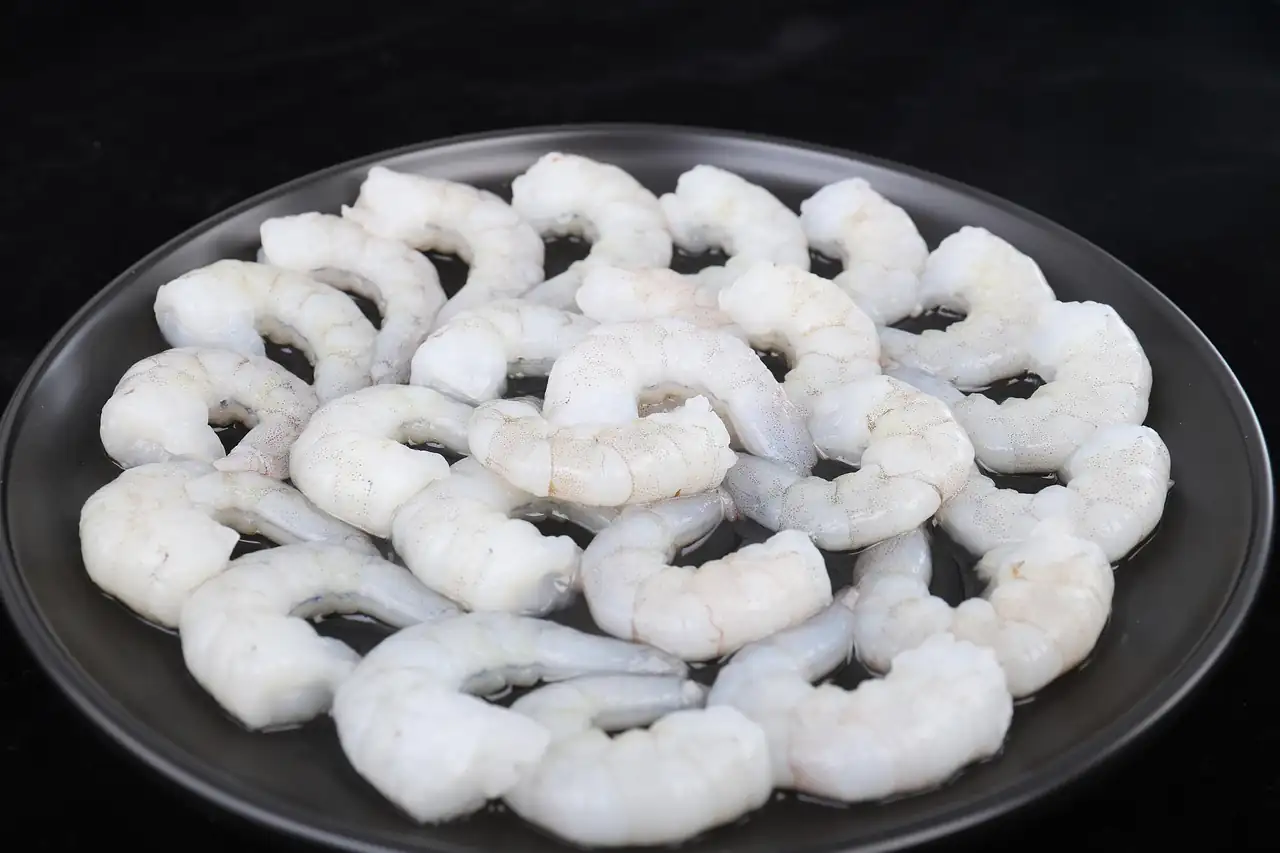
Frozen Shrimp From India to the US, EU and Australia
What decides whether Indian frozen shrimp clears in the US, EU and Australia: antibiotic residues, Salmonella, Vibrio, white spot testing and the FDA Green List.
9 min read
A health or veterinary certificate is the exporting government's signed statement that a consignment meets the importing country's rules. For many foods of animal origin and some plant foods, no certificate means no entry. This guide shows importers when their border asks for one and how to check it, and walks an Indian exporter through EIC's inspection, approval and certificate steps.
Frozen paneer, tandoori naan, chocolate candy, malt drink powder, cornichons with honey. Since 2023, eight consignments like these from India were flagged at EU border posts, most of them in Rotterdam, because they "skipped veterinary controls" or were "not presented for veterinary controls" (RASFF, our count to 22 September 2026). None of those notifications names a hazard. The food may have been perfectly safe. The problem was that it contained milk, egg or honey, which made it a product of animal origin or a composite product, and those must enter through a border control post with the right certificate. The importer had treated them as ordinary grocery.

Three more notifications in 2023 said the same thing in a harder way - "country not authorised for milk-based composite product from India". In those cases there was no certificate the exporter could have got. This guide is about knowing which situation you're in before you order. Importers first, then the steps for an Indian exporter. Other certificate guides are on certifications.
A health certificate is a document signed by the exporting country's competent authority saying a consignment meets the importing country's health requirements. A veterinary certificate is the same idea for animals and animal products, signed by an official veterinarian or the authority that stands behind one. Many markets call both an "official certificate".
Three things make it official, and you need all three -
It's different from a phytosanitary certificate, which is about plant pests, and from a lab report, which is evidence that sits beside the certificate.
The rule of thumb is simple. Foods of animal origin almost always need one. Some plant foods need one when the importing country has flagged a hazard. And for many plain plant products, nobody asks.
Foods of animal origin. Seafood, honey, dairy, egg products, meat, casings and gelatin. For the EU and UK, the country must be listed for that commodity, the plant usually must be on an approved establishment list, and the consignment must travel with a certificate on the right model, pre-notified and checked at a border control post. If India isn't on the list for a commodity, the answer is no. The 2023 dairy composite rejections are that case.
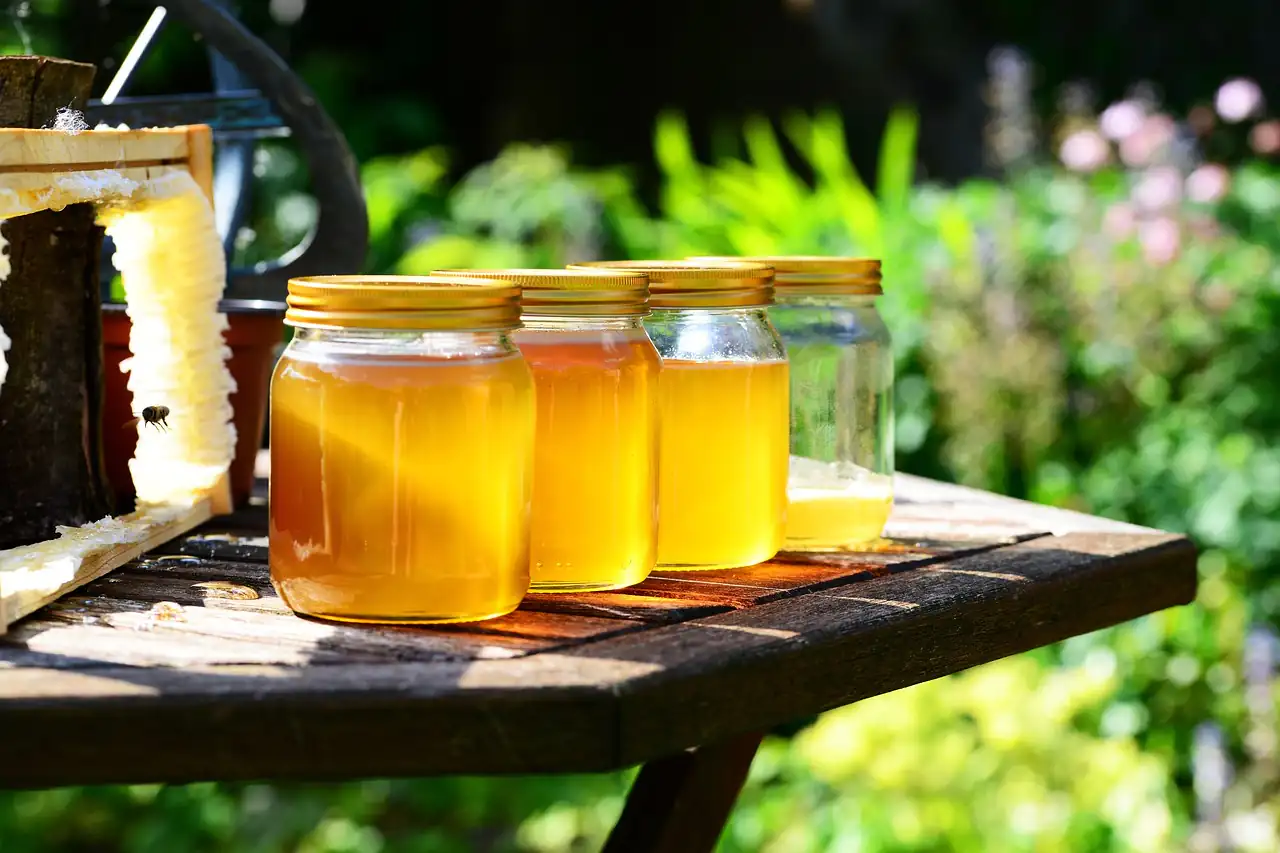
Composite products. Biscuits with milk powder, chocolates, paneer dishes, naan with ghee, honey sauces. The EU's rules depend on what share of the product is animal-derived and whether it's shelf-stable, and the outcome is often that the animal ingredient must itself come from an approved source. Ask your broker to classify each product before you order, not after it lands.
Plant foods with a hazard flag. The EU requires an official certificate and a lab report for certain products from certain countries, and India has been on that list for some spices and other goods. Our RASFF data has 19 notifications since 2020 for an absent or improper health certificate on Indian goods, including cumin, coriander, chilli powder, turmeric, ginger, frozen peppers, groundnuts and food supplements. Several came in through a third country (Turkey, Ukraine, Kosovo, the UK) and still needed the Indian certificate. The food import testing guide covers the lab side.
The antimicrobial rule from 3 September 2026. EU rules now require that the animals behind imported animal products for human consumption were never treated with antimicrobials banned for growth promotion or reserved for humans. Only countries on an EU list for that commodity can export, and the competent authority must sign an attestation on the certificate (AGRINFO (opens in a new tab)). Gelatine, collagen, highly refined products and composite products are excluded. Ask your broker whether India is listed for your commodity today, because that list decides whether the trade is open.
Outside the EU. The US doesn't ask for a health certificate on most FDA-regulated food, but relies on registration and border checks (see FDA food facility registration). Australia's BICON import case for your product says whether a government certificate is needed, so read it before you quote. The UK uses its own model certificates and IPAFFS pre-notification. Gulf markets often want a health certificate plus halal and legalisation (see halal certification).
Step 1 - Get the import conditions in writing. From your broker or the regulator's tool (TRACES for the EU, IPAFFS for the UK, BICON for Australia). Note the model certificate name and version.
Step 2 - Check India and the plant are listed. For animal products, check the country list and the establishment list for that commodity. The plant's approval number goes on the certificate.
Step 3 - Ask for a draft before sailing. The supplier should send a draft of the certificate. Compare it with the invoice, packing list and lab report. Names, lot numbers, weights, container and seal.
Step 4 - Check the signatory. For most Indian food it's an EIA office with an official stamp. For EU animal products, it's issued in the EU's TRACES system, so you can see it there too.
Step 5 - Pre-notify on time. For the EU, the importer or agent pre-notifies the border post. Missing that step is how consignments end up "not presented for veterinary controls".
Red flags - a "health certificate" on the supplier's letterhead, a certificate in a generic format when your border has a model, a certificate issued weeks before the goods were packed, and a merchant exporter who can't say which plant made the goods.
The Export Inspection Council, under the Ministry of Commerce, is India's official certification body for exports and the competent authority recognised by the EU for fishery products. It works through regional Export Inspection Agencies and their sub-offices. EIC approves processing plants, runs surveillance and issues health certificates for fishery products, honey, egg products, milk products and other foods where an importing country needs an official certificate. Health certificates for fish to the EU must come only from EIC or an EIA, and a plant that gets one elsewhere loses its EU approval.
Meat and live animal certificates involve the animal husbandry authorities as well, and meat exporters also register with APEDA. Check the current route for your product with your EIA office before the first shipment.
EIC certifies in two ways (DGFT and EIC export inspection guide (opens in a new tab)).
Consignment Wise Inspection (CWI). Each consignment is applied for online, with the invoice, packing list and test reports. EIAs inspect about one in every 50 consignments before shipment under CWI, more if the product is risky or there's an import alert, and can issue the certificate the same day when the papers are in order.
In Process Quality Control (IPQC) and plant approval. The plant is approved after an assessment, then monitored. Approval runs three years and can be extended up to five years based on the product's risk, no import alerts and good surveillance results. For most EU animal products, this approval is what puts the plant on the EU's list.
Step 1 - Find out what the importing country needs. Ask the buyer for the model certificate and import conditions. For the EU and UK, check that India and your product are listed. For animal products, ask whether your plant must be on the importing country's establishment list.

Step 2 - Register with EIC. Plants write to their nearest EIA on letterhead to get a username and password for the online health certificate system. Merchant exporters register online.
Step 3 - Get the plant approved if your product needs it. Apply to the EIA with your HACCP or operations manual, layout plan, process flow, testing facilities, proof of legal identity and premises, and your technologists' details. The assessment panel visits within 15 days of a complete application and reports within three days of the visit. Check the current fee on the EIC portal.
Step 4 - Join the residue monitoring where it applies. For honey, aquaculture, eggs and some other animal products, the EU and others need India's official residue monitoring to cover your plant and your supply. EIC runs it. Ask your EIA what your plant and suppliers must do, and from 3 September 2026, what the antimicrobial attestation needs from your farms.
Step 5 - Test each lot in a recognised lab. EIC tests against the buyer's standard where it's not weaker than the importing country's, Codex or Indian standard, and the parameters appear on the certificate. If a buyer complains or a border rejects a shipment, your next three consignments are tested in EIA labs before any certificate.
Step 6 - Apply for the certificate per consignment. Log in, fill the application, upload the invoice, packing list and test reports, and pay online. Plants can apply in English plus one EU language. Duplicates and in-lieu certificates need a manual application.
Step 7 - Inspection if selected. The officer checks the goods at your plant, warehouse or port, draws and seals three samples (one for the lab, one for you, one held as reference) and checks storage conditions.
Step 8 - Certificate issued. The EIA issues the certificate in the importing country's format. For EU animal products it's in TRACES.
Step 9 - Keep the approval alive. Renew before the approval lapses, keep surveillance clean, and treat any border rejection as urgent, because it triggers extra testing and can trigger an import alert.
Common rejections - wrong model certificate, lot numbers that don't match the invoice, a lab report for a different lot, a certificate issued before the inspection, and composite products shipped as if they were plant food.
What to send the buyer - the draft certificate before sailing, the original after issue, the lab reports, and your EIC approval number. If you're unsure whether a product is a composite, ask the buyer's broker before you quote.
When the work is chasing EIA bookings, lab reports and certificate drafts across several suppliers, SourcingSync (opens in a new tab) does it for buyers on the ground in India.
This example is an illustration built from the rules above, not a real firm.
A Dutch importer wants farmed vannamei shrimp from Andhra Pradesh. Before the PO, they check the processing plant is on the EU's approved establishment list for India, under its EIC approval number. They ask their broker whether India is listed under the antimicrobial rules for aquaculture shrimp on today's date, because from 3 September 2026 that decides whether the certificate can carry the attestation at all.
The PO names the EU model certificate and asks for the lab report on the residues the EU and EIC monitor in shrimp. Before sailing, the draft certificate comes through TRACES. The importer matches the plant number, lot numbers, cartons and net weight with the packing list and pre-notifies the border post in Rotterdam. The shipment goes to the border control post as a product of animal origin, which is exactly where the paneer and naan in the opening should have gone. For the product itself, see frozen shrimp from India.
No. The lab report is evidence. The certificate is the government's signed statement on the importing country's model.
Mostly the Export Inspection Council through its Export Inspection Agencies. Plant health certificates come from the plant quarantine service instead.
For most FDA-regulated food, no. It needs facility registration, prior notice and the importer's FSVP.
In the EU it's likely a composite product. Ask your broker to classify it before you order.
The same day under CWI when papers are complete. Plant approval takes longer, with the visit within 15 days of a complete application.
Ready to act
Want the goods checked before they ship?
SourcingSync can arrange inspection in India and tell you what the bulk really looks like before you pay the balance.
What decides whether Indian frozen shrimp clears in the US, EU and Australia: antibiotic residues, Salmonella, Vibrio, white spot testing and the FDA Green List.
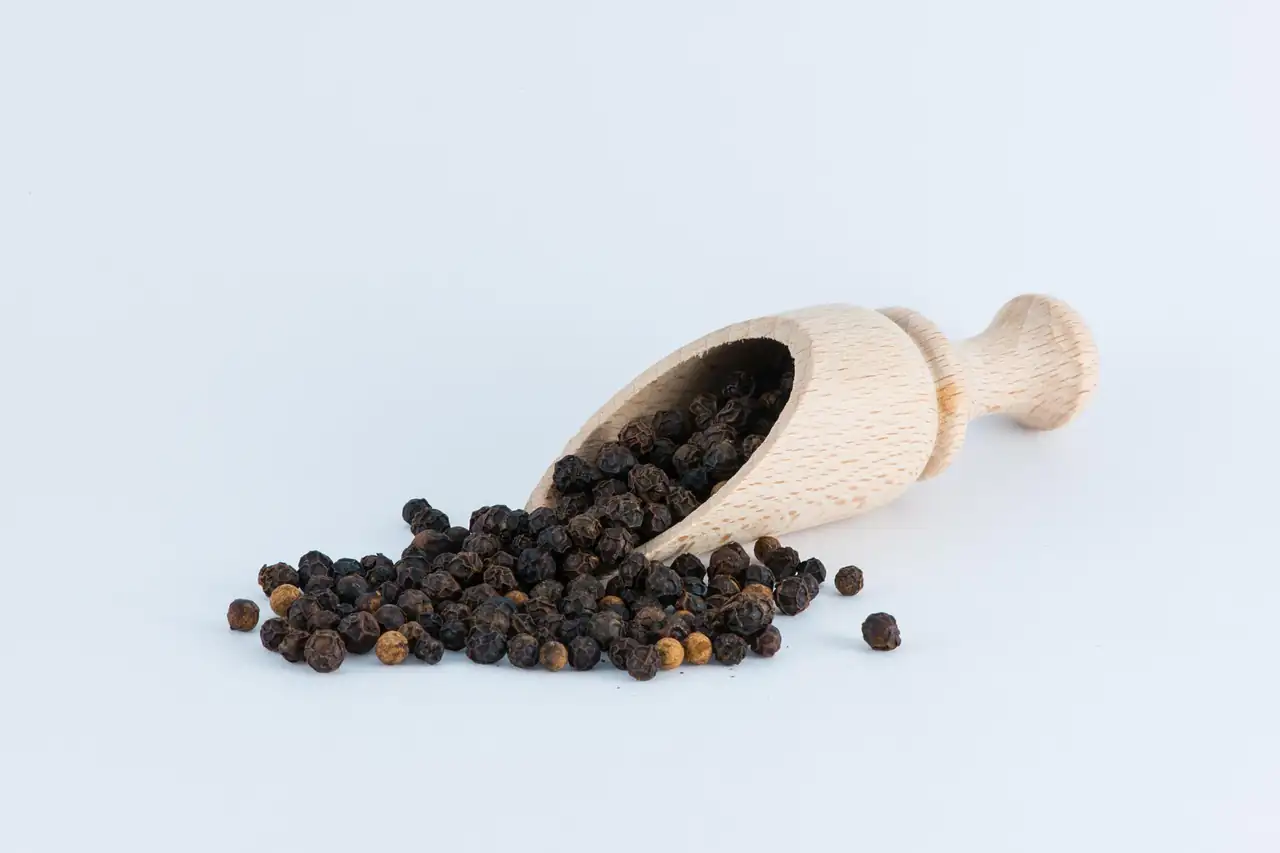
What FDA Import Alert 28-02 means for Indian black pepper, which Kerala and Karnataka districts grow it, the imported-pepper question, and UK, EU, NZ, Australia and UAE rules.
Why some Ayurvedic formulas fail on lead and mercury by design, what the US, EU, UK and Australia refuse Indian supplements for, and how to choose formulas and makers that clear.
Yash Khatri founded SourcingFrom to give buyers outside India the full picture of sourcing from India: what the country makes well, where it is made, who makes it and how it ships. He writes and edits every guide on the site, and holds each one to the same rule: say what we know, show how sure we are, and say plainly where the evidence runs out. He also runs SourcingSync, the hands-on service that does the sourcing work for buyers, and Kirnova, the data and intelligence company behind SourcingFrom Intelligence.
Want new guides when they go up? Get the newsletter
Leave your email and the PDF downloads straight away. We don't email it to you.
A phytosanitary certificate is India's plant protection service saying a lot was inspected and meets the importing country's plant health conditions. A fumigation certificate says a named, accredited provider treated it. This guide shows importers how to check both, and walks an Indian exporter through PQMS registration, inspection, treatment and issue.

A halal certificate is a private or national body saying a product or a plant meets Islamic dietary rules under a named standard. For meat from India it is now also an export rule. This guide shows importers which issuers their market accepts and how to check one, and walks an Indian exporter through i-CAS Halal and the importing country's own system.

Kosher certification is a private agency's letter that named products from a named plant meet Jewish dietary law under its supervision. No government issues it, in India or anywhere. This guide shows importers how to read a letter of certification line by line and check it at source, and walks an Indian plant through application, ingredient approval, inspection and the letter.

A product carbon footprint is a calculation, not a pass mark, and it is only as good as its boundary, its data and who checked it. Carbon credits are a separate thing: a bought claim against emissions elsewhere, and since 27 September 2026 they can no longer back a "carbon neutral" product claim to EU consumers. India now runs its own credit market under BEE.

CE and UKCA are the maker's own declaration that a product meets EU or GB product law, backed by a technical file and sometimes a third-party body. This guide shows an importer what to ask for and how to check it, and walks an Indian manufacturer through the steps from finding the right directive to signing the declaration.

Every certificate answers one question for one market. This index lists the certification guides by group, says in a line what each one is and who needs it, and gives a table of which certificates a product family usually needs in each main market. Each guide has a half for importers and a half for Indian exporters.