

Basmati Rice From India and How to Buy Around the Residue Problem
Why Indian basmati fails at EU and US borders (tricyclazole, thiamethoxam, ochratoxin A), what the records show, and how to spec, test and buy a clean lot.
10 min read
A phytosanitary certificate is India's plant protection service saying a lot was inspected and meets the importing country's plant health conditions. A fumigation certificate says a named, accredited provider treated it. This guide shows importers how to check both, and walks an Indian exporter through PQMS registration, inspection, treatment and issue.
In July 2026 Australia's agriculture department told the trade that thirteen fumigation companies in India had been suspended or had withdrawn from its accreditation scheme after compliance checks, seven suspended and six withdrawn (DAFF notice IIAN 118-2026, as summarised by the Freight and Trade Alliance (opens in a new tab), July 2026). Some containers treated by those firms were already on the water. Their fumigation certificates were genuine pieces of paper, signed and stamped, and they still weren't accepted, so the goods faced onshore treatment, inspection or a treatment plan before release. An Australian biosecurity consultant put it bluntly a month later: an Indian fumigation certificate on its own no longer proves anything for Australia (LinkedIn, August 2026, our forum signal FS-SHP-001).
That's the gap this guide closes. A phytosanitary certificate and a fumigation certificate look simple. One is a government form and the other is a company's treatment record. But each proves something narrow, each can be wrong in a way that only shows up at your port, and the work to get them right sits with the exporter in India. Below is the importer's half first, then the exporter's, step by step. For the full list of certificate guides, see certifications.
A phytosanitary certificate (PSC) is issued by the exporting country's national plant protection organisation under the International Plant Protection Convention. In India that's the Directorate of Plant Protection, Quarantine and Storage (PPQS), and 201 officers from central, state and union territory governments are authorised to sign them (PPQS (opens in a new tab)). It says an official inspected the plants or plant products in the consignment, found them free of the pests your country regulates, and that any extra declarations your country asks for are true. Rice, spices, seeds, pulses, fresh produce, cut flowers, some handicrafts in natural fibre, and timber are the usual India cases.
A fumigation or treatment certificate is issued by the company that treated the goods or the container. It records the treatment (methyl bromide, aluminium phosphide or heat), the dose, the temperature, the exposure time and the provider's accreditation number. When your country requires a treatment, the PSC usually repeats it in its treatment section.
What neither proves is just as important. A PSC is about pests. It isn't a test for pesticide residues, aflatoxin, ethylene oxide or Salmonella, and those are what most Indian food actually fails on (see food import testing). And a PSC doesn't cover the pallets. Wood packaging has its own mark under ISPM 15, and a PSC isn't a substitute for it.
Your country's import conditions decide this, per product and per form. Raw, dried, roasted and ground versions of the same spice can have different rules. Read the current conditions in the official system before you order -
| Market | Where the rule lives | What to look for |
|---|---|---|
| Australia | BICON (DAFF) | Whether a PSC, a treatment and a pre-approved treatment provider are required. Khapra beetle measures cover many Indian plant products and sea containers |
| New Zealand | MPI import health standards | The standard for your commodity, and any additional declaration wording |
| United States | APHIS import rules and permits | Whether you need a permit, and the PSC conditions the permit sets |
| European Union | EU plant health rules, checked at the border post | Whether your product needs a PSC and border checks, or is exempt as processed |
| United Kingdom | GB plant health import rules, pre-notified on IPAFFS | Risk category of the product and the PSC requirement |
| UAE, Saudi Arabia | Ministry import requirements | PSC for most fresh and dried plant products. Check with your clearing agent |
Two points buyers miss. The extra declaration wording is set by your country, not by India, so if your condition says the lot must be "free from" a named pest, that sentence has to appear on the PSC. And a PSC is issued for one consignment, so a supplier can't reuse one for the next shipment. If you're also new to the biosecurity side of baskets, rugs or other natural goods, biosecurity for natural goods covers that ground.
Ask for a scanned draft of the PSC and the treatment certificate before the goods sail, not with the arrival notice. Then check five things.

Red flags are few and plain. A PSC that arrives only after the goods do. A treatment certificate from a provider your supplier can't name in advance. Handwritten corrections on a PSC (an official PSC is replaced, not amended in pen). A botanical name that doesn't match the product. None of these makes a supplier dishonest. A busy freight agent often books the fumigation, and small exporters rarely see the certificate before it goes to the bank. But they're your cue to ask.
India started exchanging electronic phytosanitary certificates (ePhyto) through the IPPC hub around 2023 (IPPC (opens in a new tab)). Where your plant protection authority receives Indian ePhytos, the certificate reaches it government to government, which is the strongest check there is. Ask your broker whether your border receives Indian ePhytos for your product. Where it doesn't, the paper PSC goes with the documents, and if in doubt your plant health authority can query PPQS.
Put it in the purchase order, not in an email after packing.
If you'd rather someone in India checked the fumigation, sat in on the inspection and matched the paper before the container is sealed, SourcingSync (opens in a new tab) does exactly that at origin.
The phytosanitary certificate comes from PPQS, under the Ministry of Agriculture, through its regional and port plant quarantine stations. Applications go through the Plant Quarantine Management System, PQMS (opens in a new tab). PPQS's own instruction is short: "Register as Exporter in PQMS which is one time exercise and apply online well in advance prior to every export" (PPQS FAQ (opens in a new tab)).
Treatments come from private providers accredited by PPQS. Methyl bromide fumigation is accredited under NSPM-12, aluminium phosphide under NSPM-22 and forced hot air treatment under NSPM-9. A provider applies to its regional plant quarantine station in the format the NSPM sets, needs trained operators before applying, and must apply to renew at least 45 days before its accreditation expires (PPQS FAQ (opens in a new tab)). Australia then runs its own layer on top (AFAS), so an Indian provider can be PPQS-accredited and still not acceptable to Australia.
Some products also need a registered facility. For rice, chilli and peanuts, PPQS registers packhouses and processing units, and the facility applies to the regional station under the product's SOP (PPQS FAQ (opens in a new tab)). Check if your importing country's protocol requires one.
Step 1 - Get the buyer's import condition. Ask for the exact entry condition from the buyer's system (BICON, MPI, APHIS, EU or UK rules). You need the extra declaration and the treatment before anything else. Time: a day, if the buyer is organised.
Step 2 - Register on PQMS. A one-time exporter registration with your IEC and firm details. Check the documents asked for on PQMS (opens in a new tab). Time: varies by station, so do it well before your first order.
Step 3 - Register the facility if your product needs it. Rice, chilli and peanut exporters to some markets need a registered packhouse. Apply to the regional plant quarantine station. PPQS's charter has given 45 days from nomination for facility inspections (check the current charter on the PPQS site).
Step 4 - Book the treatment with an accepted provider. Pick a provider accredited by PPQS for the treatment, and for Australia check DAFF's AFAS list for India on the day. Give the provider the buyer's treatment condition in writing. Fumigation itself takes from one to several days with aeration, depending on the gas and the goods.
Step 5 - Apply for the PSC on PQMS. Enter the consignment details exactly as on your invoice and packing list. Include the botanical name, the extra declaration and the treatment details. Pay the fee online (check the current fee on PQMS).
Step 6 - Present the goods for inspection. A plant quarantine officer inspects and may draw samples at the station or your premises. Have the lot packed, marked and accessible.
Step 7 - Collect the PSC and send the scan. Check every field against your invoice before it goes to the buyer or the bank. If something is wrong, ask the station for a replacement certificate. Don't correct it by hand.
Common rejection reasons are almost all in the paper. Botanical name missing or wrong. Quantity in different units from the invoice. Extra declaration missing. Treatment below the dose or time required. Treatment done by a provider the importing country no longer accepts. Goods that came into India from another country and are going out again follow re-export rules, so ask the station what it needs before you quote.
What to send the buyer: the PSC scan, the treatment certificate scan with the provider's accreditation number, the invoice and packing list, and the container and seal numbers, all before the vessel sails.
This example is an illustration built from the rules above, not a real firm.
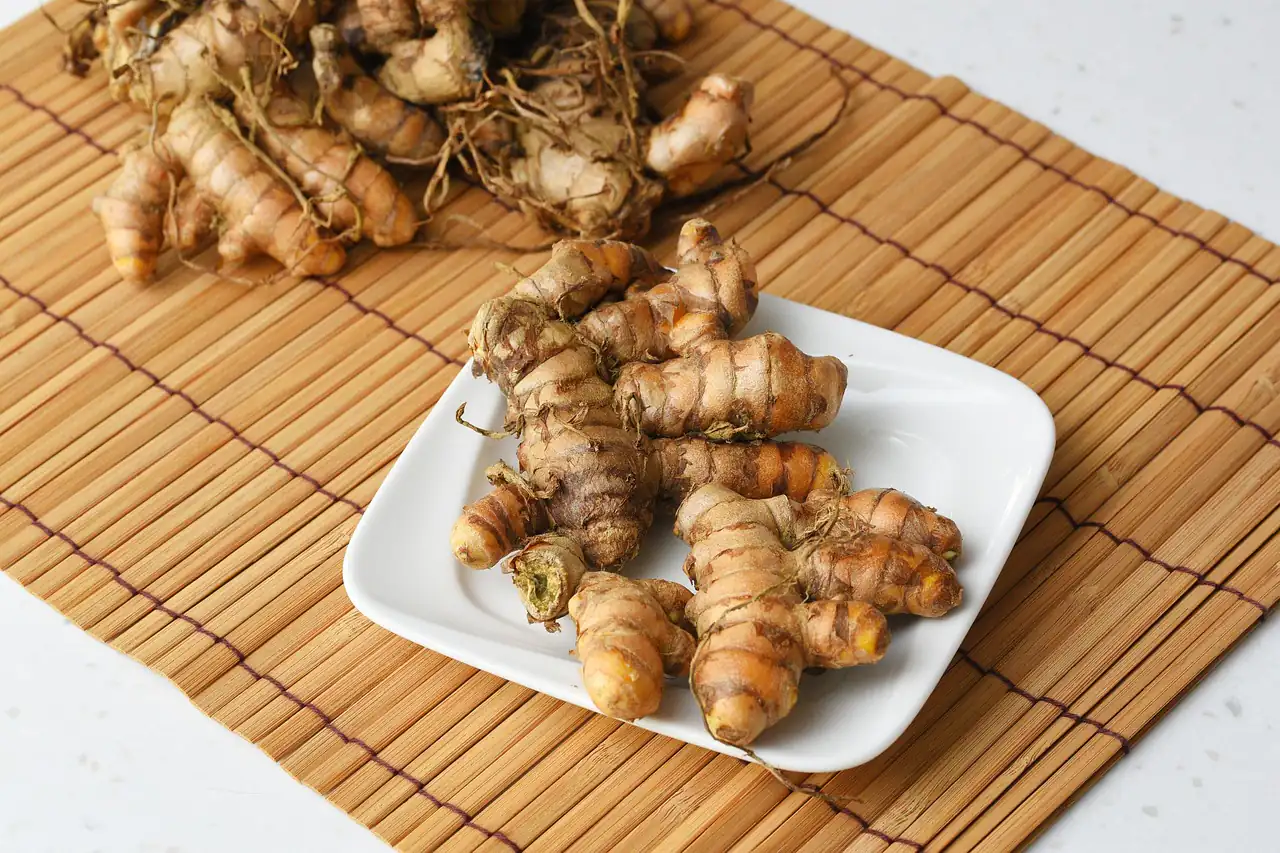
Say you're a Melbourne importer buying dried turmeric fingers from Erode and ground turmeric from a packer in Sangli. You check BICON for each form. Assume your conditions call for a PSC and a khapra beetle treatment for the whole fingers, and different conditions for the ground product (we haven't read your exact case, so read your own BICON entry).
At the PO, you write the conditions into the contract with the extra declaration wording, and require an AFAS-listed provider that is not suspended on the day of treatment. Before packing, the Erode supplier names its fumigation provider. You check the DAFF India list. In this example the provider is one of the thirteen from July 2026, so you ask for another one before any gas goes in. That single check is the difference between a normal clearance and onshore re-treatment in Melbourne.
Before sailing, you get the draft PSC and treatment certificate, see that the PSC lists 400 bags and the packing list 20 tonnes, and ask for both in the same units. The goods leave Chennai with paper that matches. For the food-safety side of the same lot (pesticides, lead chromate), see quality control in India and the turmeric page.
No. It's about pests. Residues and pathogens need a lab test. See food import testing.
No. Pallets need the ISPM 15 mark. See wood packaging rules (ISPM 15).
It's issued for one consignment. How old it can be on arrival depends on your border. Ask your customs broker.
It's normal in India. You still need the provider's name and number before treatment, and for Australia, the AFAS status on that day.
Then the PSC won't record it, and your border may not accept the treatment. Get the order of events into the PO.
Ready to act
Want the goods checked before they ship?
SourcingSync can arrange inspection in India and tell you what the bulk really looks like before you pay the balance.
Why Indian basmati fails at EU and US borders (tricyclazole, thiamethoxam, ochratoxin A), what the records show, and how to spec, test and buy a clean lot.
Why Indian sesame lots get rejected in the EU, US and Australia (Salmonella, pesticides, the 2021 ethylene oxide crisis) and the test panel each border needs.
Where lead chromate gets into Indian turmeric, what UK, EU, US, NZ and Australian borders actually catch, and the test plan to run before you ship.
Yash Khatri founded SourcingFrom to give buyers outside India the full picture of sourcing from India: what the country makes well, where it is made, who makes it and how it ships. He writes and edits every guide on the site, and holds each one to the same rule: say what we know, show how sure we are, and say plainly where the evidence runs out. He also runs SourcingSync, the hands-on service that does the sourcing work for buyers, and Kirnova, the data and intelligence company behind SourcingFrom Intelligence.
Want new guides when they go up? Get the newsletter
Leave your email and the PDF downloads straight away. We don't email it to you.

A halal certificate is a private or national body saying a product or a plant meets Islamic dietary rules under a named standard. For meat from India it is now also an export rule. This guide shows importers which issuers their market accepts and how to check one, and walks an Indian exporter through i-CAS Halal and the importing country's own system.

A health or veterinary certificate is the exporting government's signed statement that a consignment meets the importing country's rules. For many foods of animal origin and some plant foods, no certificate means no entry. This guide shows importers when their border asks for one and how to check it, and walks an Indian exporter through EIC's inspection, approval and certificate steps.

FSC and PEFC certify forests and the chain of companies that handle their wood. On Indian goods the certificate that matters is the maker's chain of custody, plus the claim printed on each invoice. This guide shows importers how to check both in a minute and walks an Indian exporter through getting chain-of-custody certified, including the Indian PEFC route for trees outside forests.

A product carbon footprint is a calculation, not a pass mark, and it is only as good as its boundary, its data and who checked it. Carbon credits are a separate thing: a bought claim against emissions elsewhere, and since 27 September 2026 they can no longer back a "carbon neutral" product claim to EU consumers. India now runs its own credit market under BEE.

CE and UKCA are the maker's own declaration that a product meets EU or GB product law, backed by a technical file and sometimes a third-party body. This guide shows an importer what to ask for and how to check it, and walks an Indian manufacturer through the steps from finding the right directive to signing the declaration.

Every certificate answers one question for one market. This index lists the certification guides by group, says in a line what each one is and who needs it, and gives a table of which certificates a product family usually needs in each main market. Each guide has a half for importers and a half for Indian exporters.