

Sesame Seeds From India: Salmonella, the Ethylene Oxide Year and a Test Panel per Border
- Updated
Your route: sesame seeds from India
Made in
Several centres
Leaves India from
Port not researched yet
IndicativeUseful directional information where precise verification is unavailable.UnknownInsufficient evidence, or not yet researched.
At sea
No schedule yet
Needs a researched port first
Made in
Several centres
Leaves India from
Port not researched yet
IndicativeUseful directional information where precise verification is unavailable.UnknownInsufficient evidence, or not yet researched.
At sea
No schedule yet
Needs a researched port first
Made in
Several centres
Leaves India from
Port not researched yet
IndicativeUseful directional information where precise verification is unavailable.UnknownInsufficient evidence, or not yet researched.
At sea
No schedule yet
Needs a researched port first
Made in
Several centres
Leaves India from
Port not researched yet
IndicativeUseful directional information where precise verification is unavailable.UnknownInsufficient evidence, or not yet researched.
At sea
No schedule yet
Needs a researched port first
Made in
Several centres
Leaves India from
Port not researched yet
IndicativeUseful directional information where precise verification is unavailable.UnknownInsufficient evidence, or not yet researched.
At sea
No schedule yet
Needs a researched port first
Made in
Several centres
Leaves India from
Port not researched yet
IndicativeUseful directional information where precise verification is unavailable.UnknownInsufficient evidence, or not yet researched.
At sea
No schedule yet
Needs a researched port first
Carrier schedules read 23 Sept 2026. Days are port to port; inland haul and customs time come on top.
Add up the landed costFind the HS codeGet help shipping it (opens sourcingsync.com in a new tab)
In 2021 the EU's food alert system logged 104 notifications on Indian sesame. In 2022 it logged 21. The difference is one chemical. In September 2020 Belgian inspectors found ethylene oxide, a sterilising gas banned for food use in the EU, in sesame from India, and over the next year 74 more Indian sesame notifications named it, with a median result of 2.3 mg/kg against a limit of 0.05, about 48 times over. It triggered recalls of bakery goods, dressings and spice blends across Europe, and it's still the first thing many European buyers remember about Indian sesame.
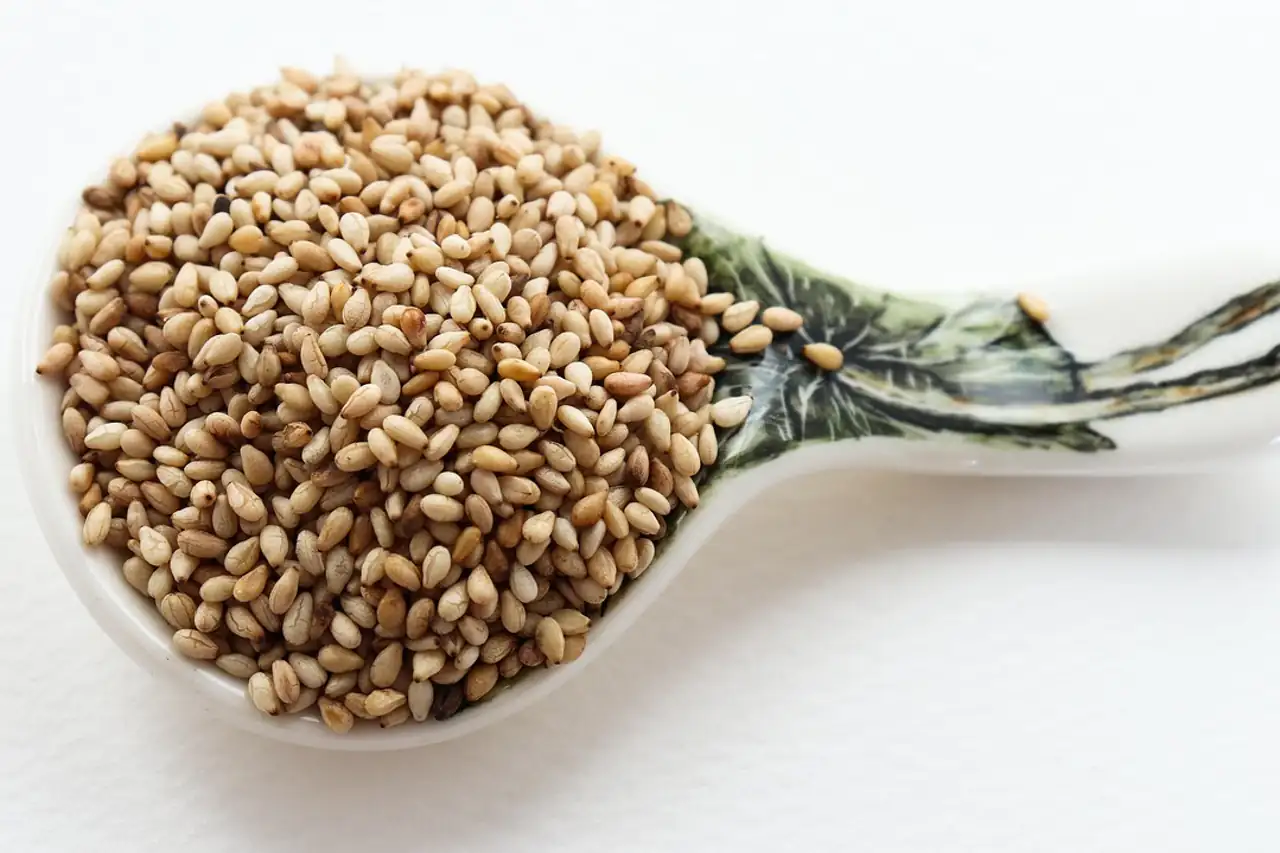
Then it stopped. From 2022 to September 2026 ethylene oxide appears in Indian sesame notifications at most twice a year. What stayed is quieter and more stubborn: Salmonella, every single year. This page reads the sesame record border by border and turns it into the test panel each market needs. It's written for buyers of whole and hulled seed for bakery, tahini, snacks and retail. The caveat: counts show what regulators checked, not the share of Indian sesame that fails. We publish no prices or export volumes, because the only figures we found weren't from an official source.
What The 2021 Crisis Taught
The ethylene oxide story matters even now because of what it showed about the chain. Sesame is a small, oily seed that picks up Salmonella easily from soil, birds and drying yards, and some processors had used ethylene oxide gas to kill microbes in it. That works, and it's allowed in some markets. In the EU it isn't, and its breakdown product, 2-chloroethanol, stays in the seed.
The fix, once Europe started testing, was to switch to steam sterilisation or to clean the seed well enough that it didn't need treating. Indian exporters, the export inspection system and buyers' labs moved fast, and the numbers show it worked. But the lesson for a buyer isn't "ethylene oxide is solved". It's that the method a processor uses to make seed microbiologically safe is a contract term. Ask how the seed is treated, ask for the sterilisation record, and keep ethylene oxide on the test list, because 2-chloroethanol is cheap to test and expensive to find in a recalled tahini.
Border By Border
The same seed fails for different reasons depending on where it lands, so here are the borders side by side.
| Border | What the records show (2021 to 2026) | Lead test |
|---|---|---|
| EU | 196 notifications: ethylene oxide 78 (almost all 2021), Salmonella in every year, chlorpyrifos 22, then haloxyfop and malathion | Salmonella, ethylene oxide and 2-chloroethanol, multi-residue pesticides |
| US | 175 refused seed lines: pesticide 84, Salmonella 72, insanitary manufacturing about 25 | Salmonella, multi-residue pesticides against US tolerances, an import-alert check |
| Australia | 7 failing records, all Salmonella, found per 125 g | Salmonella |
| UK, UAE, NZ | No origin-level data we can use | Plan as for the EU, and check with your broker |
Two details are worth adding. In the EU, the notifying countries were the Netherlands (37), Greece (31), Germany (30) and Poland (21). Greece's place reflects its tahini and halva industry, so if you're a tahini maker you're buying into the most-tested corner of the trade. In the US, refused lines trace mostly to shippers in Maharashtra (110 lines) and Gujarat (73), with Tamil Nadu a distant third. That's where the exporters and hulling plants sit, not necessarily where the seed grew.
The EU's recorded limit for chlorpyrifos in sesame was 0.01 mg/kg, and failing lots ran a median of 3.9 times over it. That's a smaller margin than the ethylene oxide failures, which tells you these are lots that slipped just over a very strict line. A good multi-residue panel catches them. For the rest of each route, see India to the EU, India to the US, India to Australia and India to the UK.
The Panel We'd Write Into The Order
Hulled, natural and black sesame all follow the same plan, with one difference. Hulled seed has been through more machines and more water, so its microbiology matters more.
- Salmonella on every lot, for every market. Absence in 25 g is the EU line, and Australia's records show it testing 125 g, so ask your lab to sample to the stricter market if you sell to both. Sample from many points in the lot, because contamination in seed is patchy.
- Ethylene oxide and 2-chloroethanol, reported as a sum. The EU limit recorded in the notifications is 0.05 mg/kg. Ask the processor to state in writing that no ethylene oxide was used anywhere in the chain.
- A multi-residue pesticide panel naming chlorpyrifos, haloxyfop and malathion. For the US, test against US tolerances and check the result with your broker or lab, because US and EU limits differ.
- Aflatoxin, if the lot was stored long or damp. It's not a leading sesame failure, but it's cheap to add.
Ask for steam sterilisation records if the seed is sold as "sterilised". An independent inspector should draw the sample and keep a sealed counter-sample. The sampling method is in food import testing, and the full plan for oilseeds and spices is on quality control in India.
Before A US Order
The FDA works from lists. Its Salmonella alert, 99-19, has 295 Indian firms on its red list, with nuts and seeds among the product lines, and its pesticide alert, 99-08, has 241 (FDA import alerts for India (opens in a new tab)). A firm on either list has its shipments detained without examination, and you have to prove each one clean. Look the processor up before you order, not after the container sails. And don't treat the exporter's certificate as the proof, because 74 refused seed lines already had a private lab package on file.
Who To Buy From
Indian sesame comes from a lot of small farms, aggregated through traders and processed by hulling and sortex plants, most of them in Gujarat and Maharashtra. A trader who buys cleaned seed and resells it is a normal part of this chain, and there's nothing wrong with buying from one. What you need is someone who can tell you which plant cleaned and treated your lot, and show you that plant's last test results. Ask four things. Which plant hulled and sorted this lot? How is it made microbiologically safe? What did the last three lots for my market test for Salmonella and residues? And can my inspector draw the sample? The company checks are in verifying Indian suppliers.
If you'd like someone at the plant who checks the sterilisation process, draws the sample and sends it to an accredited lab, SourcingSync (opens in a new tab) does that.
From 104 To 21
The drop from 104 notifications to 21 is the best evidence on this page that Indian sesame exporters fix problems when buyers test for them. The ethylene oxide crisis ended because Europe kept testing. The Salmonella record hasn't ended, because seed microbiology is harder than switching a sterilant. A buyer who tests every lot for it, keeps a pesticide panel and a sterilisation clause, and buys from a plant that shows its history is buying the version of Indian sesame that clears. For another oilseed-style crop where one hazard dominates, see the India product guides.