

Basmati Rice From India: The Residue Problem and How to Buy Around It
- Updated
Your route: basmati rice from India
Made in
Several centres
Leaves India from
Port not researched yet
IndicativeUseful directional information where precise verification is unavailable.UnknownInsufficient evidence, or not yet researched.
At sea
No schedule yet
Needs a researched port first
Made in
Several centres
Leaves India from
Port not researched yet
IndicativeUseful directional information where precise verification is unavailable.UnknownInsufficient evidence, or not yet researched.
At sea
No schedule yet
Needs a researched port first
Made in
Several centres
Leaves India from
Port not researched yet
IndicativeUseful directional information where precise verification is unavailable.UnknownInsufficient evidence, or not yet researched.
At sea
No schedule yet
Needs a researched port first
Made in
Several centres
Leaves India from
Port not researched yet
IndicativeUseful directional information where precise verification is unavailable.UnknownInsufficient evidence, or not yet researched.
At sea
No schedule yet
Needs a researched port first
Made in
Several centres
Leaves India from
Port not researched yet
IndicativeUseful directional information where precise verification is unavailable.UnknownInsufficient evidence, or not yet researched.
At sea
No schedule yet
Needs a researched port first
Made in
Several centres
Leaves India from
Port not researched yet
IndicativeUseful directional information where precise verification is unavailable.UnknownInsufficient evidence, or not yet researched.
At sea
No schedule yet
Needs a researched port first
Carrier schedules read 23 Sept 2026. Days are port to port; inland haul and customs time come on top.
Add up the landed costFind the HS codeGet help shipping it (opens sourcingsync.com in a new tab)
In 2024 the US Food and Drug Administration refused 182 lines of Indian basmati. In 2023 it had refused 62, and in 2021 and 2022 together, 6. Every one of the 334 refused basmati lines in our count from January 2021 to August 2026 except two carries the same charge: pesticide residue. Over the same years the EU's alert system logged 109 notifications naming basmati, and when you open them the same two names keep coming up. Tricyclazole, a fungicide for rice blast. Thiamethoxam, an insecticide.
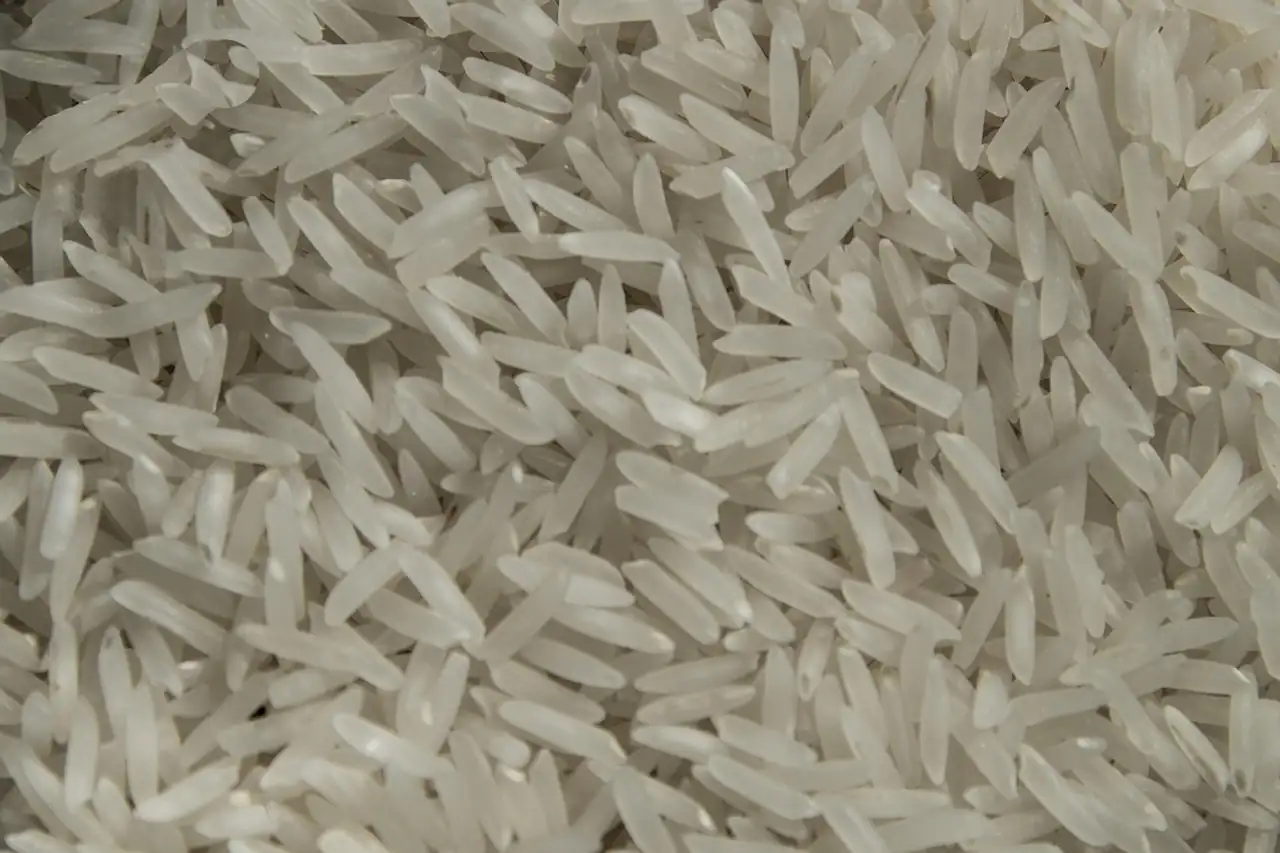
That's the whole story of this page in one paragraph. Basmati from India is a mature, competitive trade with hundreds of serious millers, and most of it clears. But the lots that fail, fail for a reason that starts in a paddy field in Haryana or Punjab weeks before the crop is cut, and no mill can wash it out. We'll show what each border actually rejects, why a test at the mill only finds the problem, and how buyers who don't get rejected structure their buying. One caveat first. A rejection count shows what regulators checked, not the share of Indian rice that fails, and nobody publishes that share. We publish no prices.
Why A Clean Mill Can Ship A Dirty Lot
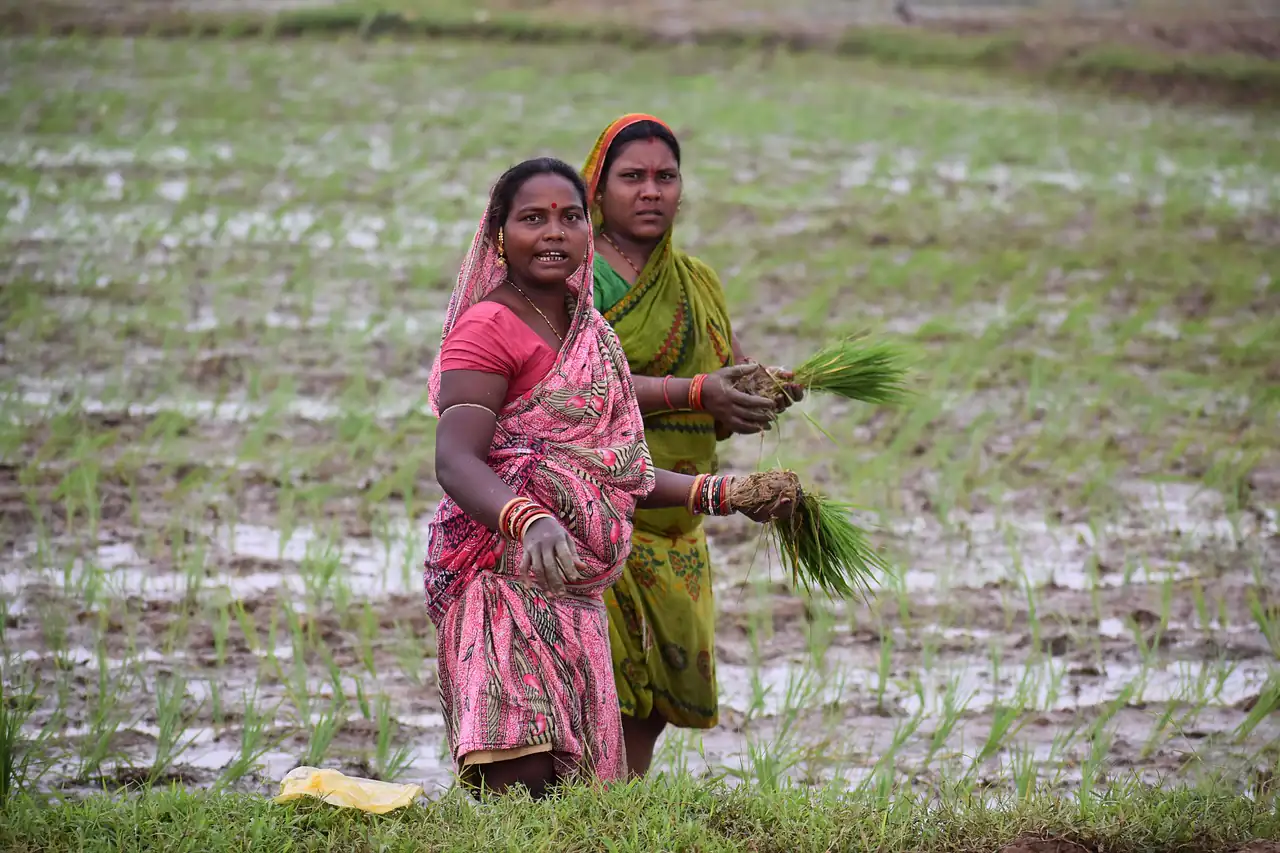
Picture the chain. A farmer in Karnal or Amritsar grows Pusa Basmati 1121 or 1509 and sprays against blast and plant hoppers. The paddy goes to a mandi, a regulated grain market, where a commission agent pools it with paddy from dozens of other farmers. The miller buys there, ages the paddy, mills, sorts and packs. By the time the rice is in a 20 kg bag, the residue that came in with one farmer's paddy is spread through a lot that might have come from a hundred.
So the residue isn't something the mill adds, and it isn't something the mill can remove. Tricyclazole is sprayed against blast close to the time the panicles form. If a farmer sprays late, or sprays more than the label says because the disease is bad that year, the residue is in the grain. Our reading is that rice pesticide failures are a spray-timing problem that only a programme with growers solves. Testing at the mill only tells you that you've got it.
That's also why it's not fair to call a rejected exporter careless. The EU's 0.01 mg/kg is close to "not detectable", and markets in India and the Gulf don't all apply a limit that tight, so a miller who buys at the mandi and sells mostly to those markets can be doing nothing wrong at home and still fail in Rotterdam. Check the limit in your own market with your broker or lab. The good exporters for Europe know this and have built farm programmes, and they're the ones to look for.
What Each Border Rejects
The same rice, three different failure lists. The pattern from our rejection study is short enough to keep in your head.
European Union. Pesticides first, then mycotoxins. Of 227 Indian rice notifications from 2021 to September 2026, 167 involve pesticides. Tricyclazole (115) and thiamethoxam (90) lead, then chlorpyrifos (35), ochratoxin A (27), aflatoxin B1 (19), imidacloprid (12) and propiconazole (11). Mineral-oil hydrocarbons, MOSH and MOAH, turned up in a handful of 2025 and 2026 records, which points at jute bag batching oils or machinery. The notifying countries tell you where it's caught: the Netherlands (27 basmati notifications), France (19) and Germany (12). If your lot lands in Rotterdam, assume it'll be looked at.
United States. Pesticides, almost nothing else. The 2024 spike to 182 basmati lines followed by 75 in 2025 and 9 to August 2026 looks like an enforcement wave, and it still names the same chemicals. FDA's pesticide alert, 99-08, lists 241 Indian firms, with 240 grain product lines. When a firm is on that alert, its rice is detained without anyone opening the bag, and the importer has to prove it clean. The refused lines trace back mostly to Haryana (117 lines), then Madhya Pradesh and Gujarat (54 each), Delhi (27) and Punjab (21), though the state is where the shipper sits, not where the paddy grew.
Australia and New Zealand. Quiet. One basmati record in Australia's failing-food list in five and a half years, for lead at 0.5 mg/kg in 2021. New Zealand publishes no comparable list, so silence there means nothing either way.
UK and UAE. We have no usable origin-level rejection data for either. The UK applies limits that were inherited from the EU, so plan as if you were shipping to the EU, and check the current rice import rules with your customs broker. For the UAE, check with your broker too.
Duty, Varieties And The Name Itself
Duty is a smaller question than residue, but one detail matters in the EU. The EU gives zero duty to husked (brown) basmati from India of listed varieties under an agreement that dates to 2004, and its current arrangements, in Regulation 2023/2834, tie that to the variety and to a DNA control system at the border. If your lot is milled white rice, or a variety outside the list, the duty treatment is different. Ask your broker which code and which variety list your lot falls under before you price the deal.
The name is the other live issue. India applied to register basmati as a protected geographical indication in the EU in 2018, Pakistan filed its own claim in 2024, and as of October 2026 there's no decision. Until there is, "basmati" on your pack is governed by the EU's variety rules and your national labelling law, not by a GI. That matters if you buy a blended or "traditional basmati" lot. Write the variety, the share of each variety and the crop year into the contract.
For the rest of the border, see India to the EU, India to the UK, India to the US and India to the UAE.
A Calendar, Not A Certificate
The useful way to think about basmati is a crop calendar, because each test belongs to a point in it. Here's the one we'd use with a mill.
June to September, in the field. Kharif basmati is transplanted from June and harvested from October. This is when the spray happens. For a European programme, ask the exporter which farms or farmer groups supply your lot, what they were advised to spray, and whether anyone checked. Exporters with farm programmes for Europe will answer this without blinking. Exporters who buy only at the mandi will tell you about their mill.
October to December, at procurement. Ask for a residue screen on paddy or brown rice before it's milled, lot by lot. A multi-residue panel that names tricyclazole, thiamethoxam, chlorpyrifos, imidacloprid, propiconazole, carbendazim, isoprothiolane and buprofezin covers the substances in the rejection records. If a lot comes back over 0.01 mg/kg for the headline fungicide and insecticide, it goes to a market where it's legal. It doesn't go in your container.
Aging and storage, months later. Basmati is aged before it's sold, often for a year. That's where ochratoxin A and aflatoxin come in, through moisture in the store. Ask how the paddy is stored, and test the finished lot for ochratoxin A and aflatoxin B1 against your market's limit, not the harvest.
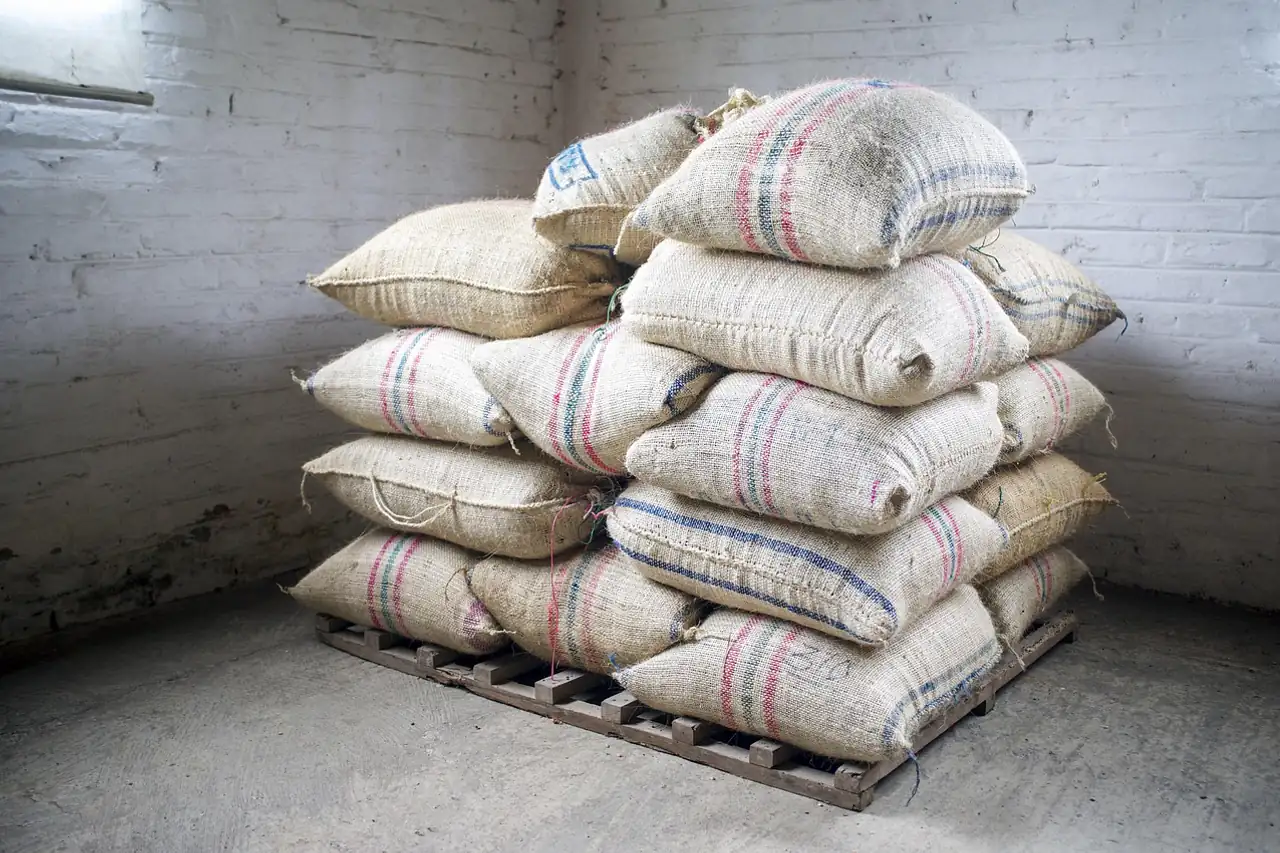
Pre-shipment, on the lot you ship. Run the pesticide panel again on the finished, packed lot, plus mycotoxins, and MOSH and MOAH if the rice is in jute bags. Have an independent inspector draw the sample and seal a counter-sample. The full sampling method is in food import testing, which uses a basmati lot split between Rotterdam and New Jersey as its worked example, so we won't repeat it here.
Before the US order. Look the exporter up on FDA Import Alert 99-08. Then remember that 108 refused basmati lines had a private lab package on record. An exporter's report is a start, not proof.
Who To Buy From
India has a lot of basmati exporters, from the very large listed companies to family millers in Karnal, Taraori, Amritsar and the mill belts of Madhya Pradesh. Size isn't the test. The test is whether the exporter can show you a lot traced back to its paddy and a residue result on it, for the market you sell in. A mid-sized miller with a farm programme for Europe is a better partner for an EU buyer than a giant whose main market is Saudi Arabia, where the rules are different.
Four questions sort them in the first call. Which markets is most of your basmati sold in? Do you run a grower programme, and for which lots? Can I see residue results for your last three EU or US lots, with the lab named? And will you let my inspector draw the sample? How to check the company behind the answers is in verifying Indian suppliers, and the wider testing plan is on quality control in India.
The rice exporters' federation runs the Bharat International Rice Conference in New Delhi, 23 to 25 October 2026, with hosted-buyer terms for established importers. It's the one place to meet many millers in a few days. If you'd rather have someone on the ground who visits the mill, checks the grower programme, draws the sample and sends it to an accredited lab, SourcingSync (opens in a new tab) does that.
Questions Buyers Ask
Is Indian basmati safe to import into the EU?
Most of it is, and Indian basmati is a staple across Europe. The rejections that happen are concentrated in two pesticides and a newer mycotoxin, so a lot with a clean residue and mycotoxin result for your market, sampled independently, is the protection.
Why did US refusals jump in 2024?
The records show 182 basmati lines refused that year, all but a couple for pesticides, so it looks like closer checks rather than a new hazard. We can't see the FDA's reasons beyond the charge.
Will milling or washing remove tricyclazole?
Not reliably enough to plan around. Treat residue as fixed when the paddy is harvested and buy accordingly.
Does the exporter's lab report protect me?
No. 108 refused US basmati lines had a private lab package on record. Commission your own test on a sample your inspector draws.
Back To 2024
The 182 refusals of 2024 weren't a sudden collapse in Indian rice. They were the same two chemicals that the EU had been flagging for years, met at a border that had started looking. That's the useful lesson for a buyer. The residue is set in the field, the test only finds it, and the buyers who never see a rejection notice are the ones who chose an exporter with a grower programme and tested twice. See India product guides for the next product, or turmeric from India for another crop where the problem starts before the processor.