

Coffee From India: Robusta, Monsooned Malabar and the EUDR Question
- Updated
Your route: coffee from India
Made in
Several centres
Leaves India from
Port not researched yet
IndicativeUseful directional information where precise verification is unavailable.UnknownInsufficient evidence, or not yet researched.
At sea
No schedule yet
Needs a researched port first
Made in
Several centres
Leaves India from
Port not researched yet
IndicativeUseful directional information where precise verification is unavailable.UnknownInsufficient evidence, or not yet researched.
At sea
No schedule yet
Needs a researched port first
Made in
Several centres
Leaves India from
Port not researched yet
IndicativeUseful directional information where precise verification is unavailable.UnknownInsufficient evidence, or not yet researched.
At sea
No schedule yet
Needs a researched port first
Made in
Several centres
Leaves India from
Port not researched yet
IndicativeUseful directional information where precise verification is unavailable.UnknownInsufficient evidence, or not yet researched.
At sea
No schedule yet
Needs a researched port first
Made in
Several centres
Leaves India from
Port not researched yet
IndicativeUseful directional information where precise verification is unavailable.UnknownInsufficient evidence, or not yet researched.
At sea
No schedule yet
Needs a researched port first
Made in
Several centres
Leaves India from
Port not researched yet
IndicativeUseful directional information where precise verification is unavailable.UnknownInsufficient evidence, or not yet researched.
At sea
No schedule yet
Needs a researched port first
Carrier schedules read 23 Sept 2026. Days are port to port; inland haul and customs time come on top.
Add up the landed costFind the HS codeGet help shipping it (opens sourcingsync.com in a new tab)
What does a roaster in Europe actually need to know before buying Indian green coffee? Less about safety than you'd think, and more about paperwork. Our rejection records, which turn up hundreds of failures for Indian spices and rice, find almost nothing for coffee. Four EU notifications in five and a half years, and three of those were instant coffee. The real question for 2027 is the EU's deforestation regulation, and whether the small farms in Karnataka and Kerala that grow most of India's coffee can prove where it grew.
So this is a short page. It covers what India grows, how it's sold, the one safety risk worth testing for, and EUDR, step by step. Trade figures here come from the Coffee Board as reported in the trade press, and we say so. We publish no prices.
What India Grows
Mostly robusta. India's coffee comes from the hills of Karnataka, which grows most of it, then Kerala and Tamil Nadu, with small amounts from Andhra Pradesh, Odisha and the north-east. Robusta is the bigger crop, and Indian robusta has a long following in Italian espresso blends, which is why Italy tops the destinations. The arabica is grown in the higher shade estates of Chikmagalur, Coorg and the Nilgiris.
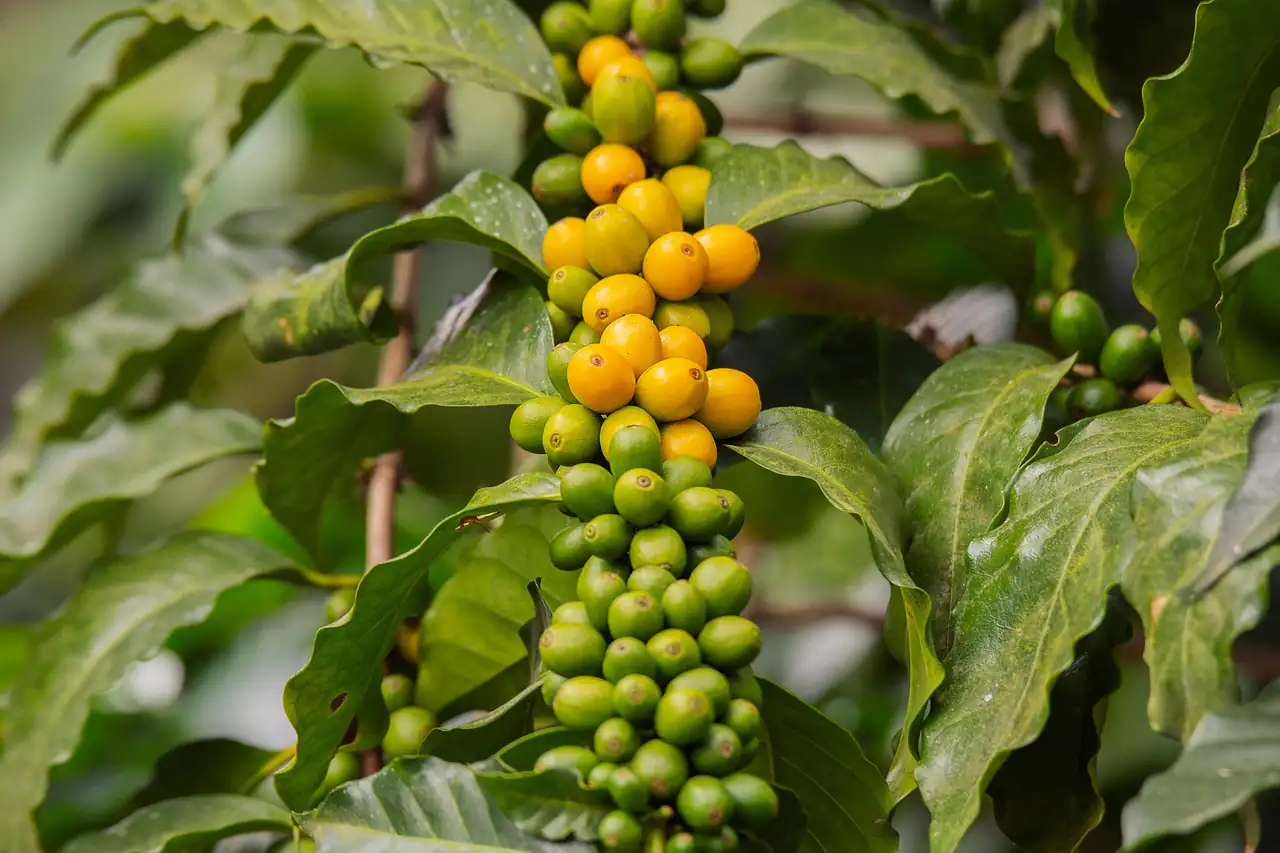
Most of it grows under shade, among pepper vines, silver oak and native trees, on farms that range from big plantation companies to families with a few hectares. That shade-grown mix matters twice for a buyer. It's a quality story roasters like, and it's the reason EUDR looks manageable here, because the coffee isn't grown on cleared forest land in most of the region. Proving it plot by plot is another matter, and that's below.
Monsooned Malabar
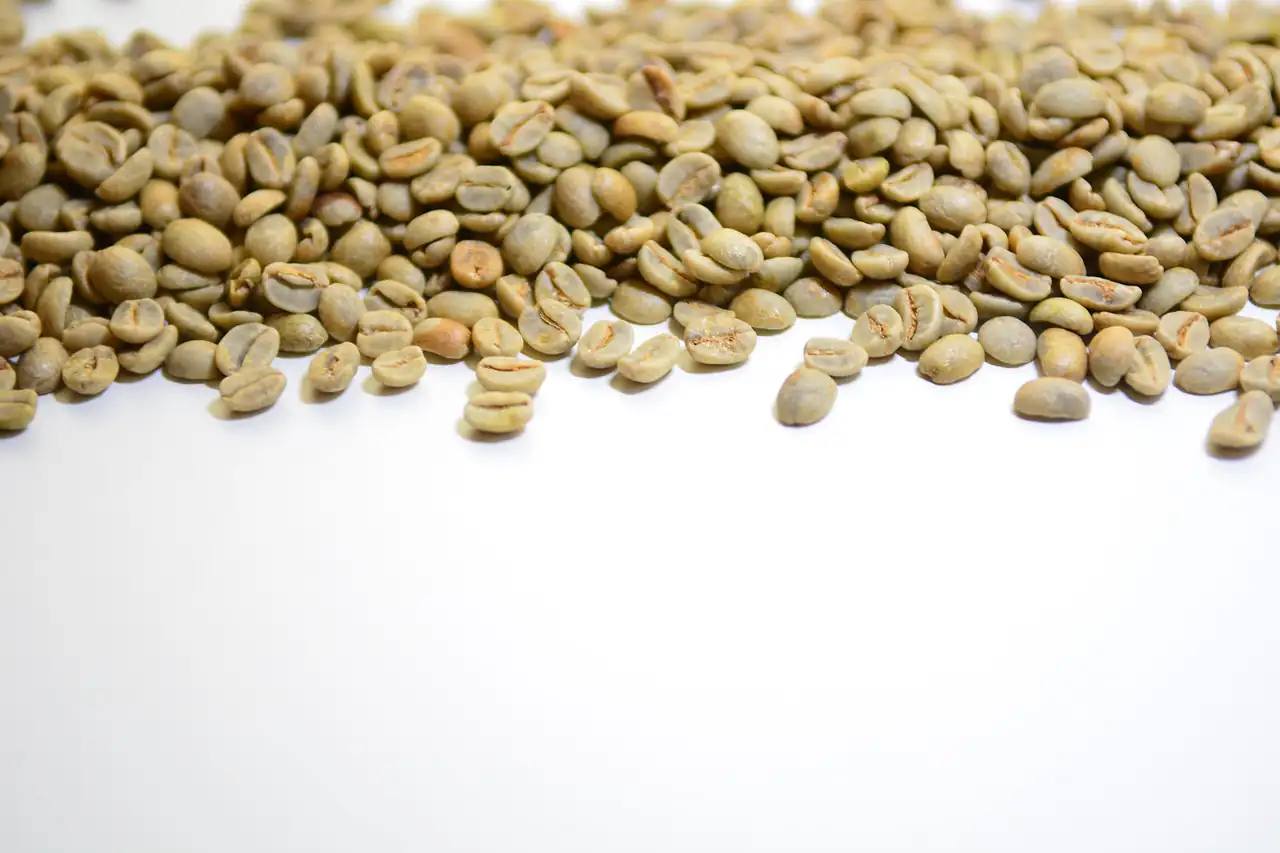
Monsooned Malabar is India's one truly unusual coffee. Green beans are laid out in open-sided warehouses on the Malabar coast during the south-west monsoon and left to absorb the humid air for weeks, until they swell, turn pale gold and lose much of their acidity. It's a flavour that began by accident on the long sail to Europe and is now made on purpose. Both the arabica and robusta versions are registered geographical indications in India (IP India, arabica (opens in a new tab), robusta (opens in a new tab)).
For a buyer, the GI is about the coast and the process. Ask the exporter which works did the monsooning and for its records. And because monsooning is deliberate exposure to moisture, it's the coffee where an ochratoxin A test is most worth paying for.
How It's Sold
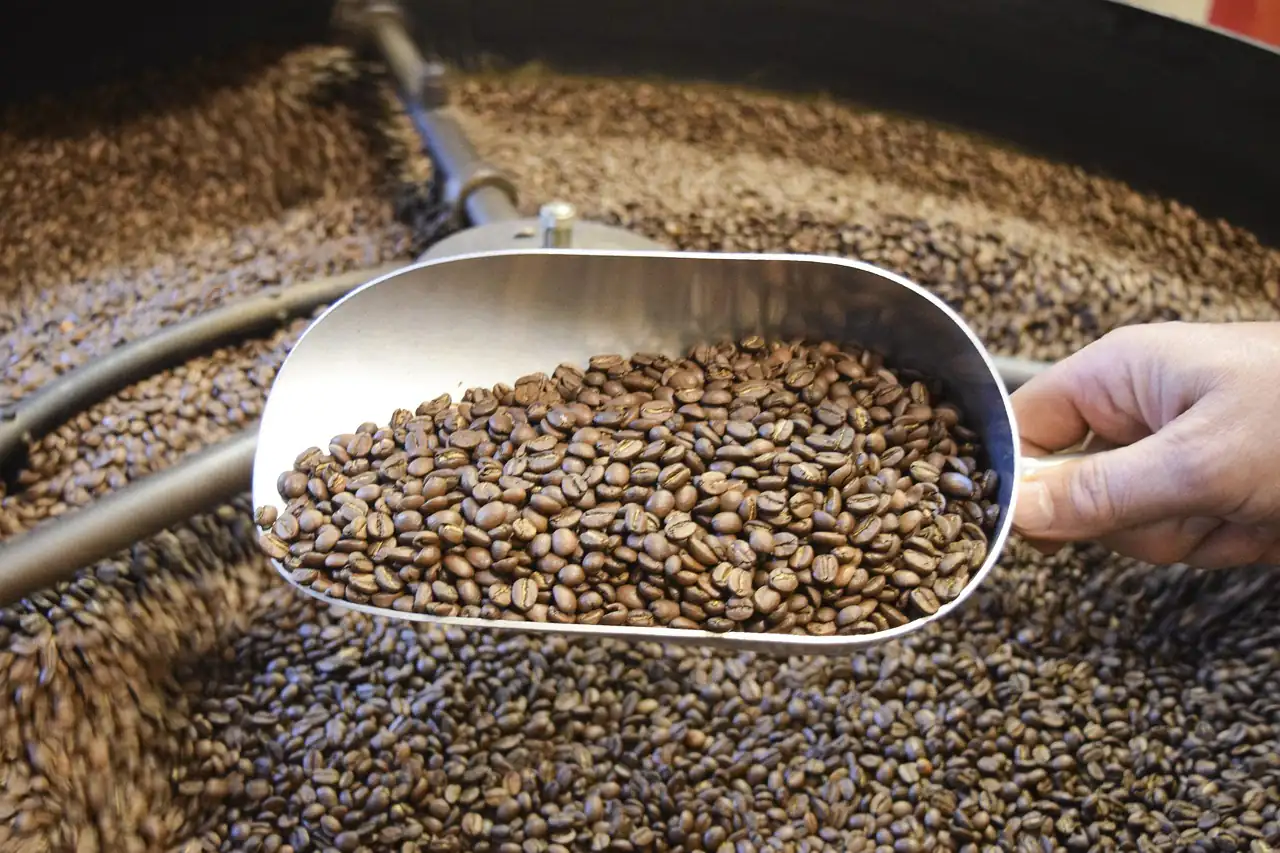
Green coffee is sold by grade, through exporters and curing works that hull, grade and bag it, and the Coffee Board publishes the grade standards. You'll see names like Plantation A for washed arabica, Robusta Cherry and Robusta Parchment, with AA, A, AB and PB for size and shape. A plantation coffee from a named estate is sold more and more as a specialty lot. Commercial grades go through exporters in bulk.
A roaster buying for the first time should ask for pre-shipment samples matched to the shipped lot, a cup score from a named cupper if it's a specialty lot, and the estate or the collection area behind the lot. That last one is no longer optional for the EU.
EUDR, Step By Step
The EU Deforestation Regulation covers coffee. Once it applies, coffee placed on the EU market must be deforestation-free, produced legally, and covered by a due diligence statement with the geolocation of every plot where it was grown. Here's how the timing and the duties fall after the 2025 amendments (EU Access2Markets (opens in a new tab), Stibbe (opens in a new tab)).
- 30 December 2026. The rules apply to medium and large operators. If you're the company that first places Indian coffee on the EU market and you're not a micro or small business, this is your date.
- 30 June 2027. The rules apply to micro and small operators.
- The first operator files. The importer who first places the coffee on the market submits the due diligence statement. Traders and roasters further along no longer submit their own. They keep the reference number of the first statement.
- The data comes from the farm. Geolocation of every plot, with a polygon for larger plots. For a lot made from many smallholders' cherry, that's many plots.
- Watch for change. The Commission was due to review simplification by 30 April 2026. Check the current rules with your customs broker or a compliance adviser before you sign a 2027 contract.
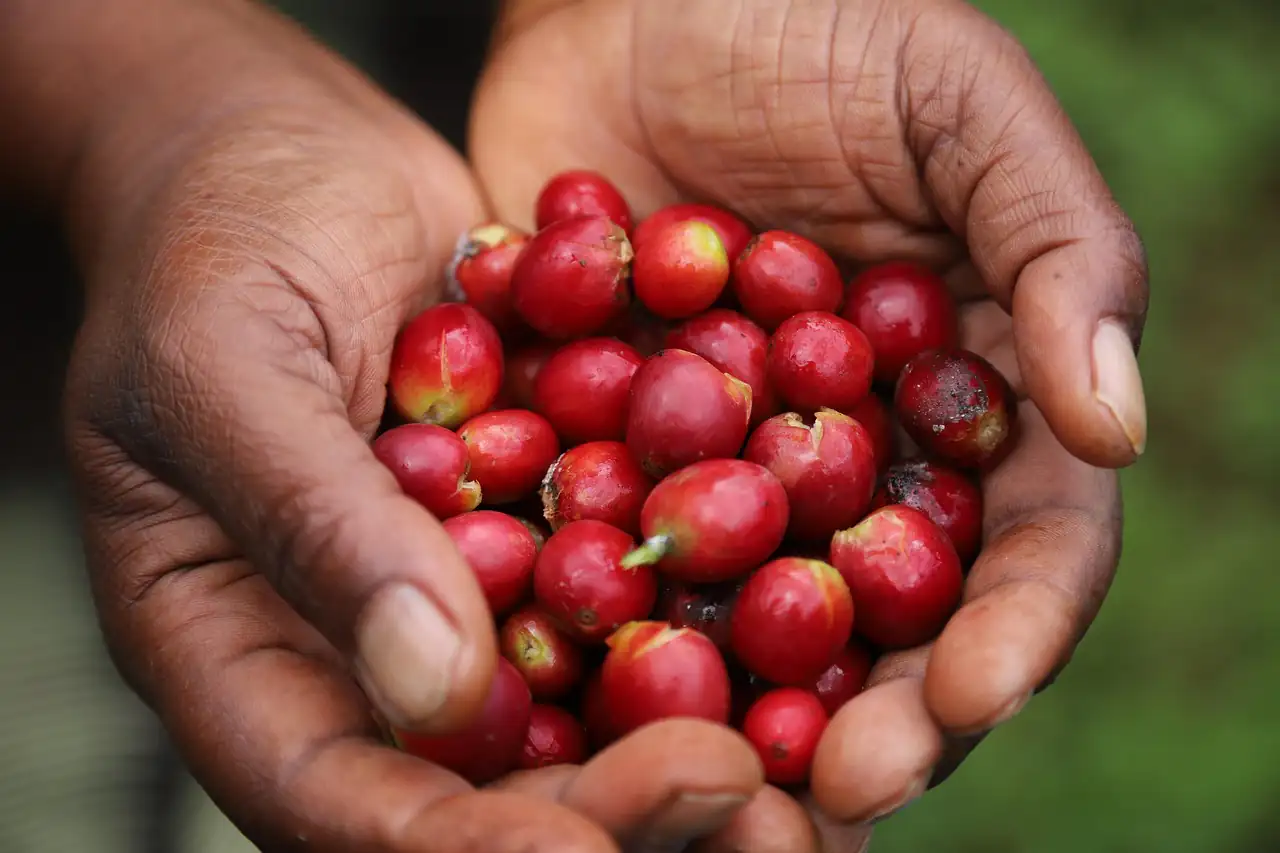
The smallholder question is the hard part. A curing works in Chikmagalur may take coffee from hundreds of growers through collectors, and collecting coordinates from each one is real work. Some Indian exporters already map their growers, and others are starting. Ask the exporter three things. Do you have plot geolocation for the growers behind this lot? Can you keep EUDR lots separate from the rest through curing? And who will hand over the data, and in what format? An exporter who can't answer now is not a 2027 EU supplier yet, though they may be fine for the UK, the US or Australia, where EUDR doesn't apply.
The One Test Worth Paying For
With so few rejections, the test list is short. Test ochratoxin A on the lot you ship, especially for Monsooned Malabar and anything stored for months on the coast. If the lot is organic, add ethylene oxide and 2-chloroethanol, because that's what the 2021 notification found. For instant coffee, add acrylamide. The method is in food import testing and the broader plan is on quality control in India. Duty and documents for each route are on India to the EU, India to the UK, India to the US and India to Australia.
Collecting geolocation data from growers, checking that EUDR lots are kept separate at the curing works, and drawing a sealed sample for the lab are on-the-ground jobs. SourcingSync (opens in a new tab) can do them.
Back To The Roaster's Question
What does a European roaster need to know? That Indian coffee is clean by the border's own records, that its robusta and its monsooned coffee have a real following, and that from 30 December 2026 the deal depends on whether your exporter can show where each bean grew. Start that conversation now, with the exporters who can already answer it. See India product guides for the next product, or tea from India for the other hill crop.