

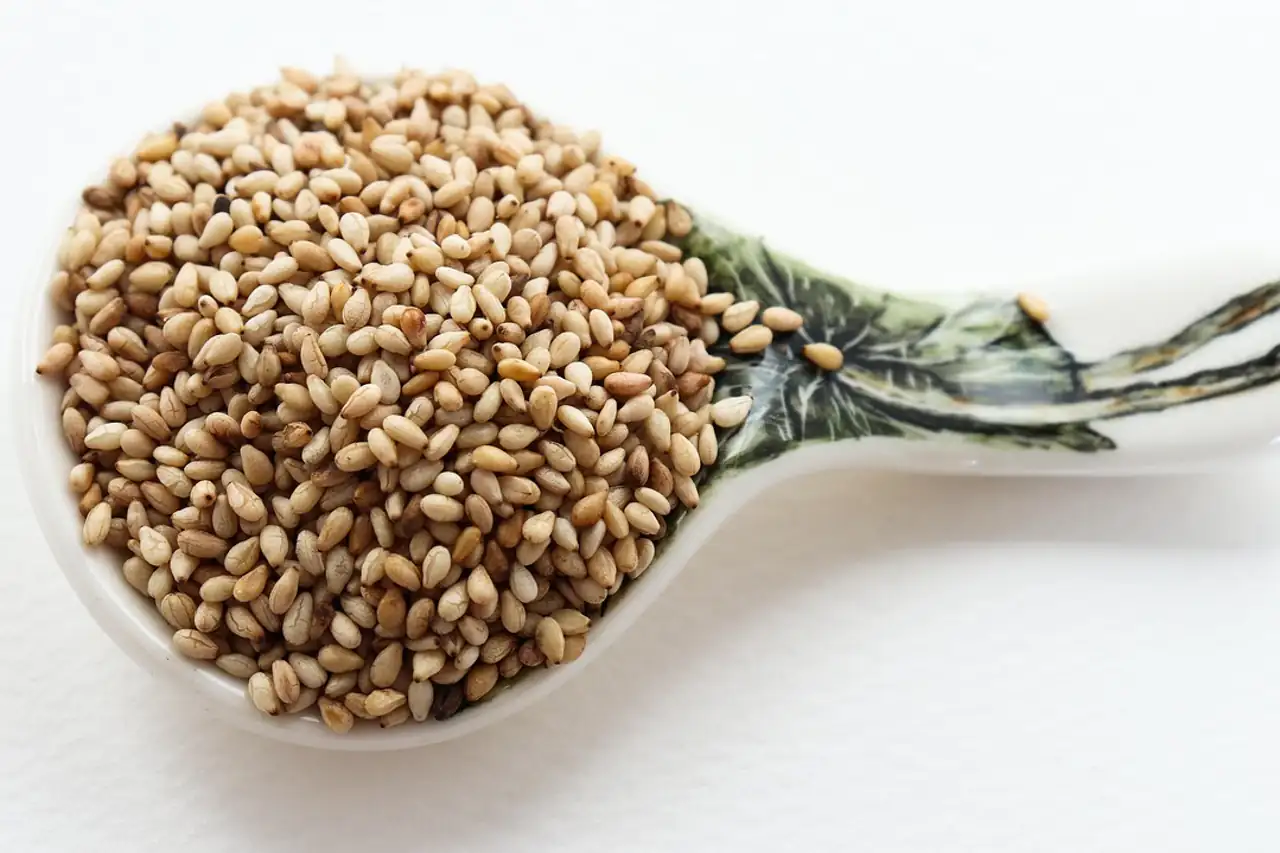
Testing Sesame Seeds From India for Salmonella and Ethylene Oxide by Border
Why Indian sesame lots get rejected in the EU, US and Australia (Salmonella, pesticides, the 2021 ethylene oxide crisis) and the test panel each border needs.
8 min read
Organic from India runs on two systems. India's NPOP certifies farms and exporters and issues a TraceNet transaction certificate per shipment, and each buying market decides whether it accepts that. The EU accepts NPOP only for unprocessed plant products and only until its recognition runs out, and the US stopped accepting it in 2021. This guide shows importers what to check and walks an exporter through certification.
Here's a question to ask your Indian supplier before you look at any certificate. Organic for which market? It sounds pedantic, but it's the whole subject. In late 2021 the EU removed several of the largest control bodies certifying Indian organic produce from its list, after a long run of organic sesame and other consignments turned up ethylene oxide (Soil Association (opens in a new tab), November 2021). That same year the US ended its arrangement with India altogether, so an Indian NPOP certificate stopped being enough for US organic (USDA FAS (opens in a new tab)). Overnight, a farm that was "certified organic" was still organic in India, but not in the same way in Rotterdam or Los Angeles.
So this guide starts with what each market accepts, then gives the importer's checks, then the exporter's steps under India's National Programme for Organic Production (NPOP). It's one of our certification guides.
NPOP is India's organic programme, run by APEDA under the Ministry of Commerce. A National Accreditation Body accredits certification bodies, and those bodies inspect and certify farms, grower groups, processors and exporters to the NPOP standard. The 8th edition of the NPOP regulation and procedures came out in 2024 (APEDA NPOP (opens in a new tab)).
TraceNet is APEDA's online traceability system. Under DGFT's Public Notice 39/2024-25, a product can be exported from India as organic only if it was produced, processed, packed and labelled to NPOP and goes with a transaction certificate (TC) issued through TraceNet by an accredited body. A provisional TC goes with the consignment for Indian customs, and a final TC replaces it. Organic textiles are the exception. DGFT later said the TC rule doesn't apply to them, because textiles sit outside NPOP's categories (DGFT notice, via TEXPROCIL (opens in a new tab)). For organic cotton and GOTS, see textile certifications.
Then the buying market decides whether it trusts NPOP. That's the part buyers miss.
| Market | What it accepts | What that means for you |
|---|---|---|
| European Union | NPOP for unprocessed plant products, under the old equivalence regime. Processed goods need a control body the EU recognises directly | Recognition expires 31 Dec 2026. The Commission proposed extending it to 31 Dec 2036 (Dec 2025). We found no sign it has been adopted. Check before you contract |
| United States | Only a USDA-accredited certifying agent. NPOP recognition ended 11 Jan 2021, and the transition ended 12 Jul 2022 | The supplier holds a USDA organic certificate, and each shipment needs an NOP Import Certificate |
| Switzerland, Taiwan, Australia | Listed by APEDA as equivalence or MRA partners | Check the scope with your own authority |
| United Kingdom | Check the current GB list of recognised bodies and countries | Ask your UK certifier which Indian bodies it accepts |
| UAE, Saudi Arabia, others | Varies | Check with your authority or certifier |
The EU line needs the most care. Recognitions granted under the old regulation end on 31 December 2026 under Article 48 of Regulation 2018/848, and the Council gave the Commission a mandate to negotiate organic trade agreements with India and ten others (Council Decision 2021/1345 (opens in a new tab)). In December 2025 the Commission proposed moving the date to 31 December 2036 to avoid disrupting trade (COM(2025) 780 (opens in a new tab)). As of 17 October 2026 we couldn't find that it had become law. If you're signing a contract for organic Indian spices or pulses delivered in 2027, put the status in writing with your EU certifier first.
An organic certificate says the product was grown and handled under an organic standard, with an inspected chain. It doesn't say the lot is clean. A food safety manager at a US spice company put it well - an Indian organic certificate is paperwork, not proof of heavy-metal testing (r/Cooking, 2024, our forum signal FS-CAT-078). The 2021 EU removals happened because certified organic lots carried ethylene oxide. So test organic lots the same way you test conventional ones (food import testing).
Then check the paper.
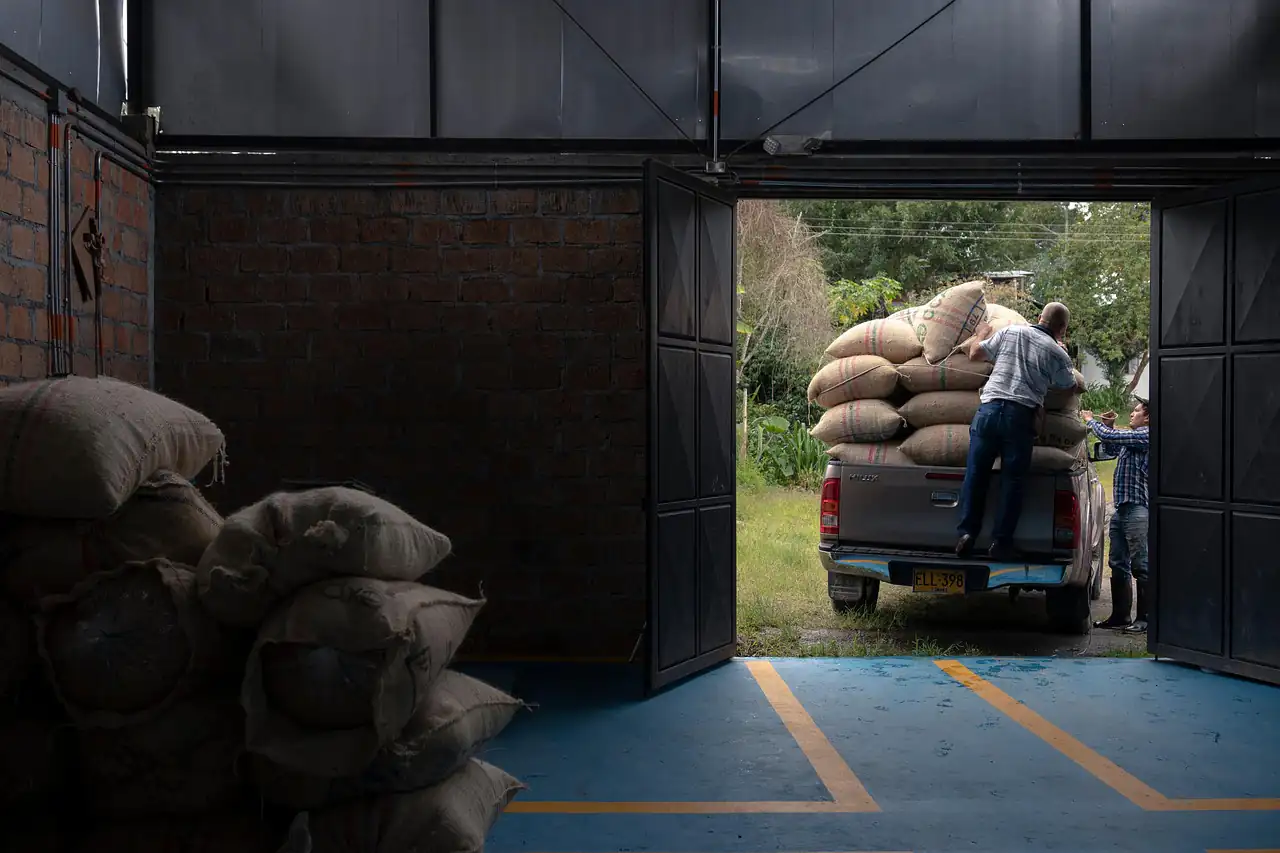
Red flags. A certificate that expired last season with "renewal in process". A TC that covers far more tonnage than the farm group could grow. A product on the TC described more broadly than on the scope certificate. A trader with a certificate that lists only trading, selling a product it claims to grow. None of this means a supplier is out to cheat you. Merchant exporters buying from certified grower groups are normal in Indian organic trade. It means you check that the chain of certificates reaches the farm.
Following a grower group's certificate back to the farms, sitting in on the lot sampling and making sure the TC matches the container is the kind of on-the-ground work SourcingSync (opens in a new tab) handles for buyers.
APEDA is NPOP's secretariat. The National Accreditation Body accredits certification bodies, and APEDA publishes the list of accredited bodies on the NPOP portal (opens in a new tab). A certification body inspects the operator, issues the scope certificate and issues TCs through TraceNet. Under the 8th edition, organic grower groups have their own legal status in place of the old internal control system arrangement (APEDA, as reported on launch in January 2025).
For the US, the Indian operator also needs a certifier accredited by USDA. Several international certifiers that work in India hold USDA accreditation. Check the USDA list for the current names. We don't recommend any.
Step 1 - Decide which markets you'll sell to. NPOP for India and for the EU's unprocessed products, USDA NOP for the US, and possibly both. One inspection can often cover several standards if the body is accredited for them. Ask.
Step 2 - Choose an accredited certification body. Pick one from APEDA's list for NPOP and, for the US, one from USDA's list. Ask for its scope for your product category and what it charges (check the current fee with the body).
Step 3 - Apply and send the documents. Usually: land records or lease, field maps, crop plans, input records, processing and storage details, and for grower groups, the list of members with their plots. The body opens your file on TraceNet.
Step 4 - Go through conversion. Land isn't organic the day you apply. Commonly cited NPOP periods are two years for annual crops and three for perennials, counted before harvest (check the current period in the NPOP procedures, as it can be shortened under conditions). Keep records from day one.
Step 5 - Inspection. The body visits farms, stores and processing units, interviews staff and may take samples for residue tests. Visits can also be unannounced, so keep records current all year.
Step 6 - Fix non-conformities and receive the scope certificate. It lists the operator, products and activities. Renew every year, with an annual inspection.
Step 7 - Apply for a TC for each shipment. Enter the lot on TraceNet. The body issues a provisional TC before shipping and a final TC after. Check the TC against your invoice and packing list before it goes.
Step 8 - Send the buyer the paper. The scope certificate, the TC, the residue test for the lot, and for the EU, the details the importer needs to complete the COI in TRACES.
Common reasons for trouble: residue findings (most often ethylene oxide or pesticide drift from neighbouring fields), mismatched quantities between TC and invoice, processing done in a unit not covered by the certificate, and buyers getting goods certified to the wrong market standard.
This example is an illustration built from the rules above, not a real firm.
Say a trader in Gujarat buys organic hulled sesame from a grower group in Rajasthan and sells half to a German importer and half to a US bakery supplier.
Hulled sesame has been processed, so for the EU it needs a control body the EU recognises for processed products, not just NPOP. The US half needs a USDA-accredited certifier for the grower group, the hulling unit and the trader. That's three certificates in the chain, and the trader's must list trading and the hulling unit's must list hulling.
Sesame is also where the EU found ethylene oxide in 79 of 197 Indian notifications in our count, and Salmonella in 69 (RASFF, 2021 to 2026, our rejection study). Organic doesn't change that. So each lot gets a residue and Salmonella test before shipping, with the same lot number on the test report, the TC and the invoice. For the sesame market itself, see the sesame page.
It shows NPOP certification. In the EU, the EU organic logo rules apply. Ask your certifier how to label.
Not since 12 July 2022. The supplier needs a USDA-accredited certifier.
If the extension isn't adopted by then, the recognition of NPOP for unprocessed plant products ends, and Indian suppliers would need a control body the EU recognises directly. Check the status with your certifier.
No. Inspections may include samples, but your lot needs its own test.
Ready to act
Want this supplier checked before you commit?
SourcingSync can verify who makes it and who answers for quality, then manage the supplier for you.
Why Indian sesame lots get rejected in the EU, US and Australia (Salmonella, pesticides, the 2021 ethylene oxide crisis) and the test panel each border needs.
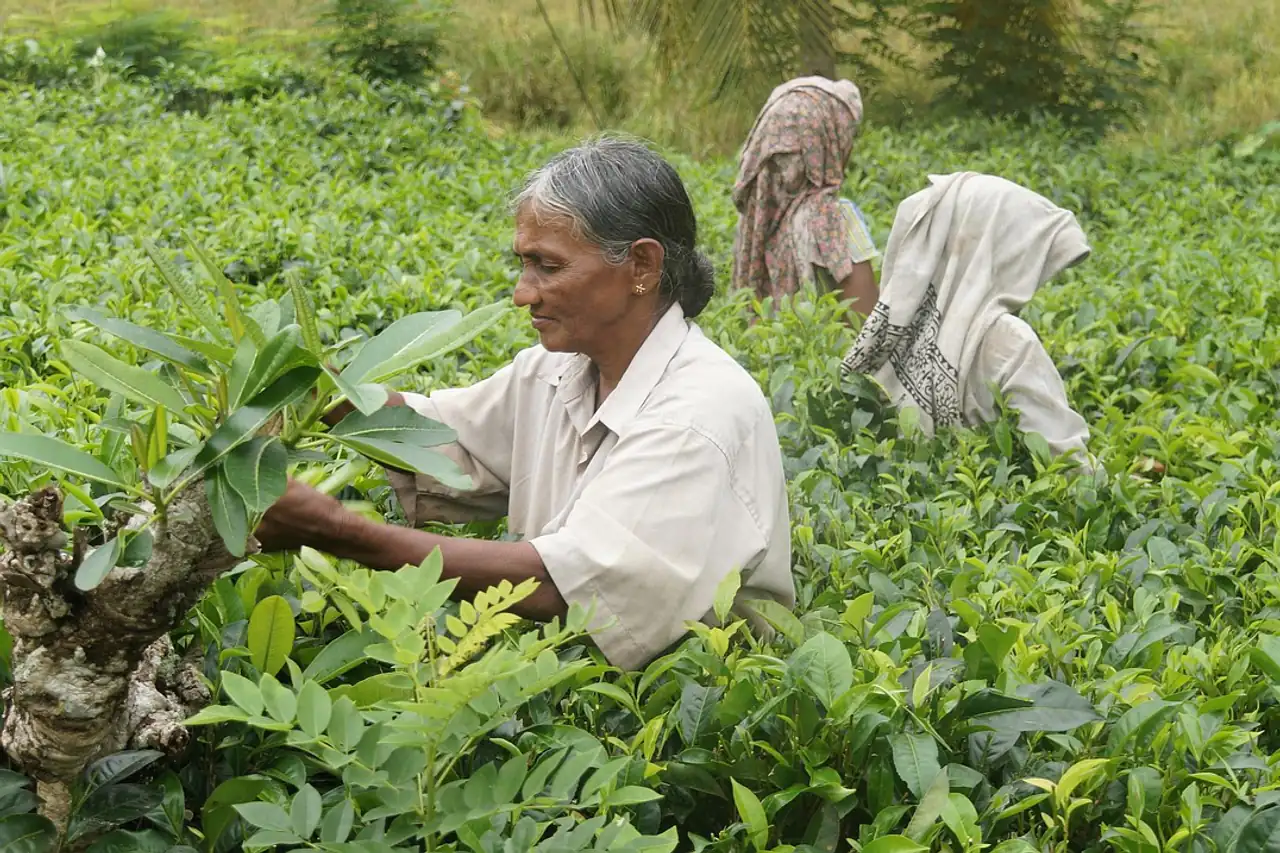
How an importer buys Indian tea through the auctions or direct from estates, what Darjeeling protection means, and the residues EU and US borders actually find.
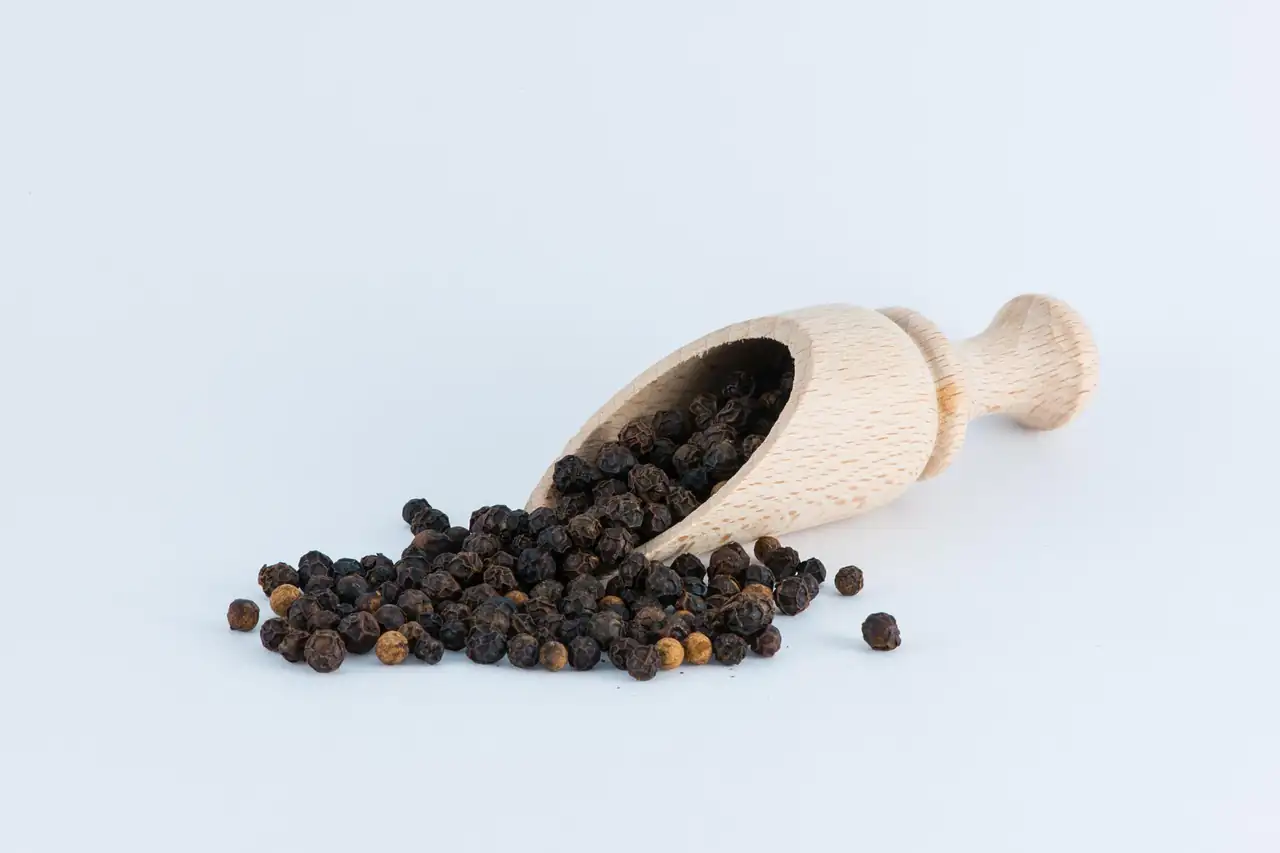
What FDA Import Alert 28-02 means for Indian black pepper, which Kerala and Karnataka districts grow it, the imported-pepper question, and UK, EU, NZ, Australia and UAE rules.
Yash Khatri founded SourcingFrom to give buyers outside India the full picture of sourcing from India: what the country makes well, where it is made, who makes it and how it ships. He writes and edits every guide on the site, and holds each one to the same rule: say what we know, show how sure we are, and say plainly where the evidence runs out. He also runs SourcingSync, the hands-on service that does the sourcing work for buyers, and Kirnova, the data and intelligence company behind SourcingFrom Intelligence.
Want new guides when they go up? Get the newsletter
Leave your email and the PDF downloads straight away. We don't email it to you.
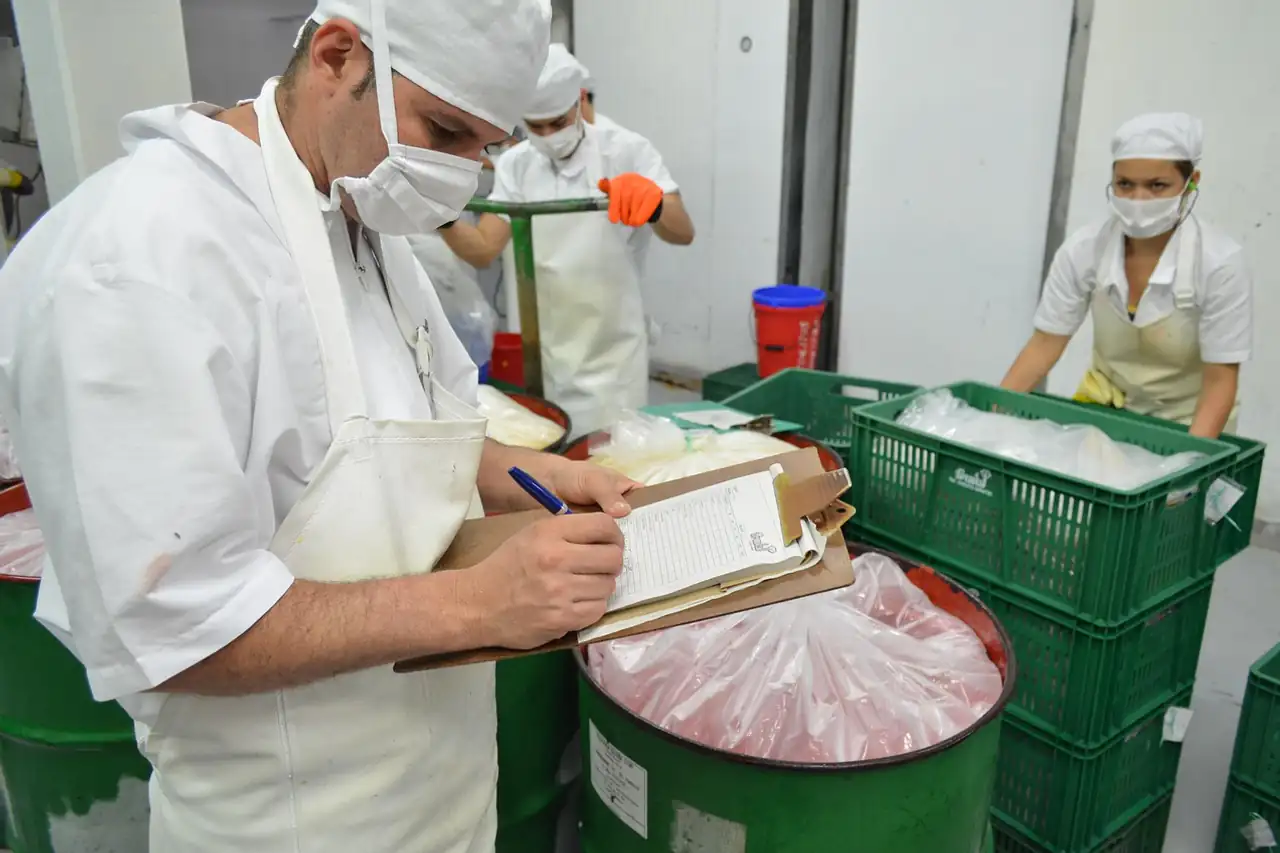
BRCGS, IFS, FSSC 22000, ISO 22000 and HACCP are not five versions of the same thing. Only the first three are GFSI-recognised schemes that big retailers ask for, ISO 22000 on its own is a management system standard, and HACCP is a method every one of them is built on. This guide shows an importer what each proves and how to check it, and walks an Indian food exporter through getting certified.

A halal certificate is a private or national body saying a product or a plant meets Islamic dietary rules under a named standard. For meat from India it is now also an export rule. This guide shows importers which issuers their market accepts and how to check one, and walks an Indian exporter through i-CAS Halal and the importing country's own system.

FSC and PEFC certify forests and the chain of companies that handle their wood. On Indian goods the certificate that matters is the maker's chain of custody, plus the claim printed on each invoice. This guide shows importers how to check both in a minute and walks an Indian exporter through getting chain-of-custody certified, including the Indian PEFC route for trees outside forests.

A product carbon footprint is a calculation, not a pass mark, and it is only as good as its boundary, its data and who checked it. Carbon credits are a separate thing: a bought claim against emissions elsewhere, and since 27 September 2026 they can no longer back a "carbon neutral" product claim to EU consumers. India now runs its own credit market under BEE.

CE and UKCA are the maker's own declaration that a product meets EU or GB product law, backed by a technical file and sometimes a third-party body. This guide shows an importer what to ask for and how to check it, and walks an Indian manufacturer through the steps from finding the right directive to signing the declaration.

Every certificate answers one question for one market. This index lists the certification guides by group, says in a line what each one is and who needs it, and gives a table of which certificates a product family usually needs in each main market. Each guide has a half for importers and a half for Indian exporters.