

Engineering Goods and Hardware From India and the Metal Duty on Them
Engineering goods are India's largest export line. Which parts a wholesaler can buy, where they are made, and how US Section 232 and EU CBAM change metal prices.
8 min read
An ISO 9001 certificate from an Indian supplier is only worth something if the certification body is accredited, and many are not. This guide shows importers how to tell the difference in five minutes using IAF CertSearch and the NABCB directory, what ISO 9001, 14001 and 45001 do and do not prove, and how an Indian manufacturer gets a certificate that buyers will accept.
Here's a plain truth about ISO certificates in India. Almost every supplier you'll meet has one, and that is exactly why on its own it tells you so little.
The certificate isn't the problem. The problem is that nobody checks who issued it. India has a large market for "ISO certificates" from bodies that aren't accredited by anyone, and they look identical to the real thing on a PDF. This guide shows you how to tell them apart, and then how an Indian manufacturer gets one that holds up. It's part of our certifications hub.
Four parties sit behind every real certificate.
An unaccredited body skips step 3. Nobody checks its auditors, and a few will issue a certificate without visiting the site at all.
| Standard | Covers | What a buyer can read into it |
|---|---|---|
| ISO 9001 | Quality management system | The firm has documented processes, handles complaints and corrective action, and reviews them |
| ISO 14001 | Environmental management system | The firm knows its environmental impacts and legal duties and manages them |
| ISO 45001 | Occupational health and safety | The firm runs a system to control worker safety risks |
None of them proves your product meets your spec. ISO 9001 proves the firm has a system to meet its customers' requirements. If you haven't written your requirements down then the system has nothing to meet. And none of them is a social audit. ISO 45001 deals with safety, not wages or hours (for those see social audits).
The ISO 9001 revision is close. Certification bodies reported a 2026 edition expected in September 2026, with a transition period expected to run about three years (LRQA, as reported). Transition rules are set by the accreditation network, not ISO, so check them with your certifier. A 2015 certificate stays valid during the transition.
No border requires ISO 9001, 14001 or 45001. Customers do.
This is the five-minute check I'd run on every new Indian supplier.
Step 1 - Get the certificate and read four lines. Company name and address, scope, standard and edition, certificate number and dates (issue, expiry, next surveillance).
Step 2 - Find the accreditation mark. A real certificate carries the logo of the accreditation body (NABCB, UKAS, ANAB, JAS-ANZ and so on) with an accreditation number. No mark means no accreditation.
Step 3 - Search IAF CertSearch. It's the global database of accredited management system certificates, and searching to check a single certificate is free. Search the certificate number or company name. If it isn't there, it doesn't mean fake, because not every accredited body uploads every certificate, but it means you go to step 4. I couldn't load the site for this guide (it returned an error), so check its current access rules yourself.
Step 4 - Check the certification body. Search NABCB's directory of accredited bodies, and its lists of withdrawn and suspended bodies (NABCB home page). For a foreign accreditation, check that body's own directory. Make sure the body is accredited for that standard and for the supplier's industry sector, because accreditation is granted by sector.
Step 5 - Call or email the certification body. Ask them to confirm the certificate is valid. Real bodies answer this quickly.
Step 6 - Match the scope to your product. "Manufacture of stainless steel kitchenware" covers a pot. It doesn't cover the cutlery the supplier buys in from another workshop.
Before samples. It costs you nothing and filters out the weakest suppliers early. For a big order ask for the last surveillance audit report too.
This half is for Indian manufacturers and exporters.
NABCB accredits certification bodies in India under ISO/IEC 17021-1 and is part of the international network (NABCB home page). Many foreign-accredited bodies also operate in India. There's no government issuer. The certificate comes from a certification body you choose. Choose an accredited one, with your sector in its scope. Check the accreditation yourself on the NABCB or foreign accreditation body's directory, not on the body's sales brochure.
Any operating business can apply. You need to have run the system for at least a few months, done one full internal audit and held one management review before the certification audit.
Step 1 - Decide the standards and the scope. ISO 9001 first for most exporters. Add 14001 and 45001 if your buyers or tenders score them. Write the scope as what you actually make at which address. One day.
Step 2 - Gap analysis. Compare how you work now with each clause. Two to four weeks.
Step 3 - Build the system. Context and risks, quality policy and objectives, process maps, document control, purchasing and supplier evaluation, production control, calibration, nonconforming product, customer complaints, corrective action. For 14001 add an aspects and impacts register and a legal register. For 45001 add hazard identification and worker consultation. About two to four months for a small plant.
Step 4 - Run it and audit it. Run the system for two to three months, then do a full internal audit and a management review, and keep the records.
Step 5 - Choose an accredited certification body. Get quotes from two or three. Check the current fee with each one, and check that each is accredited for your sector code.
Step 6 - Stage 1 audit. A document review and site readiness check, often one day. The auditor tells you what to fix before stage 2.
Step 7 - Stage 2 audit. The full certification audit on site. Duration depends on staff numbers and the number of standards.
Step 8 - Close non-conformities and receive the certificate. Usually two to six weeks after stage 2.
Step 9 - Check you're listed. Ask the body to upload your certificate to IAF CertSearch so buyers can find it.
A certificate runs for three years. Surveillance audits come every year (in years one and two), and a recertification audit comes before the end of year three. Miss a surveillance audit and the certificate can be suspended.
The certificate, the accreditation body and number, the CertSearch link if listed, and the last surveillance report if they ask.
Writing a system is the easy part. Keeping it alive between audits is where small firms struggle. If you'd like help running it, SourcingSync (opens in a new tab) supports Indian exporters through certification.
This example is an illustration built from the rules above, not a real firm.
Say you're a German buyer sourcing grey iron castings from a foundry in Rajkot or Kolhapur. The foundry sends an ISO 9001:2015 certificate.
You check four lines. The scope says "manufacture of grey and SG iron castings" at the foundry's address. The mark is NABCB with an accreditation number. You search the certificate on IAF CertSearch and find it, valid, next surveillance in March. You look up the certification body in NABCB's directory, accredited for basic metals. It passes.
Then you write your spec, tolerances and test requirements into the purchase order, because ISO 9001 promises a system that meets your requirements, and those requirements need to exist on paper. For a first order an independent inspection before dispatch is still worth it.
Is an unaccredited ISO certificate illegal? Not in itself. It just carries no independent assurance, and many buyers and tenders refuse it.
Is IAF CertSearch still working after IAF closed? IAF agreed to move CertSearch to Global Accreditation Cooperation by 31 December 2025. Check its current status on the GAC site.
Does ISO 9001 replace factory inspection? No. It audits the system once a year. Inspection checks your goods.
Is ISO 14001 enough for EU green rules? No. It's a management system. EU rules on deforestation, carbon or packaging need their own evidence. See EUDR due diligence and carbon footprint and carbon credits.
Ready to act
Want this supplier checked before you commit?
SourcingSync can verify who makes it and who answers for quality, then manage the supplier for you.
Engineering goods are India's largest export line. Which parts a wholesaler can buy, where they are made, and how US Section 232 and EU CBAM change metal prices.
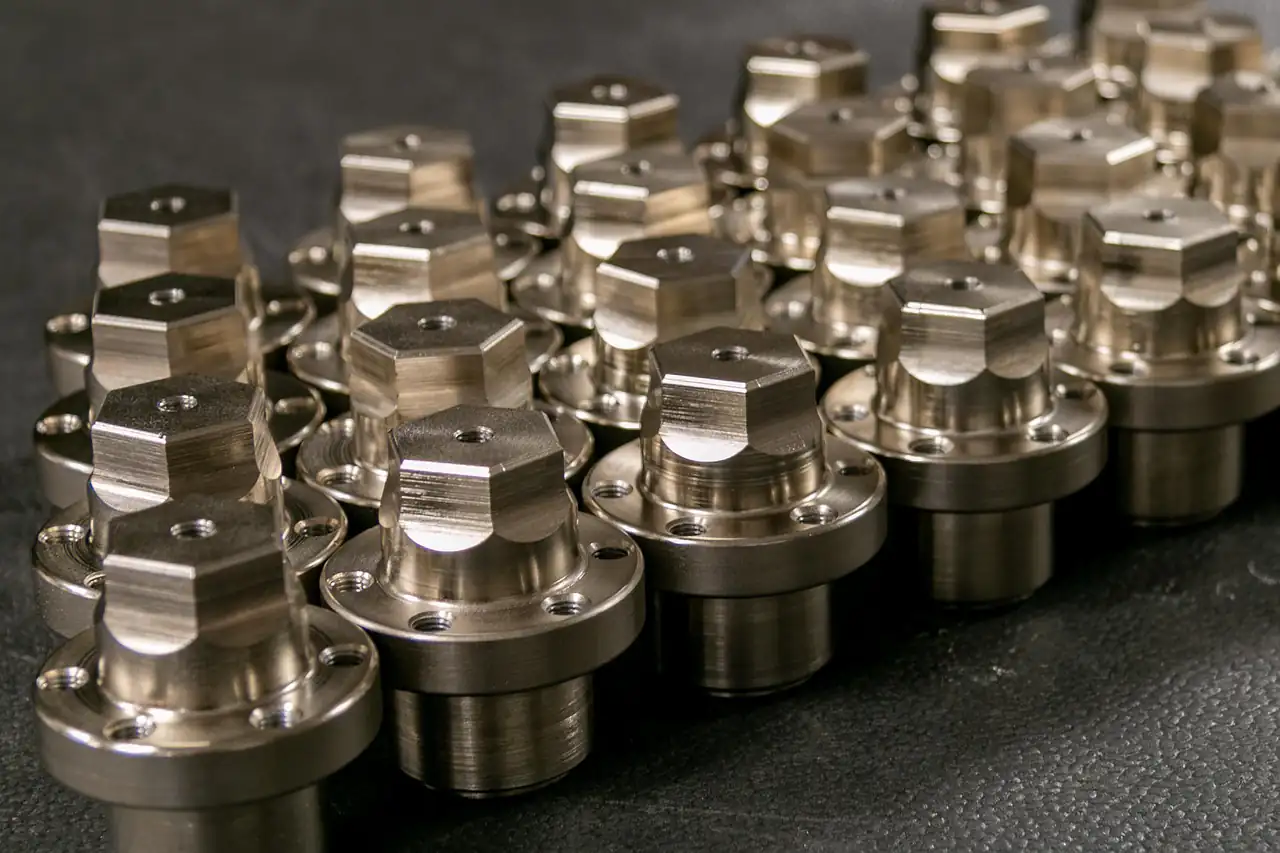
India is the top supplier of iron and steel castings to the US. Which foundry towns make what, how to take a drawing to first article, who owns the pattern, and what CBAM and Section 232 add.
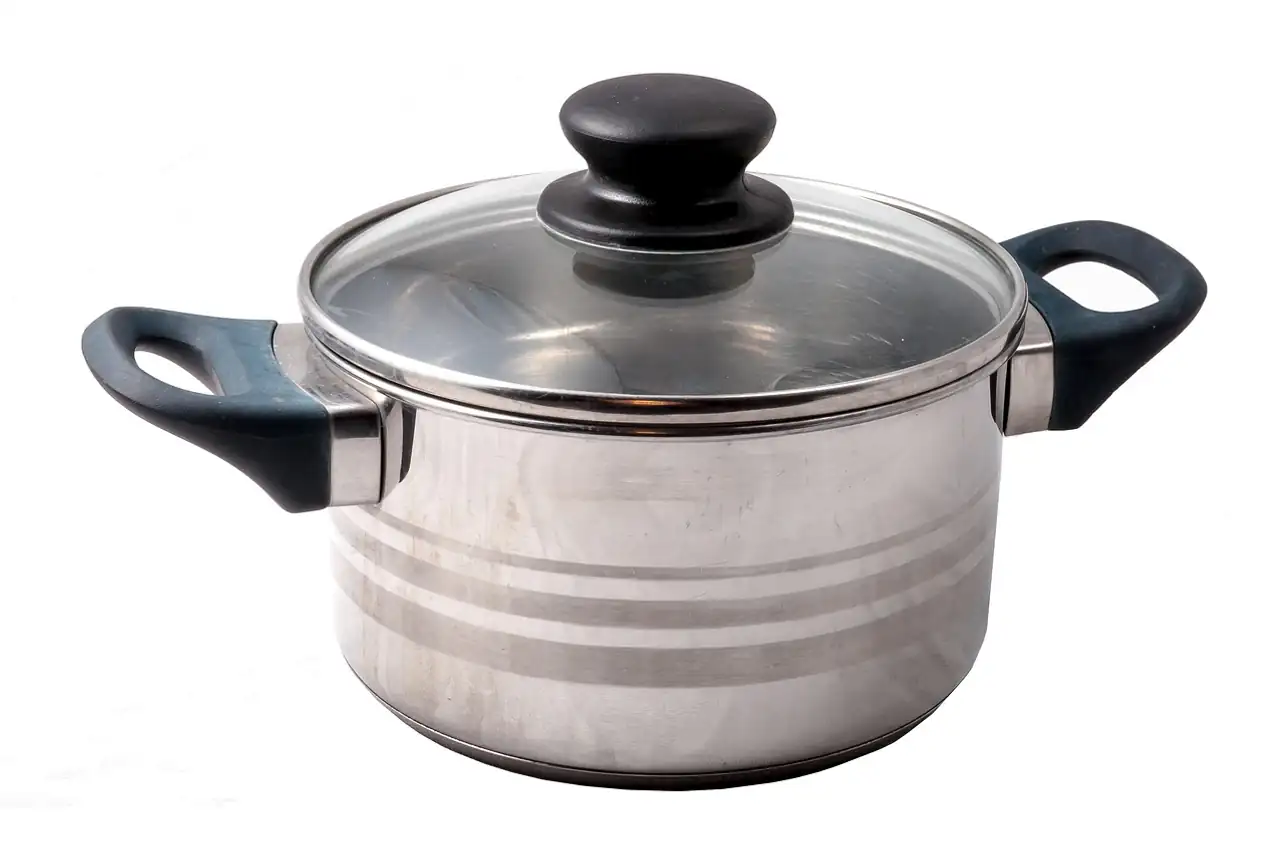
How to know you are getting 304 and not 201 stainless steel from an Indian maker, what food-contact rules apply in the EU, UK, US and Australia, and what each border charges.
Yash Khatri founded SourcingFrom to give buyers outside India the full picture of sourcing from India: what the country makes well, where it is made, who makes it and how it ships. He writes and edits every guide on the site, and holds each one to the same rule: say what we know, show how sure we are, and say plainly where the evidence runs out. He also runs SourcingSync, the hands-on service that does the sourcing work for buyers, and Kirnova, the data and intelligence company behind SourcingFrom Intelligence.
Want new guides when they go up? Get the newsletter
Leave your email and the PDF downloads straight away. We don't email it to you.
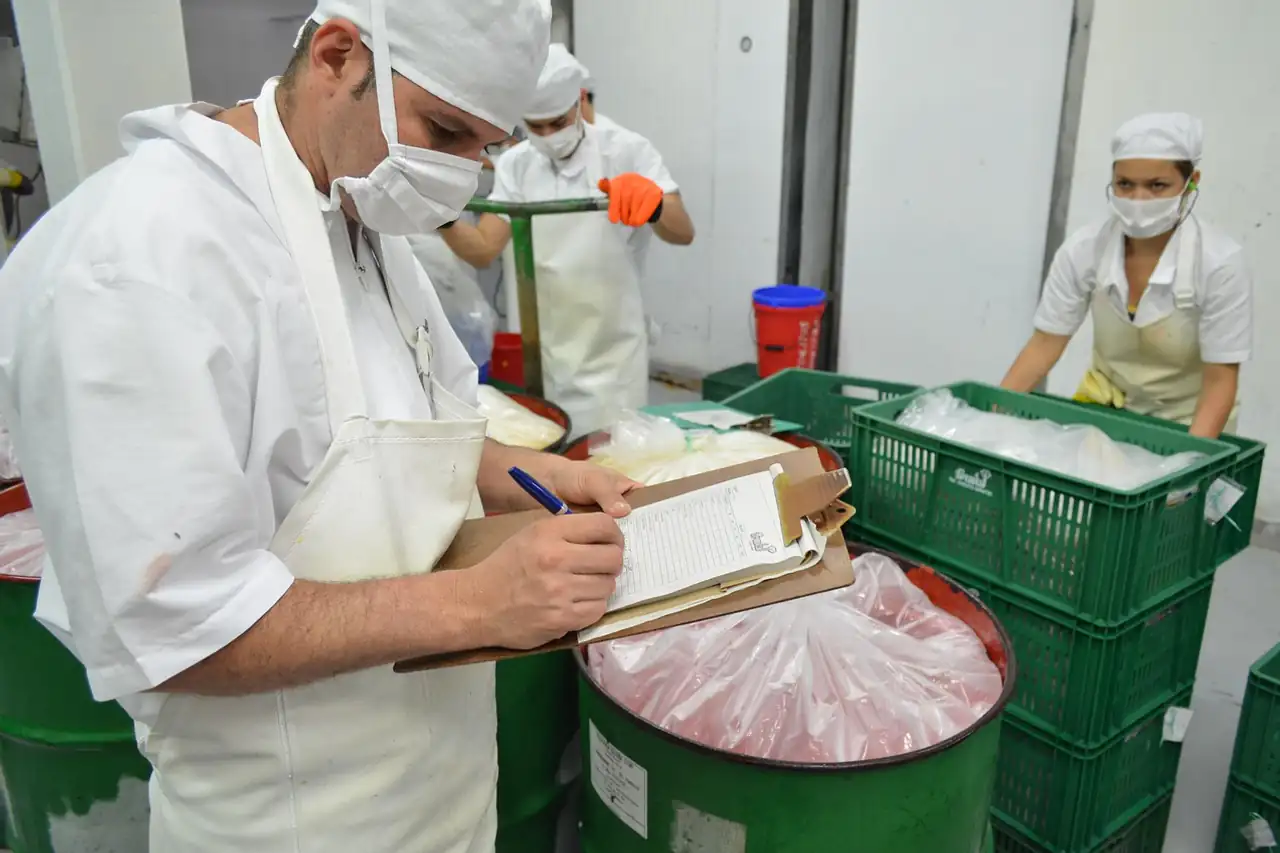
BRCGS, IFS, FSSC 22000, ISO 22000 and HACCP are not five versions of the same thing. Only the first three are GFSI-recognised schemes that big retailers ask for, ISO 22000 on its own is a management system standard, and HACCP is a method every one of them is built on. This guide shows an importer what each proves and how to check it, and walks an Indian food exporter through getting certified.
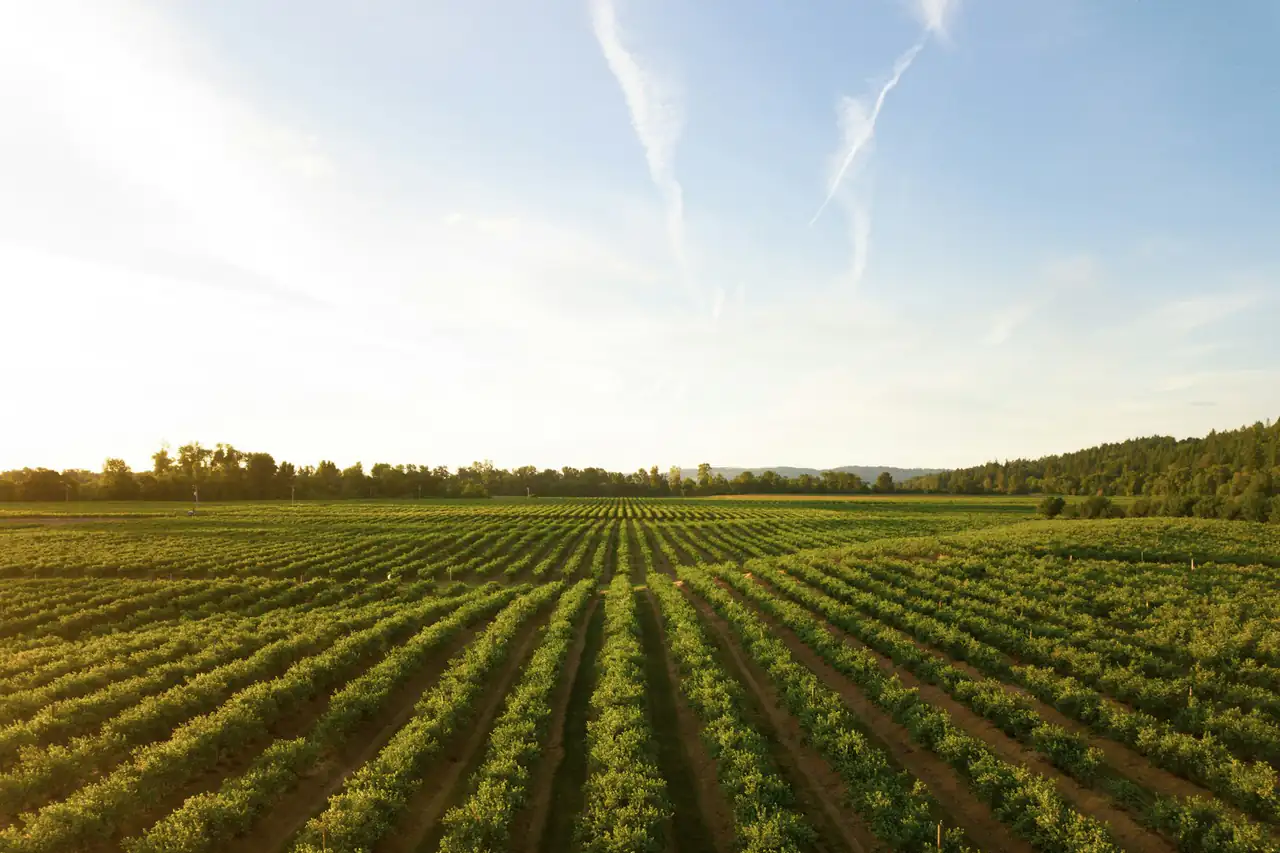
Organic from India runs on two systems. India's NPOP certifies farms and exporters and issues a TraceNet transaction certificate per shipment, and each buying market decides whether it accepts that. The EU accepts NPOP only for unprocessed plant products and only until its recognition runs out, and the US stopped accepting it in 2021. This guide shows importers what to check and walks an exporter through certification.
Fairtrade and Rainforest Alliance are both farm-level sustainability marks, but they work differently. Fairtrade sets a Minimum Price and pays a Premium to producer organisations, and FLOCERT certifies everyone in the chain who trades the goods. Rainforest Alliance certifies farms and supply chain actors against its 2020 standard through accredited certification bodies. This guide shows importers how to check both and gives Indian producers and exporters the steps to certify.

A product carbon footprint is a calculation, not a pass mark, and it is only as good as its boundary, its data and who checked it. Carbon credits are a separate thing: a bought claim against emissions elsewhere, and since 27 September 2026 they can no longer back a "carbon neutral" product claim to EU consumers. India now runs its own credit market under BEE.

CE and UKCA are the maker's own declaration that a product meets EU or GB product law, backed by a technical file and sometimes a third-party body. This guide shows an importer what to ask for and how to check it, and walks an Indian manufacturer through the steps from finding the right directive to signing the declaration.

Every certificate answers one question for one market. This index lists the certification guides by group, says in a line what each one is and who needs it, and gives a table of which certificates a product family usually needs in each main market. Each guide has a half for importers and a half for Indian exporters.