Skip to content

The RCM Mark for Electrical Goods Imported into Australia and New Zealand

Yash KhatriFounder, SourcingFrom
Published

7 min read

In Australia and New Zealand the RCM shows a product meets both electrical safety and radio interference rules, and only a registered local supplier can use it. An Indian factory cannot register. This guide shows the importer how to register, which level their product is and how to check a certificate, and gives an Indian maker the steps to get the test reports and certificate the importer needs.

The Short Version

  • Only an Australian or New Zealand entity with an ABN or IRD number can register as responsible supplier. Your Indian factory cannot.
  • Level 3 goods need a certificate of conformity from a recognised certifier before you can register them.
  • Each importer who first takes the goods must register, even if another importer already has.
  • A CE mark or a European test certificate is not accepted as Australian approval.
  • Look up any certificate and supplier on the free EESS Public Search before you pay.

An Indian factory cannot register on Australia's electrical equipment database. The scheme's own words are "An overseas based company cannot be registered". So the one question that decides whether your shipment of lamps or heaters can be sold legally in Australia isn't really about the factory at all. It's about you.

This guide covers the RCM, the EESS levels, the radio and EMC side run by ACMA, and the New Zealand rules. It's part of our certifications hub.

1. What the RCM Covers

The Regulatory Compliance Mark (RCM) is one mark that covers two sets of rules.

  • Electrical safety under the Electrical Equipment Safety System (EESS), for household electrical equipment. The EESS runs in Western Australia, Queensland, Victoria and Tasmania. New South Wales runs its own approval scheme for "declared articles" (66 classes), and other states lean on these.
  • EMC, radio and telecoms under the Australian Communications and Media Authority (ACMA), for interference and radio equipment.

New Zealand shares the RCM and the database through its own regulators, WorkSafe (Energy Safety) for electrical safety and Radio Spectrum Management for EMC and radio.

The mark itself is a registered trademark. You can only put it on a product once you're registered, and an agent can't lend it to anyone else.

2. The Three EESS Levels

Under AS/NZS 4417.2, in-scope electrical equipment sits at one of three levels.

LevelRiskWhat you need
1Low or unknownResponsible supplier registration, evidence it is safe on request. Registering the product is voluntary
2MediumRegister the product on the EESS Platform, hold evidence such as a test report
3HighA certificate of conformity from a recognised certifier, then register the product

Level 3 is the short list of higher-risk items, and the current list sits in AS/NZS 4417.2, so check it rather than guess what's on it. Many decorative lamps fall in Level 1 or 2, but a lamp with a socket outlet or a heater element might not.

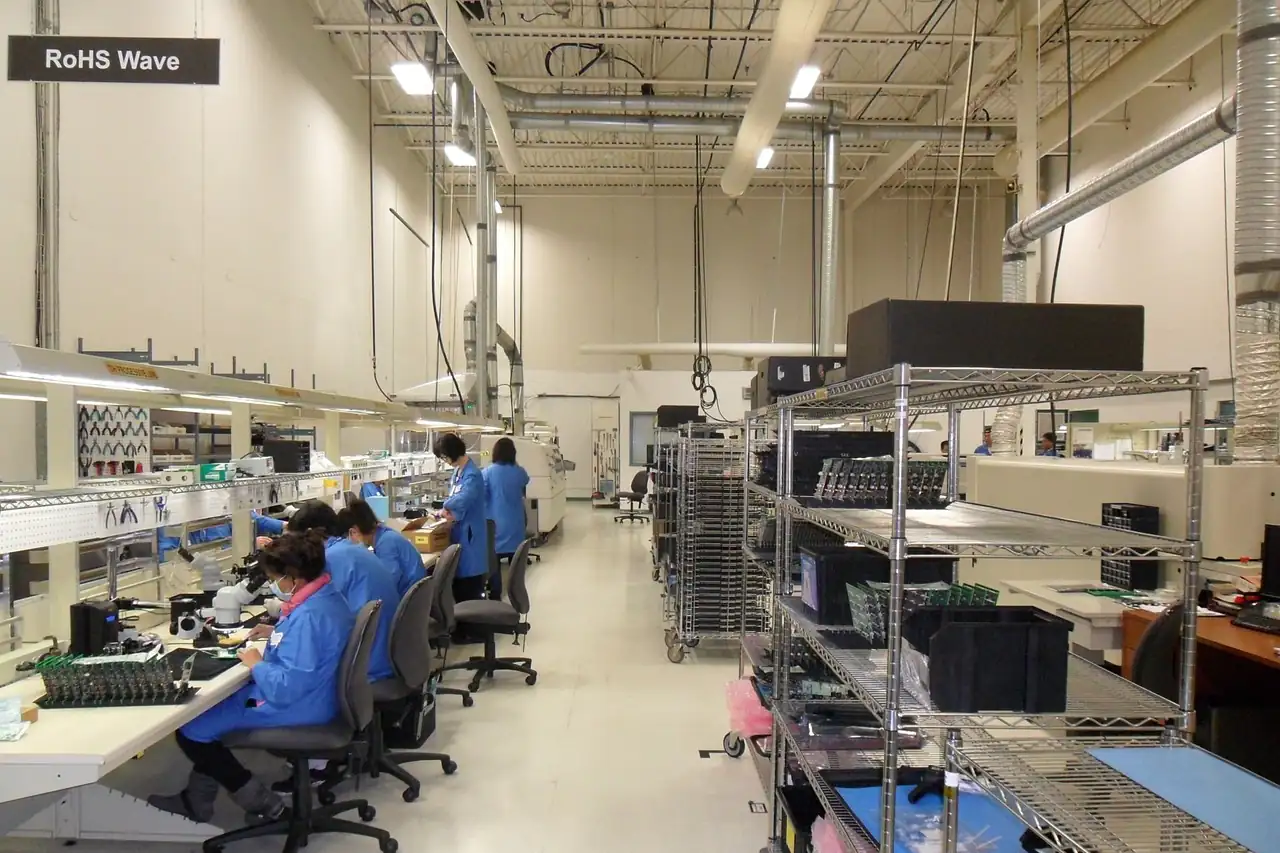
Workers at benches in an electronics assembly room

A Level 3 registration can run 1, 2 or 5 years, but never longer than the certificate behind it. If the certificate expires, the registration goes with it.

3. What an Importer Must Do

The responsible supplier must be "a legally identifiable Australian or New Zealand entity or person" with an Australian Business Number or a New Zealand IRD number, and it's the first supplier in the chain. If three Australian buyers each import the same Indian heater, each one must register. A buyer who purchases from an Australian company that's already registered doesn't.

Australia, Step by Step

  1. Register as responsible supplier on the EESS Platform. Renew every year. Check the current fee on the EESS site. ACMA-only registration (for EMC and radio) has no fee.
  2. Find your product's level in AS/NZS 4417.2 and, for EMC and radio, check which ACMA labelling notice and compliance level applies.
  3. Get the evidence. Level 3 needs a certificate of conformity. Level 2 needs a test report to the standard. ACMA level 3 products need testing by an accredited body.
  4. Register the product (Level 2 and 3) and link the certificate.
  5. Sign the declarations. For ACMA, a declaration of conformity. Keep records in English.
  6. Label with the RCM, sized to AS/NZS 4417.1.

New Zealand

Medium risk electrical goods need a Supplier Declaration of Conformity made by the New Zealand importer or manufacturer, backed by a test report to AS/NZS 3820 or the listed standard. You must produce it within 10 days if Energy Safety asks. High risk declared articles need approval or certification. For EMC and radio, Radio Spectrum Management wants an SDoC, a product description and a test report for each product, kept for five years after you stop supplying it.

How to Check a Certificate

  • EESS Public Search is free and needs no login. Search the certificate number, the model and the responsible supplier.
  • Match everything. Model numbers, trade names, ratings and the factory should match what you're buying. A certificate for the 2,000 W model doesn't cover the 2,400 W one.
  • Check the expiry. An expired certificate means an expired registration.

Red Flags

  • A supplier offering to "lend" you its RCM registration. Agents aren't permitted and the mark can't be passed on.
  • A CE mark or a European certificate offered instead. NSW Fair Trading says outright that overseas approvals such as CE are not acceptable in Australia.
  • A certificate in another importer's name for your product. You still need your own registration.

4. The Gap Buyers Fall Into

Here's what I see most often. An Australian small business orders a few hundred brass lamps or copper kettles from India, the factory says "we have CE", and the goods arrive with no Australian test report and no registration. Selling a Level 3 article without approval in NSW carries heavy penalties under the Gas and Electricity (Consumer Safety) Act 2017, and the importer carries them, not the factory.

None of that is the factory's fault. Most Indian makers ship to Europe and the US far more than to Australia, so they simply haven't met the RCM before. The fix is to raise it at quotation, not at the port. Our Australia trade page covers the rest of the import side.

5. How an Indian Exporter Supports an RCM Registration

This half is for the Indian manufacturer. You can't register, but the importer can't register without what you send them.

Step 1 - Ask the buyer the level. Ask which EESS level and ACMA level the buyer has classed the product at. If they don't know then point them to AS/NZS 4417.2 and the ACMA labelling notices. (A day or two.)

Step 2 - Test to the Australian standard. Australia uses AS/NZS standards, many based on IEC standards with national differences. Test at a lab accredited for the AS/NZS standard. A CB test report under the IECEE CB Scheme can often be used by an Australian certifier as the basis, which saves repeat testing. For Indian labs, check scope on the NABL laboratory search. Testing a simple appliance often takes two to four weeks. Check the current fee with the lab.

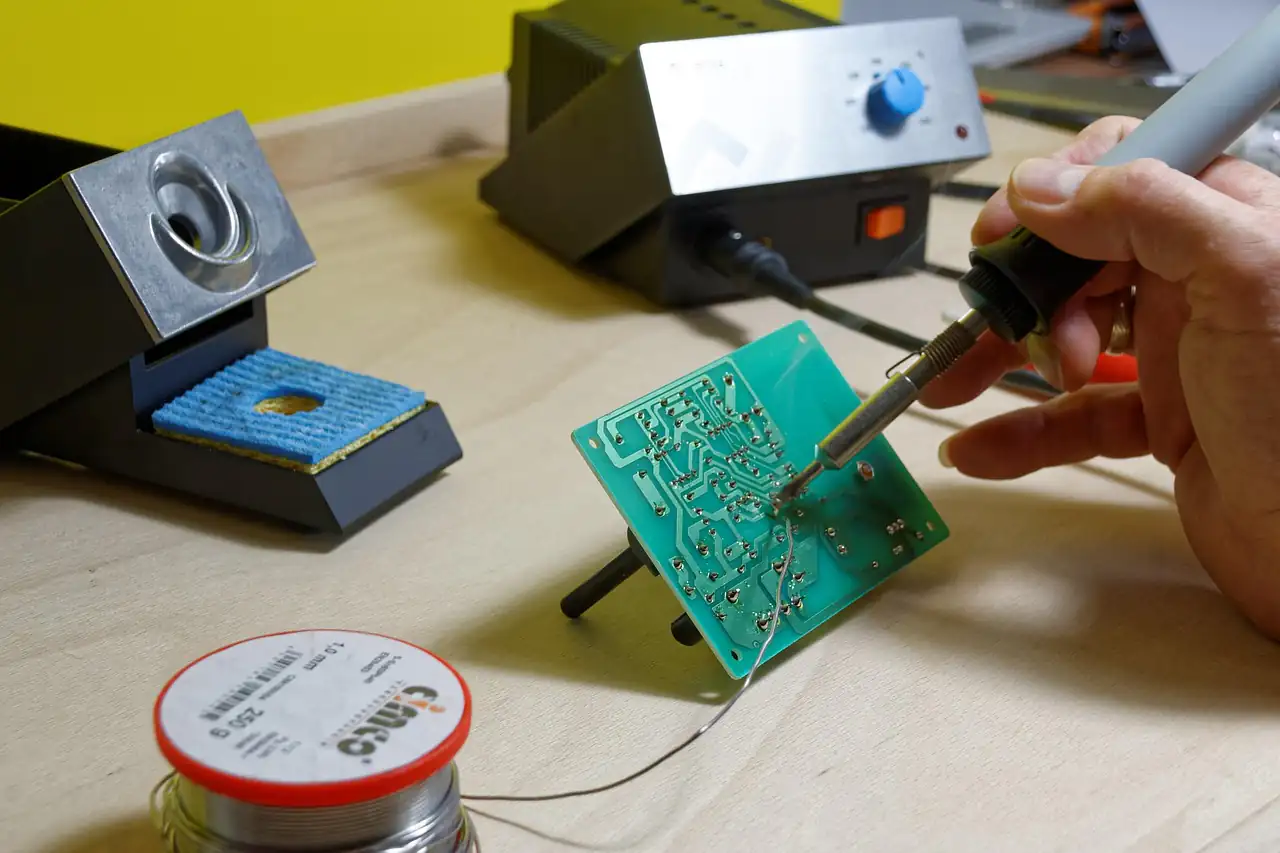
Gloved hands working with equipment in a testing laboratory

Step 3 - For Level 3, get the certificate. The certificate of conformity comes from a recognised certifier for the EESS. The certifier issues it in the name of the Australian responsible supplier, or links it to them, using your test reports. Expect a few weeks. The certifier sets the fee.

Step 4 - Fit Australian plugs and markings. AS/NZS 3112 plugs, rating label, model number, and space for the RCM. Agree the label with the buyer, because the RCM goes on only after they're registered.

Step 5 - EMC and radio reports. For ACMA and RSM, send EMC test reports to the CISPR or AS/NZS standard the notice names, and radio reports for anything with Wi-Fi or Bluetooth.

Step 6 - Lock the design. Certificates name models and often critical components. Changing a cord set, element or thermostat can void the certificate. Tell the buyer before you change anything.

Step 7 - Send the buyer their pack. Test reports, CB certificate if any, certificate of conformity details, label artwork, a parts list with critical components, and the user manual in English.

If you're an importer juggling a certifier in Australia and a factory in India, SourcingSync (opens in a new tab) can manage the testing and paperwork between the two.

6. A Worked Example

This example is an illustration built from the rules above, not a real firm.

A Melbourne café supply company wants to import 400 copper electric kettles from a maker in Gujarat.

The importer checks AS/NZS 4417.2. For this example, say the kettle is listed at Level 3. It registers as a responsible supplier on the EESS Platform. The maker tests the kettle to the Australian standard at an accredited lab, with Australian plugs fitted, and also sends EMC reports. A recognised certifier issues the certificate of conformity. The importer registers the model for two years, matching the certificate, and checks it on the EESS Public Search. Only then does the RCM go on the label.

Six months later a second café chain wants the same kettle direct from Gujarat. It can use the same certificate as evidence, but it must register as a responsible supplier itself.

FAQ

Can my Indian supplier register for the RCM?

No. Only an Australian or New Zealand entity with an ABN or IRD number can register.

Is CE accepted in Australia?

No. Australia needs its own approval and registration.

Does every electrical product need a certificate?

Only Level 3. Level 1 and 2 need registration and evidence, at different levels.

How long does an EESS registration last?

The supplier registration renews every year. A Level 3 product registration lasts 1, 2 or 5 years, capped by the certificate's expiry.

Does NSW use the EESS?

NSW runs its own declared article scheme. Check NSW's approved electrical articles register for those classes.

7. Next Steps

Read the CE and UKCA guide if you sell in Europe too, and the RoHS and WEEE guide for substances in electronics. Our New Zealand trade page covers the rest of the NZ import side.

Register first, then ship. The other way round costs far more than the paperwork.

Ready to act

Want the shipment, documents and consolidation handled?

SourcingSync can coordinate the shipping, the documents and the hand-off to your forwarder.

Talk to SourcingSync (opens sourcingsync.com in a new tab)
Yash KhatriFounder, SourcingFrom

Yash Khatri founded SourcingFrom to give buyers outside India the full picture of sourcing from India: what the country makes well, where it is made, who makes it and how it ships. He writes and edits every guide on the site, and holds each one to the same rule: say what we know, show how sure we are, and say plainly where the evidence runs out. He also runs SourcingSync, the hands-on service that does the sourcing work for buyers, and Kirnova, the data and intelligence company behind SourcingFrom Intelligence.

View profile

Want new guides when they go up? Get the newsletter

Download This Guide as a PDF

Leave your email and the PDF downloads straight away. We don't email it to you.

Fairtrade and Rainforest Alliance Certification for Goods From India

Fairtrade and Rainforest Alliance are both farm-level sustainability marks, but they work differently. Fairtrade sets a Minimum Price and pays a Premium to producer organisations, and FLOCERT certifies everyone in the chain who trades the goods. Rainforest Alliance certifies farms and supply chain actors against its 2020 standard through accredited certification bodies. This guide shows importers how to check both and gives Indian producers and exporters the steps to certify.

FCC, UL and ETL for Electrical Goods Shipped from India to the US

The US splits electrical compliance in two. The FCC regulates radio interference by law, through a supplier declaration or a certification with an FCC ID. Safety listing by a lab such as UL, Intertek (ETL) or CSA is required by law only in workplaces, but retailers, insurers and electrical codes demand it almost everywhere. This guide covers both halves for importers and for Indian makers.

Eco-Labels and Green Claims on Imported Goods in the EU, UK and Australia

From 27 September 2026 EU consumer law bans vague green words without proof of excellent performance, labels that are not certified or set by public authorities, and offset-based neutral claims. The UK CMA can now fine directly, and Australia's courts have fined a household brand $8.25 million. Whoever sells to the consumer carries the claim, so importers need proof from their suppliers before anything is printed.

Latest articles

Product Carbon Footprints and Carbon Credits for Buyers and Indian Exporters

A product carbon footprint is a calculation, not a pass mark, and it is only as good as its boundary, its data and who checked it. Carbon credits are a separate thing: a bought claim against emissions elsewhere, and since 27 September 2026 they can no longer back a "carbon neutral" product claim to EU consumers. India now runs its own credit market under BEE.

CE and UKCA Marking for Products Made in India

CE and UKCA are the maker's own declaration that a product meets EU or GB product law, backed by a technical file and sometimes a third-party body. This guide shows an importer what to ask for and how to check it, and walks an Indian manufacturer through the steps from finding the right directive to signing the declaration.

Certifications for Importing From India and Exporting From It

Every certificate answers one question for one market. This index lists the certification guides by group, says in a line what each one is and who needs it, and gives a table of which certificates a product family usually needs in each main market. Each guide has a half for importers and a half for Indian exporters.

Type a word you met on the page, a product or a place.