

Ayurvedic Supplements and Botanicals From India
Why some Ayurvedic formulas fail on lead and mercury by design, what the US, EU, UK and Australia refuse Indian supplements for, and how to choose formulas and makers that clear.
8 min read
GMP means different things depending on who stamped it. An Indian state licence under revised Schedule M, a WHO-GMP certificate or CoPP from CDSCO, a Schedule T licence for Ayurveda and US cGMP under 21 CFR 111 are four separate things, and the US version is never "certified" by the FDA at all. This guide shows importers what to ask for and how to check it, and walks Indian makers through the steps.
What does "GMP certified" on an Indian supplier's brochure actually mean? Honestly, it could mean four different things, and only one of them might be what your regulator expects.

India is one of the world's biggest makers of generic medicines, herbal extracts and Ayurvedic products, so the question comes up constantly. This guide is part of our certifications hub. It covers the GMP layer. The product-level rules for ashwagandha and other botanicals are on our Ayurvedic supplements page.
Revised Schedule M. This is India's legal GMP for medicines, in the Drugs Rules, 1945. A drug manufacturing licence from the state licensing authority depends on it. Larger makers had to comply first, and the health ministry extended the deadline to 31 December 2025 for MSME makers with turnover up to Rs 250 crore that applied for it (G.S.R. 127(E), 11 Feb 2025, as reported). From 2026 it applies to everyone making drugs.
Schedule T. This is the GMP for Ayurvedic, Siddha and Unani medicines in the same Drugs Rules, alongside Schedule M-I for homoeopathy (Parliament answers on Ayush quality). An Ayush manufacturing licence depends on it.
WHO-GMP and the CoPP. A Certificate of Pharmaceutical Product is the WHO-format certificate that a buying country's regulator can ask for. In India CDSCO issues it after a joint inspection by its zonal office and the state licensing authority (CDSCO GMP inspection list, 2025). For Ayush products, CDSCO issues the CoPP in consultation with the Ministry of Ayush. CDSCO's published Ayush CoPP list shows a validity of three years from issue, or the manufacturing licence's validity if that ends first (CDSCO, 16 Jun 2020).
US cGMP (21 CFR 111) for dietary supplements. This is a US rule, not a certificate. Anyone who makes, packs, labels or holds a supplement for the US market must follow it. The FDA inspects but doesn't certify. When an Indian brochure says "US FDA GMP certified" for a supplement, what it usually means is a private audit against 21 CFR 111 by a commercial body, which can be useful, or a registration number, which proves nothing about GMP at all.
| What you see | Who issues it | What it proves |
|---|---|---|
| Schedule M licence | State drug regulator | Legal right to make drugs in India |
| Schedule T licence | State Ayush licensing authority | Legal right to make Ayush medicines |
| WHO-GMP / CoPP | CDSCO with the state (and Ayush ministry) | Regulator inspected the site to WHO GMP, named products |
| "21 CFR 111 compliant" | Nobody official, often a private auditor | Only as good as the auditor's report |
Step 1 - Ask which GMP, from whom. Get the actual document, not the brochure line. A Schedule M or Schedule T licence, a CoPP or WHO-GMP certificate, or a named third-party audit report.
Step 2 - Check the product is named. A CoPP lists products. A WHO-GMP certificate may name dosage forms. If your ashwagandha capsule isn't on it then the certificate doesn't cover it.
Step 3 - Check the dates against the licence. The CoPP can't outlive the manufacturing licence. Ask for the licence too.
Step 4 - Check the FDA lists. Search the maker on the FDA import alerts for India, especially 66-40 (drug GMPs), 66-41 (unapproved new drugs promoted in the US) and 99-42 (heavy metals). Our count found 26 Indian firms on 99-42, all added since 2021 (FDA pages, 23 Sep 2026). How to read them is in our FDA import alerts guide.
Step 5 - Check for warning letters. Search the maker's name in the FDA warning letter database. A closed letter with a fix is a good sign. An open one isn't.
Step 6 - Test the batch yourself. GMP covers the process, not the batch. US buyers of Indian botanicals have long retested heavy-metal certificates of analysis, and a user on r/Ayurveda put it plainly back in 2017 - GMP is for the manufacturing process and "technically it should cover QC part but legally it is not so" (forum signal FS-CAT-082). Choose the lab and have an independent person draw the sample.
This half is for Indian manufacturers of medicines and Ayush products. Check every current form, fee and timeline on the CDSCO and SUGAM portals and your state drug controller's site.
You need a valid manufacturing licence, a site that meets revised Schedule M (or Schedule T for Ayush), products already licensed, and stability and validation data. If you are an MSME that relied on the 2025 extension, finish the upgrade first. A WHO-GMP inspection on a site still mid-upgrade wastes a slot.
Step 1 - Gap check against revised Schedule M or Schedule T. Walk the plant against every clause, including the pharmaceutical quality system, quality risk management, validation and the computer systems that hold your records. About four to eight weeks.
Step 2 - Fix and document. Close the gaps, write the site master file, validate the processes and cleaning, and qualify the equipment. This is the long step, often three to nine months for an older plant.
Step 3 - Apply. File the application for WHO-GMP or CoPP through the CDSCO process (for Ayush products, the Ayush CoPP route), with the site master file, product list, licences and product data. Check the current fee on the portal.
Step 4 - Joint inspection. CDSCO's zonal or sub-zonal office and the state authority inspect together. Under the CDSCO procedure as reported, processing runs about 21 working days without a joint inspection and 28 with one, and the CoPP issues within about 5 days of a positive recommendation. Check current timelines with CDSCO.
Step 5 - Close the observations. Send evidence for each observation. The certificate issues once they're closed.
Step 6 - Add products later. Sites inspected and found compliant within the last two years can usually add products to the CoPP on product data alone, without a fresh inspection (as reported from the CDSCO procedure).
There's no Indian or US certificate to apply for. Write your quality system to 21 CFR 111 (identity testing of every dietary ingredient, specifications, batch records, complaint handling), register the facility with the FDA as a food facility (see FDA food facility registration) and expect the buyer to send an auditor or ask for a third-party audit. Read the current text of Part 111 on eCFR yourself. I couldn't read it at source for this guide.
The CoPP runs three years or until the manufacturing licence ends, whichever is first (CDSCO Ayush list). Renewal means another joint inspection, and CDSCO's 2025 inspection list shows renewals going through the same joint teams.
The licence, the CoPP or WHO-GMP certificate with the product list, the latest inspection outcome, batch certificates of analysis from an accredited lab, and your FDA registration number if they sell in the US.
Getting a plant through Schedule M and a joint inspection is months of work. If you need someone to run the readiness and keep the observations moving, SourcingSync (opens in a new tab) does that.
This example is an illustration built from the rules above, not a real firm.
Say you're a US brand buying ashwagandha root capsules from a maker in Gujarat. The maker sends a WHO-GMP certificate, an Ayush licence and a CoPP.
That's a good start, but the CoPP is a document for regulators that ask for it, and the FDA doesn't. So you check the maker against the FDA alerts for India, look at the 99-42 heavy-metals list and 66-41, and search for warning letters. You confirm "root only" in the spec and the extraction solvent. You then commission identity and heavy-metal testing on the first batch in a lab you choose, because under 21 CFR 111 the responsibility for identity sits with the supply chain, and the FDA will ask you, not the maker in Gujarat.
Does the FDA certify GMP for Indian supplement makers? No. The FDA inspects. It doesn't issue GMP certificates for supplements.
Is WHO-GMP the same as US cGMP? No. They overlap a great deal, but they're different rule sets with different inspectors.
Is a CoPP needed for food supplements? Usually not, because most markets treat supplements as food. It's needed where the product is registered as a medicine.
What is the Ayush Mark? A voluntary quality certification for Ayurvedic, Siddha and Unani products run by the Quality Council of India. Check its current scope with QCI.
Ready to act
Want this supplier checked before you commit?
SourcingSync can verify who makes it and who answers for quality, then manage the supplier for you.
Why some Ayurvedic formulas fail on lead and mercury by design, what the US, EU, UK and Australia refuse Indian supplements for, and how to choose formulas and makers that clear.
Private-label skincare or ayurvedic products from India? What the EU, UK, US, Australia, NZ and UAE require before you sell, which claims turn a cosmetic into a drug, and what gets blocked.
Yash Khatri founded SourcingFrom to give buyers outside India the full picture of sourcing from India: what the country makes well, where it is made, who makes it and how it ships. He writes and edits every guide on the site, and holds each one to the same rule: say what we know, show how sure we are, and say plainly where the evidence runs out. He also runs SourcingSync, the hands-on service that does the sourcing work for buyers, and Kirnova, the data and intelligence company behind SourcingFrom Intelligence.
Want new guides when they go up? Get the newsletter
Leave your email and the PDF downloads straight away. We don't email it to you.
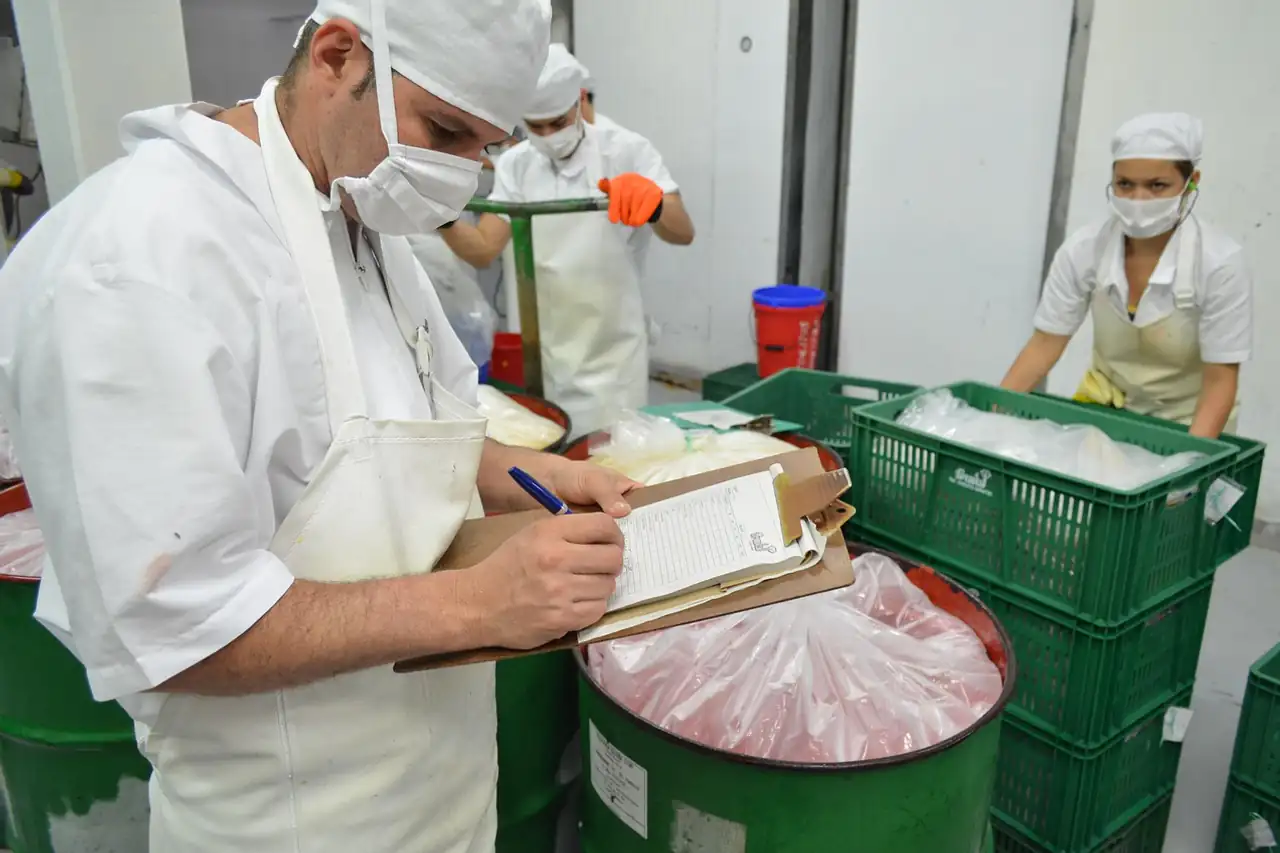
BRCGS, IFS, FSSC 22000, ISO 22000 and HACCP are not five versions of the same thing. Only the first three are GFSI-recognised schemes that big retailers ask for, ISO 22000 on its own is a management system standard, and HACCP is a method every one of them is built on. This guide shows an importer what each proves and how to check it, and walks an Indian food exporter through getting certified.

CE and UKCA are the maker's own declaration that a product meets EU or GB product law, backed by a technical file and sometimes a third-party body. This guide shows an importer what to ask for and how to check it, and walks an Indian manufacturer through the steps from finding the right directive to signing the declaration.
FSC and PEFC certify forests and the chain of companies that handle their wood. On Indian goods the certificate that matters is the maker's chain of custody, plus the claim printed on each invoice. This guide shows importers how to check both in a minute and walks an Indian exporter through getting chain-of-custody certified, including the Indian PEFC route for trees outside forests.

A product carbon footprint is a calculation, not a pass mark, and it is only as good as its boundary, its data and who checked it. Carbon credits are a separate thing: a bought claim against emissions elsewhere, and since 27 September 2026 they can no longer back a "carbon neutral" product claim to EU consumers. India now runs its own credit market under BEE.

Every certificate answers one question for one market. This index lists the certification guides by group, says in a line what each one is and who needs it, and gives a table of which certificates a product family usually needs in each main market. Each guide has a half for importers and a half for Indian exporters.
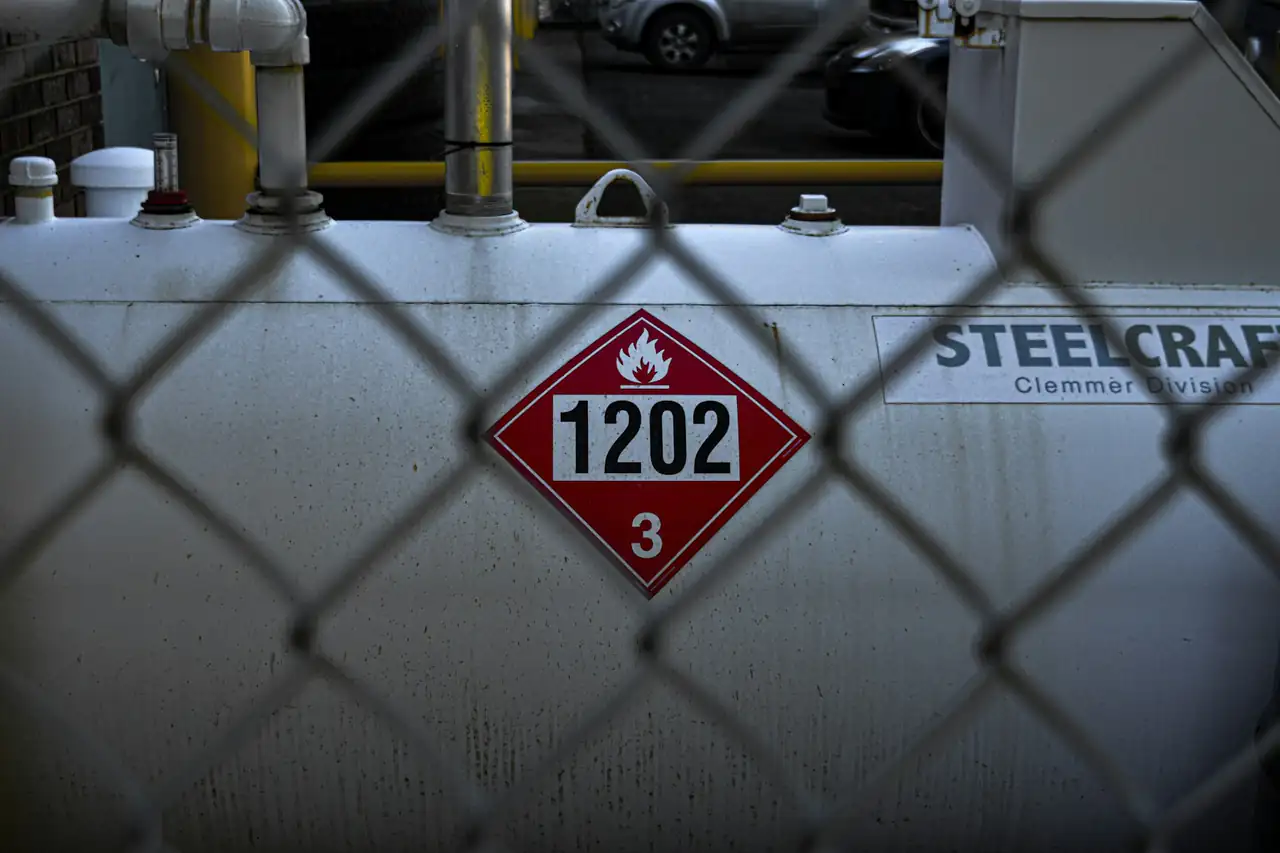
A surprising share of what buyers source from India ships as dangerous goods: essential oils, attars, perfumes, paints, adhesives, aerosols, some chemicals and anything with a lithium battery. Dangerous goods need a classification, a declaration signed by a trained shipper, compliant packing and labels, and for batteries a UN38.3 test summary. Get it wrong and the carrier refuses the cargo, or worse. This guide shows the buyer what to ask for and the Indian exporter how to prepare it.