Yash Khatri founded SourcingFrom to give buyers outside India the full picture of sourcing from India: what the country makes well, where it is made, who makes it and how it ships. He writes and edits every guide on the site, and holds each one to the same rule: say what we know, show how sure we are, and say plainly where the evidence runs out. He also runs SourcingSync, the hands-on service that does the sourcing work for buyers, and Kirnova, the data and intelligence company behind SourcingFrom Intelligence.
Document Legalisation and Attestation for Indian Export Papers
- Published
7 min read
When a buyer asks for an invoice or certificate from India to be attested, legalised or apostilled, what each word means, which route your country takes, and the steps an Indian exporter follows through the chamber, the MEA and the embassy.
The Short Version
- An apostille replaces the embassy step only between countries that are both in the Hague Apostille Convention. India has been in since 2005.
- Saudi Arabia joined on 7 December 2022 and China on 7 November 2023. The UAE, Qatar, Kuwait and Egypt are not on the HCCH list.
- Commercial papers start at a chamber of commerce in India. The MEA works from the chamber's signature.
- The UAE attests import invoices of AED 10,000 or more inside the UAE, after arrival, and the importer has 14 days.
- An EU "private attestation" for composite food is a different thing altogether and has nothing to do with the MEA.
"Attested" is one of those words where the buyer, the supplier and the bank can each mean something different, and all three can be right. In the Gulf it usually means a chain of stamps from India's chambers to an embassy. In Europe a food importer may mean a signed private attestation for a composite snack. In Australia nobody asks for it at all.

This guide sorts out which one you need, and then gives the Indian exporter the steps to get it. It covers commercial papers only, like invoices, certificates of origin and powers of attorney for trade, not personal documents. More guides like this sit on the certifications hub.
Last researched 17 October 2026 · Next review 15 February 2027 · Written by Yash Khatri
1. Three Words That Get Mixed Up
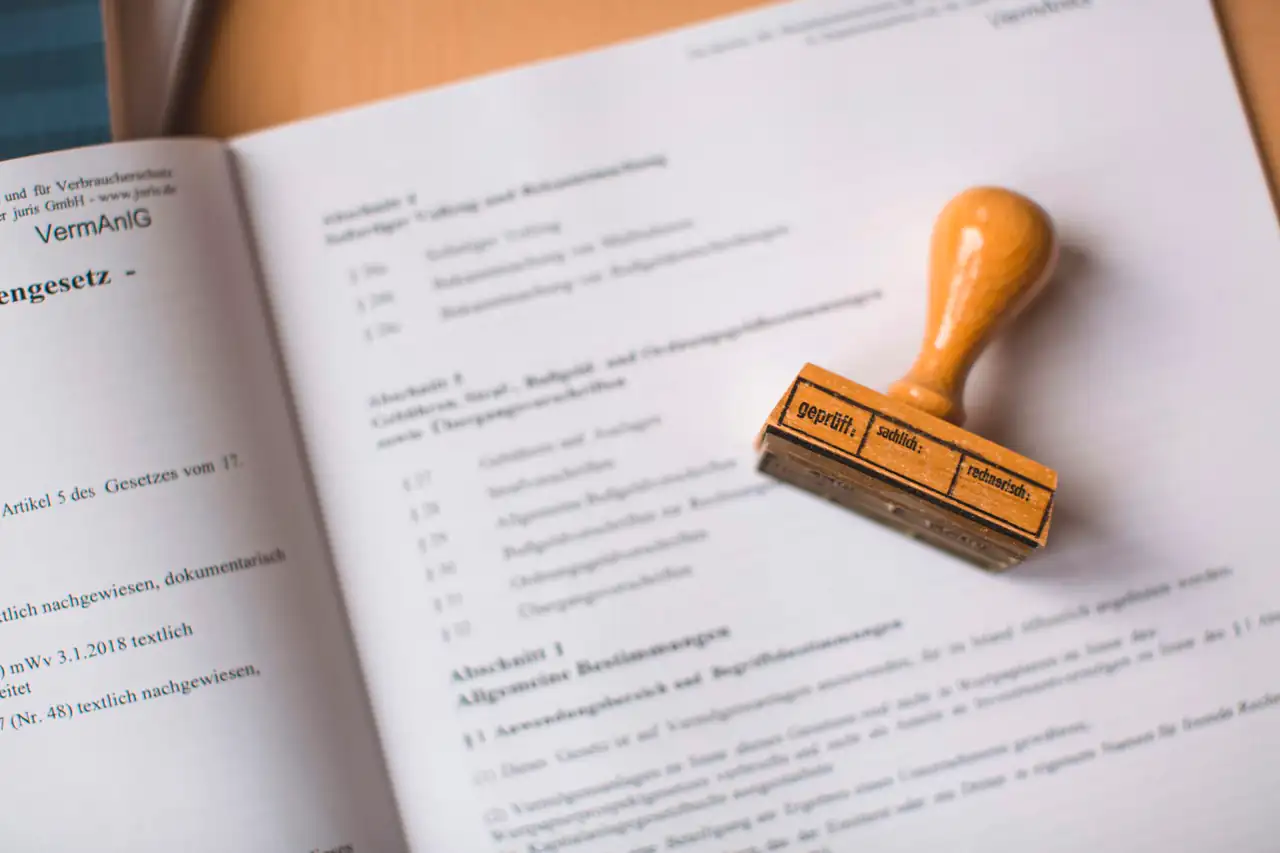
Attestation is the Indian word for a government or chamber confirming a signature on a document. It doesn't vouch for what the document says, only that the person who signed it is who they claim to be.
Apostille is a single certificate under the 1961 Hague Convention. Between two member countries it replaces the whole embassy chain. India's Ministry of External Affairs (MEA) issues apostilles for Indian documents.
Legalisation (or consular legalisation) is the older chain for countries outside the Convention. The document gets authenticated in India, then stamped by the destination country's embassy or consulate in India.
Then there's a fourth thing that shares the word and nothing else. An EU importer of composite food products, like a snack with dairy or egg in it, needs a private attestation from the importer, and in August 2026 Portugal stopped Indian potato chips classed as composite products because that attestation was missing (from our food import testing research). If a European buyer asks you for "attestation" on a food order, ask which one they mean before you book a chamber appointment.
2. Which Route Your Country Takes
The Hague Conference keeps the official list. We read it on 17 October 2026 (HCCH status table (opens in a new tab)).
| Country | In the Apostille Convention? | Since |
|---|---|---|
| India | Yes | 14 July 2005 |
| Australia, New Zealand, US, UK | Yes | 1995, 2001, 1981, 1965 |
| Saudi Arabia | Yes | 7 December 2022 |
| Oman, Bahrain | Yes | 30 January 2012, 31 December 2013 |
| China | Yes | 7 November 2023 |
| Canada | Yes | 11 January 2024 |
| Indonesia | Yes | 4 June 2022 |
| Bangladesh | Yes | 30 March 2025 |
| Viet Nam | Yes | 11 September 2026 |
| UAE, Qatar, Kuwait, Egypt | Not on the list | - |
Two things the table doesn't tell you. First, membership only means an apostille is accepted as the authentication. It doesn't mean your customs or your bank asks for one at all. Second, a country can join and still keep habits. Gulf buyers who've sent papers through an embassy for years may keep asking for the embassy stamp out of routine, so ask what the receiving office actually needs.
HCCH also marks India's entry with an objection note. That's about India's position on another state's accession and doesn't change how an Indian apostille works between members, as far as we can read.
3. What an Importer Should Check
Most importers in Australia, New Zealand, the UK, the EU and the US never need any of this for customs. Your broker files the entry, and the certificate of origin does its job as a PDF (see certificate of origin). You meet legalisation in three cases.
- Gulf imports. The UAE has its own system. Since 1 February 2023, commercial invoices for imports of AED 10,000 or more must be attested by the UAE Ministry of Foreign Affairs (MOFAIC) and linked to the customs declaration, with 14 days to do it. Free zone imports, GCC imports and personal imports are among the exemptions (PwC Middle East (opens in a new tab), read via summary). That attestation happens in the UAE, after arrival, and it's the importer's job. Check the current fee and the late penalty on the MOFAIC portal.
- Letters of credit and tenders. A bank or a government buyer may list a "legalised" certificate of origin in the document terms. The LC wording decides, not the customs rules, so read it before you open the LC.
- Registrations and disputes. Registering an Indian supplier's documents with a regulator, or using a power of attorney or board resolution in a court, often needs an apostille.
What to check on what you receive -
- The final stamp matches your route. For a Convention country, an MEA apostille. For a non-member, the embassy or consulate stamp.
- The apostille names the person who signed below it. It should match the chamber or official on the document.
- Check an apostille through the issuing country's verification route, not a link or code printed on the paper. Ask your lawyer or broker how your authority does it.
- Ask for scans of every page, stamps included, before the originals are couriered.
Put the requirement in the PO. "Certificate of origin and invoice legalised for [country], originals by courier" tells the exporter to start the chain the day the invoice is final.
4. Why Legalisation Is Slow in India
The chain is sequential, so each office waits for the one before.
For commercial papers, the procedure India's missions publish says they must first be pre-authenticated by the chamber of commerce, and MEA works from the signatures of designated signing authorities, chambers included. Since July 2012 MEA has not taken documents over its own counter in New Delhi. It works through outsourced collection agencies, which receive and return the papers (consulate copy of the MEA procedure, read via summary on 17 October 2026 because MEA's own pages returned errors that day).
So a full chain for a non-Convention country runs chamber, then MEA, then embassy, plus courier between them, and the originals have to travel. That's why it should be planned from the PO, not from the sailing date.
5. How an Indian Exporter Gets Papers Legalised
Step 1 - Ask the buyer which route and which documents. Get it in writing - "apostille" or "embassy legalisation for [country]", and the list of papers (invoice, certificate of origin, packing list, others).
Step 2 - Finalise the documents. Legalisation fixes a document in place, so a corrected invoice means doing it again. Use the final invoice number everywhere.


Step 3 - Get the chamber attestation. Take or send the signed originals to a chamber of commerce that attests commercial papers. Your certificate of origin may already come from a chamber through eCoO (see getting a certificate of origin in India), and the chamber will tell you whether its electronic signature is enough for the next step or whether it needs a wet-signed copy. Check the current fee with the chamber.
Step 4 - Submit to the MEA through an authorised outsourced agency. Choose apostille for a Convention country or MEA attestation for a non-member. The agency will tell you what it needs with the papers, and the MEA site lists the current agencies.
Step 5 - For a non-Convention country, take the MEA-attested papers to that country's embassy or consulate in India. Each mission sets its own rules, forms and days, so read the mission's own page.
Step 6 - Scan every page with all stamps and send the scans to the buyer. Courier the originals.
How long does it take? Commercial guides quote one to three working days at a chamber and a few days at MEA, and the embassy step varies by mission. We couldn't confirm any of those at an official source, so plan for weeks, not days, on your first run.
Ready to act
Need hands-on help?
A legalisation run means originals moving between three offices, and one wrong invoice number restarts it. SourcingSync handles that at the Indian end for buyers who'd rather not chase stamps from abroad.
6. Why Papers Get Sent Back
- The document changed after the chamber stamp. Any edit restarts the chain.
- Wrong chamber signature. MEA works from the signatures it holds on file. Ask the chamber whether its signatory is registered with MEA before you start.
- Apostille for a non-member. An apostille is no use to a UAE or Qatar buyer, who needs the embassy route.
- Embassy route for a member. It still works for some offices, but it is slower and usually unnecessary.
- Missing pages. The stamp goes on what was presented. An annex sent later isn't covered.
7. A Worked Example
This is an illustration, not a real firm. A Moradabad brassware exporter sells to two buyers in the same month, one in Riyadh and one in Doha.
For Riyadh, Saudi Arabia has been in the Convention since December 2022, so where the buyer's bank asks for a legalised certificate the exporter takes the chamber-attested papers to an MEA agency for an apostille, and that's the end of the Indian side. For Doha, Qatar isn't on the HCCH list, so the papers go chamber, then MEA attestation, then the Qatar embassy in New Delhi. Same goods, same month, two different chains, and the Doha one takes longer. The exporter quotes the Doha buyer a longer document lead time up front, which is the honest thing to do.
FAQ
Is an apostille the same as MEA attestation?
No. Both come from the MEA, but the apostille is for Convention countries and needs no embassy step. MEA attestation is followed by embassy legalisation.
Does Australia need my invoice legalised?
Not for customs, in our reading. Check if a bank or a regulator asks.
Can I use e-Sanad for export documents?
MEA lists e-Sanad for documents of Indian citizens, and we couldn't confirm it covers commercial invoices. Ask the MEA agency.
Who attests UAE import invoices?
The importer, through MOFAIC in the UAE, for invoices of AED 10,000 or more.
Does an apostille prove the goods are as described?
No. It confirms a signature and a seal, nothing about the goods.
8. Next Steps
Ask the route in writing, finalise the papers, then start the chain the day the invoice is final. If you're the buyer, put the route and the document list in the PO, and you'll avoid most of this.
Stamps don't make goods better, but missing ones can hold them up. If something here doesn't match what your buyer is asking for, write to us at team@sourcingfrom.com.
Related reading: Saudi SABER and SASO, India to the UAE and IEC, RCMC and export registrations.
Want new guides when they go up? Get the newsletter
Download This Guide as a PDF
Leave your email and the PDF downloads straight away. We don't email it to you.
Related reading

Health and Veterinary Certificates for Food From India
A health or veterinary certificate is the exporting government's signed statement that a consignment meets the importing country's rules. For many foods of animal origin and some plant foods, no certificate means no entry. This guide shows importers when their border asks for one and how to check it, and walks an Indian exporter through EIC's inspection, approval and certificate steps.

FSC and PEFC Certificates for Wood, Paper and Furniture From India
FSC and PEFC certify forests and the chain of companies that handle their wood. On Indian goods the certificate that matters is the maker's chain of custody, plus the claim printed on each invoice. This guide shows importers how to check both in a minute and walks an Indian exporter through getting chain-of-custody certified, including the Indian PEFC route for trees outside forests.

IEC, RCMC and the Registrations an Indian Exporter Needs
The IEC is the registration every Indian exporter of goods needs, and the RCMC is the export council membership that unlocks most export schemes. This guide shows buyers what each proves and how to check it on DGFT, and walks Indian exporters through getting, updating and renewing both.
Latest articles

Product Carbon Footprints and Carbon Credits for Buyers and Indian Exporters
A product carbon footprint is a calculation, not a pass mark, and it is only as good as its boundary, its data and who checked it. Carbon credits are a separate thing: a bought claim against emissions elsewhere, and since 27 September 2026 they can no longer back a "carbon neutral" product claim to EU consumers. India now runs its own credit market under BEE.

CE and UKCA Marking for Products Made in India
CE and UKCA are the maker's own declaration that a product meets EU or GB product law, backed by a technical file and sometimes a third-party body. This guide shows an importer what to ask for and how to check it, and walks an Indian manufacturer through the steps from finding the right directive to signing the declaration.

Certifications for Importing From India and Exporting From It
Every certificate answers one question for one market. This index lists the certification guides by group, says in a line what each one is and who needs it, and gives a table of which certificates a product family usually needs in each main market. Each guide has a half for importers and a half for Indian exporters.