


Leather Bags From India by Town, Border Duty and Design Protection
Where Indian leather bags are made (Kolkata, Chennai, Kanpur, Mumbai, Delhi-Noida), duty by outer material, chromium VI, exotic leather, and how to protect a private-label design.
7 min read
LWG audits tanneries and leather traders on environmental performance, from chrome handling to effluent, and rates manufacturers Gold, Silver, Bronze or Audited. It is a brand requirement, not a border one, and it covers the tannery, not the bag or shoe factory. This guide shows importers how to check a rating and read what it leaves out, and gives Indian tanneries and leather goods makers the steps through LWG Assurance Services.
In June 2025 the Leather Working Group suspended the certification of every tannery connected to one effluent treatment plant in Kolkata. The tanneries hadn't failed an audit themselves. LWG became aware of operational issues at the Central Effluent Treatment Plant in Bantala, couldn't arrange a site visit, and suspended the leather manufacturers that discharge to it until it gets independent evidence the plant works (LWG statement (opens in a new tab)). By its January 2026 update the visit still had no date.
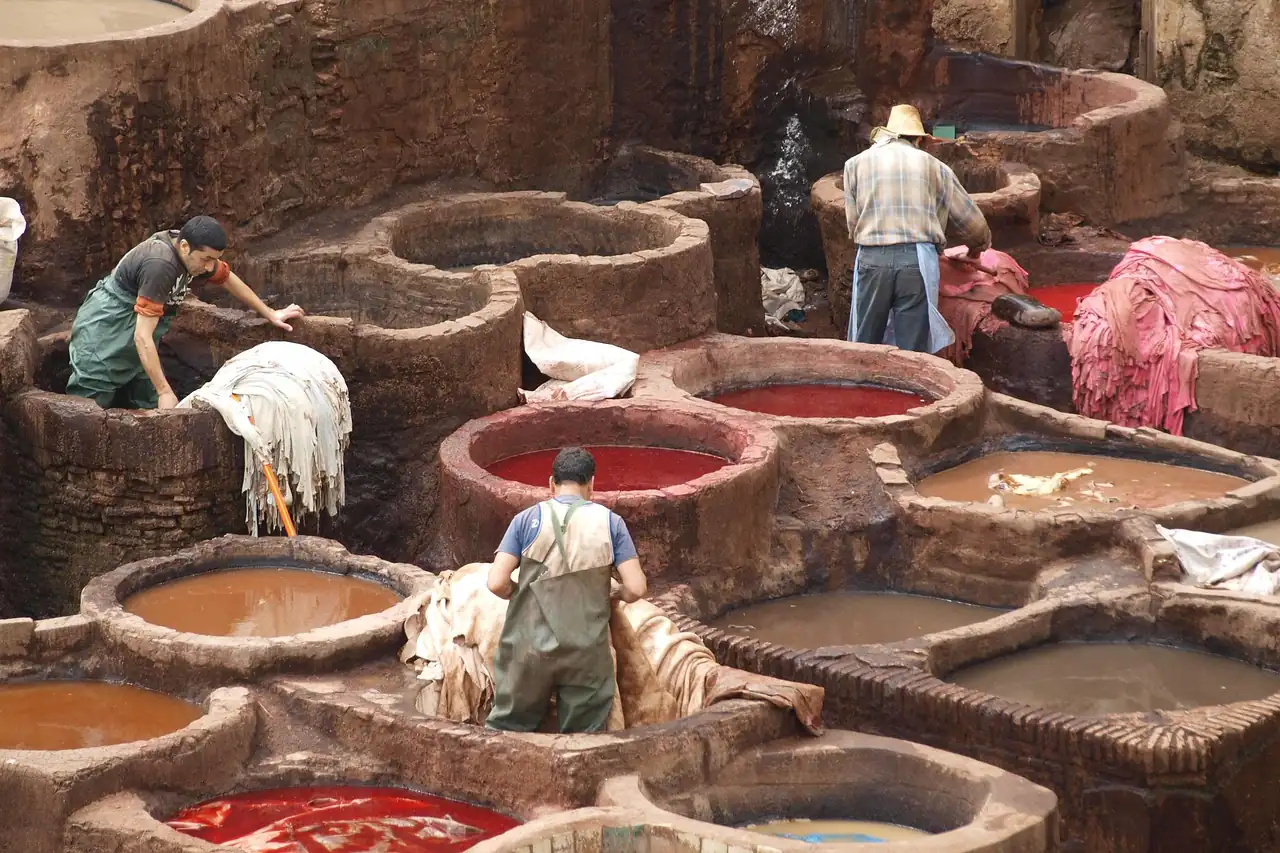
That one case tells you most of what LWG is. It's an environmental rating for tanneries, it reaches as far as the shared plant that treats their water, and a brand buying bags from Kolkata in 2026 needs to know about it. Below I cover what an importer should check, then the steps an Indian tannery or leather goods maker takes to get rated. This guide is part of our certifications hub.
LWG audits leather manufacturers (tanneries), leather traders, commissioning manufacturers and subcontractors, each against its own standard (LWG (opens in a new tab)). The Leather Manufacturer Standard (version P7, revision P7.2.2) has 17 sections, including material traceability in and out, restricted substances and chromium VI management, chemical management, effluent treatment and energy and water use (LWG (opens in a new tab)).
Manufacturers get a medal based on their overall score (LWG AS (opens in a new tab)) -
| Rating | Score |
|---|---|
| Gold | 85 to 100% |
| Silver | 75 to 84% |
| Bronze | 65 to 75% |
| Audited | 50 to 64% |
For Gold, every section must score above 85%. One weak section pulls the whole rating down, which is why Gold actually means something.
What LWG doesn't cover matters as much. It isn't a social audit, so wages, hours and worker safety need a social audit alongside it. It doesn't certify the finished bag or shoe. It doesn't apply to fur, which is excluded outright. And it says nothing about the animal's origin beyond the traceability sections, which matter more now with the EU deforestation regulation covering cattle leather.
India's leather belt (Kanpur and Agra in the north, Kolkata in the east, Ranipet, Vellore and Ambur in Tamil Nadu) has carried a reputation problem for decades. When we mined forum discussions, we found Western craft buyers who avoid Indian chrome-tanned leather on principle because of tannery pollution and worker safety, while others push back on the blanket view (our forum signal FS-CAT-042, with posts from 2024 and 2026 on r/Leathercraft).
That's unfair to the many tanneries that run well, and LWG is the main way a good one proves it. A buyer doesn't have to take the reputation on trust either way. Ask for the rating and check it. Our Tamil Nadu leather belt and Kanpur leather cluster pages cover where the tanneries are.
There's no border rule in the UK, EU, US, Australia, New Zealand or the UAE that requires LWG. It's a brand and retailer requirement. Chemical limits in leather (chromium VI in the EU, for example) are law, and our restricted substances guide covers those.
Here's the order I'd follow -
A red flag is a Gold logo on a supplier's catalogue with no tannery name behind it. That doesn't mean the claim is false. It means you haven't been shown what it refers to.
At enquiry, ask for the tannery name and rating. At sampling, ask for the certificate and the leather article your sample was cut from. At the purchase order, write in "leather from an LWG-rated tannery, rating Silver or above" (or whatever your brand policy says) and the tannery's name. At shipment, ask for a declaration linking the shipment's leather to that tannery. If the maker changes tannery mid-programme, you want to know before, not after.
This half is for the tannery. LWG's own path is short on paper (LWG (opens in a new tab)), and the work sits in steps 2 and 3.
Step 1 - Take the Tannery of the Future survey. It's free and mirrors the Leather Manufacturer Standard, so it shows you where you'd lose points. An afternoon or two with your ETP and chemicals team.
Step 2 - Fix what the survey shows. This is the long part, often months. Typical work in Indian tanneries -
Step 3 - Collect your data period. You need records for 24 months to get a 24-month certificate. From 1 April 2023, first-time tanneries (and those re-auditing after a lapse) can present 12 months of data for a 12-month certificate (LWG (opens in a new tab)). If you have 24 months, you must present them.
Step 4 - Apply through LWG Assurance Services. All audits are booked through LWG AS, and it assigns the auditor. You can't request one (LWG AS FAQs (opens in a new tab)). The audit invoice comes once your application is accepted, at least a month before the audit date, and travel costs are invoiced separately and must be paid before the audit. Check the current audit fee with LWG AS.
Step 5 - The audit. On-site, against all 17 sections, by an LWG-trained auditor. LWG AS said it had two auditors in India when we read its FAQs, so book early, especially before the February fair season around the India International Leather Fair.
Step 6 - Report, rating and certificate. LWG AS evaluates the audit and issues the certificate. You appear in the directory. Use the report as your plan for the next cycle.
Step 7 - Renew. Manufacturer certificates last two years. Start collecting data for the next audit straight away.
You don't need LWG yourself to sell to most brands, as long as your tannery is rated. Some brands want the maker covered too. The Commissioning Manufacturer Standard covers firms that commission leather from other tanneries, and the Subcontractor Standard (valid 24 months) covers firms that do wet processing for others. A subcontractor only gets a medal if it produces at least 5% of its own leather, otherwise it gets a valid score only. A trader who buys and sells leather gets a 12-month Trader certificate (LWG AS (opens in a new tab)).
What to send the buyer - the certificate, the rating, the expiry date and, if your water goes to a CETP, its name. Buyers who've read the Bantala statement will ask.
If you're a brand trying to get several Indian makers and their tanneries lined up behind one programme, SourcingSync (opens in a new tab) can handle that supplier work on the ground.
This example is an illustration built from the rules above, not a real firm.

An Australian bag brand is quoting a maker in Kolkata in late 2026. The maker says its leather is "LWG Gold".
The buyer asks for the tannery name and gets one in the Bantala leather complex. In the LWG directory the tannery appears with a Gold rating. Then the buyer reads LWG's statement and sees that tanneries connected to the Bantala CETP have been suspended since June 2025, with no inspection date confirmed in January 2026.
So the buyer asks the maker two things. Is this tannery connected to the Bantala CETP, and has its certification been reinstated? If it's suspended, the maker can source from a rated tannery elsewhere (Chennai or Kanpur, say) for this order. Nobody acted in bad faith here, and the Gold rating may well return. The buyer just needs the current status in writing before it puts LWG on a swing tag.
Not in our markets. It's a buyer requirement. Chemical limits in leather are law, LWG isn't.
No. It's environmental. Use a social audit for workers.
Two years for leather manufacturers, 12 months for traders, 24 months for subcontractors. First-timers with only 12 months of data get 12 months.
No. LWG Assurance Services assigns auditors.
Brands can make claims about leather from rated tanneries under LWG's rules. Check the current claims guidance with LWG before you print anything.
Ask for the tannery, then the rating, then the CETP. In that order it takes about ten minutes.
Ready to act
Want this supplier checked before you commit?
SourcingSync can verify who makes it and who answers for quality, then manage the supplier for you.
Where Indian leather bags are made (Kolkata, Chennai, Kanpur, Mumbai, Delhi-Noida), duty by outer material, chromium VI, exotic leather, and how to protect a private-label design.
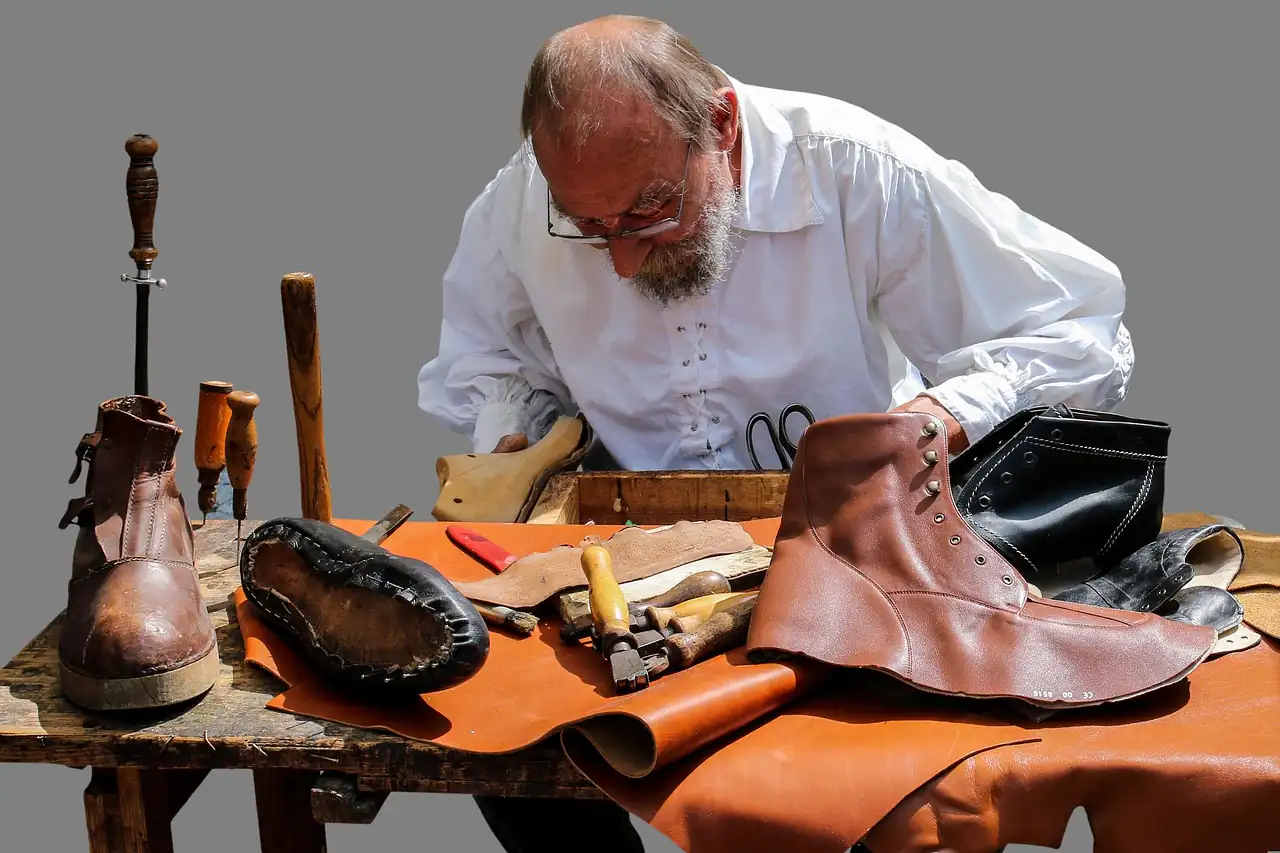
Agra, Kanpur, the Tamil Nadu belt, Kolkata or Jalandhar for leather shoes. Duty by construction in the US, UK, EU, Australia, NZ and UAE, chromium VI, CITES and origin labels.
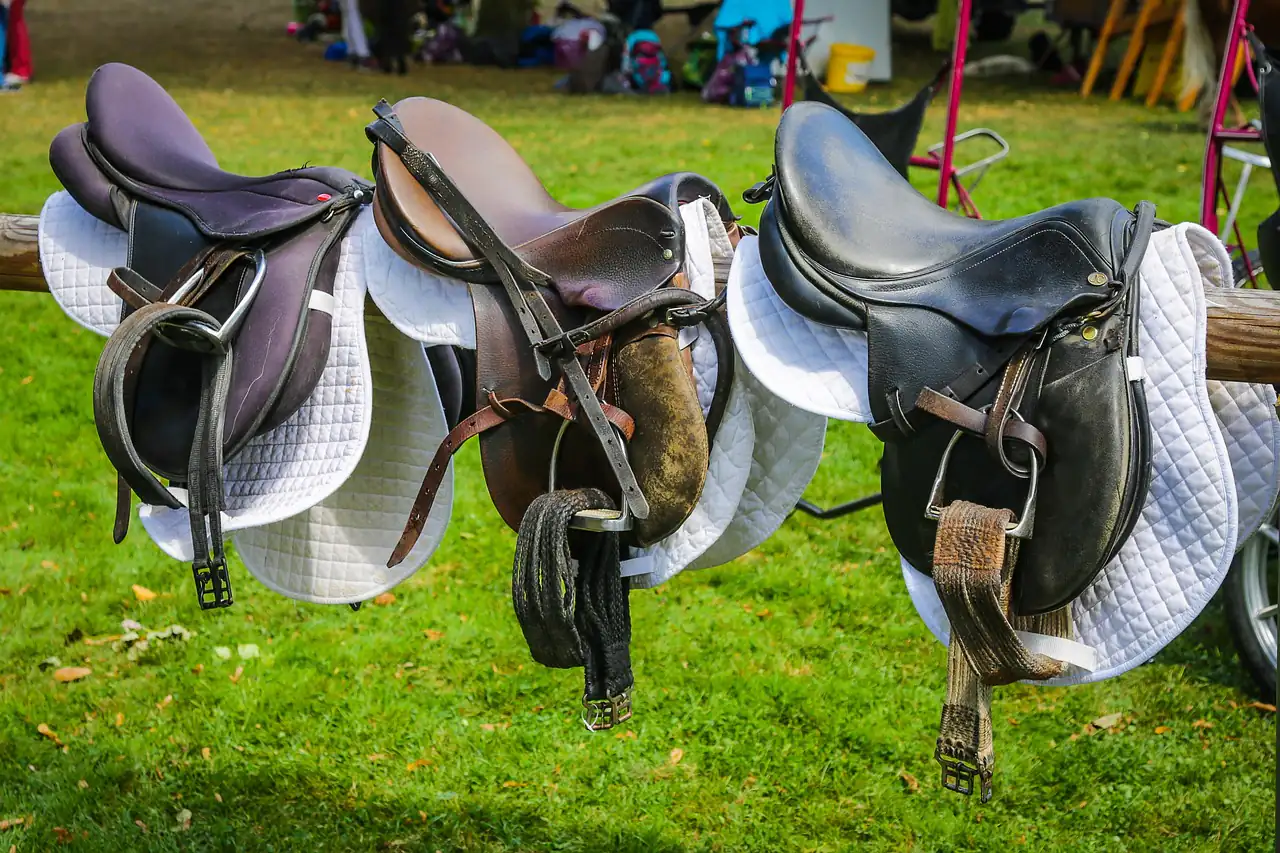
India supplies a fifth of the UK, EU and Australian saddlery market. How to specify the leather, why the recalls were hardware, and what each border charges on saddles, bridles and horse rugs.
Yash Khatri founded SourcingFrom to give buyers outside India the full picture of sourcing from India: what the country makes well, where it is made, who makes it and how it ships. He writes and edits every guide on the site, and holds each one to the same rule: say what we know, show how sure we are, and say plainly where the evidence runs out. He also runs SourcingSync, the hands-on service that does the sourcing work for buyers, and Kirnova, the data and intelligence company behind SourcingFrom Intelligence.
Want new guides when they go up? Get the newsletter
Leave your email and the PDF downloads straight away. We don't email it to you.
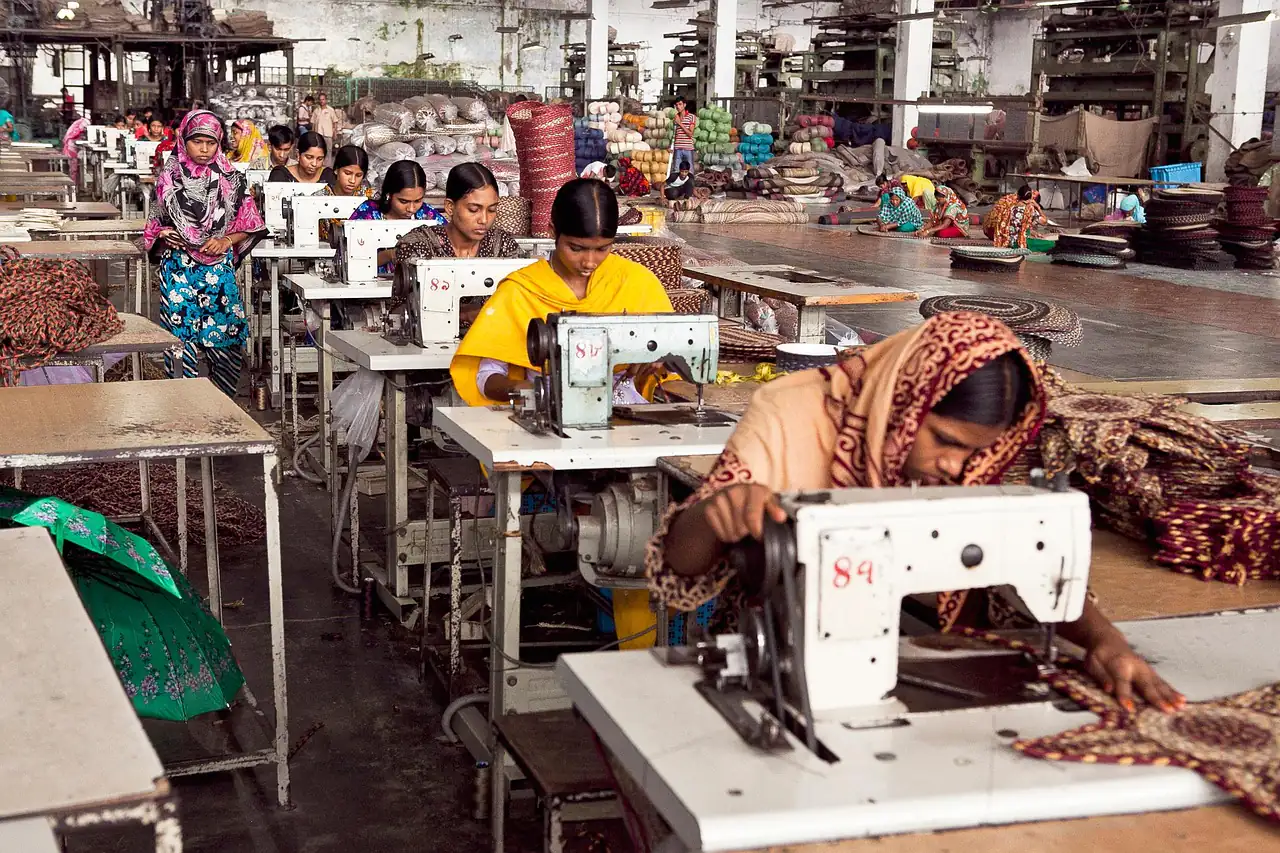
Most UK and EU buyers will ask an Indian factory for a social audit before a first order. amfori BSCI and SMETA are audits with reports, not certificates, while SA8000 and WRAP certify a site for a set period. This guide shows importers which one their customers mean and how to read the report, and gives Indian factories the steps, timings and common findings for each.
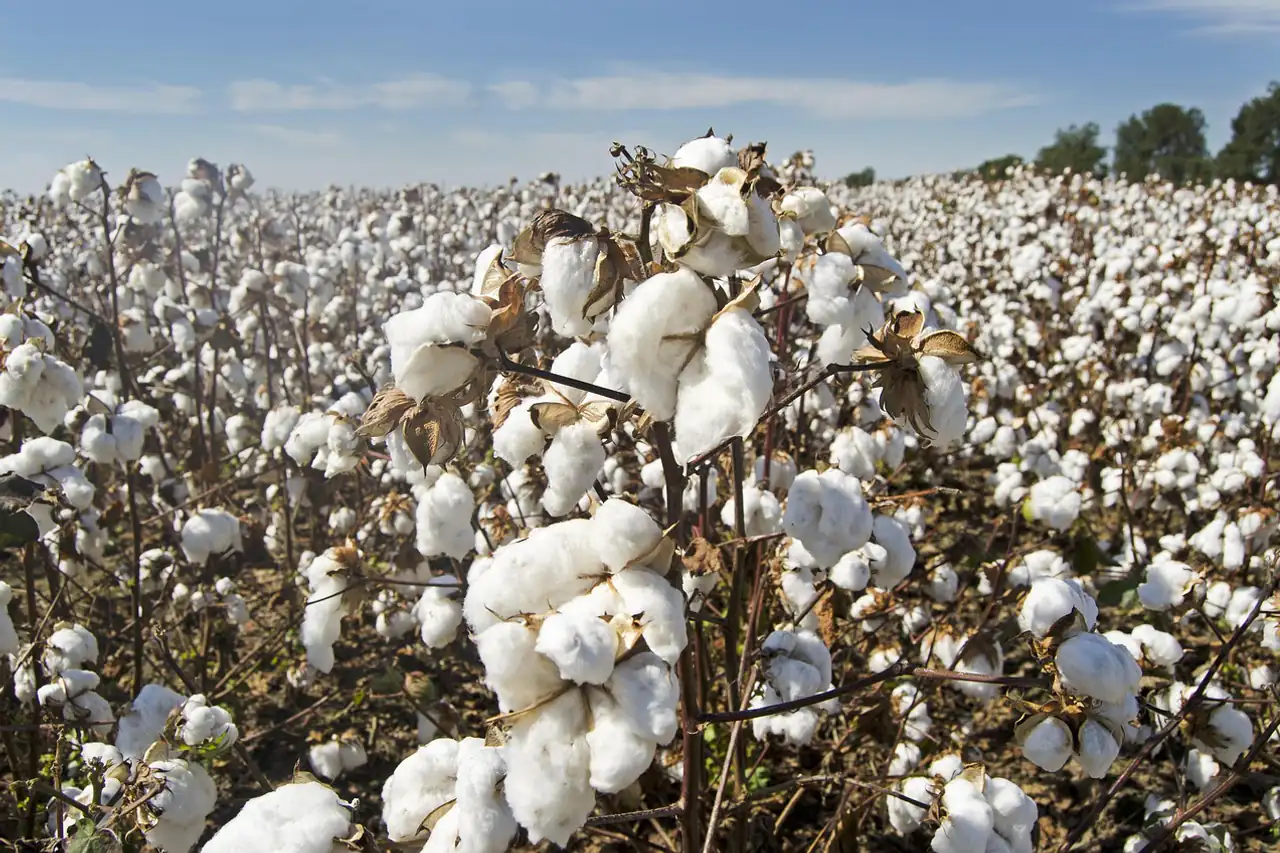
Fairtrade and Rainforest Alliance are both farm-level sustainability marks, but they work differently. Fairtrade sets a Minimum Price and pays a Premium to producer organisations, and FLOCERT certifies everyone in the chain who trades the goods. Rainforest Alliance certifies farms and supply chain actors against its 2020 standard through accredited certification bodies. This guide shows importers how to check both and gives Indian producers and exporters the steps to certify.
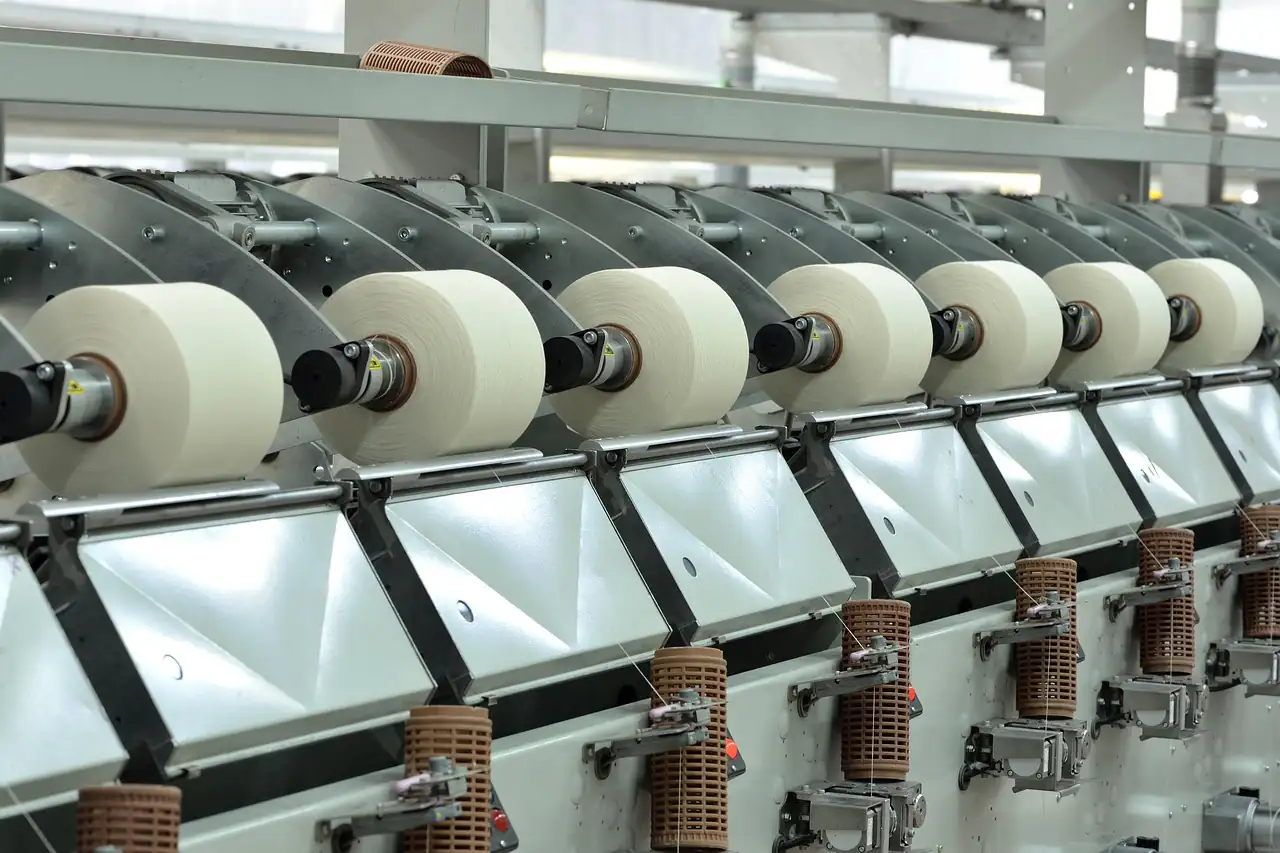
GOTS, OEKO-TEX STANDARD 100 and GRS are earned by the factory, not bought by the brand, and each works differently. GOTS and GRS certify a site and its chain of custody through an approved certification body, while OEKO-TEX tests a product sample and certifies the article for a year. This guide tells importers what to ask for at each stage of an order and gives Indian mills and garment units the steps, timings and common failure points.

A product carbon footprint is a calculation, not a pass mark, and it is only as good as its boundary, its data and who checked it. Carbon credits are a separate thing: a bought claim against emissions elsewhere, and since 27 September 2026 they can no longer back a "carbon neutral" product claim to EU consumers. India now runs its own credit market under BEE.

CE and UKCA are the maker's own declaration that a product meets EU or GB product law, backed by a technical file and sometimes a third-party body. This guide shows an importer what to ask for and how to check it, and walks an Indian manufacturer through the steps from finding the right directive to signing the declaration.

Every certificate answers one question for one market. This index lists the certification guides by group, says in a line what each one is and who needs it, and gives a table of which certificates a product family usually needs in each main market. Each guide has a half for importers and a half for Indian exporters.