

Saddlery and Equestrian Leather From India: Where It Fails Is the Metal
- Updated
Your route: saddlery and equestrian leather from India
Made in
Leaves India from
Port not researched yet
IndicativeUseful directional information where precise verification is unavailable.UnknownInsufficient evidence, or not yet researched.
At sea
No schedule yet
Needs a researched port first
Made in
Leaves India from
Port not researched yet
IndicativeUseful directional information where precise verification is unavailable.UnknownInsufficient evidence, or not yet researched.
At sea
No schedule yet
Needs a researched port first
Made in
Leaves India from
Port not researched yet
IndicativeUseful directional information where precise verification is unavailable.UnknownInsufficient evidence, or not yet researched.
At sea
No schedule yet
Needs a researched port first
Made in
Leaves India from
Port not researched yet
IndicativeUseful directional information where precise verification is unavailable.UnknownInsufficient evidence, or not yet researched.
At sea
No schedule yet
Needs a researched port first
Made in
Leaves India from
Port not researched yet
IndicativeUseful directional information where precise verification is unavailable.UnknownInsufficient evidence, or not yet researched.
At sea
No schedule yet
Needs a researched port first
Made in
Leaves India from
Port not researched yet
IndicativeUseful directional information where precise verification is unavailable.UnknownInsufficient evidence, or not yet researched.
At sea
No schedule yet
Needs a researched port first
We have not yet researched which port Kanpur ships through. Carrier schedules read 23 Sept 2026. Days are port to port; inland haul and customs time come on top.
Add up the landed costFind the HS codeGet help shipping it (opens sourcingsync.com in a new tab)
In December 2023 Weatherbeeta USA recalled its Collegiate English riding saddles. The reason, in the US safety regulator's words, was that "the saddle's rivet or stirrup bar can break, causing the rider to fall". The saddles were made in India (US CPSC, Dec 2023 (opens in a new tab), Verified). Eighteen months later a second India-made recall followed, Western saddle cinches that "can come apart and cause the saddle to fall off" (US CPSC, Jun 2025 (opens in a new tab), Verified).
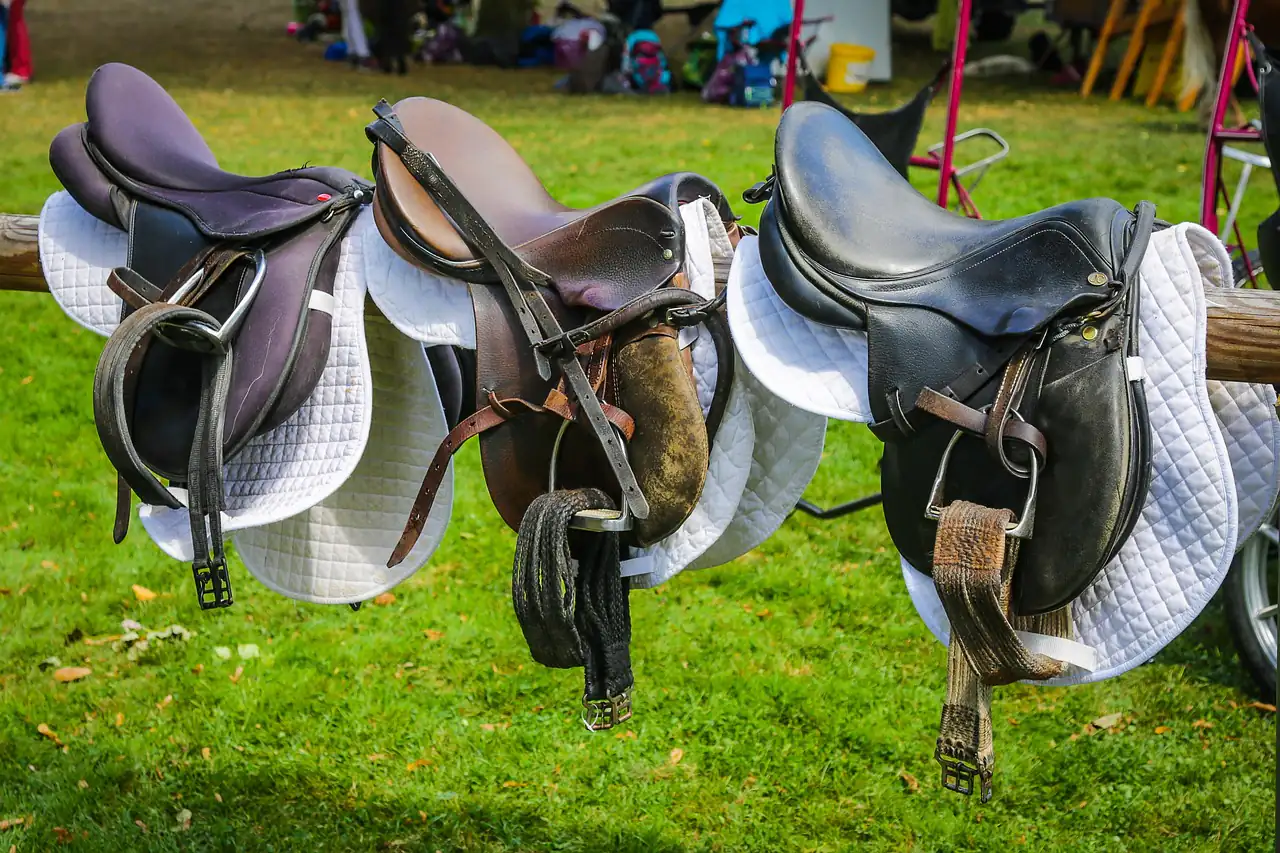
Neither recall was about leather. That's the most useful thing we can tell you about Indian tack. India is one of the world's two big saddlery sources, and its leather work is why. What breaks is the metal and the joins, the bits a buyer looks at last. This page covers what India supplies and to whom, how to specify the leather so you get the hide you think you're paying for, how to check the hardware that actually fails, and what each border charges. Where the trade is made, mostly Kanpur, is covered on the Kanpur leather cluster page, so we won't repeat it. We publish no prices.
What the Heading Covers
Customs puts saddlery and harness "for any animal" in one heading, 4201, and the wording is broad: traces, leads, knee pads, muzzles, saddle cloths, saddle bags, dog coats "and the like", of any material (UK Trade Tariff, 4201000000 (opens in a new tab)). So the same line holds a dressage saddle, a nylon headcollar and a dog harness. The US splits out dog gear at 2.4% from everything else at 2.8% (USITC (opens in a new tab)).
Two things follow. First, the shares in the box above include pet goods, so treat them as the size of India's whole harness trade, not riding tack alone. Second, a horse rug or a fleece numnah can land in this heading or in a textile heading depending on how it's made and described. Check the classification with your customs broker before you order a mixed range, because the textile lines carry different duties and different origin rules.
Specifying the Leather
Indian saddlery leather comes from buffalo, cow, goat and sheep, and the price of the hide changes the product more than any other input. Buffalo varies more than cowhide in thickness, temper and stretch, and its edges burnish less cleanly, according to a practitioner who handled hides in India (forum post, 2026, from our logs, Reported). That doesn't make buffalo wrong. It makes it a different product, and a bridle quoted on "leather" may be either.
So the leather line in your specification needs four things:
- Species - cowhide, buffalo or another, by name.
- Thickness - a target in millimetres with a tolerance, measured at named points, because a strap that's thin at the buckle hole is the one that tears.
- Tannage - vegetable-tanned, chrome-tanned or combination. Vegetable-tanned leather carves, tools and burnishes. Chrome-tanned is softer and more water-resistant. Most good tack is one or the other on purpose.
- Finish and colour fastness - so a dark bridle doesn't mark a grey horse or white gloves.
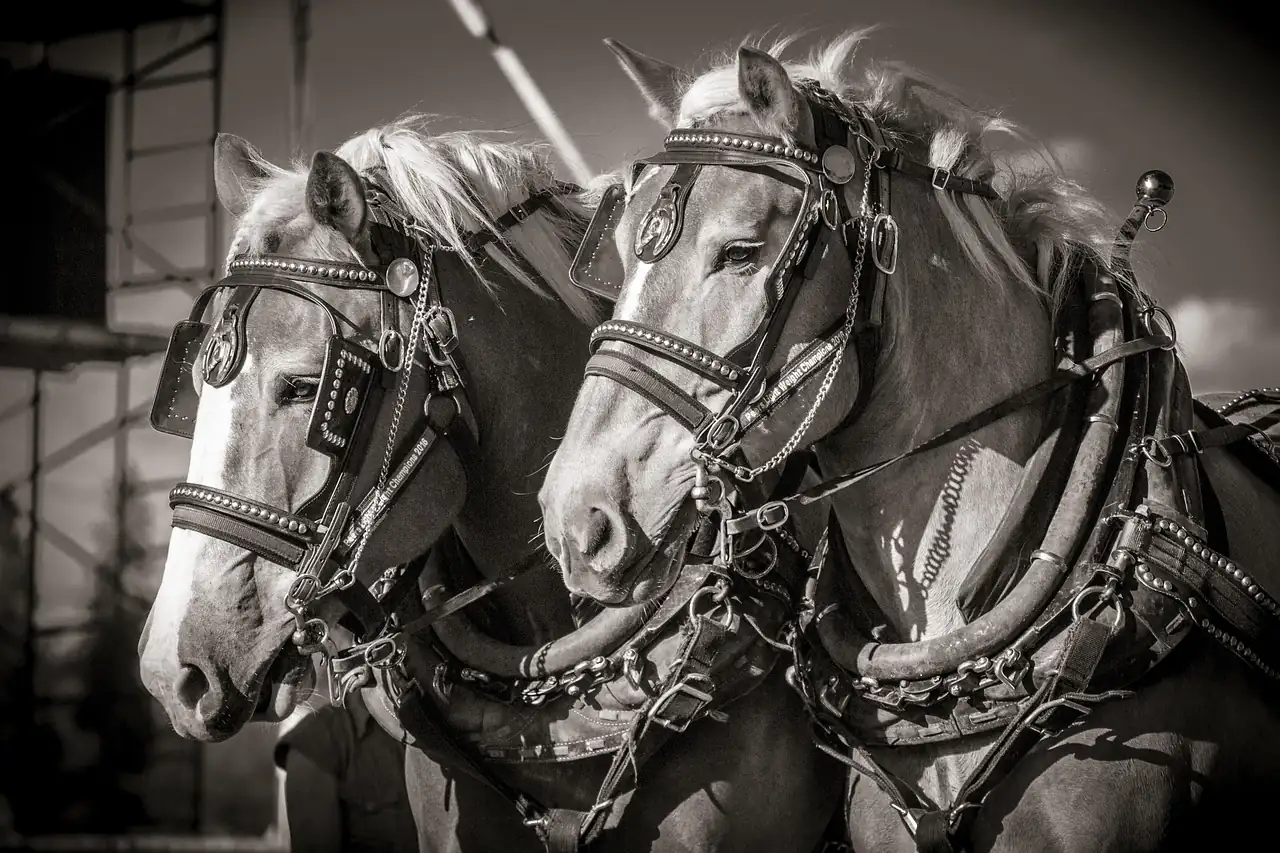
Ask the maker to name the tannery that supplies the hide, and keep the approved sample as a physical reference for colour, feel and thickness. Since Kanpur's tannery base has been shaken by closures in recent years (the Kanpur page has the detail), confirm the tannery on the second order too, not just the first.
For Europe and the UK, chromium VI is the chemical rule that matters. EU law limits it to 3 mg/kg in leather articles that come into contact with the skin, and the two Indian glove alerts in our records were three to seven times over (Safety Gate, 2023 and 2024, Verified). Riding gloves, reins and anything the rider handles count. Test chrome-tanned leather for it at a lab you choose, on production pieces.
Checking the Metal and the Joins
Now to the part that failed in the US. A saddle is leather on a tree, held together with rivets, nails and stitching, and loaded through a stirrup bar. A cinch or girth is a strap with buckles or rings at each end. The two recalls hit the rivet and stirrup bar on one, and the joins of the other. The leather itself held.
Three things go into the order for any load-bearing tack:
- Hardware by material and grade. Stirrup bars, buckles, rings and D-rings named by metal (forged steel, stainless steel, solid brass) and not "nickel-plated" alone, which describes the coating, not what's under it. Ask who makes the fittings. Many Indian tack houses buy them in, and that's normal, but the fitting maker is the one whose metal carries the rider.
- A load test. Ask for a pull test on stirrup bars, girth straps and buckles from production, to a load agreed in writing, and witness it or have it witnessed. The saddle tree should be part of the same conversation, because a broken tree is also a load failure.
- Stitching and rivet spec. Thread type and count per inch on load-bearing seams, and rivet type and placement. A stitched-and-riveted join that looks fine on a sample is easy to under-build in bulk.
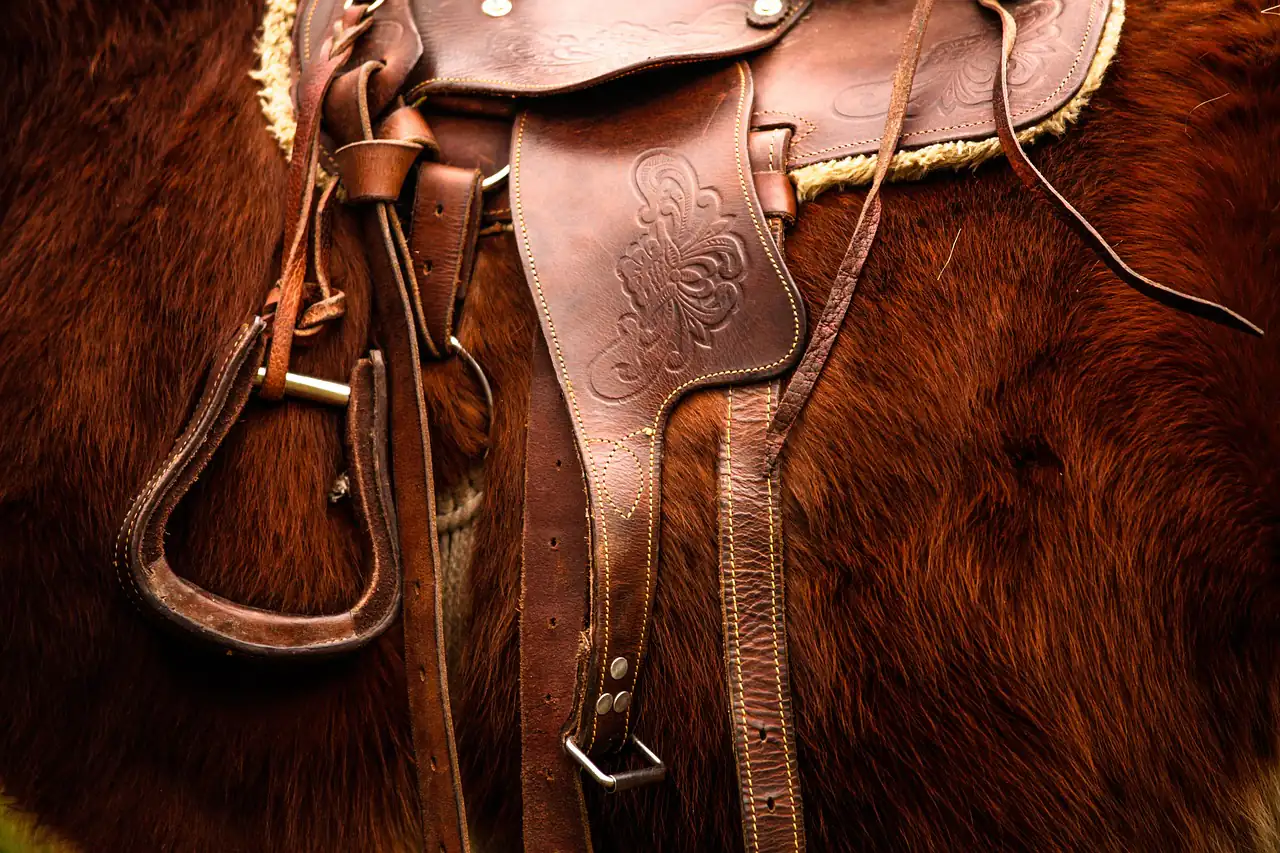
The quality control page shows where these checks sit in an inspection plan, and the sample evaluation checklist gives you a structure for the first sample.
What the Border Charges
| Destination | Saddlery and harness (4201) | The proof |
|---|---|---|
| Australia | 0% under ECTA (5% base) | Certificate of origin |
| United Kingdom | 2% third-country | CETA preference not seen in our read, so check with your broker |
| United States | 2.8% (2.4% dog equipment), plus 10% Section 301 | No preference |
| EU | GSP kept for leather goods, with a REX statement | Run your CN code in TARIC |
Sources: DFAT (opens in a new tab), UK Trade Tariff (opens in a new tab) and USITC (opens in a new tab), read 7 October 2026, and our pages for the UK, US and EU. Duty is low on this heading everywhere. The money is in getting the product right, not in the tariff.
Questions Tack Buyers Ask
Is India or China the better source for saddles? China is larger by value in every market we checked. India holds a steady fifth in the UK, EU and Australia, and its houses are built around leather tack rather than synthetic. For a leather-led range, India deserves the sample. For a synthetic or mixed range, compare both.
Can an Indian maker work to my pattern and brand? Yes, that's how most of the trade works. Bring the pattern, the hardware spec and the leather spec, and agree who owns the saddle-tree moulds. The private label page explains the commercial side.
Where do I meet makers? The leather council's events and the India International Leather Fair are the general route. We haven't confirmed a saddlery-only show in India, so a visit to Kanpur is the practical one.
Ready to act
Need hands-on help?
Checking hides at the tannery, witnessing pull tests on stirrup bars and girths, and inspecting finished tack before it ships is execution, not knowledge. SourcingSync does it in Kanpur and elsewhere.
Back to the Stirrup Bar
The Weatherbeeta saddles and the Total Saddle Fit cinches were made by people who know leather, and the leather wasn't what broke. That's the pattern worth carrying into your own order. India's tack trade earns its fifth of the market on hide, cutting and stitching. Your specification and your inspection should spend at least as much attention on the rivet, the bar and the buckle, because that's where a rider gets hurt.
For India's leather trade as a whole, see leather and footwear.