

Leather Bags From India: Which Town Makes Them, What Each Border Charges and How to Keep Your Design Yours
- Updated
Your route: leather bags from India
Made in
Leaves India from
Chennai
IndicativeUseful directional information where precise verification is unavailable.UnknownInsufficient evidence, or not yet researched.
At sea
26 to 34 days
9 scheduled sailings, port to port
Every port and sailing to United Kingdom
- Chennai to London Gateway: 26 to 34 days, 9 sailings
Made in
Leaves India from
Chennai
IndicativeUseful directional information where precise verification is unavailable.UnknownInsufficient evidence, or not yet researched.
At sea
23 to 31 days
9 scheduled sailings, port to port
Every port and sailing to European Union
- Chennai to Rotterdam: 23 to 31 days, 9 sailings
Made in
Leaves India from
Chennai
IndicativeUseful directional information where precise verification is unavailable.UnknownInsufficient evidence, or not yet researched.
At sea
31 to 43 days
13 scheduled sailings, port to port
Every port and sailing to United States
- Chennai to New York/New Jersey: 31 to 43 days, 13 sailings
- Chennai to Savannah: 41 to 53 days, 15 sailings
- Chennai to Los Angeles/Long Beach: 36 to 55 days, 7 sailings
Made in
Leaves India from
Chennai
IndicativeUseful directional information where precise verification is unavailable.UnknownInsufficient evidence, or not yet researched.
At sea
20 to 44 days
12 scheduled sailings, port to port
Every port and sailing to United Arab Emirates
- Chennai to Jebel Ali: 20 to 44 days, 12 sailings
- Chennai to Khor Fakkan: 24 to 56 days, 12 sailings
- Chennai to Fujairah: 19 to 25 days, 2 sailings
Made in
Leaves India from
Chennai
IndicativeUseful directional information where precise verification is unavailable.UnknownInsufficient evidence, or not yet researched.
At sea
27 to 53 days
19 scheduled sailings, port to port
Every port and sailing to Australia
- Chennai to Sydney: 27 to 53 days, 19 sailings
- Chennai to Melbourne: 23 to 61 days, 21 sailings
- Chennai to Brisbane: 24 to 64 days, 15 sailings
- Chennai to Fremantle: 18 to 56 days, 15 sailings
Made in
Leaves India from
Chennai
IndicativeUseful directional information where precise verification is unavailable.UnknownInsufficient evidence, or not yet researched.
At sea
30 to 86 days
31 scheduled sailings, port to port
Every port and sailing to New Zealand
- Chennai to Auckland: 30 to 86 days, 31 sailings
- Chennai to Tauranga: 37 to 39 days, 16 sailings
We have not yet researched which port Kanpur ships through. Carrier schedules read 23 Sept 2026. Days are port to port; inland haul and customs time come on top.
Add up the landed costFind the HS codeGet help shipping it (opens sourcingsync.com in a new tab)
An Indian exporter put one sentence on a business forum in October 2025 that every brand owner should read twice. Many leather "manufacturers" you find online, he wrote, say they make the goods, but "when you meet them they say they have their factory in Kolkata or somewhere far" (r/IndiaBusiness, October 2025 (opens in a new tab)). There's nothing wrong with that. Merchant exporters are an ordinary part of this trade, and plenty of good bags come through them. But think about what it means for a bag you designed. The sample you hand over in one office may be cut and stitched in a unit you never see.
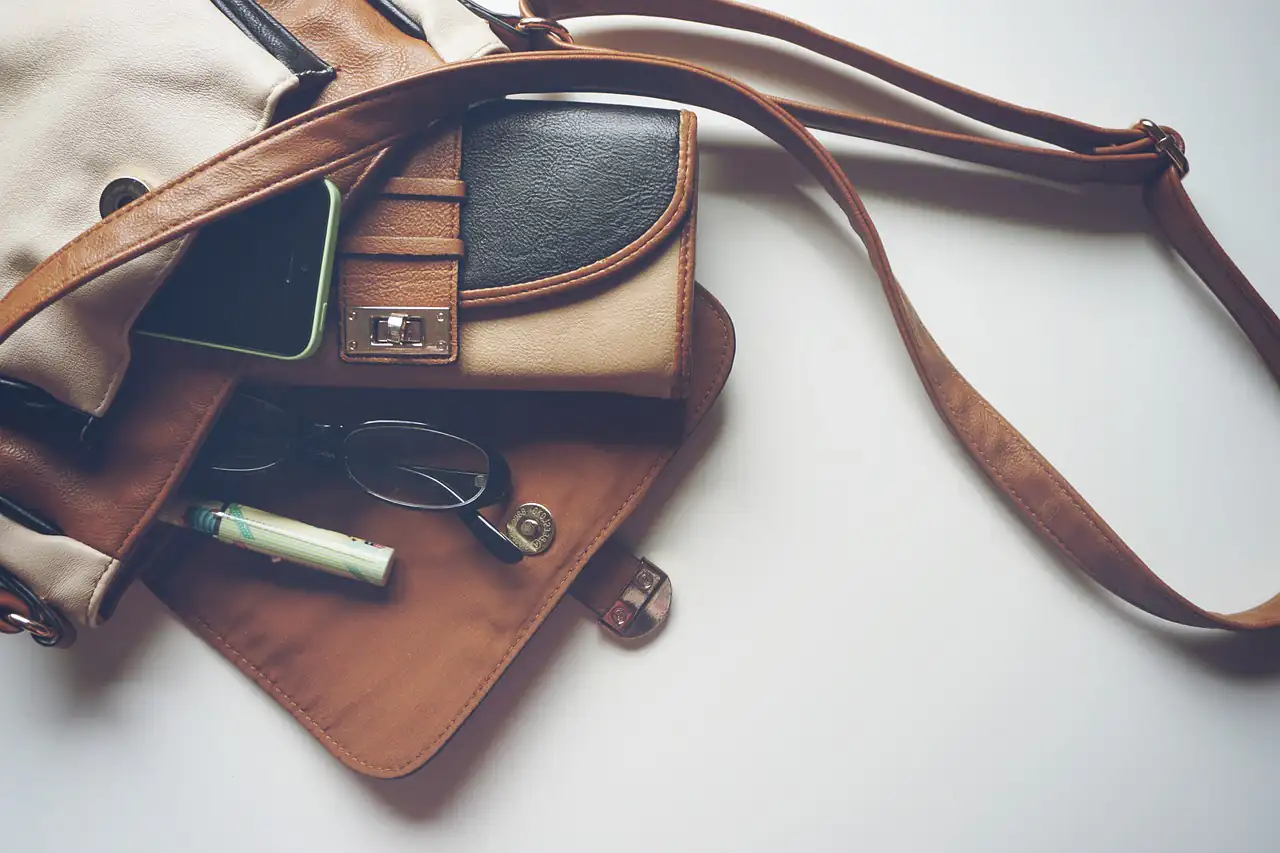
So this page follows one question: whose bag is it, at each step between your drawing and your container? It covers which towns make what, what each border charges (the outer material decides more than the origin), how to protect a private-label design under Indian law, and what goes wrong in the leather itself. Our shipment data covers US sea cargo only, and we publish no prices. The product spec lives on the global leather bags page.
Five Towns, Five Kinds Of Bag Business
India's export-town list names Kanpur for leather products, and the leather council adds Kolkata, Chennai, Noida, Mumbai and Jalandhar (Council for Leather Exports (opens in a new tab)). They aren't interchangeable.
Kolkata is the best-documented bag town in our data. The old tanneries of Topsia, Tangra and Tiljala were moved by Supreme Court order to the Bantala leather complex, which opened in 2005 (Down To Earth (opens in a new tab)). Tanning now sits at Bantala, while bag workshops and exporters' offices are spread across the city, so the office on your invoice and the unit that stitches can be a bus ride apart. This is where the forum warning bites hardest.
Chennai and the Tamil Nadu belt hold the largest named bag shippers in our sample, next to the hide-to-shoe belt around Ambur (Tamil Nadu leather belt). Much of its US cargo goes by feeder to Colombo first.
Kanpur is saddlery and heavier leather first, with bags a listed second line (Kanpur leather cluster). For a structured bag made to be used hard, equestrian, pet or work, it belongs on your list.
Mumbai, meaning Dharavi, is the informal end. A 2026 press feature counts more than 5,000 small manufacturers there making bags, jackets and accessories for home and export (Business Today, February 2026 (opens in a new tab)). That's an estimate, but the structure is the point. Work here often runs through chains of small workshops, so the list of people who touch your design is longest.
Delhi, Noida, Gurugram and Jalandhar show up as organised export houses, one inside the Noida export zone. Delhi is as much a trading and showroom floor as a factory floor, again with factories elsewhere.
What The Border Charges, By Outer Material
Heading 4202 sorts bags by what the outside is made of, so a leather outer, a plastic-sheeting outer and a textile outer sit on different lines at the same border. We re-read the UK, US, Australian and New Zealand tariffs on 5 October 2026.
| Destination | Leather handbag | Plastic or textile outer |
|---|---|---|
| Australia | 5% base, 0% under ECTA with a certificate | The same |
| New Zealand | 5% until the FTA starts on 20 Oct 2026 | The same |
| United Kingdom | 2% normally, 0% for India under the deal with proof of origin | 8% on plastic sheeting, 2% on the textile line we read, 0% for India on both |
| United States | 9% over US$20 a bag, 10% up to US$20, plus 10% Section 301 | 16% on plastic sheeting, 17.6% on man-made fibre, plus the same 10% |
| EU | GSP kept for leather goods with a REX statement, live rate not read | Look up in TARIC |
In the US the gap between materials is wider than the extra Indian duty. A leather handbag pays far less than a man-made-fibre one, so the material in your spec is also a duty decision. Reptile-leather handbags have their own US line at 5.3%, and leather wallets pay 8%. In the UK the deal closed that gap for Indian goods, but only with proof of origin, set out on the UK page.
Three points we couldn't settle, so check them with your customs broker before you book. New Zealand's FTA schedule for chapter 42 line by line (India to New Zealand). The UK and Australian origin rules for bags, because many makers use imported leather and that may decide whether your bag is "Indian" (India to Australia). And the US Section 301 exemptions, which are printed as page images (India to the US). For the EU, cattle leather also falls under the deforestation regulation from 30 December 2026 for large and medium operators (India to the EU), so ask the tannery for hide origin now. Confirm your 10-digit code first with HS codes.
Whose Bag Is It? Five Moments That Decide
A bag design leaks at predictable points. This is drafting practice and our reading of Indian rules we could check, not legal advice, so take Indian counsel before you sign.
1. Before you show anyone. Your mark and your bag's look are two different things. For the mark, file in India first, then share the logo, as the private label page explains. For the look, India has a registered design under the Designs Act 2000, lasting ten years from filing and extendable once by five, with an application that needs views from every side and a statement of what's new (Intepat (opens in a new tab)). The trap is absolute novelty. A design disclosed "anywhere in India or any other country" before filing can't be registered. In Kamdhenu v Aashiana Rolling Mills on 12 May 2021, the Delhi High Court struck down a registered design because the same design had already been published abroad (The Indian Lawyer (opens in a new tab)). The case was about steel bars, but a bag you've posted to followers or shown on a stand is the same problem. A six-month grace period exists only for exhibitions the government has notified (World Trademark Review (opens in a new tab)). Copyright is no backstop for a production bag, because it ends once a design is applied to more than 50 articles industrially (same source).
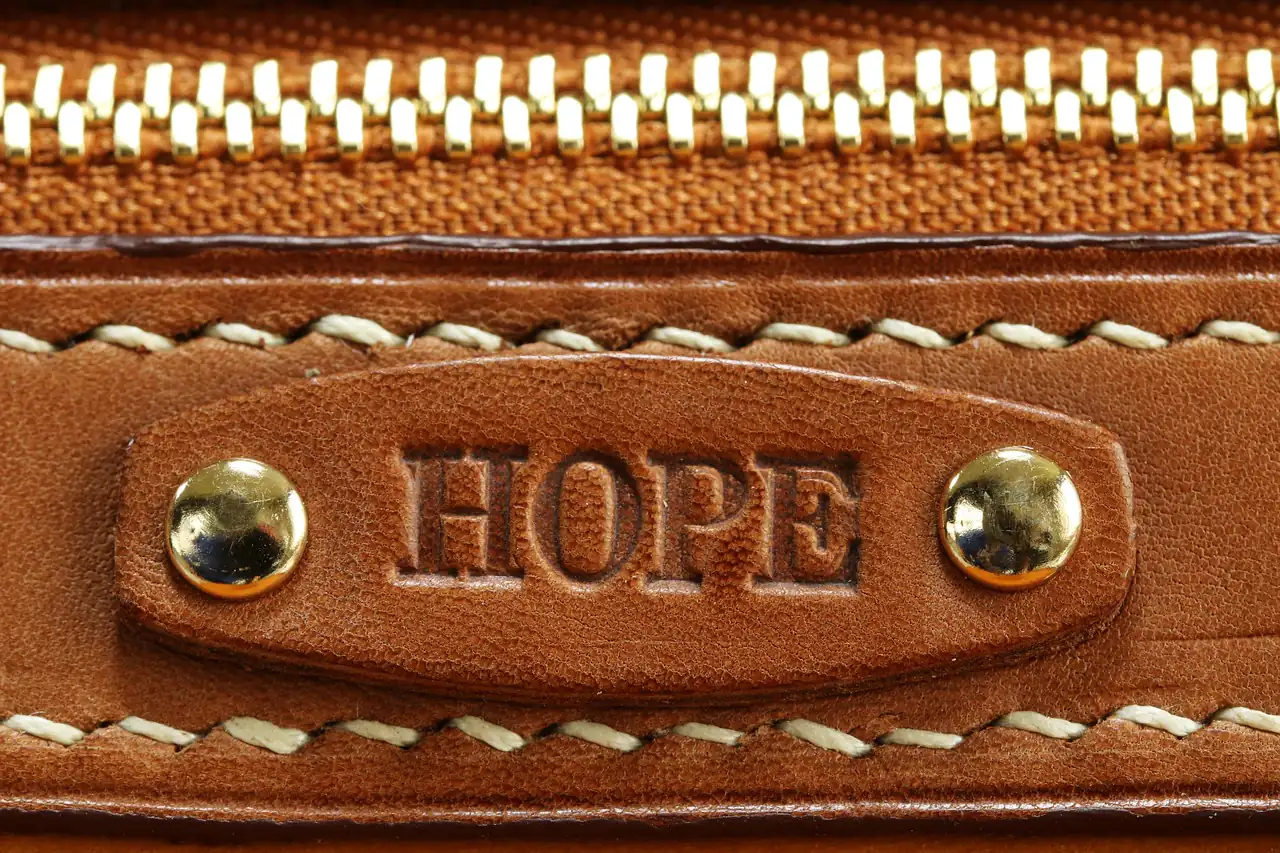
2. The first sample. This is the riskiest moment, because the sample carries your whole idea and nothing yet binds the maker to a volume. Send a versioned tech pack and keep the master files. Number every sample and photograph it. Write that samples and patterns stay yours and come back or get destroyed on request, and say whether the maker may show your sample to anyone else.
3. Tooling. Cutting dies, pattern templates, embossing plates and hardware moulds decide whether you can leave. We found no Indian ruling on tooling ownership, so this is practice. Say in the contract that anything you paid for is yours, list it with photos, mark it, and bar its use for anyone else. Custom hardware matters more than brands expect, because a buckle is the one part that makes a copy look like yours.
4. The NDA. During the relationship an Indian NDA works. After it ends, a restraint is generally void under section 27 of the Contract Act, as the private label page sets out. The bag-specific part is naming the cutting and stitching units, because with a merchant exporter the unit isn't the signatory. A logistics vendor warned founders to "watch out for hidden tier-2 sub-contracting" and ask for pre-production audits (r/StartUpIndia, 2026 (opens in a new tab)). Define "same product" by your pattern number, and if you want exclusivity, write it and pay for it.
5. On the line. Ask for photos of your goods at about 10% completion, so you know the unit that cut your sample is cutting your bulk. Count leftover labels, tags and branded packaging at the end, and say in the order what happens to them.
A fair word for the makers. Almost none are out to copy you, and most live on repeat orders. The paper exists because a trading structure with several units makes it impossible for you to know, and a clause costs nothing if it's never needed. Briefing makers, locking ownership and checking the unit that cuts your goods is hands-on work, and SourcingSync (opens in a new tab) can run it.
What Goes Wrong In The Leather
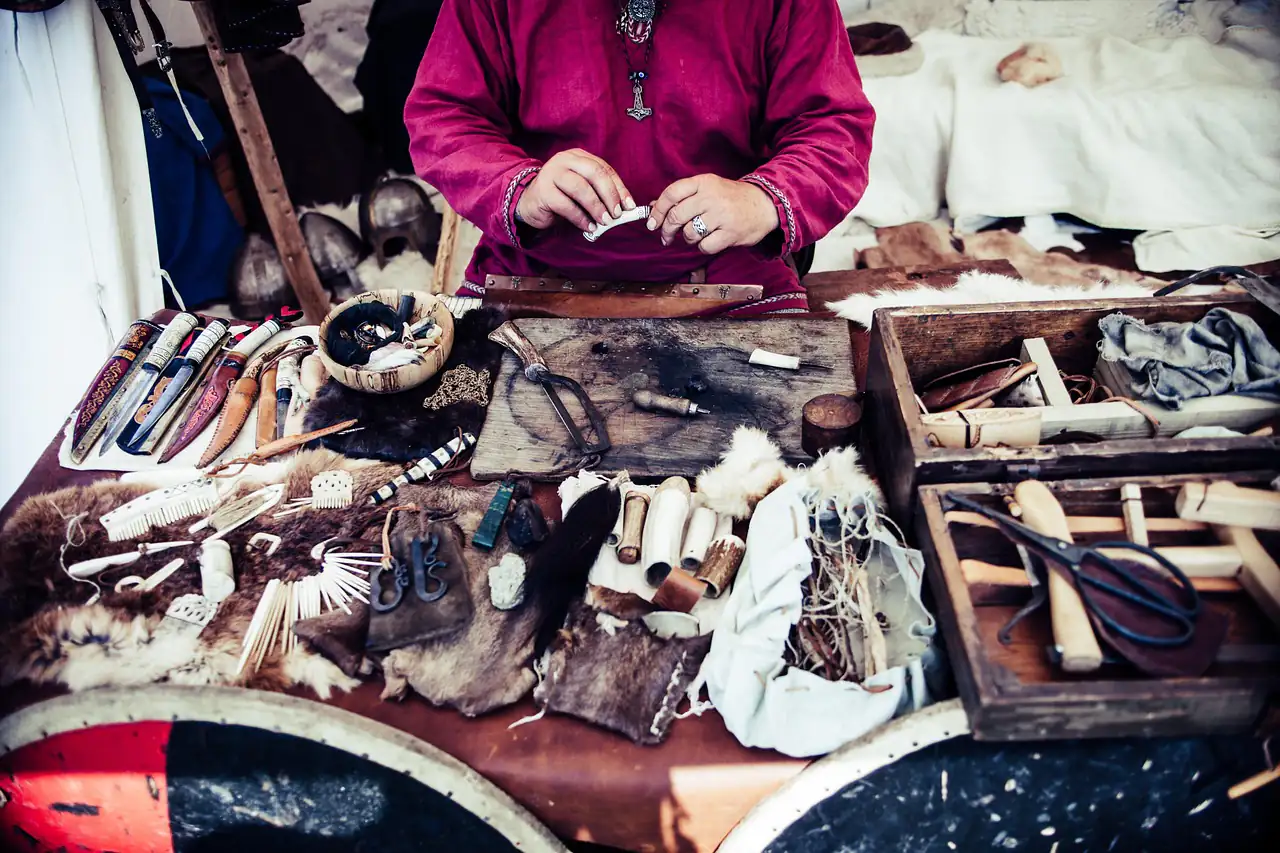
Chromium VI is the main chemical risk for every leather product, and the limits and alerts are on leather and footwear. The bag-specific point is that skin contact means more than the outside. Handles, straps, linings and the inside of a wallet all touch the hand, so test those parts too, colour by colour. The plan by destination is on quality control in India.
Two failures belong to bags more than shoes, and both come from forum buyers. A US buyer of a cheap "full grain" messenger bag from an Indian seller said it "lasted a few months until the pot metal hardware gave out" (r/Leathercraft, January 2025 (opens in a new tab)). So name the hardware alloy, the plating and a load test in the spec. And "Grade A" has no common meaning. One Indian seller defined it as allowing "1 to 2 small defects in the prime, most visible areas of the hide" (r/Leathercraft, September 2025 (opens in a new tab)). Define the grade with a defect map instead.
Exotic Leather, Briefly
If a quote offers python or crocodile, stop. The UK attaches CITES import controls to these lines and the US has its own reptile-leather duty line. On the Indian side, PETA India reports that the government banned exports of reptile skins and reptile leather from February 2025 (PETA India (opens in a new tab)). That account covers raw and tanned skins rather than finished bags, and it comes from an advocacy group. We found no route for exotic-skin bags from India we could verify end to end, so ask for the species and the permit chain, and check this with your customs broker before any money moves.
Meeting Makers
The India International Leather Fair in Chennai hasn't announced 2027 dates, and the leather council's own buyer-seller meet is BFLEX. Both are public places, so step one above applies. Don't show an unfiled design on a stand.
Questions Buyers Ask
Which town should I start with for a fashion handbag?
Kolkata, Chennai and the Delhi belt, where the named export houses are. Use Kanpur for structured and saddlery-style bags.
Is a registered design the same as a trademark?
No. A trademark protects your name and logo. A registered design protects the bag's look for ten years from filing, extendable by five. File both in India.
Can I post my new bag online before filing in India?
Not safely. Disclosure anywhere in the world before filing can sink the registration.
Ready to act
Need hands-on help?
Checking which unit cuts your bags, locking ownership in writing and witnessing the tests are execution, not knowledge. SourcingSync does it.
Back To The Factory In Kolkata
The exporter on the forum was describing an everyday fact of this trade: the person who sells isn't always the person who makes. It's a fair business model. So pick the town that suits your bag, file before you show, put your tooling and your approved units on paper, and test every colour. Then it doesn't much matter whose roof the stitching happens under, because the bag stays yours. Other products are in the India product guides.