


Buying Essential Oils and Attars From India by the Batch
India exports more mint oil than anything else, sells much of the rest through wholesalers, and ships oils that need the right cap. What to ask for, test and file before you buy.
8 min read
A surprising share of what buyers source from India ships as dangerous goods: essential oils, attars, perfumes, paints, adhesives, aerosols, some chemicals and anything with a lithium battery. Dangerous goods need a classification, a declaration signed by a trained shipper, compliant packing and labels, and for batteries a UN38.3 test summary. Get it wrong and the carrier refuses the cargo, or worse. This guide shows the buyer what to ask for and the Indian exporter how to prepare it.
Most buyers think of dangerous goods as chemicals in drums. Then they order a mixed pallet from Kannauj or a container of home fragrance, and the forwarder comes back to say the essential oils are UN1169 or UN1197, flammable, Class 3, and the whole consolidation needs paperwork nobody has started.
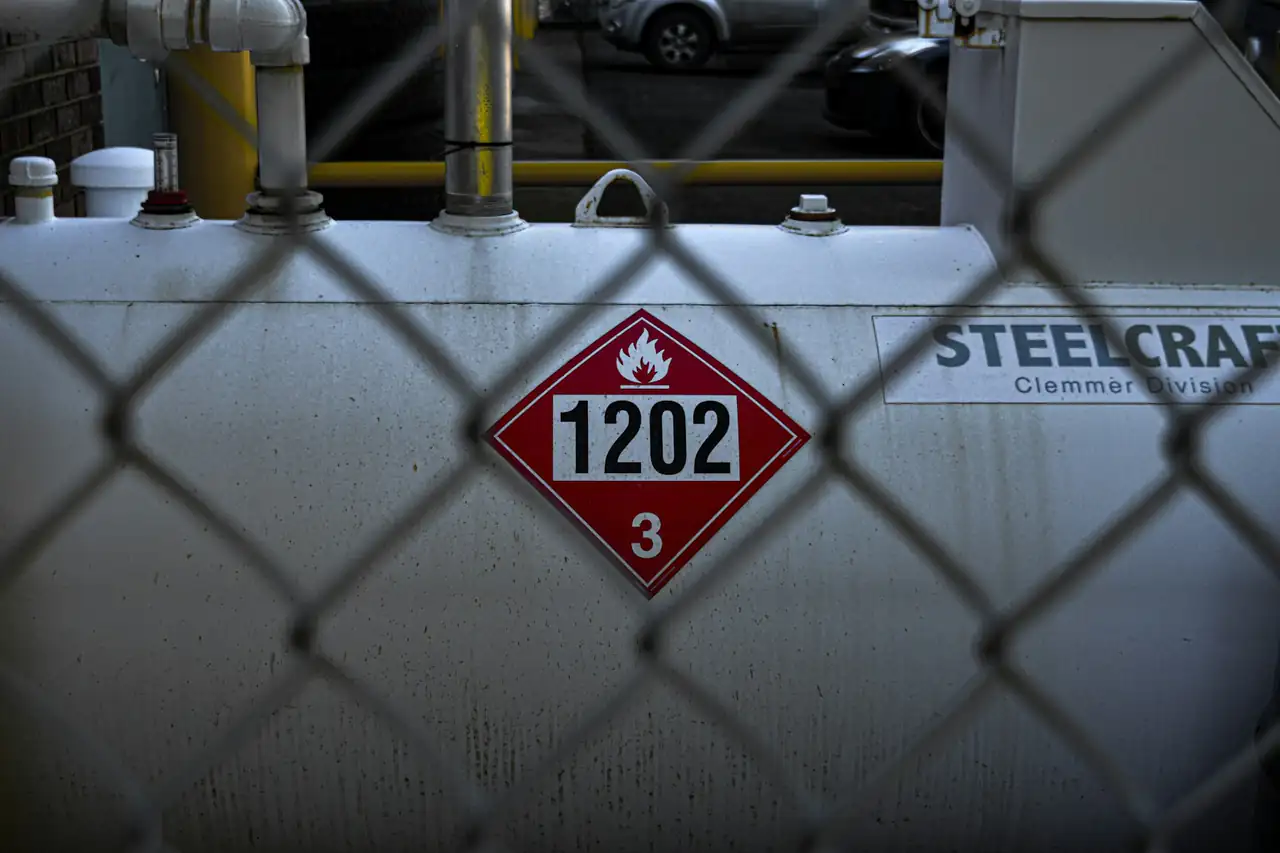
India sells a lot of quietly hazardous goods. Essential oils and attars, perfumes, incense oils, paints and lacquers, adhesives, solvent-based inks, aerosols, matches, some agrochemicals and pharmaceutical intermediates, and anything with a lithium battery (e-bikes, power tools, toys, gadgets). This guide, part of our certification guides, covers the transport side only. Chemical rules for the market itself are in REACH and safety data sheets.
Dangerous goods are anything listed or classifiable in one of the nine UN hazard classes: explosives, gases, flammable liquids, flammable solids, oxidisers, toxic and infectious substances, radioactive material, corrosives, and Class 9 miscellaneous (which is where lithium batteries and many environmentally hazardous substances sit).
Each dangerous good gets a UN number, a proper shipping name, a class and, for most, a packing group (I high danger, II medium, III low). The rules come from the UN Model Regulations, and each mode turns them into its own code:
| Mode | Rulebook | Main documents |
|---|---|---|
| Sea | IMDG Code (IMO, mandatory under SOLAS since 2004, amended every two years) | Dangerous Goods Declaration, container packing certificate, SDS, emergency contact |
| Air | ICAO Technical Instructions, applied through the IATA Dangerous Goods Regulations (67th edition in force from 1 Jan 2026) | Shipper's Declaration for Dangerous Goods, air waybill handling notes, SDS |
| Courier | IATA rules plus each courier's own, usually stricter, acceptance list | As for air, often with a pre-approval |
The classification is a fact about the product, not a choice. An oil with a flash point at or below 60°C is a Class 3 flammable liquid by definition, whatever the supplier's paperwork calls it.
Dangerous Goods Declaration (sea) or Shipper's Declaration (air). The legal statement by the shipper that the goods are correctly classified, packed, marked, labelled and fit for transport. It has to be signed by someone trained for the role. It is the document the carrier relies on, and the one that carries liability.
Container packing certificate (sea). Signed by whoever packed the container, saying it was packed and secured to the IMDG rules, with the right placards and segregation.
Safety Data Sheet. The product's chemical data sheet. For transport, section 14 gives the UN number, shipping name, class and packing group. An SDS supports the declaration but doesn't replace it. An SDS that says "not regulated for transport" in section 14 is a claim by its author, and carriers do check it against the flash point in section 9.
UN38.3 test summary. For lithium cells and batteries. It shows the cell or battery type passed the UN Manual of Tests and Criteria section 38.3 (altitude, thermal, vibration, shock, external short circuit, impact or crush, overcharge, forced discharge). Since 1 January 2020 every manufacturer and later distributor must make the test summary available. It belongs to the battery design, so a battery supplier's summary covers your product only if your product uses exactly that battery.
Non-DG letter. Not a UN document. A letter from the shipper stating the goods are not dangerous for transport, with reasons (flash point, no battery, not classified). Indian airlines and ground handlers routinely ask for one on cargo that looks risky: oils, powders, cosmetics, electronics. It shifts responsibility to the shipper, so it has to be true.
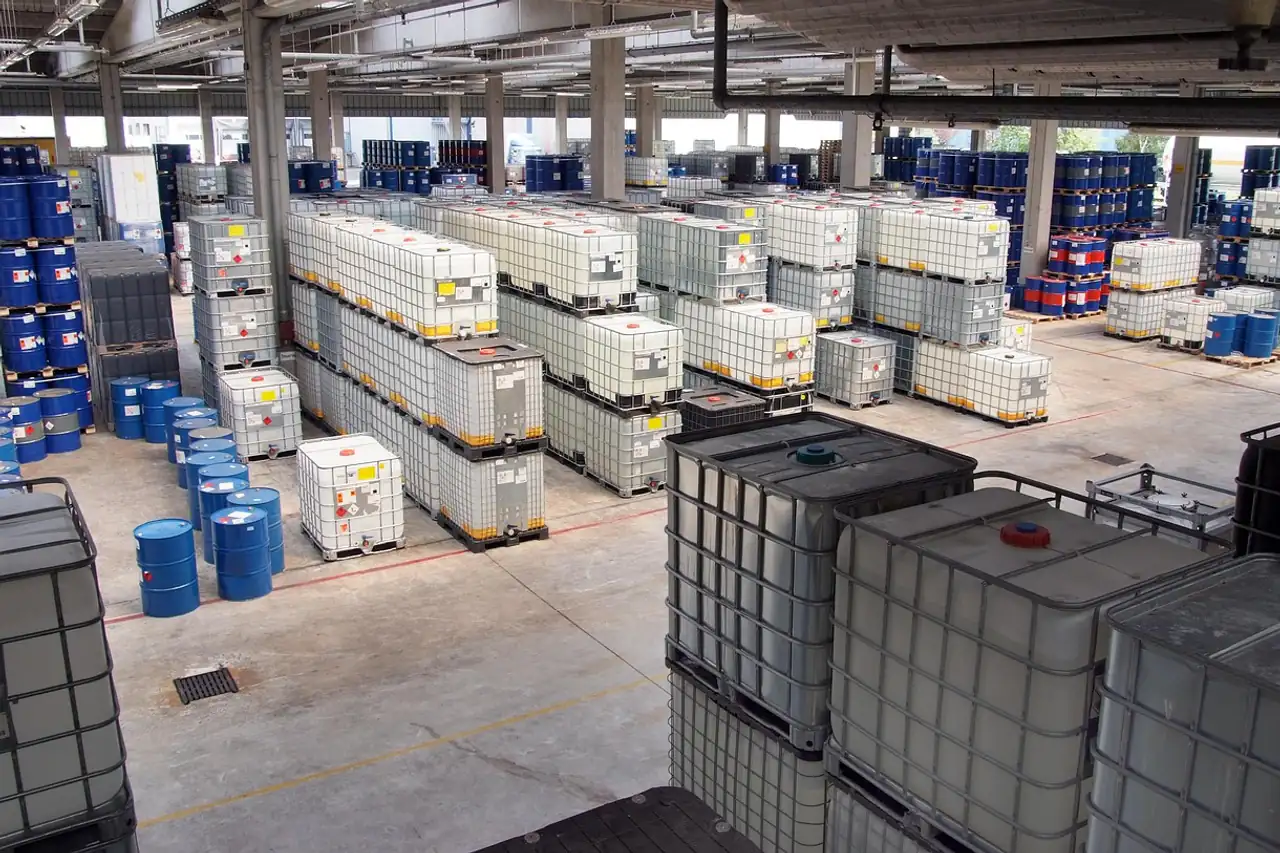
Lithium batteries are the DG item buyers meet most, through e-bikes, power banks, tools, toys, lights and speakers. The UN numbers are:
By air, lithium ion batteries on their own have had to ship at no more than 30% state of charge since 2016. From 1 January 2026, under the 67th edition of the IATA rules, batteries above 2.7 Wh packed with equipment must also ship at no more than 30% state of charge (or 25% indicated capacity), per Lion Technology's reading. Japan Airlines reads the change more cautiously. Ask your airline or forwarder for the exact rule in force when you book. The 68th edition is due on 1 January 2027.
Damaged, defective or recalled batteries are a separate, much stricter category, and are forbidden on aircraft. If you're returning faulty units from a market to India, plan that with your forwarder first.
This half is for the Indian manufacturer or exporter. Nobody issues a "DG certificate" in India. The shipper classifies, packs and declares, and the carrier accepts or refuses. What you need is the people, the packaging and the data.
Step 1 - Classify each product. Use the SDS data, flash point test (a NABL-accredited lab can run one in a few days) and the UN dangerous goods list. Record UN number, proper shipping name, class and packing group. For mixtures like attar blends or fragrance oils, the flash point of the blend decides it, not the main ingredient.
Step 2 - Write or update the SDS. Sixteen sections, GHS format, with section 14 completed for IMDG and IATA. Write it for the product you ship, not a generic one. Most buyers' markets also want it in their language (see REACH and safety data sheets).
Step 3 - Get trained staff. By air, the person who signs the Shipper's Declaration must have current dangerous goods training, under India's Aircraft (Carriage of Dangerous Goods) Rules, with DGCA-approved training providers. Training is recurrent, usually every 24 months. For sea, the IMDG Code also requires training for shore-side staff. Check the current DGCA requirement with your airline or a DGCA-approved institute.
Step 4 - Use UN-specification packaging. UN-marked drums, jerrycans and boxes tested for the packing group, with the UN mark printed on them. Buy from a manufacturer that can show the test certificate for the design. Inner packaging, absorbent and closures have to match what was tested.
Step 5 - Mark and label. UN number and shipping name on every package, hazard labels, orientation arrows for liquids, the lithium battery mark where it applies. For limited and excepted quantities, the smaller marks.
Step 6 - Prepare the declaration. The IMDG Dangerous Goods Declaration or the IATA Shipper's Declaration, plus the container packing certificate for sea. Give your forwarder the SDS and declaration at booking. Shipping lines need DG bookings approved before the box is stuffed, and Indian ports have their own hazardous cargo procedures. Allow several working days for DG approval on the line, more for Class 1, 2 and 6 goods.
Step 7 - For batteries, get the UN38.3 summary. If you buy cells or packs, ask your battery supplier for the test summary for that exact model. If you assemble your own packs, the pack needs its own UN38.3 test at a lab that runs the full series. Test time is typically a few weeks. Check current fees with the lab.
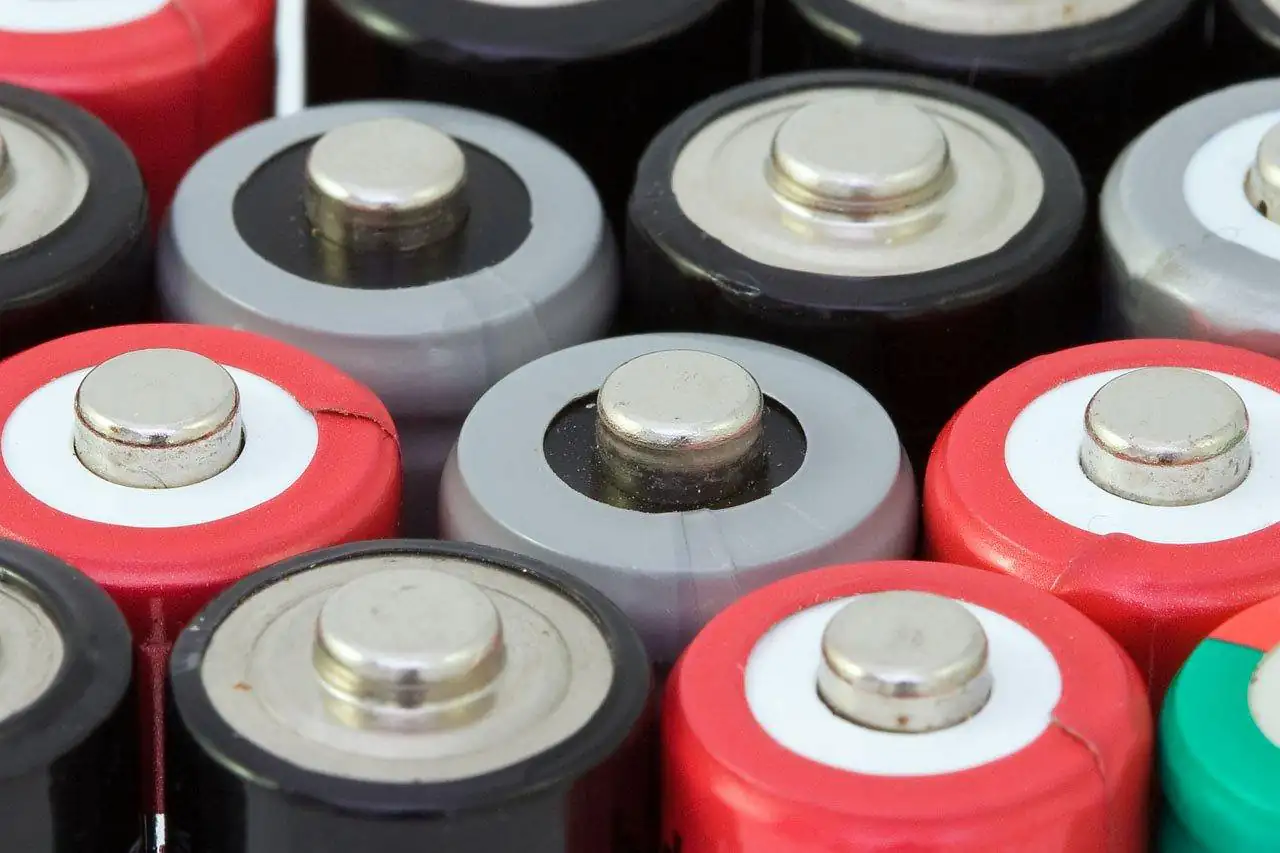
Step 8 - For non-DG goods that look risky, prepare the non-DG letter. Oils with a high flash point, herbal powders, cosmetics, gadgets with no battery. Base it on test data, sign it, and attach the SDS.
Common refusal reasons forwarders report: an SDS that doesn't match the product, a missing or out-of-date training certificate for the signatory, non-UN packaging, a battery with no UN38.3 summary, and state of charge not stated for air.
If you're a buyer and coordinating classification, packaging and approval with an Indian supplier is more than you want to run, SourcingSync (opens in a new tab) handles DG shipments from India on the ground.
This example is an illustration built from the rules above, not a real firm.
An Australian wellness brand buys 400 litres of essential oil blends from a Kannauj distiller and a pallet of e-bikes from a Ludhiana assembler, and wants both on one sea consolidation.
The oils. The distiller's SDS shows a flash point of 48°C for the eucalyptus blend and 92°C for the sandalwood blend. The first is UN1169 extracts, aromatic, liquid, Class 3, packing group III. The second isn't dangerous for transport. The eucalyptus goes in UN-marked jerrycans with Class 3 labels and a DG declaration. The sandalwood goes as general cargo with a non-DG letter backed by the flash point test.
The e-bikes. Each has a 500 Wh lithium ion battery fitted. By sea, that's UN3171 battery-powered vehicle (or UN3481 if shipped as equipment, depending on how the forwarder classifies it). The assembler gets the UN38.3 test summary from its battery pack supplier, checks the model number matches the pack fitted, and the forwarder books the DG space. The consolidator agrees to take DG cargo, which not every LCL service does from Indian ports. That decides the route.
Yes. MSDS is the older name. The current GHS format is the 16-section SDS.
Many do, because their flash point is below 60°C. It depends on the blend, so ask for a flash point test.
Yes, under the IATA rules, with UN38.3 summary, correct packing and state of charge limits. Batteries on their own go on cargo aircraft only.
A trained person at the shipper, usually the exporter. The forwarder may prepare it, but the signatory takes the responsibility.
A shipper's letter saying the goods aren't dangerous for transport. It's not an official certificate. Indian airlines often ask for one.
Ready to act
Want the shipment, documents and consolidation handled?
SourcingSync can coordinate the shipping, the documents and the hand-off to your forwarder.
India exports more mint oil than anything else, sells much of the rest through wholesalers, and ships oils that need the right cap. What to ask for, test and file before you buy.
Yash Khatri founded SourcingFrom to give buyers outside India the full picture of sourcing from India: what the country makes well, where it is made, who makes it and how it ships. He writes and edits every guide on the site, and holds each one to the same rule: say what we know, show how sure we are, and say plainly where the evidence runs out. He also runs SourcingSync, the hands-on service that does the sourcing work for buyers, and Kirnova, the data and intelligence company behind SourcingFrom Intelligence.
Want new guides when they go up? Get the newsletter
Leave your email and the PDF downloads straight away. We don't email it to you.

The IEC is the registration every Indian exporter of goods needs, and the RCMC is the export council membership that unlocks most export schemes. This guide shows buyers what each proves and how to check it on DGFT, and walks Indian exporters through getting, updating and renewing both.

CE and UKCA are the maker's own declaration that a product meets EU or GB product law, backed by a technical file and sometimes a third-party body. This guide shows an importer what to ask for and how to check it, and walks an Indian manufacturer through the steps from finding the right directive to signing the declaration.
From 27 September 2026 EU consumer law bans vague green words without proof of excellent performance, labels that are not certified or set by public authorities, and offset-based neutral claims. The UK CMA can now fine directly, and Australia's courts have fined a household brand $8.25 million. Whoever sells to the consumer carries the claim, so importers need proof from their suppliers before anything is printed.

A product carbon footprint is a calculation, not a pass mark, and it is only as good as its boundary, its data and who checked it. Carbon credits are a separate thing: a bought claim against emissions elsewhere, and since 27 September 2026 they can no longer back a "carbon neutral" product claim to EU consumers. India now runs its own credit market under BEE.

Every certificate answers one question for one market. This index lists the certification guides by group, says in a line what each one is and who needs it, and gives a table of which certificates a product family usually needs in each main market. Each guide has a half for importers and a half for Indian exporters.
A digital product passport is a data record linked to a product by a QR code or tag, required under EU law product group by product group. The battery passport comes first, from 18 February 2027. Iron and steel and then textiles are next on the Commission's indicative plan, but no product-specific rule was in force on 17 October 2026, so the data work starts before the law does.