

Essential Oils and Attars From India: Buy the Batch, Not the Bottle
- Updated
Your route: essential oils and attars from India
Made in
Leaves India from
Port not researched yet
IndicativeUseful directional information where precise verification is unavailable.UnknownInsufficient evidence, or not yet researched.
At sea
No schedule yet
Needs a researched port first
Made in
Leaves India from
Port not researched yet
IndicativeUseful directional information where precise verification is unavailable.UnknownInsufficient evidence, or not yet researched.
At sea
No schedule yet
Needs a researched port first
Made in
Leaves India from
Port not researched yet
IndicativeUseful directional information where precise verification is unavailable.UnknownInsufficient evidence, or not yet researched.
At sea
No schedule yet
Needs a researched port first
Made in
Leaves India from
Port not researched yet
IndicativeUseful directional information where precise verification is unavailable.UnknownInsufficient evidence, or not yet researched.
At sea
No schedule yet
Needs a researched port first
Made in
Leaves India from
Port not researched yet
IndicativeUseful directional information where precise verification is unavailable.UnknownInsufficient evidence, or not yet researched.
At sea
No schedule yet
Needs a researched port first
Made in
Leaves India from
Port not researched yet
IndicativeUseful directional information where precise verification is unavailable.UnknownInsufficient evidence, or not yet researched.
At sea
No schedule yet
Needs a researched port first
We have not yet researched which port Kannauj ships through. Carrier schedules read 23 Sept 2026. Days are port to port; inland haul and customs time come on top.
Add up the landed costFind the HS codeGet help shipping it (opens sourcingsync.com in a new tab)
In February 2026 the US Consumer Product Safety Commission recalled bottles of birch essential oil made in India. Nothing was wrong with the oil. Birch oil is mostly methyl salicylate, and US law says a product containing it must come in child-resistant packaging. These bottles didn't, so they were a poisoning risk for small children (CPSC recall, Feb 2026 (opens in a new tab)).
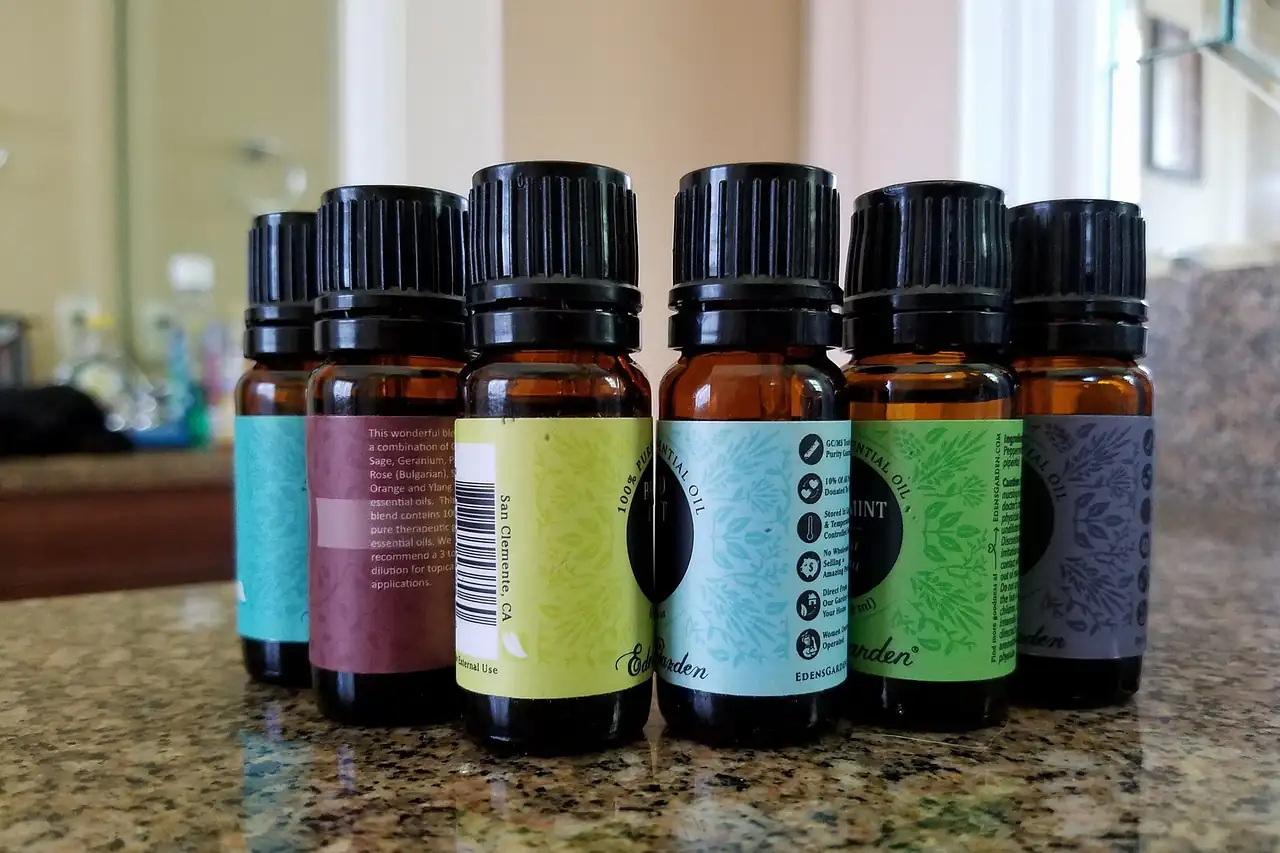
We open with that recall because it shows how essential oils go wrong for importers. Buyers worry about adulteration, and rightly. But the oil also has to be described, documented, classified and packed as the chemical it is, in your market. This page walks through what India really makes, how to check a batch, and the papers each market wants. Attars get a short section here and their own page on the Kannauj cluster. We publish no prices. Our forum evidence is mostly Indian consumers and Western hobbyists, not bulk buyers, so we use it for what it shows: where substitution happens.
What India Really Makes
Start with what India grows and distils at scale, because that's where you'll find makers rather than resellers. Mint is the giant, and the export data shows it (see the intelligence block). After mint comes a long list of crops, spices and woods, from lemongrass, palmarosa and vetiver to spice oils like black pepper, ginger and clove, plus the oleoresins covered on our spices industry page. If an Indian supplier offers forty oils, ask which ones they distil and which they buy in. A trader is a normal and useful supplier for a range, but only the distiller can tell you the field, the harvest and the still. Our manufacturer vs trading company comparison explains how to work with each.
Two oils deserve care. Lavender isn't a major Indian crop, so "Indian lavender" is often lavandin or a blend, which is the substitution forum users flag (r/IndianSkincareAddicts, 2023 (opens in a new tab)). And sandalwood. Forum voices say "Mysore" sandalwood has largely left the trade, while legal Indian sandalwood still comes from other regions (r/essentialoils, 2020 (opens in a new tab)). Buy sandalwood on legality papers and a santalol result, never on the name. The UK tariff flags CITES import controls on the essential oils heading, so ask your broker whether your oil's species needs a permit before you order (UK tariff (opens in a new tab)).
How To Check A Batch
Ask for a GC-MS report on the batch you're buying, not a sample from last year, and read three things on it. First, the main markers for that oil. For lavender, linalool and linalyl acetate should dominate, and a high camphor level points to lavandin. For peppermint, menthol and menthone. Your lab or perfumer will give you the ranges. Second, anything that shouldn't be there at all, like synthetic markers or solvents. Third, the batch number, matching the drum label and the invoice.
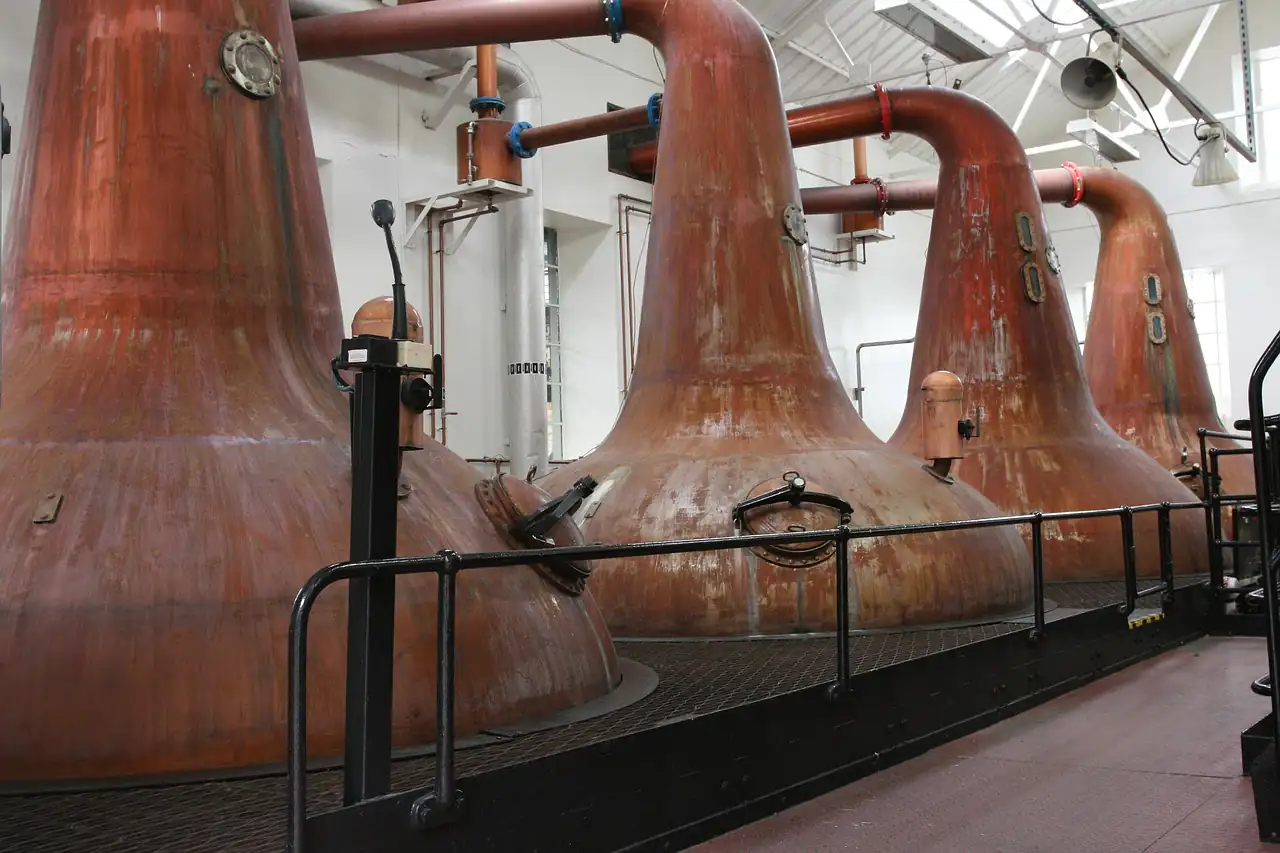
Then test your own sample at a lab you choose, on the first lot from any new supplier and periodically after that. A GC-MS from the supplier is a starting point, and the fair reading is that it describes what was tested, not necessarily what was shipped. Keep a sealed counter-sample from each drum. For bulk, ask for a sample drawn from the actual drums by an independent person.
The Papers Your Market Wants
EU. Essential oils are chemical substances. Under REACH the EU importer, not the Indian distiller, must register any substance imported at one tonne or more a year, unless the non-EU maker has appointed an "only representative" to do it (Your Europe, REACH FAQ (opens in a new tab)). Ask your supplier early whether they have one. If not, plan the registration or stay under the threshold. Add a safety data sheet in your language, the classification and hazard labelling for the oil, and an IFRA certificate for fragrance use. The UK runs a parallel REACH system, so ask your adviser what applies there.
US. Most other essential oils are free under HTS 3301.29.51, eucalyptus pays 1.8% (USITC (opens in a new tab)), and there's the 10% Section 301 duty on Indian goods from 24 July 2026 unless an exemption applies, which you should check with your customs broker. The birch recall is the reminder that retail packs of some oils, those with methyl salicylate among them, need child-resistant closures.
Australia and the UK. Australia's ECTA lines for essential oils are at 0% (DFAT FTA Portal (opens in a new tab)). The UK charges 0% on the other-oils line we read. Duty is rarely the hard part. Chemical registration and packaging are.
Attars
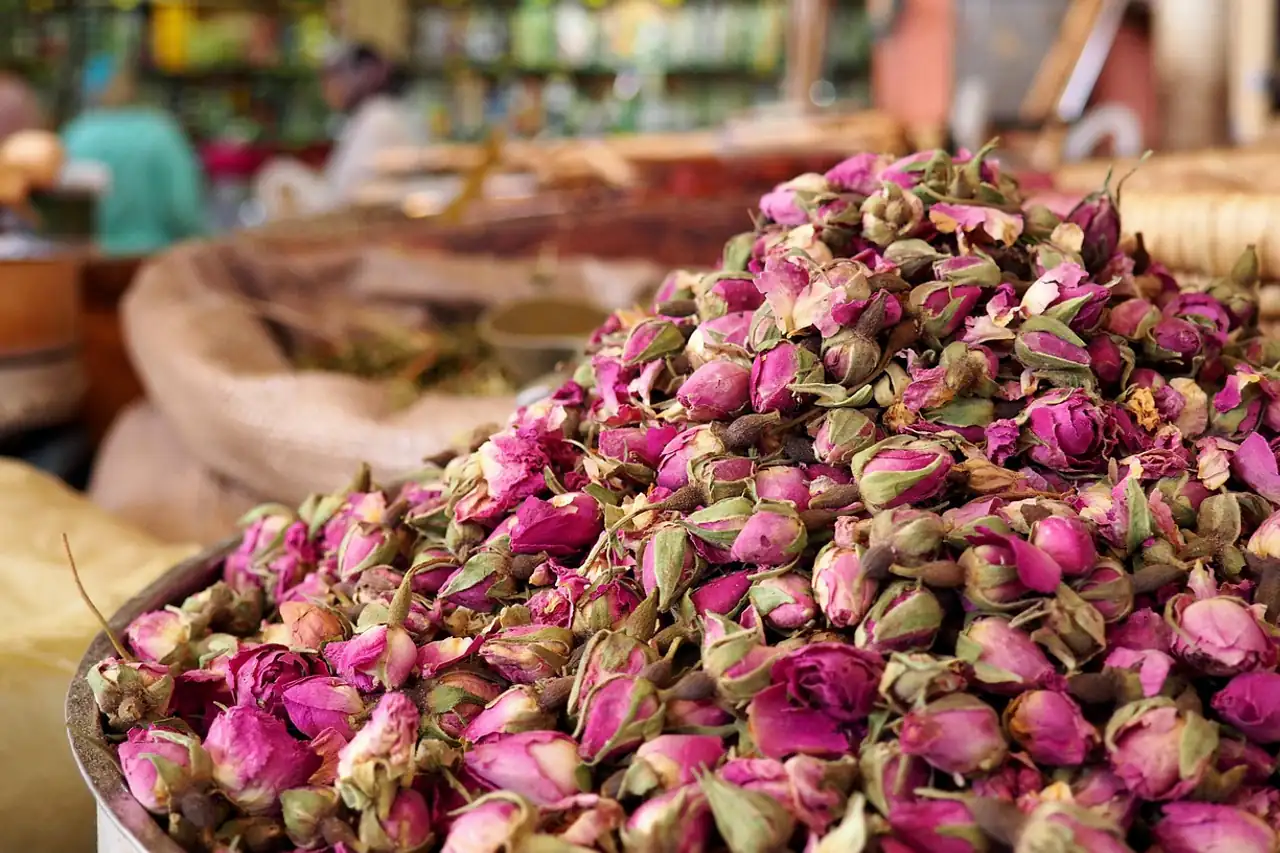
Attars are a different product. A traditional attar is distilled flowers or herbs captured in a base oil, usually sandalwood, in a copper still. Synthetic "attars" are fragrance oils in a carrier, and Kannauj residents themselves say shops sell synthetics to outsiders as natural. For export to the EU or UK, the bigger issue is fragrance chemistry. 32 of India's 62 EU cosmetic safety alerts since 2021 involved BMHCA (lilial), a banned fragrance found in perfumes, attars and body sprays (our count of EU Safety Gate). Ask for a per-batch allergen declaration and a statement that the attar contains no BMHCA. The cluster page has the rest.
Ready to act
Need hands-on help?
Visiting distilleries, drawing samples from the drums and sending them to a lab you choose are execution. SourcingSync does it for foreign buyers.
Back To The Birch Oil
The birch oil recall cost its seller a product line for want of a cap. Essential oils reward buyers who treat them as chemicals: check the batch, file the papers, pack for the market. Do that, and India's distillers, from the mint belt to Kannauj, are a deep and capable source. More products are on India product guides, and private-label skincare is on herbal cosmetics.