

Kannauj Attar and Perfume Cluster: Copper Stills, Small Batches and a Name Anyone Can Borrow
- Updated
In early 2026 a retired civil servant, JK Dadoo, wrote up a visit to the Fragrance and Flavour Development Centre in Kannauj, the government institute that has served the town's perfumers since 1991. The director gave him the town in numbers: 350 to 400 distilleries, about ₹660 crore of annual turnover, and roughly 10% of it exported. He also showed him a deg-bhapka at work, the copper pot and receiver that Kannauj still uses, fired on cow dung, with 20 kg of rose petals as a single charge (Wimwian, Mar 2026 (opens in a new tab)).
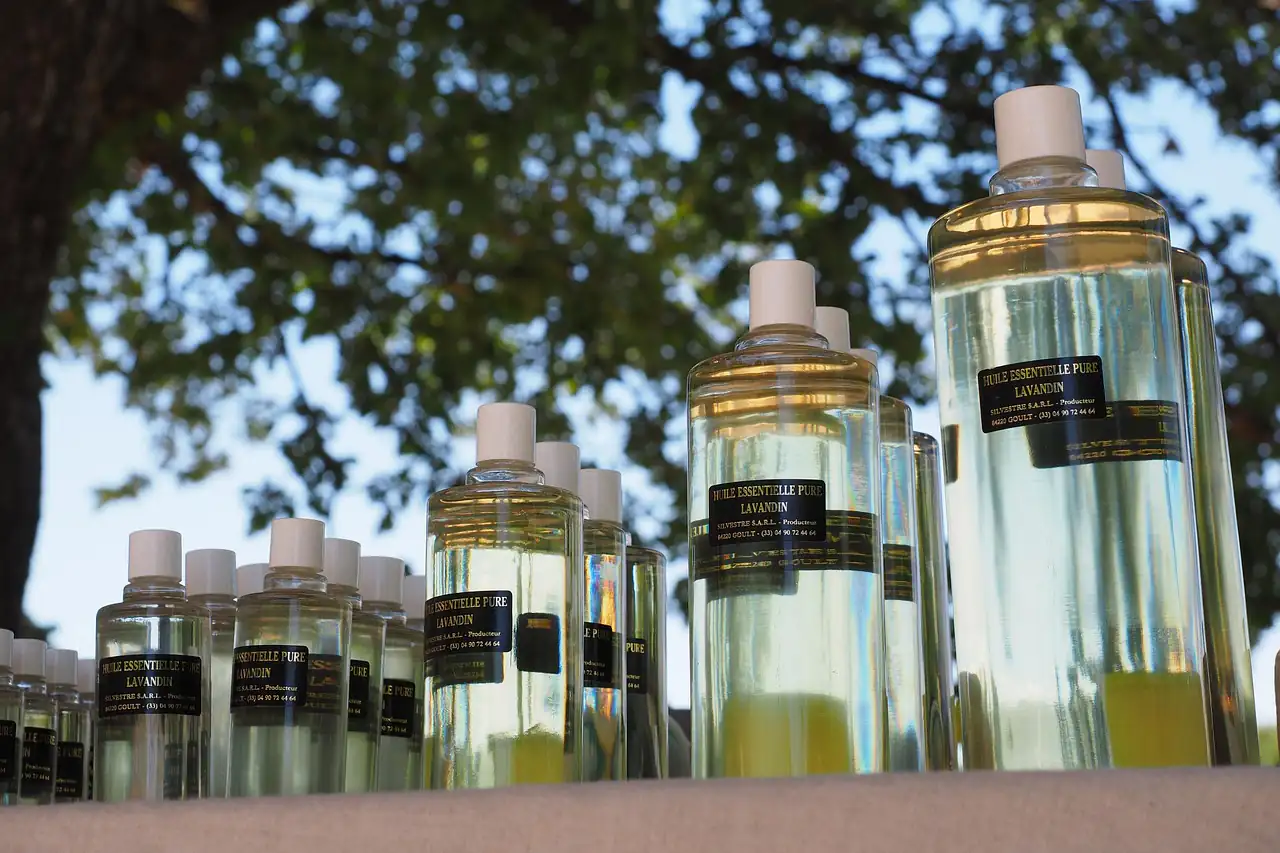
Those two pictures, a few hundred small distilleries and a 20 kg still, answer the question foreign buyers bring to Kannauj: is it a real source of natural attar at export scale? It's a real source. The scale is small batches, and the risk is the name. This page covers how the town works, what the Kannauj GI protects, where synthetics enter, and how to buy here. The figures above are the director's, as reported by a visitor, so treat them as a careful estimate. We publish no prices.
How A Kannauj Attar Is Made
A deg is a copper pot set over a fire, filled with flowers or herbs and water. The steam carries the scent through a bamboo pipe into the bhapka, a receiving vessel sitting in cool water and pre-filled with a base oil, traditionally sandalwood. The base oil absorbs the scent over a long distillation, and the process repeats over days with fresh charges until the perfumer judges it done. UP's district portal calls it "the age-old deg-bhapka distillation process" and lists attar, alongside incense and dhoopbatti, as Kannauj's district products (UP ODOP (opens in a new tab)).
Three buyer facts follow from the method. Each batch is small and seasonal, because it depends on the flower harvest. Each batch is a little different, because the perfumer judges it by nose. And the base oil is part of the product. A rose attar on sandalwood and a rose attar on a cheaper base oil are different products, and the visit report shows how large the gap in base-oil cost is. So your spec has to name the botanical, the base oil and the season, not just "rose attar".
What The GI Proves, And What It Doesn't
The GI registry confirms "Kannauj Perfume" as a registered geographical indication for manufactured goods from Uttar Pradesh (IPIndia (opens in a new tab)). That protects the name in India, and in principle only authorised users may use it there. It doesn't certify any one batch, and it doesn't stop an online seller somewhere else from saying "Kannauj" in a product title. Forum users note exactly that: online sellers borrow the town's name (r/DesiFragranceAddicts, 2024 (opens in a new tab)).
The fair reading is that Kannauj has both kinds of seller. A resident warned that town shops sell synthetics to outsiders as natural, while a foreign visitor vouched for a distillery he had visited in 2022. Both can be true at once. So treat "Kannauj" as a place to find distillers, not as proof of anything. Ask three questions. Which distillery made this, and can we visit it? What is the base oil? And will you share a GC-MS report on this batch? A GC-MS separates a distilled attar from a fragrance-oil blend, and FFDC itself runs a NABL-accredited quality lab in the town, as the visit report notes.
Buying For Export
Volume is the first conversation. A distillery that makes a few hundred litres of a botanical in a season can't fill a supermarket order of one stock unit. Buyers who do well here build ranges, several botanicals in modest volumes, and book them against the harvest. If you need large, steady volumes, a natural attar may be the wrong product, and a disclosed blend may be honest and better.
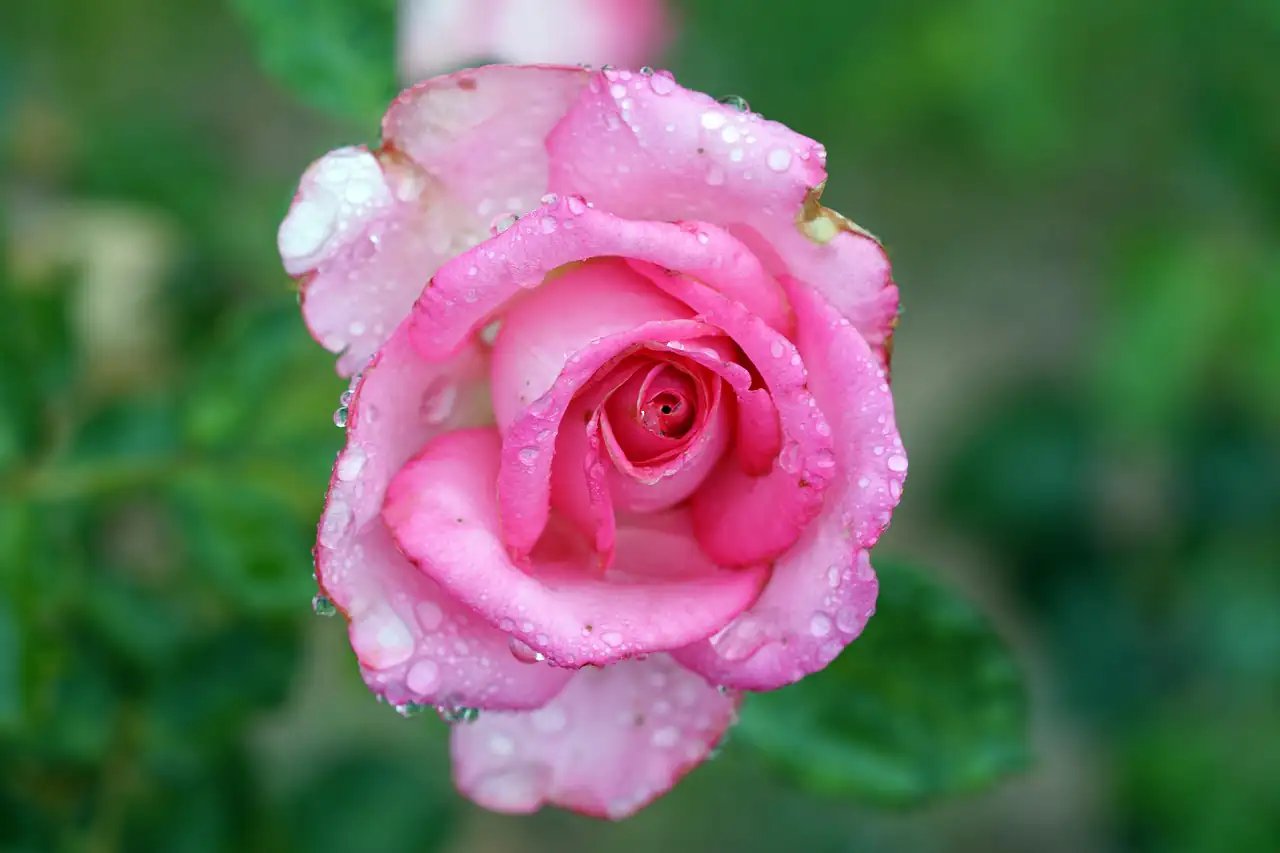
The second conversation is chemistry. For the EU and UK, an attar sold as a perfume is a cosmetic, and BMHCA is banned. India's own market still uses it, which is why it leads India's EU cosmetic alerts. Ask for a per-batch allergen declaration and a statement that the product contains no BMHCA, and have your responsible person review the formula before it ships. The cosmetics industry page explains who holds the registration in each market, and essential oils from India covers GC-MS reading and REACH for oils sold as ingredients.
The third is the route. Our cluster to port map found no inland container depot in Kannauj district. Attars are high value and low volume, so most export lots travel as air freight or small courier shipments, and Lucknow is the nearest major air cargo airport in our map. Agree the packing for flammable liquids with your forwarder, because perfume oils are usually regulated as dangerous goods in the air.
Visiting
Kannauj is a short drive from Kanpur and Lucknow. A visit works best in the main flower seasons, when the stills are running. Arrange visits to two or three distilleries through an introduction rather than the market shops, and take your own sample bottles with labels for each batch you smell. If you need someone on the ground to arrange the visits, draw samples and send them for GC-MS, SourcingSync (opens in a new tab) does it.
Related: Essential oils from India · Incense sticks from India · Herbal cosmetics · Location guides
Back To The Copper Pot
The visitor's 20 kg charge of rose petals is the honest measure of Kannauj. It isn't an industrial perfume town, and it doesn't pretend to be. It's a few hundred distillers doing something slow and real, surrounded by sellers who borrow their name. Buy from the still, not the shop, test the batch, and Kannauj gives you a product no factory can copy.