

Incense Sticks From India: The Bamboo, the Blend and the Paperwork
- Updated
Your route: incense sticks from India
Made in
Several centres
Leaves India from
Port not researched yet
IndicativeUseful directional information where precise verification is unavailable.UnknownInsufficient evidence, or not yet researched.
At sea
No schedule yet
Needs a researched port first
Made in
Several centres
Leaves India from
Port not researched yet
IndicativeUseful directional information where precise verification is unavailable.UnknownInsufficient evidence, or not yet researched.
At sea
No schedule yet
Needs a researched port first
Made in
Several centres
Leaves India from
Port not researched yet
IndicativeUseful directional information where precise verification is unavailable.UnknownInsufficient evidence, or not yet researched.
At sea
No schedule yet
Needs a researched port first
Made in
Several centres
Leaves India from
Port not researched yet
IndicativeUseful directional information where precise verification is unavailable.UnknownInsufficient evidence, or not yet researched.
At sea
No schedule yet
Needs a researched port first
Made in
Several centres
Leaves India from
Port not researched yet
IndicativeUseful directional information where precise verification is unavailable.UnknownInsufficient evidence, or not yet researched.
At sea
No schedule yet
Needs a researched port first
Made in
Several centres
Leaves India from
Port not researched yet
IndicativeUseful directional information where precise verification is unavailable.UnknownInsufficient evidence, or not yet researched.
At sea
No schedule yet
Needs a researched port first
Carrier schedules read 23 Sept 2026. Days are port to port; inland haul and customs time come on top.
Add up the landed costFind the HS codeGet help shipping it (opens sourcingsync.com in a new tab)
An Indian incense exporter wrote this year about his first shipment to Germany. "My first shipment to Germany almost got rejected at customs. Not because of the product. Because of paperwork." The customs agent's words were, "Your phytosanitary certificate doesn't match your commercial invoice." The goods sat in port for four days, with extra charges and an angry buyer. Since then he pre-clears documents with the buyer's customs agent and sends copies 48 hours before arrival. His summary: "Great product gets you the first order. Perfect paperwork gets you the second one" (Rahul S, India Incense Trade, LinkedIn, 2026 (opens in a new tab)).
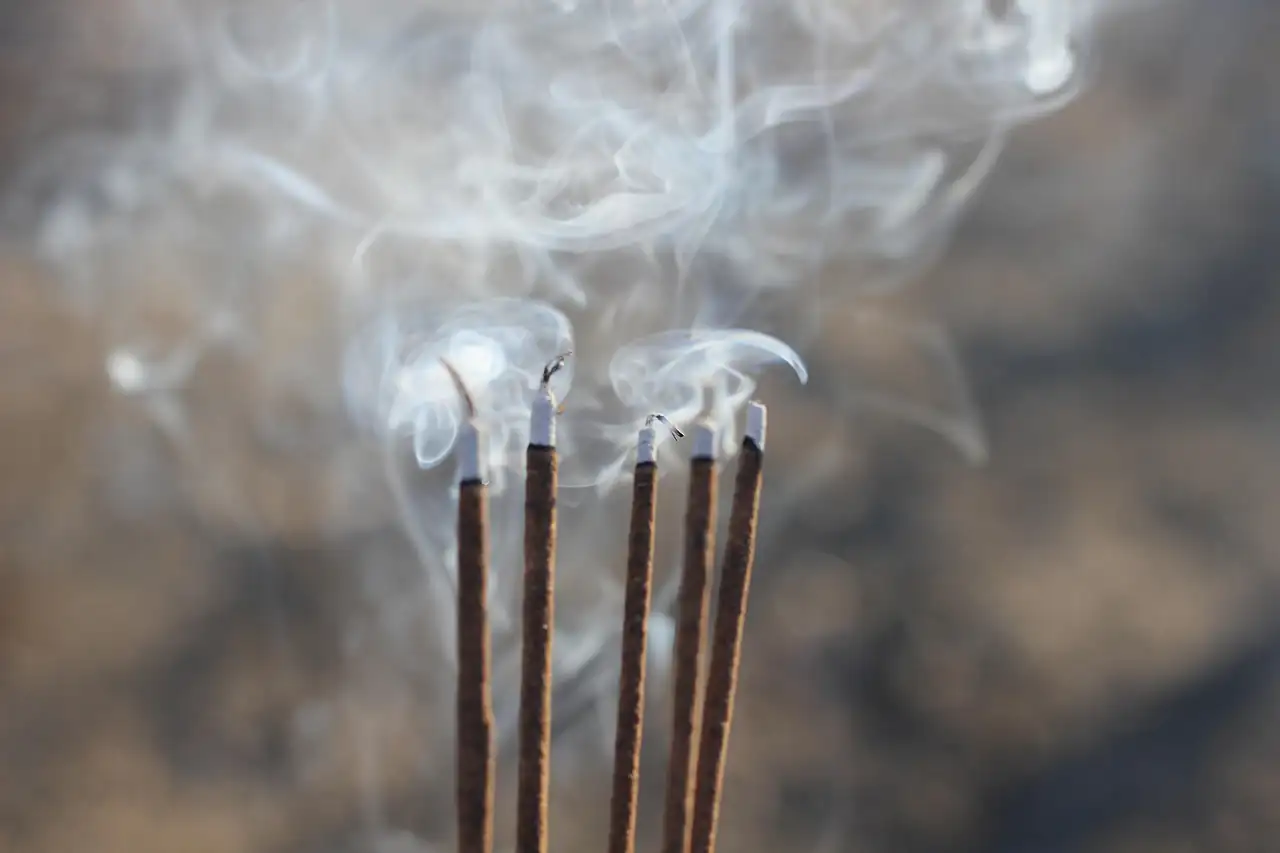
Why does a box of incense need a plant health certificate at all? Because most Indian sticks are built on a bamboo core, and bamboo is a plant product. That's the shape of this page. Incense looks like a simple product and is really three: a stick (plant material), a blend (fragrance chemistry) and a label. We take each in turn, using what buyers and makers say in the forums and what the trade data shows. We publish no prices, and forum voices here are enthusiasts and small sellers, so read them as signals rather than surveys.
The Stick
Indian incense comes in two families, and the difference decides almost everything else. Masala sticks are rolled with a paste of resins, woods, herbs and binders, then scented. Dipped sticks start as a plain blank, charcoal or sawdust on a bamboo core, and are dipped in perfume oil mixed with a solvent such as DPG. Enthusiasts rate dipped as the lower tier, and they warn that "masala" and "hand-rolled" on a pack are unreliable, with one noting "plain charcoal blanks get a light masala dusting purely for the look" (r/Incense, 2026 (opens in a new tab)). Neither family is wrong. Dipped sticks are cheap to scent in many fragrances and suit mass retail. What matters is that you pay for what you're told.
So test it yourself. Break a stick and look at the cross-section, then burn it next to your approved sample. A masala stick shows paste all the way through. A dipped blank shows a uniform dark core with scent sitting on the outside. Put the family, the core material and the stick length and weight into the order.
The bamboo core is where the paperwork starts. Our exporter's German hold was a plant-health certificate that didn't match the invoice. Some destinations ask for a phytosanitary certificate on bamboo-cored incense and some don't, and the wording on the certificate has to match the invoice line for line. Australia is strict on dried bamboo articles in general, so look your exact product up in BICON before you order, and ask your customs broker what your port expects. Kannauj, better known for attar, also lists incense and dhoopbatti as a district product (UP ODOP (opens in a new tab)), so the supply base is wider than Bengaluru and Mumbai.
The Blend
Nearly all commercial Indian incense uses some synthetic aroma chemicals. One forum poster put it plainly in 2026, "Many Indian incenses make heavy use of oils and a lot of them are synthetic aroma oils," and an EU maker said his own line uses nature-identical oils (r/Incense, 2026 (opens in a new tab)). That's not a scandal, but it makes "all natural" a claim you can't print without proof.
For the EU and UK, the blend becomes a chemistry question. Fragrance allergens and restricted substances in the perfume oil can trigger hazard labelling. Whether your sticks are treated as an article or a mixture under the EU and UK classification rules is a question for your compliance adviser, so ask before you design the pack. Ask the maker for the safety data sheet of each perfume oil they use, and an IFRA certificate from the oil's supplier. The same banned fragrance that runs through India's EU cosmetic alerts, BMHCA (lilial), is still sold in India for the home market, as our cosmetics industry page shows, so ask for a declaration that the oils don't contain it.
The Label, And The Brand On It
Private label is an established route. European brands sell Indian-made incense under their own names, one enthusiast naming a Netherlands white-label company (r/Incense, 2026 (opens in a new tab)). The "two Satya companies" story is the warning that goes with it. A brand name doesn't fix a recipe or a factory, and the same is true of your own white-label deal. Name the factory, the city and the formula in the contract, and agree that changes to either need your approval. Our private label guide covers formula ownership.
Then plan for shelf life. Dipped sticks fade fastest and hot warehouses speed it up (r/Incense, 2026 (opens in a new tab)). Book shipments so stock doesn't sit through a summer in a hot container yard or a fulfilment centre, keep a sealed retained sample from every batch, and seal the packs well.
Duty By Market
| Destination | Duty on incense (3307.41) | Note |
|---|---|---|
| UK | 6% general, 0% from India since 15 Jul 2026 | Claim the preference with an origin statement |
| United States | 2.4% general | Plus 10% Section 301 on Indian goods from 24 Jul 2026 unless exempt. Check with your broker |
| Australia | 0% under ECTA | Biosecurity check on the bamboo core decides your timeline |
| EU, NZ, UAE | Not read for this page | Ask your broker for the line |
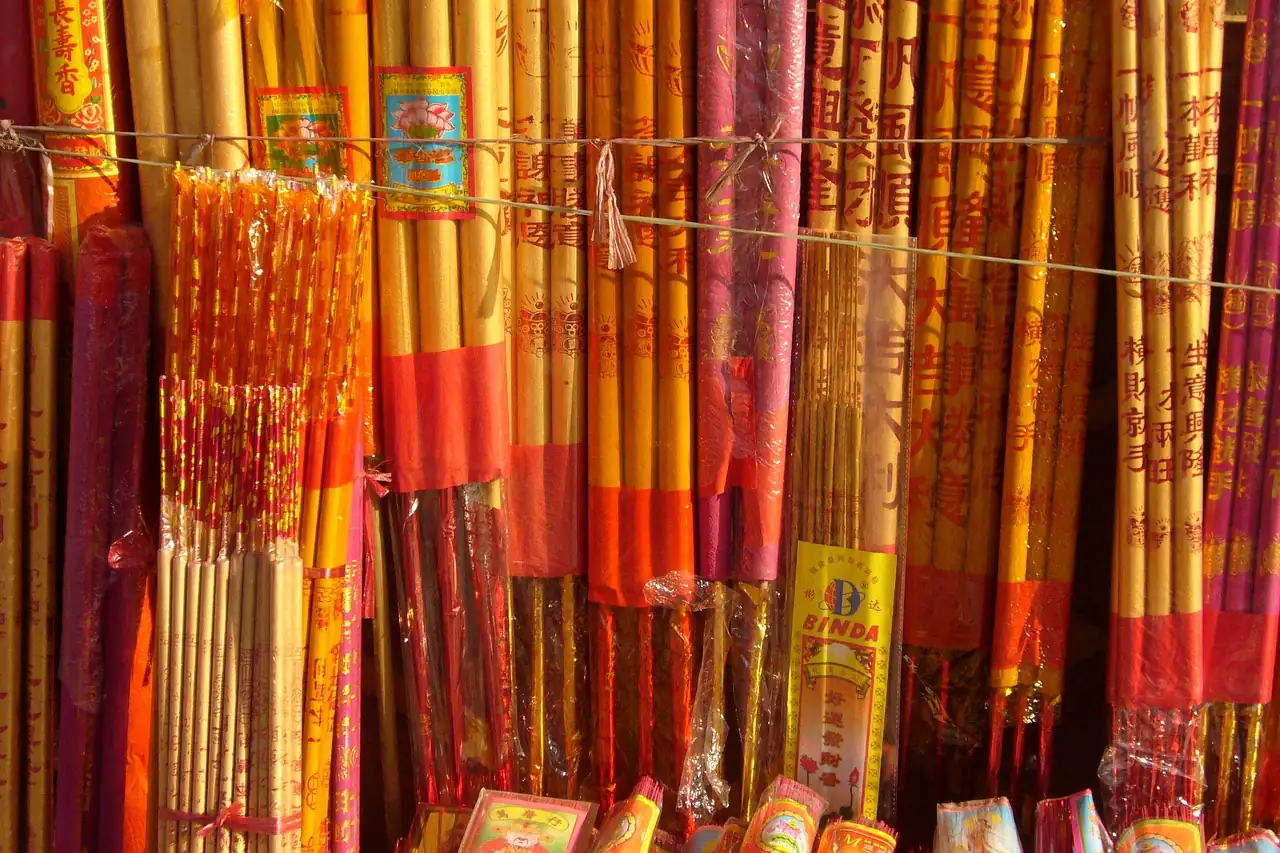
We read the UK, US and Australian lines on 7 October 2026 (UK tariff (opens in a new tab), USITC (opens in a new tab), DFAT FTA Portal (opens in a new tab)). For the UK, the certificate of origin guide explains how to claim the zero rate.
Ready to act
Need hands-on help?
Visiting incense makers, checking stick construction against your sample and lining up the documents before loading are execution. SourcingSync does it for foreign buyers.
Back To The German Port
The exporter who lost four days in Germany didn't have a bad product. He had a certificate that described his goods one way and an invoice that described them another. Incense is a forgiving product to make and an unforgiving one to ship. Get the stick, the blend and the paper to say the same thing, and the second order follows. More products are on India product guides.