Skip to content

What Is India Actually Good at Making?

Yash KhatriFounder, SourcingFrom
Updated

5 min read

India is strongest in specific products, not broad categories. Import records from the US, Australia, the UK and New Zealand show it leading in household linen, knotted carpets, babywear, women's woven tops, lab-grown stones, jute bags and saddlery, and mid-table or weaker in basic apparel, precision work, furniture and footwear.

Key takeaways

  • India is 37.4% of US imports of bed, table, bath and kitchen linen and 36.4% of New Zealand's.
  • India supplies 62.4% of US hand-knotted carpet imports.
  • About a quarter of babies' knitwear and women's woven blouses in key markets come from India.
  • Plain cotton T-shirts are a mid-table line for India at 6.9 to 8.0% of imports.
  • India tends to lead where a product starts from a home fibre, craft or raw material, and is weaker on imported components and tight tolerances.

India is strongest in specific products, not broad categories. Your own countries' import records show it supplying a third or more of household linen, most knotted carpets, about a quarter of babies' knitwear and women's woven blouses, nearly all lab-grown stones and close to half of jute sacks in markets like the US and New Zealand. It's a mid-table supplier of basic apparel and a small one in consumer electronics outside phones, furniture and plastics.

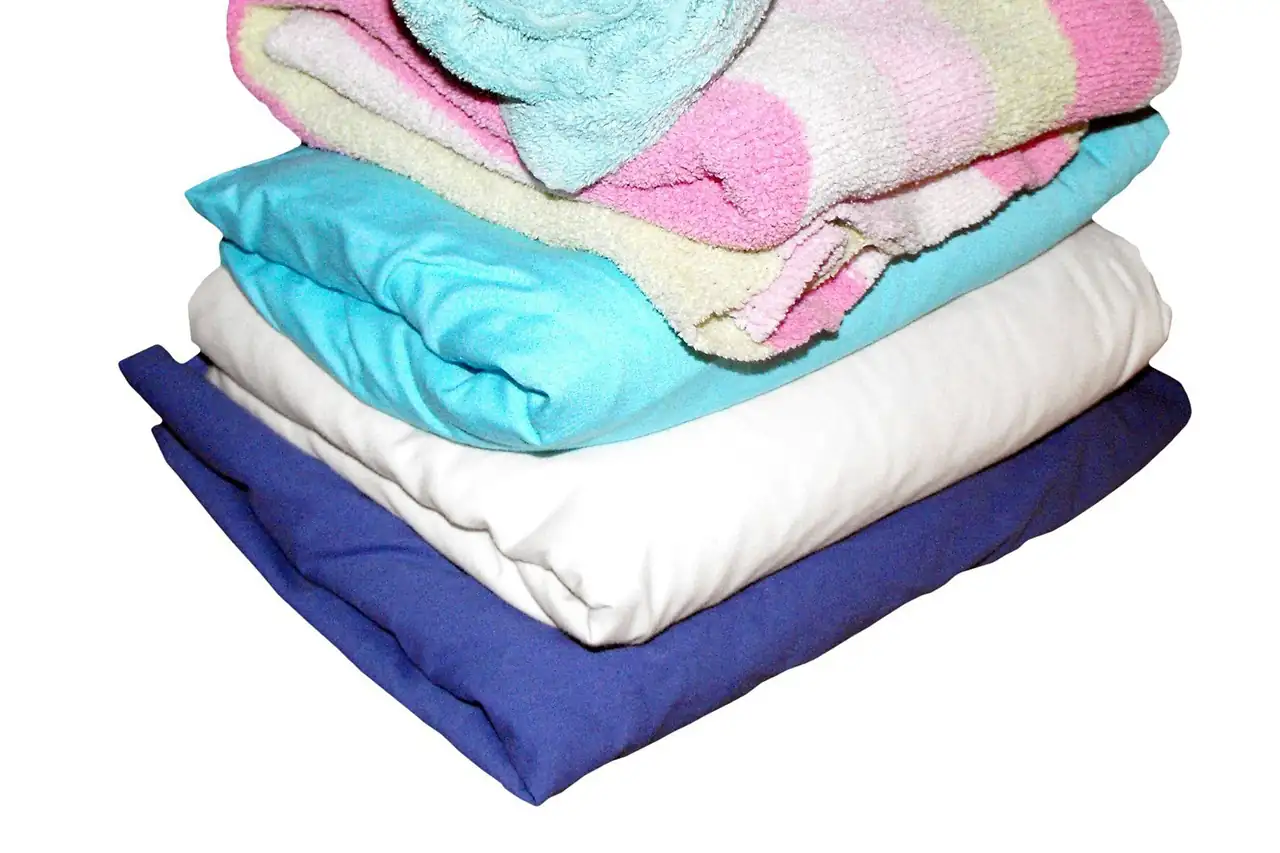
A stack of folded towels and bed linen

Most answers to this question say "textiles, spices and handicrafts". That's true and useless, because it hides the gap between a heading where India supplies 60% of a market and one where it supplies 5%. So I've gone to the importers' own customs records, the ones your government keeps, and read them heading by heading. One caveat - share shows where buyers already choose India. It doesn't promise that a new supplier will be good.

Where Does India Really Lead?

Home textiles. This is India's strongest consumer category in every market we track. India is the US's number two supplier of home textiles (18.9%), and number two in New Zealand and Australia, behind China each time (UN Comtrade, 2025). Drill down to bed, table, bath and kitchen linen and India is 37.4% of US imports and 36.4% of New Zealand's, up from 27.1% in 2020 (Stats NZ). The towels and sheets are woven in Karur, Panipat, Solapur and Erode. Our bed linen page covers the buying.

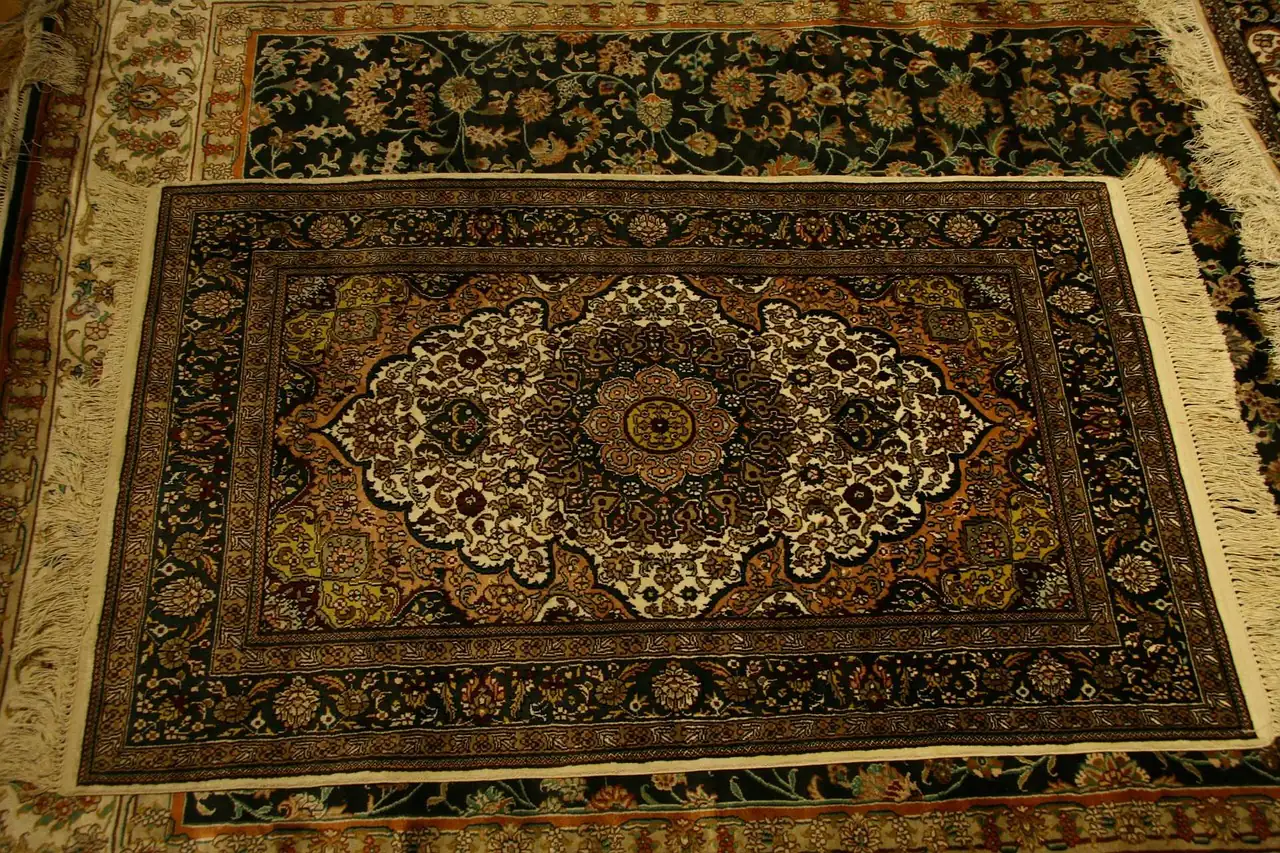
Rugs. India is the US's number one carpet supplier at 38.0%, ahead of Türkiye at 22.8%, and its share of hand-knotted carpets is 62.4% (UN Comtrade, 2025). The weaving is concentrated in a few towns around Bhadohi and Mirzapur, Jaipur and Panipat.

Specific garments, not basics. India supplies about a quarter of babies' knitted garments in the UK, US and Australia, and about a quarter of women's woven blouses in the US and UK (UN Comtrade, 2025). Those are value-added pieces - fine cotton, prints, embroidery, small-run detail. See babywear and women's woven tops.

Lab-grown stones and diamonds. India supplies 87.5% of US and 80.5% of Australian imports of synthetic stones, the heading that includes lab-grown diamonds, and 46.1% of US cut diamond imports (UN Comtrade, 2025). The cutting is in Surat.

Jute bags and sacks. An overlooked one. India supplies 57.4% of UK and 45.5% of US imports of sacks and bags for packing (UN Comtrade, 2025). Start at jute bags.

Saddlery and leather goods. India supplies 21.9% of the UK's saddlery and harness, and it's the EU's number two leather goods supplier at 10.2% (UN Comtrade, 2025). See saddlery.

Heavy metal parts. Less obvious to consumer buyers, but India supplies a quarter of Australia's seamless steel tubes and leads US imports of iron and steel castings (castings and forgings).

Rice and spices are the food lines, with India the top rice supplier to Australia at 32.1% (UN Comtrade, 2025). Spices come with a testing burden, which same spice, three borders explains.

Where Is India Weaker?

Basic apparel. India is a solid but mid-table apparel supplier, ranked 3rd to 6th in every market we track, and its share of plain cotton T-shirts runs at 6.9 to 8.0% (UN Comtrade and Stats NZ, 2025). Knitwear is losing share in the UK and the EU. Plain basics are a price fight with China and Bangladesh, and buyers in forums say India's edge is in the value-added work, not the blank tee.

Precision work. The worst buyer reports we've logged are in machining, plastic tooling, medtech and electronics components. One medtech buyer said the factories were "well equipped and capable on paper, but the reality when audited was very poor" (r/manufacturing, November 2025 (opens in a new tab), from our forum log). Leather, soft goods and craft collect the best reports. That's a pattern, not a rule, and big export-only factories behave differently from domestic factories trying export for the first time.

Tiles, from the US view. Morbi's ceramics are gaining share in the UK (2.5% to 6.9%, 2019 to 2025) and the EU, but US voices see Indian tile as big-box grade below Spain and Italy (our forum log). See ceramic tiles.

Furniture and plastics. India holds 1 to 2% of furniture imports in every priority market and has gained no ground in Australia under its trade agreement (UN Comtrade). That doesn't mean bad furniture. Jodhpur and Saharanpur make fine solid wood. It means you'll be one of fewer buyers and should expect a learning curve on drying and finishes.

Footwear. Slipping. India's share of EU footwear imports fell from 6.2% to 4.7% between 2019 and 2025 (UN Comtrade).

Why Does India Win in Some Products and Not Others?

Our data shows where, not why, so this is a reading, not a finding. The pattern is that India leads where the product starts with a fibre, a craft or a raw material it has at home - cotton, jute, wool, hides, diamonds to cut - and where a named cluster has done one thing for generations. It's weaker where the product depends on imported components, tight tolerances or very large uniform runs. If your product sits on the first list, India deserves a serious look. If it sits on the second, test hard with paid samples. The longer case is on why India, and the towns behind each line are in India's factory cities.


Ready to act

Need hands-on help?

Shortlisting makers in the right cluster for your product and checking them on the ground is execution work. SourcingSync can do it.

Talk to SourcingSync (opens sourcingsync.com in a new tab)
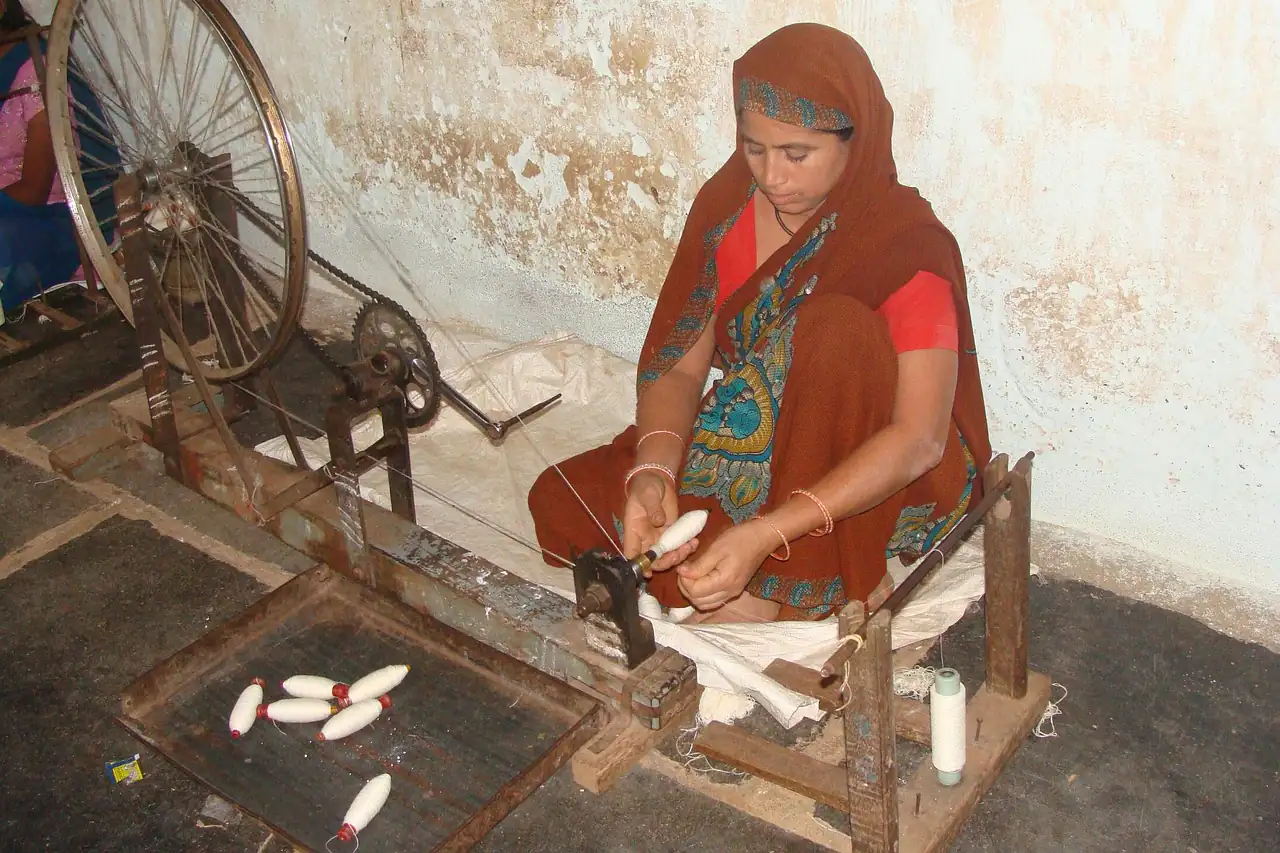
A woman at a spinning wheel in an Indian workshop

FAQ

What are the best products to import from India?

By import share: household linen, hand-knotted rugs, babies' knitwear, women's woven tops, lab-grown stones, jute bags, saddlery and leather goods.

Is India good for clothing?

For value-added garments, yes. For plain basics it's a price fight, and India ranks 3rd to 6th as an apparel supplier.

Should I source electronics from India?

Phones, yes, at big-brand scale. For small buyers it's narrower, as is India an electronics supplier explains.

Is India cheaper than China?

Sometimes, by product. Share data shows where buyers already choose India, and the comparison is on India vs China.

Yash KhatriFounder, SourcingFrom

Yash Khatri founded SourcingFrom to give buyers outside India the full picture of sourcing from India: what the country makes well, where it is made, who makes it and how it ships.

View profile

Download this guide as a PDF

Leave your email and the PDF downloads straight away. We don't email it to you.

Rules of Origin Explained: How Goods Qualify for FTA Duty Rates

Rules of origin decide whether a product made in India actually qualifies for a trade agreement's lower duty, based on what happened inside the factory rather than where the container sailed from. This guide explains the four kinds of rule, how to read the annex for your line, tolerance and accumulation, and works through a cotton T-shirt and a wooden sideboard into the UK, Australia and New Zealand.

Children's Product Safety Rules for Importers: US, UK, EU, Australia

This guide sets out the children's product safety rules in the US, EU, UK and Australia, then shows what actually fails on Indian-made children's goods. The recalls are mostly design and trim faults such as cords, poppers and sleepwear flammability, which are cheap to fix at the pattern stage.

Is a 'Kashmir' Rug Made in Kashmir?

Often not. Many rugs sold as Kashmiri are woven in Jaipur or Bhadohi, and some are not hand-knotted or Indian at all. A genuine Kashmiri hand-knotted carpet can carry a GI label with a QR code issued after inspection by a government institute in Srinagar, and that label is the check worth asking for.

Latest articles

How Long Does Shipping From India to Australia Really Take?

Sea freight from India to Sydney, Melbourne, Brisbane or Fremantle takes about 25 to 36 days port to port, and about five weeks door to door. No carrier we read sails direct, every box changes ship at a hub such as Singapore, Port Klang, Colombo or Tanjung Pelepas, and a missed connection can push a shipment past 50 days.

Mundra or Nhava Sheva: Which Port Should Your Supplier Ship From?

Mundra is the closer port for every north Indian cluster we mapped, but closer is not always faster. In the schedules we read, Mundra was quicker to the US East Coast, Nhava Sheva was quicker to the UAE, New Zealand and slightly quicker to Europe, and for Australia the two are close.

Type a word you met on the page, a product or a place.