

Handmade Rugs From India: Which Carpet Town, What Each Border Charges and Who Really Weaves
- Updated
Your route: handmade rugs from India
Made in
Leaves India from
Mundra
IndicativeUseful directional information where precise verification is unavailable.UnknownInsufficient evidence, or not yet researched.
Also Pipavav, Nhava Sheva (JNPA)
At sea
35 to 46 days
11 scheduled sailings, port to port
Every port and sailing to United Kingdom
- Mundra to London Gateway: 35 to 46 days, 11 sailings
- Pipavav to London Gateway: 39 to 61 days, 8 sailings
- Pipavav to Felixstowe: 77 to 102 days, 3 sailings
- Nhava Sheva (JNPA) to London Gateway: 34 to 41 days, 8 sailings
Made in
Leaves India from
Mundra
IndicativeUseful directional information where precise verification is unavailable.UnknownInsufficient evidence, or not yet researched.
Also Pipavav, Nhava Sheva (JNPA)
At sea
38 to 38 days
6 scheduled sailings, port to port
Every port and sailing to European Union
- Mundra to Rotterdam: 38 to 38 days, 6 sailings
- Pipavav to Rotterdam: 38 to 64 days, 5 sailings
- Nhava Sheva (JNPA) to Rotterdam: 33 to 33 days, 6 sailings
Made in
Leaves India from
Mundra
IndicativeUseful directional information where precise verification is unavailable.UnknownInsufficient evidence, or not yet researched.
Also Pipavav, Nhava Sheva (JNPA)
At sea
30 to 32 days
7 scheduled sailings, port to port
Every port and sailing to United States
- Mundra to New York/New Jersey: 30 to 32 days, 7 sailings
- Mundra to Savannah: 36 to 36 days, 7 sailings
- Mundra to Los Angeles/Long Beach: 45 to 62 days, 10 sailings
- Nhava Sheva (JNPA) to New York/New Jersey: 33 to 35 days, 8 sailings
- Nhava Sheva (JNPA) to Savannah: 38 to 40 days, 6 sailings
- Nhava Sheva (JNPA) to Los Angeles/Long Beach: 35 to 57 days, 12 sailings
Made in
Leaves India from
Mundra
IndicativeUseful directional information where precise verification is unavailable.UnknownInsufficient evidence, or not yet researched.
Also Pipavav, Nhava Sheva (JNPA)
At sea
26 to 26 days
2 scheduled sailings, port to port
Every port and sailing to United Arab Emirates
- Mundra to Jebel Ali: 26 to 26 days, 2 sailings
- Mundra to Fujairah: 25 to 25 days, 6 sailings
- Pipavav to Jebel Ali: 12 to 12 days, 6 sailings
- Pipavav to Khor Fakkan: 27 to 36 days, 3 sailings
- Pipavav to Fujairah: 40 to 46 days, 2 sailings
- Nhava Sheva (JNPA) to Jebel Ali: 7 to 14 days, 9 sailings
- Nhava Sheva (JNPA) to Khor Fakkan: 2 to 6 days, 6 sailings
- Nhava Sheva (JNPA) to Fujairah: 2 to 7 days, 3 sailings
Made in
Leaves India from
Mundra
IndicativeUseful directional information where precise verification is unavailable.UnknownInsufficient evidence, or not yet researched.
Also Pipavav, Nhava Sheva (JNPA)
At sea
29 to 42 days
21 scheduled sailings, port to port
Every port and sailing to Australia
- Mundra to Sydney: 29 to 42 days, 21 sailings
- Mundra to Melbourne: 26 to 36 days, 18 sailings
- Mundra to Brisbane: 26 to 39 days, 12 sailings
- Mundra to Fremantle: 21 to 49 days, 18 sailings
- Pipavav to Sydney: 35 to 61 days, 9 sailings
- Pipavav to Melbourne: 35 to 55 days, 8 sailings
- Pipavav to Brisbane: 32 to 58 days, 8 sailings
- Pipavav to Fremantle: 30 to 50 days, 8 sailings
- Nhava Sheva (JNPA) to Sydney: 25 to 39 days, 9 sailings
- Nhava Sheva (JNPA) to Melbourne: 20 to 40 days, 8 sailings
- Nhava Sheva (JNPA) to Brisbane: 22 to 36 days, 6 sailings
- Nhava Sheva (JNPA) to Fremantle: 15 to 52 days, 12 sailings
Made in
Leaves India from
Mundra
IndicativeUseful directional information where precise verification is unavailable.UnknownInsufficient evidence, or not yet researched.
Also Pipavav, Nhava Sheva (JNPA)
At sea
55 to 89 days
9 scheduled sailings, port to port
Every port and sailing to New Zealand
- Mundra to Auckland: 55 to 89 days, 9 sailings
- Pipavav to Auckland: 82 to 97 days, 5 sailings
- Nhava Sheva (JNPA) to Auckland: 30 to 80 days, 22 sailings
- Nhava Sheva (JNPA) to Tauranga: 37 to 39 days, 16 sailings
We have not yet researched which port Bhadohi-Mirzapur ships through. Carrier schedules read 23 Sept 2026. Days are port to port; inland haul and customs time come on top.
Add up the landed costFind the HS codeGet help shipping it (opens sourcingsync.com in a new tab)
In March 2025 a US owner asked a rug forum what a silk "Kashmir" rug bought in India was worth. A maker from Srinagar answered that "this rug is made in jaipur or bhadohi many kashmiri showrooms sell them" and that authentic Kashmiri rugs carry a GI tag you can scan (r/Rugs, March 2025 (opens in a new tab)). Another owner in the thread replied that Kashmir rugs didn't get their GI tags until 2016, and he'd bought his in 2013. So one maker's claim, one fair counter, and no way to settle it from a sofa. That's the rug trade in a paragraph. The label, the town and the loom can all be different places.
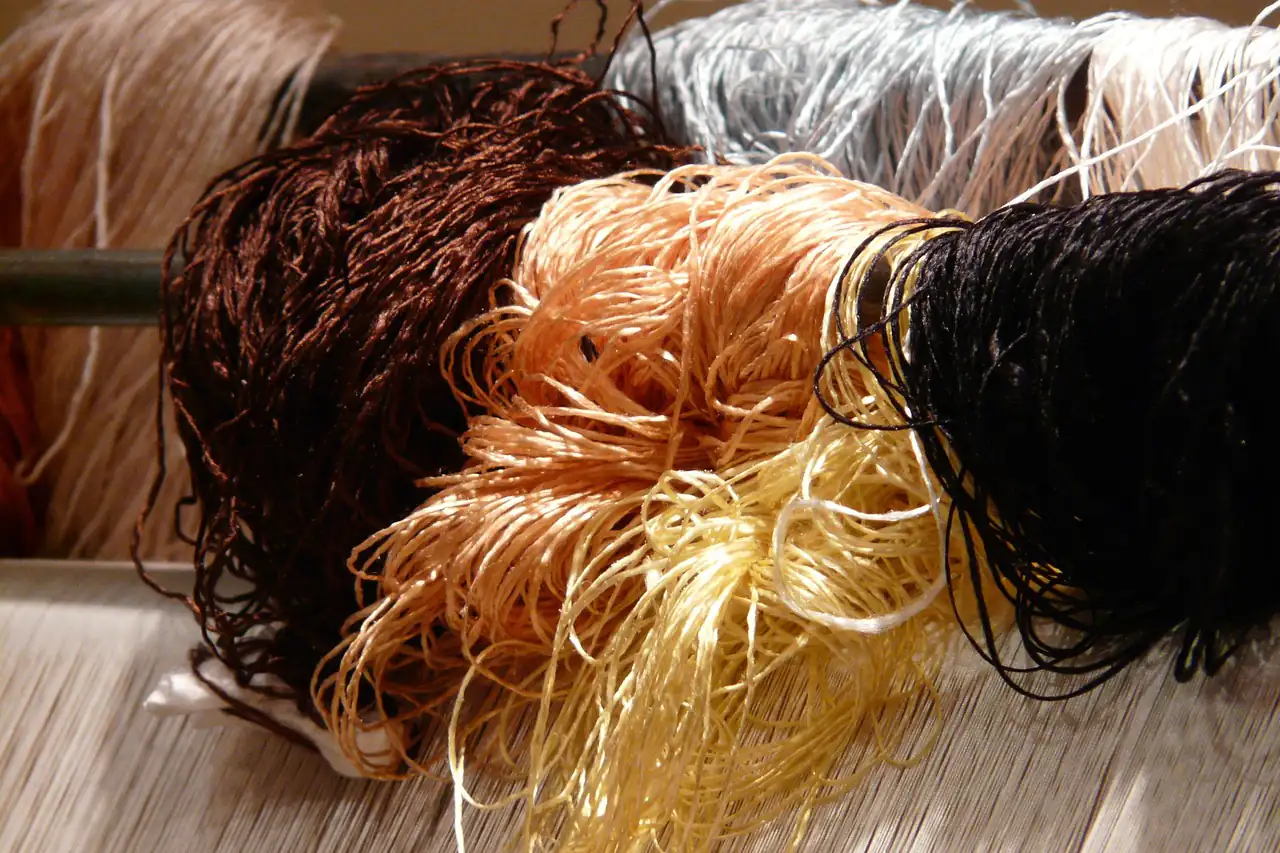
This page helps you match your rug to the right Indian town, see what each destination charges by rug type, ask who weaves your order, and time a visit. How to specify a rug (knotted, tufted or flat-woven) is on the global product page, and the colour-approval trap is covered on the India Carpet Expo page and in the products section, so we won't repeat it. One caveat. Our shipment records are US records, and we publish no prices.
1. Which Town Weaves What
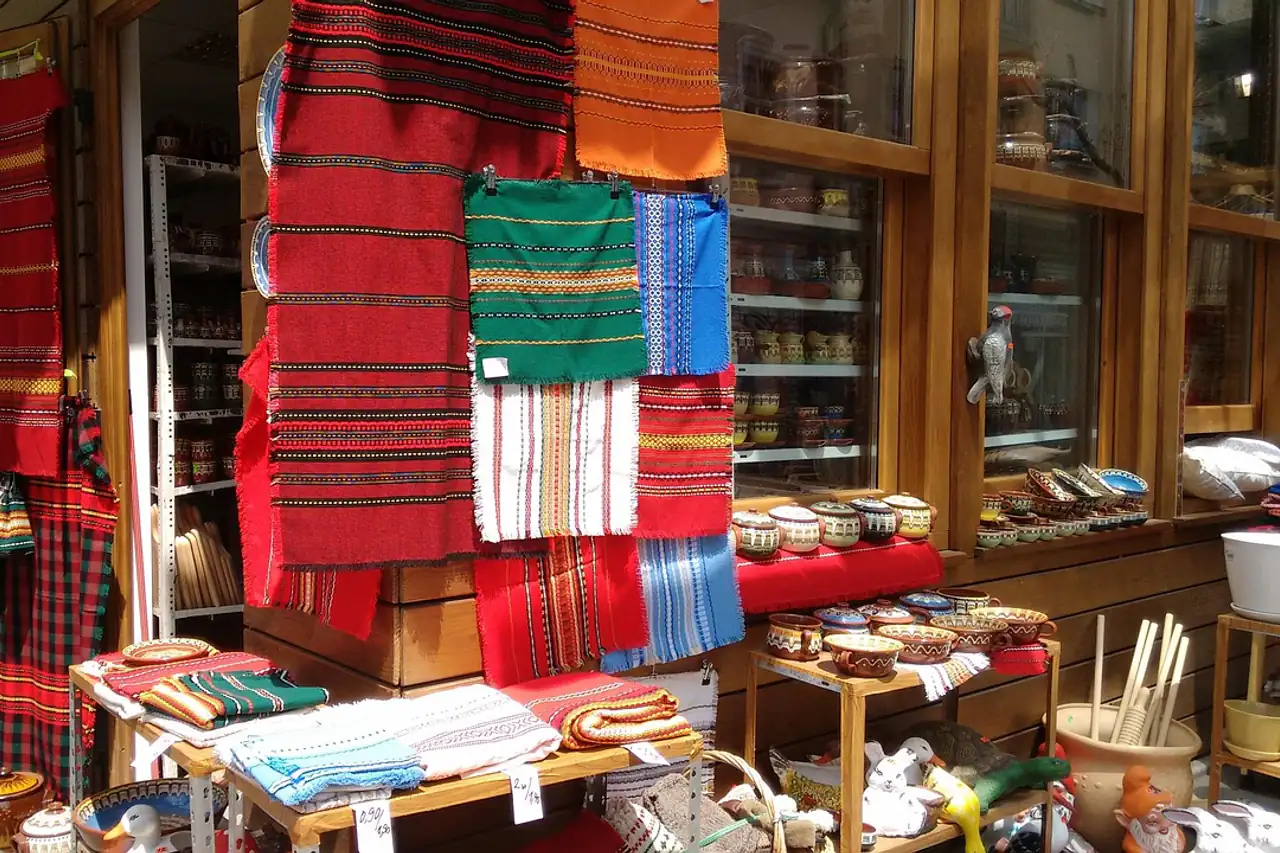
Three carpet towns sit on India's export-town list. Bhadohi is listed for carpets, Mirzapur for "handmade carpet and dari", and Panipat for carpets, floor coverings and bed linen (DGFT, Appendix 1B, 6 April 2023 (opens in a new tab)). Bhadohi and Mirzapur form one belt in eastern Uttar Pradesh, with Varanasi next door. It's the home of hand-knotted work. The Bhadohi-Mirzapur carpet cluster page covers the belt itself.
Panipat in Haryana is a different animal. Our US shipment records put it at the centre of machine-made and tufted work. In the tufted line (HS 5703) the largest named shipper is a corporate mill near Vapi in Gujarat, and the next two are in Panipat. If your rug is tufted or machine-woven, start with the Panipat textile cluster, not Bhadohi.
Jaipur, in Rajasthan, appears in the hand-knotted line too, with named shippers (the Jaipur handicrafts cluster has the town). Agra shows up too, through an archived exporter page. And if you want coir, the surprise is Kerala. In the "other carpets" line (HS 5705, which includes coir and chindi), Alappuzha is the second-biggest city, with 2,421 named shipments, against the Bhadohi-centred story most buyers expect. Our broader view of the trade is on India's carpet industry.
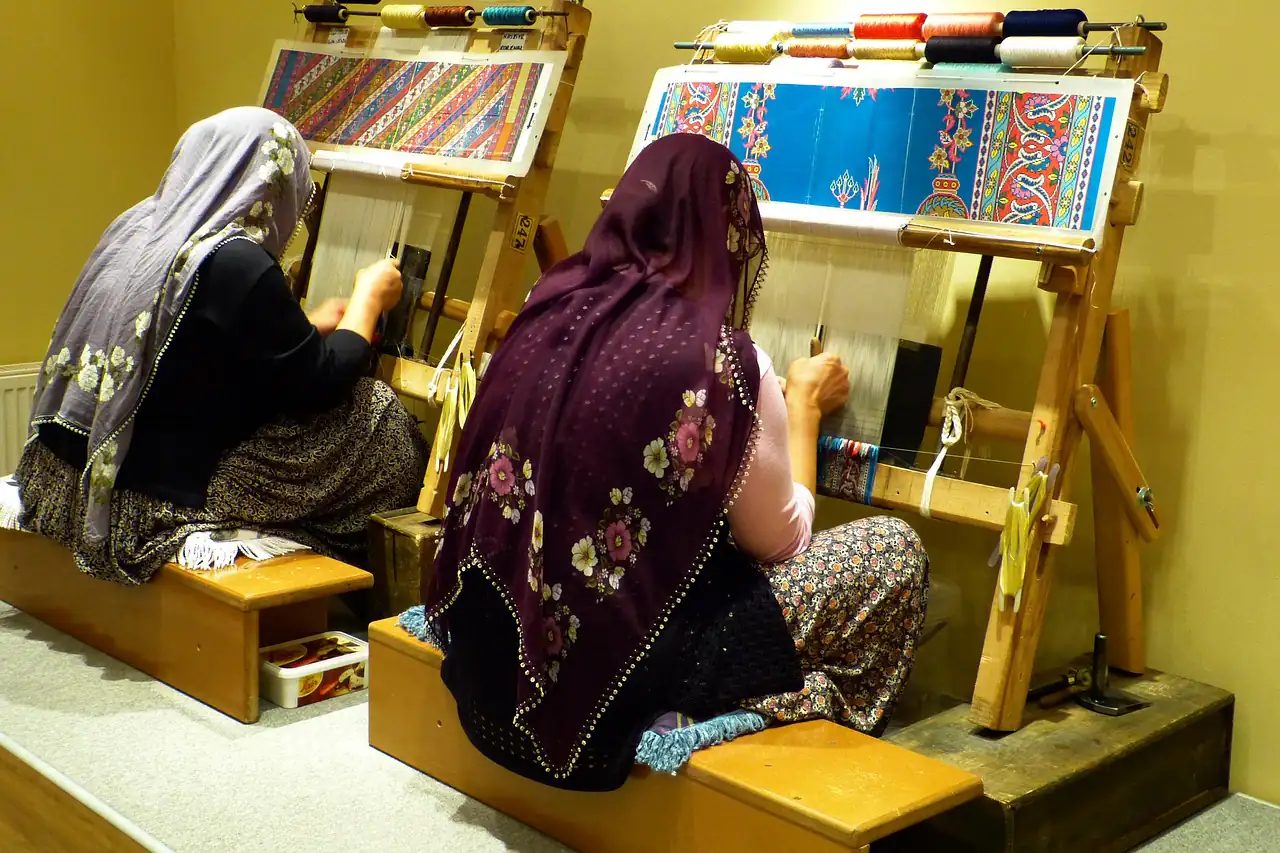
Now back to the Srinagar maker. There's a real Kashmir carpet trade, and a government mega-cluster scheme covers it, but you can't read a rug's town off its label or its showroom. Two habits help. First, ask for the loom location in writing, not the showroom's. Second, buy from the maker or the exporter who manages the weavers, not from a shop that "has" rugs. The exporter model is the norm here. Exporters design, buy the yarn, manage village weavers and finish the pieces, and that's a perfectly good way to work. It just means the name on your invoice and the hands on your rug are separate questions.
2. What The Shipping Records Add
The same bills of lading say a few more things worth knowing, again for the US only.
Intermediaries are thin here. Hand-knotted is the least forwarder-heavy line we read, and the one with the fewest anonymous shippers. That makes a supplier's name more searchable than in most categories, and it means you're probably talking to a real exporter. It doesn't tell you who weaves.
Small makers already ship part containers. Of the seven small and mid-size makers whose pages we could read across product lines, six sent between 12% and 38% of their shipments as LCL, including a Bhadohi carpet exporter and an Agra rug exporter. A small rug order, in other words, won't make a Bhadohi exporter blink. We read few pages, so ask before you assume.
And demand is soft. US shipments of hand-knotted carpets fell 32% between September 2025 and February 2026 against the year before, and 7% from March to August 2026. Machine-woven fell 60% and then 28%, and tufted fell 40% and then 20% (same data). Indian carpet exports as a whole slipped 5.31% in FY2025-26. Makers have room, so you have room to negotiate on terms and lead time. It says nothing about quality.
3. Duty By Rug Type And Border
Duty depends on how the rug is made as much as where. We re-read the Australian, UK and US tariffs on 5 October 2026. New Zealand's lines come from its Working Tariff as at 1 July 2026.
| Destination | Hand-knotted or hand-woven | Tufted or machine-made |
|---|---|---|
| Australia | 0% already on knotted and hand-woven lines, no preference needed | 5% general, 0% under ECTA with a certificate |
| New Zealand | 10% until 19 October 2026, then 0% under the FTA | The same 10%, then 0% |
| United Kingdom | 0% third-country duty on the hand-made knotted lines we read | 8% on wool tufted, 0% under CETA with proof of origin |
| United States | Free on the knotted and hand-woven lines we read, plus 10% Section 301 on Indian goods | 3.3% to 6.7% on the lines we read, plus the 10% |
| EU | Rate not read, GSP likely suspended for textiles | Rate not read, same |
| UAE | Not checked for rugs, 5% is the general rate | Same |
The lesson is that the new trade deals matter most to tufted and machine-made rugs. A hand-knotted rug already crossed the Australian and UK borders at 0%, so the certificate is no saving there. Australian data bears this out. After ECTA, carpets did relatively worse than other products against four non-FTA markets, because the tariff was never what held buyers back (India to Australia). For a tufted rug the saving is real, and the proof is the same paperwork as any product, laid out on the UK, New Zealand and US pages.
Three gaps are ours, not yours to guess. The US Section 301 exemptions are printed as page images, so we can't say whether carpets are exempt (India to the US). New Zealand's FTA rule of origin for chapter 57 isn't one we've read, so ask your supplier which rule applies. And the EU GSP suspension covers the textile sections for 2026 to 2028 by our reading, but we haven't confirmed that chapter 57 sits inside it, so run your code in TARIC (India to the EU). Whichever way it falls, the border check for a rug is the customs code, so find yours first.
4. The Labour Question, Asked Fairly
Carpets are the one category where a buyer should ask about people before price. The US Department of Labor lists Indian carpets under both child labour and forced labour on its September 2024 list (DOL ILAB (opens in a new tab)). That is a statement about a sector with a long history and a structure that makes the problem hard to see. It isn't a verdict on any exporter, and nothing on that list says your supplier does it.
The structure is the point. Weaving is spread across home and village looms, and an exporter may place your order with several weavers, who may place part of it again. That's normal, and it's why neither you nor the exporter can see every loom from an office. Organisations work on the problem in India's weaving communities. GoodWeave, for one, describes its work as removing barriers to education in carpet weaving communities in India and Nepal (GoodWeave (opens in a new tab)). The export council's own site lists a members directory, a Kaleen Label and GI in the carpet sector, and mentions GoodWeave (CEPC (opens in a new tab), read 5 October 2026). We haven't read what each of those verifies, so ask the supplier to explain it and check it with the issuer.
Practical steps that don't accuse anyone -
- Ask in the RFQ for the location of every loom that will work on your order, and whether any part is subcontracted.
- Ask for the right to visit unannounced, and mean it. A good exporter will say yes.
- Check the exporter's council membership, and ask whether the order can carry a recognised labour label.
- Keep a record. The EU Forced Labour Regulation applies from 14 December 2027, and larger UK and Australian businesses already report on modern slavery. The rules and thresholds are in cotton sourcing and traceability.
A rug that's woven where nobody can find the loom is a risk to your name, not just to the weaver. Unannounced loom visits and weaver-level checks are field work, and SourcingSync (opens in a new tab) can run them for you.
5. Quality Questions A Duty Table Won't Answer
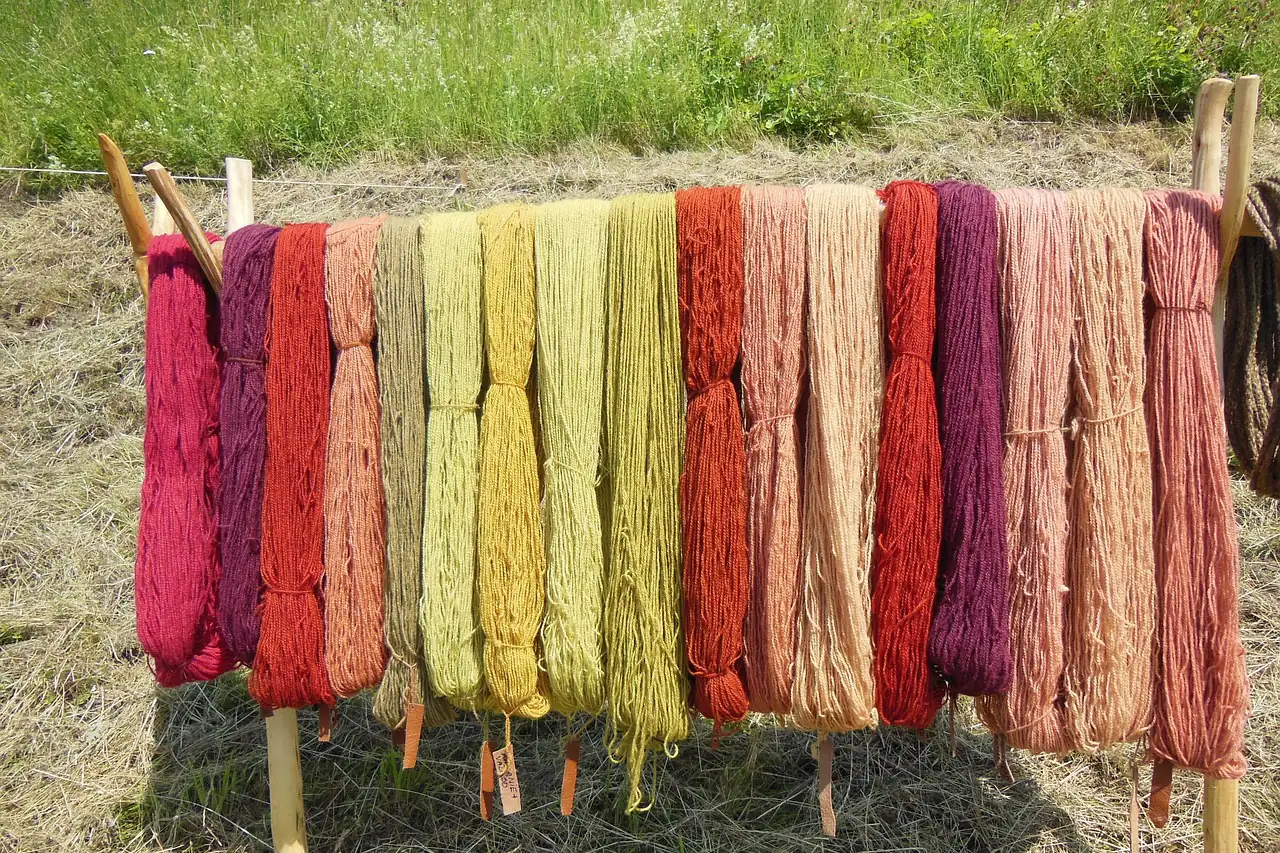
The regulators in our data don't catch rugs, so the controls are yours. Approve a dyed yarn sample in daylight before weaving starts, which is the fix for the colour problem described on the India Carpet Expo page. Treat hand-tufted rugs as a cheaper, glued-backing product and say so in your listing. And write the construction, the fibre and the weaver's location into the order, then inspect before shipping. For how inspection works see quality control in India and AQL sampling.
6. When To Meet Makers
The India Carpet Expo runs at the Carpet Expo Mart in Bhadohi. The 50th edition ran from 4 to 7 October 2026, and the organiser hasn't announced the next one yet (India Carpet Expo (opens in a new tab)). At the 50th, overseas buyers could attend all four days and general visitors only the last. The organiser's hosted-buyer terms and the visa advice are on the fair page.
If you're reading this after 7 October then plan for the next one. We couldn't find its dates on the organiser's site, so write to CEPC and ask. Also, a trip is worth more when you add a loom day. The fair shows you exporters, and the weaving belt around Bhadohi shows you the weavers. That second day is where your labour questions get answered.
Ready to act
Need hands-on help?
Loom visits, unannounced labour checks, colour approvals and pre-shipment inspection are execution, not knowledge. SourcingSync does it.
Questions Buyers Ask
Is a "Kashmir" rug always made in Kashmir?
No, one Srinagar maker says many showrooms sell rugs woven in Jaipur or Bhadohi, and another owner disputed part of that. Ask for the loom location in writing, and check any GI claim with the issuer.
Do I need an origin certificate for a hand-knotted rug?
Not to get a lower rate into Australia or the UK, since both already charge 0% on hand-made lines. For New Zealand from 20 October 2026 and for tufted rugs in Australia and the UK, yes, and the proof depends on the market.
Which Indian port do rugs leave from?
US records show most hand-knotted cargo loading at Nhava Sheva, even though the towns are inland in Uttar Pradesh. Ask your supplier which port and which rail or truck route, and put it in the quote.
Is it fair to ask my supplier about child labour?
Yes, and a good exporter expects it. Ask about every loom, not the showroom, and offer to visit.
Back To The Srinagar Maker
The maker's point still stands as the page's rule of thumb. The label on a rug tells you what the seller wants you to believe, and the loom tells you what happened. Pick the town that matches your construction, then ask where the rug is woven and who weaves it. If the answers are specific, the rest of the trade, from duty to colour, is the easy part.
Keep India product guides open for other products, and use the landed cost calculator once you have your customs code.