One caution before the detail. These sources count different things. RASFF counts notifications, the FDA counts refused entry lines (one shipment can create several), and Australia counts failing test records. Compare which hazard leads. Never add the numbers up.
Which Spices Fail Where?
Cumin fails the EU. It was 151 of the 453 Indian spice notifications, and its hazards read like a pesticide shopping list - chlorpyrifos 72, thiamethoxam 68, clothianidin 66, acetamiprid 62, tricyclazole 50. It also carried 17 notifications for pyrrolizidine alkaloids, plant toxins from weeds harvested with the crop (RASFF, our count). In the US, cumin had only 58 refused lines.
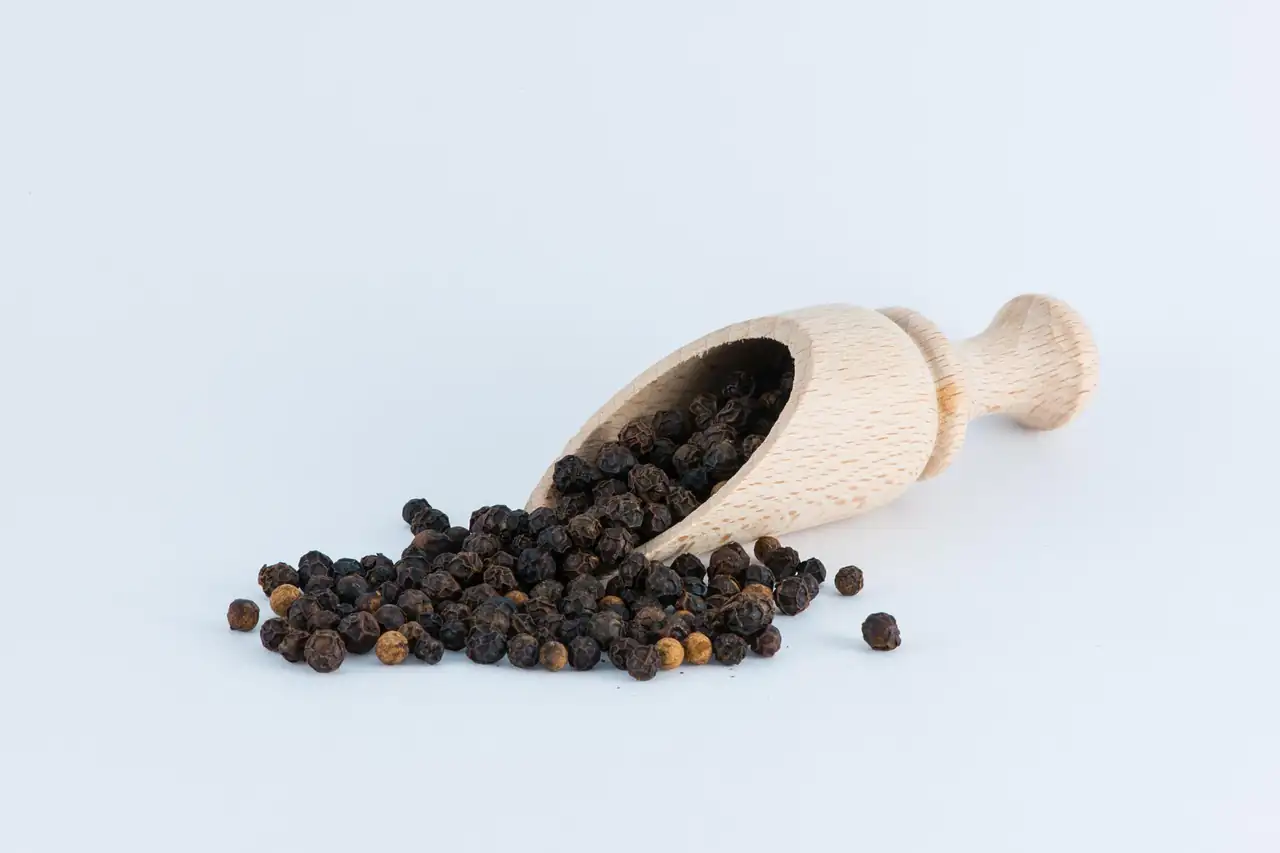
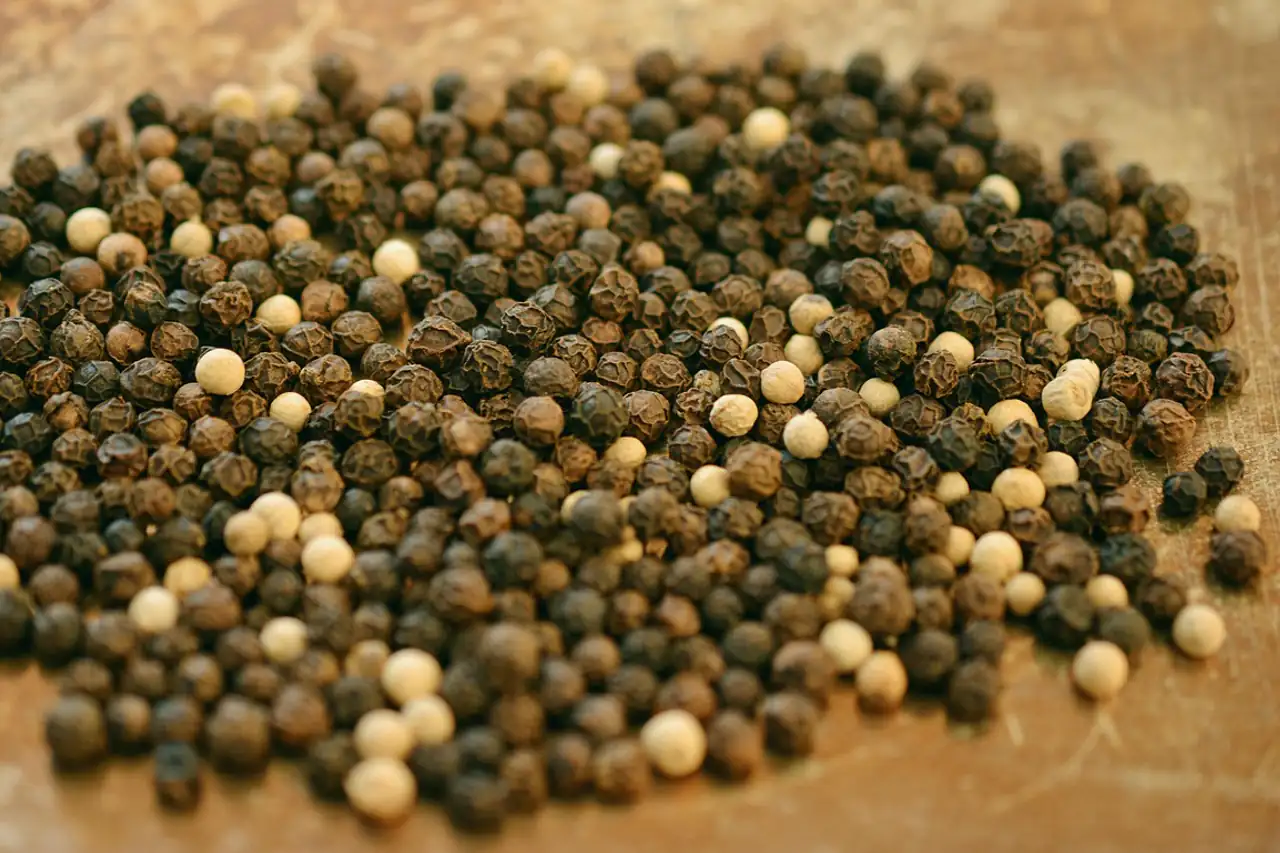
Black pepper fails the US. It had 316 refused lines, with filth on 283 and Salmonella on 262. Black pepper from India also sits under a country-wide US import alert, 28-02, in place since 1987, which is why the US asks for the export inspection certificate the alert describes (FDA import alerts, India (opens in a new tab)). Our black pepper page covers grades and buying.
Chilli fails Australia. Salmonella drove 77 of the 88 Indian spice failures there, and chilli powders were most of them. The detail, including how many were Kashmiri chilli, is in our post on Indian food failures at the Australian border.
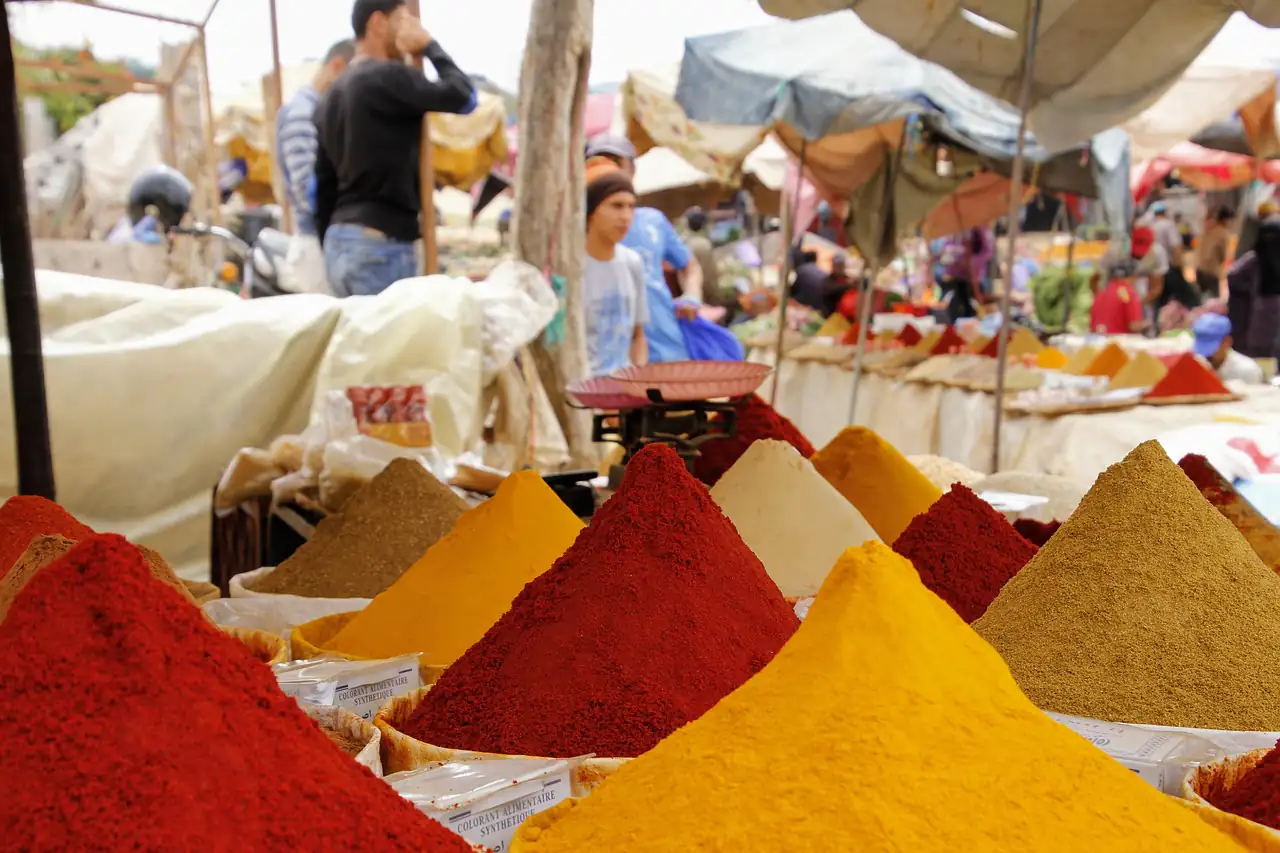
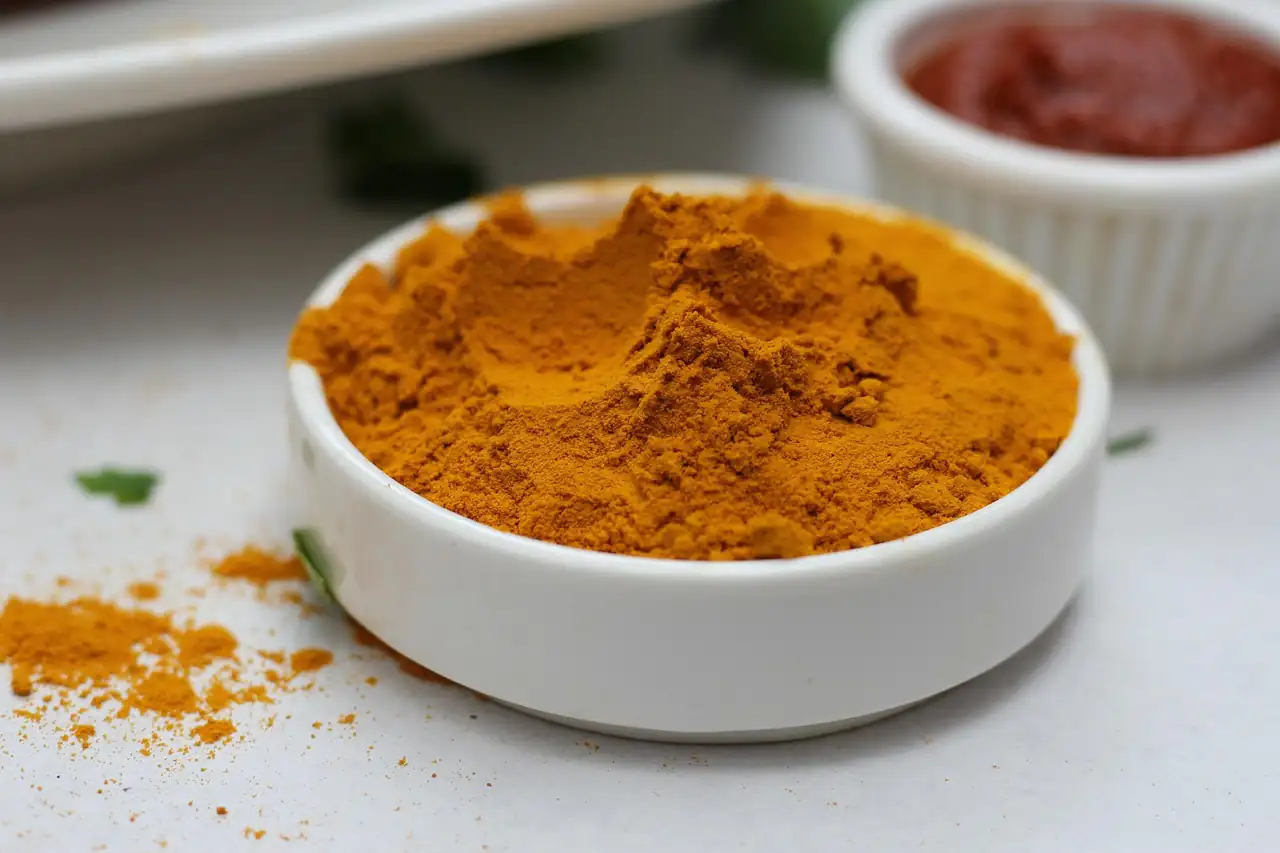
Mixes fail on more than one count. In the EU, ethylene oxide led for curry powders and mixes, 40 of 65 notifications. In the US, mixes and seasonings had 285 refused lines, Salmonella on 111 and unsafe colour on 57.
Fennel fails the US on colour. 63 refused lines, 41 for unsafe colour and 38 for colour labelling. Synthetic colour in fennel and mixes is a US problem far more than an EU one in our data.
What Changed Over Time?
In 2021 the EU story was ethylene oxide, the sterilising gas. It was in 30 of 69 Indian spice notifications that year. By 2025 it was in 5 of 82. Over the same years, farm pesticides took over - chlorpyrifos went from 10 notifications in 2021 to 39 in 2024, and thiamethoxam from 2 to 30 (RASFF, our count).