

Spice Sourcing and Why the Lab Report Decides More Than the Tariff
Cumin, chilli, pepper, turmeric and curry blends each fail borders for different reasons. What the EU, US and Australia catch, where spices are traded, and what to ask an exporter.

5 min read
Only partly. Buying whole protects you from filler and some adulteration of powders, but not from Salmonella, pesticide residues or metals from the soil. In our split of US refusals of Indian spices from 2021 to August 2026, Salmonella was charged on 52% of refused whole-spice lines against 59% of ground ones, and whole fennel carried more unsafe-colour charges than any ground spice.
Only one kind. Buying whole makes it much harder for anyone to bulk out a spice with filler or mix in cheaper powder, but it does nothing about Salmonella, pesticide residues or metals the plant took up from the soil, and in the US record it didn't even stop added colour. Whole spices need the same test panel as ground ones, minus the filler check.
The advice to "just buy whole" is everywhere after every spice scare, and it starts from something true. A US forum voice put it fairly in 2024: "Typically if spices are adulterated with any filler it will be in the ground forms" (r/tea, March 2024 (opens in a new tab)). The trouble is the jump from "no filler" to "safe". So I split the official border records on Indian spices by form, whole against ground, to see which risks follow the powder and which follow the crop. The caveat - these are records of what regulators caught, not failure rates, and the split rests on how each product was named on the record.
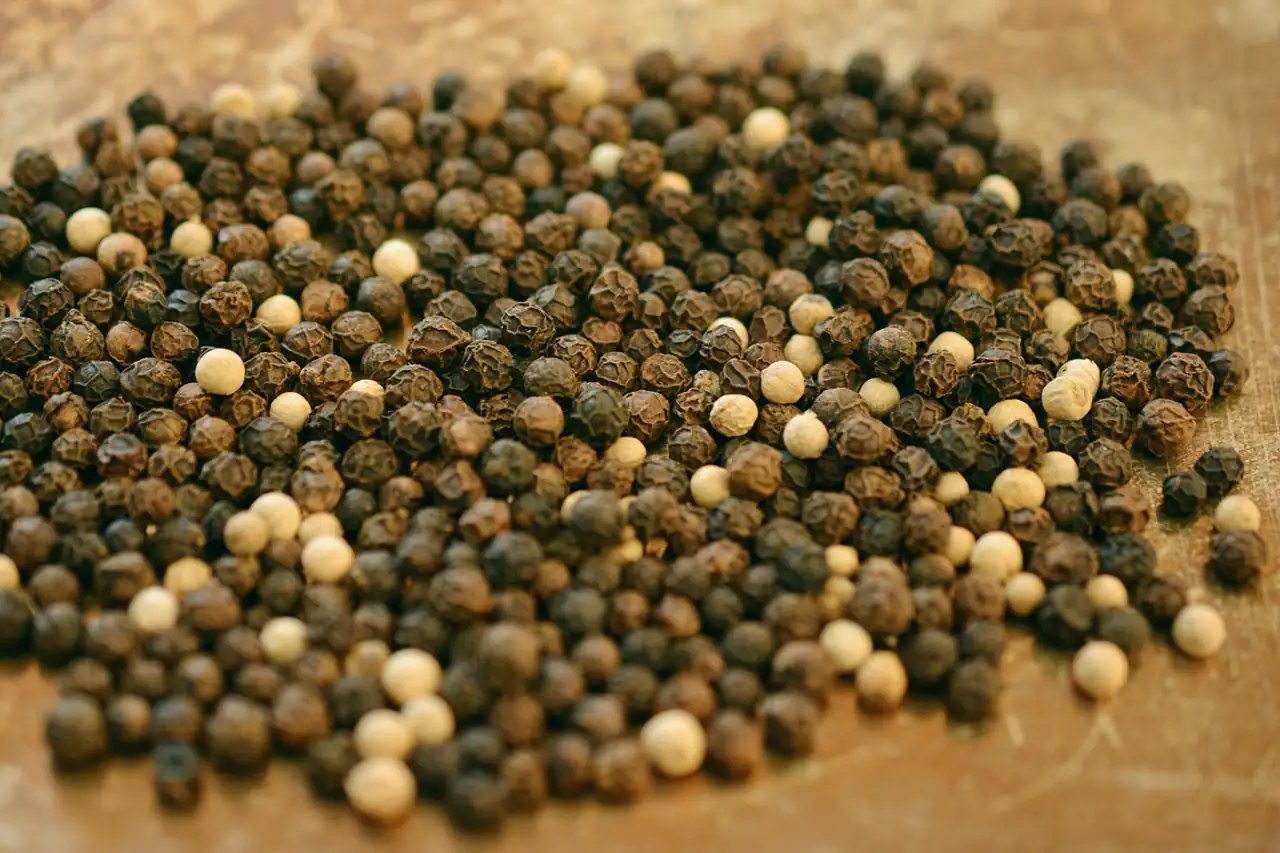
Filler and powder fraud. You can't easily bulk out a peppercorn or a cumin seed with a cheaper material, and a whole lot can be looked at, sorted and density-tested in a way a powder can't. For black pepper that's a real tool, because light, hollow berries pull bulk density down, and a minimum density in grams per litre belongs in the contract (the black pepper contract page has the clause).
That's the whole list, though. It's a protection against what someone adds after harvest at the grinding stage. It isn't protection against what grew on, landed on or was sprayed on the crop.
No, and the US data is blunt about it. Salmonella was charged on 52% of refused whole-spice lines and 59% of ground ones in our split of FDA refusals of Indian spices (January 2021 to August 2026). Black pepper alone had 136 refused whole lines. Filth, meaning insects, hair or excreta, was charged on 33% of whole lines, slightly more often than on ground (29%).
The reason is simple. Spices are dried outdoors, often on farms, and the contamination sits on the surface of the seed, berry or bark. Grinding spreads it through a lot, but it was already there. A whole lot needs the same thing a ground one does - a validated kill step at the processor (steam, usually) and a Salmonella test on the finished lot, absence in 25 g. The questions about how the kill step was done are on steam-treated or EtO.
You'd think so. In the US record it didn't. Unsafe colour was charged on 44 whole-spice lines, 40 of them whole fennel, against 19 ground lines (same FDA data). Colour was found on whole seeds. A related charge, colour labelling, sat on 42 whole lines. Ground spices with salt and mixed seasonings carried their own colour charges, but the single biggest colour problem in the data was a whole spice.
So if you buy whole fennel for the US, keep a synthetic colour screen in the panel. The EU record shows the same issue more rarely, for example a 2022 notification for the dye auramine O on cumin.
These come from the field, so the form doesn't matter. In the EU, 51 of the 68 notifications we could identify as seeds or whole spices were for farm pesticide residues, most of them cumin seeds with several residues at once (our RASFF analysis). An Indian forum voice made the same point in 2023 about organic produce, that it "won't fix heavy metals naturally present in soil unfortunately" (r/IndianFood, August 2023 (opens in a new tab)).
Lead tells the most surprising story. The FDA charged lead on only 10 refused lines of Indian spices in the period, and 7 of them were whole cassia. Turmeric has its own version, where polished whole roots ranked worst for lead in Indian market studies, as our turmeric page explains. Buying whole can put you closer to a metals problem, not further away.
Whole spices can be fumigated too. Most of the EU's ethylene oxide cases on Indian spices were on ground spices and blends, but we found it on cumin seeds, fennel seeds, coriander seeds, cloves and whole cassia, 7 notifications out of 98 that named the gas (our RASFF analysis). The treatment is a processor's choice, and it applies to whatever goes into the chamber.
The panel follows the border, not the form. Here's how the risks split -
| Risk | Does buying whole help? | What to test |
|---|---|---|
| Filler, mixed powder | Yes | Visual sort, bulk density, and for powders a microscopy or authenticity check |
| Salmonella and filth | No | Salmonella on every lot, filth for the US |
| Added colour | Not for fennel | Synthetic colour screen for fennel and mixes going to the US |
| Pesticide residues | No | Multi-residue panel on the raw lot for the EU and UK |
| Lead and other metals | No | Metals for cassia, cinnamon and turmeric |
| Ethylene oxide | No | EtO plus 2-chloroethanol where the method is unknown |
The border-by-border reasoning is on same spice, three borders, and the method for any food on food import testing. If you'd like the sample drawn at the processor by someone who doesn't work for the packer, SourcingSync (opens in a new tab) does that in India.
It's a good guard against filler, and you control the grind. It doesn't sterilise anything, so the lot still needs a kill step and a Salmonella test before you grind it.
Organic speaks to how the crop was farmed. It doesn't test for Salmonella or soil metals, so the panel stays the same.
The refusal records give the charge, not the method. A synthetic colour screen on the lot catches it either way.
Our counts show what borders caught, not how often lots fail, so they can't rank countries. They do show which tests matter for Indian spices at each border.
Ready to act
Want this supplier checked before you commit?
SourcingSync can verify who makes it and who answers for quality, then manage the supplier for you.
Cumin, chilli, pepper, turmeric and curry blends each fail borders for different reasons. What the EU, US and Australia catch, where spices are traded, and what to ask an exporter.
Yash Khatri founded SourcingFrom to give buyers outside India the full picture of sourcing from India: what the country makes well, where it is made, who makes it and how it ships. He reviews every guide on the site and holds each one to the same rule: say what we know, show how sure we are, and say plainly where the evidence runs out. He also runs SourcingSync, the hands-on service that does the sourcing work for buyers, and Kirnova, the data and intelligence company behind SourcingFrom Intelligence.
Want new guides when they go up? Get the newsletter
Leave your email and the PDF downloads straight away. We don't email it to you.
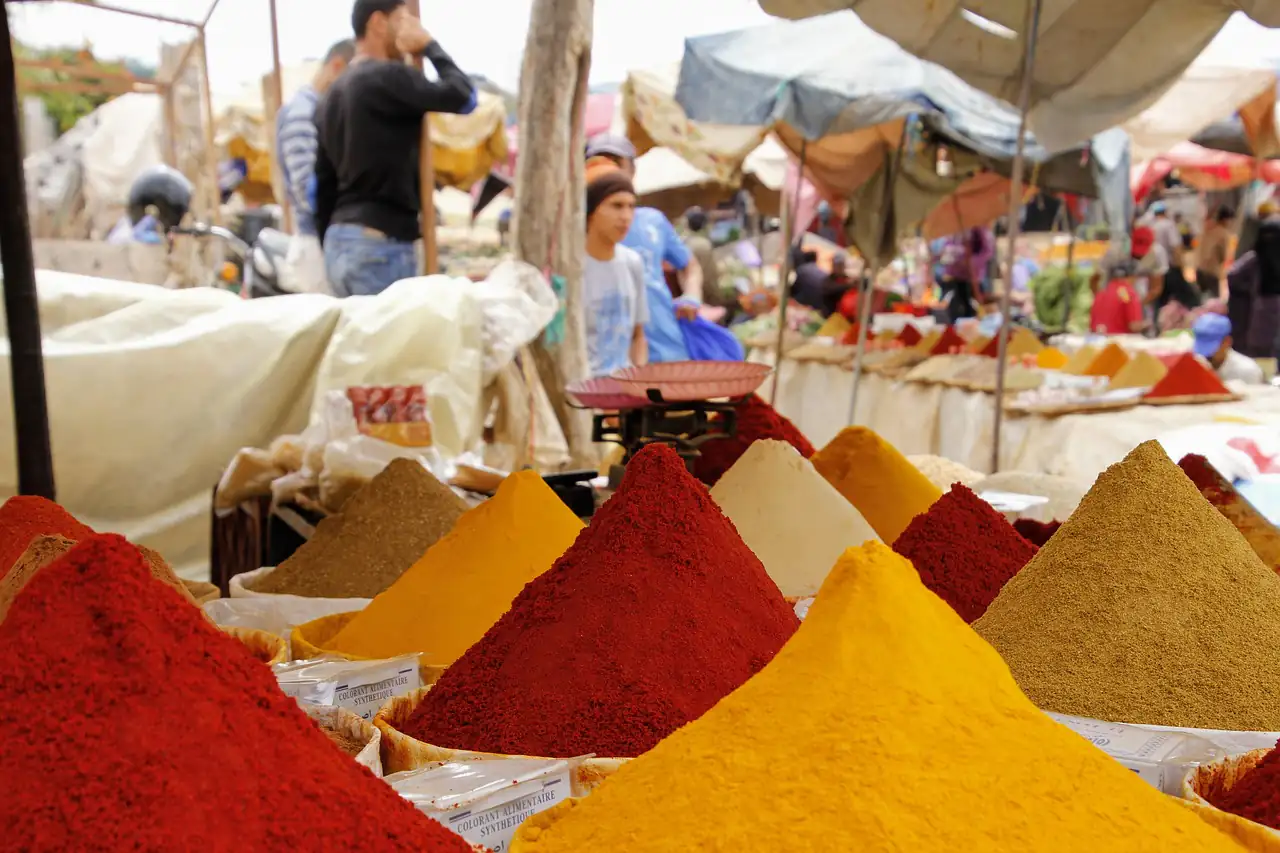
Indian spices fail different tests at different borders. In our count of official records from 2021 to September 2026, the EU mostly rejected them for pesticide residues, the US for Salmonella and filth, and Australia almost entirely for Salmonella, so the test panel has to follow the destination.
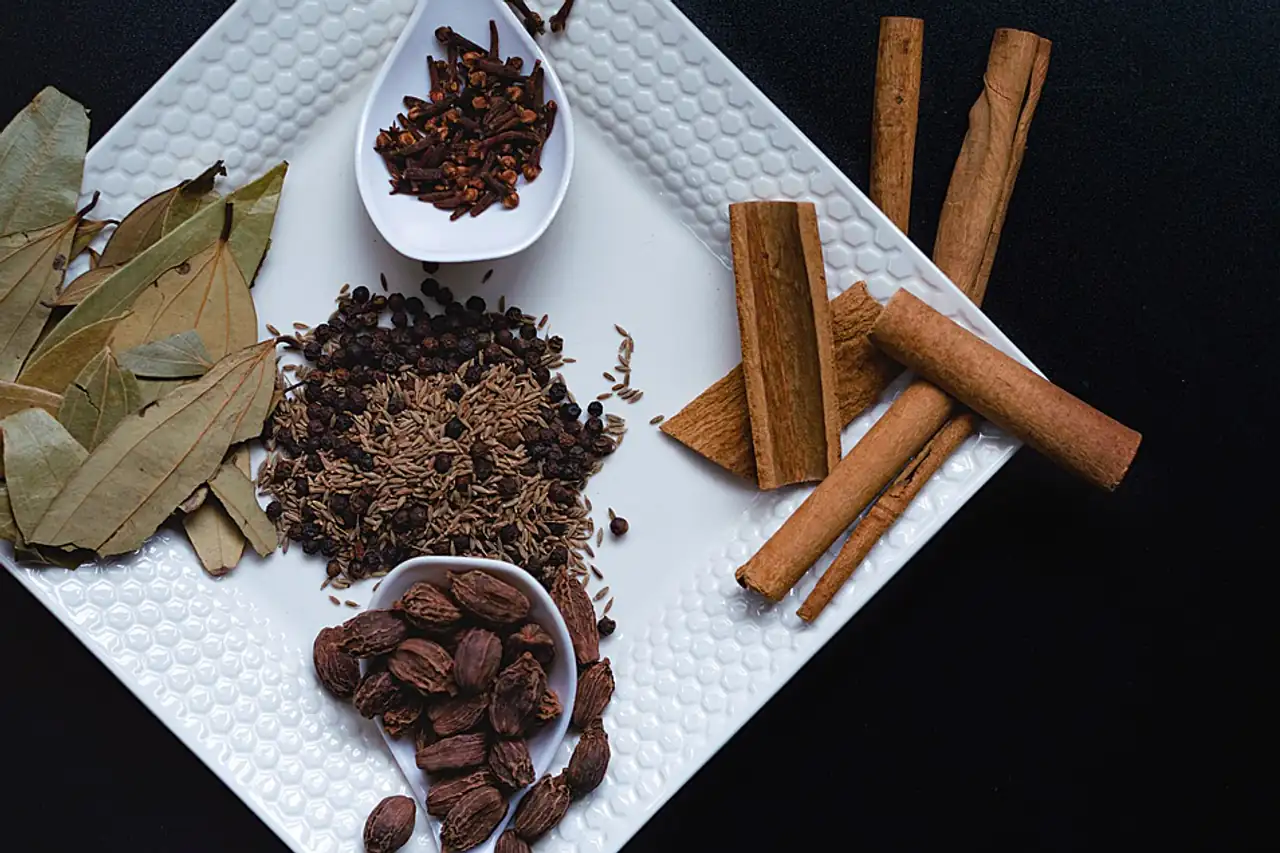
India had more failing records in Australia's imported food tests than any other country in every full year from 2021 to 2025, 411 of 1,799 records to July 2026. Nearly all fall into six repeatable patterns, from Salmonella in chilli powder to hydrocyanic acid in tapioca chips, and each can be tested for or designed out before the goods leave India.
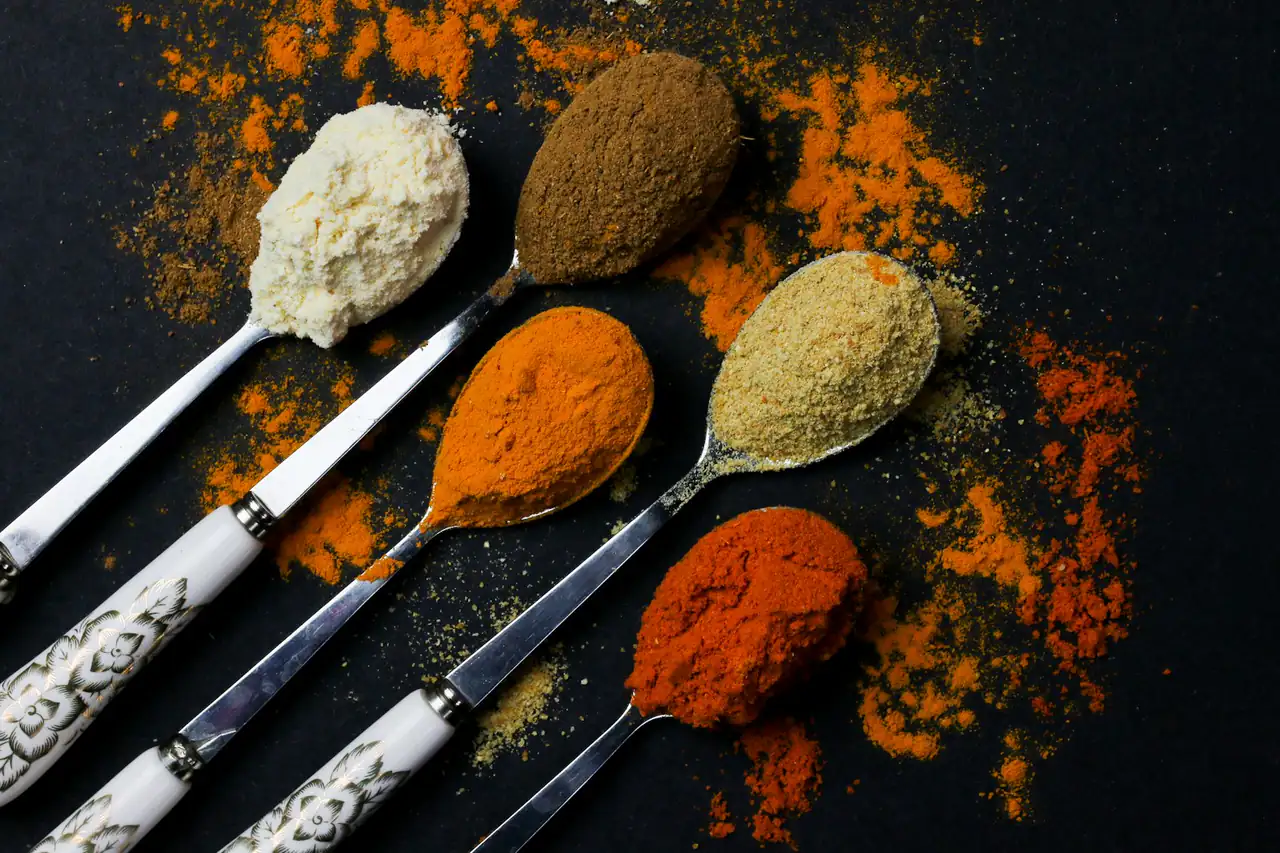
Each border tests imported food for different things: the EU hunts pesticide residues, the US acts mostly on firms through import alerts, and Australia tests risk foods against its own Food Standards Code. This guide uses about 22,000 official records on Indian food to show how to build a test panel per destination and test before you ship.
A quote that says "leather" tells you nothing about the animal, and in India the answer is often goat, sheep or buffalo rather than cowhide. Each behaves differently in a bag: goat is tough and small, sheep is soft and delicate, buffalo is thick, coarse and variable. Ask for the species, the tannage and the tannery in writing, check the grain yourself, and sample buffalo from the actual lot.
A custom rug from India usually arrives off-colour for one of five reasons: the colour was approved on a screen, the bulk yarn went into a different dye lot, the yarn looks different once woven into pile, the post-weaving wash shifted it, or it is being judged in different light or from the other end of the pile. Each has its own approval. Because returning a large rug to India is slow and costly, the approvals and the remedy belong in the order before weaving starts.
No. Urine does not tan leather, and the smell some buyers notice on Indian leather has ordinary causes: tannery residue left by poor washing and finishing, solvent finishes and bag-making glues, and moisture in packing and transit. Each smells different and has its own fix. Odour has no legal limit, so it has to go into the spec, with a closed-box check on bulk before you accept a shipment.