

Spice Sourcing: Why the Lab Report Decides More Than the Tariff
Cumin, chilli, pepper, turmeric and curry blends each fail borders for different reasons. What the EU, US and Australia catch, where spices are traded, and what to ask an exporter.
7 min read
India had more failing records in Australia's imported food tests than any other country in every full year from 2021 to 2025, 411 of 1,799 records to July 2026. Nearly all fall into six repeatable patterns, from Salmonella in chilli powder to hydrocyanic acid in tapioca chips, and each can be tested for or designed out before the goods leave India.
If you import Indian food into Australia, expect your goods to be tested, and know exactly what for. India had more failing records in Australia's imported food tests than any other country in every full year from 2021 to 2025. That sounds alarming until you read the records one by one, which is what we did.
This post goes through what actually fails, product by product, and the test or check that would have caught each one before it left India. The caveat matters, so here it is first - a failing record counts what the border checked and caught, not how often Indian food fails. Australia tests some foods far more than others, and a lot of India's export basket sits in the most-tested groups.
Australia's Imported Food Inspection Scheme sorts food into two groups. "Risk foods", like ground chilli and peanuts, are referred for inspection on every consignment at first, dropping to a quarter of consignments after five passes in a row. "Surveillance foods" are referred at about 5%, and a failure puts that product under a holding order until it passes again (DAFF, inspection scheme (opens in a new tab)).
So a country that ships lots of spices, nuts and snacks gets tested a lot, and gets caught more. India ships exactly that basket. I'd read India's place at the top as "expect to be tested", not "expect to fail". The 411 are the ones that went wrong, and they went wrong in a handful of very repeatable ways (our count of DAFF failing food reports (opens in a new tab), January 2021 to July 2026).
That's actually good news for you. Repeatable failures are avoidable ones.
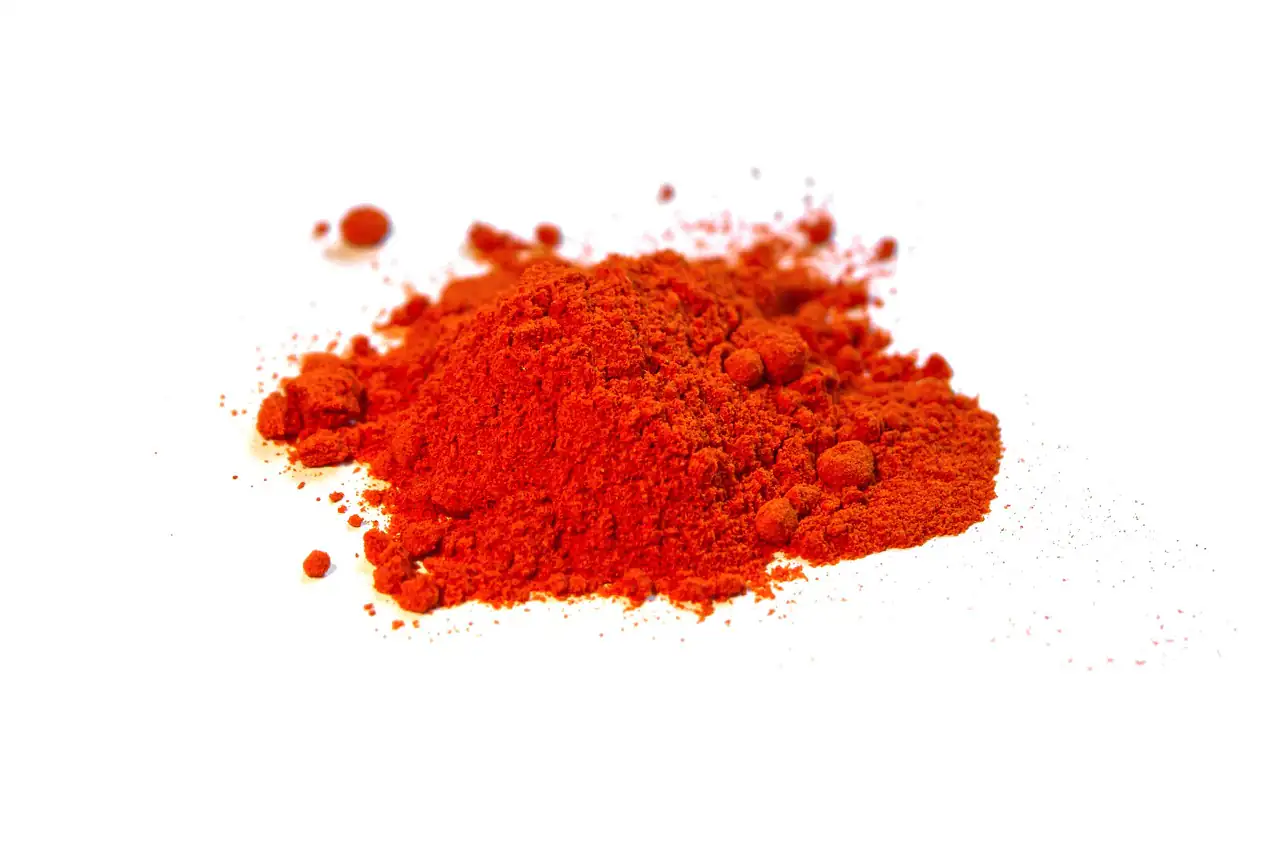
This is the big one. Of the 94 Indian Salmonella failures, 71 were chilli in some form - chilli powder, Kashmiri chilli, extra hot, Guntur, Byadgi, cayenne, crushed chilli. Kashmiri chilli powder alone failed 19 times (our count of DAFF records). Shredded and frozen coconut, sesame and ground pepper made up most of the rest.
Why chilli? It's dried in the open, often on farms, and grinding spreads any contamination through the whole lot. Grinding doesn't kill Salmonella. A steam or other validated kill step does. Plenty of Indian processors run one, and plenty of small packers selling to local shops don't, because their home market doesn't ask for it.
How to avoid it - buy ground chilli only from a processor with a validated microbial reduction step, and get the validation, not just a promise. Test every lot for Salmonella before it ships, at a lab you choose, on a sample taken by someone other than the packer. One clean certificate from last month says nothing about this month's lot. The full test-plan logic is on food import testing.
Here's one almost nobody sees coming. Tapioca and cassava chips, a much loved Kerala snack, failed 56 times on hydrocyanic acid (our count of DAFF records). Cassava naturally contains compounds that release it, and proper soaking and cooking bring it down.
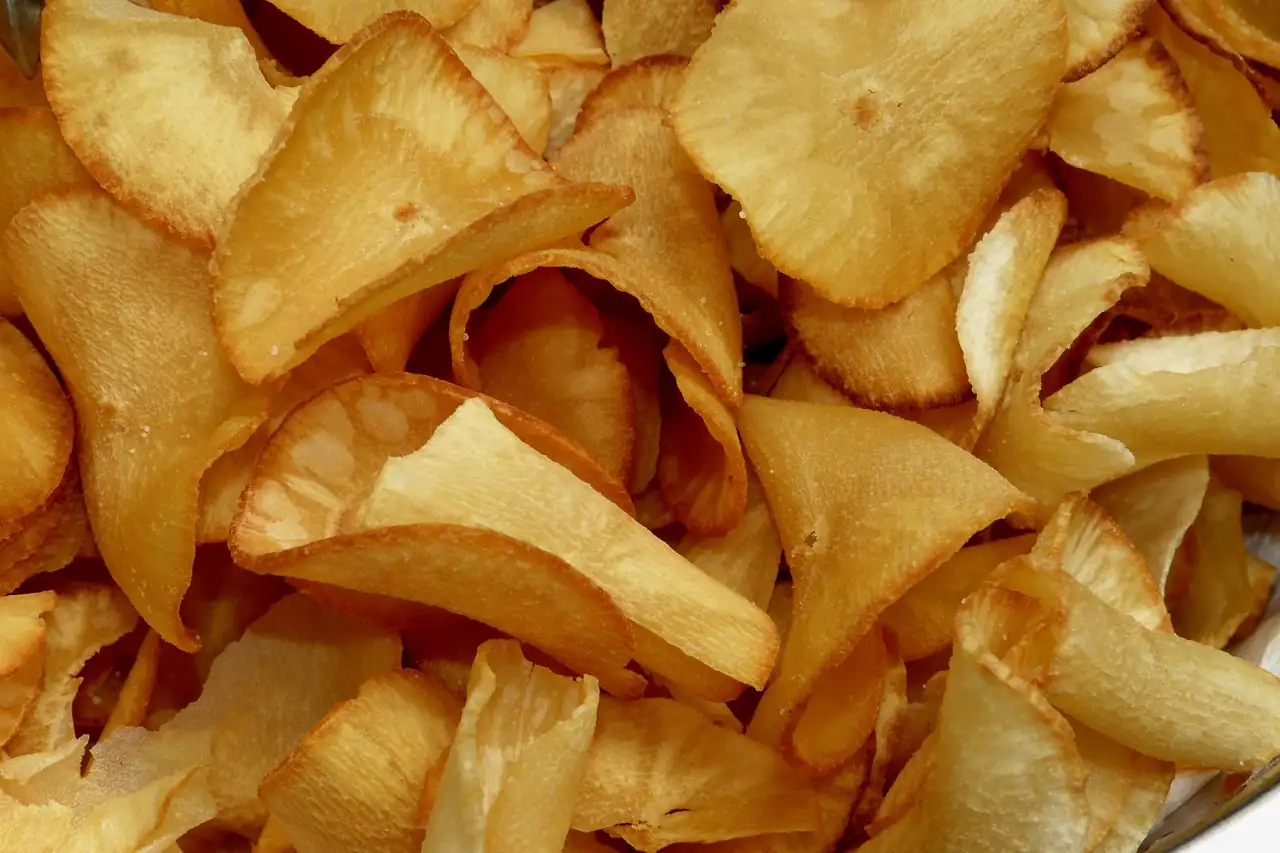
Australia caps total hydrocyanic acid in ready-to-eat cassava chips at 10 mg/kg (FSANZ, Proposal P1002 (opens in a new tab)). Every failing Indian result we read was above that, many of them well above. A maker selling happily at home may never have measured it.
How to avoid it - send the 10 mg/kg limit to your supplier in writing before the first order, ask how their soaking and frying process controls it, and test each lot for total hydrocyanic acid. If the supplier has never heard of the limit, that's your answer.
Nuts and peanuts failed 60 times, 49 of them on aflatoxin (our count of DAFF records). The products are mostly finished snacks, not raw kernels - peanut chikki and brittle, masala peanuts, roasted and spiced peanuts, peanut bhujia.
Aflatoxin comes from mould on the raw nut, usually from damp storage, and roasting and spicing don't remove it. So the snack maker inherits the problem from whoever sold them the peanuts. A good snack exporter sorts and tests incoming kernels. A small one buys from the local market on the day.
How to avoid it - ask your supplier where their peanuts come from and whether they test incoming lots for aflatoxin, then test the finished product too. If you're buying several peanut lines from one maker, test each one, because they may use different kernel lots.
This one is purely a rules mismatch, and it trips up good factories. 27 Indian failures were for vitamins or minerals added to foods where the Australian Food Standards Code doesn't permit them (Standard 1.3.2). The products were mixed fruit jam, vermicelli and pasta, and malt and cereal drink powders. These failures rose to 11 in 2025 (our count of DAFF records).
Nothing is wrong with the food's safety here. It's a recipe made for a market where adding those vitamins is normal, sold into one where it isn't. That's a fair thing for an Indian maker not to know, and a fair thing for you to catch.
How to avoid it - send the ingredient list to your customs broker or a food compliance adviser in Australia before you order, and ask specifically about added vitamins and minerals. If needed, ask the maker for an export recipe without them. Many will do it for a decent order.
Betel nut (areca) and mouth fresheners containing it failed 32 times, 19 of them because areca is a prohibited plant in food in Australia (our count of DAFF records). If your mouth freshener mix lists supari or areca, it won't clear. Check every ingredient of blended products, not just the headline one.
Fresh and frozen vegetables, mostly spinach, okra, gourds, drumstick and betel leaves, failed 56 times, 53 of them on pesticide residues. Raisins and sultanas added 16 more, and lentils 10. The pesticides named most were chlorpyrifos (28 records), carbendazim (21), profenofos (10) and acephate (9) (same records). These are farm-stage problems. The fix is a supplier who knows which farms it buys from and runs a residue screen against Australian limits, not Indian ones.
Last, a small one. Dried fish and fish chips, mostly Maldive fish chips and dried anchovy, failed 6 times on histamine. That comes from fish that wasn't kept cold before drying.
A failed food can't be released. Your options are usually relabelling where that fixes the fault, or supervised destruction or re-export. Then the expensive bit - a holding order on that product from that producer, so every later consignment is inspected until a run of them pass (DAFF, as covered in food import testing). One bad lot of chilli can slow your next five.
That's why pre-shipment testing is cheap by comparison. Australia's specific rules for Indian goods, including BICON permits for some spices, are on India to Australia. Product-level test plans live on quality control.

No, but you should plan for it. Strip the 411 records down and nearly all of them fall into six patterns. Every one of them can be tested for or designed out before the box leaves India.
| Pattern | Failing Indian records | What prevents it |
|---|---|---|
| Salmonella in chilli | 71 of 94 Salmonella failures | A validated kill step and a Salmonella test on every lot |
| Hydrocyanic acid in tapioca chips | 56 | The 10 mg/kg limit in writing and a test on each lot |
| Aflatoxin in peanut snacks | 49 | Tested incoming kernels and a test on each finished line |
| Vitamins Australia doesn't allow | 27 | Ingredient list checked in Australia, export recipe if needed |
| Betel nut (areca) | 19 | Check every ingredient of blended products |
| Pesticides on vegetables | 53 | A residue screen against Australian limits |
Why the same spice can pass at one border and fail at another is in same spice, three borders, and why a good sample is no guarantee for the bulk lot is in sample perfect, bulk not. Plant-based goods also face biosecurity checks, covered in biosecurity for natural goods.
The Indian suppliers in these records aren't villains. Most were selling a product built for another market's rules into Australia's. Your job is to tell them the rules up front and test what they send. If you want someone on the ground to vet the processor, pull samples and manage the lab work, SourcingSync (opens in a new tab) does exactly that.
India topping the failing list tells you where to look. It doesn't tell you to look away from India.
Ready to act
Want the goods checked before they ship?
SourcingSync can arrange inspection in India and tell you what the bulk really looks like before you pay the balance.
Cumin, chilli, pepper, turmeric and curry blends each fail borders for different reasons. What the EU, US and Australia catch, where spices are traded, and what to ask an exporter.
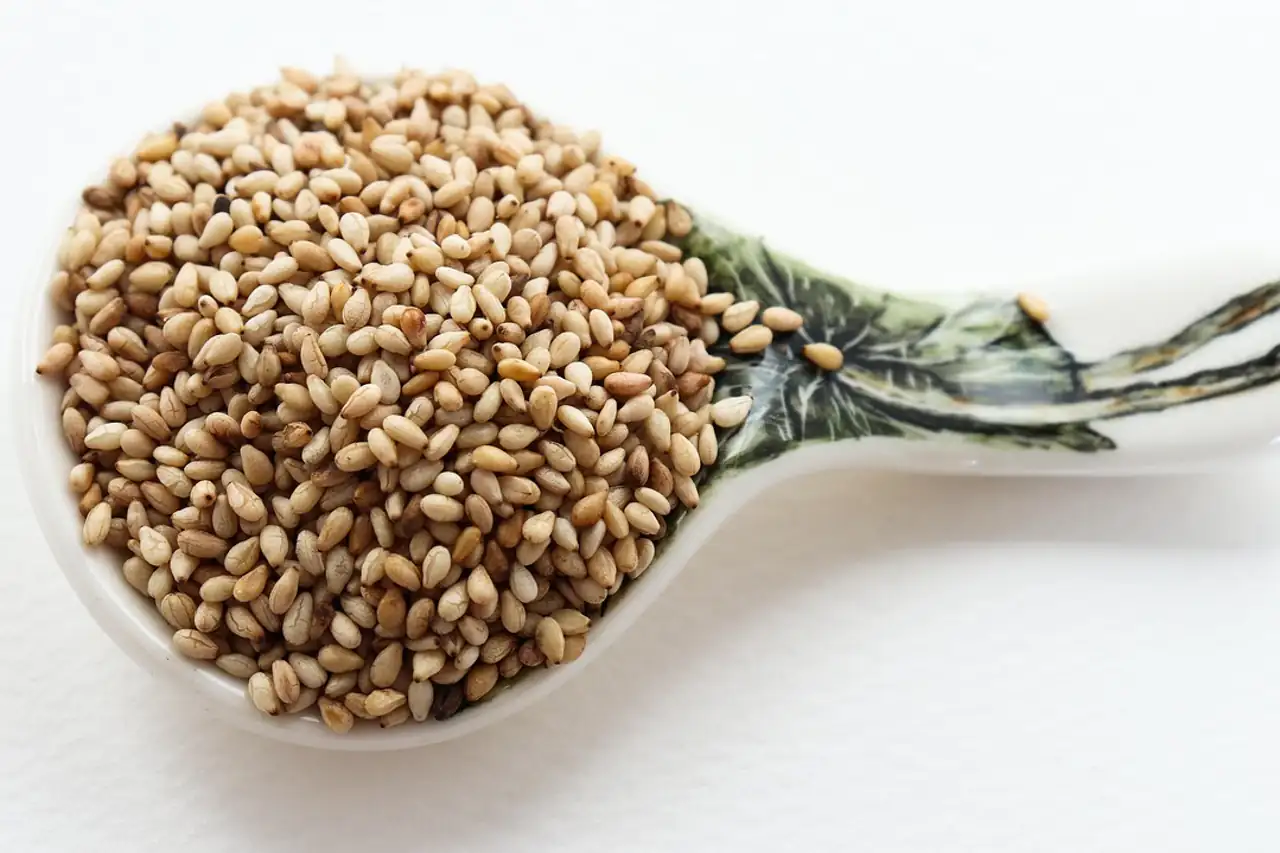
Why Indian sesame lots get rejected in the EU, US and Australia (Salmonella, pesticides, the 2021 ethylene oxide crisis) and the test panel each border needs.
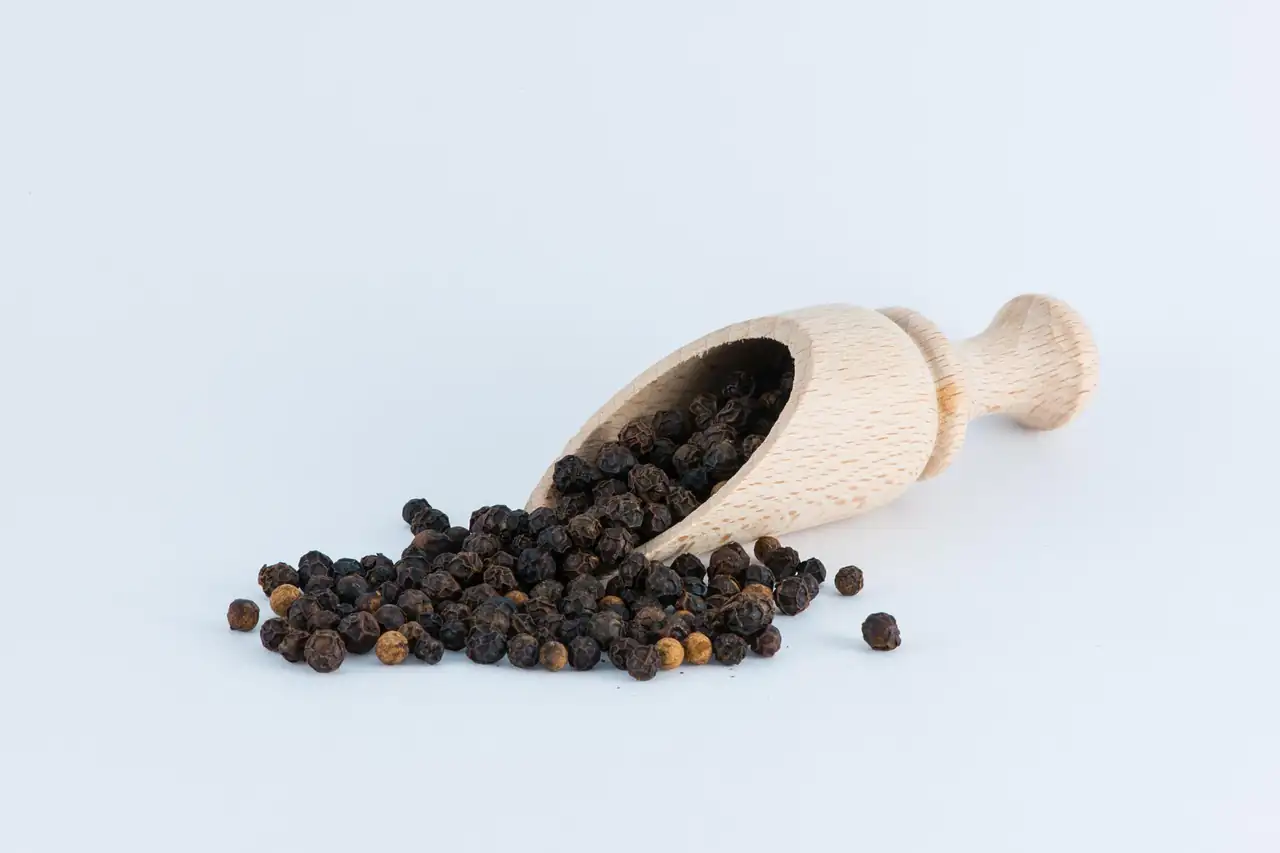
What FDA Import Alert 28-02 means for Indian black pepper, which Kerala and Karnataka districts grow it, the imported-pepper question, and UK, EU, NZ, Australia and UAE rules.
Yash Khatri founded SourcingFrom to give buyers outside India the full picture of sourcing from India: what the country makes well, where it is made, who makes it and how it ships.
Leave your email and the PDF downloads straight away. We don't email it to you.
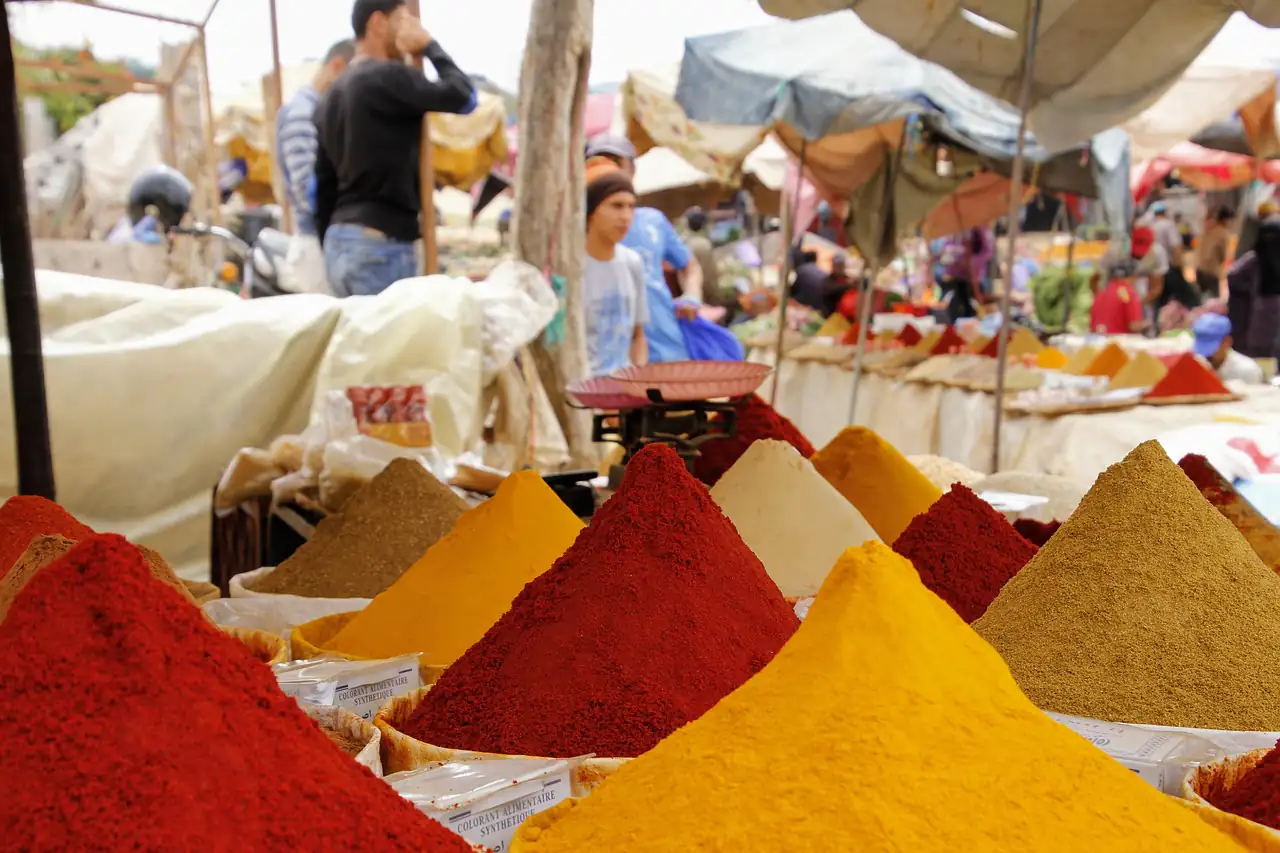
Indian spices fail different tests at different borders. In our count of official records from 2021 to September 2026, the EU mostly rejected them for pesticide residues, the US for Salmonella and filth, and Australia almost entirely for Salmonella, so the test panel has to follow the destination.
Which restricted chemicals actually fail in Indian-made goods sold in the EU, UK and US, based on 211 official alerts and recalls from 2021 to September 2026. It maps each risk to a material and shows how to write a one-page restricted substances list.
Each border tests imported food for different things: the EU hunts pesticide residues, the US acts mostly on firms through import alerts, and Australia tests risk foods against its own Food Standards Code. This guide uses about 22,000 official records on Indian food to show how to build a test panel per destination and test before you ship.

Sea freight from India to Sydney, Melbourne, Brisbane or Fremantle takes about 25 to 36 days port to port, and about five weeks door to door. No carrier we read sails direct, every box changes ship at a hub such as Singapore, Port Klang, Colombo or Tanjung Pelepas, and a missed connection can push a shipment past 50 days.

Sea freight from India to Auckland takes about 29 to 32 days port to port on a Port Klang relay, and 36 to 39 days to Tauranga. Other routings we read took 51 to 97 days because they relayed through North Asia or Oakland, so the relay your forwarder books decides your transit.

Mundra is the closer port for every north Indian cluster we mapped, but closer is not always faster. In the schedules we read, Mundra was quicker to the US East Coast, Nhava Sheva was quicker to the UAE, New Zealand and slightly quicker to Europe, and for Australia the two are close.